 NexaRAM
NexaRAM
NexaRAM
When building a gaming PC, selecting the right RAM can significantly impact performance. DDR5 for gaming PC has become the new standard, offering faster speeds and greater efficiency compared to previous generations. Players looking to maximize their gaming experience must understand what makes DDR5 uniquely beneficial.
There is a variety of DDR5 options available on the market today. Factors such as speed, capacity, and compatibility with the motherboard should be considered. Individuals may feel overwhelmed by the numerous choices presented. It’s crucial to prioritize quality and brand reliability, as not all DDR5 modules are created equal.
Benchmarks and reviews play a significant role in helping users make informed decisions. However, it’s easy to get lost in marketing jargon. Not every high-speed RAM will offer the same performance gains. Reflecting on real-world usage can provide valuable insights. Take the time to analyze your gaming needs. Make an educated choice to enjoy the full benefits of DDR5 in your gaming setup.
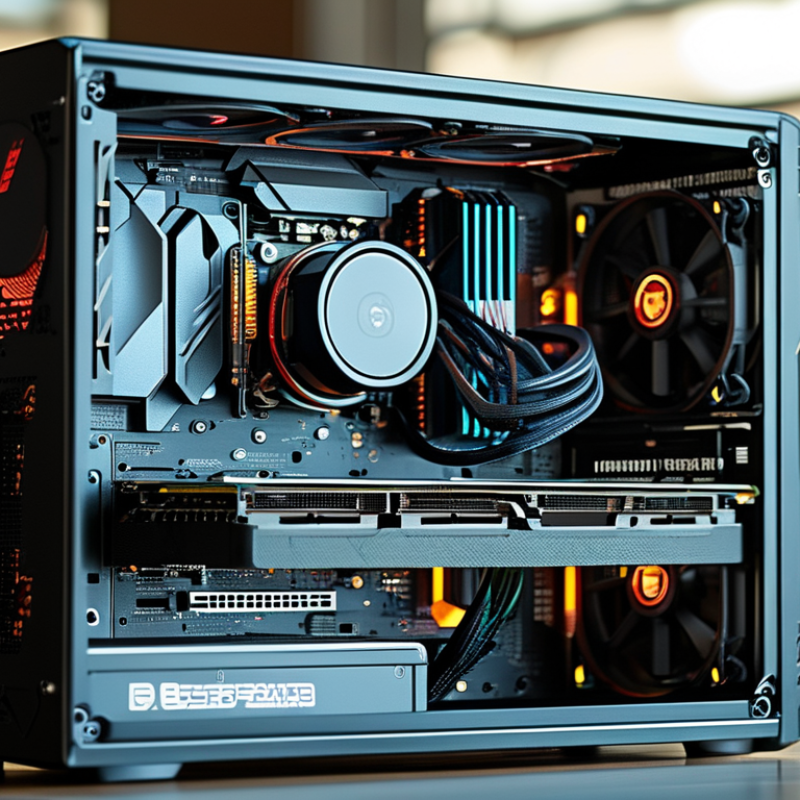
When choosing DDR5 for gaming, it's crucial to consider speed and latency. Look for modules with high frequency. Frequencies around 6000 MT/s are common for gaming DDR5. However, higher speeds aren't always better. Pay attention to latency as well. Lower latency can lead to better performance in real-world scenarios.
Capacity is another key factor. For modern gaming, 16GB is a good starting point. However, many gamers opt for 32GB. This extra capacity can help in multitasking, especially when running demanding applications. Ensure your motherboard supports the chosen capacity. Compatibility is essential for optimal performance.
Check the voltage ratings too. Most DDR5 modules run at 1.1V, which is more power-efficient than their predecessors. Power efficiency matters, especially for overclocking scenarios. Remember, not all modules are created equal. Research and verify specifications before making a purchase. While it may seem tedious, a little effort can save you from future issues.
| Feature | Description | Importance |
|---|---|---|
| Memory Speed | Higher speeds (e.g., 4800 MHz to 6400 MHz) mean better performance in gaming. | High |
| Latency | The lower the CAS latency, the better the performance; typically measured as CL30, CL32. | Medium |
| Capacity | Common capacities range from 16GB to 64GB; more capacity allows for better multitasking. | High |
| Cooling Solutions | Heat spreaders and active cooling can aid in stable performance during intense gaming sessions. | Medium |
| Compatibility | Ensure the DDR5 RAM is compatible with your motherboard and CPU. | High |
| Form Factor | Most common is DIMM for desktops; ensure form factor matches your setup. | Medium |
| Price | Prices can vary significantly based on speed and capacity; balance budget with performance needs. | High |
M?
Latency measures delay between requests and data delivery. Lower CAS latency can improve performance but might not always be noticeable.
Find a balance that suits your gaming style. Higher speed does not always translate to better performance in all scenarios.
At least 16GB is ideal, but 32GB is becoming the standard for optimal performance in modern games.
Yes, it’s crucial. Ensure your motherboard supports DDR5 to take full advantage of the memory's capabilities.
XMP stands for eXtreme Memory Profile. It allows for easy overclocking, enhancing overall gaming performance.
Yes, sometimes the cost of higher specs outweighs the benefits. Reflecting on actual gaming needs is important.
DDR5 offers impressive bandwidth that enhances performance and reduces load times, making it suitable for future gaming demands.
Investing in DDR5 can provide long-term benefits as game developers push for higher performance standards over time.
Yes, prices can vary widely. Balancing performance needs with your budget is essential before making a purchase.
When selecting DDR5 for gaming PC, several essential features must be considered to ensure optimal performance. Key factors include the speed and latency of the RAM, as these characteristics directly influence gaming responsiveness and frame rates. Additionally, compatibility with existing components in your gaming setup is crucial to avoid any performance bottlenecks.
Price versus performance is another important consideration; finding DDR5 modules that offer great value can significantly enhance your gaming experience without breaking the bank. Lastly, investing in DDR5 technology not only boosts current gaming capabilities but also future-proofs your setup, ensuring it remains competitive as new games and applications are released. By keeping these aspects in mind, you can make an informed decision when purchasing DDR5 for gaming PC.
