NexaRAM
NexaRAM
NexaRAM
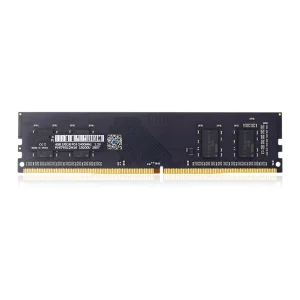
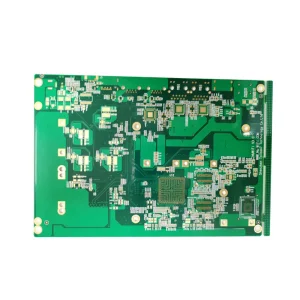
Founded in 2016, NexaRAM Storage Technology Co., Ltd. has evolved from a boutique semiconductor engineering firm into a premier global DDR5 and high-frequency hardware systems manufacturer. Specializing in advanced PCB manufacturing, frequency tuning, thermal engineering, and system-level SMT assembly, we cater to demanding applications across global OEMs, enterprise data hubs, and critical industrial control systems.
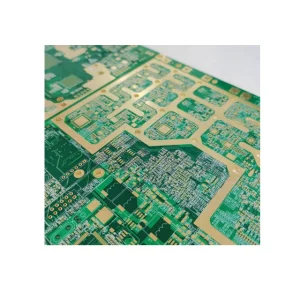
With 12 years of core industry expertise in memory architectures, RF signaling, and multi-layer impedance profiling, our engineering force bridges the gap between raw board fabrications and highly optimized computational nodes. By integrating advanced substrates like Rogers 4000 Series and Shengyi High-TG FR4 in complex hybrid layouts, NexaRAM secures exceptional signal transmission accuracy, minimizing dielectric losses even at microwave frequencies exceeding 40 GHz.
Operating from our specialized modern manufacturing facility, we manage rapid-turn prototyping to high-volume manufacturing. Backed by an extensive network of over 850 strategic supply chain partners, NexaRAM ensures steady component sourcing and material pipeline security. This enables us to maintain structural manufacturing consistency, irrespective of global chip supply fluctuations.
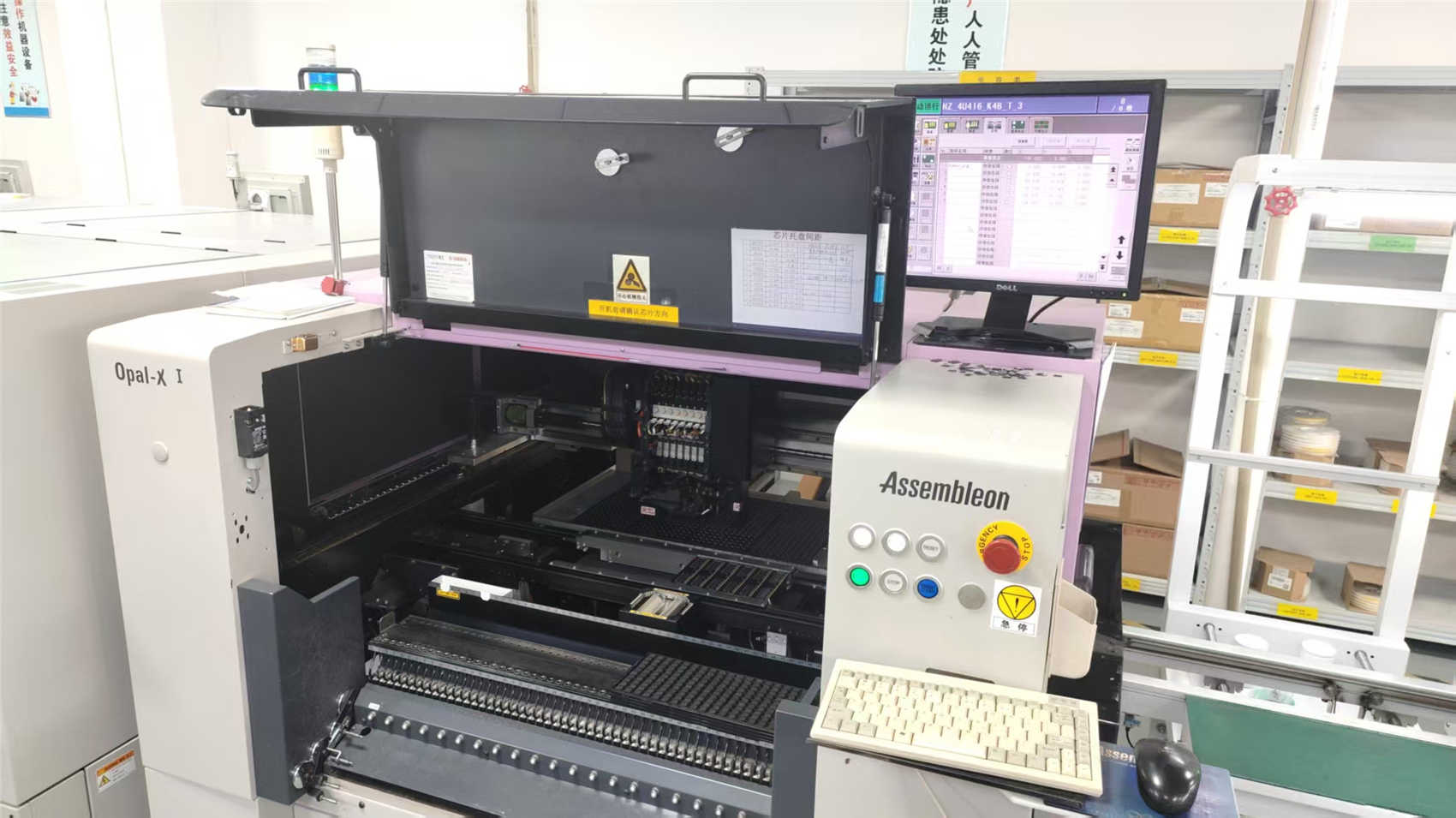
Inside NexaRAM's automated SMT and AOI inspection area.
High-frequency PCBs serve as the foundational backbone for next-generation telecommunications, autonomous systems, and advanced power management. Below is how NexaRAM designs and manufactures solutions across critical macroeconomic sectors:
Developing base station transceivers, phase-array radar antennas, and low-noise amplifiers. Utilizing controlled dielectric constants (Dk of 2.2 to 3.5) to enable multi-gigabit wireless processing without thermal bottlenecks.
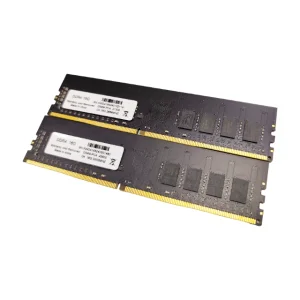
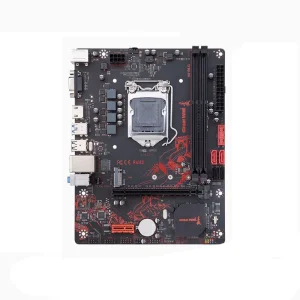
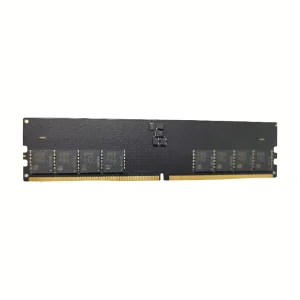
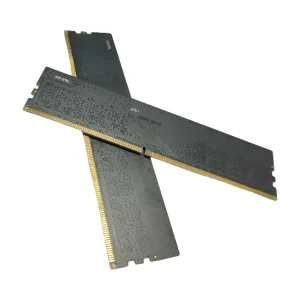
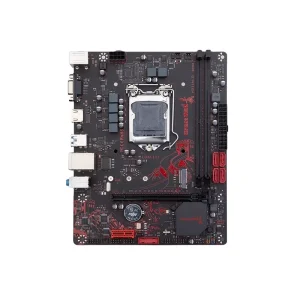
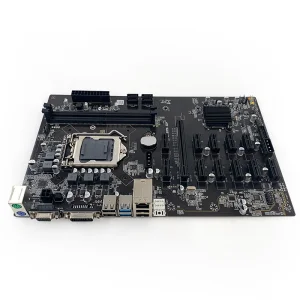
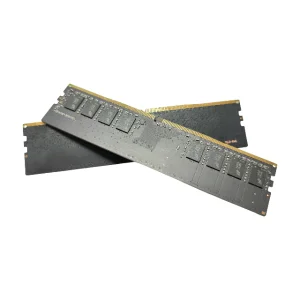
High-layer count server backplanes optimized for DDR5 memory banks and multi-core high-performance processors (like SP5, LGA 1151 platforms). Engineered with back-drilling to resolve via-stub reflections at 3200MHz to 6000MHz interfaces.
Supplying high-efficiency PCBA assemblies for solar photovoltaic inverters, battery management systems (BMS), and automotive driver-assistance radars. Thermal co-design prevents delamination under extreme operating heat.
High-frequency PCBs demand tight material tolerances to prevent signal attenuation and electromagnetic interference (EMI). Standard FR4 substrates degrade significantly at high operating frequencies due to high dissipation factors (Df). NexaRAM combines Shengyi High-TG FR4 with specialized RF materials like Rogers 4000 series (RO4003C, RO4350B) using advanced multi-layer hybrid pressing techniques. This process preserves signal integrity while remaining highly cost-effective.
| Material Designation | Dielectric Constant (Dk @ 10GHz) | Dissipation Factor (Df @ 10GHz) | Glass Transition Temp (Tg) | Primary Industrial Application Fields |
|---|---|---|---|---|
| Rogers RO4350B | 3.48 ± 0.05 | 0.0037 | > 280 °C | Cellular Base Station Antennas, Automotive Radar, Satellites |
| Rogers RO4003C | 3.38 ± 0.05 | 0.0027 | > 280 °C | LNB for Broadcast Satellites, RF Identification (RFID), WLAN |
| Shengyi SY-1170 (High TG FR4) | 4.6 ± 0.20 | 0.0150 | 170 °C | DDR4/DDR5 Memory Modules, Power Inverters, Server Mainboards |
| PTFE/Teflon Substrates | 2.2 - 2.5 | 0.0009 | N/A (Crystalline) | Military Electronics, Aerospace Radars, Ultra-high speed 77GHz systems |
To optimize cost structures for our clients, NexaRAM's engineering team utilizes hybrid multi-layer stack-ups. In a 6-layer board, for example, the critical microstrip signals routing on Layer 1 and Layer 2 are manufactured using Rogers 4000 substrates, while the power plane, ground plane, and low-speed signal lanes are constructed on economical Shengyi High-TG FR4 cores. This method significantly reduces material costs by up to 45% while preserving crucial RF performance characteristics.
Operating under rigorous industrial standards, NexaRAM uses automated testing systems to ensure 100% trace reliability and impedance tolerances of ±5% across high-speed data buses.
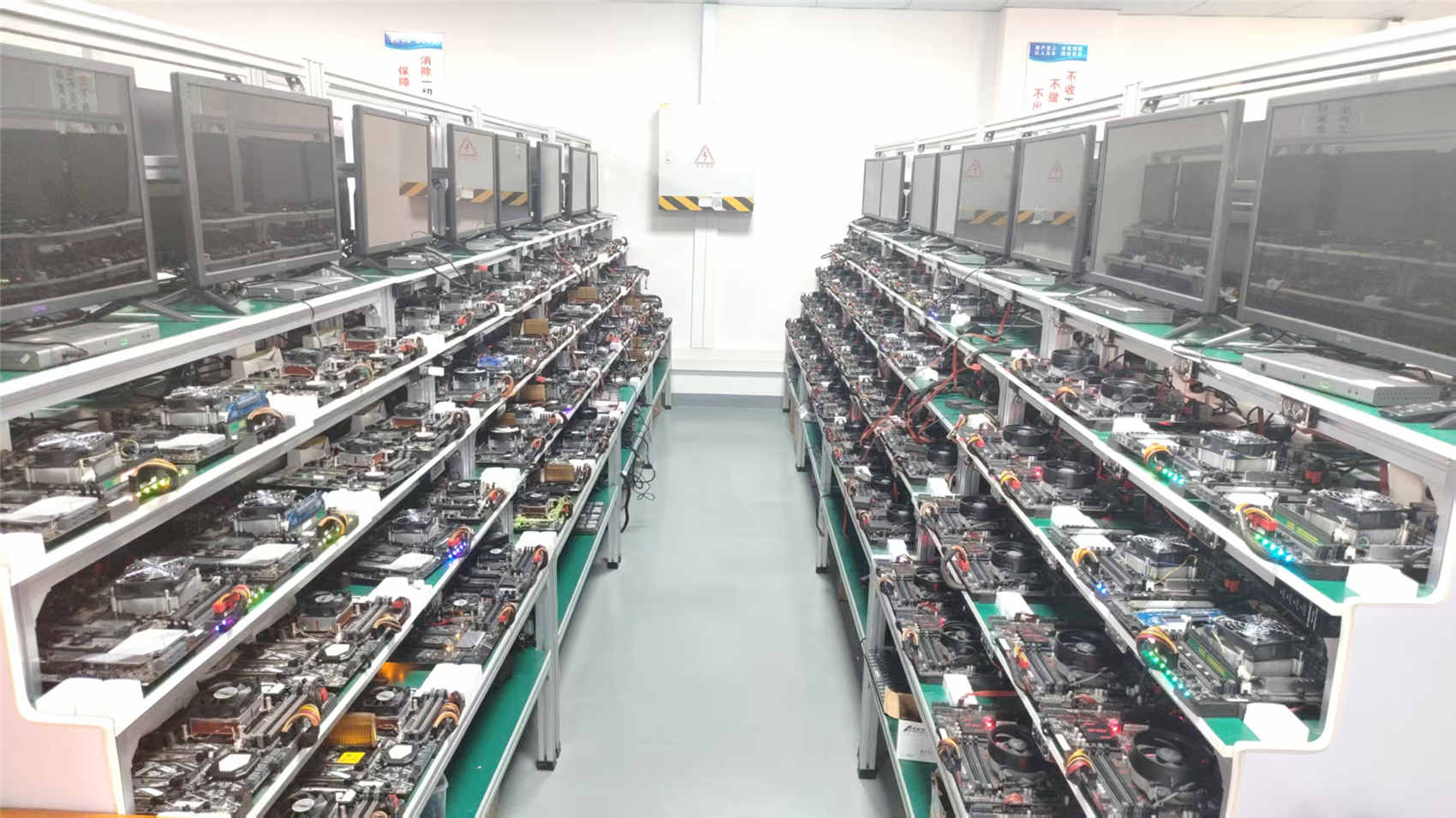
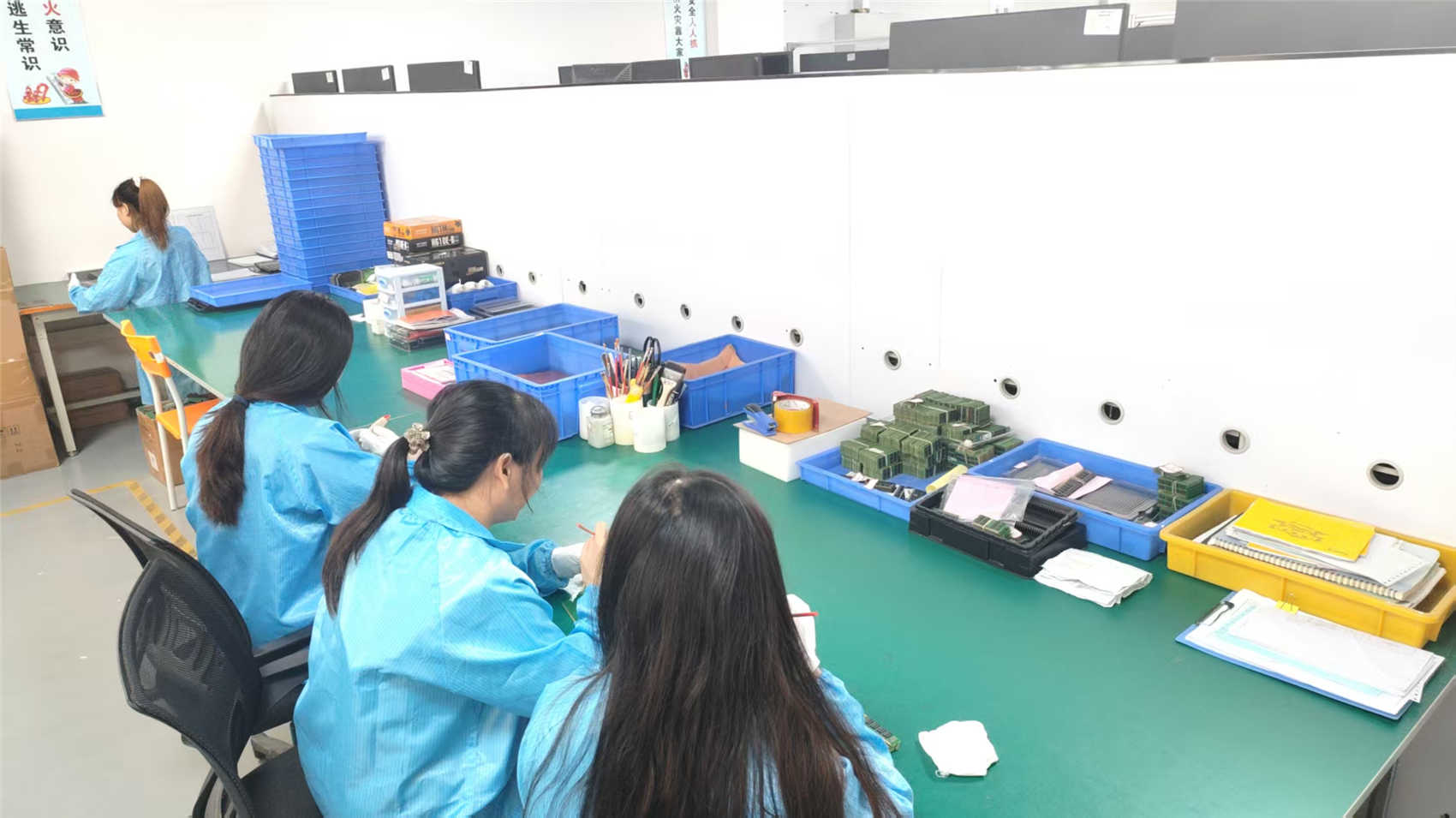
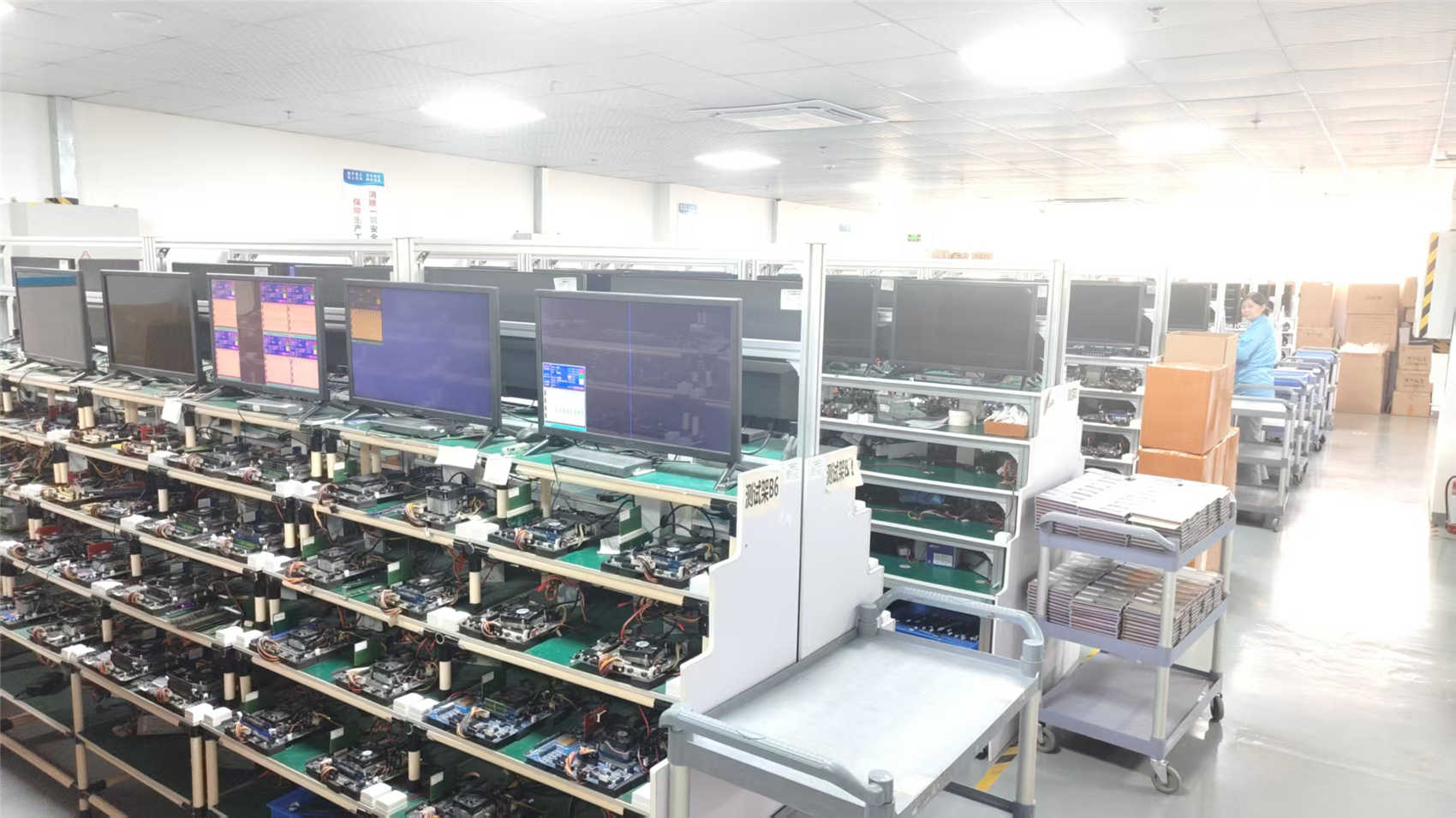
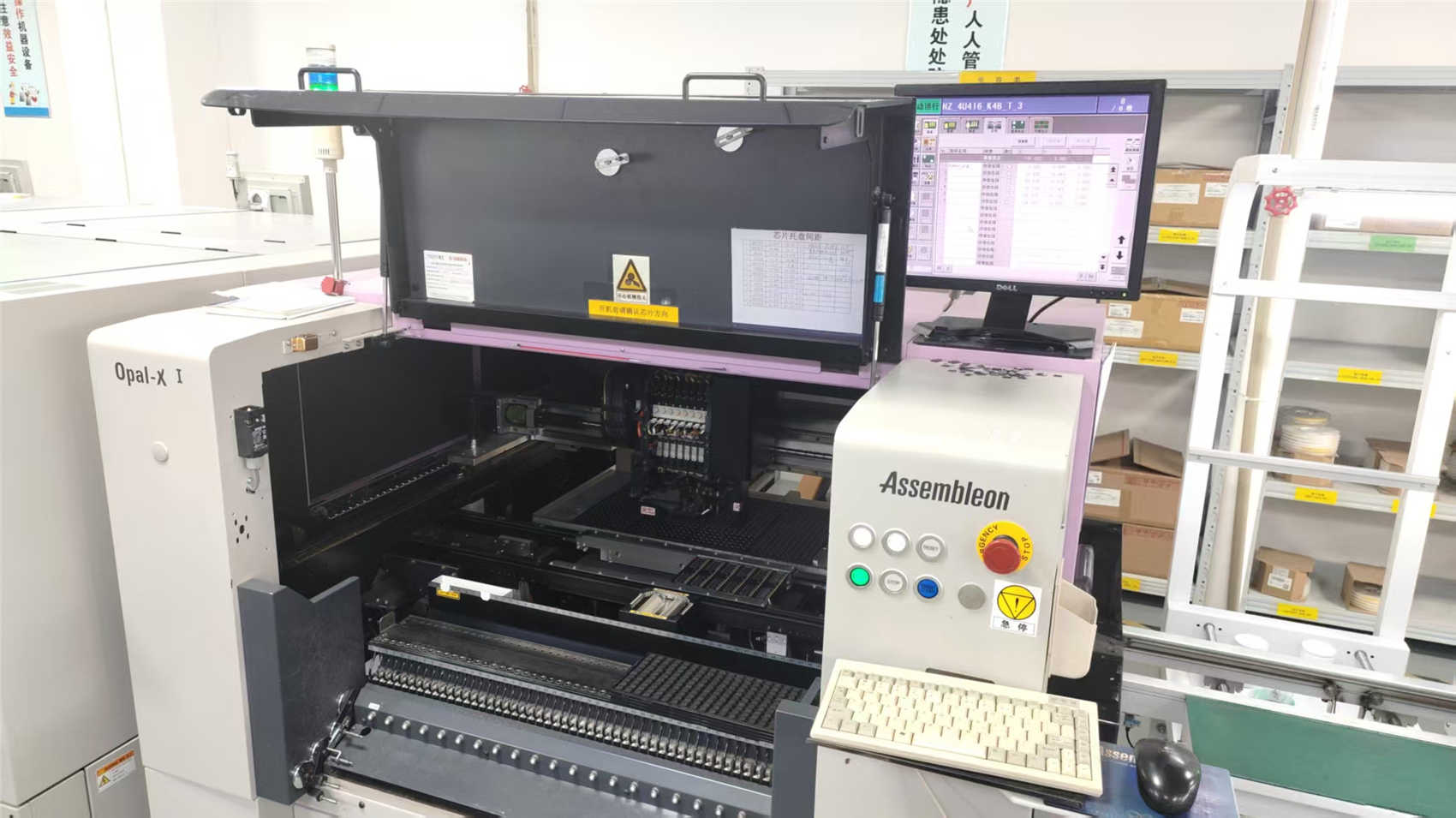
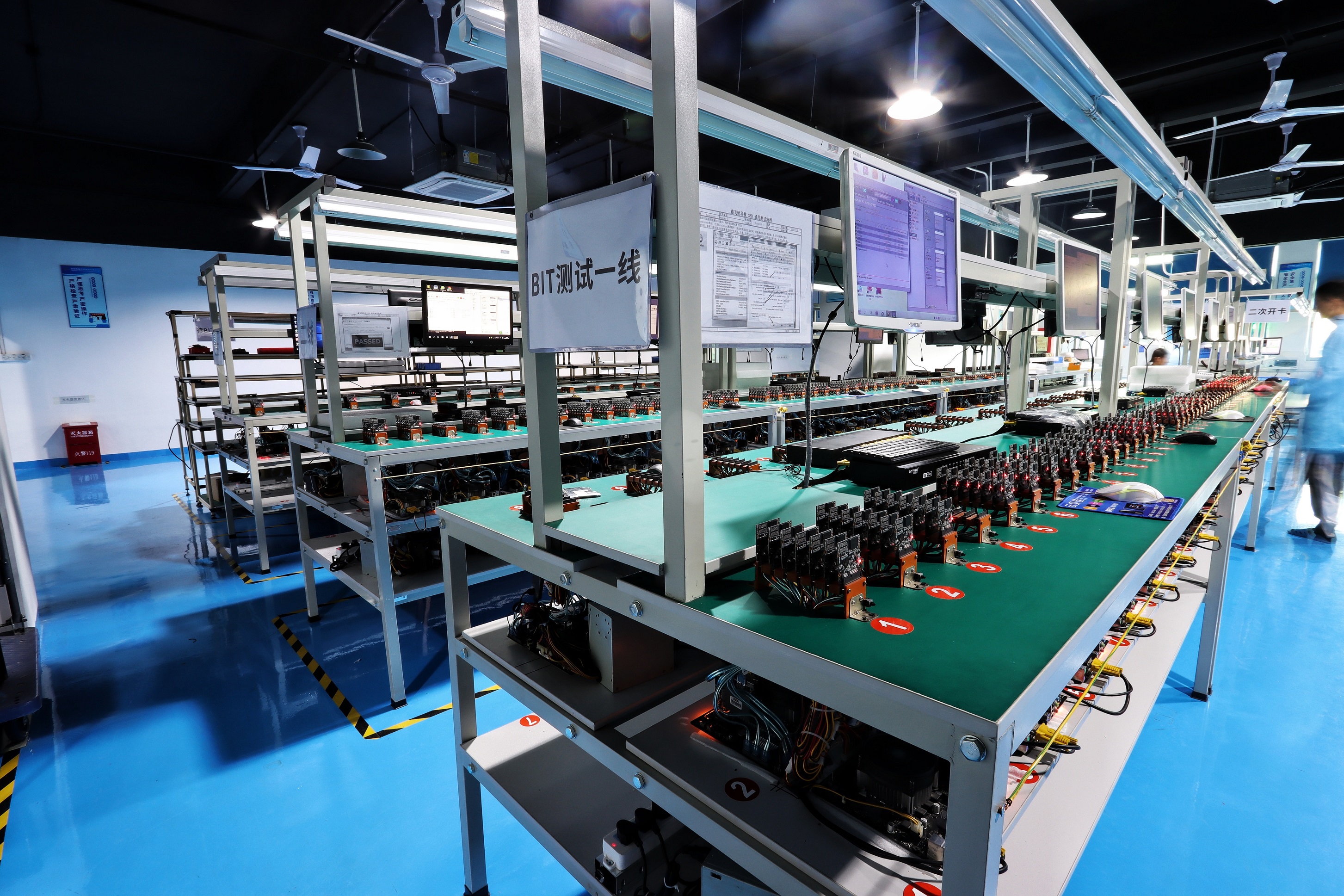
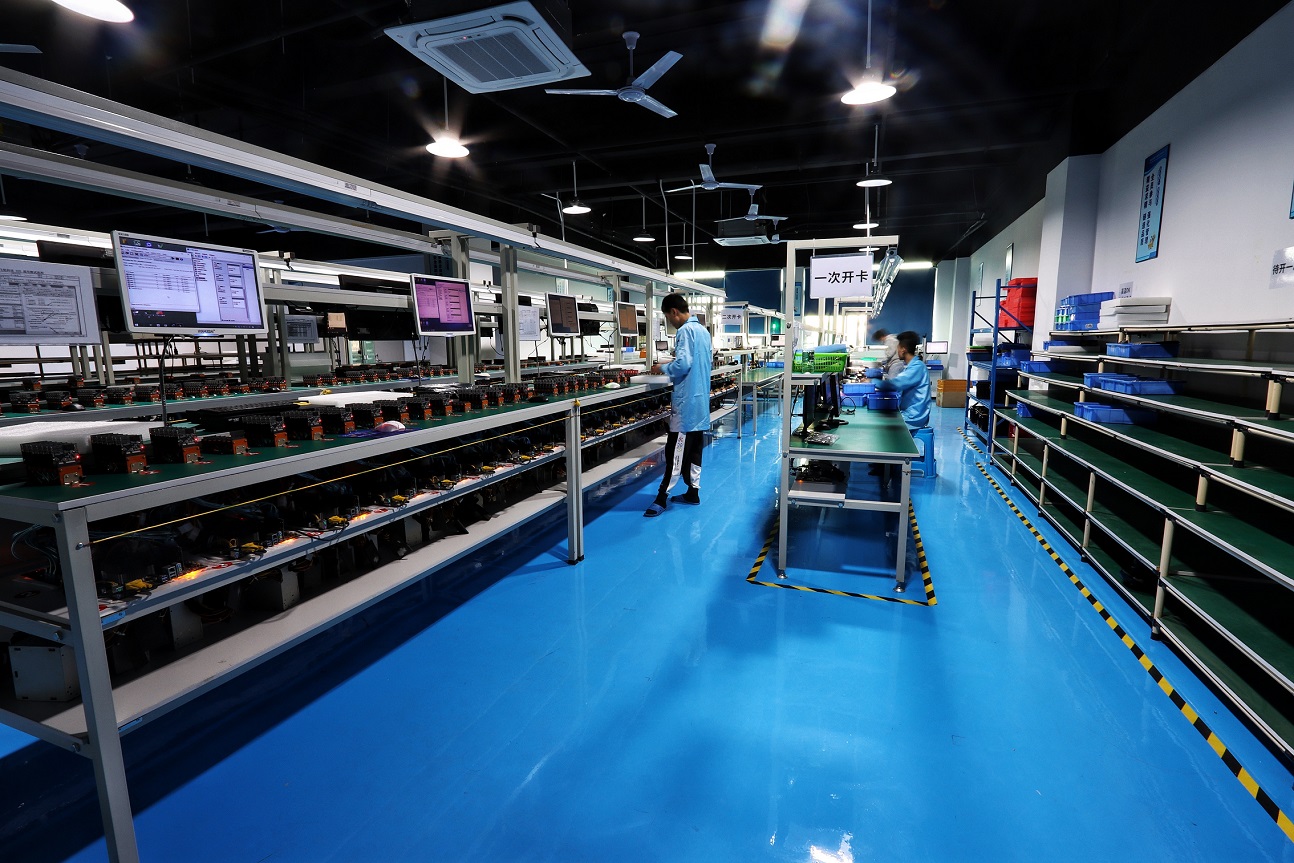
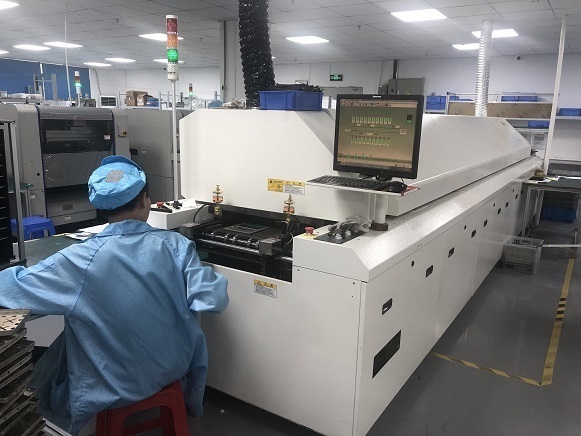
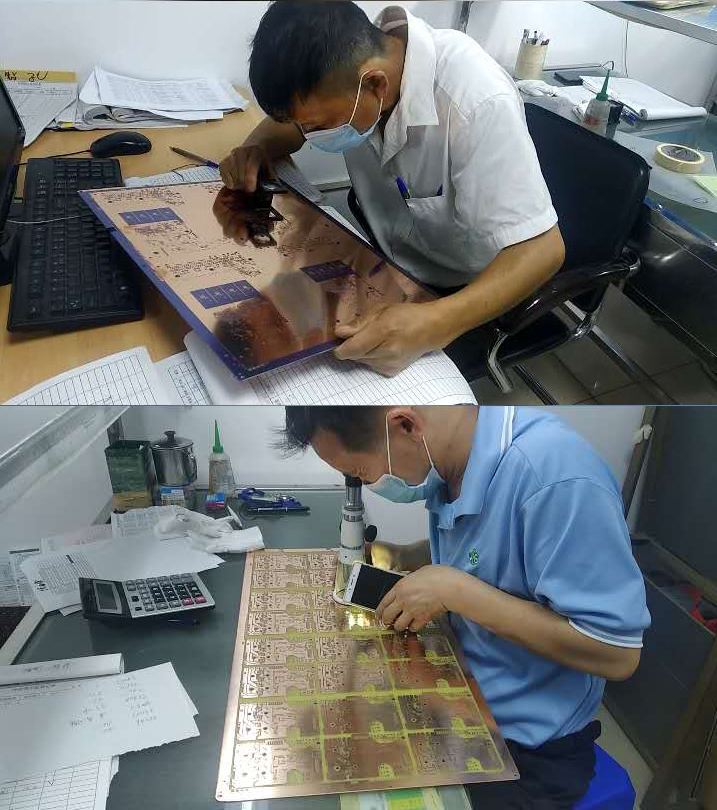
To ensure defect-free manufacturing, our 35-inspector Quality Control team enforces multi-layered screening throughout production:
Utilizes 3D vision algorithms to identify misalignment, missing solder mask, or micro-cracking before components proceed to the reflow ovens.
Verifies target impedance values along RF traces, ensuring that signal reflections are minimized at transmission line boundaries.
Exposes PCBs to cyclic high thermal and power conditions for several hours, eliminating infant mortality and guaranteeing long-term field stability.
NexaRAM caters to leading markets in North America, Europe, Southeast Asia, and the Middle East. High-frequency communication networks and enterprise computing systems require strict compliance with international regulatory bodies. NexaRAM provides full manufacturing traceability and maintains certifications to meet global standards:
Ensures advanced flame-retardant properties across all substrates used, minimizing thermal hazards under persistent current loads.
Guarantees that lead-free, halogen-free, and hazard-restricted elements are used in full compliance with European environment directives.
Manufactured and inspected under Class 3 guidelines for high-reliability products, suitable for medical, military, and aerospace systems.
Aligning automotive radar and sub-component manufacturing pathways with strict global automotive quality standards.
To assist global systems developers, NexaRAM offers regional technical integration support. When transitioning a motherboard or memory controller board layout from standard FR4 to Rogers/Shengyi hybrid stack-ups, our regional support teams help engineers align layer heights, trace impedance lines, and via pad sizes to prevent layout errors and design delays.
As communications transition from 5G to sub-terahertz 6G regimes, NexaRAM's R&D engineering divisions are actively working on key technological goals for 2025 and beyond:
Adopting HVLP (Hyper Very Low Profile) copper foils to limit surface roughness insertion loss. This minimizes skin-effect resistance as signaling frequencies surpass 50 GHz.
Integrating optoelectronic interfaces directly onto high-frequency PCB substrates. This allows high-throughput optical signaling directly to ASIC units in AI server nodes.
Embedding resistors, capacitors, and select semiconductors directly within the multi-layer inner laminates. This saves valuable real estate and shortens routing paths to control parasitic inductance.
Key engineering answers on manufacturing capabilities and material requirements for high-speed systems design.
Rogers 4000 series substrates feature a low, stable dielectric constant (Dk) and low dissipation factor (Df) over a wide frequency spectrum. Conventional FR4 exhibits higher dielectric losses that increase with frequency, leading to degraded signal strength and excessive heating. Rogers materials also maintain low thermal coefficients of expansion (CTE), ensuring trace dimensional stability under fluctuating temperatures.
Yes. NexaRAM specializes in fabricating hybrid multilayer stacks. This includes laminating high-performance Rogers RO4350B or RO4003C layers onto core bases of high-TG FR4 (such as Shengyi SY-1170). This process matches thermal and mechanical properties across different materials, providing optimal high-frequency performance at a lower total unit cost.
We maintain trace impedance variations within ±5% (or down to ±2% for custom requirements) by using precise laser imaging and chemical etching. During pre-production, our team models microstrip and stripline structures using polar impedance solvers to adjust layer stack-ups and trace widths.
We apply unique serialized barcodes to every board, linking it directly to production parameters. This barcode tracks raw materials, SMT component lots, AOI inspections, and final functional test metrics. This level of traceability complies with IPC-A-610 Class 3 and helps streamline field troubleshooting.