NexaRAM
NexaRAM
NexaRAM
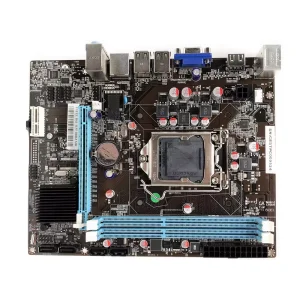
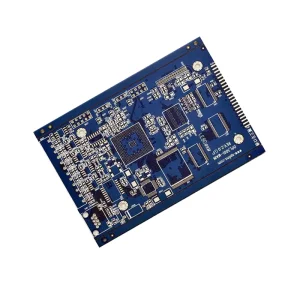
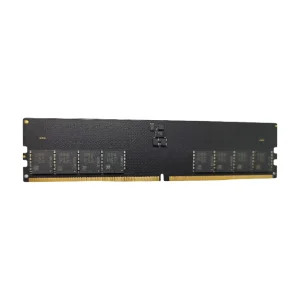
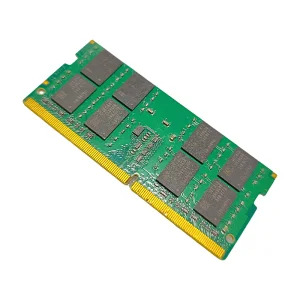
In the rapidly advancing arena of power electronics, solid-state lighting, and automotive engineering, heat is the ultimate bottleneck. Traditional fiberglass-reinforced epoxy substrates, such as standard FR-4, exhibit a thermal conductivity coefficient of merely 0.20 to 0.25 W/m-K. At this level, high-density surface-mount devices (SMD)—especially modern high-power LEDs, power transistors, and gate drivers—suffer from rapid junction temperature elevation, leading to reduced device lifespan, thermal runaway, and electrical failure.
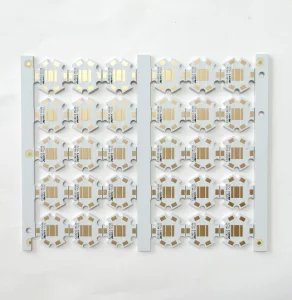
This technical whitepaper explores the critical engineering paradigms of Metal Clad Printed Circuit Boards (MCPCBs), specifically targeting the design, manufacturing, and global procurement criteria for Aluminum PCBs. Through systemic material science advancements, our solutions enable thermal dissipation levels ranging from 1.0 W/m-K up to high-performance thresholds exceeding 8.0 W/m-K. By deploying sophisticated structural configurations and utilizing premium aluminum alloys (Al 5052 and Al 6061), we provide the necessary thermal pathway to sustain demanding high-reliability electronic assemblies.
The total thermal resistance of an IMS (Insulated Metal Substrate) PCB is dominated by the dielectric layer rather than the metal core. Therefore, maximizing heat dissipation requires minimizing dielectric layer thickness while utilizing ceramic-filled polymer formulations that offer high dielectric strength and breakdown voltage.
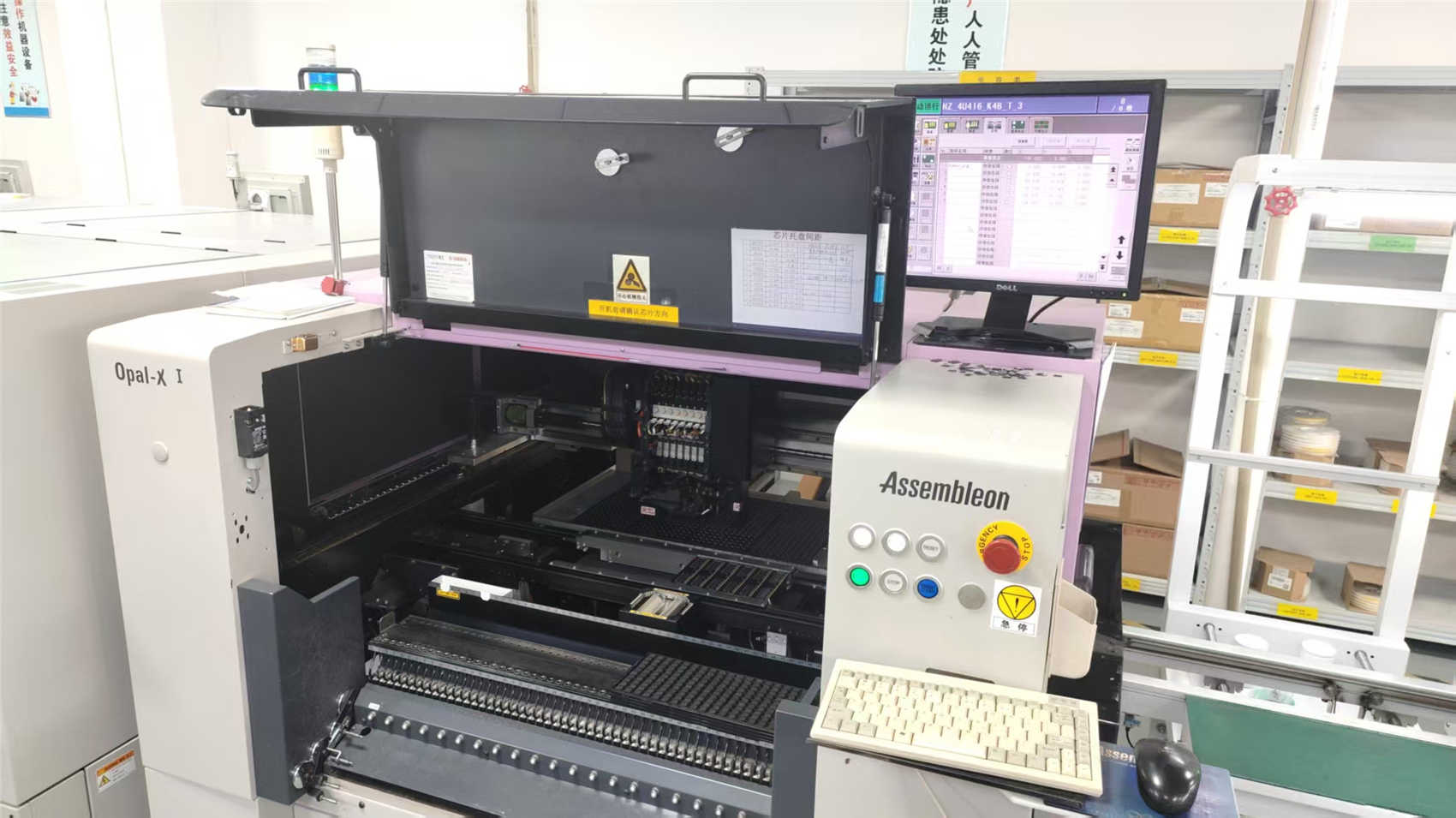
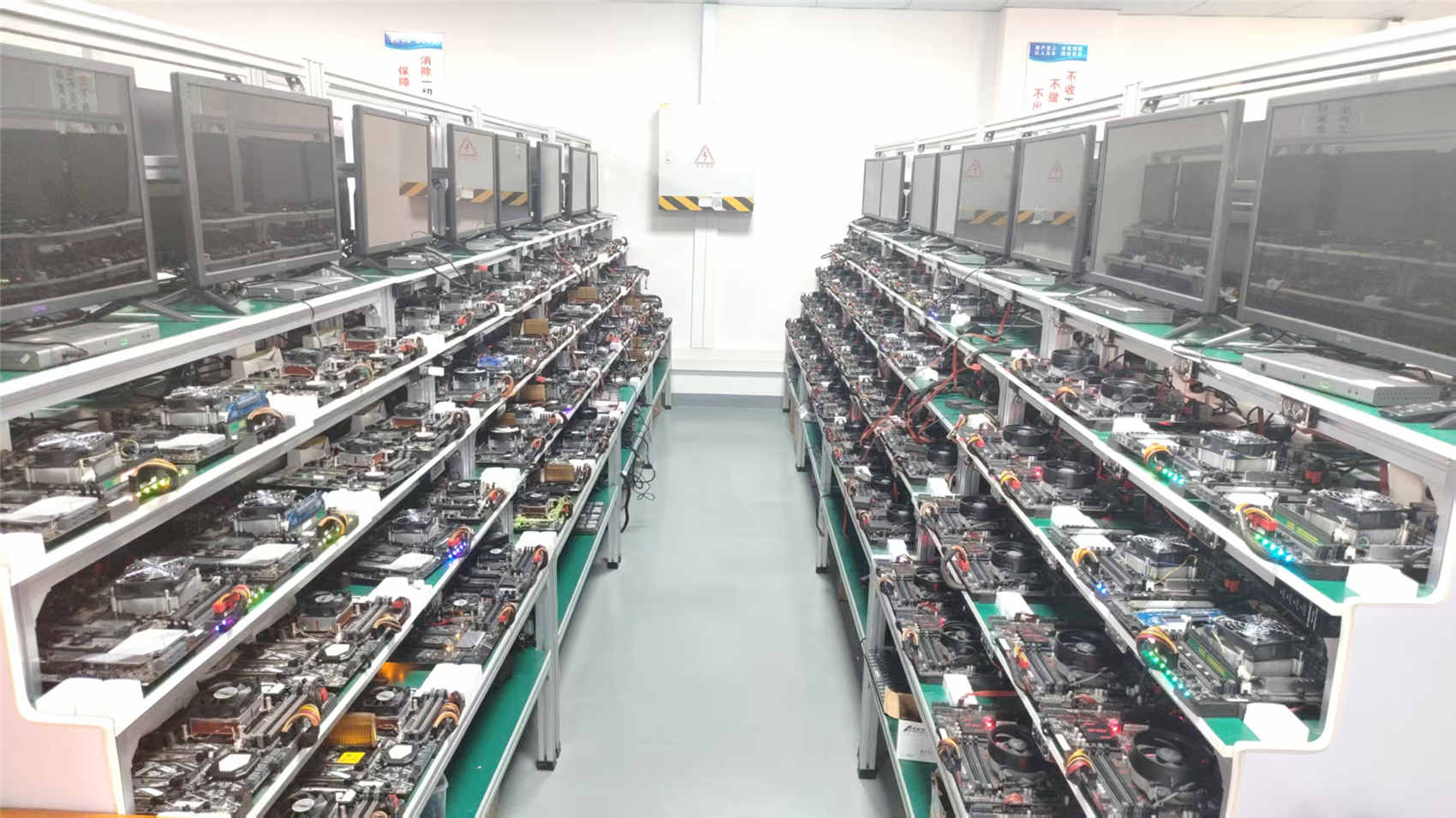
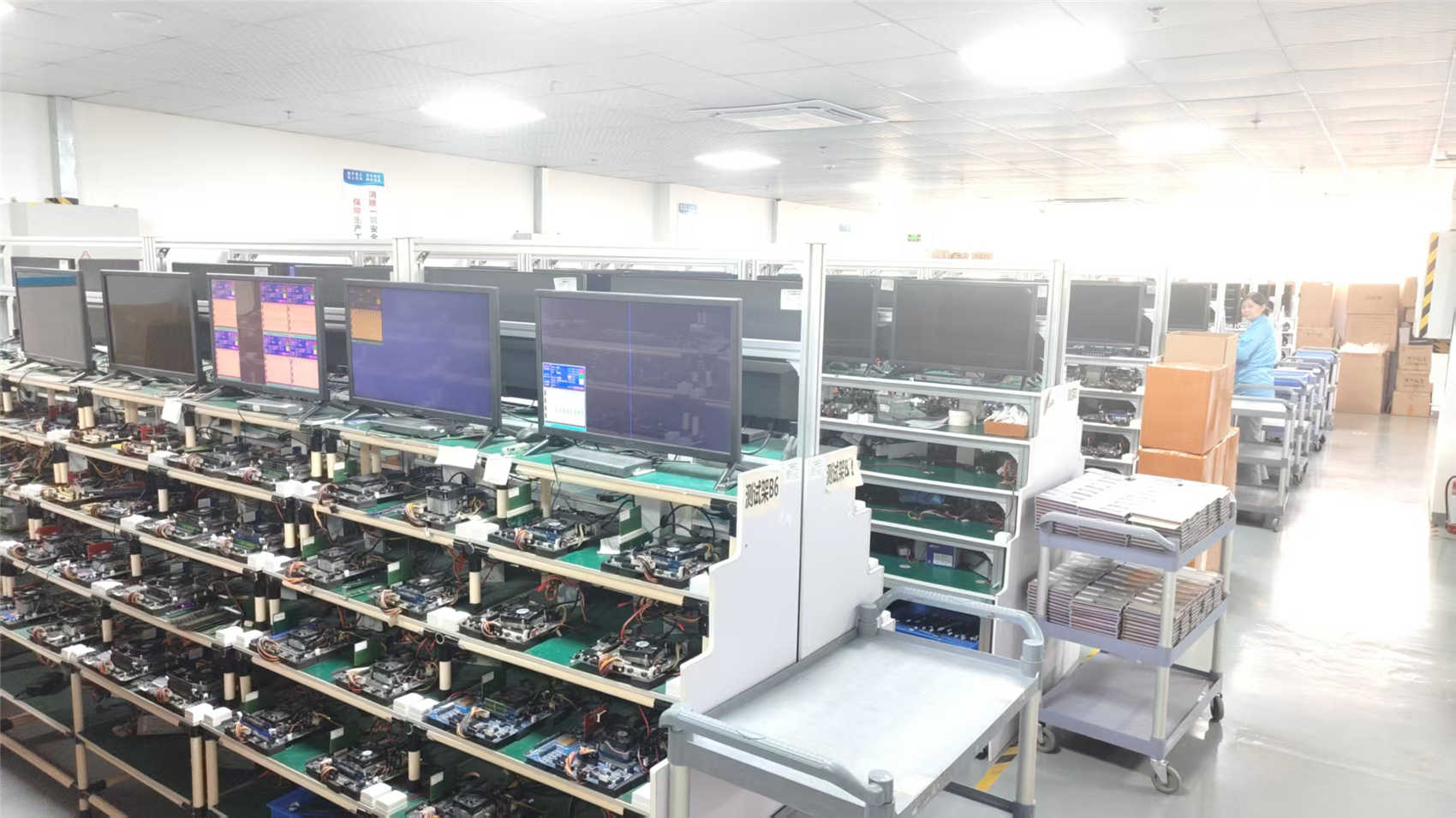
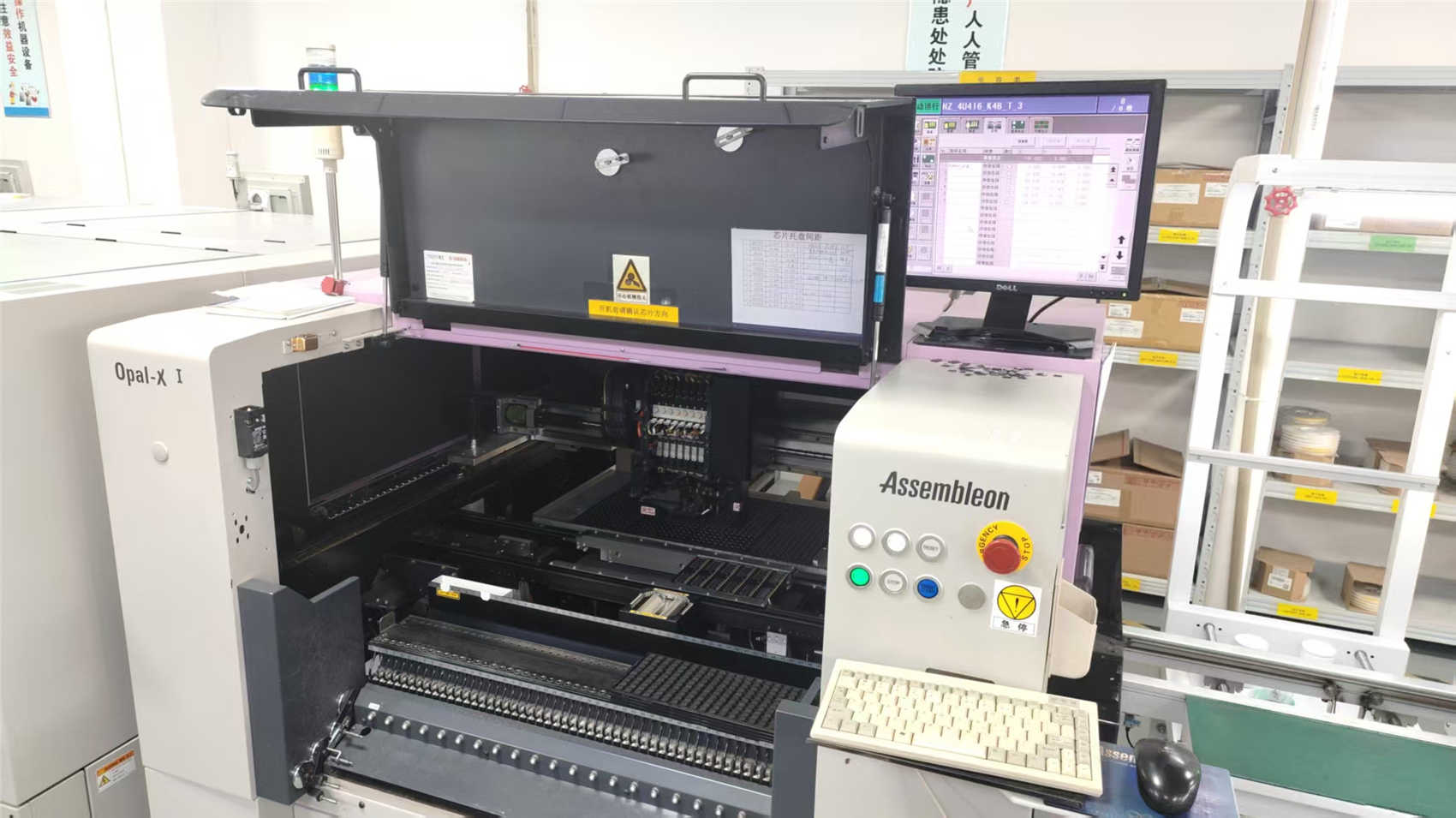
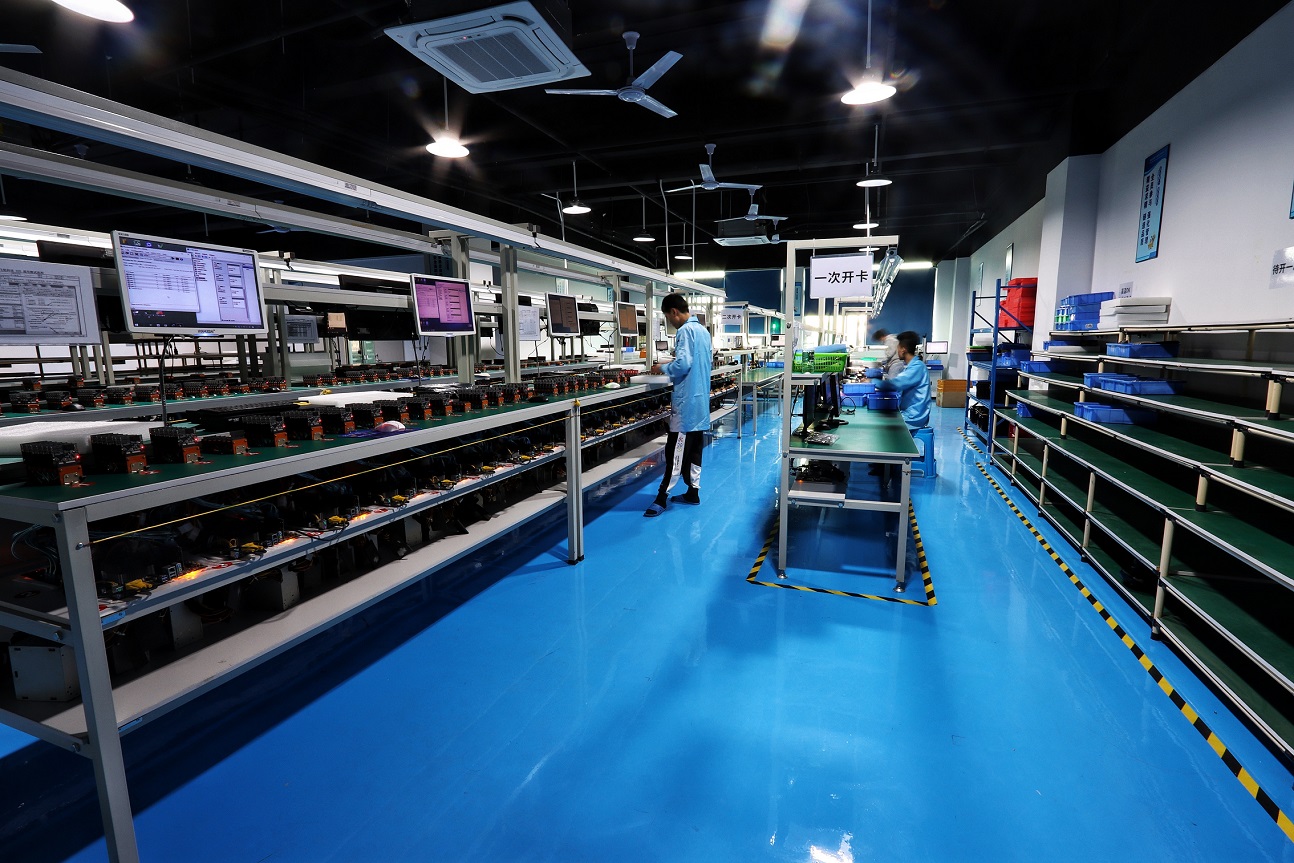
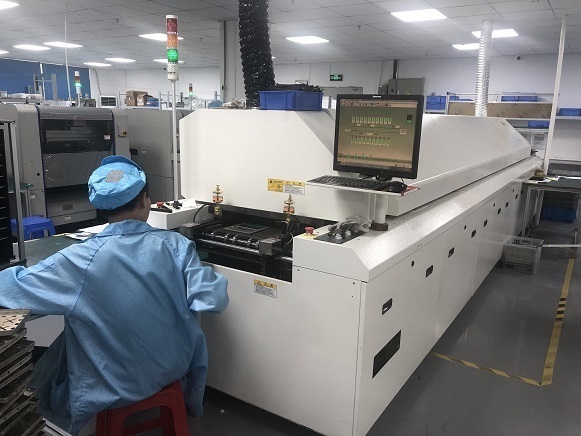
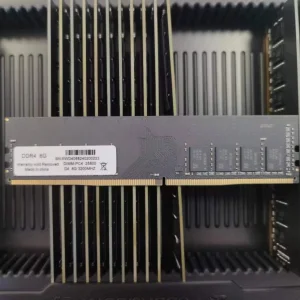
As a global PCB Aluminum PCB Supplier & Exporter, NexaRAM Storage Technology Co., Ltd. leverage a sophisticated manufacturing framework that aligns with rigorous international supply standards. Originally recognized for high-performance memory modules and high-speed PCB layouts, our advanced production floor now integrates metal clad technology alongside high-density multi-layer printed circuit boards. Operating under ISO-certified protocols, our testing regimen guarantees components deliver uninterrupted service under extreme thermal profiles.
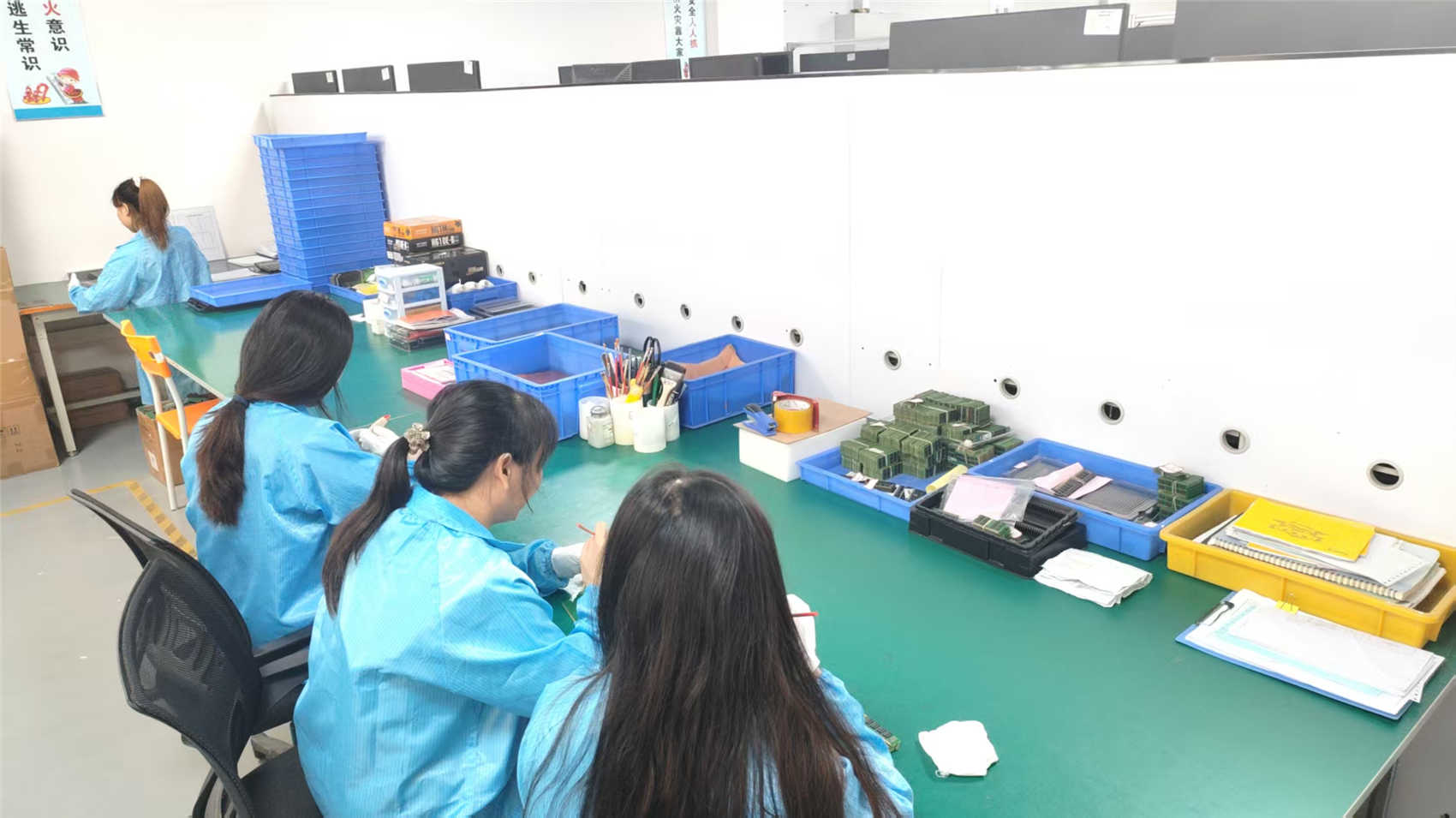
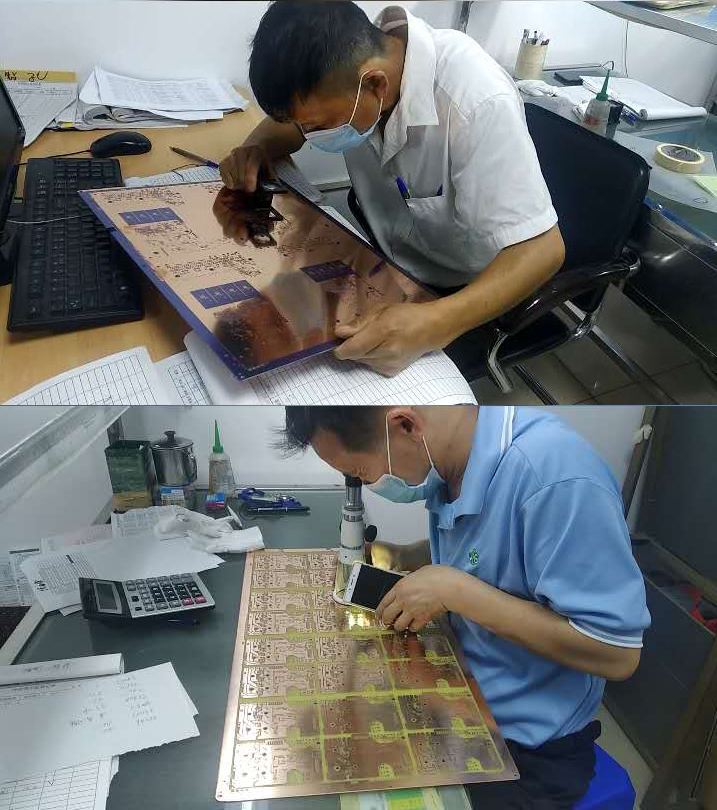
Modern procurement teams in North America, Western Europe, and East Asia are shifting away from transactional sourcing to strategic partnerships that assure material compliance (RoHS, REACH) and strict quality control. Our facility utilizes automated optical inspection (AOI) coupled with burn-in reliability testing, supported by a QC team of 35 dedicated inspectors. By leveraging our robust supply chain ecosystem with over 850 strategic partners, we guarantee the sourcing of high-grade copper foil, high-frequency ceramic-filled prepregs, and premium grade aluminum alloys.
Specially formulated ceramic-polymer composite insulation layers that ensure superior heat transfer from SMT components to the aluminum substrate.
Flexible selection of structural base materials including Al 1060, Al 5052, and Al 6061, matched to your specific mechanical and rigidity requirements.
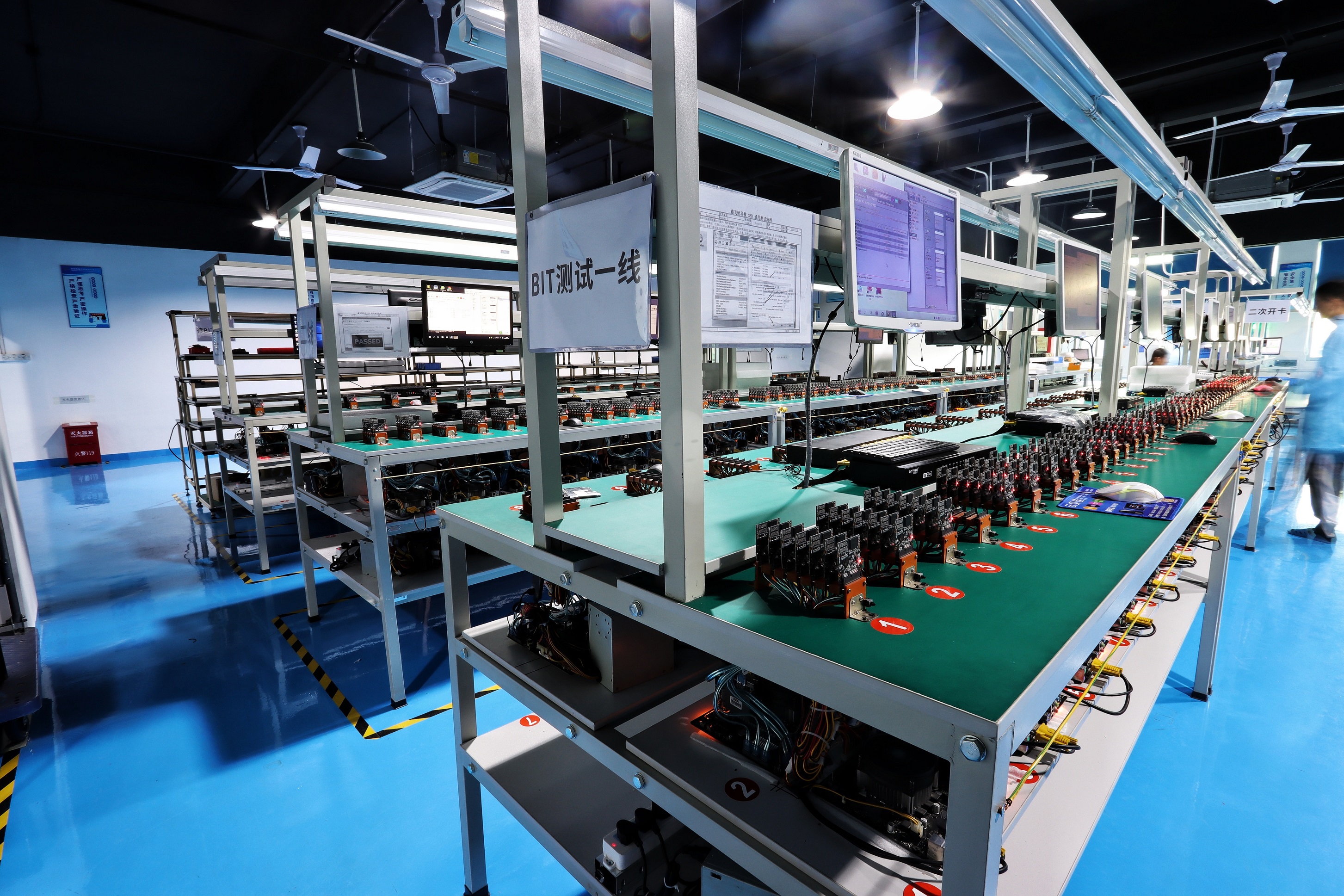
Underpinned by rigorous automated optical inspection (AOI), high-potential (Hi-Pot) testing, and thermal shock burn-in cycles.
The demand for extreme heat dissipation is driving several key technological advancements in the field of insulated metal substrates. As systems scale, typical single-sided aluminum structures are evolving into sophisticated hybrid stack-ups. In high-frequency communications and high-power computing (such as next-gen memory sub-systems and CPU power regulators), we are seeing the integration of high-frequency glass-reinforced laminates directly with metal bases.
For instance, combining Taconic TLY-5 or high-Tg FR-4 material onto an aluminum backing plate provides the best of both worlds: superior signal integrity and high-frequency wave propagation coupled with a built-in metal heatsink.
Reducing dielectric thickness to under 38μm while maintaining a breakdown voltage threshold above 4kV AC, minimizing thermal impedance to less than 0.05 °C-in²/W.
Integrating high-frequency laminates (e.g., Taconic, Rogers) directly onto aluminum bases via advanced bonding films, accommodating multi-gigabit data processing alongside power stages.
Introduction of filled and capped thermal micro-vias directly terminating on the aluminum core to bridge active silicon dies with the structural heat sink without thermal bottlenecks.
Our ISO 9001:2015 and UL-certified production lines employ modern quality assurance workflows. From automated optical inspection to rigorous physical testing, we verify that every single PCB substrate meets IPC-Class 2 and Class 3 benchmarks.