NexaRAM
NexaRAM
NexaRAM
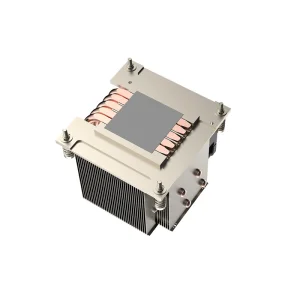
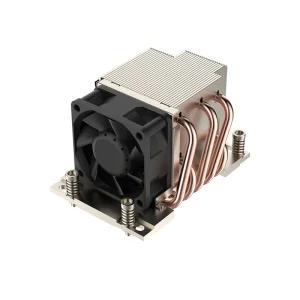
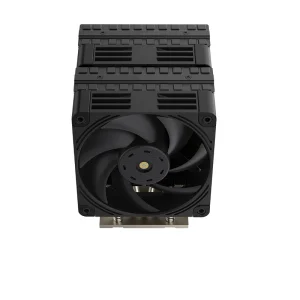
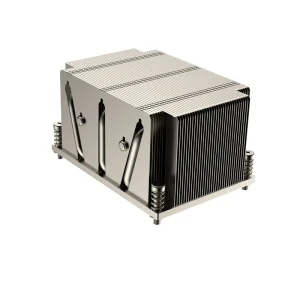
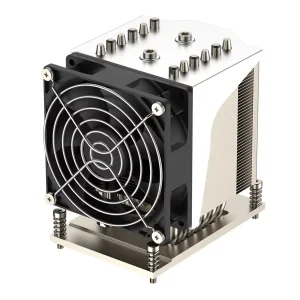
Engineered for extreme reliability, maximum airflow capacity, and high-TDP processor cooling. Direct factory sourcing.
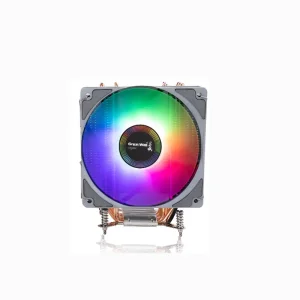
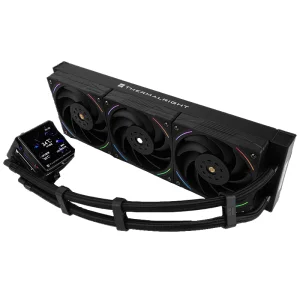
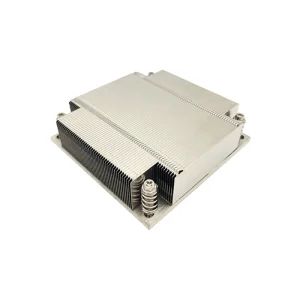
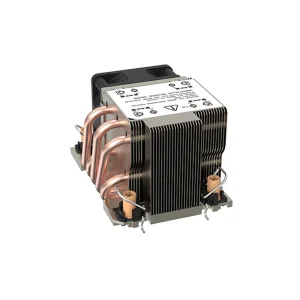
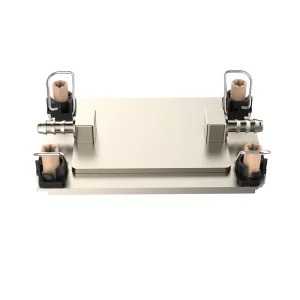
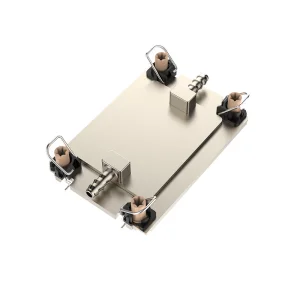
In the era of hyper-scale computing, artificial intelligence (AI), and machine learning clusters, thermal management has transitioned from a supporting engineering challenge to the core limiter of system-level performance. Modern server architectures equipped with next-generation multi-core processors—such as Intel’s Sapphire Rapids (LGA4677), Emerald Rapids, and AMD’s EPYC platforms (SP5, SP6)—generate unprecedented Thermal Design Power (TDP) densities. Dissipating upward of 300W to 400W per socket within restricted server chassis constraints (ranging from dense 1U rackmounts to 4U enclosures) requires custom-engineered thermal dissipation devices. As reliable Server Radiator Manufacturers & Factories, our design paradigms focus on maximizing volumetric thermal efficiency while maintaining structural integrity and long-term acoustic thresholds.
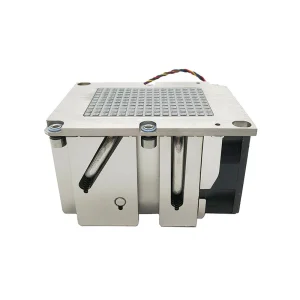
Unlike traditional solid copper plates, vacuum-sealed vapor chambers utilize two-phase liquid-vapor transitions to distribute heat instantaneously across the X-Y plane, minimizing hotspots under compute-heavy cycles.
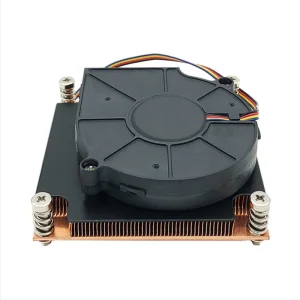
By carving fins directly out of a solid block of high-grade copper (C1100), our factory achieves an ultra-high fin density and aspect ratio without the thermal interface resistance found in soldered or bonded alternatives.
For TDP densities exceeding 400W, our customized micro-channel copper cold blocks facilitate direct liquid cooling (DLC), yielding superior heat transfer coefficients compared to traditional forced-convection air cooling.
Our operational parent and strategic semiconductor partner, NexaRAM Storage Technology Co., Ltd., is a leading professional DDR5 memory manufacturer specializing in high-performance RAM solutions for global OEMs, data centers, and enterprise computing systems. Established in 2016, the company has rapidly scaled to become an industry-trusted partner in advanced DRAM fabrication and supply chain management.
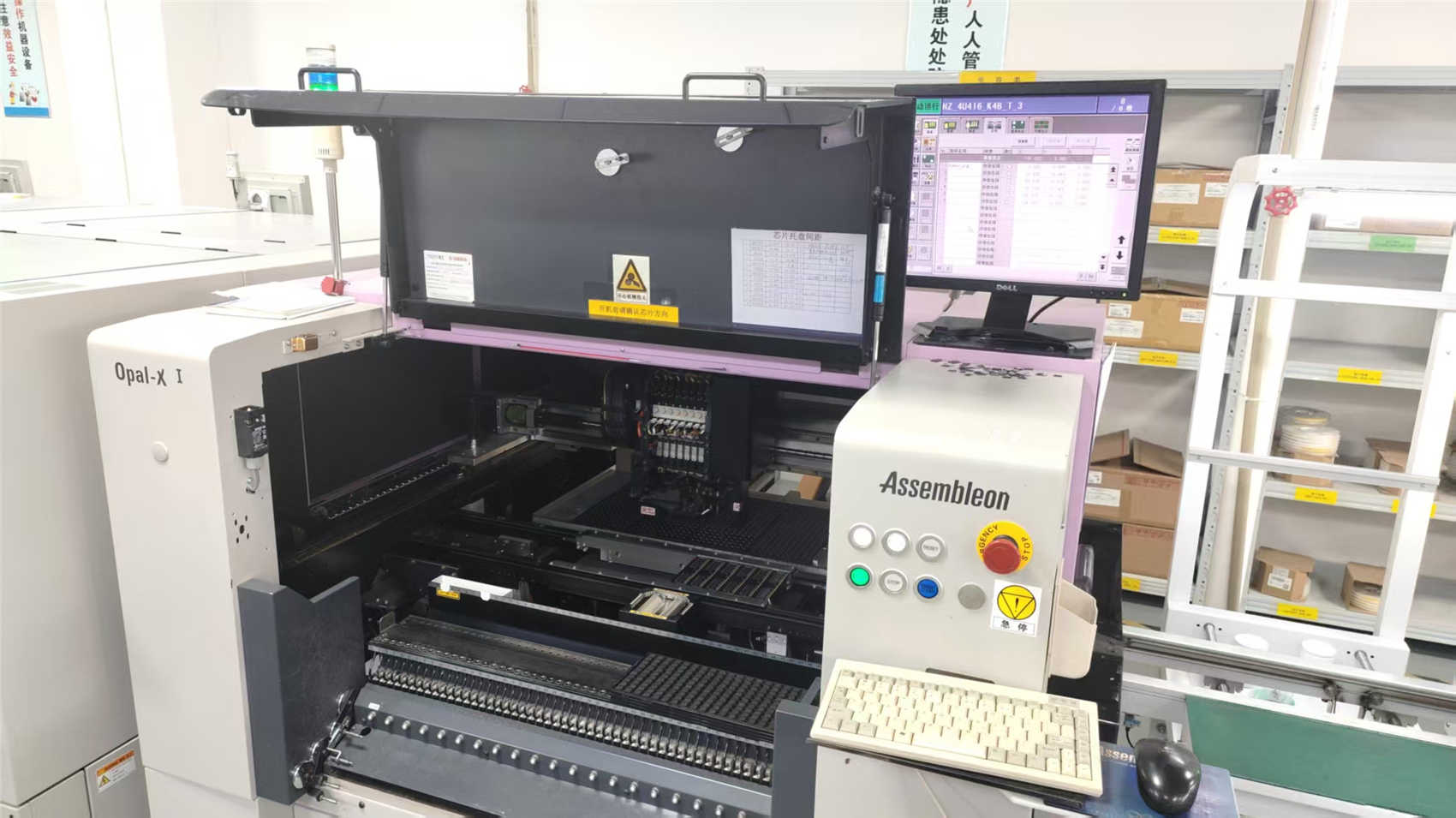
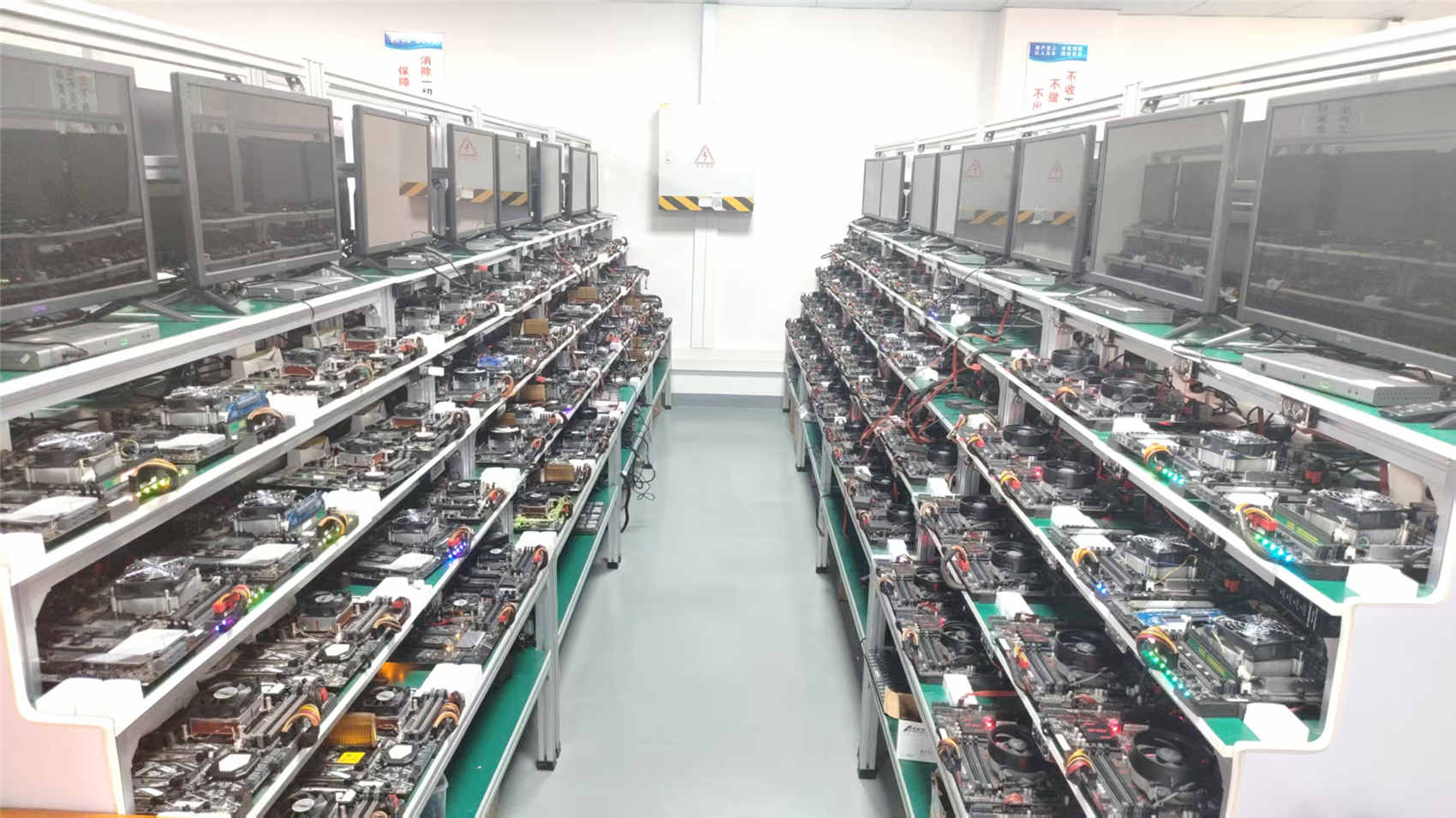
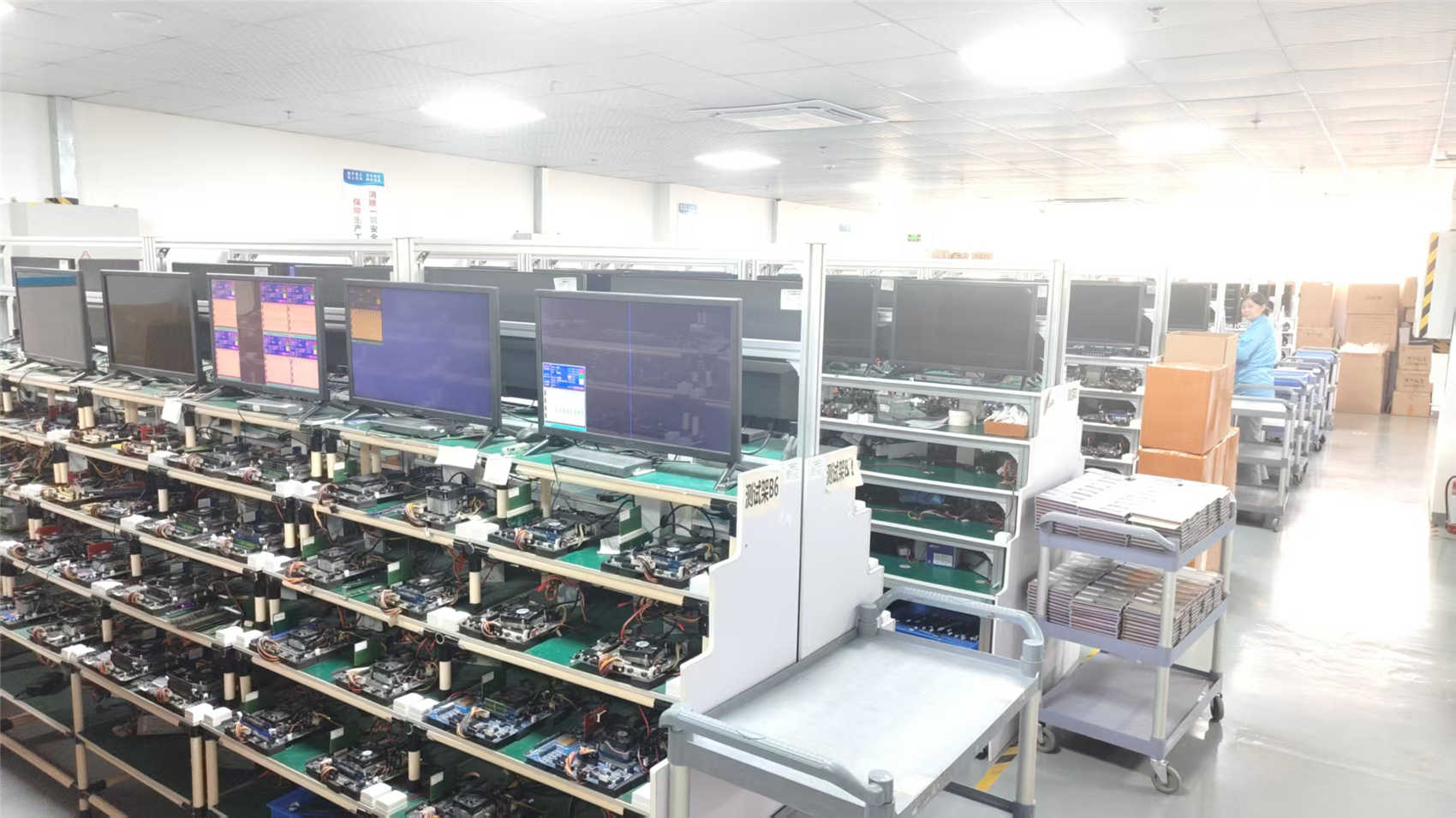
Operating a specialized, modern facility with a core building area of approximately 320㎡, NexaRAM leverages state-of-the-art testing equipment to ensure robust signal integrity and thermal durability. Generating an annual export revenue of roughly USD 12 million, supported by 6 years of export compliance and 12 years of core industry expertise in memory and semiconductor architectures, NexaRAM is well-versed in the critical relationship between high-performance computing hardware and high-efficiency heat dissipation.
Why does a memory manufacturer co-develop and supply advanced server cooling solutions? In standard DDR5 applications, high frequencies, reduced voltages (1.1V standard to 1.35V overclocks), and integrated Power Management ICs (PMICs) localized on the memory module itself generate concentrated thermal loads within adjacent slots. Proper thermal cross-ventilation, optimized heat pipes, and high-performance server radiators are fundamental to preventing memory-induced thermal throttling, memory errors, and overall system instability. NexaRAM’s robust engineering team of 180 engineers co-designs custom heat sinks and server radiator units to complement high-density server configurations, resulting in optimized air pathways and balanced server thermals.
China has become the global nexus for thermal engineering and hardware manufacturing due to a highly integrated industrial ecosystem, rapid manufacturing iteration, and cost-efficient material sourcing. When global system integrators and hyperscale builders source from our specialized factory, they access benefits that extend beyond unit cost savings.
From raw electrolytic copper and aerospace-grade aluminum extrusion to precision CNC milling, reflow soldering, vacuum sealing, and electroplating, the entire supply chain operates within close proximity. This localized industrial infrastructure minimizes logistics overhead and reduces lead times from months to weeks.
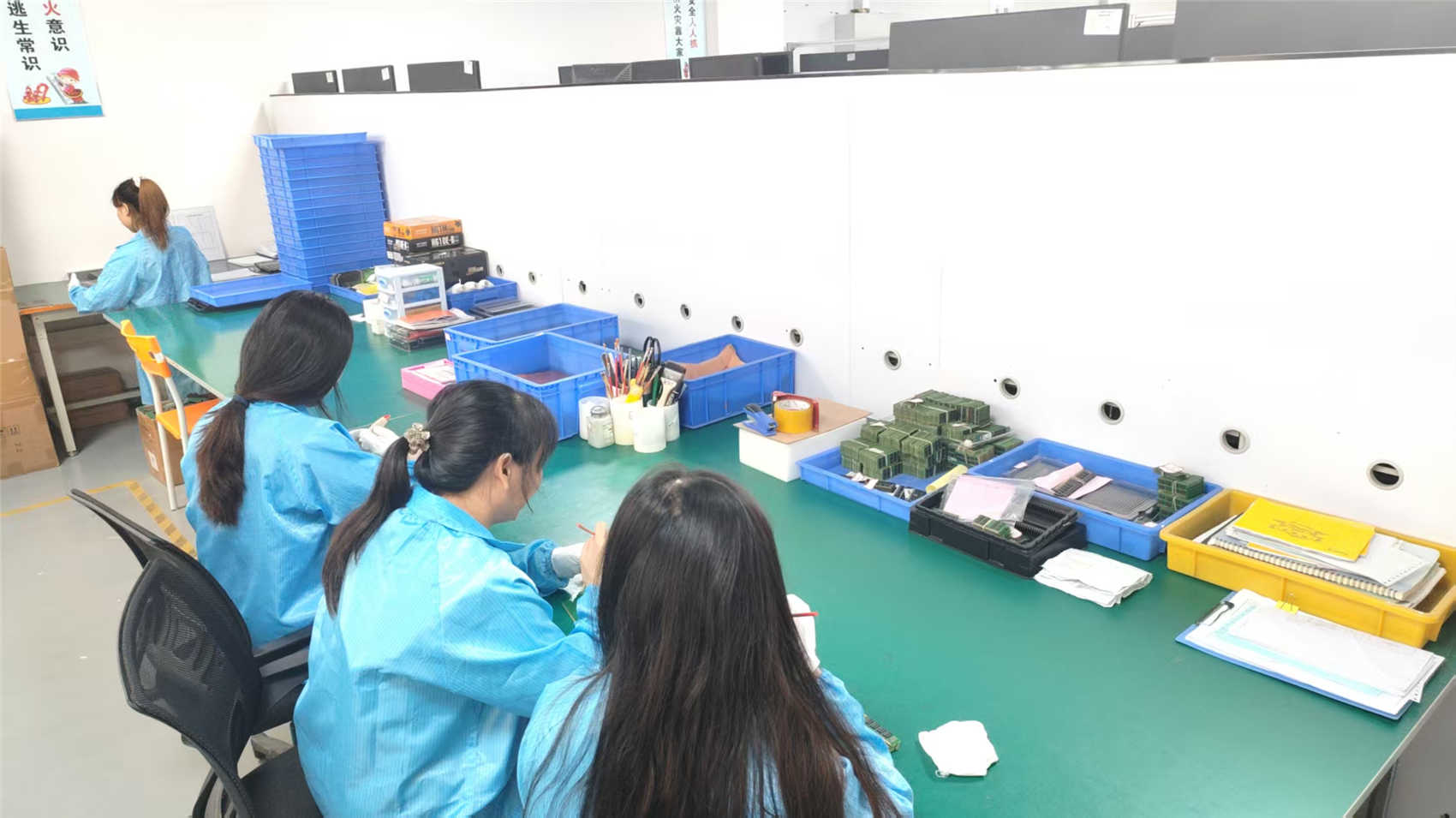
Quality control is strictly managed through automated optical inspection (AOI), X-ray thickness measurements, thermal resistance characterization, and continuous burn-in reliability testing. A professional QA/QC team of 35 inspectors conducts rigorous tests, including Helium leak detection for vapor chambers and liquid-cooled blocks, to verify structural integrity and leakage prevention.
Our factory engineering department provides customized thermal simulation reports using advanced Computational Fluid Dynamics (CFD) software prior to tooling fabrication. We optimize parameters such as fin thickness, pitch, baseplate flatness, and heat pipe layout configuration to maximize the performance of your system.
This high-level manufacturing synergy ensures that every server radiator produced complies with international compliance guidelines (including CE, FCC, RoHS, and WEEE standards). Sourcing directly from our specialized manufacturing facility offers procurement agents a reliable, scalable supply chain capable of matching the rapid deployment schedules of modern cloud and enterprise data centers.
Standard off-the-shelf radiators cannot address the unique physical layouts and mechanical limitations of specific enterprise hardware architectures. Our customized server cooling solutions are designed for specialized high-performance environments:
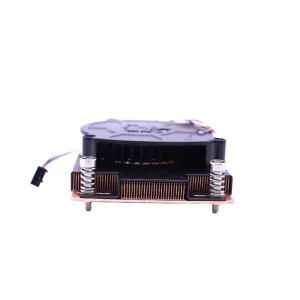
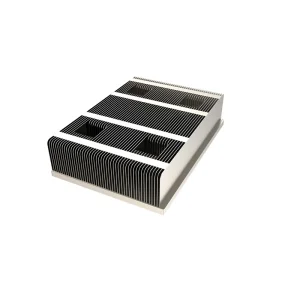
Within thin 1U (44.45mm height) and 2U (88.9mm height) chassis, space constraints limit airflow. We utilize passive copper zipper-fin assemblies combined with high-performance vapor chamber bases that leverage the chassis's system-level fan wall for heat dissipation. This design maximizes dissipation area without increasing the radiator's vertical height profile.
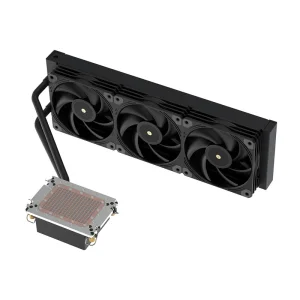
GPU acceleration platforms and high-core-count processors generate large thermal loads over small silicon surface areas. Our high-performance copper CPU water blocks, featuring dual-inlet micro-channel arrays (0.15mm pitch), facilitate liquid cooling directly at the source, maintaining core temperatures below critical limits even under continuous compute workloads.
Edge computing deployments are often located in environments with minimal active air conditioning and high ambient dust levels. Our robust passive radiators, utilizing thick aluminum cooling fins and anti-oxidative nickel-plated finishes, rely on natural convection or low-velocity forced air, minimizing system maintenance overhead.
As data centers seek to reduce their Power Usage Effectiveness (PUE) metrics to comply with sustainability mandates, cooling designs are shifting from air cooling to liquid-assisted solutions. Standard cooling systems are evolving into intelligent, hybrid thermal platforms:
Expert insights addressing common thermal design, procurement, and manufacturing inquiries.
Copper features a thermal conductivity of approximately 401 W/(m·K), which is significantly higher than that of aluminum (approx. 205 W/(m·K)). For high-TDP processors (such as 300W+ Intel LGA4677 or AMD SP6 platforms), copper baseplates and copper fins accelerate heat transfer from the silicon dye to the air. However, aluminum is lighter and more cost-effective. Consequently, high-performance designs often combine a copper baseplate (or vapor chamber) to absorb heat quickly with lightweight aluminum fins to dissipate it to the air.
Our factory employs strict testing methodologies to verify liquid cooling integrity. Every cooling block undergoes high-pressure nitrogen testing (typically up to 5-8 bars) and helium mass spectrometer leak detection. Additionally, we use high-grade EPDM gaskets and automated torque-driven assembly tools to ensure uniform sealing pressure across the mating surfaces of the cold plate.
We offer full-cycle customization, including thermal simulation (CFD analysis), customized mounting brackets for specific sockets (such as Intel LGA4677, LGA4189, LGA1700, and AMD SP3/SP6), adjustable fin densities (FPI), custom heat-pipe diameters and layouts, baseplate thicknesses, customized fan speed curves (PWM), and integration of digital temperature/leak sensors.
DDR5 memory modules require localized PMICs that generate significant heat alongside the high-speed DRAM chips. In a standard server chassis, memory slots sit parallel to the CPU socket. If the CPU radiator is too wide, it blocks air paths to the RAM modules. Our custom radiators are designed with slim profiles or offset asymmetrical fin stacks to maintain clear air corridors, ensuring the system-level airflow cools both the CPU radiator and adjacent DDR5 memory.
Our products are manufactured in compliance with ISO9001 and ISO14001 guidelines. Our thermal components and cooling assemblies meet international safety and environmental regulations, including CE, FCC, RoHS, and UL, verifying safety and material reliability for deployment in global enterprise data centers.
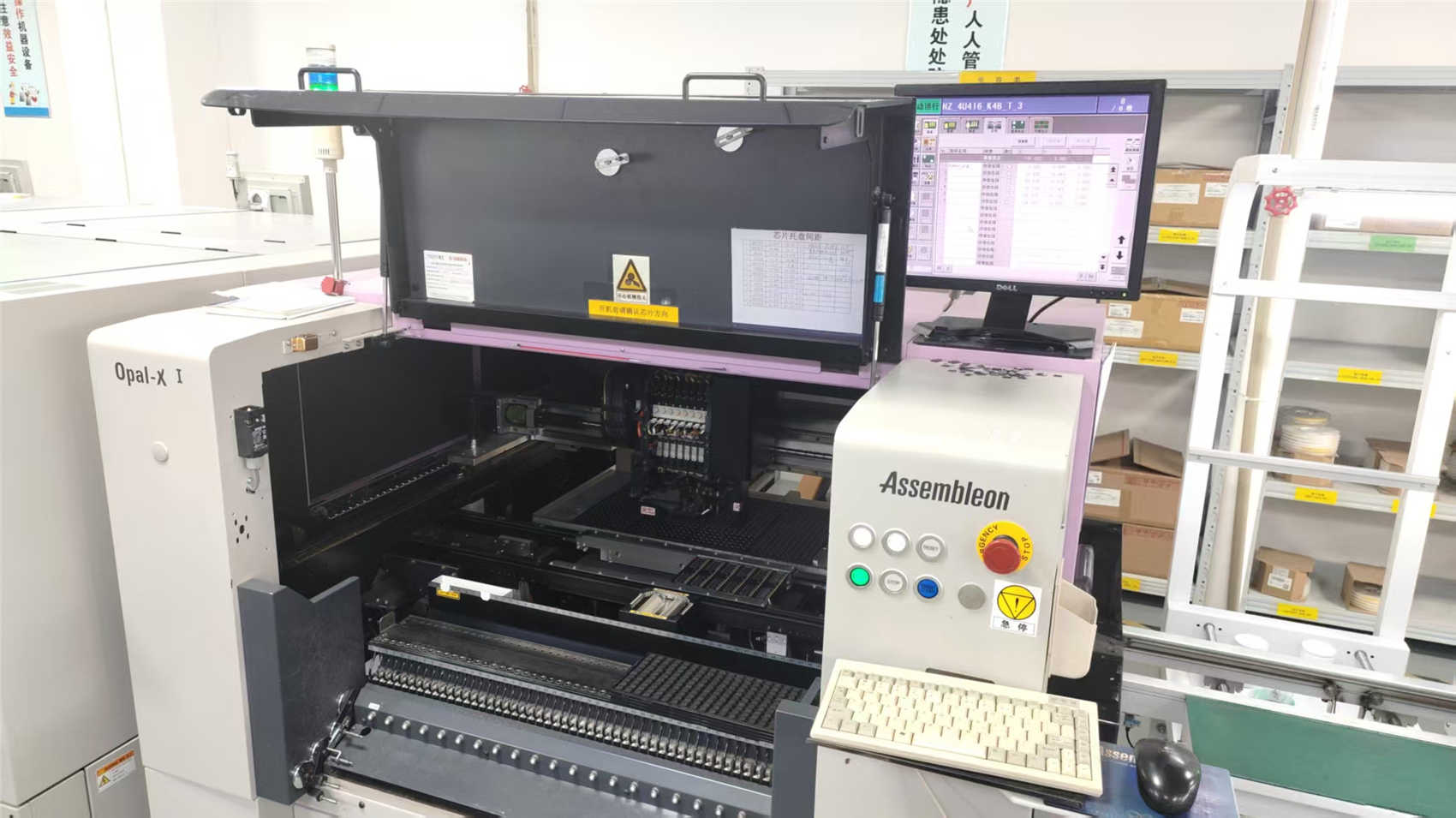
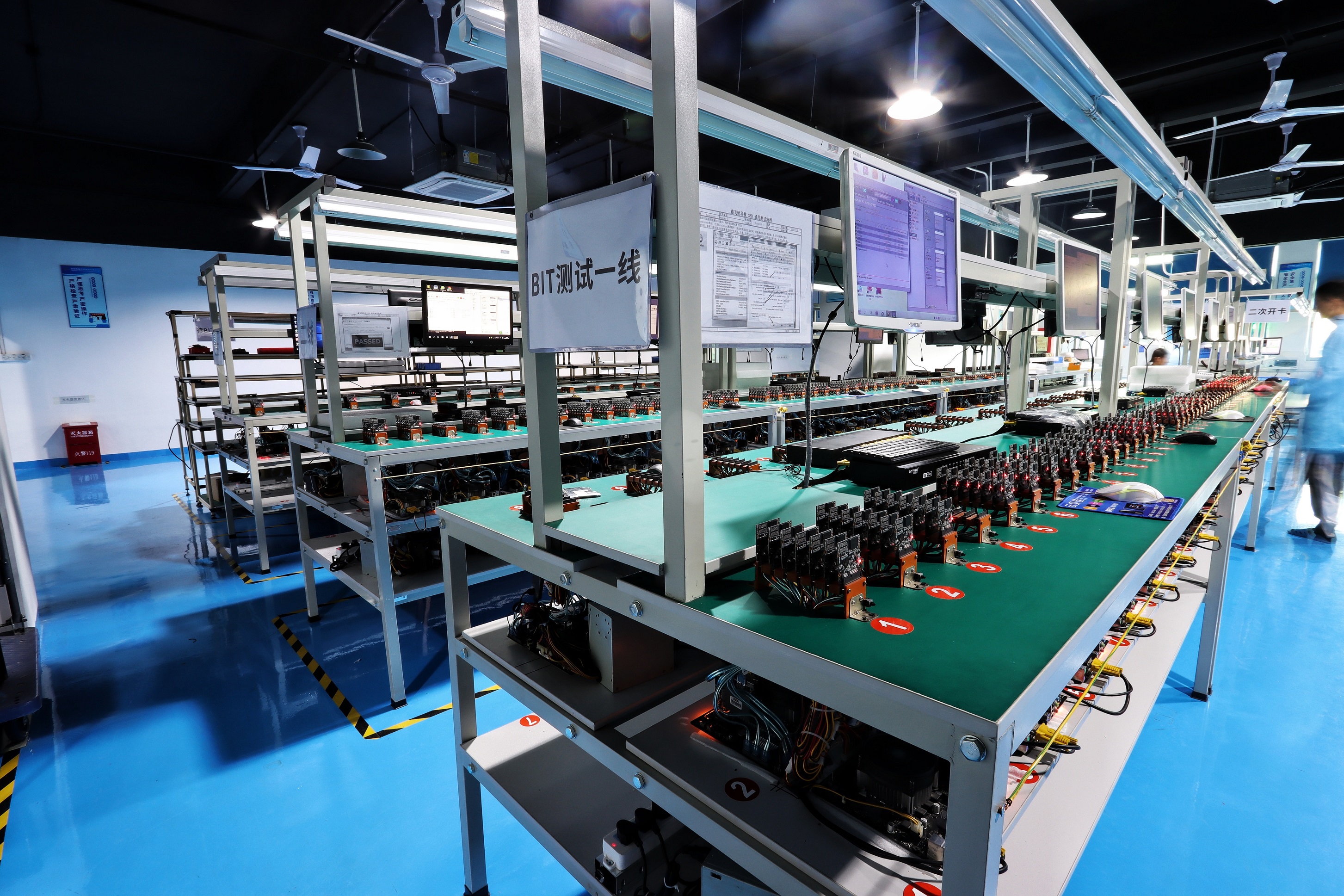
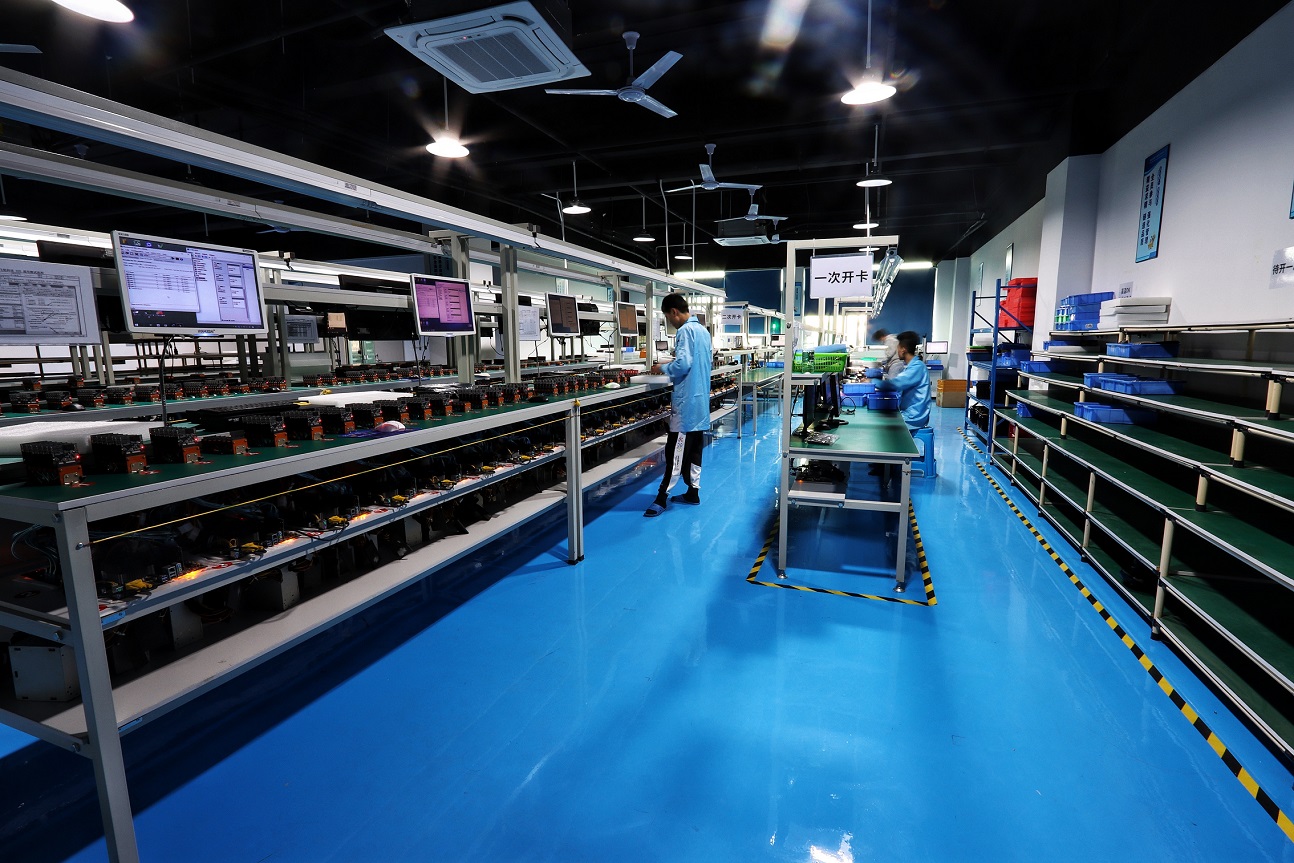
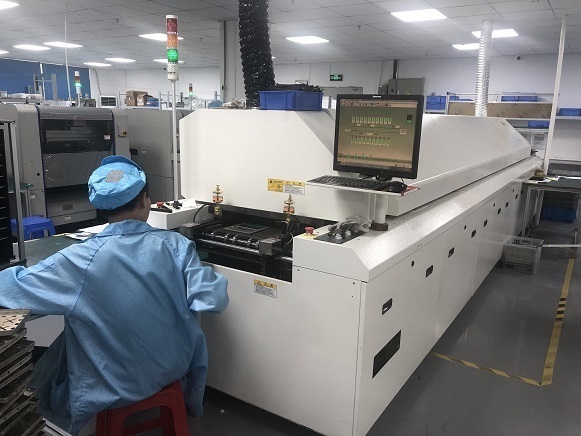
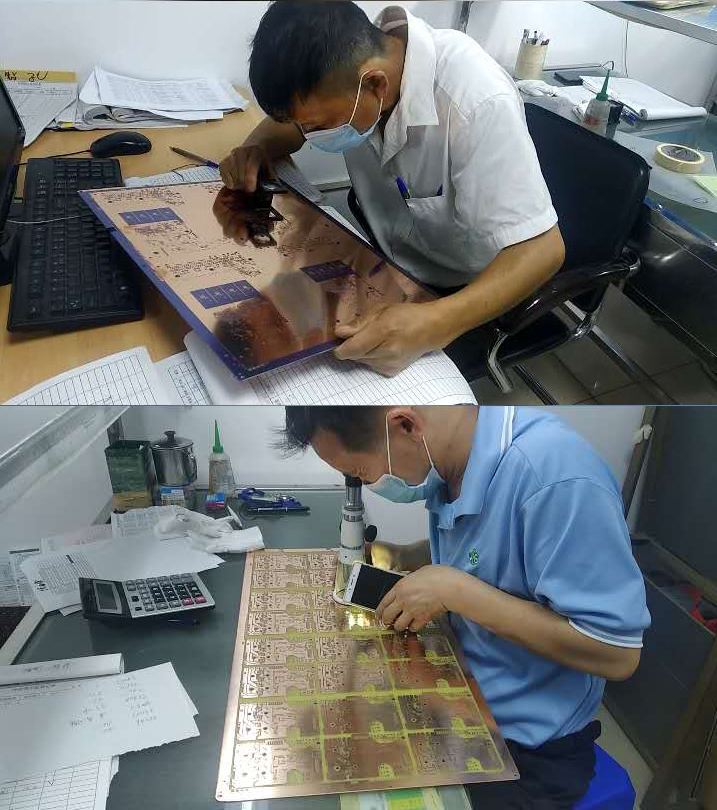
Inside our factory: high-precision testing, inspecting, and assembly lines ensuring consistent server-grade quality.
OEM thermal solutions supporting advanced socket infrastructures (LGA4677, LGA4189, AMD SP3, AMD SP6).