NexaRAM
In the evolving landscape of data processing, server performance is crucial. Recent advancements in memory technology play a vital role. DDR5 for server performance stands out among these innovations. It offers significant upgrades over its predecessors, enhancing speed and efficiency.
DDR5 memory can dramatically improve bandwidth, which supports demanding applications. This boost allows servers to handle more tasks simultaneously. High data rates reduce latency, ensuring faster access to information. These features are essential for businesses that rely on rapid data processing.
However, adopting DDR5 technology is not without its challenges. Compatibility issues with existing hardware may arise. Additionally, proper implementation requires careful planning and investment. Reflecting on these complexities is important for organizations considering this upgrade.
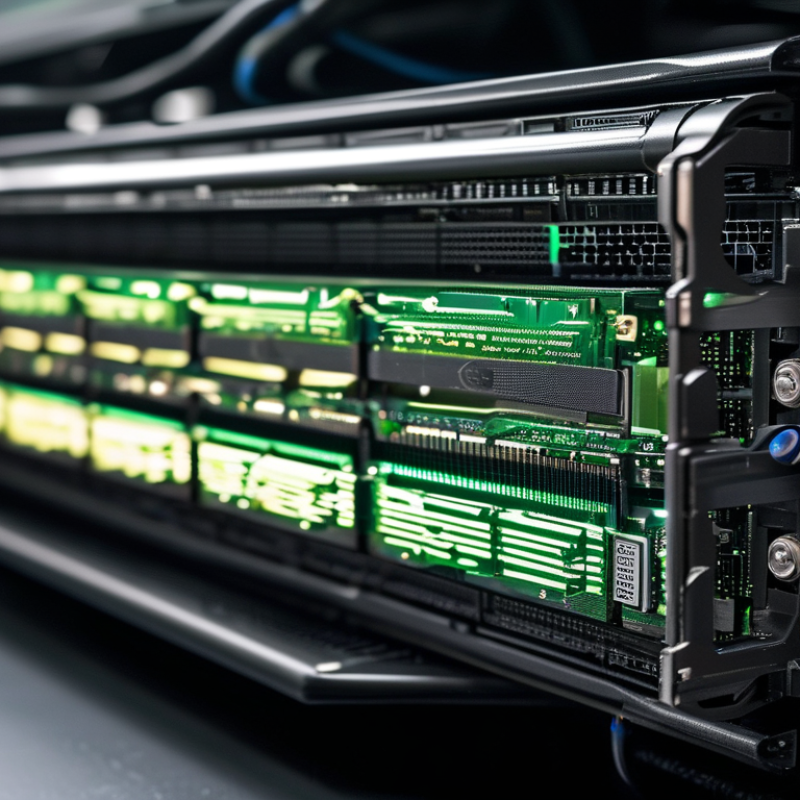
DDR5 technology is revolutionizing server performance. It offers higher bandwidth and capacity compared to its predecessor. This advancement allows servers to manage large data workloads more effectively. The improved efficiency leads to faster data transfer, which is crucial for high-demand applications.
One key feature of DDR5 is its dual-channel architecture. This setup enables simultaneous data processing. As a result, servers can handle multiple tasks without bottlenecks. Furthermore, DDR5 supports advanced error-correcting codes. This means less downtime and greater reliability, critical factors for any enterprise.
However, integrating DDR5 into existing systems may present challenges. Not all hardware is compatible, which could incur additional costs. There may also be a learning curve for IT teams. Adapting to new technology often involves time and effort. Overall, while DDR5 offers immense potential, careful planning is necessary to fully leverage its capabilities.
When it comes to server performance, understanding the differences between DDR4 and DDR5 is crucial.
DDR5 offers significant improvements over its predecessor, providing increased bandwidth and capacity.
For instance, while DDR4 maxes out at 3200 MT/s, DDR5 delivers speeds starting at 4800 MT/s.
This boost in data transfer rates allows for faster processing, which is vital for high-demand applications in server environments.
Another key difference lies in memory density.
DDR5 supports much larger modules, accommodating up to 128 GB per DIMM compared to DDR4's 32 GB limit.
This expanded capacity enables servers to handle more tasks simultaneously, improving overall efficiency.
Additionally, DDR5 integrates new power management features directly into the memory module.
This design minimizes power consumption, enhancing thermal performance, and ultimately extending server longevity.
Though the advantages are clear, transitioning to DDR5 may require thoughtful consideration.
Not all systems are compatible with DDR5 technology, and the upgrade can be costly. Moreover, server configurations must be optimized to fully leverage DDR5's potential.
It’s essential to evaluate specific workload requirements and existing infrastructure before making the leap.
Balancing cost, performance needs, and future scalability is key.
When implementing DDR5 technology in servers, the configuration is crucial for enhanced performance. Focus on memory capacity, speed, and power efficiency. DDR5 offers higher bandwidth compared to its predecessor, which can significantly boost data processing. A common setup might include multiple DIMMs, maximizing the memory channels available. This ensures that data flows seamlessly across the server.
It's also essential to consider the workload type when configuring servers. For memory-intensive applications, prioritize larger memory sizes to prevent bottlenecks. A potential downside is the increased power draw. Higher performance can lead to higher costs in energy bills. Balancing performance with power needs is key.
In addition, not all servers will benefit equally from DDR5. Testing is necessary to evaluate the actual performance gains for specific applications. Some configurations may show minimal improvement despite higher specifications. Continuous evaluation allows for the adjustment of server setups to better suit evolving demands and workloads. Ultimately, fine-tuning server configurations to leverage DDR5's full potential can lead to more efficient operations.
Upgrading to DDR5 in existing servers can significantly enhance performance. DDR5 technology offers increased bandwidth and improved efficiency over its predecessor. According to industry reports, DDR5 memory can provide speeds up to 8400 MT/s compared to DDR4’s maximum of 3200 MT/s, effectively doubling data transfer rates.
When considering an upgrade, compatibility with existing hardware is crucial. Not all motherboards support DDR5. It is essential to check the specifications of your server’s chipset and CPU. For example, Intel's latest Xeon processors natively support DDR5, whereas older models may not. Cost is another factor. DDR5 memory modules are often more expensive, reflecting their advanced technology and performance capabilities. Budget allocation will be vital for a successful upgrade.
Another consideration is the potential need for BIOS updates. Ensuring the server's firmware is up-to-date can facilitate smoother integration. Finally, testing the new memory under load is advisable. Monitor for stability and performance increases after installation. Balancing these factors can lead to optimal results while avoiding potential pitfalls associated with hardware changes.
When looking to enhance server performance, DDR5 technology is a game changer. It delivers faster speeds and greater efficiency. To measure its impact, benchmark your current setup against DDR5 specifications. Pay attention to latency and bandwidth figures.
Analyzing performance improvements requires thorough testing. Use tools that measure data throughput and response times. Look for a noticeable decrease in loading times or increased user capacity. This analysis should reveal clear benefits that DDR5 offers over previous generations.
Tips: Regularly update your metrics as system configurations change. Keep a close eye on compatibility issues. Not all servers may fully utilize DDR5's potential. Always ensure your software is optimized to work seamlessly with DDR5 modules.
| Metric | DDR4 Performance | DDR5 Performance | Performance Improvement (%) |
|---|---|---|---|
| Memory Bandwidth (GB/s) | 25.6 | 51.2 | 100% |
| Latency (ns) | 70 | 60 | -14.3% |
| Power Consumption (W) | 11 | 7 | -36.4% |
| Data Transfer Rate (MT/s) | 3200 | 6400 | 100% |
| Transaction Per Second (TPS) | 120,000 | 240,000 | 100% |
: DDR5 offers increased bandwidth, higher memory capacity, and improved power management features.
DDR5 starts at 4800 MT/s, while DDR4 maxes out at 3200 MT/s.
DDR5 supports up to 128 GB per DIMM, compared to DDR4's 32 GB limit.
Compatibility, costs, and existing infrastructure should be evaluated before transitioning to DDR5.
Use multiple DIMMs and consider workload types to maximize memory efficiency and bandwidth.
Increased costs and power draw can be concerns, requiring a careful balance.
Testing and continuous evaluation of performance gains are important to match workloads.
Memory-intensive applications see the most benefit from DDR5's larger capacity and speed.
Not necessarily; the workload type and server configuration can affect actual gains.
Server demands evolve, so adjustments ensure configurations remain efficient and effective.
The article "How to Boost Server Performance with DDR5 Technology?" provides a comprehensive overview of how DDR5 can significantly enhance server capabilities. It begins with an explanation of DDR5 technology, highlighting its advanced features such as increased bandwidth and improved power efficiency compared to its predecessor, DDR4. The discussion then shifts to the critical differences between DDR4 and DDR5, particularly how these differences translate into practical benefits for server use.
Further, the article outlines optimal server configurations for implementing DDR5, ensuring that businesses can effectively leverage this technology for maximum performance. It also includes best practices for upgrading existing servers to DDR5, emphasizing a systematic approach to minimize disruption. Finally, the article stresses the importance of measuring and analyzing performance improvements following the upgrade, helping organizations to clearly understand the impact of DDR5 for server performance on their operations. Overall, adopting DDR5 technology is presented as a strategic move for organizations aiming to enhance their server performance and efficiency.
