NexaRAM NexaRAM

How Does DDR5 Enhance Performance for Global Buyers?

Time:2026-06-25 Author:Sienna
0%

As technology advances, users continuously seek improved performance in their devices. One noteworthy innovation is DDR5 memory. This latest generation of DDR RAM has gained attention for its potential to significantly elevate computing capabilities. The key question arises: How DDR5 improves performance for global buyers?

DDR5 offers faster data transfer rates compared to its predecessors. This increase boosts overall system responsiveness. More bandwidth allows multiple applications to run seamlessly. Users can experience smoother gaming and faster data processing. However, can every buyer truly benefit? Not all devices may support DDR5, limiting some users' experiences.

Additionally, power efficiency is a key advantage. DDR5 consumes less energy while delivering higher performance. This can lead to improved battery life for portable devices. Still, buyers must consider compatibility and cost. As manufacturers adopt this new standard, the transition may pose challenges. Performance enhancement is clear, but understanding the complete landscape is essential for informed decisions.
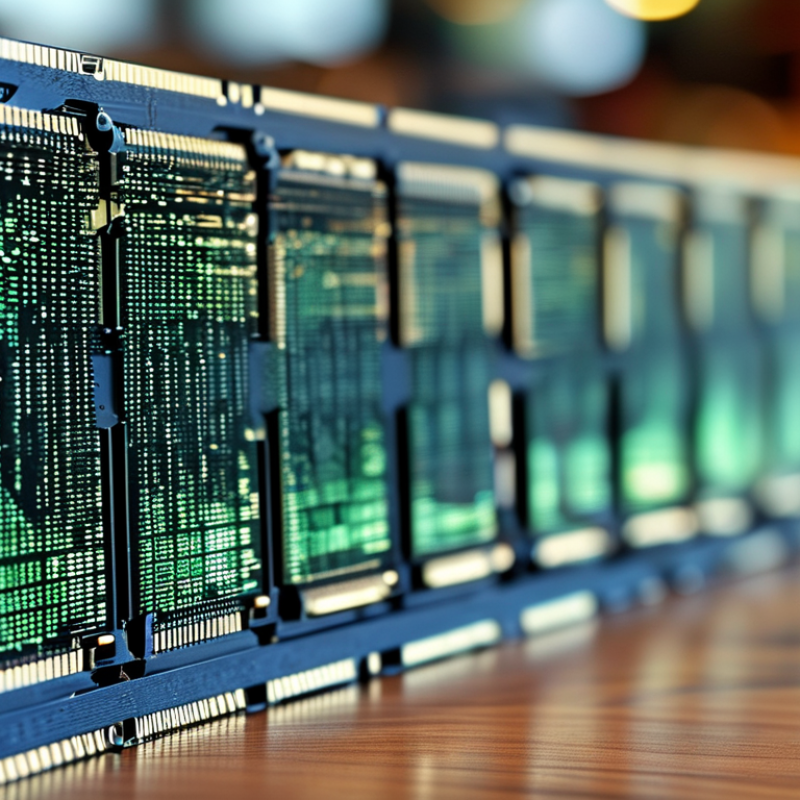
How Does DDR5 Enhance Performance for Global Buyers?

DDR5 Overview: Key Features and Advantages

DDR5 memory represents a significant leap in technology. It offers improved speed and efficiency over its predecessor. With a maximum data rate of 8400 MT/s, DDR5 enables faster data transfer. This speed is vital for high-performance computing tasks. Applications demanding high bandwidth benefit greatly, such as gaming and data analysis.

One of the standout features is enhanced power management. DDR5 introduces on-die ECC, which improves reliability for critical applications. This technology helps prevent data corruption. Additionally, DDR5's increased capacity allows for larger memory modules. Users can now utilize up to 64 GB per DIMM. This is crucial for memory-intensive tasks, such as video editing and 3D rendering.

While DDR5 has many advantages, some challenges exist. Compatibility with older systems is a concern. Many users may need to upgrade their motherboards. The cost of DDR5 modules can also be higher initially. Thoughtful consideration is needed when investing in this technology. However, the potential performance boost is undeniable for those seeking an edge in computing tasks.

How Does DDR5 Enhance Performance for Global Buyers? - DDR5 Overview: Key Features and Advantages

Feature Description Advantage
Increased Bandwidth DDR5 offers a bandwidth of up to 4800 MT/s and beyond. Allows for faster data transfer, improving overall system performance.
Enhanced Capacity Supports up to 64 GB per module. Enables more intensive applications and multitasking without performance drops.
Improved Power Efficiency Operates at a lower voltage of 1.1 V, compared to DDR4's 1.2 V. Leads to reduced power consumption and extended battery life in mobile devices.
On-Die ECC Error correction is performed directly on the memory chip. Enhances data integrity and reliability in critical applications.
Burst Length Increased burst length of 16, compared to DDR4's 8. Improves efficiency and doubles the amount of data processed per cycle.

Performance Improvements Compared to DDR4 Technology

DDR5 memory significantly improves performance compared to its predecessor, DDR4. The key enhancements lie in speed and efficiency. While DDR4 typically operates between 2133 MT/s and 3200 MT/s, DDR5 can reach speeds exceeding 8400 MT/s. This increase in bandwidth caters to demanding applications, particularly in gaming and multimedia editing.


Latency has also been refined in DDR5. Although it is often perceived as a slower option, the overall efficiency gains can lead to better responsiveness in real-world scenarios. The larger capacity modules of DDR5 allow for more data to be processed simultaneously. This is particularly beneficial for tasks like 3D rendering and video production. However, the actual benefits depend on the application and system configuration.


Investing in DDR5 may come with challenges. Compatibility with older systems remains a concern. As technology evolves, buyers must consider future-proofing their setups. The price point of DDR5 may be higher, making it harder for budget-conscious consumers. Users should weigh these factors against potential performance improvements. Overall, DDR5 presents notable advantages, yet careful consideration is essential for making informed choices.

Impact on Gaming and High-Performance Computing Applications

DDR5 has emerged as a game-changer in the world of gaming and high-performance computing. Recent reports indicate that DDR5 can offer bandwidth improvements of up to 50% compared to its predecessor, DDR4. This significant enhancement can drastically reduce latency and allow for smoother gameplay experiences.

In gaming, these improvements translate to higher frame rates and better responsiveness. Studies show that top-tier games benefit from increased memory speeds. For instance, increases in data transfer rates contribute to faster load times and richer graphics. Gamers can experience less lag during intense sessions, which is crucial for competitive play.

For high-performance computing applications, DDR5's capabilities are promising. Many scientific simulations and data analytics tasks demand substantial memory bandwidth. DDR5 can support higher-capacity modules, enabling systems to efficiently handle large datasets. However, it’s important to acknowledge that not all applications can fully utilize DDR5's advantages yet. Transitioning to this new standard will depend on software and hardware optimizations in the coming years.

Impact of DDR5 on Performance Metrics in Gaming and High-Performance Computing

Economic Implications for Global Consumers and Manufacturers

The advent of DDR5 memory technology offers a significant leap in performance for both global consumers and manufacturers. According to a recent report by TrendForce, DDR5 can achieve a bandwidth of up to 8400 MT/s, nearly double that of its predecessor. This improvement in speed translates directly into faster data processing, which enhances computing tasks across sectors such as gaming, data analytics, and artificial intelligence.

However, these benefits come with economic implications. As manufacturing costs rise, consumers may face higher prices. Data from Gartner suggests that the production cost per chip for DDR5 is approximately 20% more than for DDR4. This increment raises concerns about affordability for average consumers. Although the benefits of DDR5 are evident, the transition may not be smooth for all, particularly in emerging markets where pricing is a significant barrier.

Additionally, the adoption rate of DDR5 among manufacturers varies. While some industry leaders are quick to integrate DDR5 in their products, smaller firms struggle with the cost and technology gap. This disparity can lead to enhanced competition for a limited market. Ultimately, global consumers may experience uneven access to the latest advancements, prompting a need for careful assessment of both performance gains and economic realities.

Future Trends in Memory Technology and DDR5 Adoption

The transition to DDR5 memory technology signifies a pivotal moment in computing. It is more than just an upgrade; it represents a substantial leap in speed and efficiency. DDR5 can deliver higher bandwidth, allowing for quicker data transfer rates. This is essential for applications requiring rapid data access, such as gaming and AI workloads. With enhanced speed, users are likely to experience smoother performance in demanding situations.

Future trends indicate that DDR5 will become a standard in both consumer and enterprise hardware. Adoption rates are increasing, driven by a growing need for speed and multitasking capabilities. However, many users may not fully grasp its potential yet. Initial investments in new motherboards and chips might deter some buyers. Nevertheless, the long-term benefits could outweigh these initial costs.

As we look forward, further innovations in memory technology are on the horizon. Possible enhancements include increased capacity and improved energy efficiency. Yet, the challenge remains for manufacturers to deliver these advancements while keeping pricing competitive. Potential buyers should stay informed about these evolving trends to make educated decisions. Engagement with reliable sources will be crucial for understanding future developments in DDR5 and beyond.

FAQS

: What is the main advantage of DDR5 over DDR4?

: DDR5 significantly improves performance with higher speeds and better efficiency, reaching over 8400 MT/s.

How does DDR5 impact gaming performance?

DDR5 enhances gaming with up to 50% more bandwidth, resulting in higher frame rates and smoother gameplay.

Does DDR5 reduce latency?

While DDR5's latency might seem higher, its overall efficiency can improve responsiveness in real-world applications.

Are there challenges to adopting DDR5?

Yes, compatibility with older systems and higher prices can be challenges for consumers considering DDR5.

How do data processing tasks benefit from DDR5?

DDR5 supports larger capacity modules, which can handle more data simultaneously, aiding tasks like video production.

Is DDR5 accessible for all consumers?

No, DDR5 may be pricier, making it less affordable for average consumers, especially in emerging markets.

Are all applications utilizing DDR5’s advantages?

Not yet. Some software and hardware optimizations are needed to fully leverage DDR5's capabilities.

How does the cost of DDR5 compare to DDR4?

The production cost for DDR5 is about 20% higher than DDR4, impacting pricing for consumers.

What should I consider before investing in DDR5?

Consider compatibility with your system, performance needs, and your budget before making a decision.

Will all manufacturers quickly adopt DDR5?

No, larger manufacturers may adopt it faster, while smaller firms may struggle with costs and gaps in technology.

Conclusion

DDR5 technology represents a significant leap forward in memory performance, primarily due to its enhanced features and advantages over its predecessor, DDR4. One of the key improvements is the increased data transfer rates and bandwidth, which facilitate faster processing speeds and greater efficiency. How DDR5 improves performance is particularly evident in its application within gaming and high-performance computing, where reduced latency and higher throughput enable smoother experiences and enhanced capabilities for demanding tasks.

Moreover, the adoption of DDR5 has considerable economic implications for both global consumers and manufacturers. As this new memory technology improves overall system performance, it also drives innovation in various sectors, potentially leading to reduced costs over time as production scales. Looking ahead, the future of memory technology seems poised for further advancements, with DDR5 at the forefront of this evolution, promising to continue shaping the landscape of computing and data management.

Sienna

Sienna

Sienna is a skilled marketing professional with a deep expertise in our company’s core products and services. With a passion for innovation and detail, she plays a pivotal role in crafting insightful blog posts that not only highlight the unique features of our offerings but also provide valuable......