NexaRAM
In the ever-evolving world of computer memory, the debate surrounding DDR5 latency vs DDR4 is more pertinent than ever. Experts like Dr. Emily Chen, a well-regarded memory technology analyst, remarked, “Choosing between DDR5 and DDR4 hinges on your specific needs and usage scenarios.” This statement underscores the importance of understanding the unique characteristics of each memory type.
DDR5 offers improved bandwidth and efficiency, which can significantly enhance performance in demanding applications. However, there's a trade-off: DDR5 often has higher latency compared to DDR4. Users seeking lower latency for gaming or real-time applications may find DDR4 more suitable. The choice isn't simply about speed; it involves weighing latency against the performance benefits of DDR5.
As consumers navigate this choice, they must reflect on their personal or professional requirements. Not every user will benefit from the latest technology. It raises questions about optimization versus overall needs in computing. Balancing the features of DDR5 and DDR4 can lead to better-informed decisions for both casual users and tech enthusiasts alike.
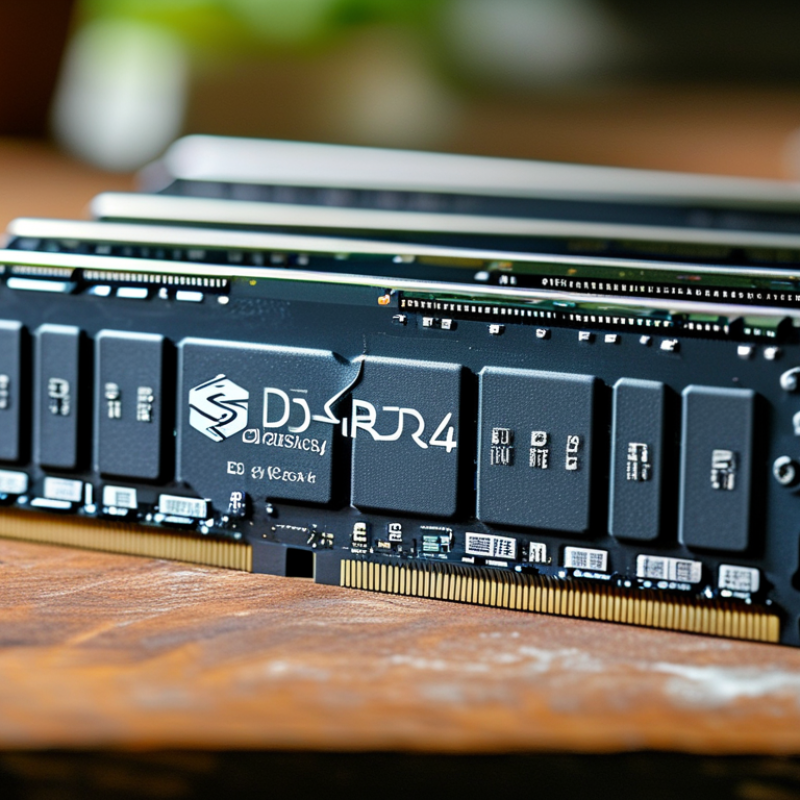
When comparing DDR4 and DDR5, latency becomes a crucial factor. DDR5 aims to provide faster performance, yet that speed comes with some trade-offs. The increased bandwidth in DDR5 can lead to lower effective latency in specific applications. However, the real-world performance may not always reflect these statistics.
Latency is measured in nanoseconds, and DDR4 tends to have lower latency figures compared to DDR5. For tasks that require quick responsiveness, such as gaming or real-time data processing, lower latency can significantly enhance user experience. Numerous gamers and professionals may prefer DDR4 for its efficiency in tasks where every millisecond counts.
In contrast, DDR5 excels in multitasking and data-heavy applications. It supports higher speeds, which is beneficial for extensive workloads. Yet, those who operate on less demanding tasks might question if the move to DDR5 is necessary. The choice largely depends on your needs. If you primarily use your system for everyday tasks, DDR4 may be sufficient. But if you delve into more demanding workloads, DDR5 could offer an advantage, albeit with a slight latency increase. The right choice hinges on understanding how and what you use your system for.
Memory frequency significantly impacts latency in DDR4 and DDR5 memory. DDR5 offers higher base frequencies, starting from 4800 MT/s, compared to DDR4's typical 2133 MT/s. This higher frequency can lead to increased data transfer rates, optimizing performance for tasks like gaming and content creation.
However, latency should not be overlooked. While DDR5 has a higher frequency, its latency can be slightly increased due to additional features. The effective performance gain may vary based on the application. For general tasks, the difference might not justify the upgrade.
For gamers, high-frequency memory can enhance frame rates. Yet, if latency becomes excessive, it might counteract the benefits. Users must assess their specific needs and workloads. Understanding the balance between frequency and latency is crucial in making the right choice. Consider testing both types of memory if possible. This will provide a clearer picture of how they perform in real-world scenarios. Experimenting can lead to insights that pure specifications may not reveal.
When comparing DDR5 and DDR4 memory, latency is a crucial factor that influences overall performance in both gaming and productivity. DDR5 offers higher bandwidth and capacity, but its latency can be higher than that of DDR4. In high-paced gaming scenarios, low latency is essential for quick responses. A delay of just a few milliseconds can mean the difference between victory and defeat. Gamers may find DDR4 to be more responsive in some situations.
For productivity tasks, the impact of latency varies. Applications like photo editing or programming may benefit from the increased bandwidth of DDR5, even with slightly higher latency. On the other hand, tasks requiring quick access times might still favor DDR4. It’s crucial for users to assess their specific needs. Sometimes, more is not better. Upgrading to DDR5 may not always lead to noticeable improvements in everyday tasks, especially if latency rises.
Choosing between the two types of memory should depend on personal usage patterns. Understanding how latency affects performance can guide users toward a suitable decision. Evaluating real-world scenarios provides clarity. Balancing speed, latency, and application requirements can lead to more informed choices.
The chart above illustrates the average latency for DDR4 and DDR5 RAM. DDR4 typically has a latency of around 75 nanoseconds, while DDR5 improves this to approximately 60 nanoseconds. Lower latency can enhance gaming responsiveness and productivity tasks, making DDR5 a better option for performance-focused users.
When considering memory options, the cost efficiency of DDR4 and DDR5 is crucial. DDR4 has been a reliable choice for many users due to its lower price point. Currently, DDR4 RAM can cost significantly less than DDR5. This lower cost makes DDR4 attractive for budget-conscious buyers.
However, DDR5 brings advancements that may justify its higher price. With improved speed and efficiency, DDR5 can enhance performance in demanding applications. Yet, this improvement comes at a cost. Users must weigh the benefits against their budget. Some might find that DDR4 meets their needs without requiring the latest technology.
It's also essential to consider market trends. As DDR5 becomes more common, prices may decrease. But the initial investment is still higher. Users should carefully evaluate their specific requirements and future needs before making a decision. Balancing immediate costs with long-term performance is key in this evolving landscape.
When choosing between DDR5 and DDR4 RAM, it's crucial to consider your specific needs and use cases. DDR5 offers improved bandwidth, reaching up to 6400 MT/s, compared to DDR4's peak of 3200 MT/s. However, latency plays a significant role in overall performance. Latency for DDR4 typically hovers around 15-19 nanoseconds, while DDR5 averages around 40 nanoseconds. This disparity may impact critical applications requiring rapid data access, such as gaming and real-time data processing.
For users engaging in everyday tasks like web browsing, the benefits of DDR5 may not be as apparent. In fact, some studies suggest that for general usage, DDR4 can perform just as effectively, making it a cost-efficient choice. Content creators and professionals involved in memory-intensive activities, such as video editing or simulation, might lean towards DDR5. This is due to its greater capacity to handle multiple tasks simultaneously, despite its higher latency.
Understanding the type of applications you run is essential. Benchmarks indicate that gaming performance may improve with faster RAM, but the difference can be marginal. Users should reflect on whether these improvements justify the additional costs. Not all scenarios warrant the latest technology. Prioritizing needs over specifications ensures a more tailored and satisfying computing experience.
: DDR4 is generally cheaper than DDR5, making it more appealing to budget-conscious buyers.
Yes, DDR5 provides improved speed and efficiency, which can enhance performance in demanding applications.
For everyday tasks like browsing, DDR4 performs effectively and is a cost-efficient option.
DDR4 has lower latency, around 15-19 nanoseconds, which may benefit applications needing quick data access.
While DDR5 may improve gaming performance, the difference can be marginal, depending on the game and settings.
Evaluate your specific needs, use cases, and budget to make a balanced decision on RAM types.
DDR5 might be better for intensive tasks, but some content creators find DDR4 sufficient for their needs.
As DDR5 becomes more common, prices may drop, but initial investment remains higher.
Reflect on your performance needs versus cost and avoid choosing based solely on specifications.
Yes, not all applications require cutting-edge technology, so consider your actual usage before deciding.
In the ongoing discussion of DDR5 latency vs DDR4, it’s essential to understand the key differences between these two memory technologies. While DDR5 offers improvements in memory speed and efficiency, DDR4 remains a strong contender due to its lower latency, which can significantly impact performance in gaming and productivity tasks.
Additionally, the frequency of the memory plays a crucial role in determining overall latency. As we analyze real-world performance, it becomes evident how these latency differences can affect user experience. Furthermore, evaluating the cost efficiency of both options reveals pricing trends that may influence buying decisions. Ultimately, choosing the right RAM hinges on individual needs and specific use cases, balancing performance requirements with budget considerations.
