NexaRAM
NexaRAM
NexaRAM
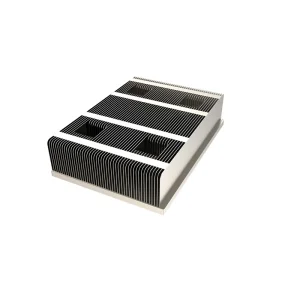
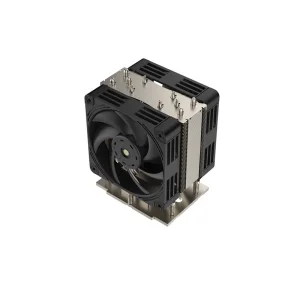
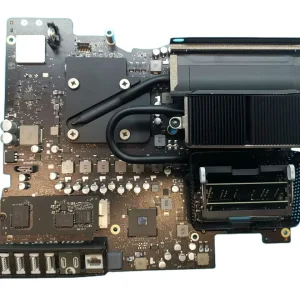
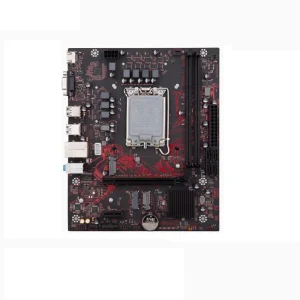
Explore our industrial grade cooling architectures and specialized motherboard systems optimized for advanced compute operations.
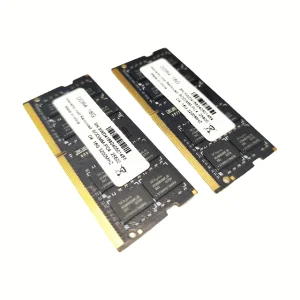
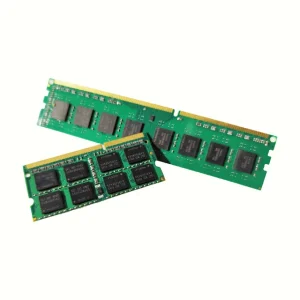
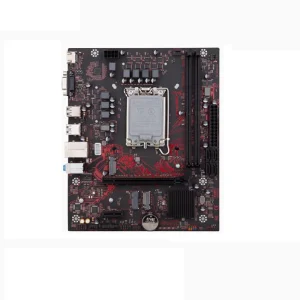
A comprehensive analysis of design validation, SMT precision assembly, and compliance protocols for enterprise hardware ecosystems.
The modern electronics landscape demands unprecedented processing speeds, ultra-low latencies, and high thermal efficiency. Printed Circuit Boards (PCBs) are no longer merely passive substrates that connect components; they are critical active nodes that determine system performance, signal integrity, and long-term durability. As a leading CE Certified Printed Circuit Board Manufacturer & Exporter, NexaRAM Storage Technology Co., Ltd. sits at the intersection of precision PCB layout engineering and complex semiconductor memory integration.
Worldwide electronic system growth is driven heavily by the rapid integration of high-density interconnect (HDI) PCBs, high-frequency laminates, and advanced metal-core configurations for efficient thermal dissipation. Enterprise markets—spanning automated data centers, telecommunications networks, industrial automation, and automotive computing—depend heavily on the structural and electronic reliability of the underlying circuit boards to ensure 24/7/365 system uptime.
Utilization of advanced low-loss dielectric materials (such as high-Tg FR-4, Rogers, and PTFE) to minimize signal attenuation and maintain structural integrity during high-frequency cycles.
Controlled trace geometries with tolerances within ±5% to secure optimal signal integrity across high-speed DDR5, PCIe Gen 5, and server processing bus layouts.
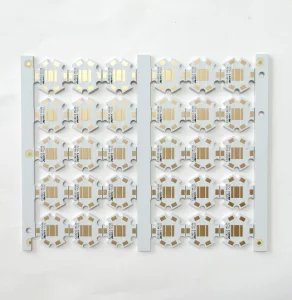
Highly thermal-conductive aluminum and copper backings designed to quickly draw heat away from high-density chip packages and high-power LED arrays.
Operating from modern electronic manufacturing hubs, Chinese factories offer an unparalleled competitive edge. By consolidating raw material extraction, chemical processing, laminate production, precise laser drilling, and automated surface mount technology (SMT) under centralized geographic ecosystems, we drastically minimize latency in production cycles.
Our strategic operations maintain a robust network of over 850 strategic supply chain partners. This extensive footprint ensures an uninterrupted flow of premium materials, from high-grade copper foils to complex DRAM chips and passive components. For international procurement managers, this translates to faster turnaround times, lower capital expenditure on safety stock, and rapid scalability from prototype validation to volume mass production. Through years of logistical optimization, NexaRAM offers a streamlined export system backed by 6 years of export compliance, shipping seamlessly to North America, Europe, Southeast Asia, and the Middle East.
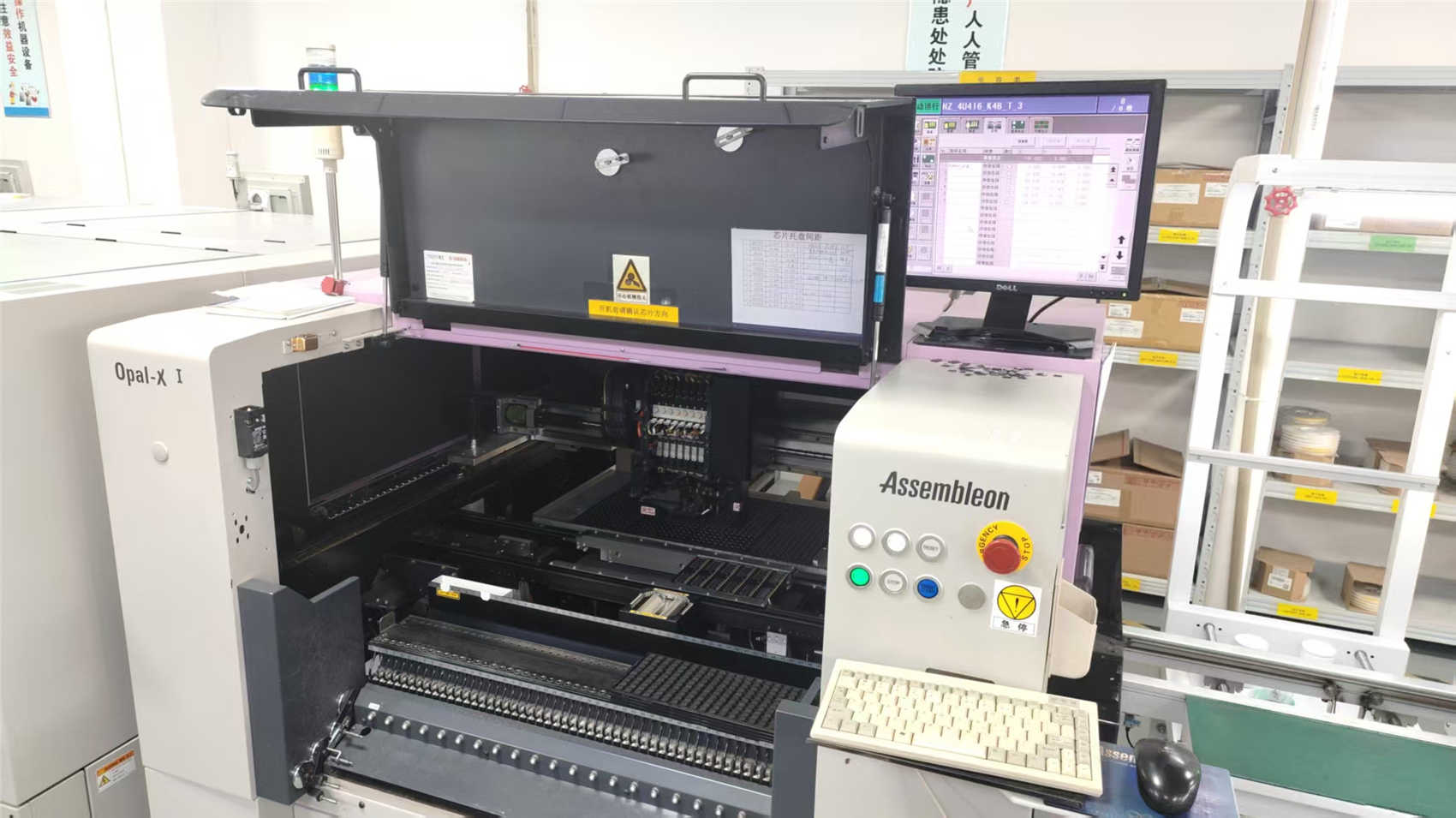
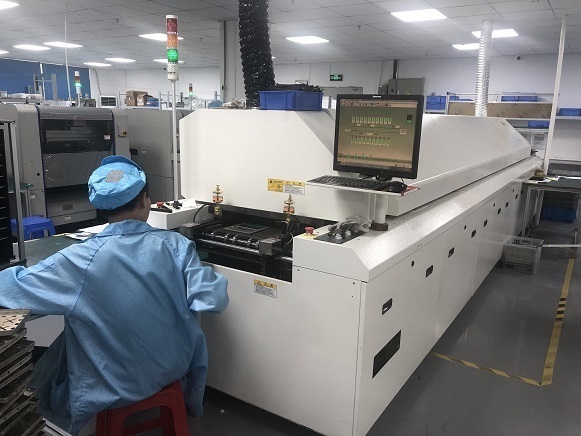
Our production floor uses multi-axis high-speed Pick & Place equipment, allowing for accurate installation of microscopic components (down to 0201 packages) and fine-pitch BGA packages. By integrating automated optical inspection (AOI) inline, we verify positioning accuracy, solder joint quality, and paste distribution in real-time before boards advance to high-temperature reflow ovens.
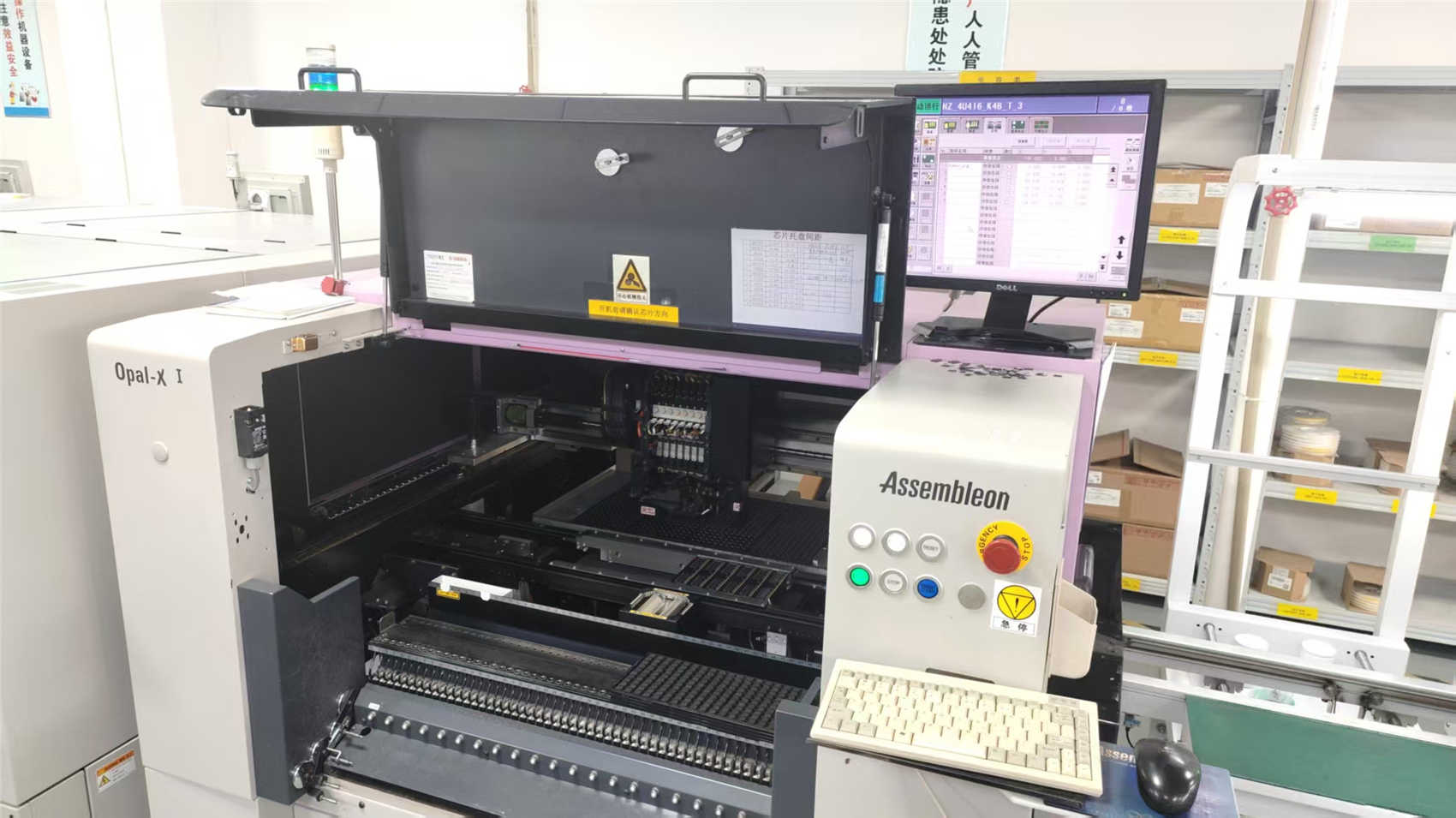
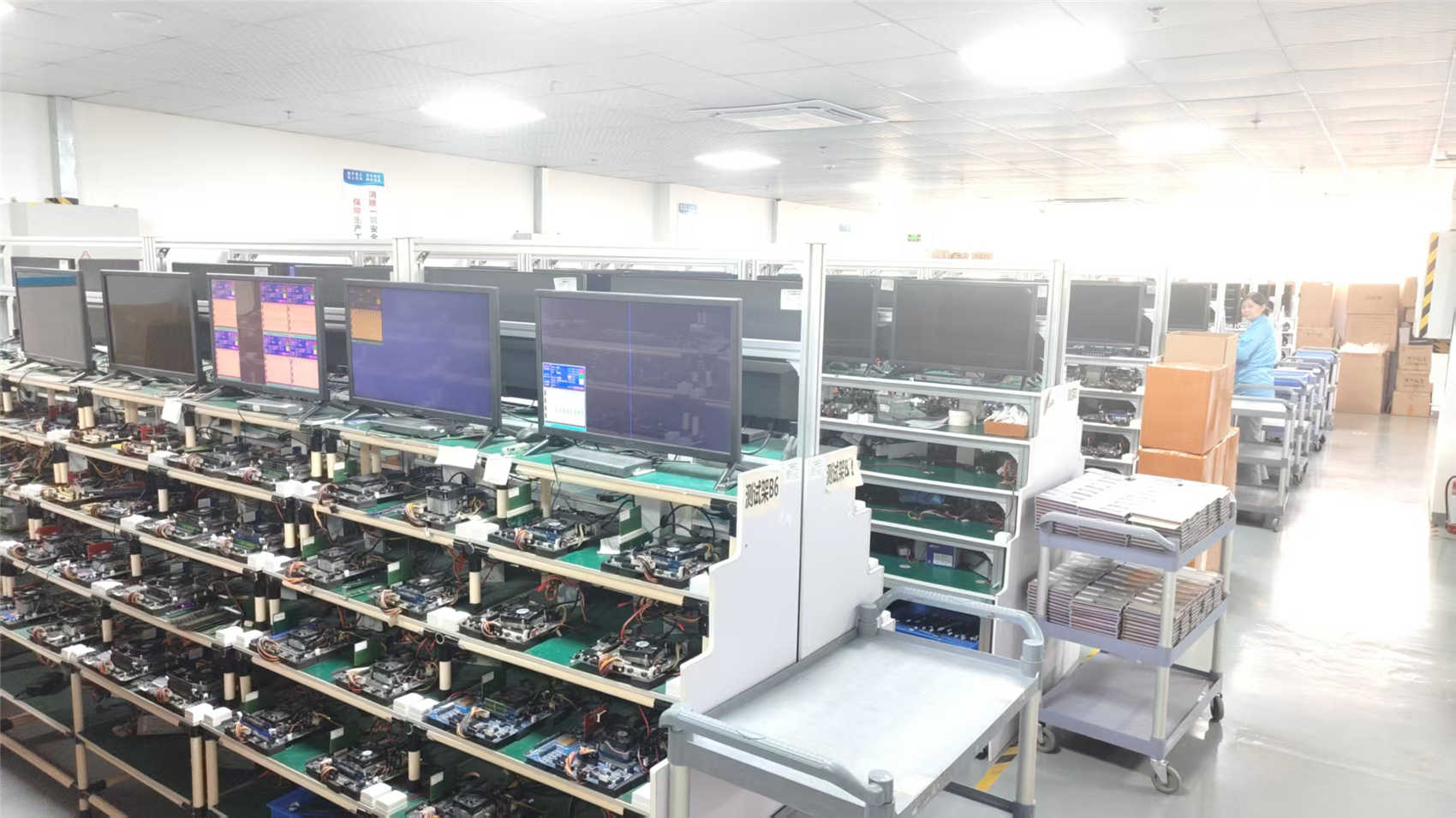
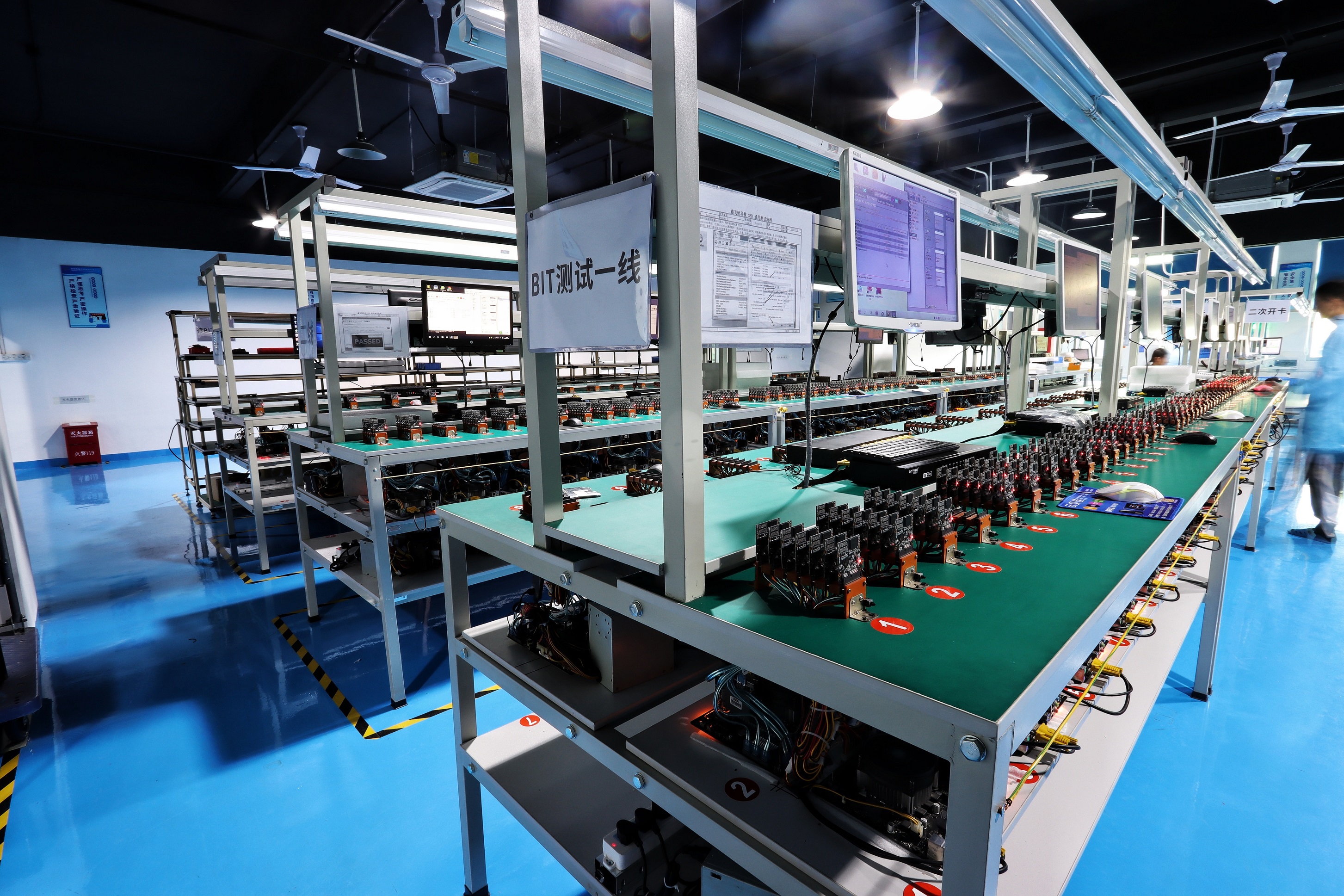
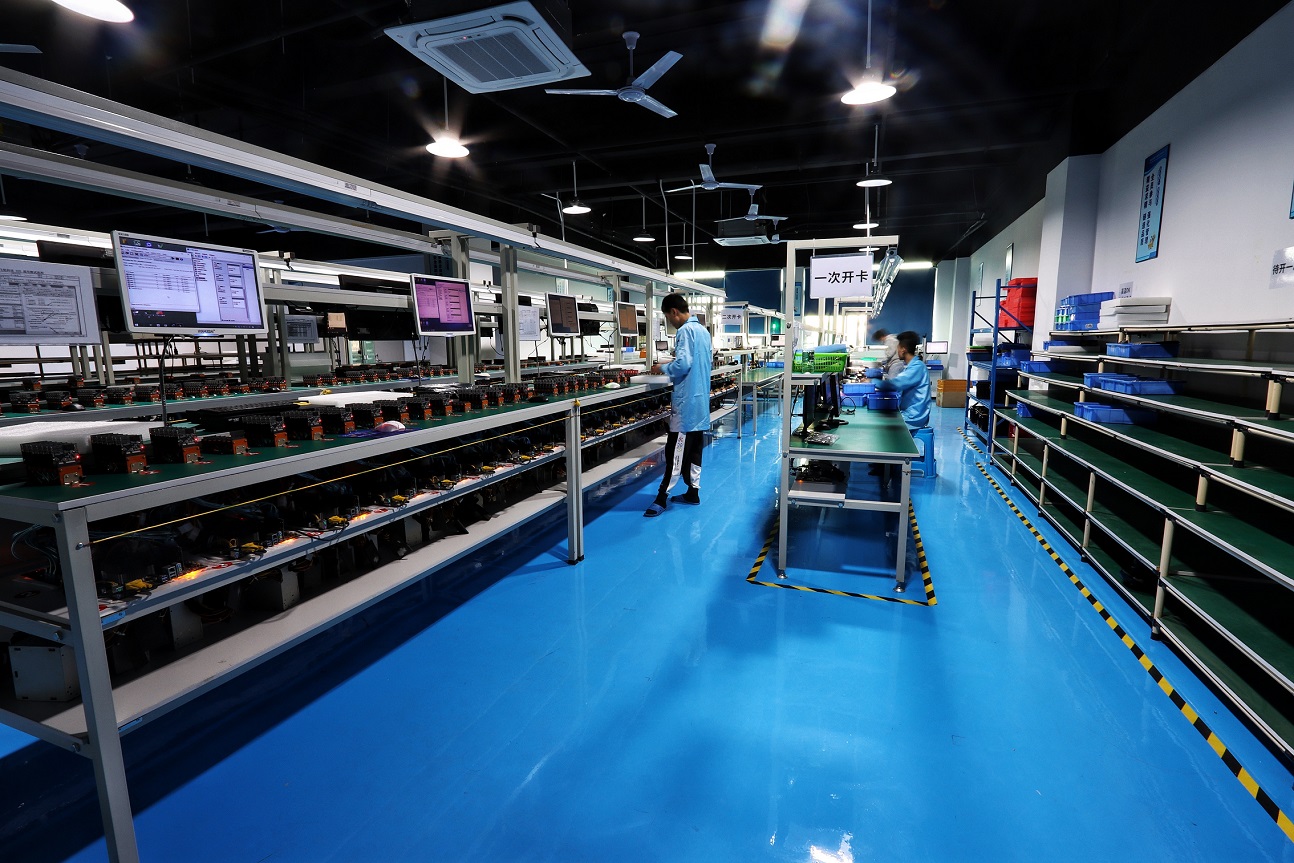
Reliability is built through rigorous testing. Every memory module and high-speed motherboard undergoes thorough electrical parameter checks, environment-simulated burn-in testing, and high-frequency testing jigs. This ensures that the PCBs can withstand thermal fluctuations, high humidity, and physical vibration in demanding industrial environments.
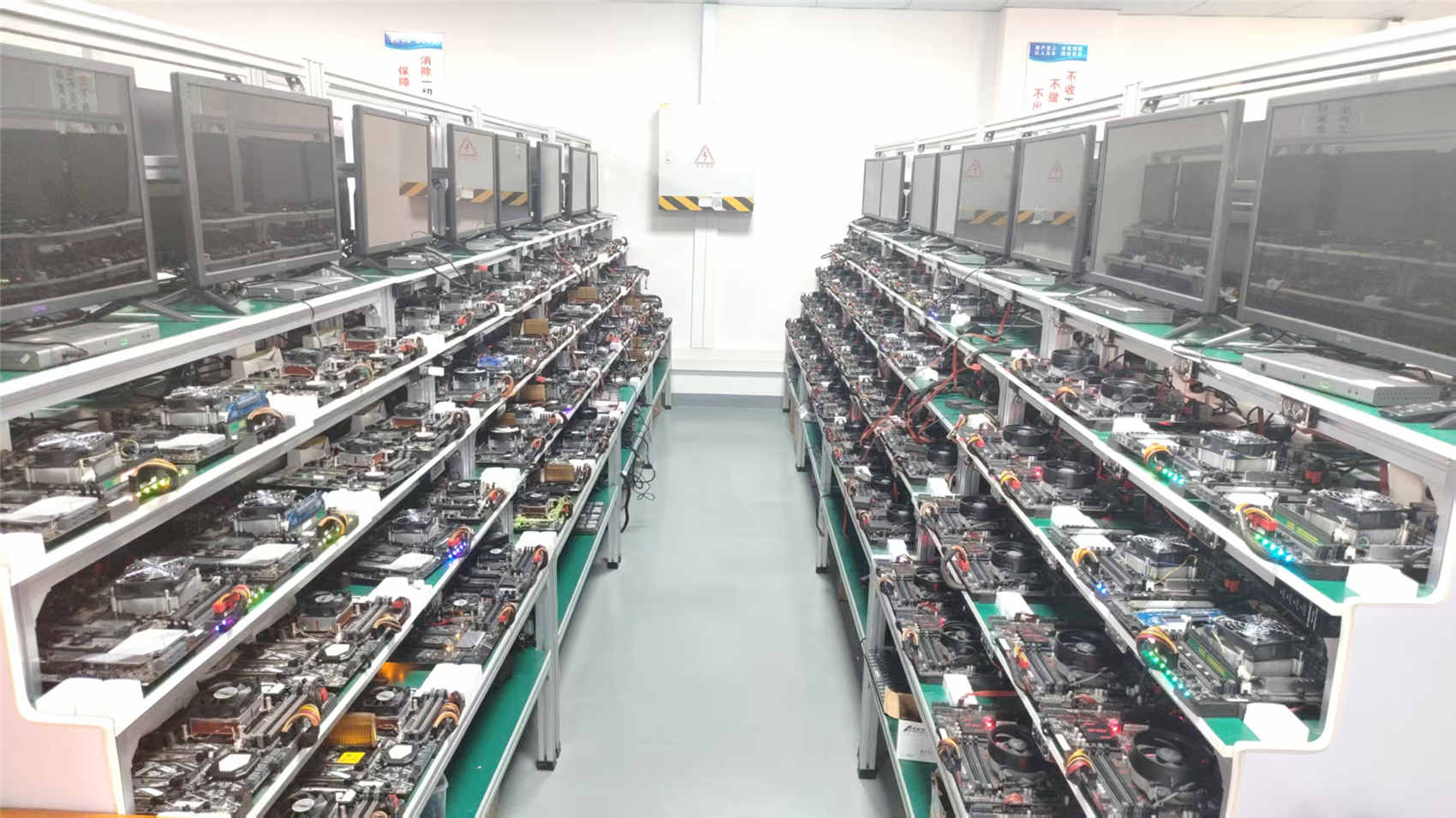
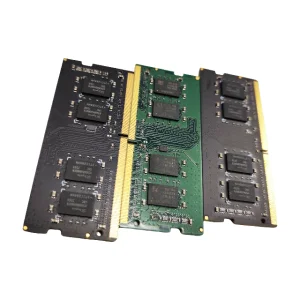
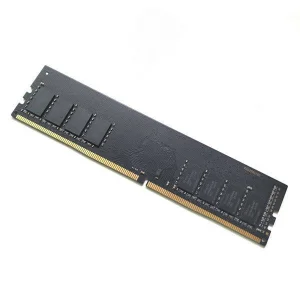
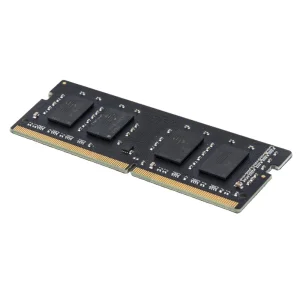
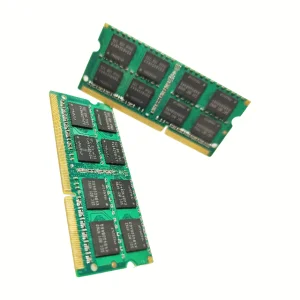
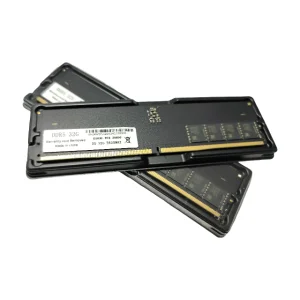
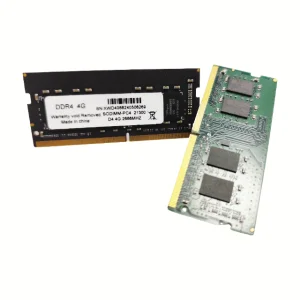
Our engineering expertise is fully demonstrated in our processing of DDR4 and DDR5 memory modules. DDR5 memory design operates at bus speeds of up to 4800MT/s - 6000MT/s and beyond. At these elevated frequencies, even minute variations in PCB trace length can cause phase shifts and timing skew, compromising data integrity. Our design team of 180 R&D engineers applies advanced simulation models to counter these effects:
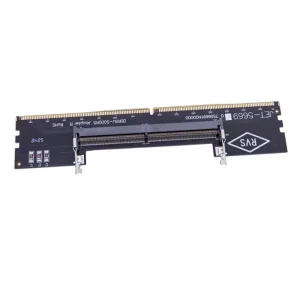
This deep engineering expertise extends directly to our computing motherboards and system adapters, ensuring that whether we are manufacturing a custom logic board or standard interface card, reliability remains absolute.
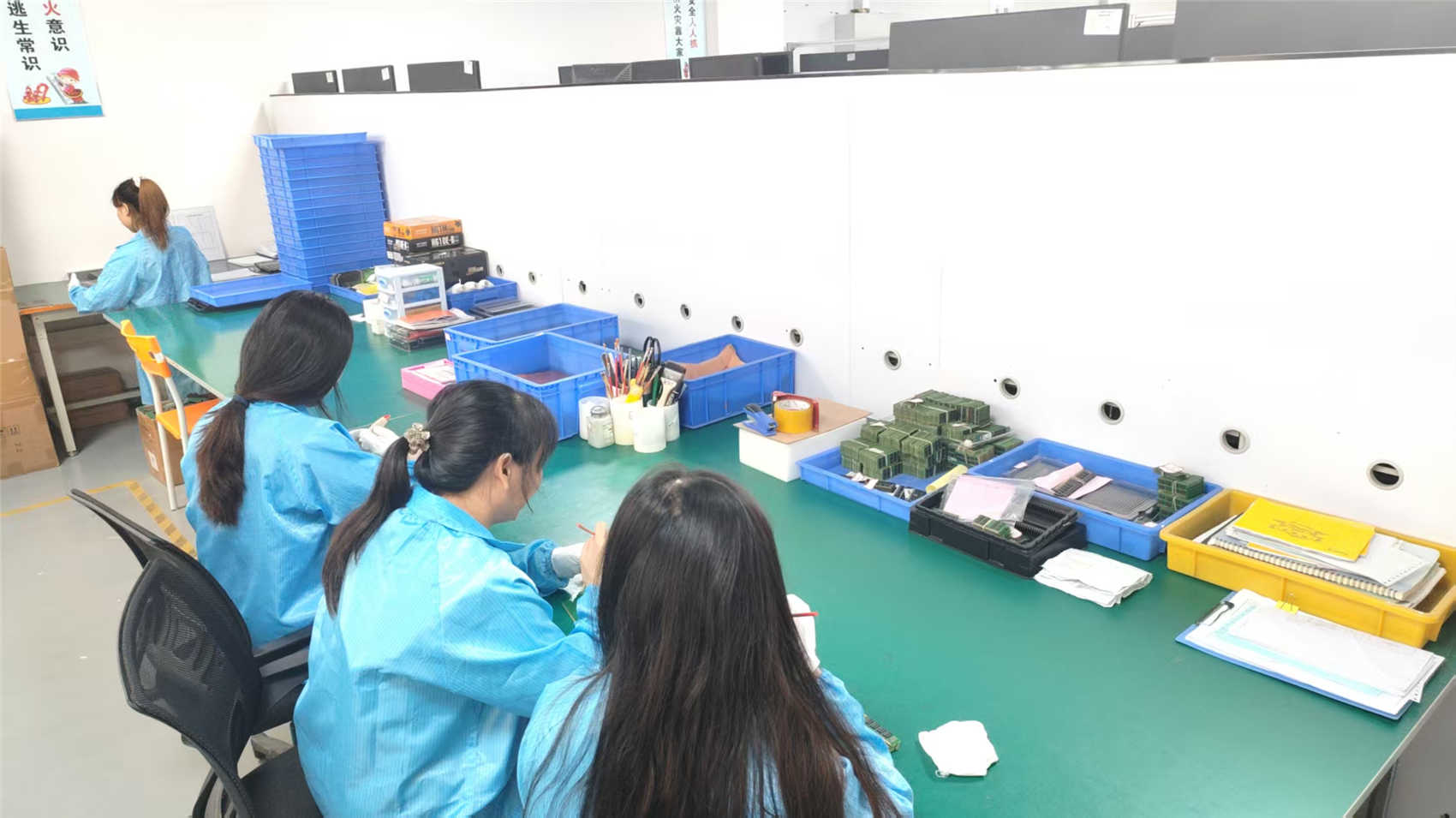
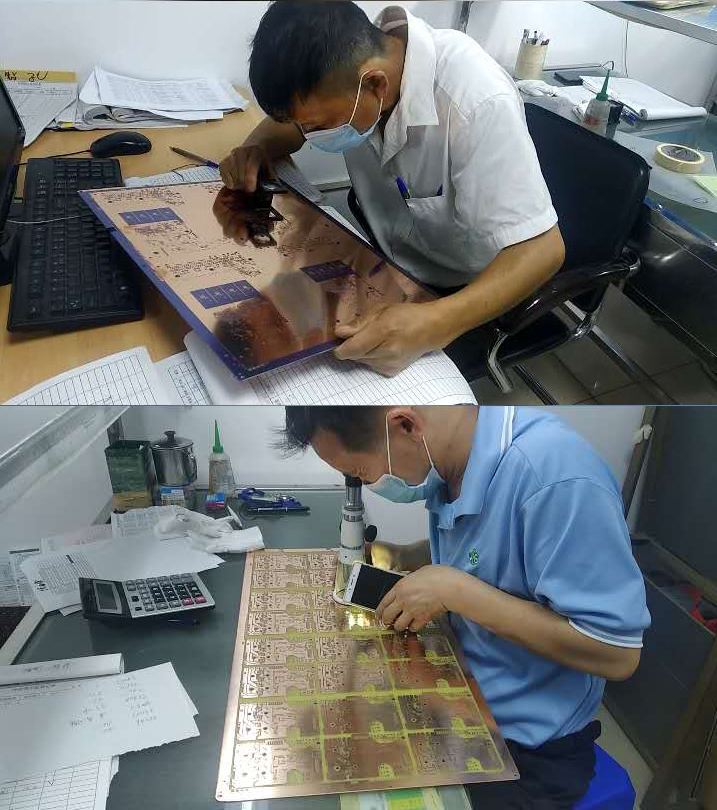
Visualizing our cleanroom SMT environments, manual inspection zones, and validation equipment.
Manual checking of solder fillet profile and alignment.
High frequency hardware jigs for real-time validation.
High capacity placement systems operating under cleanroom conditions.
Dynamic diagnostics running on production platforms.
Parallel memory and compute modules under prolonged voltage stress.
3D inspection of solder integrity and packaging.
NexaRAM Storage Technology Co., Ltd. is a specialized enterprise DDR5 memory manufacturer and electronics exporter.
Established in 2016, NexaRAM Storage Technology Co., Ltd. has developed into a reliable manufacturer in the advanced DRAM and high-speed PCB fabrication industry. We operate a modern production facility featuring a specialized cleanroom workspace of approximately 320㎡. Equipped with advanced automated optical inspection (AOI) platforms, stencil printers, and multi-zone reflow ovens, we maintain consistent yield rates even for complex PCB designs.
Under our strict quality framework, a dedicated QC team of 35 expert inspectors supervises raw material inbound testing, SMT validation, and complete burn-in testing. We generate an annual export revenue of approximately USD 12 million, supported by 6 years of export experience and 12 years of industry experience in high-reliability PCB design and memory module manufacturing.
Our customer base spans system integrators, OEM device manufacturers, telecommunication providers, and server hosting companies globally. With our collaborative design capabilities, we help companies develop tailored layouts, custom frequencies, thermal mitigation options, and custom brandings.
Where our high-performance printed circuit boards and integrated assemblies deliver maximum reliability.
Supporting high-density DDR5 memory channels and multi-core server processors (such as AMD SP5 and Intel LGA1700 platforms) with impedance-matched PCBs that eliminate bus latency and signal noise.
Utilizing high-performance aluminum PCBs (such as T6, 5050, and 3535 substrates) to dissipate heat quickly from high-power LEDs, preventing thermal runaway and extending lumen life.
Implementing heavy copper and metal-clad PCBs to manage electric vehicle powertrains, onboard chargers, and ADAS sensing systems operating under constant thermal and physical stress.
Answers to common design, quality control, and compliance questions from enterprise procurement teams.
We work with a wide range of industry-standard laminates depending on the application requirements. This includes standard FR-4 (Tg 130-140), Mid-Tg and High-Tg FR-4 (up to Tg 180+), Halogen-Free materials, Rogers (e.g., RO4003C, RO4350B), PTFE-based substrates, and high-thermal conductivity aluminum-clad laminates (1W/mK to 3W/mK) for LED and power electronics.
Every batch of printed circuit boards and integrated assemblies undergoes design validation and material inspection to meet European Union directives. We test for electromagnetic compatibility (EMC), low voltage directives (LVD), and chemical composition limits under RoHS guidelines. Relevant test reports are kept on file and are available to international buyers during shipment validation.
Yes. Supported by our R&D team of 180 engineers, we offer full design layout services. We specialize in configuring stackups for controlled impedance, specifying trace geometries for differential pairs, and optimizing vias to avoid parasitic capacitance on high-speed DDR4, DDR5, and PCI-Express channels.
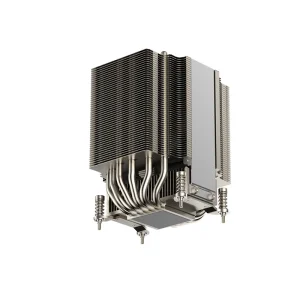
We address thermal challenges from both the board layout and hardware integration sides. We fabricate metal-core PCBs (MCPCBs) that use aluminum or copper layers to transfer heat away from components. Additionally, we customize and integrate active and passive aluminum radiators and server heatsinks designed to keep logic units and processors operating within optimal temperature ranges.
Discover our range of DDR3, DDR4, and DDR5 modules, along with high-capacity cooling assemblies for modern server racks.