NexaRAM
NexaRAM
NexaRAM
Explore our CE-compliant server systems, thermal management devices, and high-performance semiconductor components sourced globally.
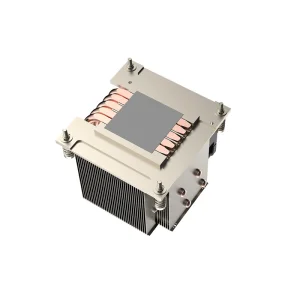
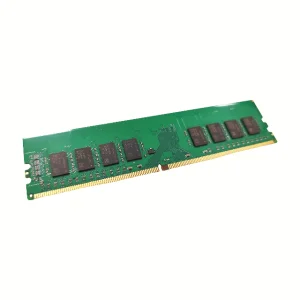
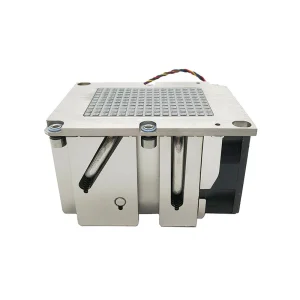
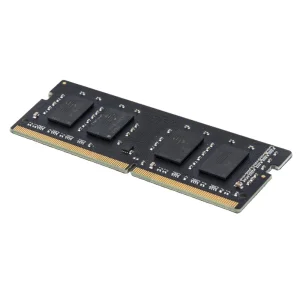
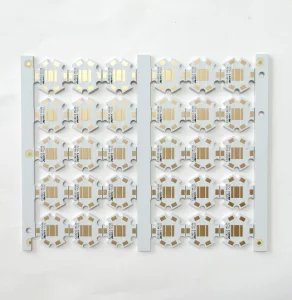
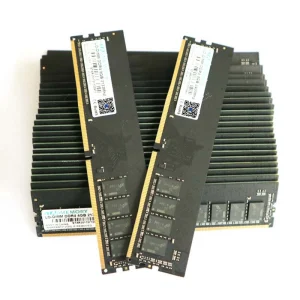
Backed by over a decade of semiconductor expertise, our operations are optimized to deliver scalable power management products.
In the rapidly evolving landscape of hyperscale data centers, industrial automation, and enterprise computing, electrical efficiency and power signal integrity have emerged as critical bottlenecks. High-performance microprocessors, memory modules, and specialized motherboards require clean, stable, and highly regulated direct current (DC) inputs. Fluctuations in supply voltage can cause data corruption, decrease hardware lifespan, and result in catastrophic system failures. This is where CE-Certified Voltage Regulators and modern Power Management Integrated Circuits (PMICs) play an indispensable role.
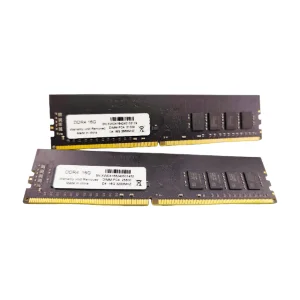
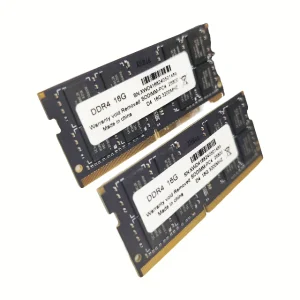
As computational density scales up—evidenced by the transition from DDR4 memory modules to complex DDR5 architectures—power management has undergone a fundamental architectural shift. Traditionally, voltage regulation was managed globally on the host motherboard. However, contemporary high-performance computing (HPC) hardware delegates voltage regulation closer to the individual load points (Point-of-Load, or PoL). For example, DDR5 DIMMs now incorporate an onboard PMIC, shifting the task of voltage step-down and noise filtering from the system motherboard directly to the memory module itself. This structural shift guarantees cleaner power, but demands strict compliance with international standards such as European Conformity (CE) to satisfy safety, electromagnetic compatibility (EMC), and operational sustainability guidelines.
To design or procure the correct power delivery system, hardware engineers must evaluate the trade-offs between two primary topologies: Linear Regulators (such as Low-Dropout, or LDO regulators) and Switching Regulators (Buck, Boost, and Buck-Boost converters).
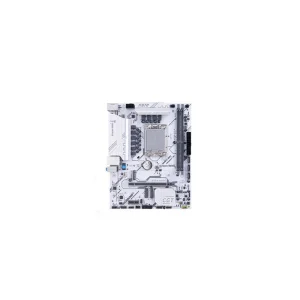
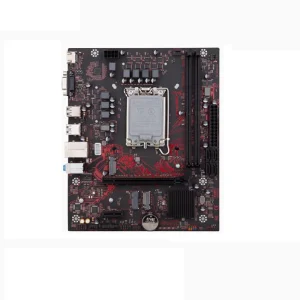
The integration of sophisticated voltage regulator modules (VRMs) on motherboards—such as the LGA1700 H610 and B760M-G chipsets—highlights the trend toward multi-phase power design. Modern multi-phase VRMs dynamically distribute the current load across several parallel power stages, reducing thermal stress on individual MOSFETs and capacitors. This multi-phase approach minimizes ripple current, ensures ultra-stable Vcore delivery to multi-core processors, and mitigates the risk of power throttling under sustained computational loads.
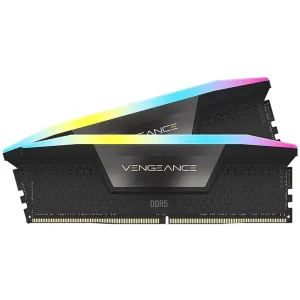
Simultaneously, the transition to DDR5 technology introduces the PMIC. Operating at a nominal input voltage of 12V, the DDR5 PMIC steps down the voltage to 1.1V, 1.8V, and other auxiliary rails directly on the module's PCB. This localization minimizes I2R power distribution losses across the memory slot interface, providing local closed-loop voltage regulation that reacts to load transients within nanoseconds.
As global supply chains navigate geopolitical and economic shifts, China remains the global cornerstone for manufacturing high-precision electronics, power management modules, and semiconductor components. The unique combination of localized raw material sourcing, rapid prototyping capabilities, and mature component packaging ecosystems enables Chinese factories to deliver unparalleled cost-to-performance ratios without compromising quality.
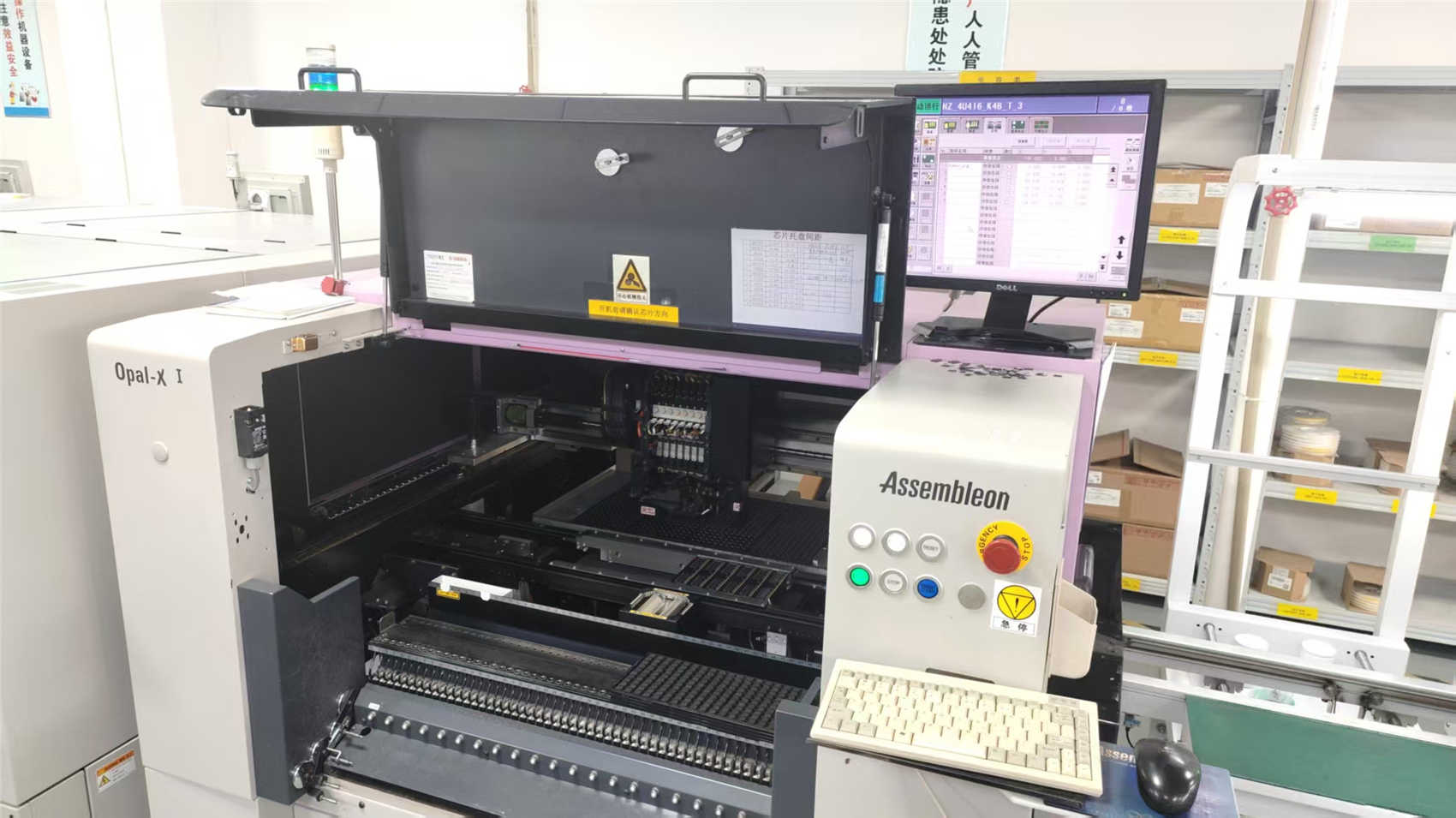
NexaRAM Storage Technology Co., Ltd. represents this modern industrial paradigm. Established in 2016 and leveraging over 12 years of industry experience, NexaRAM has constructed an agile manufacturing ecosystem supported by over 850 strategic partners. This extensive network ensures access to high-grade wafers, multi-layer PCBs, high-frequency inductors, and specialized PMIC chips even during global component shortages. Operating out of state-of-the-art facilities equipped with Automated Optical Inspection (AOI) and comprehensive burn-in reliability testing chambers, NexaRAM's annual export exceeds USD 12 million. By employing 180 skilled engineers, NexaRAM bridges the gap between raw component manufacturing and customized OEM/ODM engineering, serving primary markets across North America, Europe, Southeast Asia, and the Middle East.
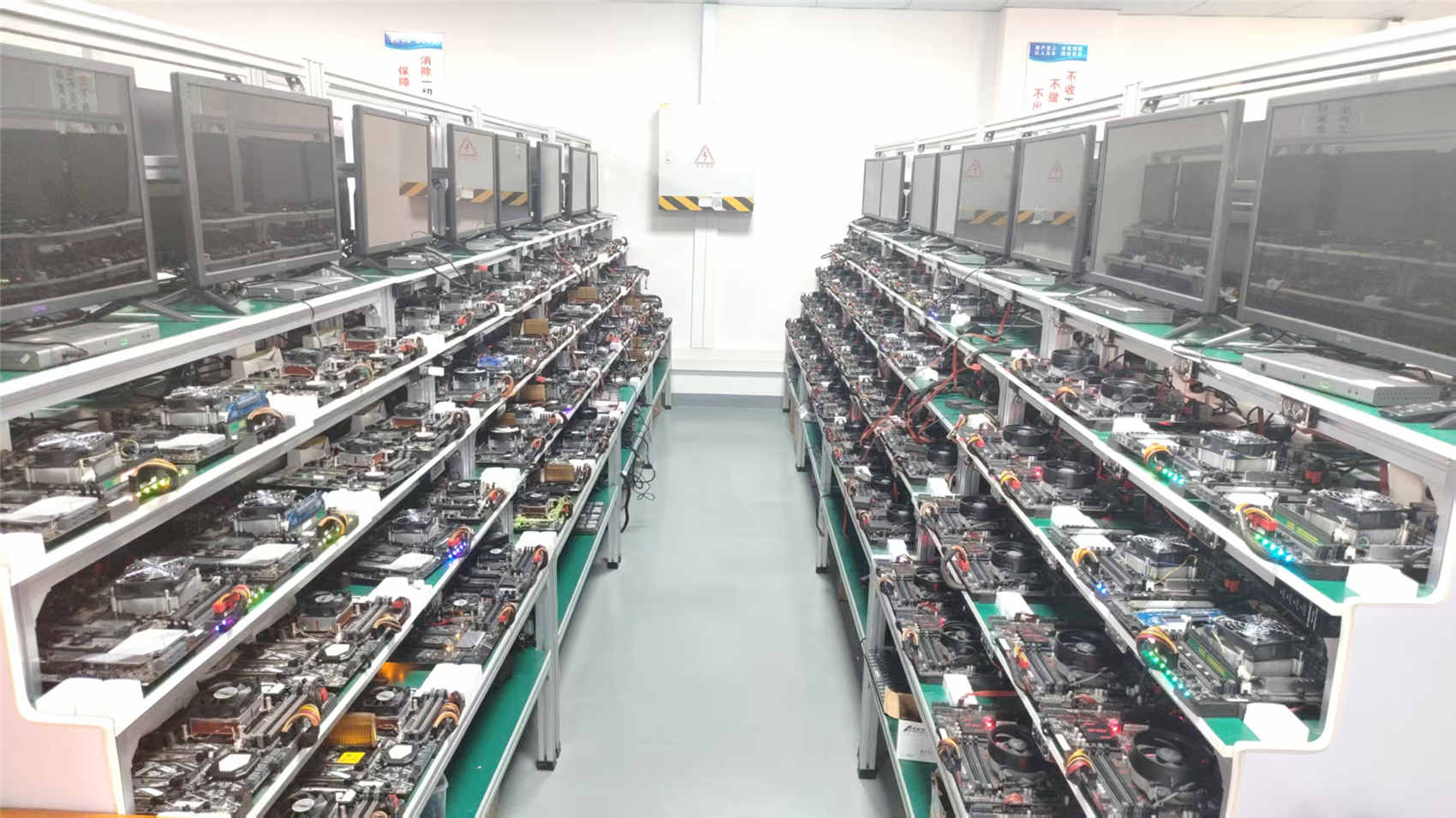
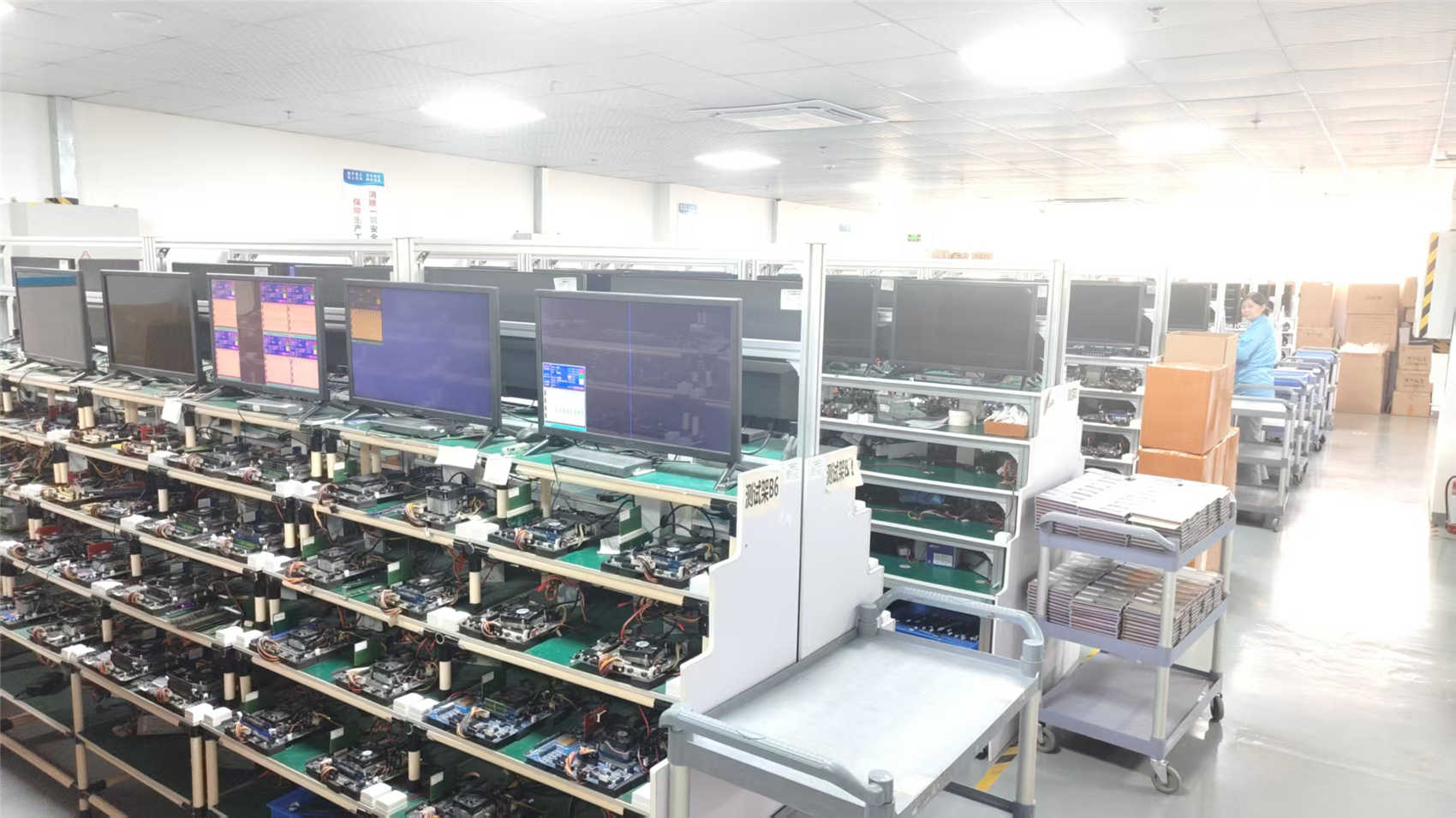
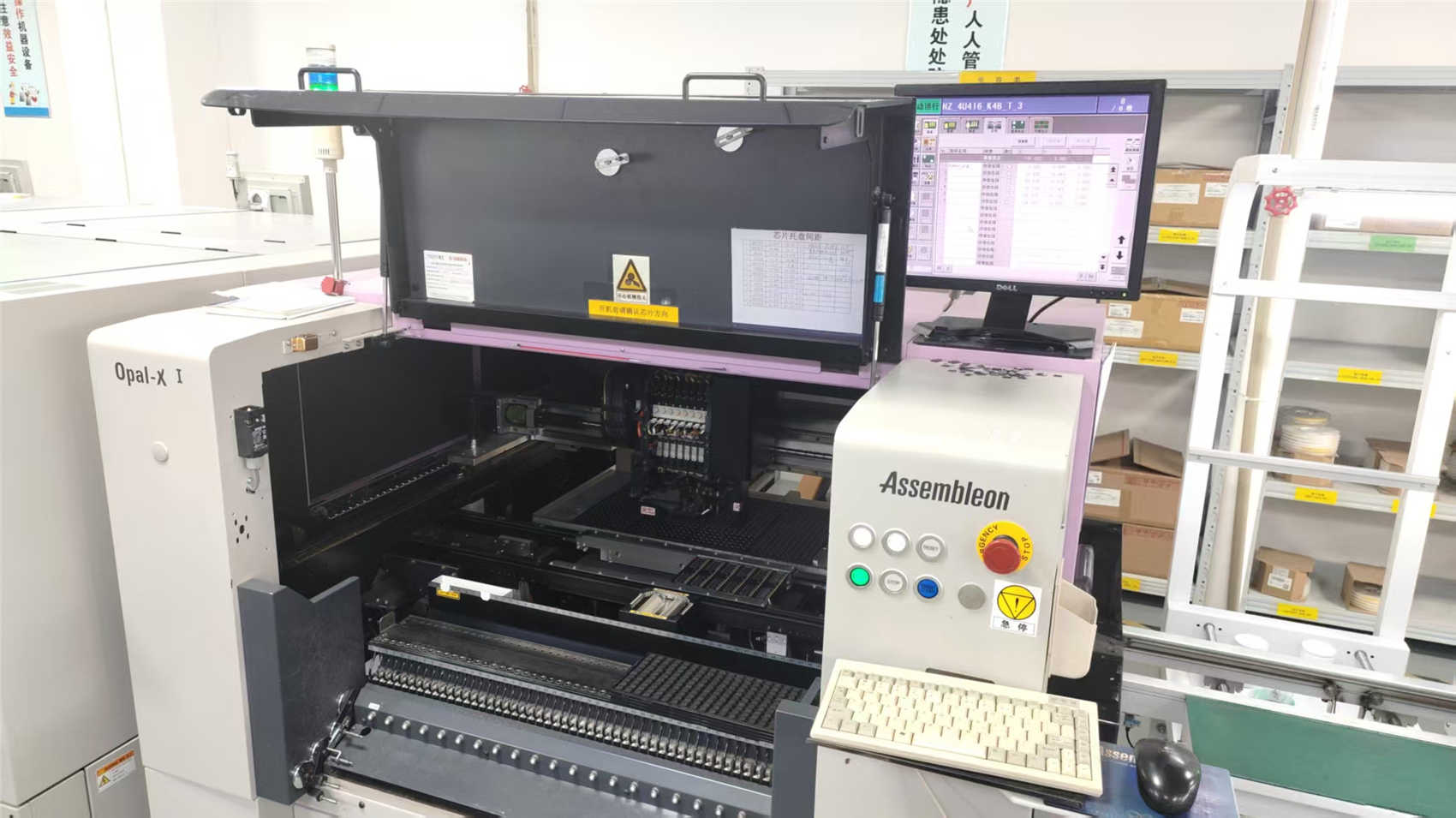
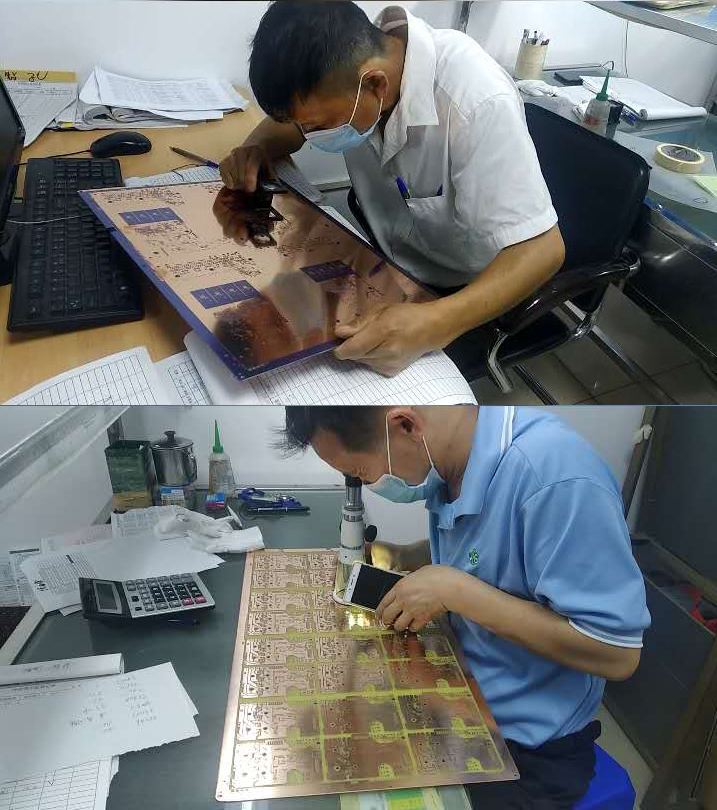
Utilizing Automated Optical Inspection (AOI) alongside extreme thermal burn-in testing to guarantee zero-defect performance across all voltage regulation stages.
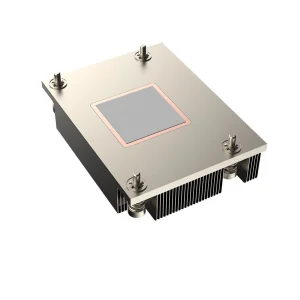
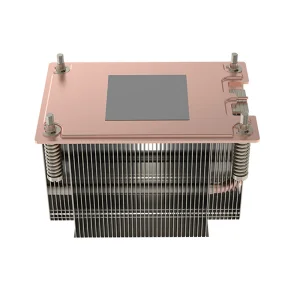
Custom heat spreader engineering, copper-based thermal interfaces, and PCB layer layout optimization matching tailored workload demands.
Ensuring compliance with CE, FCC, RoHS, and WEEE standards to guarantee seamless deployment in enterprise architectures worldwide.
As artificial intelligence (AI) and machine learning (ML) models continue to scale exponentially, the demand for power at the silicon level has reached unprecedented levels. Modern high-density compute accelerators regularly draw currents exceeding 1,000 amperes at sub-1V levels. This places immense pressure on voltage regulators, prompting advancements in high-frequency magnetic materials and vertical power delivery architectures.
Future technology roadmaps indicate that traditional lateral power delivery (where power enters the processor from the sides of the package) is being replaced by Vertical Power Delivery (VPD). In VPD setups, the voltage regulators are stacked directly beneath the CPU or GPU core. This design minimizes transmission path resistance, drastically reducing voltage droops during sudden load fluctuations. Additionally, the development of wide-bandgap semiconductors, such as Gallium Nitride (GaN) and Silicon Carbide (SiC), allows switching regulators to operate at much higher frequencies. This reduces the size of passive components like inductors and capacitors, enabling more compact and power-dense designs.
NexaRAM Storage Technology Co., Ltd. is a leading DDR5 memory manufacturer and technology provider specializing in high-performance RAM solutions, advanced PC/server motherboards, and optimized thermal management accessories. Since our inception in 2016, we have consistently delivered robust products to global OEMs, system integrators, and data centers.
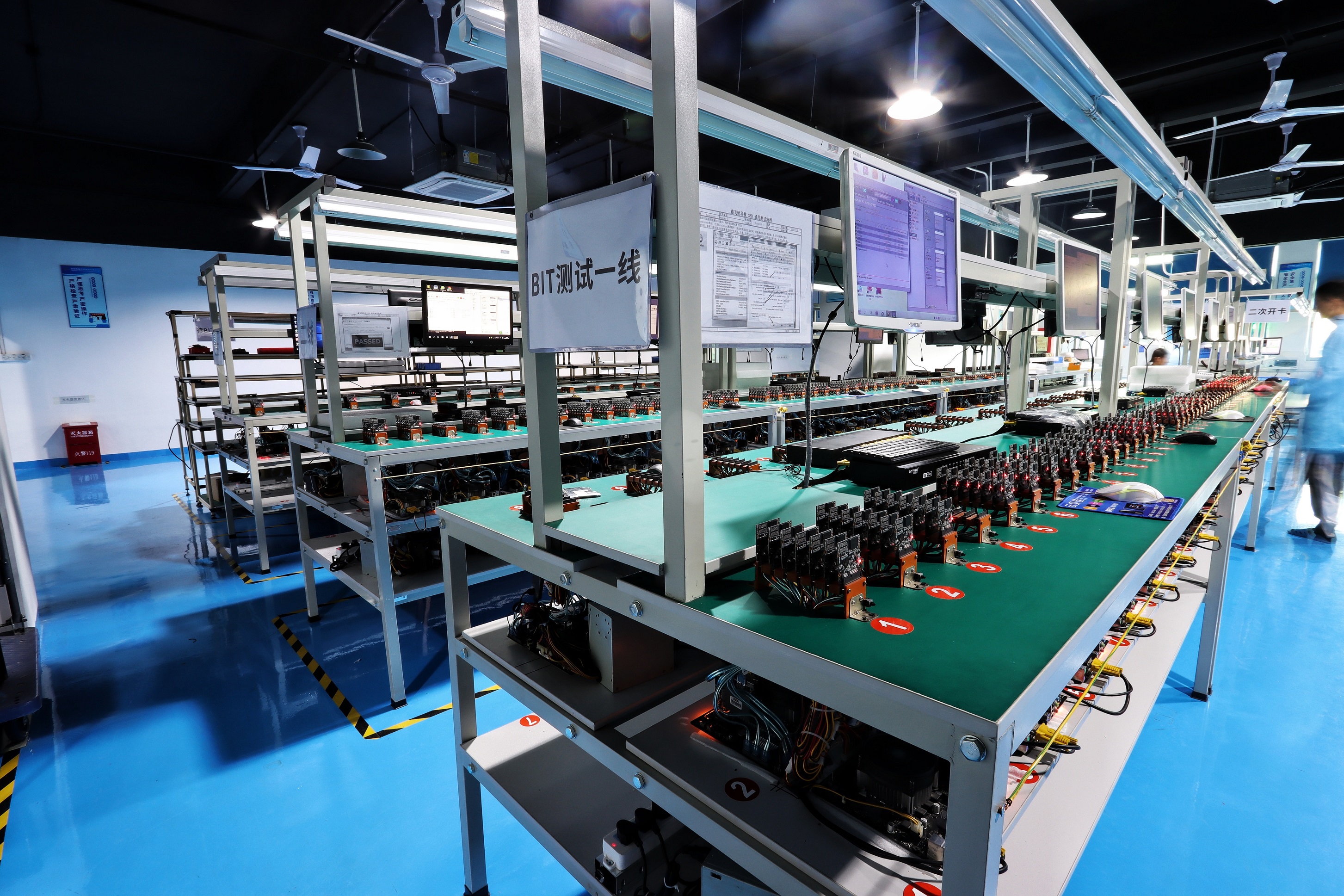
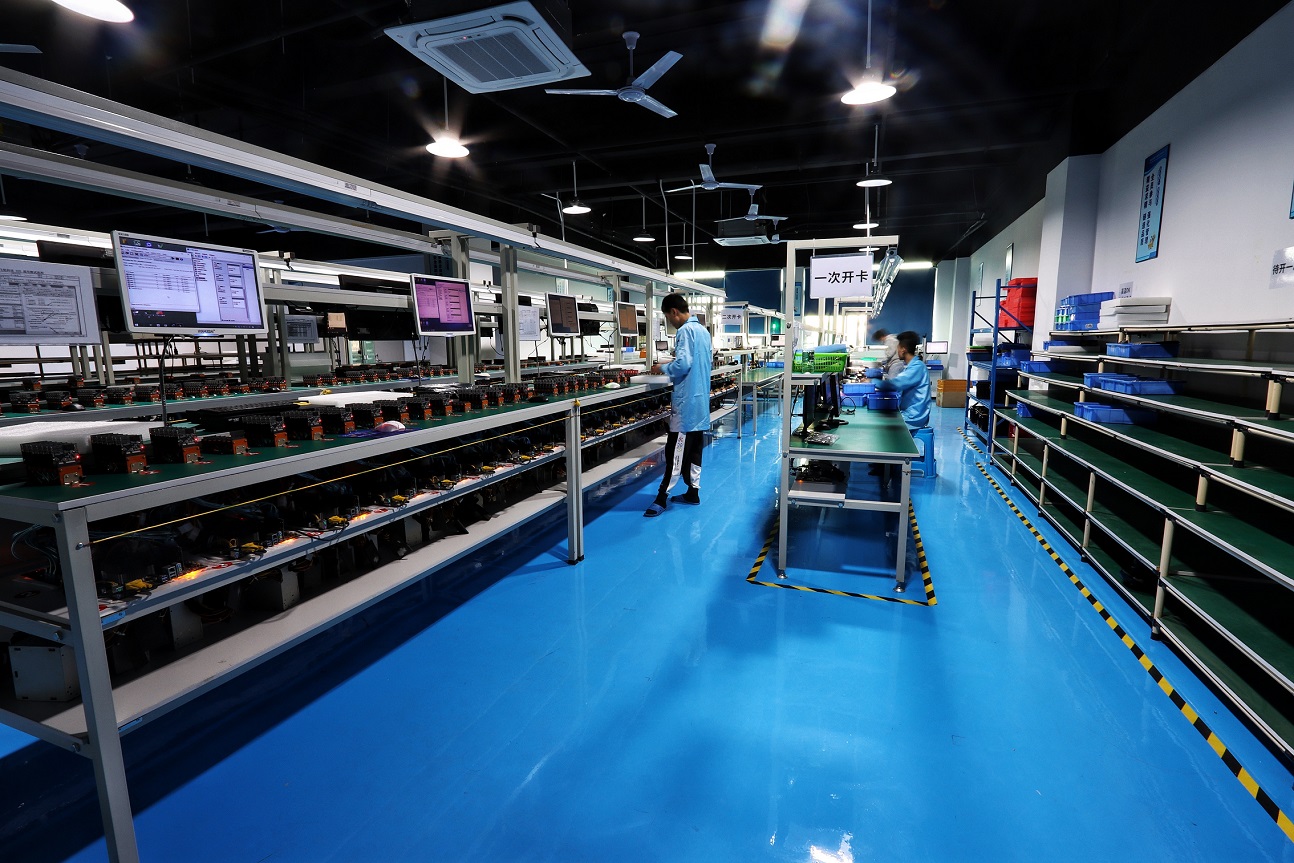
Quality control is central to our operational philosophy. With a dedicated team of 35 QC inspectors, we run automated optical inspection (AOI) alongside real-time thermal burn-in tests to identify and eliminate component-level errors. Our active collaboration with 850 strategic partners ensures a reliable supply of premium raw materials and integrated circuits, positioning NexaRAM as a highly trusted supplier for high-speed computing and voltage-regulated hardware solutions.
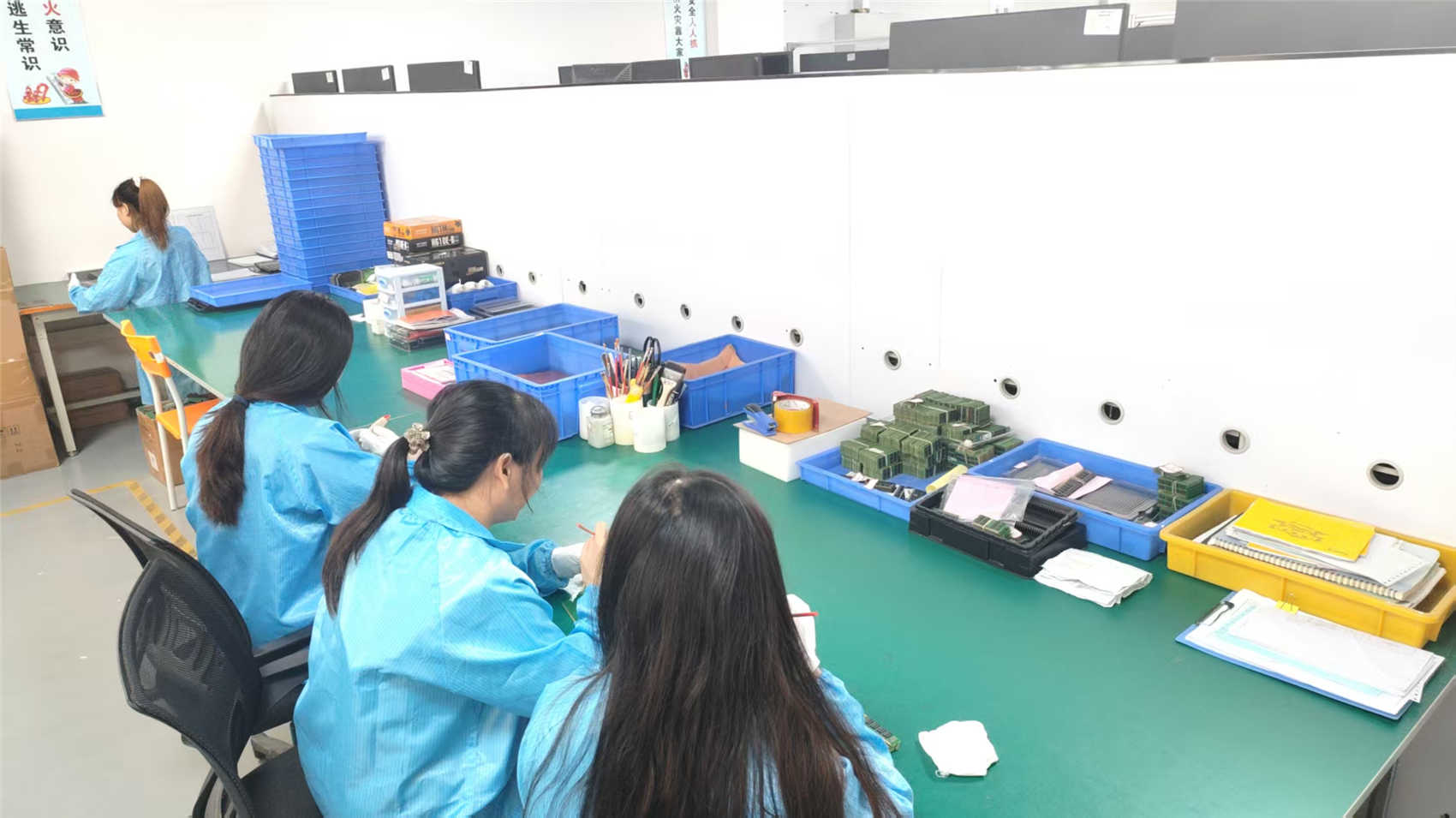
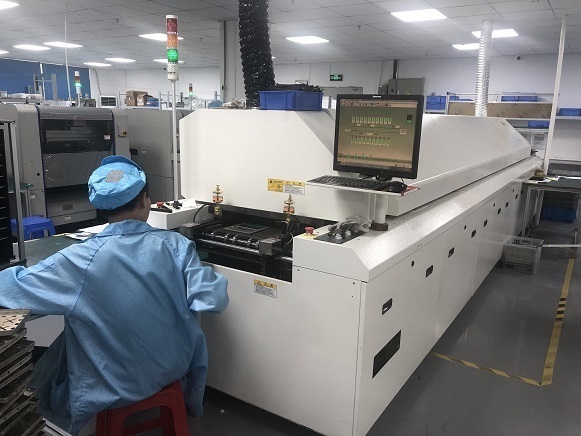
A look into our cleanrooms, manufacturing lines, and specialized quality assurance centers.
Expert answers to common engineering and sourcing questions regarding voltage regulation systems.
CE certification guarantees that power management modules meet strict safety, health, and environmental protection standards within the European Economic Area (EEA). Crucially for voltage regulators, it validates electromagnetic compatibility (EMC), ensuring the device does not emit excessive electromagnetic noise that could disrupt nearby computing hardware, and that it remains resilient to external electrical surges.
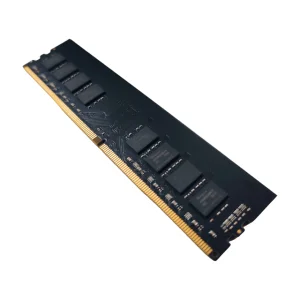
In DDR4 and older memory generations, the voltage regulation was managed by the host motherboard's VRM. DDR5 shifts this responsibility directly to the memory module using an onboard Power Management Integrated Circuit (PMIC). This allows for more precise, localized voltage control (at 1.1V), reduces noise, improves power efficiency, and simplifies motherboard power routing.
Voltage regulators (MOSFETs and PMICs) generate significant thermal energy as they step down voltage, particularly under high current loads. Copper-based heat sinks and vapor chambers conduct and dissipate this heat quickly, preventing thermal runaway, sustaining peak efficiency, and protecting the silicon from premature failure.
Single-phase regulators handle the entire load through one inductor and set of switches, which is cost-effective but limits capacity and generates higher output ripple. Multi-phase VRMs stagger the load across multiple interleaved phases, reducing ripple voltage, speeding up transient response, and distributing thermal load to increase component lifespan.
NexaRAM utilizes a multi-step quality control workflow. This includes Automated Optical Inspection (AOI) to verify component placement, functional board-level testing, and thermal burn-in chambers that simulate extended workloads under high stress to eliminate early component failures before shipping.
Modern processors transition from idle states to full utilization in nanoseconds. The voltage regulator must respond to this sudden current demand without letting the output voltage drop below operational limits, which would otherwise stall the system. High switching frequencies and optimized output capacitor banks are key to managing these transitions.
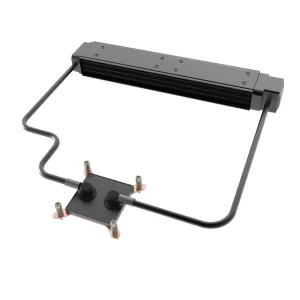
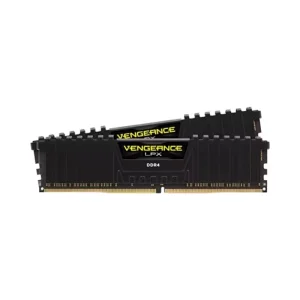
Select from our range of motherboards, computing RAM modules, and liquid cooling solutions built for continuous system operation.