NexaRAM
NexaRAM
NexaRAM
Industry-leading cooling modules, robust memory architectures, and state-of-the-art PCBA services tailored for global server operations.
An Executive Overview of Manufacturing Synergy, Technological Innovations, and Global Supply Chains.
The global high-performance computing (HPC) ecosystem increasingly depends on Chinese manufacturing hubs. The primary advantage of Chinese factories is the complete vertical integration of the component supply chain. From raw silicon wafers and advanced substrate materials to passive components (MLCCs), high-speed PCB fabrication, and robust thermal assemblies, all production phases are co-located in neighboring technology clusters. This geographic concentration minimizes transit latency, drastically simplifies procurement logistics, and protects OEMs from volatile shipping delays.
Furthermore, local engineering groups are deeply integrated into production pipelines. By placing precision manufacturing units alongside state-of-the-art testing laboratories, companies can prototype new layouts within hours. This agile iterative workflow reduces time-to-market for complex architectures, including DDR5 memory registers and highly dense server backplates, yielding a sustainable operational advantage for international clients.
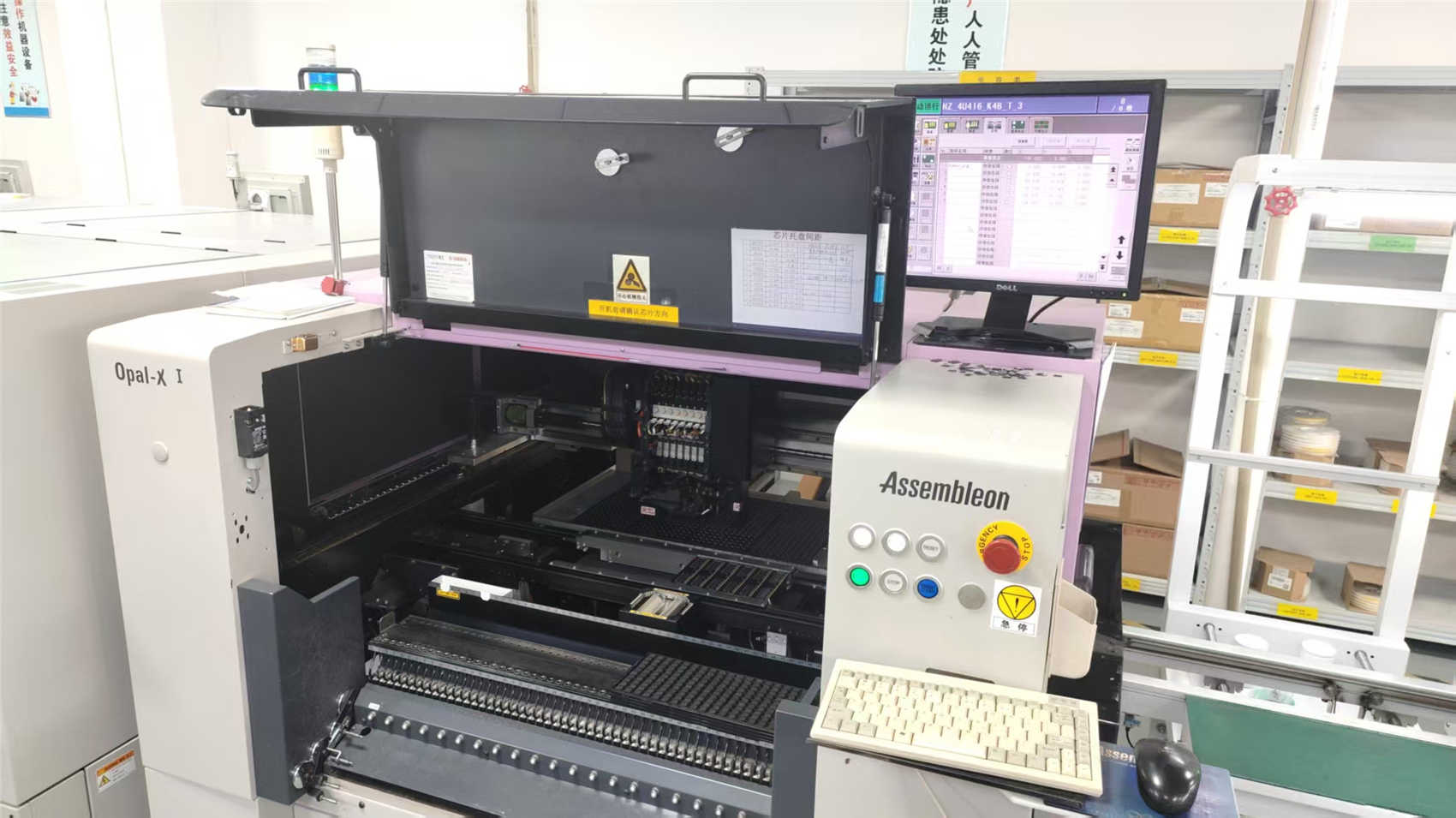
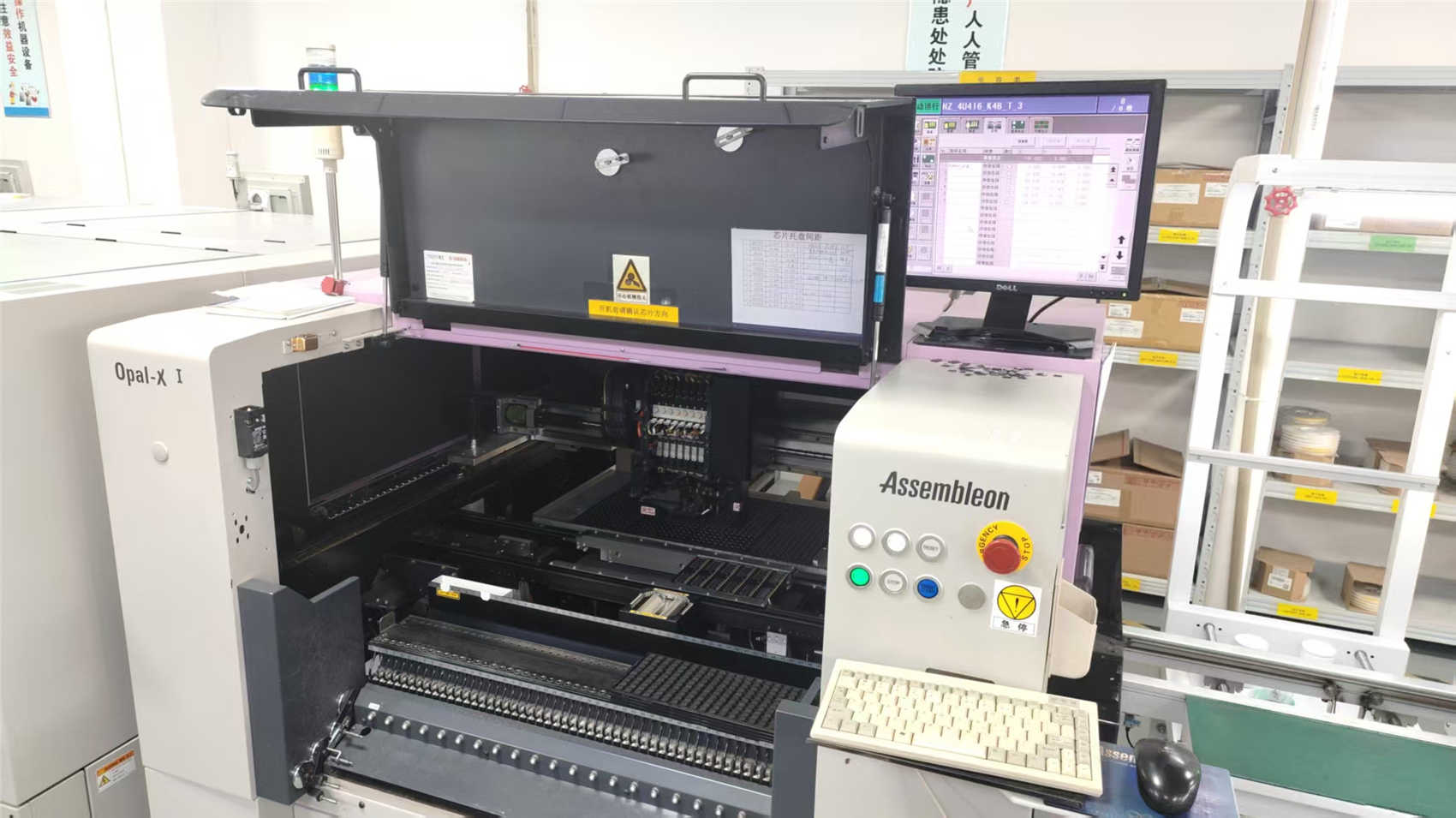
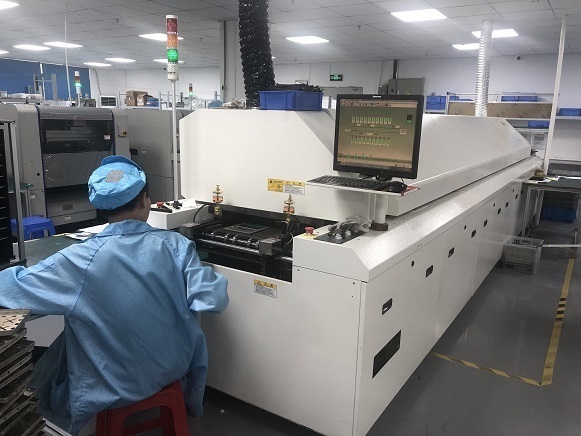
Modern high-speed compute systems demand extremely tight physical tolerances. Chinese factories leverage highly sophisticated SMT (Surface Mount Technology) assembly systems and automatic inspection devices to ensure signal integrity across multilayer high-density interconnect (HDI) PCBs. The micro-placement of high-pin-count processors, multi-channel DRAM arrays, and delicate power delivery networks requires sub-micron placement accuracy.
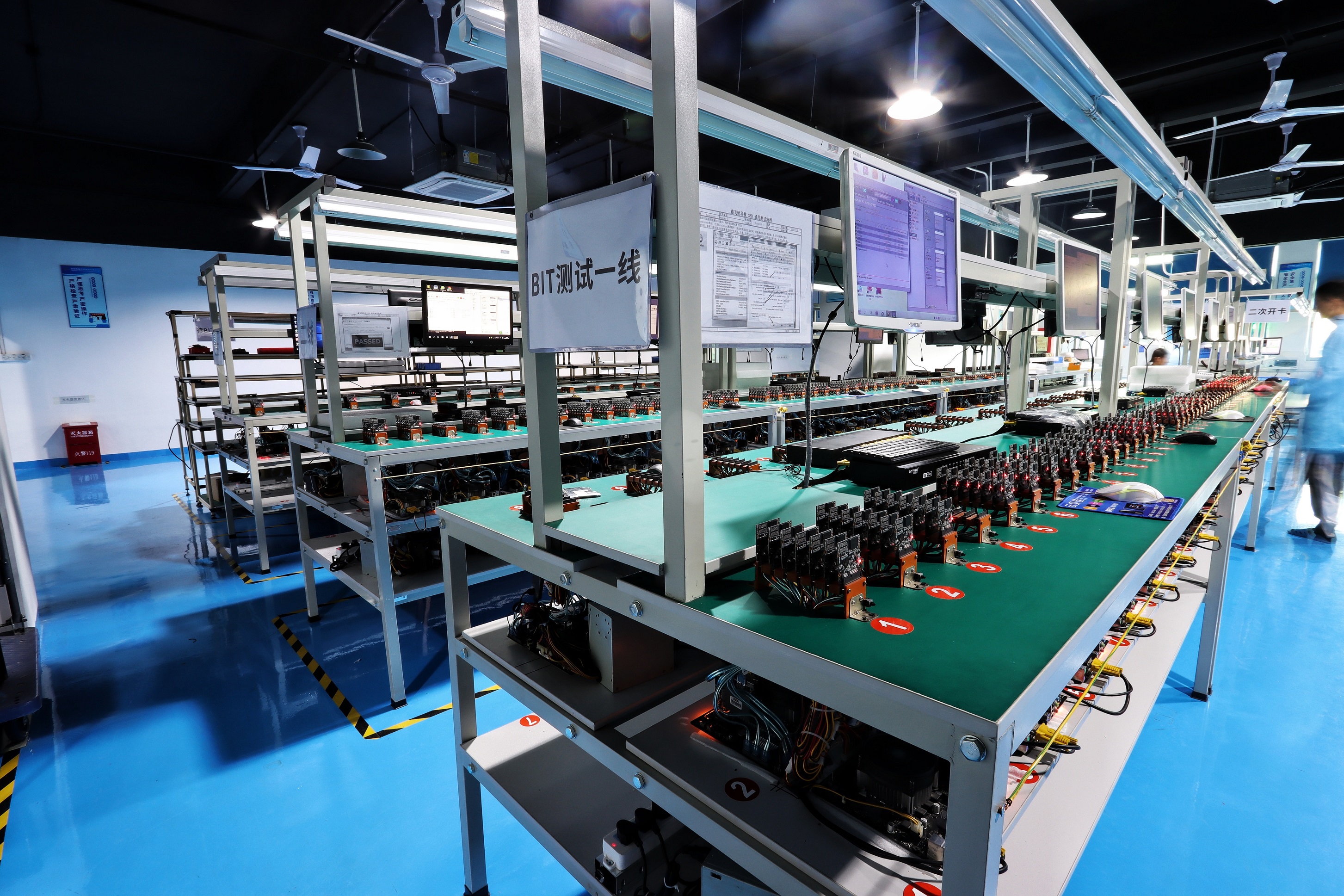
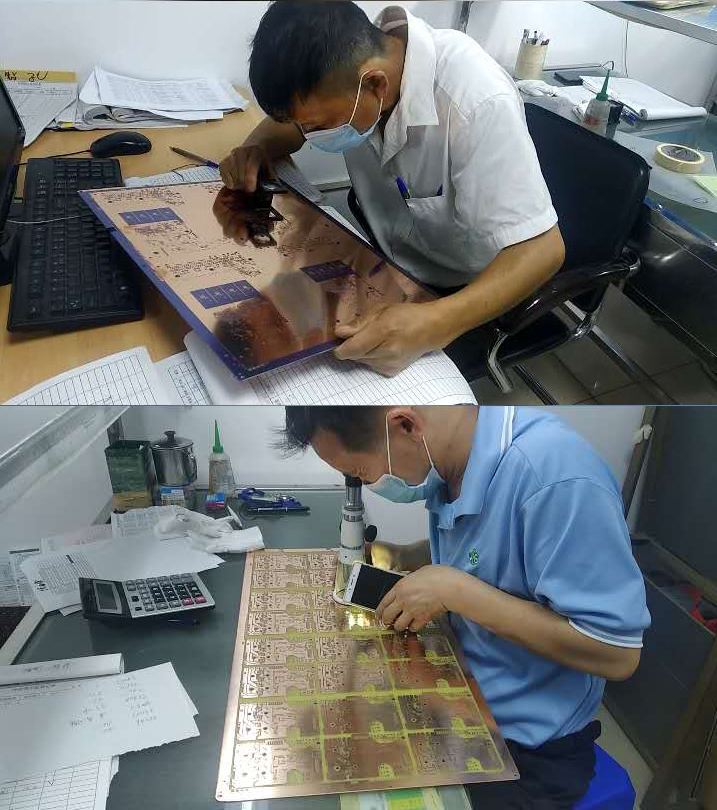
Chinese facilities support these technical requirements by adopting state-of-the-art automated optical inspection (AOI), X-ray diagnostic stations, and extreme temperature burn-in testing chambers. These robust verification protocols ensure that critical server nodes and consumer-facing assemblies maintain maximum uptime, even when deployed under continuous loads in demanding datacenters.
Decentralized High-Speed DRAM Production and Advanced Thermal Solutions Engineering
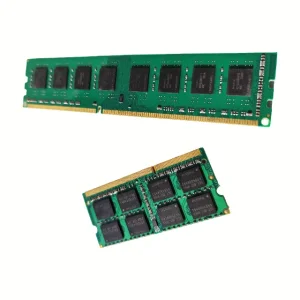
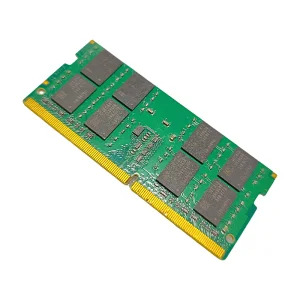
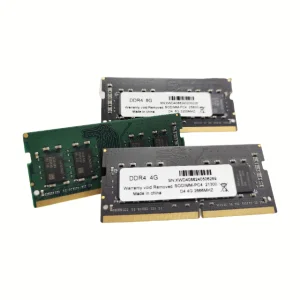
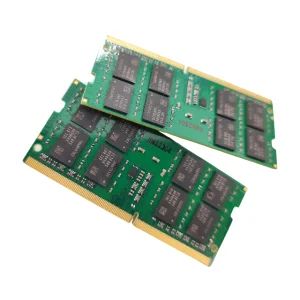
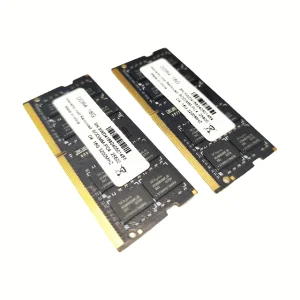
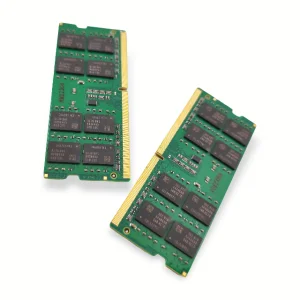
Established in 2016, NexaRAM Storage Technology Co., Ltd. is a professional DDR5 and DDR4 memory manufacturer specializing in high-performance RAM solutions for global OEMs, data centers, and enterprise computing systems. NexaRAM has built a reputation for developing highly stable and reliable hardware designs, drawing on a wealth of 12 years of industry experience in memory and semiconductor-related fields.
NexaRAM operates a modern, highly specialized cleanroom production facility encompassing approximately 320㎡. Designed for high-frequency testing, component matching, and thermal solution tuning, this specialized floor plan enables rapid iteration and strict quality control. NexaRAM works alongside over 850 strategic supply chain partners, maintaining stable access to high-grade semiconductor dies, advanced substrates, and high-purity aluminum alloys.
Driven by a dedicated R&D team of 180 engineers, NexaRAM launched 120 new product variants in the past year alone. The product design process covers custom DDR5 module layouts, impedance control, PCB routing, and high-density thermal architecture, providing enterprise clients with highly tailored solutions that meet strict regulatory and hardware demands.
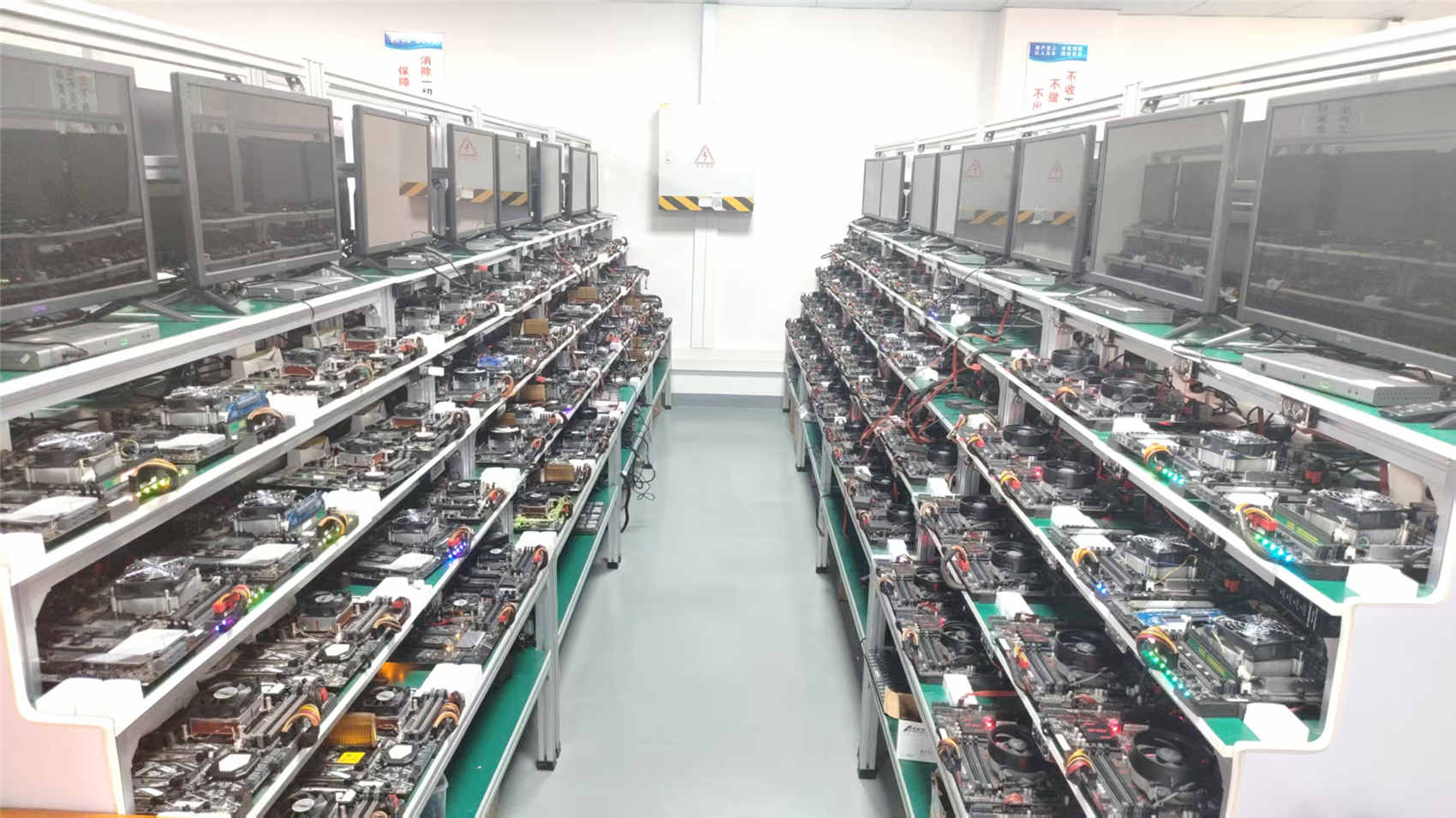
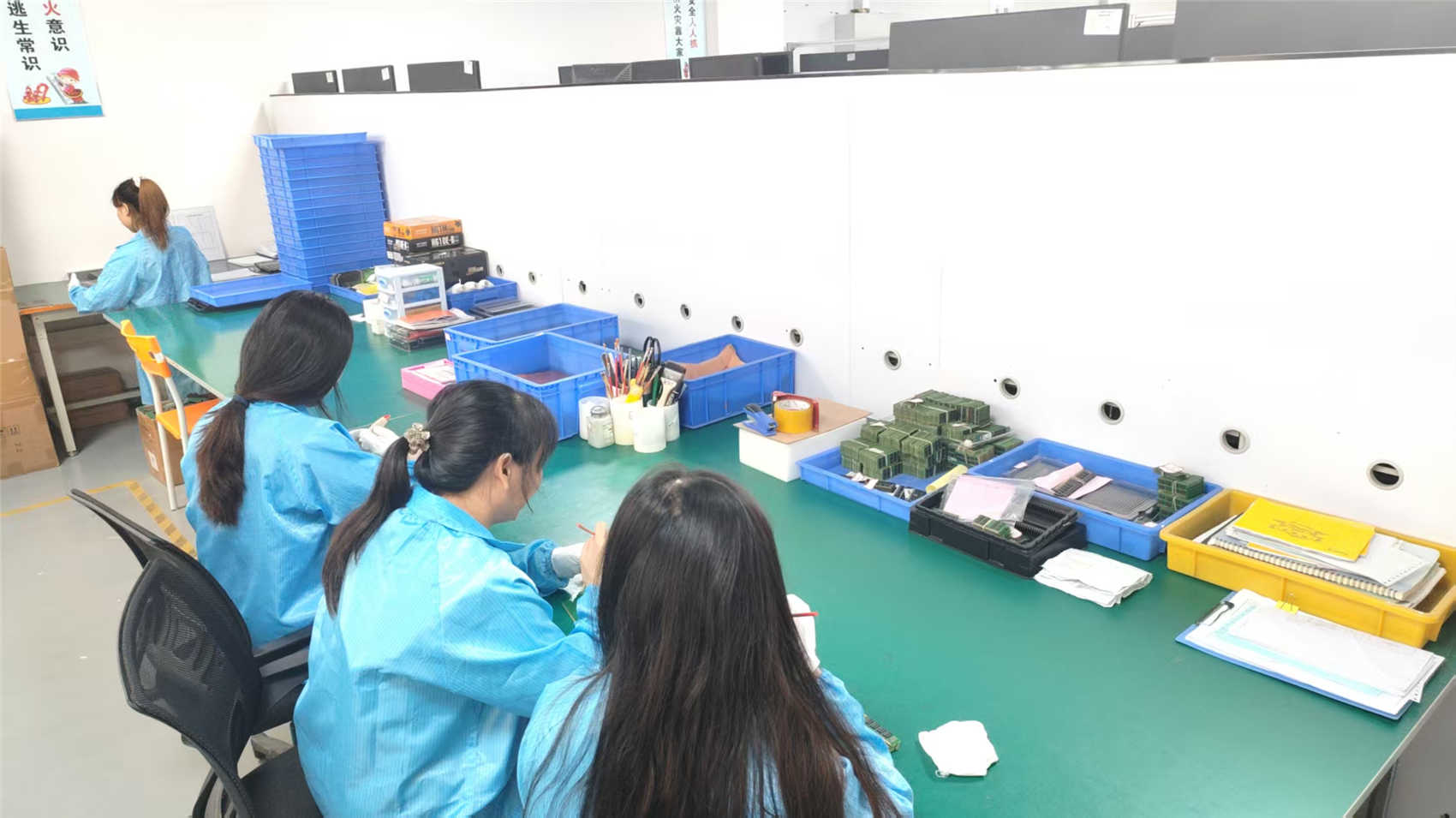
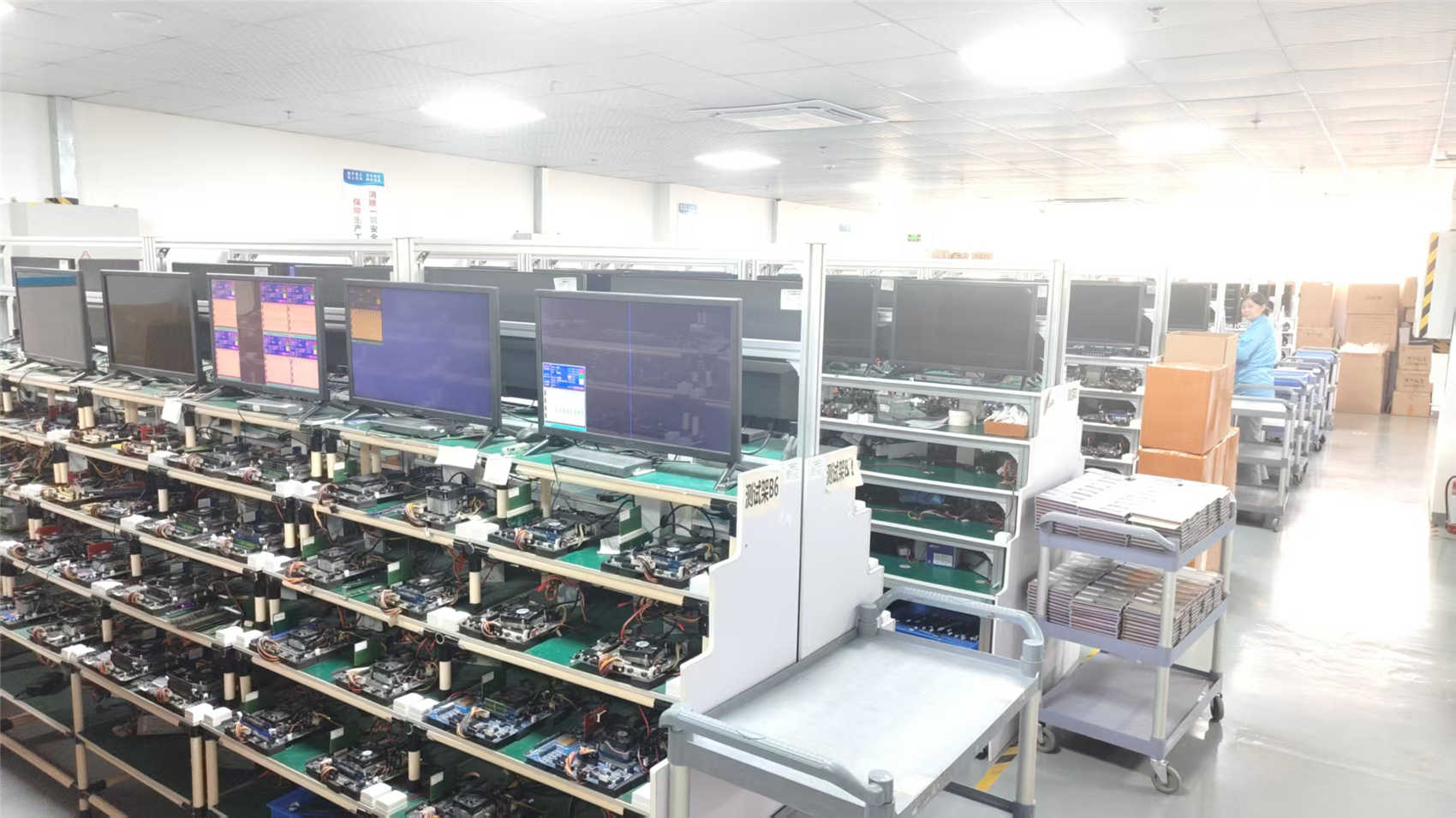
Detailed visual inspection of NexaRAM's manufacturing floor, automatic testing systems, and high-frequency debugging jigs.

Insight into the evolving dynamics of data center heat dissipation, next-gen memory standards, and AI integration.
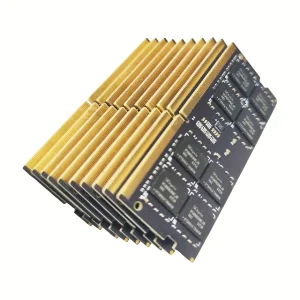
As processor core counts expand, system performance is heavily gated by memory bandwidth. The industry is rapidly shifting from DDR4 to DDR5. DDR5 brings an updated power architecture, moving the Power Management Integrated Circuit (PMIC) directly onto the memory module to improve power efficiency and signal integrity. Furthermore, on-die ECC (Error Correction Code) corrects single-bit errors within the DRAM chip before sending data to the CPU, bolstering systemic stability in high-density server configurations.
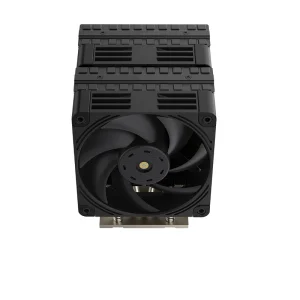
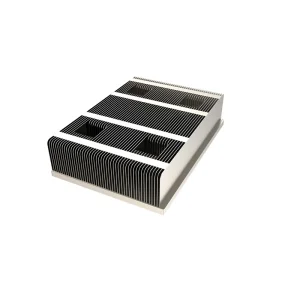
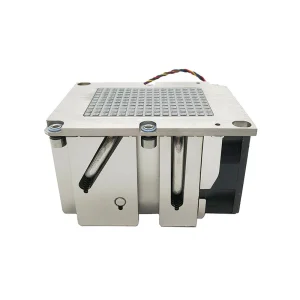
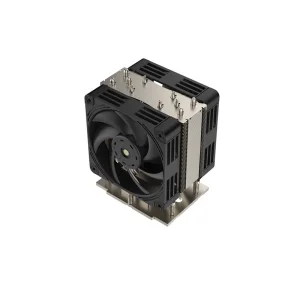
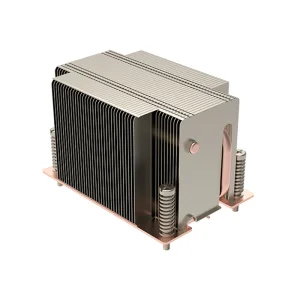
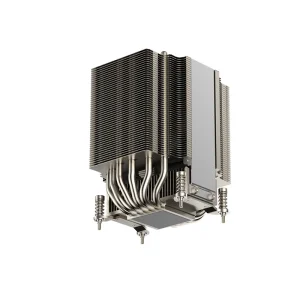
Modern enterprise CPUs, such as AMD's SP5/AM5 sockets and Intel's LGA4677/LGA3647 lines, routinely exhibit thermal design power (TDP) envelopes exceeding 205W to 400W. Dissipating heat from these high-performance dies requires advanced cooling solutions. Top-tier manufacturers design heat sinks using specialized materials, such as high-purity aluminum fin arrays and vapor chambers embedded with sintered copper heat pipes. These designs achieve low thermal resistance, preventing thermal throttling during continuous compute operations.
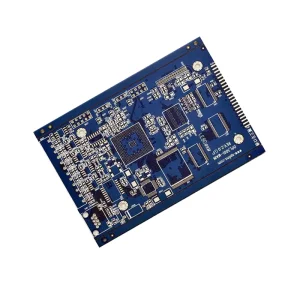
Beyond traditional servers and desktops, industrial automation is driving demand for rugged, high-reliability computing components. Edge computing platforms and industrial gateways operate in harsh environments subject to wide temperature swings, electrical interference, and physical vibrations. Providing durable SMT/PCBA processing—with options like gold plating, immersion silver finishes, and conformal coatings—ensures the long-term reliability of embedded control boards and communication interfaces.
Aligning custom engineering workflows with modern data infrastructure, cloud hosting, and automation requirements.
Hyperscale hosting facilities demand maximum operational density, minimal energy overhead, and low component failure rates. NexaRAM provides high-density, low-latency memory solutions and efficient server coolers (such as LGA3647 2U and SP5 units) to help optimize power usage effectiveness (PUE). Selecting components with built-in ECC options minimizes system crashes, preserving data integrity and service uptime.
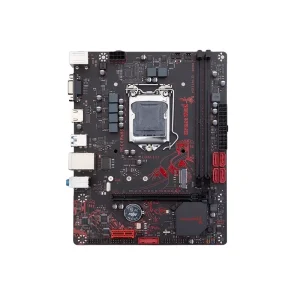
Automated production environments require reliable, high-speed data acquisition at the edge. Custom motherboard solutions (such as our high-durability H311M-G variants) combined with robust PCBA processing ensure that sensor arrays, robot arms, and assembly line controllers perform consistently, even under high ambient temperatures.
A practical guide for system integrators, OEMs, and technology buyers to optimize their supply chain strategy.
Procuring memory and cooling systems at scale requires careful balancing of technical requirements, QA standards, and manufacturing schedules. To help technology buyers establish reliable partnerships, we recommend focusing on three core procurement metrics:
By establishing partnerships that offer complete manufacturing transparency, global buyers can mitigate typical supply chain issues, including component degradation, high return rates, and shipping delays.
Technical clarifications regarding component manufacturing, quality control, and system compatibility.
Every memory module undergoes automated optical inspection (AOI) to check solder joint alignment, followed by high-frequency testing jigs to verify timing and speed profiles. Additionally, we run random batch samples through high-temperature burn-in chambers under sustained workloads to ensure stable long-term performance under demanding server conditions.
The primary differences lie in the physical bracket mounting patterns, the size of the contact coldplate, and the overall thermal dissipation capacity (TDP). Socket SP5 and LGA3647 processors feature a larger surface area, requiring wider copper bases and optimized multi-heat-pipe configurations (often 4 to 6 heat pipes) to distribute heat evenly across the aluminum cooling fins. AM5 coolers, on the other hand, are sized for desktop-class and compact server architectures, balancing thermal performance with space constraints.
We provide full SMT assembly services, including double-sided placement, DIP plug-in soldering, and post-assembly testing. Depending on your environmental requirements, we offer finishes like Immersion Silver and Electroless Nickel Immersion Gold (ENIG) to enhance corrosion resistance and prolong component life in industrial or outdoor settings.
ECC (Error-Correcting Code) RAM detects and corrects single-bit memory errors, preventing data corruption and sudden system crashes. In enterprise environments and database servers running continuous operations, ECC memory is critical to maintaining system stability and preventing unplanned downtime.
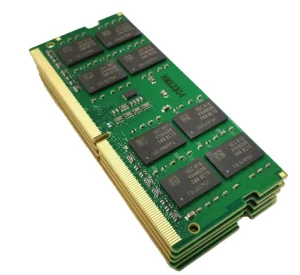
High-capacity memory modules and server cooling units engineered for continuous enterprise performance.