NexaRAM
NexaRAM
NexaRAM
The convergence of IoT architectures, high-performance computing, and mobile workspaces has escalated demand for robust, high-bandwidth USB Hub and docking solutions. Industrial settings demand EMI immunity, stable thermal control, and failure-free power delivery (PD 3.1).
Modern hybrid workplaces utilize multi-port Type-C docking stations to bridge high-resolution displays (dual 4K @ 120Hz), gigabit Ethernet, high-speed RAM buffers, and unified charging protocols via a single cable setup.
Rugged USB hubs deployed in medical diagnosis arrays or smart factories require dynamic ESD protection, latching connectors to prevent disconnection, and internal isolators to mitigate ground loop hazards.
Diagnostics interfaces in hyperscale datacenters utilize hot-swappable USB Hub assemblies powered by high-speed memory bridges to compile crash dumps, execute BIOS flash protocols, and perform cold-boot sweeps.
Under the hood of high-density USB4 and Thunderbolt 4 hubs lies a complex convergence of high-speed trace layouts, power management ICs (PMICs), and thermal mitigation systems. Below are the key engineering metrics buyers must evaluate.
| Feature Parameter | USB 3.2 Gen 2x2 | USB4 Gen 3x2 | Thunderbolt 4 / USB4 V2.0 | Industrial Grade (Rugged) |
|---|---|---|---|---|
| Maximum Data Bandwidth | 20 Gbps (Symmetric) | 40 Gbps (Symmetric) | 80 - 120 Gbps (Asymmetric) | 10 - 20 Gbps (Deterministic) |
| Power Delivery Standard | PD 3.0 (Up to 100W) | PD 3.1 EPR (Up to 240W) | PD 3.1 EPR (Up to 240W) | Dedicated 15W-100W per Port |
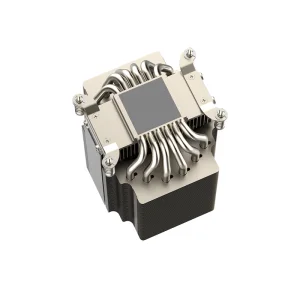
| PCBA Thermal Design | Passive Heatsinks | Thermal Pad to Outer Chassis | Integrated Heat Pipe / Active Cooling | Dual-layer Metal Fin Heatsinks |
| ESD Protection Levels | ±4kV Contact | ±8kV Contact / ±15kV Air | ±8kV Contact / ±15kV Air | Up to ±20kV Isolation Barrier |
| Memory/Buffer Integration | None | Embedded RAM (PCIe Tunneling) | High-speed FIFO Cache | ECC Buffering for Safe Cache |
Architectural Insight: Modern high-speed USB hubs operate at clock frequencies that overlap with Wi-Fi (2.4GHz) and DDR memory interface lines. Proper SMT placement, component shielding, and high-frequency DRAM decoupling (using methodologies employed by NexaRAM) are critical to prevent signal degradation and electromagnetic interference (EMI).
These hardware suppliers dominate the OEM, ODM, and enterprise retail markets through superior engineering, supply chain integration, and structural validation.
Focus: Custom Embedded OEM Hub Interfaces & High-speed SMT Assembly.
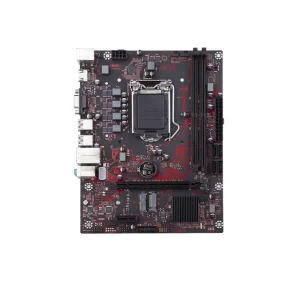
Specializes in high-frequency motherboard designs, high-performance DRAM caches, and thermal dissipation systems integrated within industrial-grade hubs and server diagnostic modules.
Focus: Consumer & Enterprise Thunderbolt/USB4 Docks.
Based in the USA, Belkin is a leader in premium consumer tech. They manufacture robust, high-compatibility hubs verified through Apple MFi certification and extensive PCIe testing protocols.
Focus: Mass-market Multi-port Hubs & GaN Power Integration.
Renowned for scaling advanced Power Delivery (PD) controllers and combining GaN chargers directly into USB-C multi-port docking stations for mobile professionals.
Focus: IT Pro-grade Industrial & Mounting Hubs.
Offers a vast catalog of industrial metal hubs featuring screw-locking USB ports, DIN rail mounts, and ESD galvanic protection for industrial assembly lines.
Focus: High-bandwidth Creative Workstations (Thunderbolt 4).
Famous for the TS3 and TS4 docks. CalDigit prioritizes raw speed, high-resolution display outputs, and high-performance PCIe SSD/SD card slot routing on their hubs.
Focus: Universal Corporate Docks & Travel Hubs.
Supports large enterprise deployments with universal docking solutions incorporating legacy video outputs (VGA, DVI) alongside advanced USB-C and display link technology.
Focus: Cost-effective High-density Multi-function Hubs.
A Chinese manufacturing powerhouse known for rapid SKU iteration, incorporating dual HDMI, SD cards, and Ethernet into pocket-sized sleek aluminum housings.
Focus: Secure Enterprise Connectivity & Locking Hubs.
Combines physical security (K-slots) with USB expansion, optimizing hardware for open-office configurations and shared hot-desk environments.
Focus: Storage-oriented & Individually Switched Hubs.
Appeals to developers and heavy users by offering multi-port hubs featuring individual power toggle buttons and high-bandwidth NVMe external bays.
Focus: Mobile Adapter & Tablet Power Hubs.
Based in Canada, they engineer niche SimulCharge adapters that allow tablets to act as USB hosts while simultaneously receiving safe trickle charge inputs.
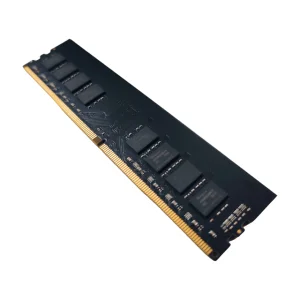
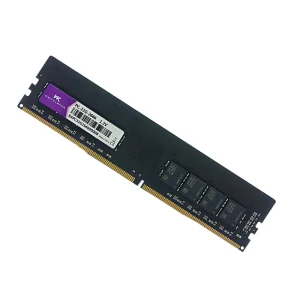
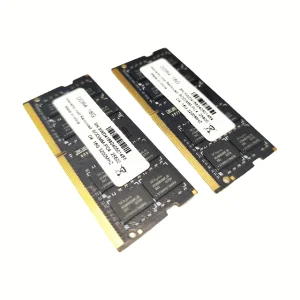
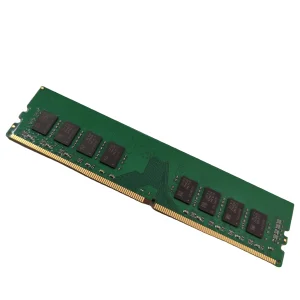
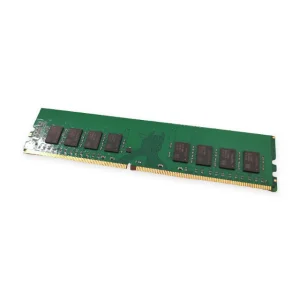
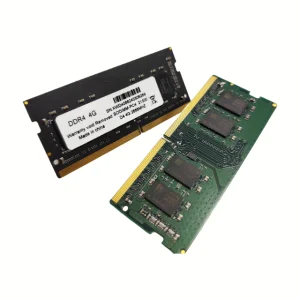
NexaRAM Storage Technology Co., Ltd. is a professional DDR5 memory manufacturer specializing in high-performance RAM solutions for global OEMs, data centers, and enterprise computing applications. Established in 2016, the company has rapidly developed into a reliable supplier in the advanced DRAM and high-speed hardware PCB industry.
Leveraging our highly developed supply chain ecosystem with over 850 strategic supply chain partners, we enable stable sourcing of high-grade semiconductor materials and components, which power next-generation high-speed USB hubs and computing devices.
With an annual export revenue of approximately USD 12 million, 6 years of export experience, and 12 years of industry experience in memory and semiconductor-related fields, NexaRAM represents the gold standard in hardware design and manufacturing.
Dedicated R&D Team
Professional QA Unit
Launched in the Past Year
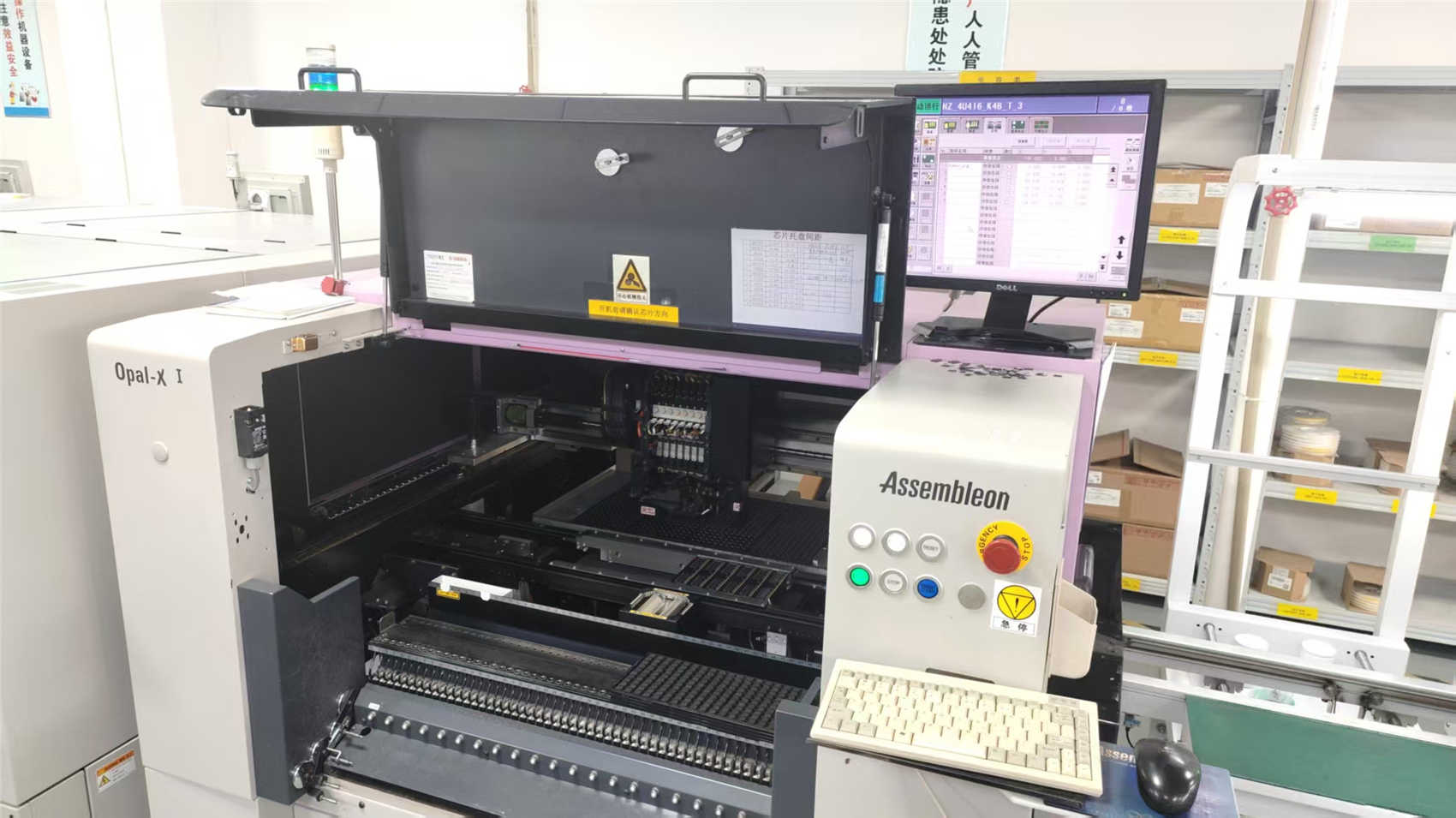
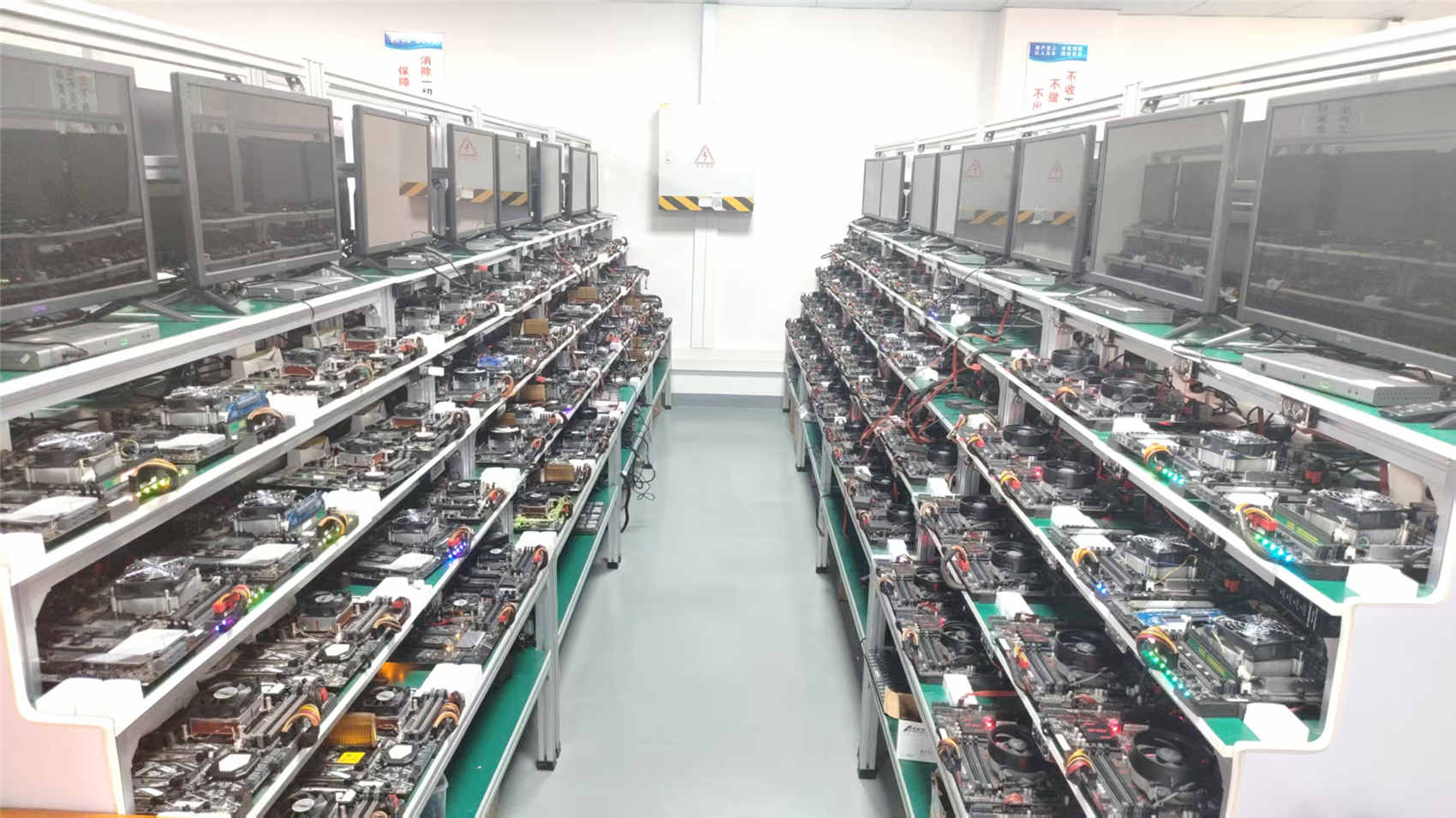
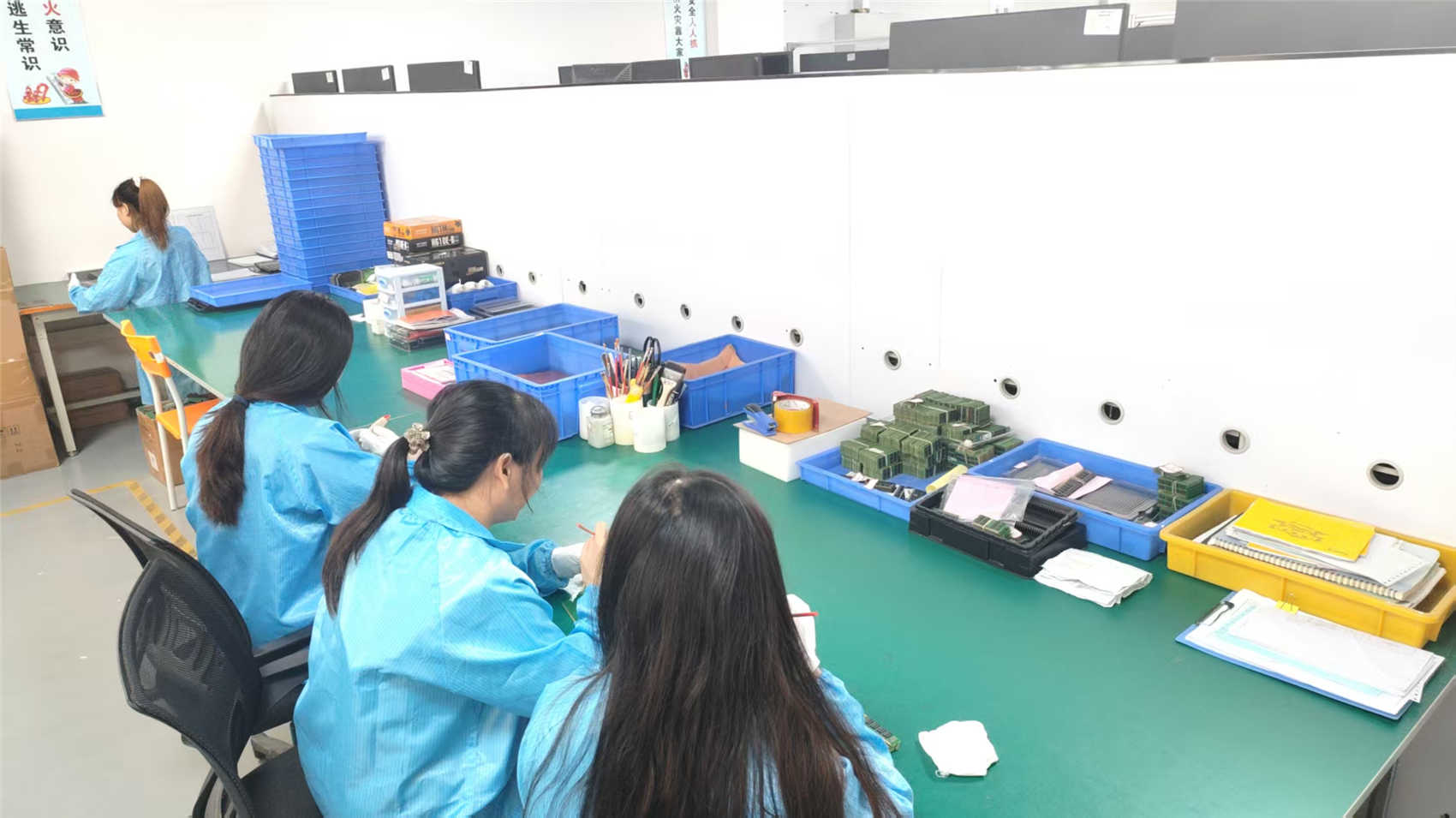
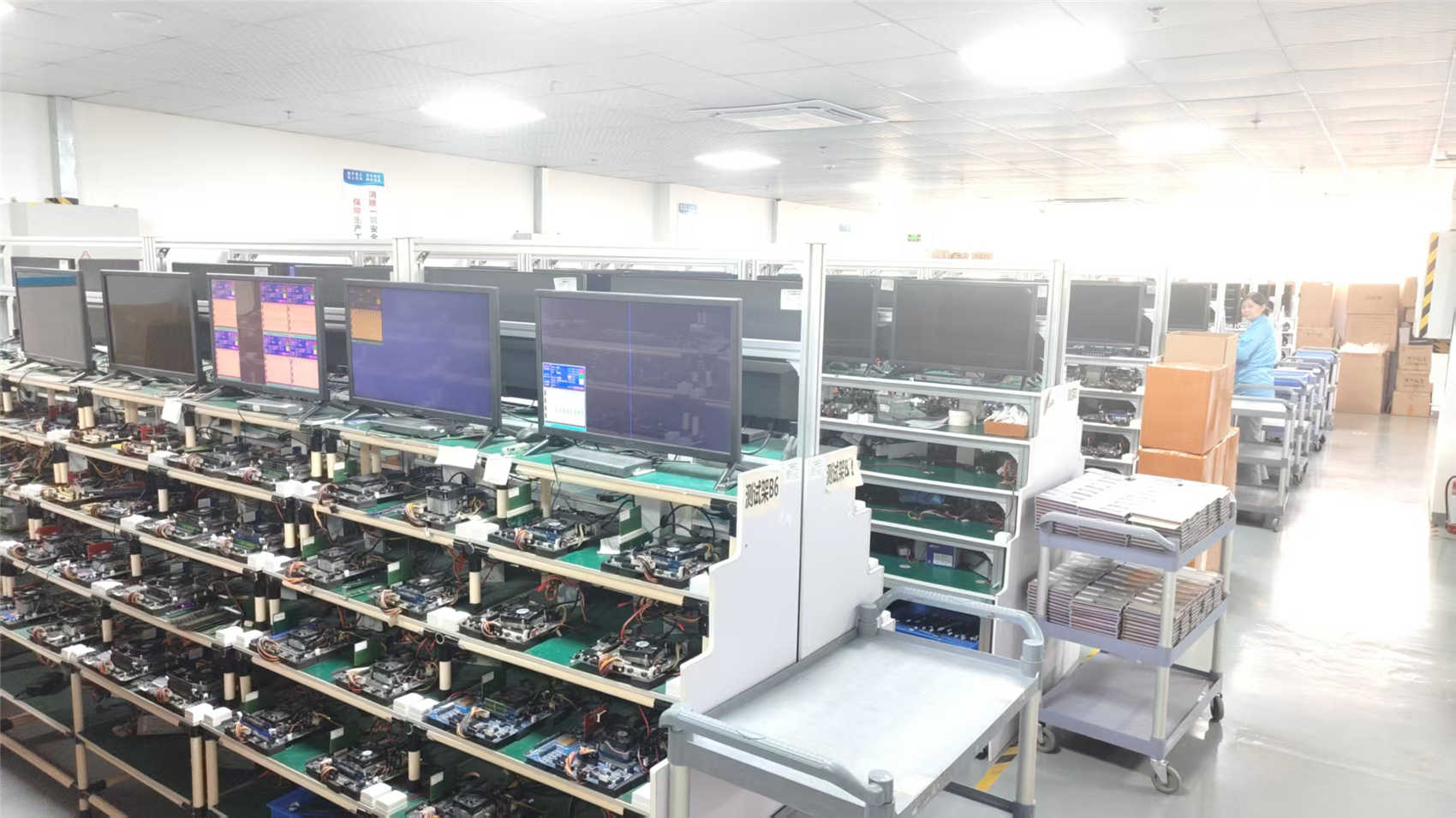
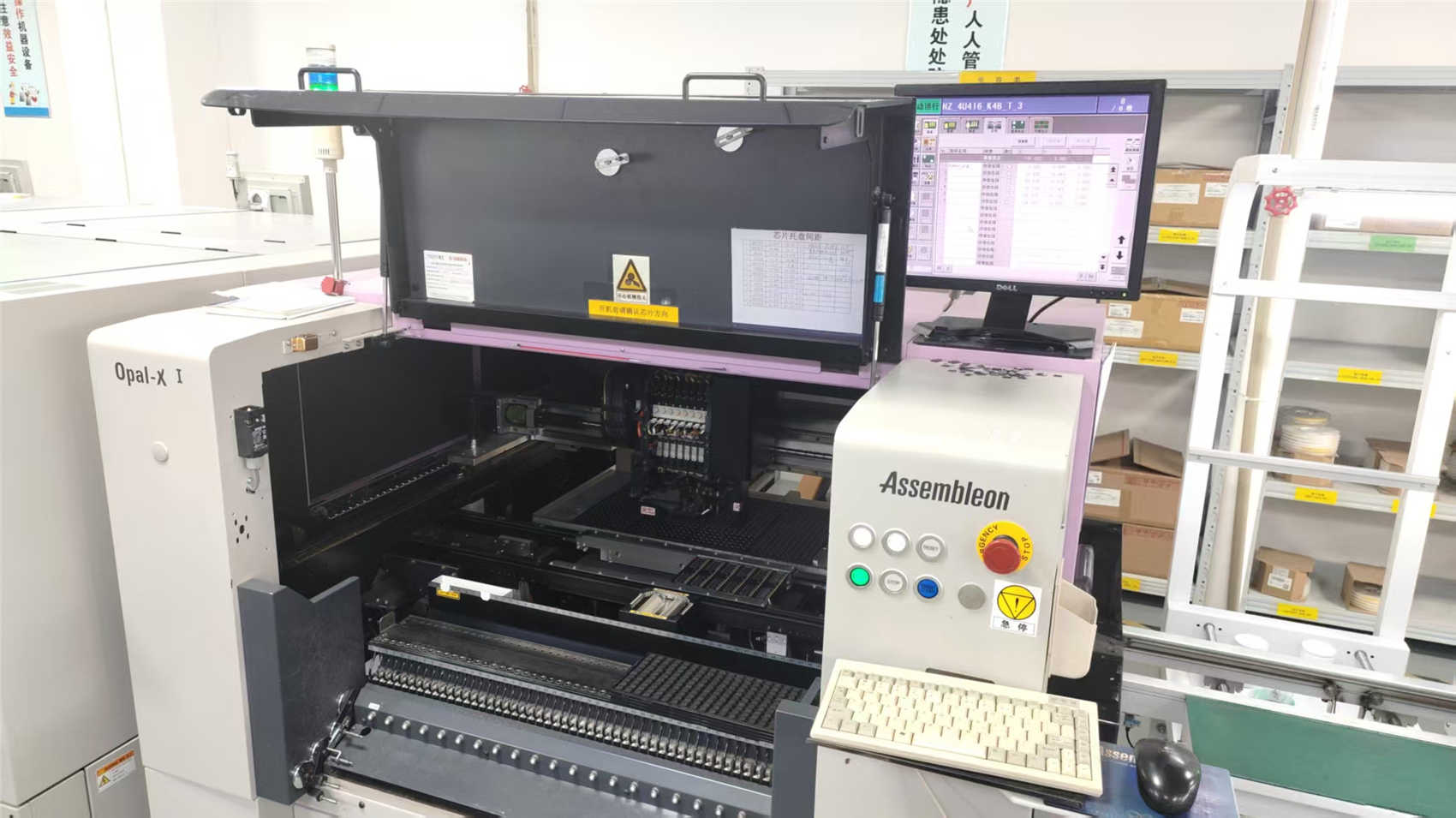
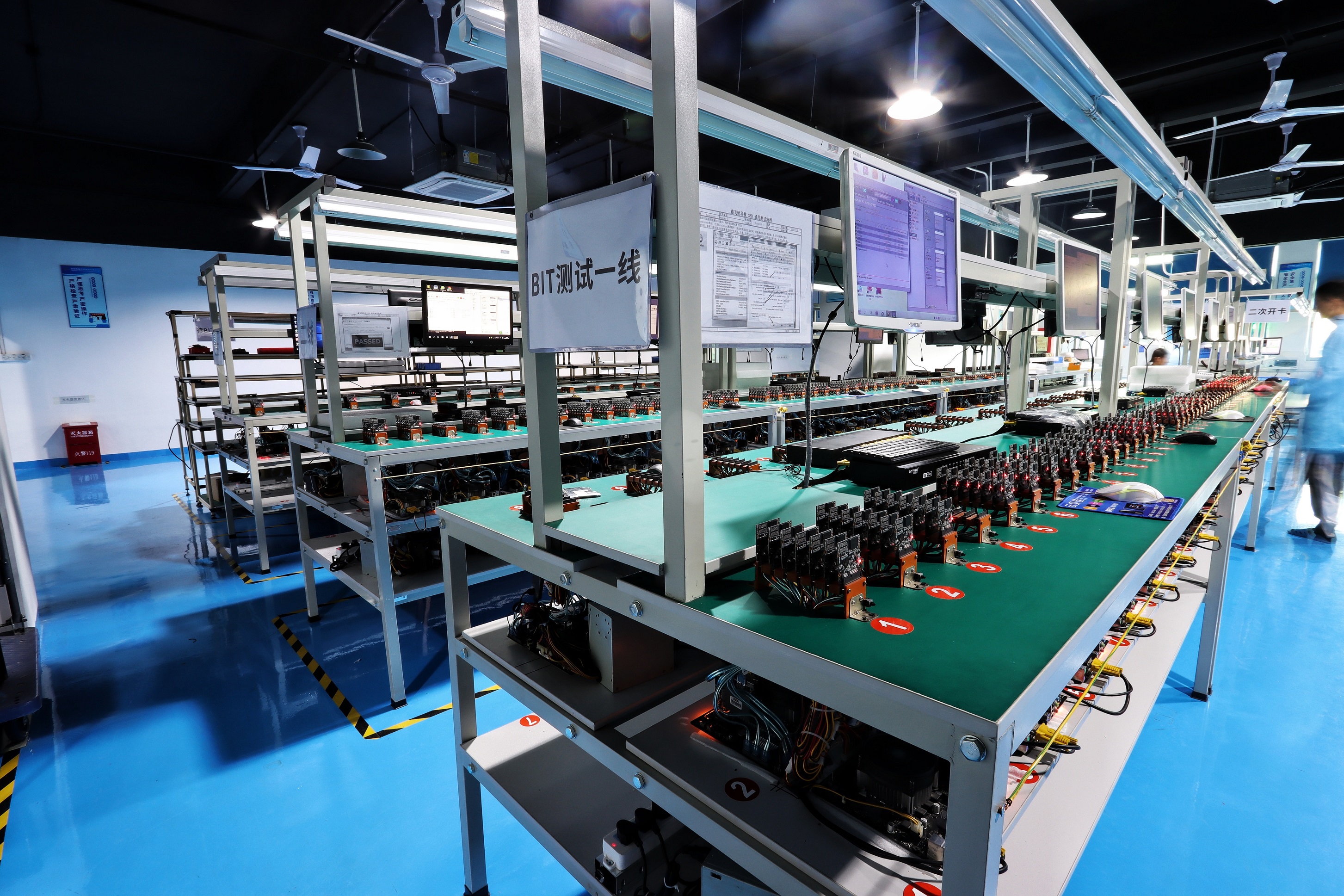
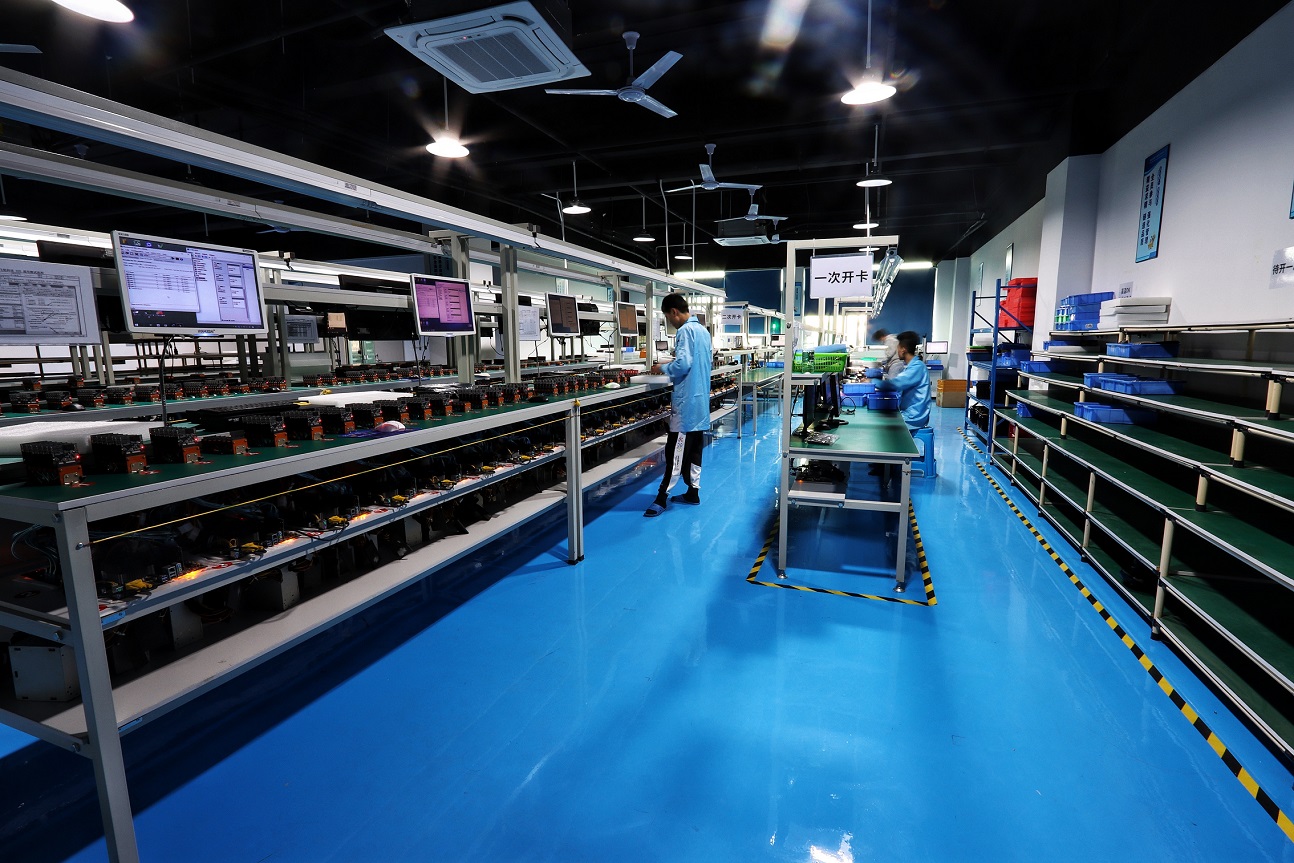
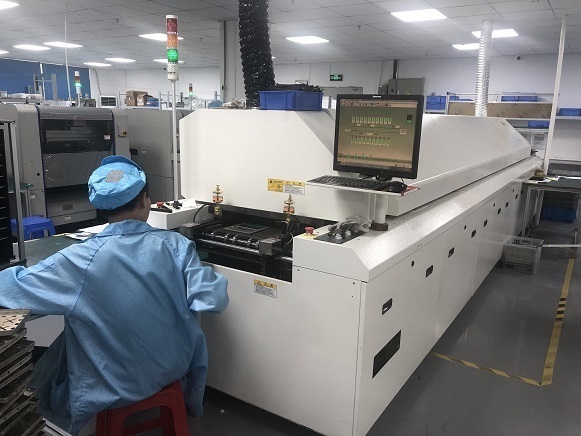
Advanced SMT & Testing Lab
Quality is strictly controlled through a combination of automated optical inspection (AOI) and burn-in reliability testing. The company follows international trade compliance standards and operates under a strong global trading background, serving markets across North America, Europe, Southeast Asia, and the Middle East.
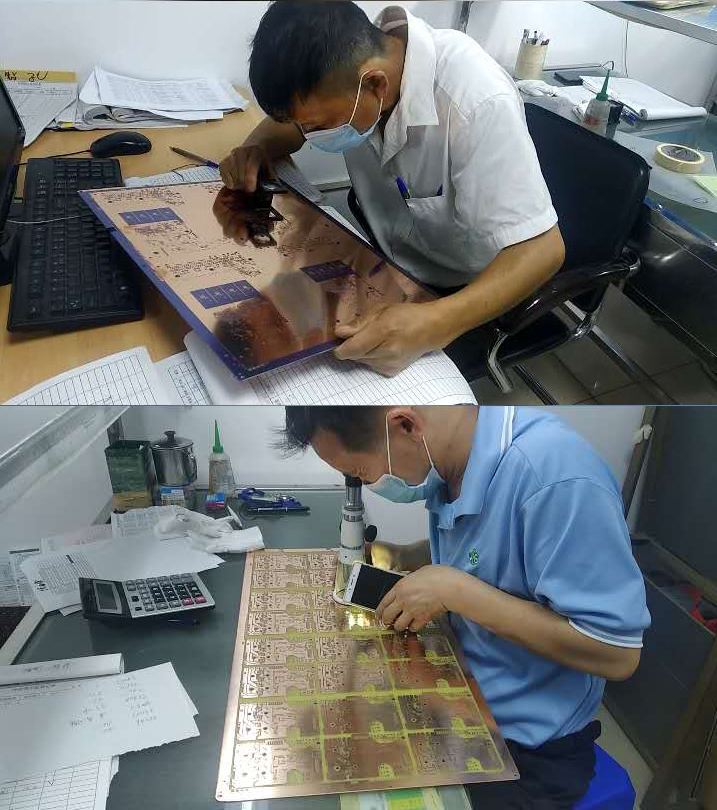
Take a step inside our advanced testing facilities where every high-speed PCB and memory chip module undergoes strict QA loops to comply with global standard requirements.
When procuring enterprise USB hubs, importing across international boundaries demands strict adherence to security, toxicity, and electrical interference regulations.
Hardware suppliers must hold valid FCC Part 15 (Class B) for North America, CE Mark for the European Union, and VCCI for Japan. This guarantees the hub won't corrupt adjacent wireless frequencies.
Compliance with RoHS (Restriction of Hazardous Substances) and REACH is non-negotiable. Leading suppliers trace raw silicon and solder paste batches to prevent toxic trace metals in finished enclosures.
Qualified manufacturers provide localized distribution hubs, on-site integration troubleshooting, and extended multi-year warranties (such as NexaRAM's Lifetime Warranty options on compatible memory systems).
As silicon nodes shrink and bus speeds double, next-generation connection panels will evolve to serve data-heavy edge AI networks.
USB4 V2.0 utilizes innovative PAM3 signal encoding to achieve up to 120Gbps asymmetric routing, enabling high-performance graphics and SSD modules to run with minimal overhead.
To eliminate signal degradation and copper cable limitations over distances greater than 2 meters, next-generation hubs will feature optical transceivers for lossless data transport.
Future hubs will incorporate smart microcontrollers (MCUs) that monitor real-time thermal throttling on connected components, dynamically shifting power from unused ports to active storage units.
Find answers to technical questions concerning multi-port hub architectures and hardware customization.