 NexaRAM
NexaRAM
NexaRAM
High-performance DDR4/DDR5 system memory modules, active heat sinks, and server processing architectures.
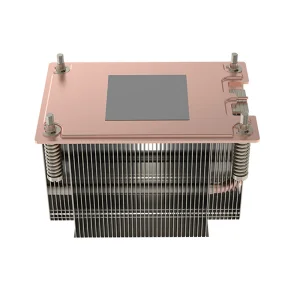
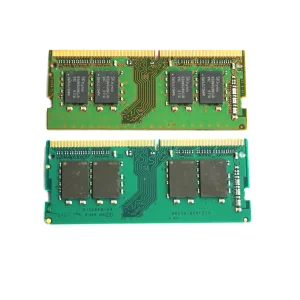
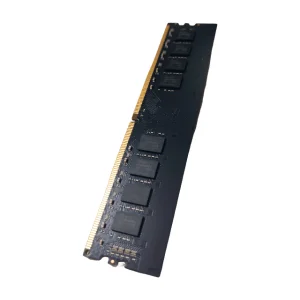
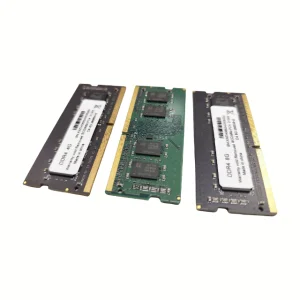
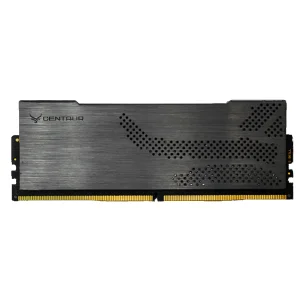
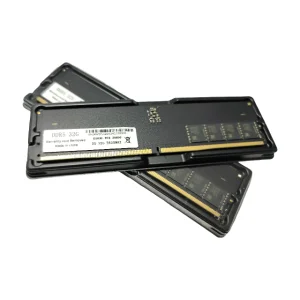
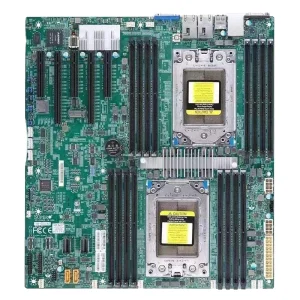
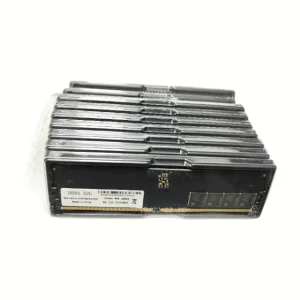
Exploring the global paradigm shift in memory architectures driven by AI, cloud computing, and real-time processing requirements.
The global data landscape is undergoing an unprecedented expansion. Driven by artificial intelligence, cloud storage paradigms, high-frequency trading platforms, and large-scale industrial IoT integration, data centers are experiencing a massive bottleneck at the memory level. Traditional DDR4 storage infrastructures, while stable, struggle to meet the raw bandwidth and power efficiency thresholds demanded by modern processors. This mismatch has pushed the industry toward advanced DDR5 DRAM technology, which offers doubled bandwidth, on-die Error Correction Code (ECC), and integrated Power Management Integrated Circuits (PMIC).
In response to these demands, Chinese semiconductor memory manufacturers have scaled production to deliver reliable, high-density DRAM modules to global buyers. Industry leaders such as NexaRAM Storage Technology Co., Ltd. have positioned themselves at the forefront of this technological leap. Operating out of advanced manufacturing clusters in mainland China, companies like NexaRAM combine competitive component sourcing with rigorous quality assurance structures to service enterprise and consumer markets worldwide.
Modern data infrastructures rely heavily on memory speed to prevent processor starvation. Upgrading memory banks to DDR5 allows enterprise architectures to leverage maximum memory bandwidth (up to 6400 MT/s and beyond), reducing latency in critical computing applications. With features like dual subchannels per DIMM, DDR5 turns the memory subsystem into an active catalyst for compute speed. Additionally, by moving power management from the motherboard to the DIMM itself via PMIC, power losses are minimized, and voltage levels are kept exceptionally stable, which is highly beneficial for 24/7 server deployments.
For system integrators, selecting a memory supplier that understands these macro shifts is essential. The integration of high-performance memory modules is not merely about capacity; it centers on thermal profiles, signal integrity, latency margins, and verified reliability. These form the architectural foundation of NexaRAM's technological roadmap.
Unpacking the R&D and quality verification protocols that define top-tier DRAM assembly.
Leveraging a team of 180 experienced R&D engineers, NexaRAM launched 120 new memory variants in the past year alone. This rapid cycle addresses new specifications, latency profiles, and customized form factors required by modern computing platforms.
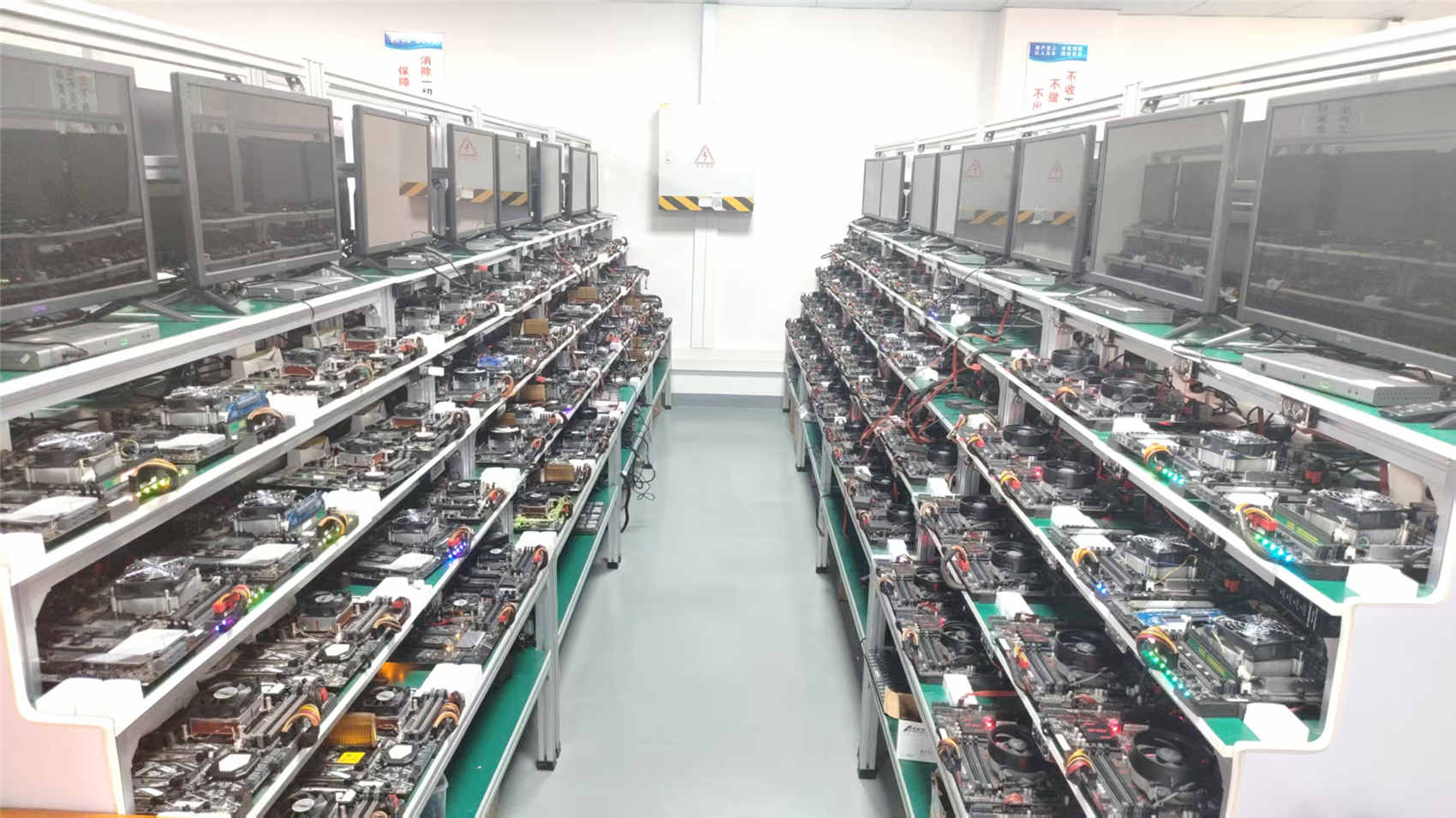
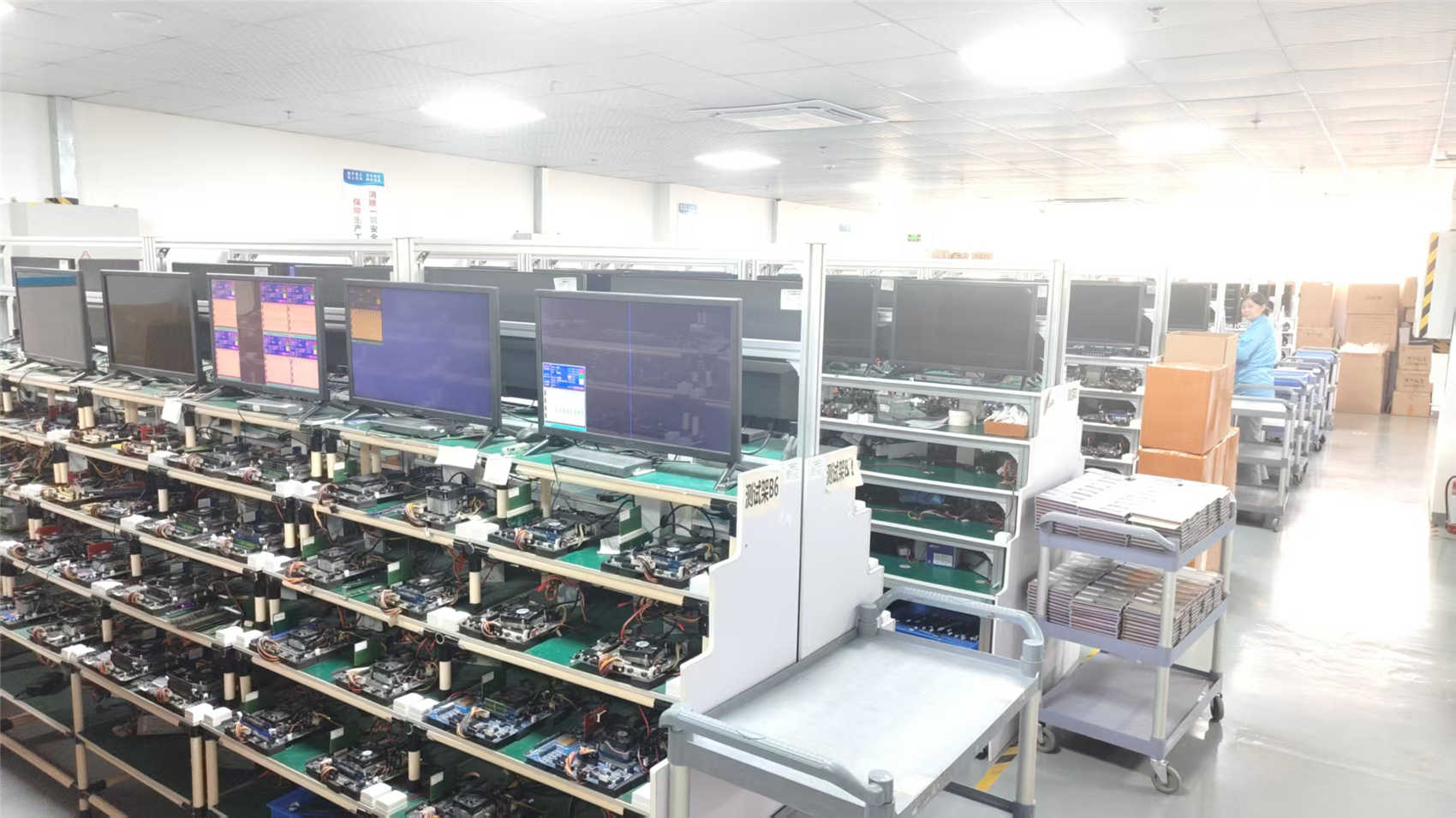
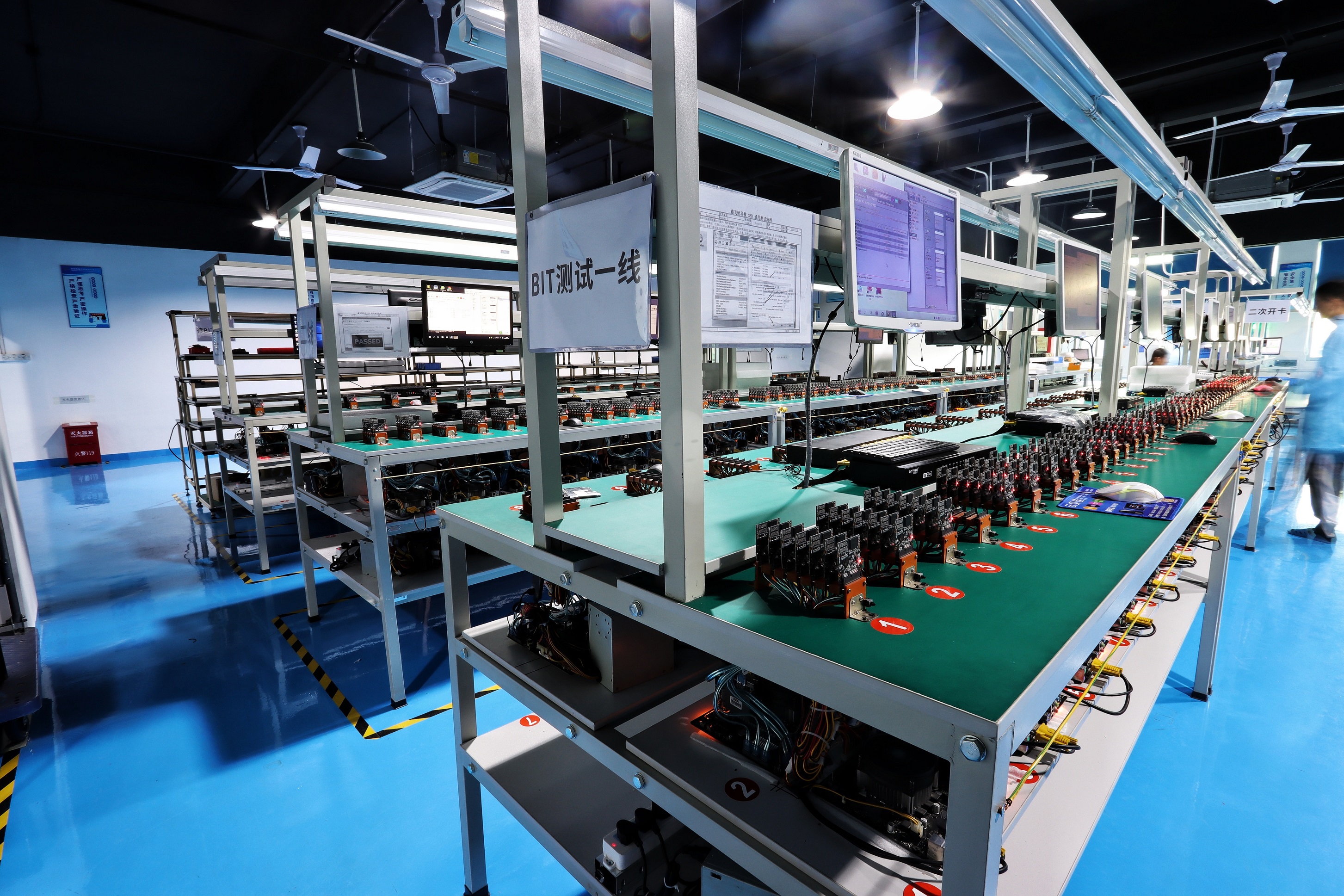
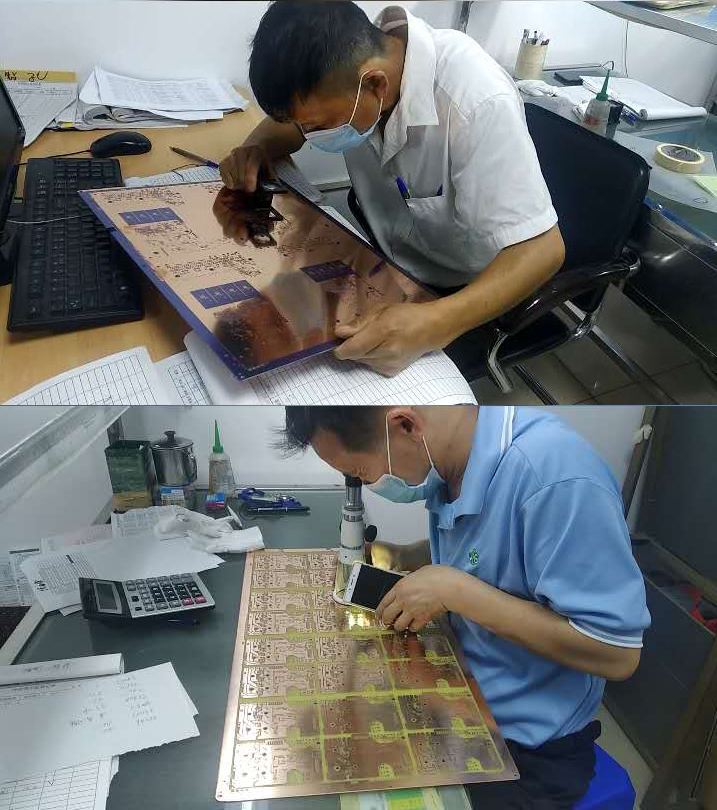
Every memory module undergoes automated optical inspection (AOI) alongside rigorous burn-in reliability tests. Backed by 35 dedicated QC inspectors, NexaRAM ensures defective chips are weeded out before packaging.
A network of over 850 strategic supply chain partners ensures a consistent flow of high-grade DRAM wafers, PMIC units, and multi-layer PCBs. This secures production pipelines even during global component shortages.
Visual evidence of NexaRAM's internal manufacturing protocols, advanced testing rigs, and verification steps.
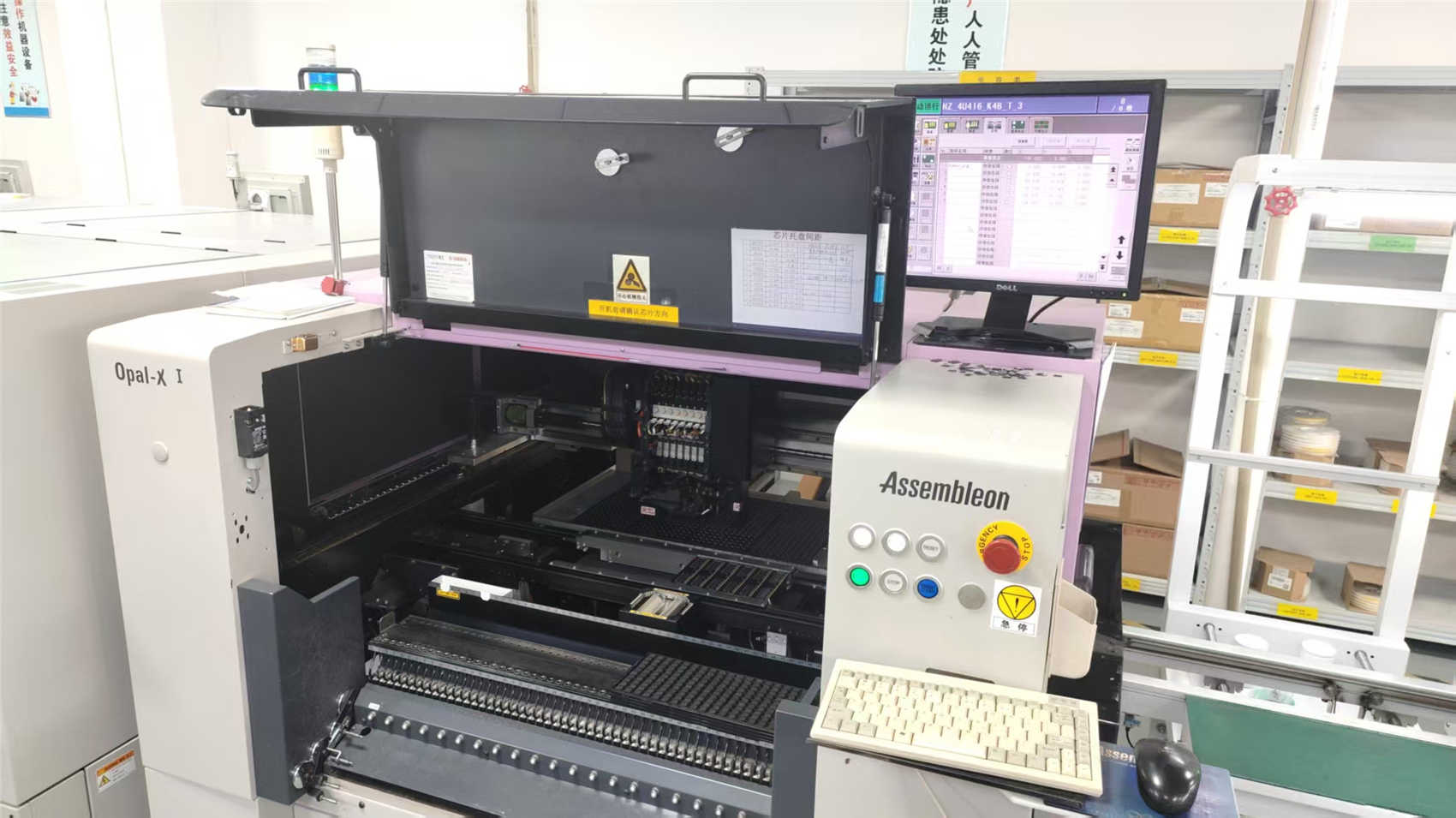
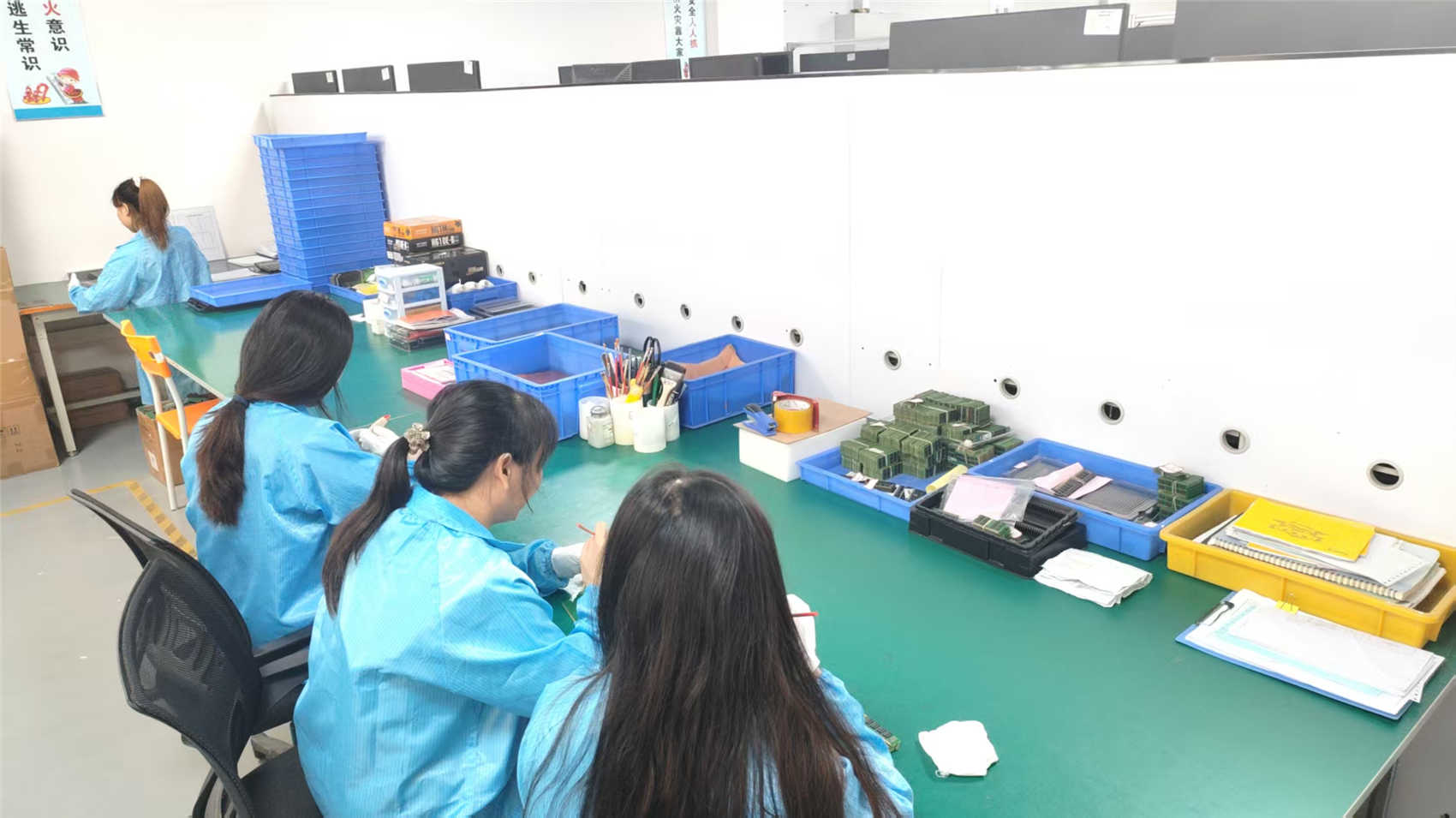
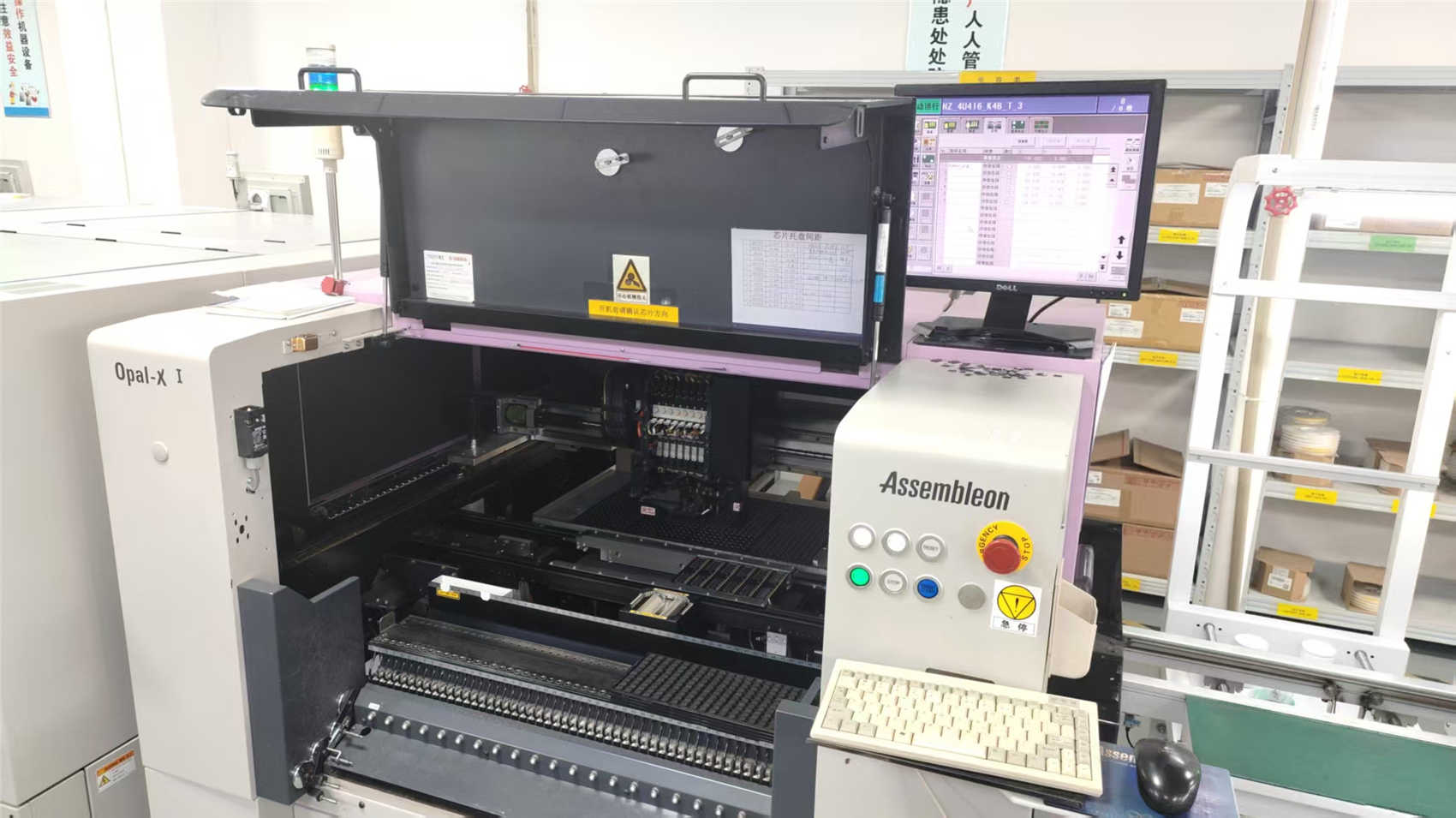
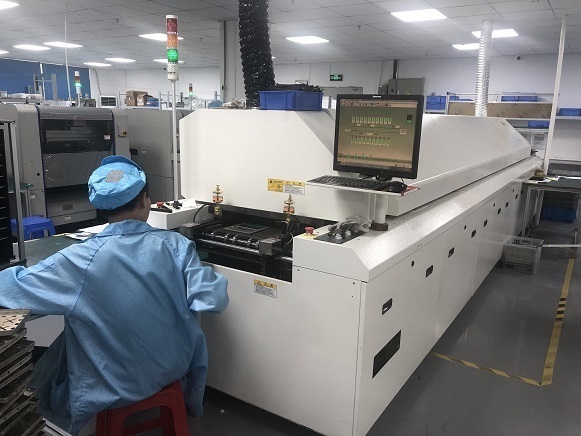
Reliability in enterprise computing is built on physical verification. High-speed memory operates at tight voltage margins and high frequencies, producing significant heat and signal interference. Without systematic validation, memory failure rates in datacenters can rise exponentially. The following actual factory captures illustrate the testing protocols and assembly steps executed within NexaRAM's modern facilities, assuring buyers of the physical integrity of every component.

A look into NexaRAM’s foundational metrics, manufacturing assets, and target market dynamics.
NexaRAM Storage Technology Co., Ltd. was established in 2016 as a specialized manufacturer of high-performance DDR5 memory modules and advanced DRAM solutions. Designed to meet the requirements of system integrators, data center operators, and global OEMs, NexaRAM's products provide the reliability necessary for mission-critical operations. Over its 12 years of industry experience, the company's engineering teams have refined their skills in PCB optimization, thermal management, and DRAM component grading.
Operating out of a modern facility designed to optimize workflow, NexaRAM utilizes automated optical inspection (AOI) alongside proprietary testing jigs to guarantee consistent assembly standards. This focus on quality control is managed by a team of 35 dedicated inspectors, helping to reduce return rates to near-zero levels. As a result, the firm maintains an annual export revenue of approximately USD 12 million, serving clients across North America, Europe, Southeast Asia, and the Middle East.
A key factor in NexaRAM’s stability is its deep relationships within the semiconductor ecosystem. With over 850 strategic partners supplying quality wafers, PMIC components, and multi-layer PCBs, the company offers reliable supply chains and consistent delivery. Furthermore, its custom R&D capabilities allow clients to request bespoke PCB designs, specialized heat spreaders, and tailored latency configurations to match specific server or gaming chassis profiles.
How NexaRAM manages regional compliance, environmental restrictions, and cross-border trade guidelines.
Navigating global semiconductor supply chains requires strict adherence to regional compliance and validation standards. NexaRAM's manufacturing processes meet RoHS and REACH criteria, ensuring all memory modules are lead-free and free from restricted hazardous substances. For customers in the European Union, CE markings verify that the modules satisfy health, safety, and environmental protection guidelines. Similarly, FCC compliance ensures that electromagnetic interference from the high-frequency components remains within safe limits for consumer and enterprise environments.
Beyond regulatory certificates, NexaRAM supports international customers with localized logistics and documentation assistance. This includes handling complex customs requirements, offering clear certificate-of-origin papers, and ensuring packaging conforms to international shipping standards. Whether shipping to North America, Europe, or the Middle East, NexaRAM provides a secure, predictable supply chain.
Furthermore, NexaRAM provides flexible OEM and ODM services to adapt to regional market requirements. By offering custom-labeling options, modified DRAM configurations, and custom thermal solutions (such as active server fans or passive heat spreaders), the company allows local system integrators to tailor products to regional preferences. This flexibility helps customers reduce time-to-market and control procurement costs.
Looking ahead at CXL architectures, DDR6 development, and next-generation datacenter power limits.
The semiconductor industry is moving quickly, and NexaRAM is preparing for the next wave of storage technologies. Key areas of development include Compute Express Link (CXL), which aims to optimize resource allocation in high-density servers. By allowing CPUs to share memory resources with accelerators and GPUs, CXL will help reduce latency and improve resource efficiency in modern data centers.
At the same time, NexaRAM's R&D team is monitoring the early development of DDR6 memory standards. With expected speeds exceeding 10,000 MT/s, DDR6 will require new PCB routing designs and advanced signal integrity verifications to handle the higher frequencies. To prepare for this shift, NexaRAM is upgrading its testing equipment and simulation software, ensuring they can support clients as soon as these next-generation processors enter the market.
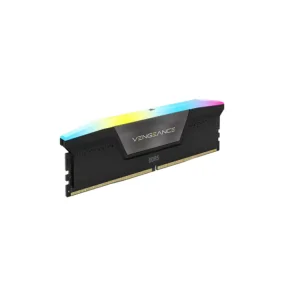
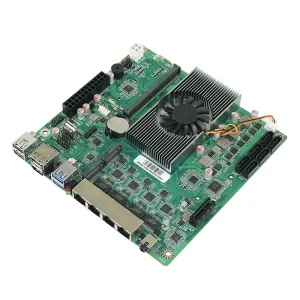
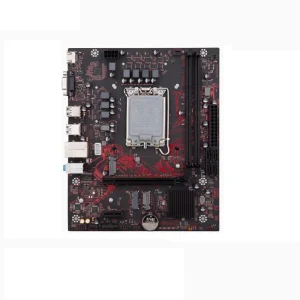
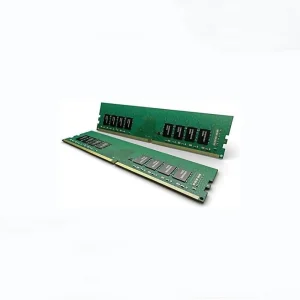
Expand your system throughput with high-density server RAM, gaming modules, and multi-interface motherboards.
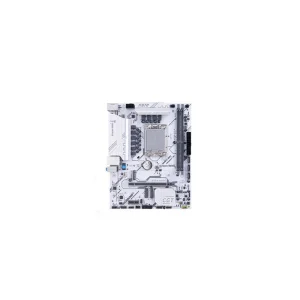
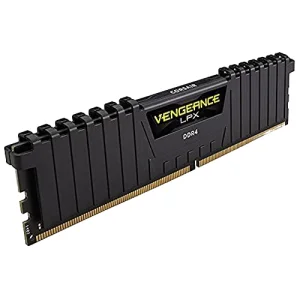
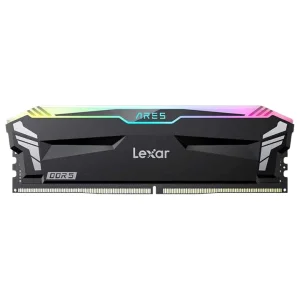
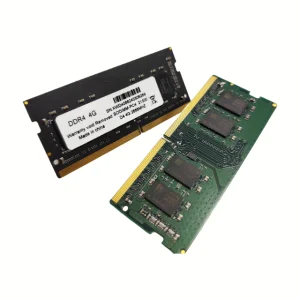
Technical inquiries regarding memory sourcing, compatibility, quality checks, and production times.