 NexaRAM
NexaRAM
NexaRAM
The optoelectronics market for Ultraviolet (UV) light-emitting diodes has entered a phase of rapid evolutionary transition. Spanning from deep UVC (270nm - 280nm), through medium UVB (300nm - 320nm), to near-visible UVA (365nm - 410nm), these wavelengths target distinct molecular mechanisms in industrial, sanitization, and biological applications. Our 3535 surface-mount device (SMD) architecture delivers optimized optical output, reliable thermal paths, and precise emission angles, making it a critical choice for manufacturing systems across Mexico's expanding industrial clusters.
In germicidal applications, UVC radiation in the range of 270nm to 280nm matches the peak absorption band of nucleic acids (DNA and RNA) in microorganisms. Operating at high quantum efficiency, our AlGaN (Aluminum Gallium Nitride) semiconductor substrates achieve high-density radiant flux that breaks the molecular bonds of pathogens, preventing replication and ensuring clean disinfection without chemical byproducts. This is a critical technological step forward for municipal and factory water processing facilities in Mexico.
As Mexico positions itself as a dominant global hub for advanced manufacturing under the USMCA framework, regional factories are modernizing. Key clusters in Tijuana, Querétaro, Monterrey, and Guadalajara require reliable electronic components and optoelectronics to fuel their production lines.
Northern industrial regions face demanding environmental regulations. Integrating 270nm-280nm UVC LEDs into high-volume industrial water systems offers a chemical-free path for factories to sanitize water loops, prevent bio-fouling, and meet strict SEMARNAT standards.
Automotive tier-1 suppliers in El Bajío rely on 365nm and 395nm UVA LEDs for fast bonding of windshields, sensor arrays, and infotainment displays. This ensures high structural integrity, rapid cycle times, and minimal thermal stress on sensitive components.
Tijuana’s medical device cluster requires high-reliability disinfection components. Our 3535 UVC LEDs provide localized, dry sterilization in processing lines, maintaining aseptic environments for surgical instruments and fluid delivery kits.
High-power UVC LEDs typically operate at a wall-plug efficiency (WPE) of 3% to 6%, meaning that more than 90% of the input electrical power is converted into heat. Without robust thermal management, junction temperatures rise quickly, reducing optical power output and accelerating degradation.
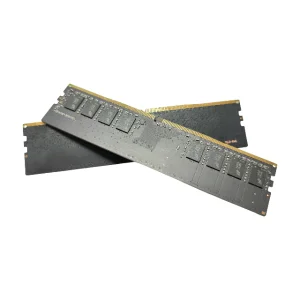
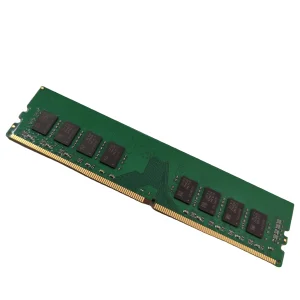
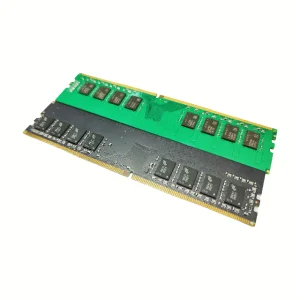
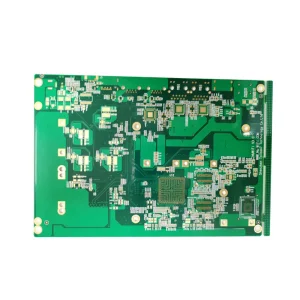
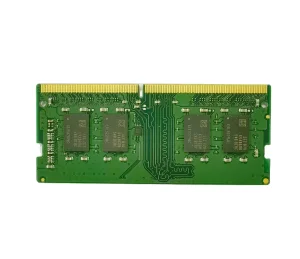
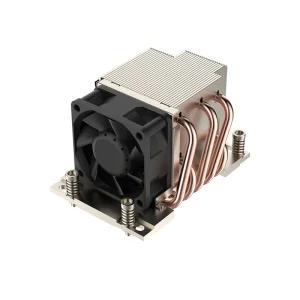
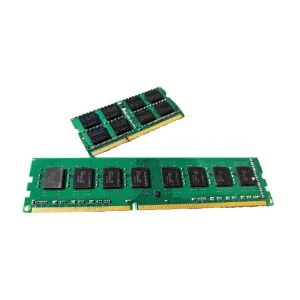
To address this, our 3535 ceramic package is built with an aluminum nitride (AlN) substrate that features a thermal conductivity exceeding 180 W/mK. For complete system integration, these LED emitters are mounted on high-conductivity metal core PCBs (MCPCBs). To prevent thermal runaway, we support integrations with server-grade cooling systems and copper heat sinks. Additionally, our industrial control systems utilize DDR4 and DDR5 memory modules to handle high-frequency control loops, data monitoring, and automated safety shutdowns.
Established in 2016, NexaRAM Storage Technology Co., Ltd. has developed into a reliable supplier in the high-performance memory, controller, and advanced semiconductor ecosystem. With 12 years of industry experience and 6 years of export experience, NexaRAM leverages specialized engineering and electronic manufacturing services to deliver integrated optical control systems for international markets, including North America and Mexico.
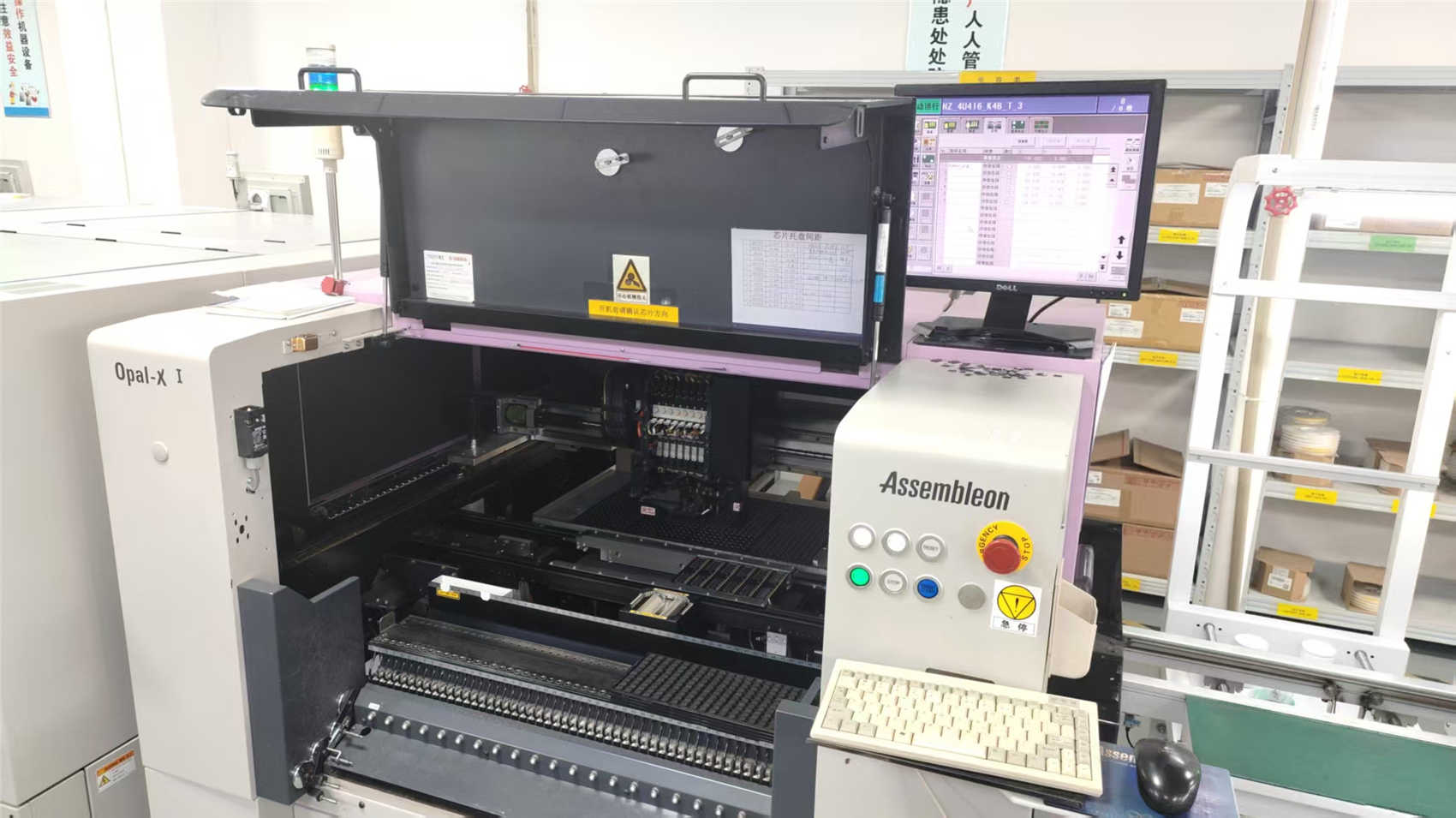
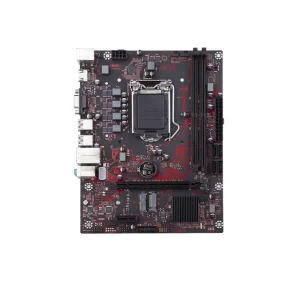
Operating a modern facility with advanced testing and automated optical inspection (AOI) equipment, NexaRAM ensures components meet industrial standards. Backed by a team of 180 engineers and a quality control division of 35 inspectors, the company maintains a resilient supply chain supported by over 850 strategic partners. This enables NexaRAM to offer custom PCB layouts, thermal performance tuning, and robust memory configurations for complex optoelectronic systems.
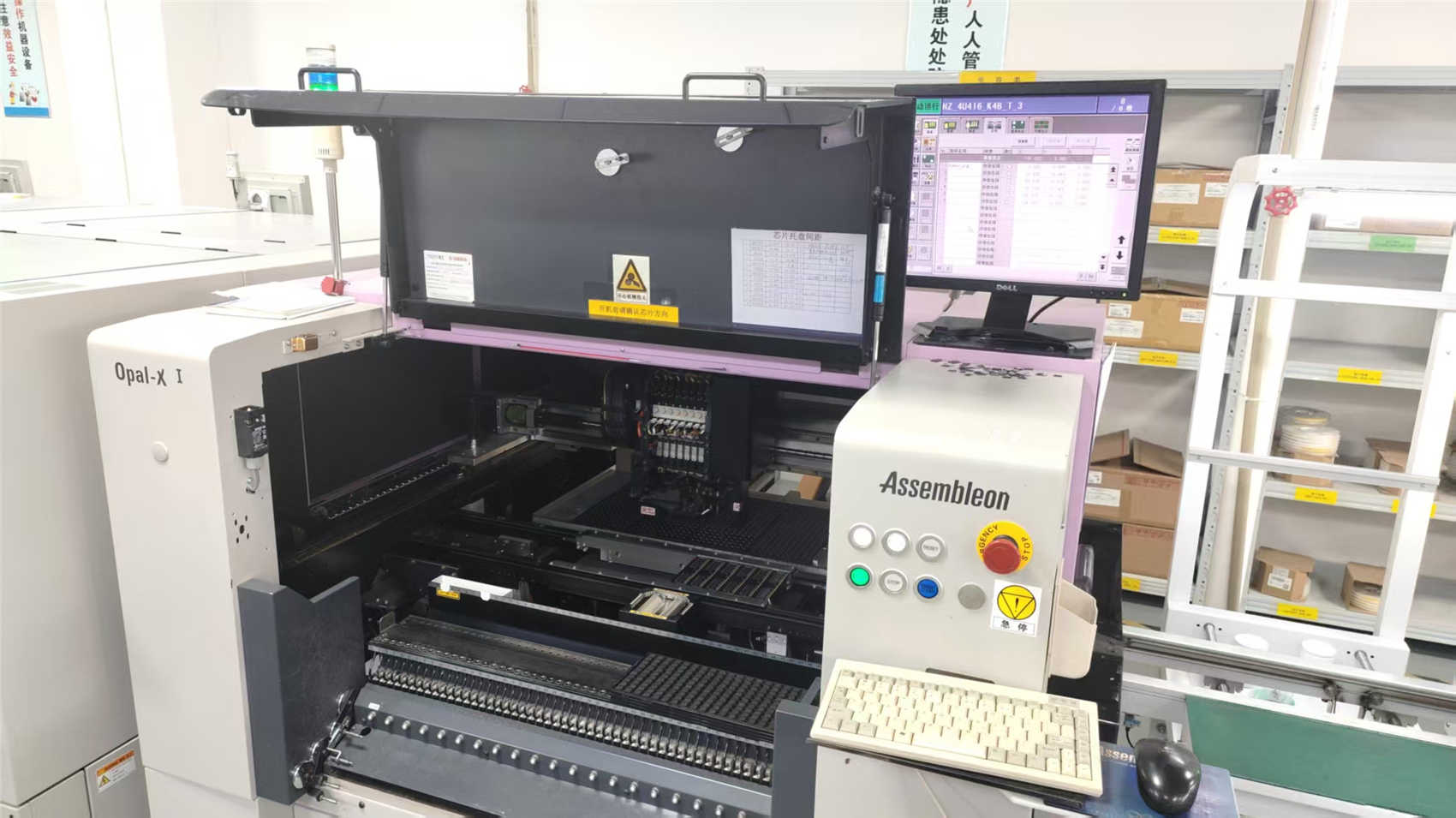
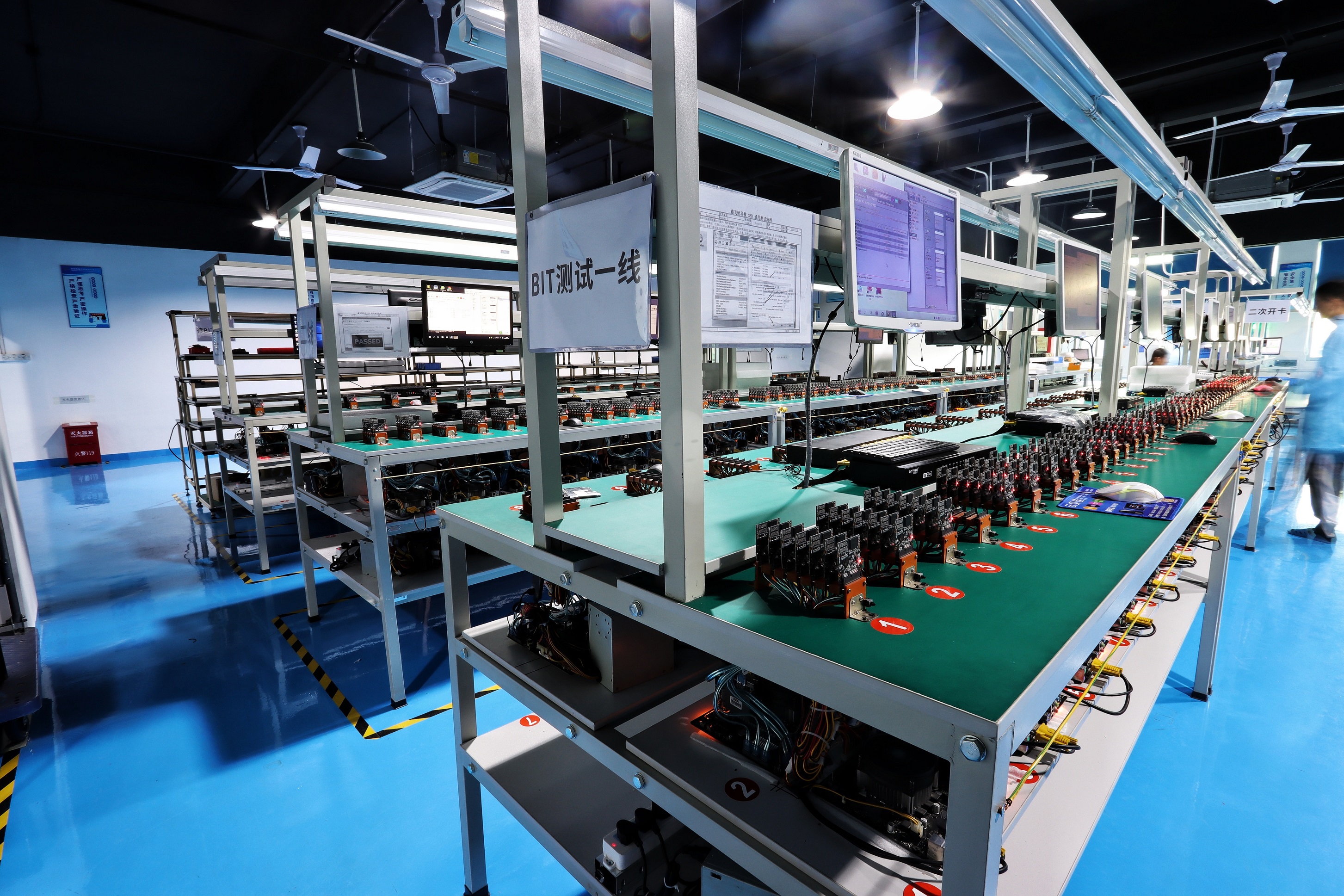
Reliability Testing
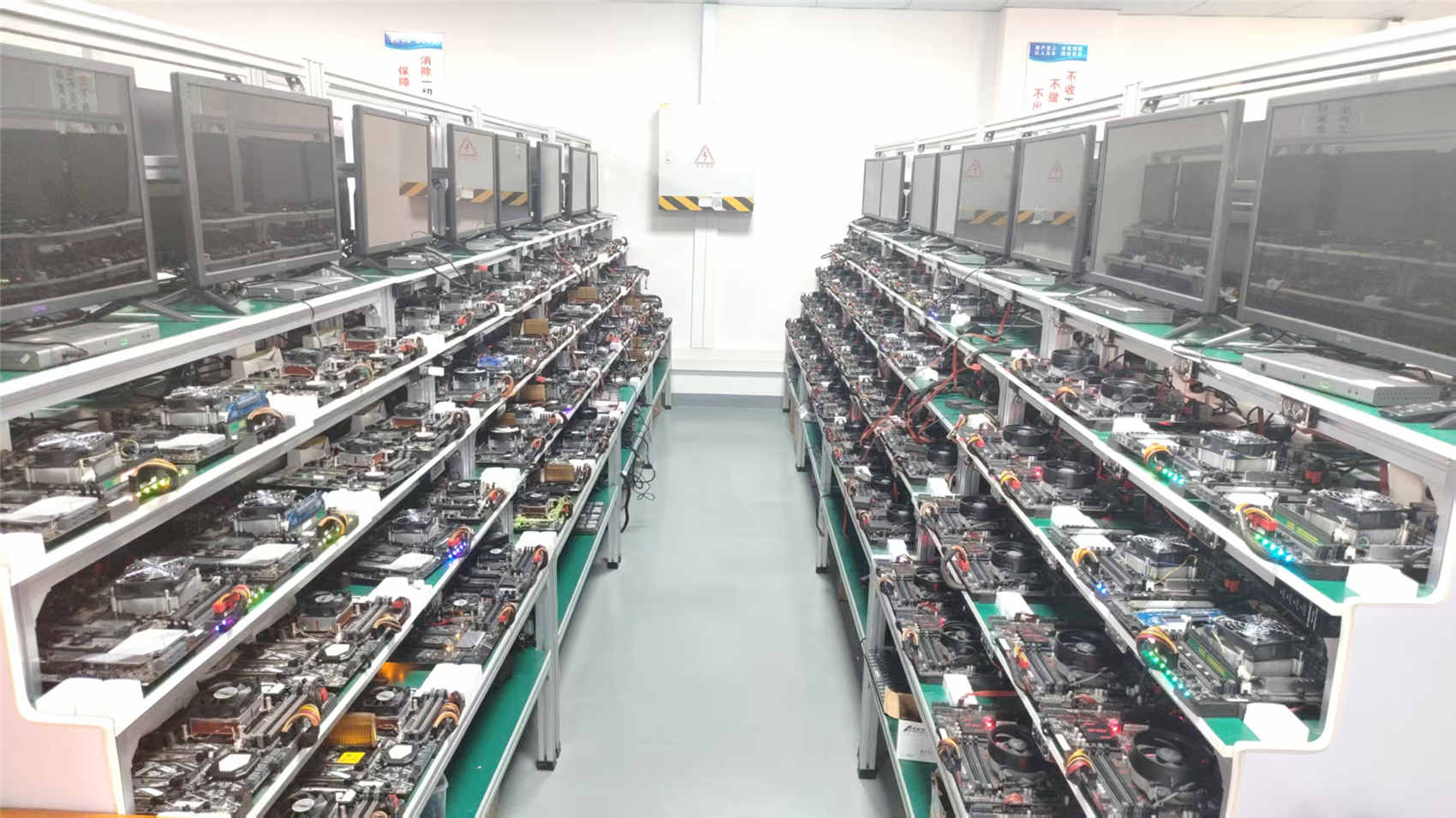
Functional Testing
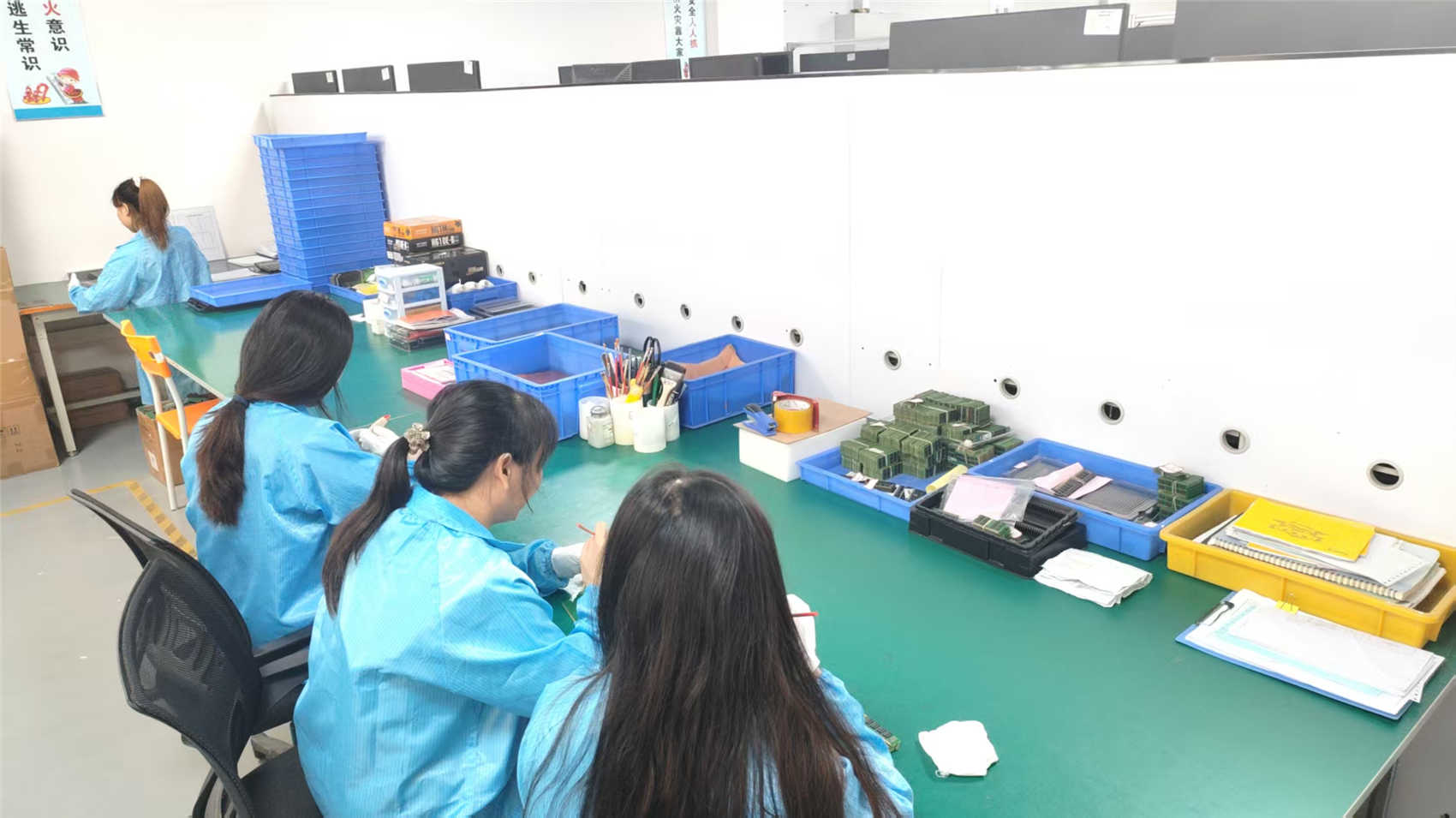
AOI Inspection
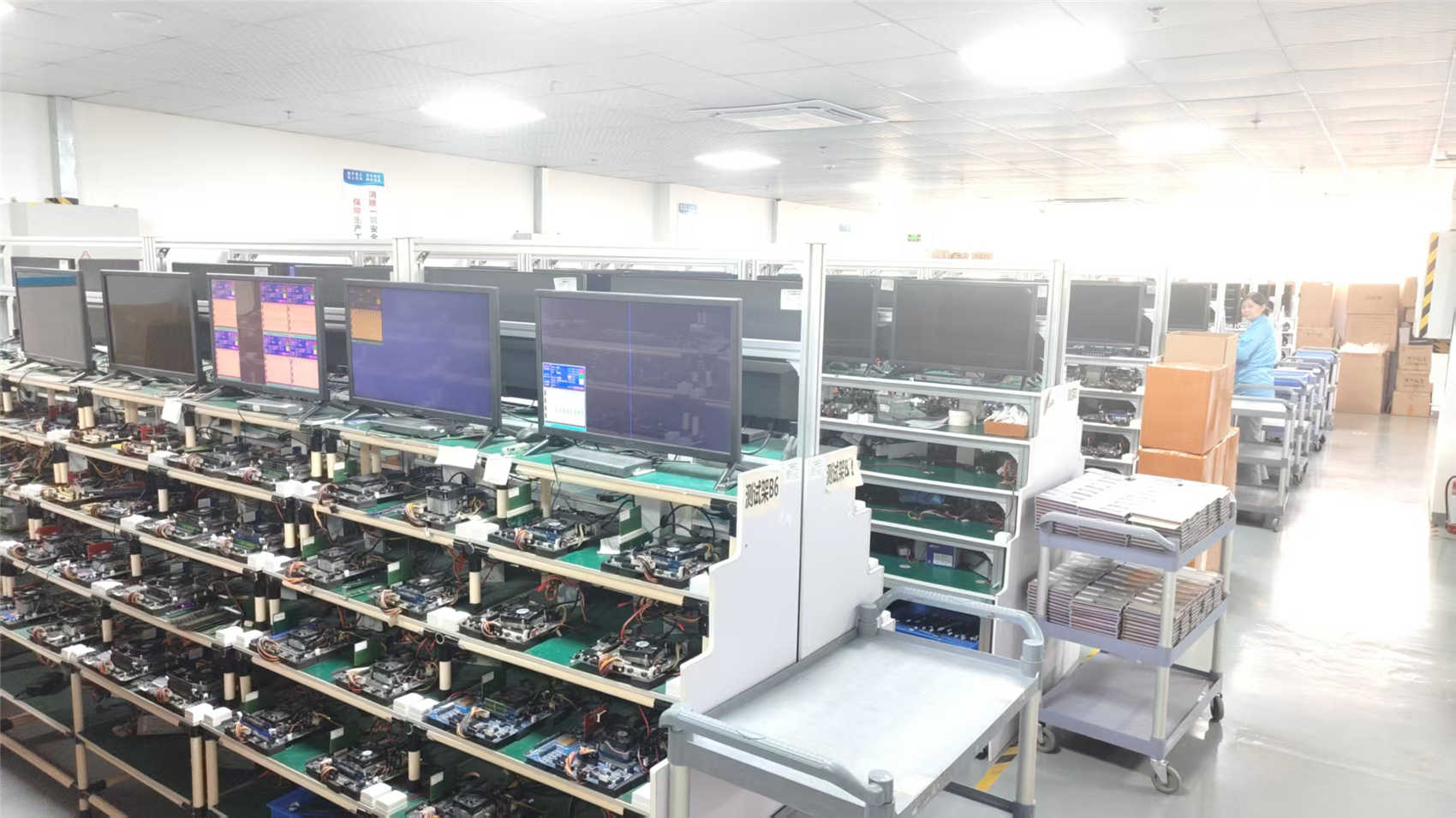
Testing Jig Setup
Production Line
Supply Chain Hub
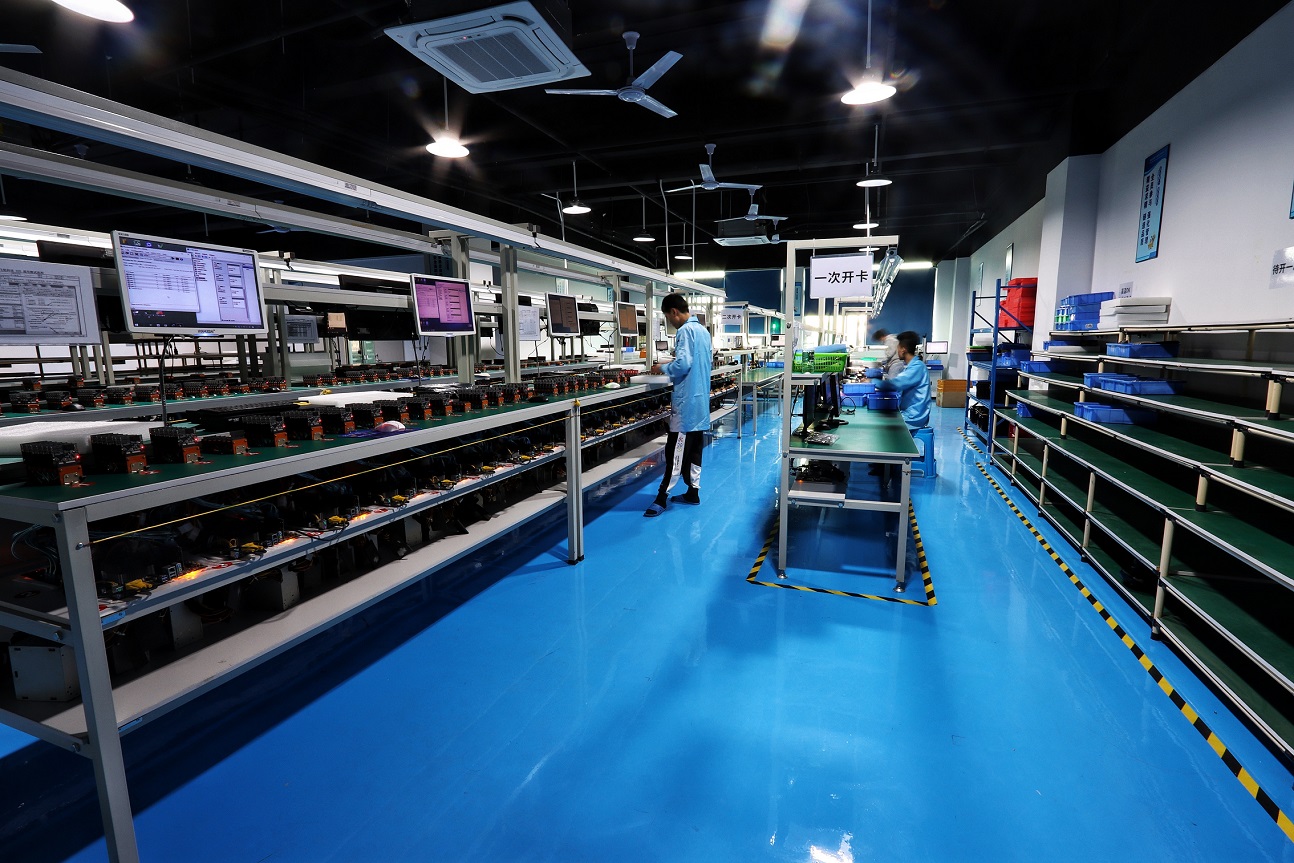
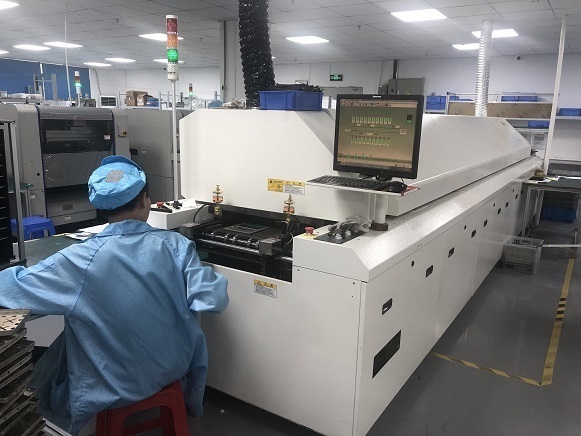
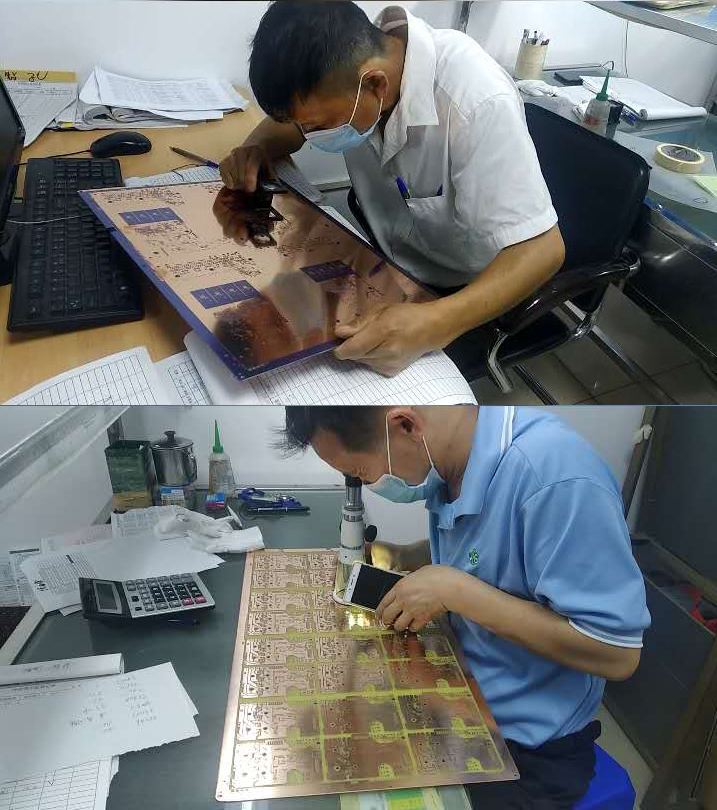
Our advanced manufacturing facility integrates Industry 4.0 principles to balance production speed, precision, and yield consistency. We run automated surface mount technology (SMT) lines that place 3535 LEDs on metal core PCBs with high positioning accuracy. This minimizes contact resistance and ensures reliable thermal dissipation.
By utilizing automated optical inspection (AOI) alongside burn-in testing chambers, we check every production run for spectral consistency, forward voltage uniformity, and radiant flux stability. Supported by a robust network of 850 strategic partners, we secure raw AlN ceramic plates, sapphire-based dies, and high-transmittance quartz lenses. This integrated supply chain enables us to maintain stable pricing and reliable delivery schedules for Mexican importers and manufacturers.
Exporting to Mexico requires careful adherence to local standards and technical regulations. We work closely with our partners to ensure all shipments comply with relevant NOM (Norma Oficial Mexicana) requirements, including safety and electrical guidelines.
We provide comprehensive engineering support, from initial prototype design to final installation. Our team assists with wavelength selection, optical modeling, and thermal layout design to ensure seamless integration into your systems.
Whether you are building localized municipal water treatment reactors in Monterrey or setting up automated curing lines in Querétaro, our engineers help optimize drive currents, design thermal pathways, and implement control systems for reliable performance.
Under nominal operating conditions (junction temperature maintained below 65°C, forward drive current at 350mA), our 3535 UVC LEDs (270nm - 280nm) offer an L70 lifetime of up to 15,000 to 20,000 hours, depending on thermal management and heat sink design.
The 3.5mm x 3.5mm footprint is an industry-standard package size that features a ceramic carrier and a quartz cover glass. It provides low thermal resistance, high mechanical stability, and excellent resistance to degradation from high-energy UV radiation.
We supply full test reports, material safety data sheets, and certificates of conformity (CE, RoHS). This technical documentation helps local importers obtain NOM-001-SCFI and NOM-244-SSA1 approvals through Mexican testing laboratories (NYCE/ANCE).
For custom copper or aluminum MCPCB layouts, prototyping and optical modeling require 7 to 10 working days. Following layout approval, bulk production and delivery to Mexico via air freight typically take 3 to 4 weeks.
UVA wavelengths, specifically 365nm and 395nm, are ideal for industrial curing applications. The choice depends on the photoinitiators in the adhesive, with 365nm providing deep curing and 395nm offering rapid surface curing.
We recommend high-performance aluminum substrates paired with active copper heat pipe coolers or hydraulic bearing cooling assemblies. These designs help maintain a low junction temperature during continuous operation.
Yes, our industrial-grade DDR4 and DDR5 memory modules are designed for high-stress industrial control environments. They ensure fast data processing and stable operation for continuous monitoring and data logging systems.
Yes, we provide full OEM and ODM services, including custom laser engraving, PCB layout modifications, selective binning configurations, and tailored packaging designs to support your brand identity.
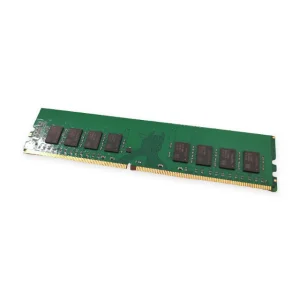
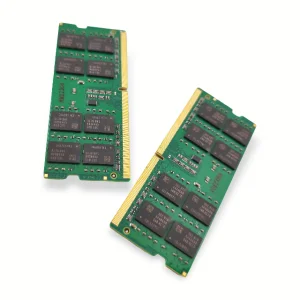
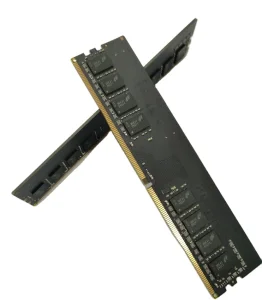
Ready to deploy high-performance 270nm-410nm 3535 LEDs, custom MCPCBs, or integrated control systems in the Mexican market? Get technical consultation and tailored volume pricing.
Send Inquiry Now