NexaRAM
NexaRAM
NexaRAM
Engineered to withstand the extreme operations of industrial nodes, high-density server configurations, and localized manufacturing demands in Vietnam.
In modern electronic design, the Glass Transition Temperature (Tg) is the critical physical threshold at which a resin matrix transitions from a rigid, glassy state into a flexible, rubbery state. Standard FR-4 substrates generally possess a Tg of 130°C to 140°C. However, in industrial server environments, power transmission hubs, and high-frequency digital systems, temperatures routinely exceed these levels.
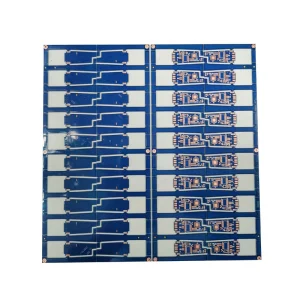
High-TG printed circuit boards (typically characterized by a Tg of >170°C) offer superior mechanical, chemical, and electrical stability under intense thermal loads. By utilizing advanced epoxy resins cross-linked with specialized curing agents, High-TG substrates minimize the Coefficient of Thermal Expansion (CTE) along the Z-axis. This ensures that via structures, multi-layered copper traces, and high-density packaging maintain physical integrity, preventing catastrophic delamination, trace ruptures, and cold joints.
High-TG substrates preserve mechanical rigidity and dielectric stability during lead-free soldering cycles (which peak around 260°C). Selecting the correct substrate involves balancing Tg, Td (Decomposition Temperature), and Z-axis CTE expansion profiles.
| Substrate Class | Typical Glass Transition (Tg) | Decomposition Temp (Td) | Z-Axis CTE (Pre-Tg / Post-Tg) | Ideal Application Scenarios |
|---|---|---|---|---|
| Standard FR-4 | 130°C - 140°C | > 310°C | 60 / 300 ppm/°C | Consumer Electronics, Basic Control Panels |
| Mid-TG FR-4 | 150°C - 160°C | > 325°C | 50 / 260 ppm/°C | Automotive Control, Standard Server Computing |
| High-TG FR-4 | > 170°C - 180°C | > 340°C | 40 / 220 ppm/°C | Multilayer Server Boards, High-Speed Telecommunications |
Hanoi, the administrative capital of Vietnam, is rapidly positioning itself as a vital locus for semiconductor assembly, hardware integration, and high-reliability PCB sourcing. Positioned strategically within the Northern Economic Zone, and flanked by industrial strongholds such as Bac Ninh, Vinh Phuc, and Hai Phong, the city has witnessed a substantial influx of foreign direct investment (FDI) from multinational giants like Samsung, Foxconn, and Pegatron.
The regional demand for High-TG PCBs is driven by:
Strategic Manufacturer of Memory Solutions and Advanced High-Reliability Assemblies
Established in 2016, NexaRAM Storage Technology Co., Ltd. has evolved into a premier developer and manufacturer of high-speed memory systems, enterprise storage modules, and specialized PCB designs. While maintaining a focused cleanroom facility structured for rapid custom fabrication and high-precision testing, NexaRAM leverage 12 years of industry experience to engineer and distribute high-grade boards capable of sustaining intense heat generation and prolonged frequency loads.
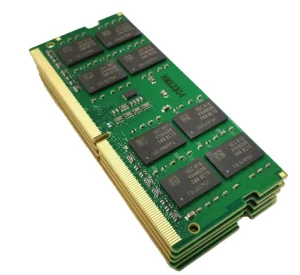
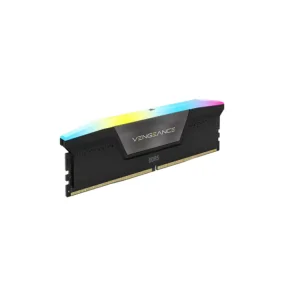
NexaRAM utilizes high-Tg substrate material designs to support its high-performance DDR5 and enterprise motherboards. Backed by a strong global trading background, the company exports to critical regions across North America, Europe, Southeast Asia (including Vietnam/Hanoi hubs), and the Middle East.
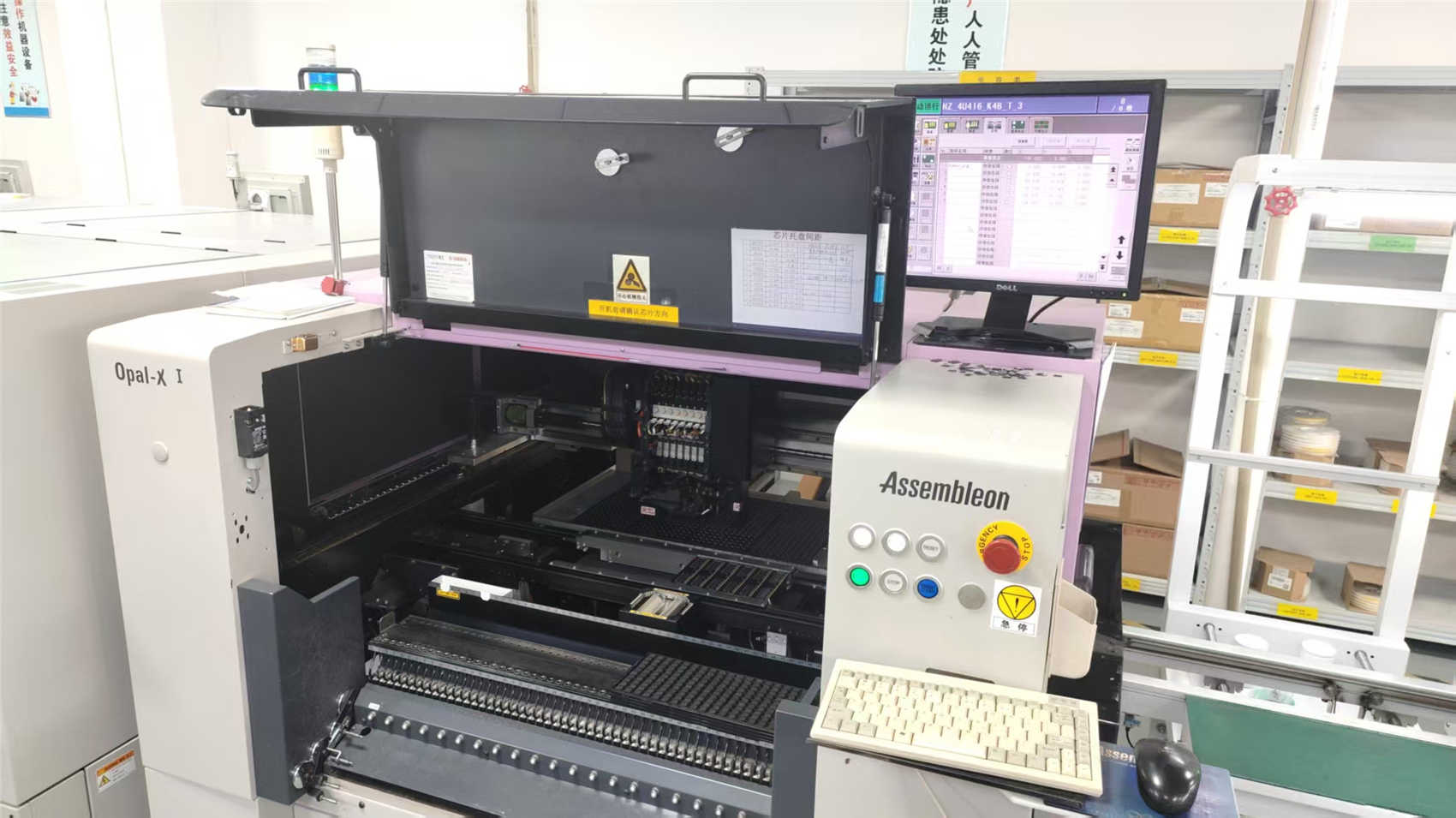
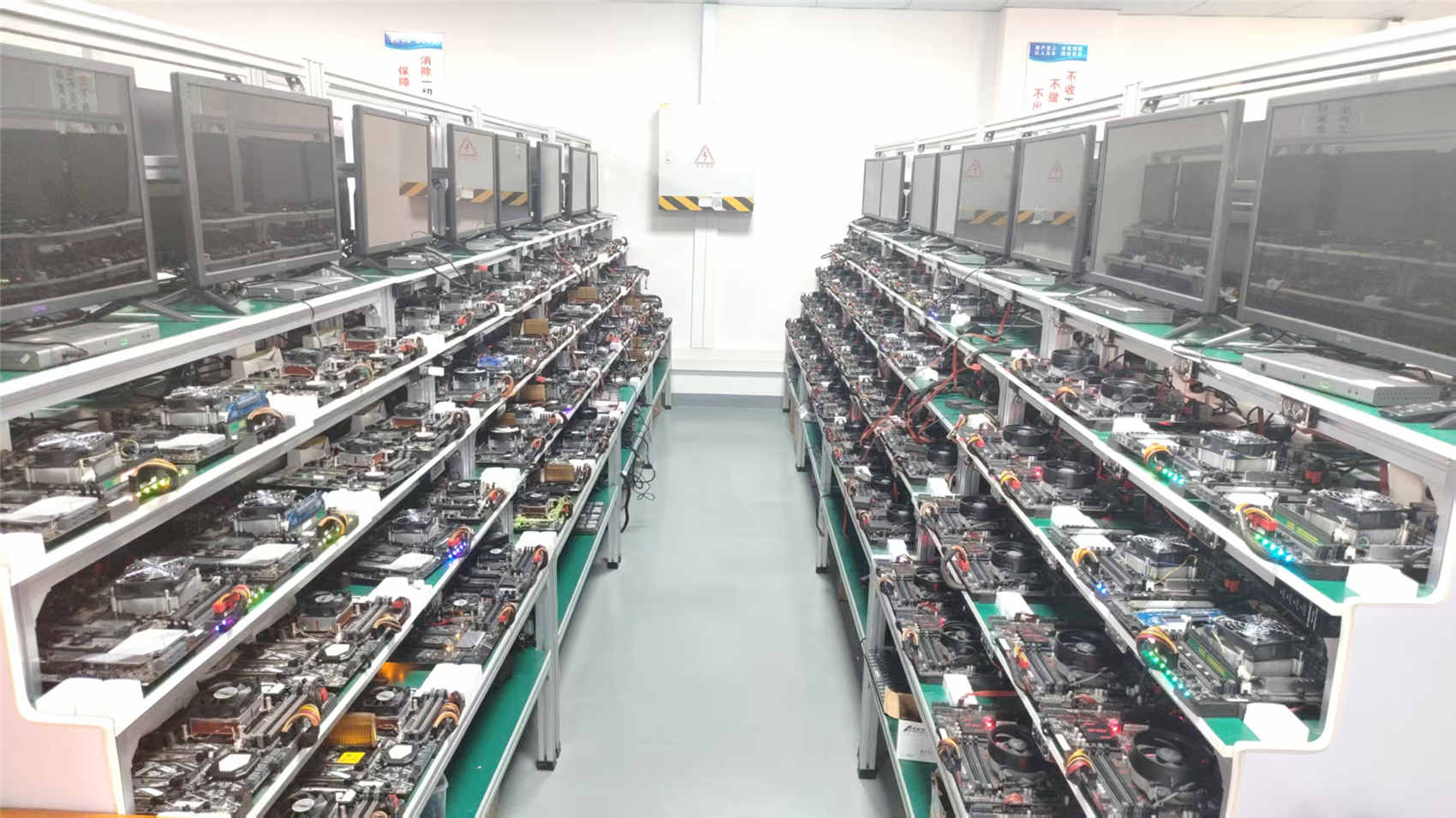
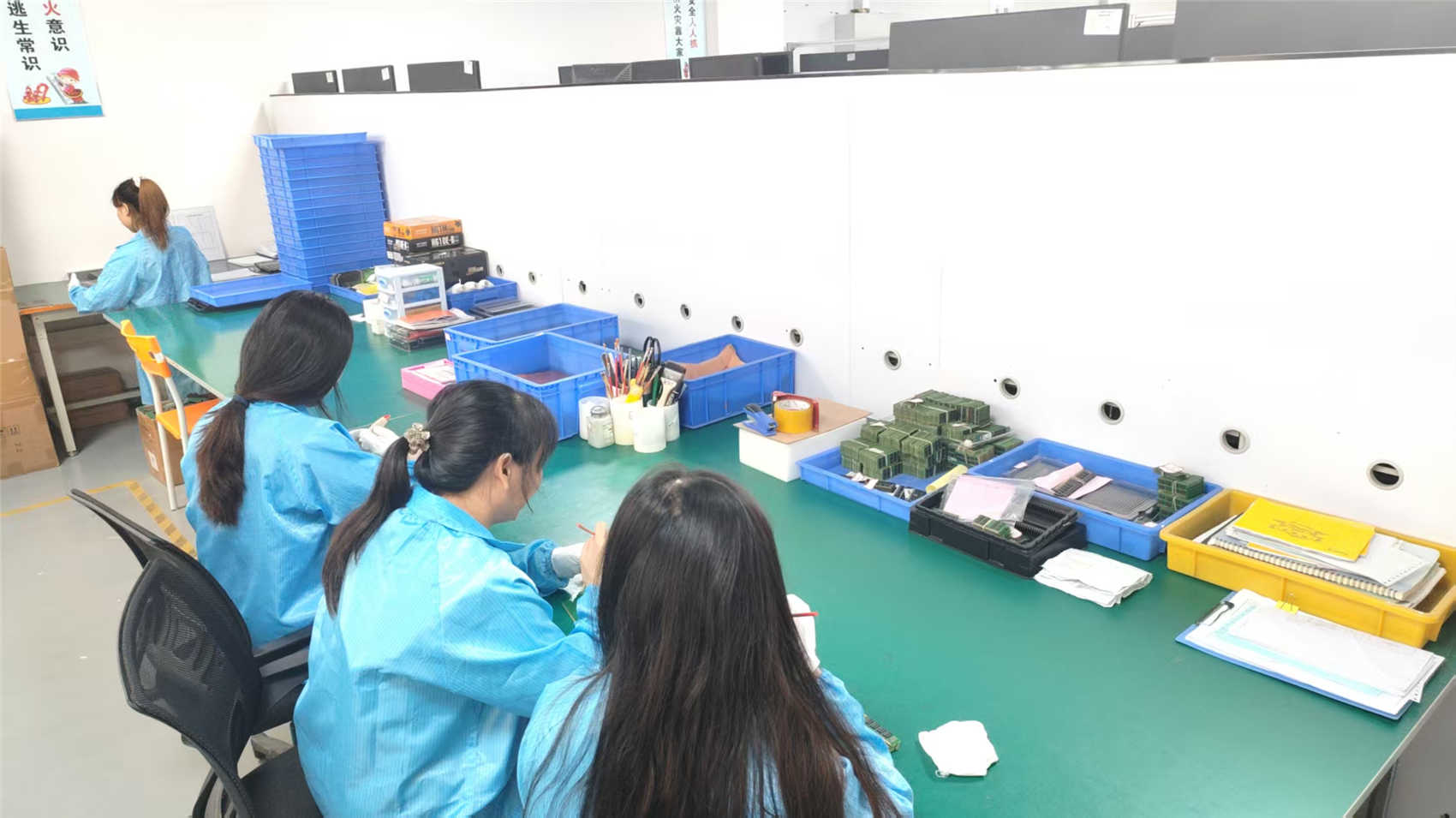
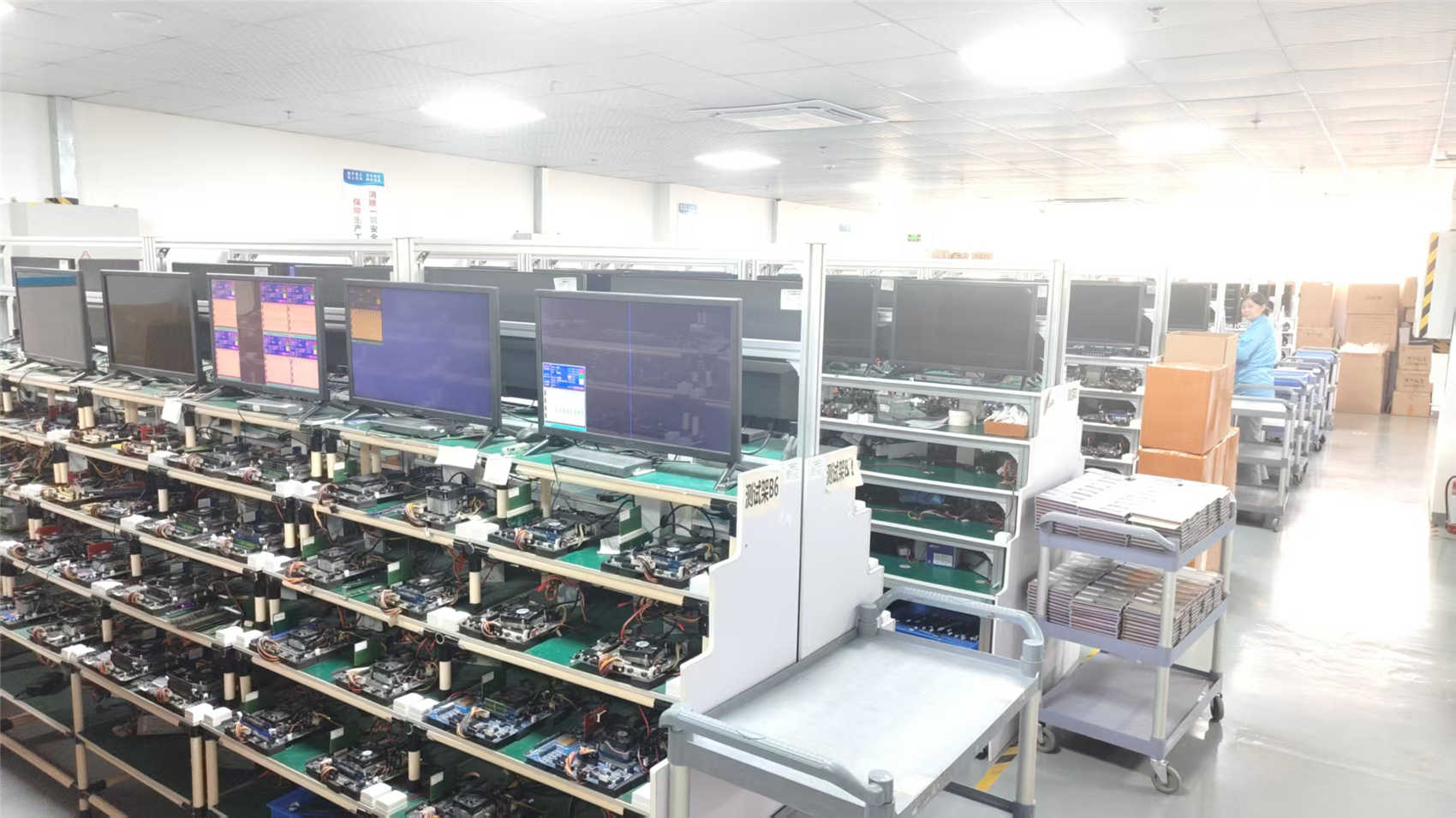
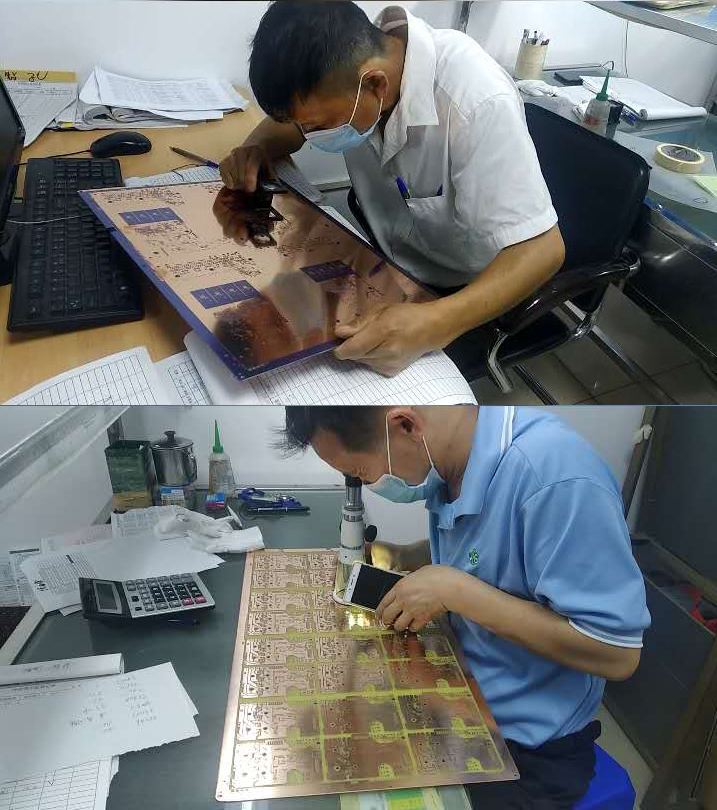
To ensure maximum longevity and reliability of our boards under operational stress, NexaRAM implements a multi-tier quality control architecture. Our manufacturing lines integrate state-of-the-art Automated Optical Inspection (AOI) and rigorous burn-in reliability testing. Assisted by a professional quality control team consisting of 35 dedicated inspectors, every batch is systematically audited for trace precision, solder mask alignment, and dielectric performance.
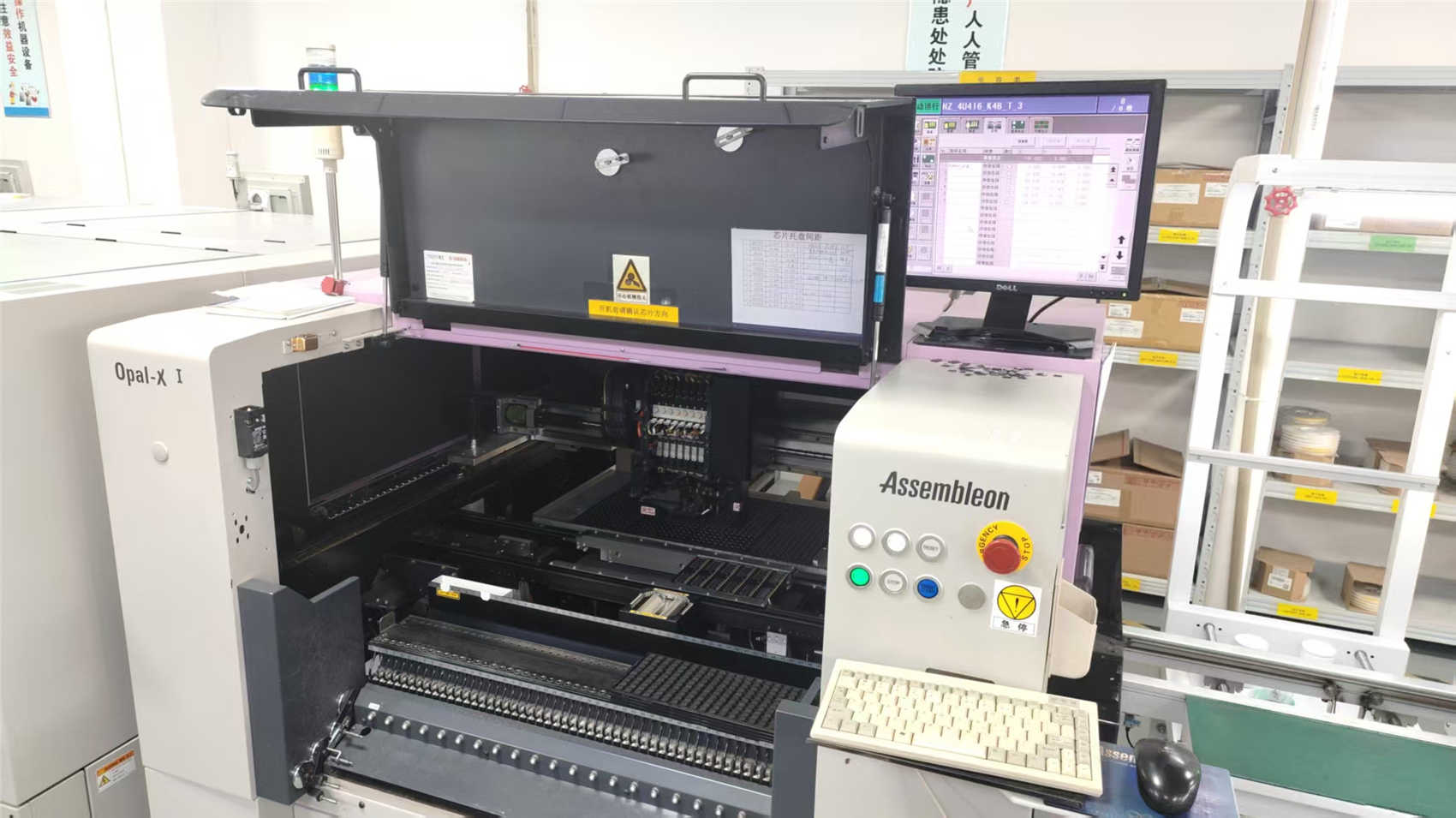
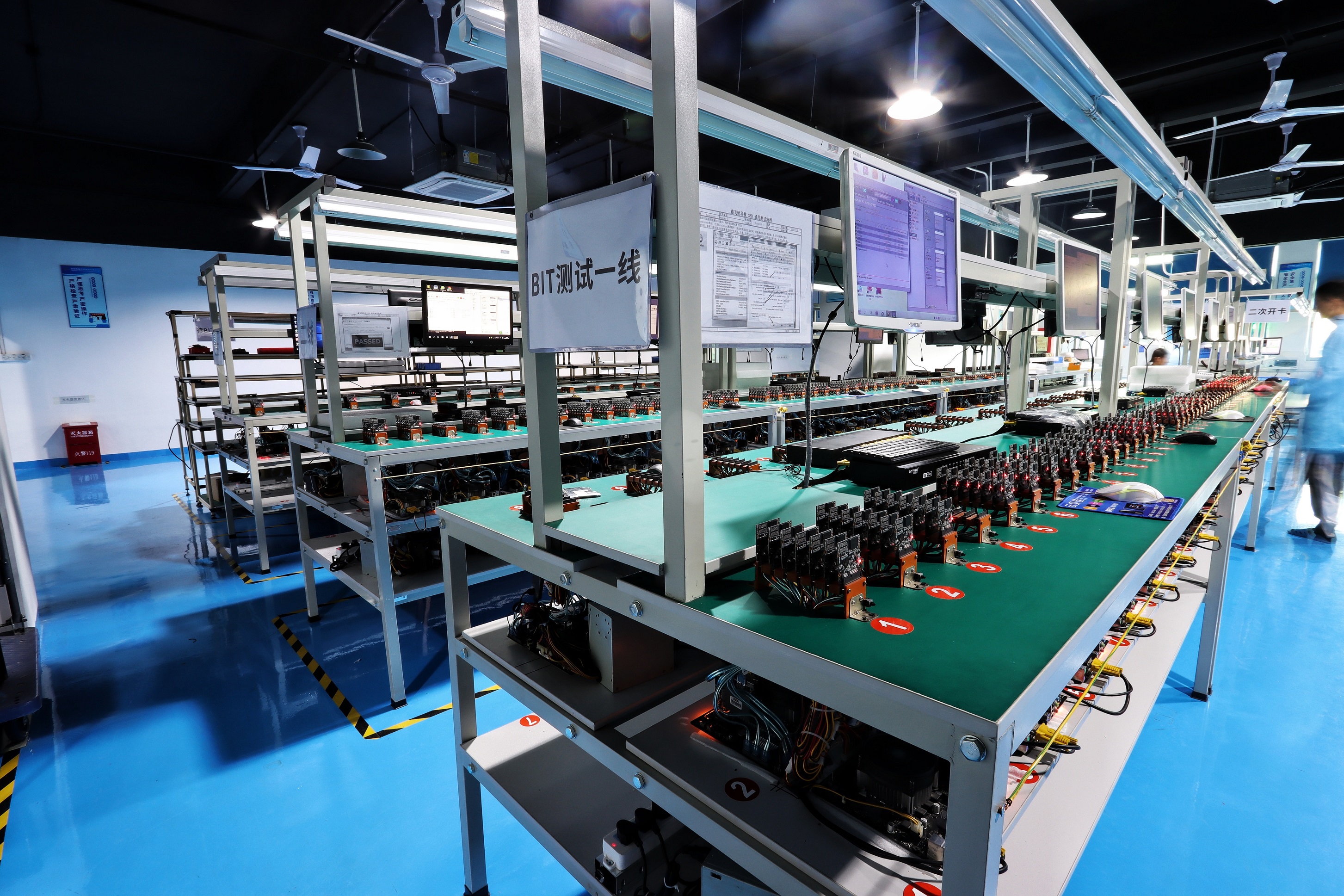
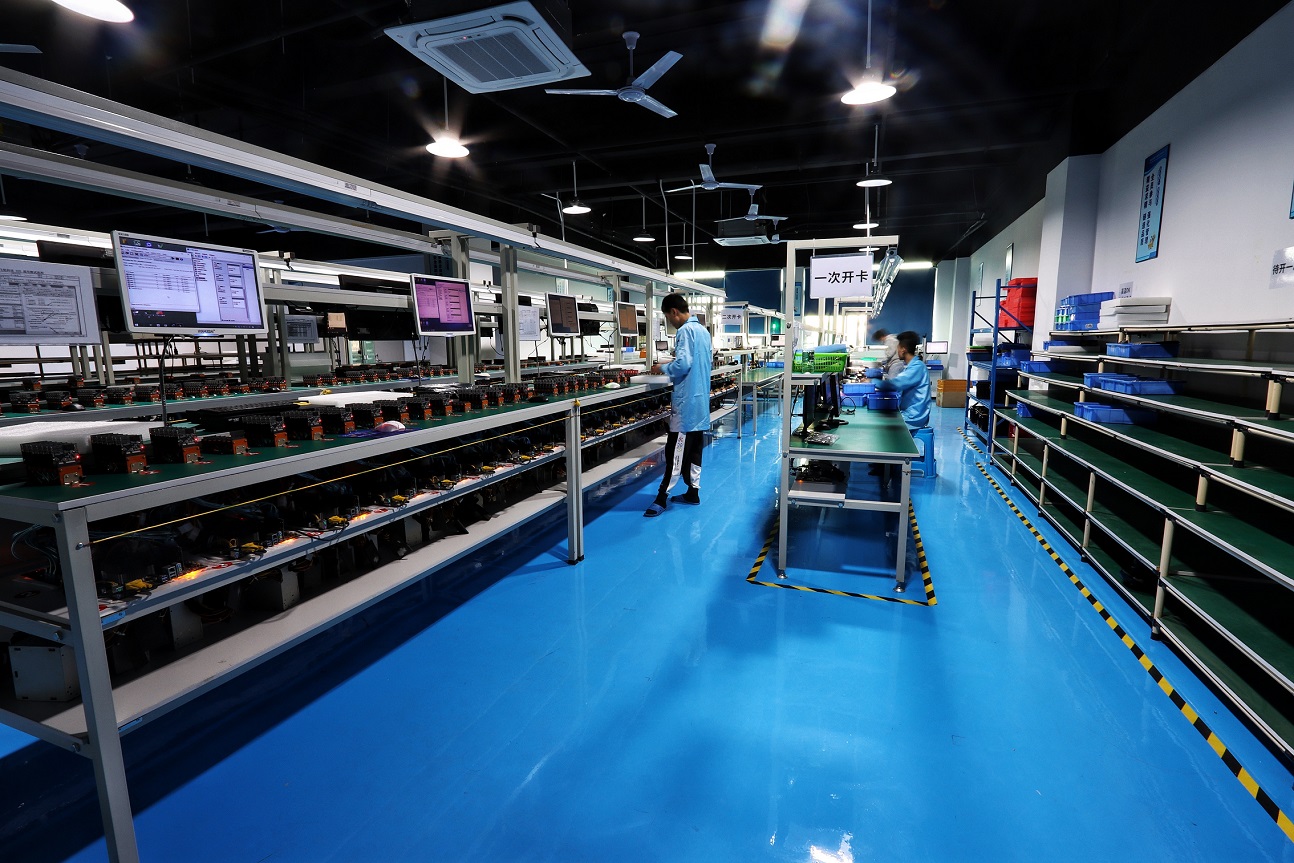
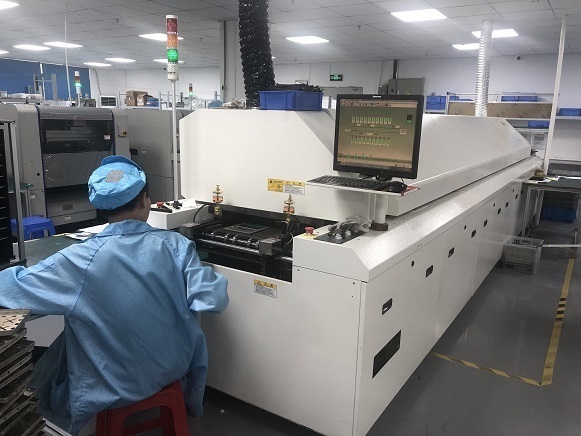
As global manufacturers seek to diversify risk, the "China Plus One" manufacturing model has gained critical importance. Integrating Chinese high-tech manufacturing with assembly facilities in northern Vietnam offers the optimal balance of efficiency and cost control.
By combining NexaRAM's design network (which released 120 new product variations last year) with localized Hanoi procurement, enterprises secure reliable deliveries of high-Tg boards. Our collaborative network of over 850 strategic supply chain partners guarantees access to raw high-Tg laminates (such as Rogers, Shengyi, and ITEQ) even during global component shortages.
Expert insights on High-TG specifications, local sourcing protocols, and assembly processes.
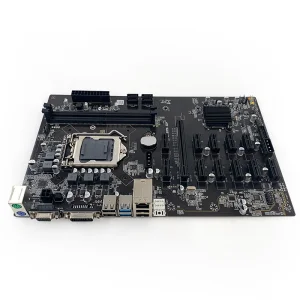
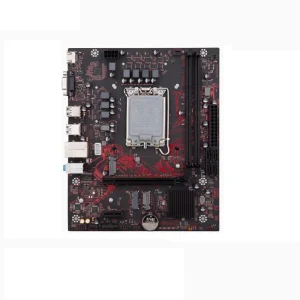
High-TG boards are essential for systems subjected to continuous operating temperatures above 130°C or thermal peaks up to 260°C. Common applications include multilayer motherboards (such as B250/B760 units), cloud server power supplies, industrial control systems, automotive engine control units (ECUs), and high-frequency DDR5 memory systems.
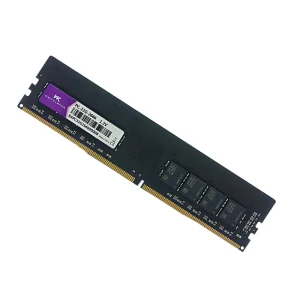
NexaRAM combines Chinese manufacturing capacity with regional logistics networks in Hanoi, Bac Ninh, and Vinh Phuc. This setup allows us to deliver high-Tg PCBs, desktop memory modules, and processing components directly to regional EMS assembly plants with minimal lead time.
As multi-layer PCBs undergo thermal transitions, expansion along the Z-axis stresses plated through-holes (PTH). High-TG materials exhibit lower post-Tg expansion rates, preventing micro-cracks in copper barrels and vias during high-temperature cycles.
Our Quality Assurance infrastructure integrates 35 dedicated inspectors with automated optical inspection (AOI), X-ray trace analysis, and high-temperature burn-in tests. This system maintains zero-defect quality across all custom PCB layouts and component configurations.
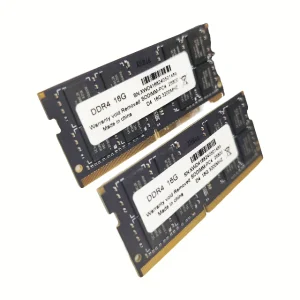
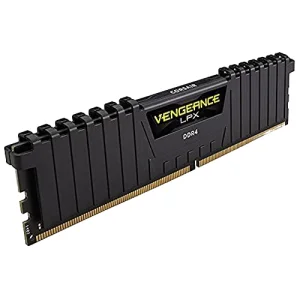
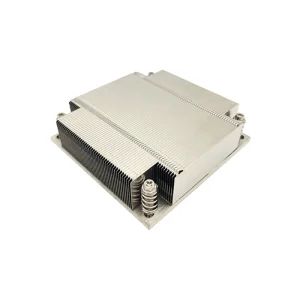
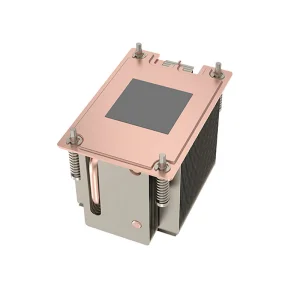
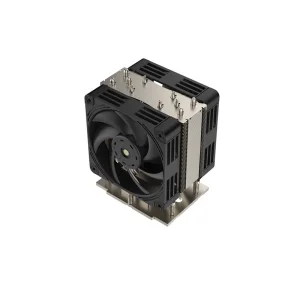
Complete your high-temperature, high-stability assemblies with our certified memory modules and advanced server cooling products.