NexaRAM
NexaRAM
NexaRAM
Featured electronics manufacturing solutions engineered for advanced performance in harsh industrial environments across Norway.
Analyzing the synergy between Rogers RF dielectric properties and the demanding operating envelopes of Nordic deep-sea, aerospace, and energy projects.
Norway represents one of the most technologically advanced and environmentally challenging industrial landscapes in the world. From the deep subsea sensor installations in the North Sea to the aerospace defense networks operating in the Arctic Circle, the requirement for absolute hardware integrity is paramount. In these environments, conventional FR-4 circuit boards fail due to signal loss, thermal expansion instability, and moisture degradation. This is where Rogers High-Frequency PCBs emerge as the industry standard, providing unmatched dielectric stability, low dissipation factors, and exceptional thermal management.
As a leading exporter and manufacturer, we specialize in adapting Rogers Corporation’s proprietary laminates—such as the RO4000 series, RT/duroid, and RO3000 series—to fit the specific needs of Norwegian system integrators. By maintaining tight control over copper foil adhesion, dielectric thickness tolerances, and microstrip/stripline impedance, we supply circuit boards that perform flawlessly under mechanical stress, high vibrations, and sub-zero temperatures.
Marine transponders, X-band/S-band radar networks, and acoustic modems require Rogers RO4350B and RT/duroid 5880 substrates to minimize insertion loss and withstand corrosive offshore salt spray.
Ensuring ultra-wide temperature stability (-50°C to +85°C) for satellite ground receivers and base stations deployed in Tromsø and Svalbard, preserving phase coherence and signal clarity.
Robust power-distribution RF modules for remote telemetry units in offshore wind farms, utilizing heavy copper Rogers laminates to manage high thermal dissipation without delamination.
A direct physical and electrical property comparison to assist Norwegian engineers in choosing the optimal substrate for their design criteria.
| Material Type | Dielectric Constant (Dk @10GHz) | Dissipation Factor (Df @10GHz) | Thermal Coefficient of Dk (ppm/°C) | Moisture Absorption (%) | Key Norwegian Application Scenarios |
|---|---|---|---|---|---|
| Rogers RO4350B (Hydrocarbon/Ceramic) | 3.48 ± 0.05 | 0.0037 | +50 | 0.06 | Standard marine radar, commercial 5G infrastructure, and power amplifiers. |
| Rogers RT/duroid 5880 (PTFE Glass Microfiber) | 2.20 ± 0.02 | 0.0009 | -115 | 0.02 | Defense avionics, subsea acoustic telemetry, millimeter-wave radar arrays. |
| Rogers RO3003 (PTFE/Ceramic) | 3.00 ± 0.04 | 0.0010 | -3 | 0.04 | Automotive ADAS collision avoidance, high-density patch antennas. |
| Standard FR-4 (Epoxy/Glass) | 4.2 - 4.8 | 0.0150 - 0.0200 | Variable (+200) | 0.20 - 0.50 | Generic low-speed digital control boards; not recommended for RF above 2GHz. |
The matrix above demonstrates that Rogers RT/duroid 5880 achieves an extremely low dissipation factor (0.0009), ensuring minimal transmission line signal degradation. In subsea installations, where power is scarce and cabling spans kilometers, reducing insertion loss by tenths of a decibel translates directly to extended operational life and lower battery replacement cycles. Furthermore, the moisture absorption rate of 0.02% in Rogers materials prevents the ingress of seawater vapor in high-humidity offshore zones, ensuring long-term dielectric performance and preventing trace corrosion.
How NexaRAM bridges the gap between high-frequency signal processing and high-speed memory systems.
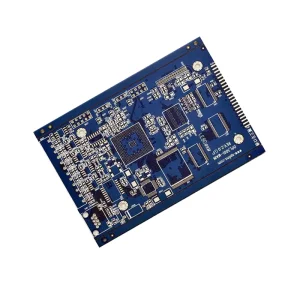
Optimizing multi-layer hybrid PCB stackups (Rogers combined with FR-4) to reduce raw material cost while routing critical RF lines on high-frequency Rogers laminates. Precision control of trace width tolerances to ±10 microns.
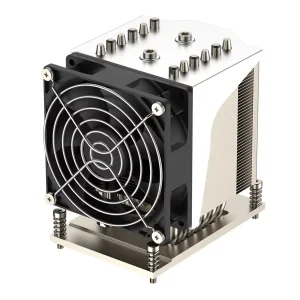
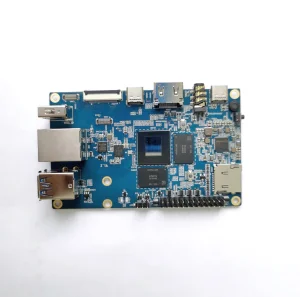
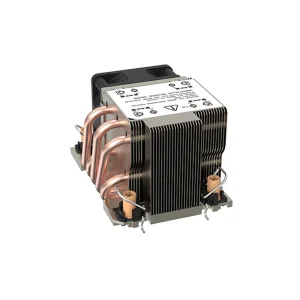
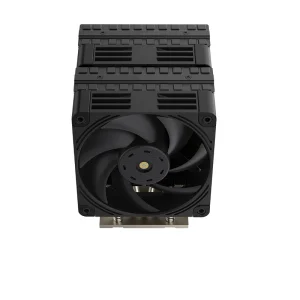
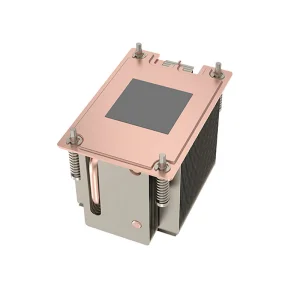
Integrating dedicated thermal cooling interfaces (up to 300W server cooler compatibility) and embedding active components within the inner layers of the PCB to withstand the high-heat production of edge-computing NPU chipsets (e.g. RK3588S).
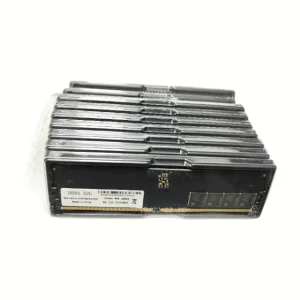
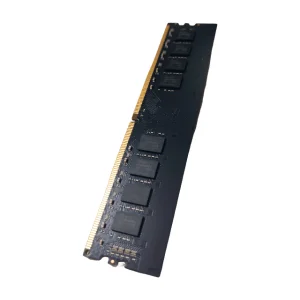
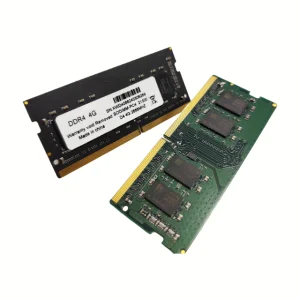
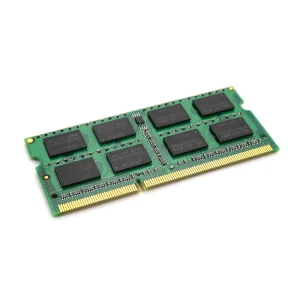
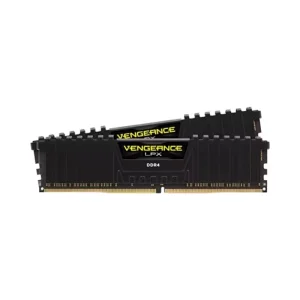
Coupling Rogers high-frequency transceivers with high-speed DDR5 memory modules. Ensuring that memory controller traces are impedance-matched to prevent crosstalk, jitter, and signal reflection in high-density servers.
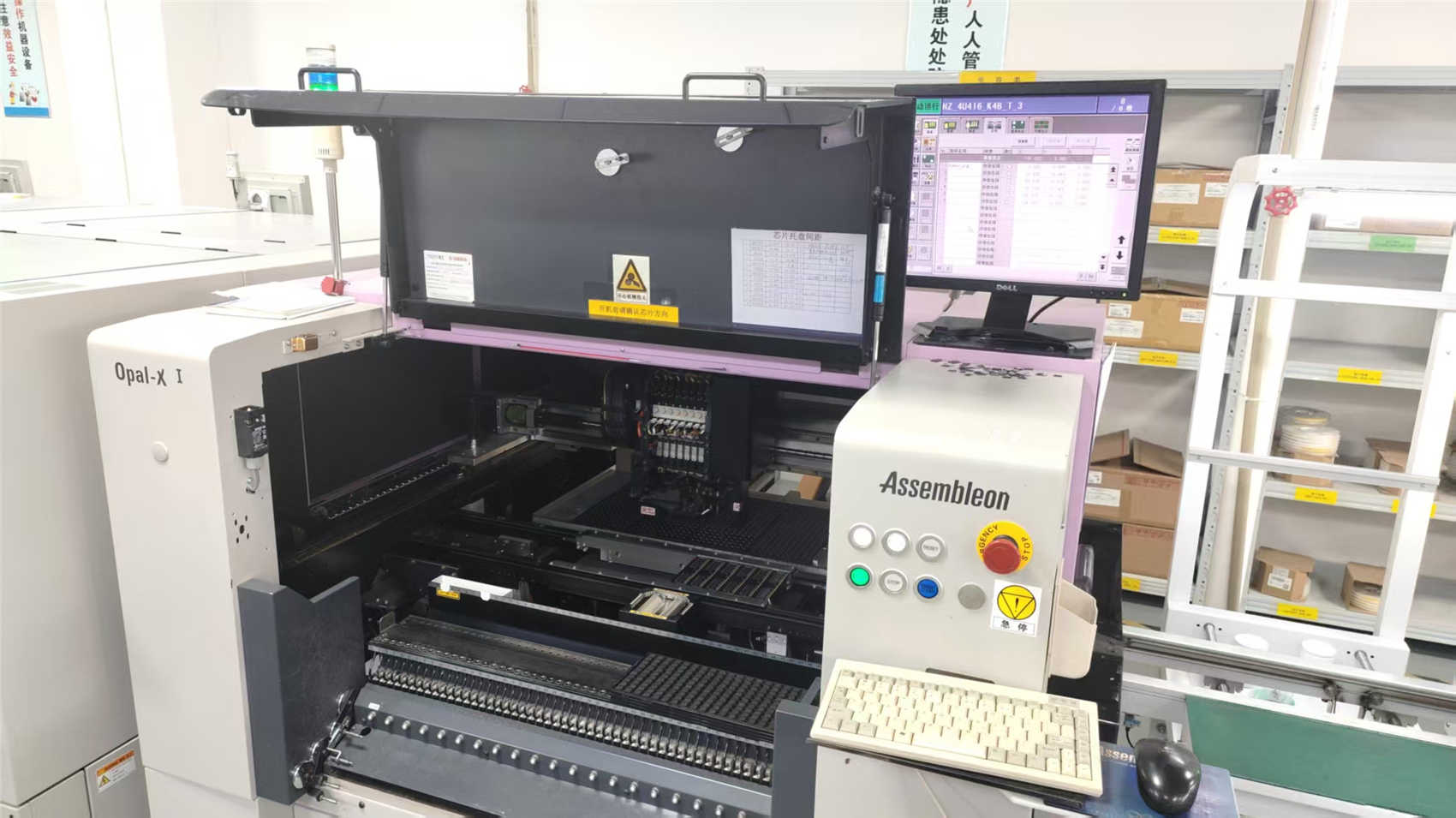
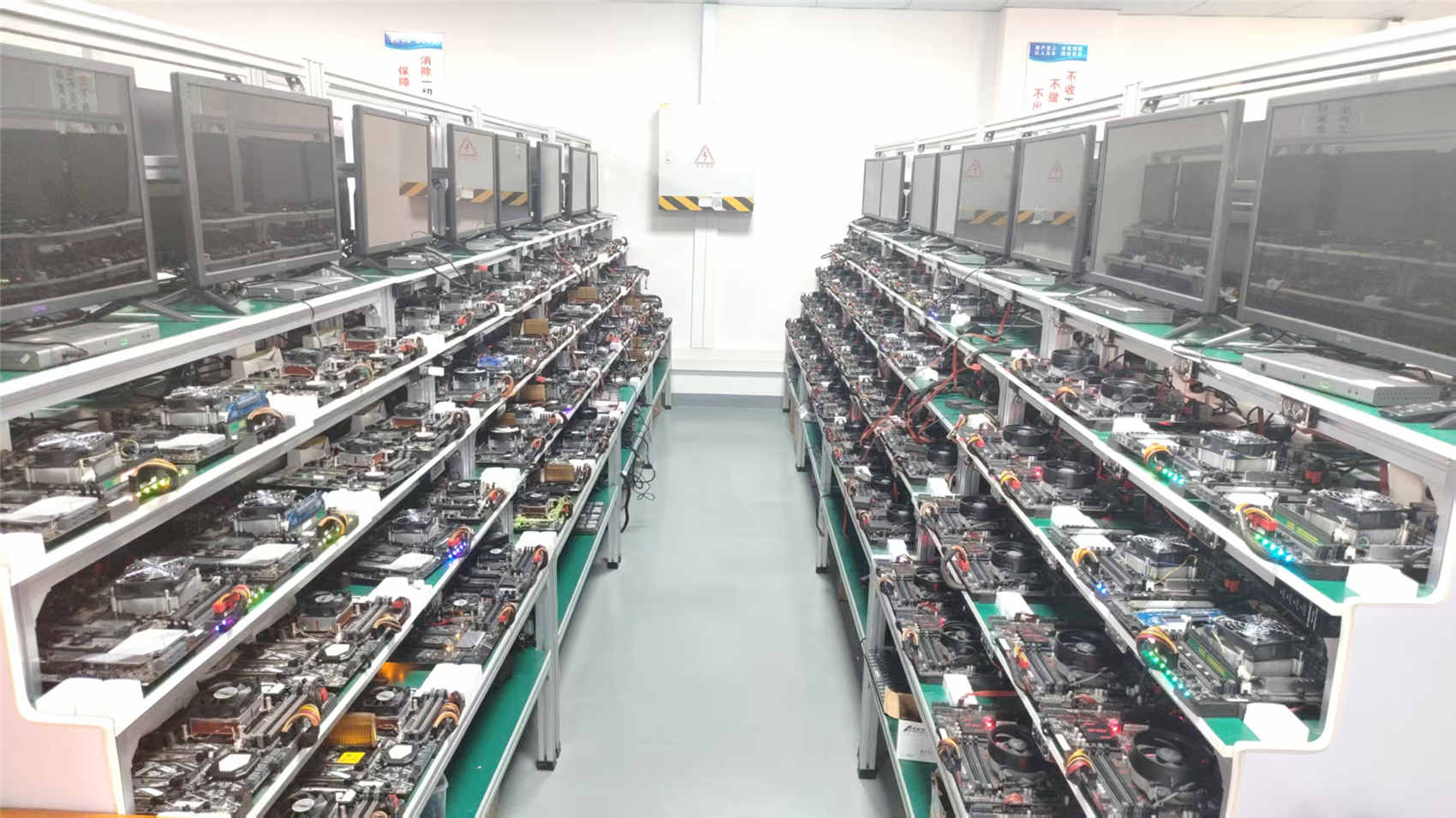
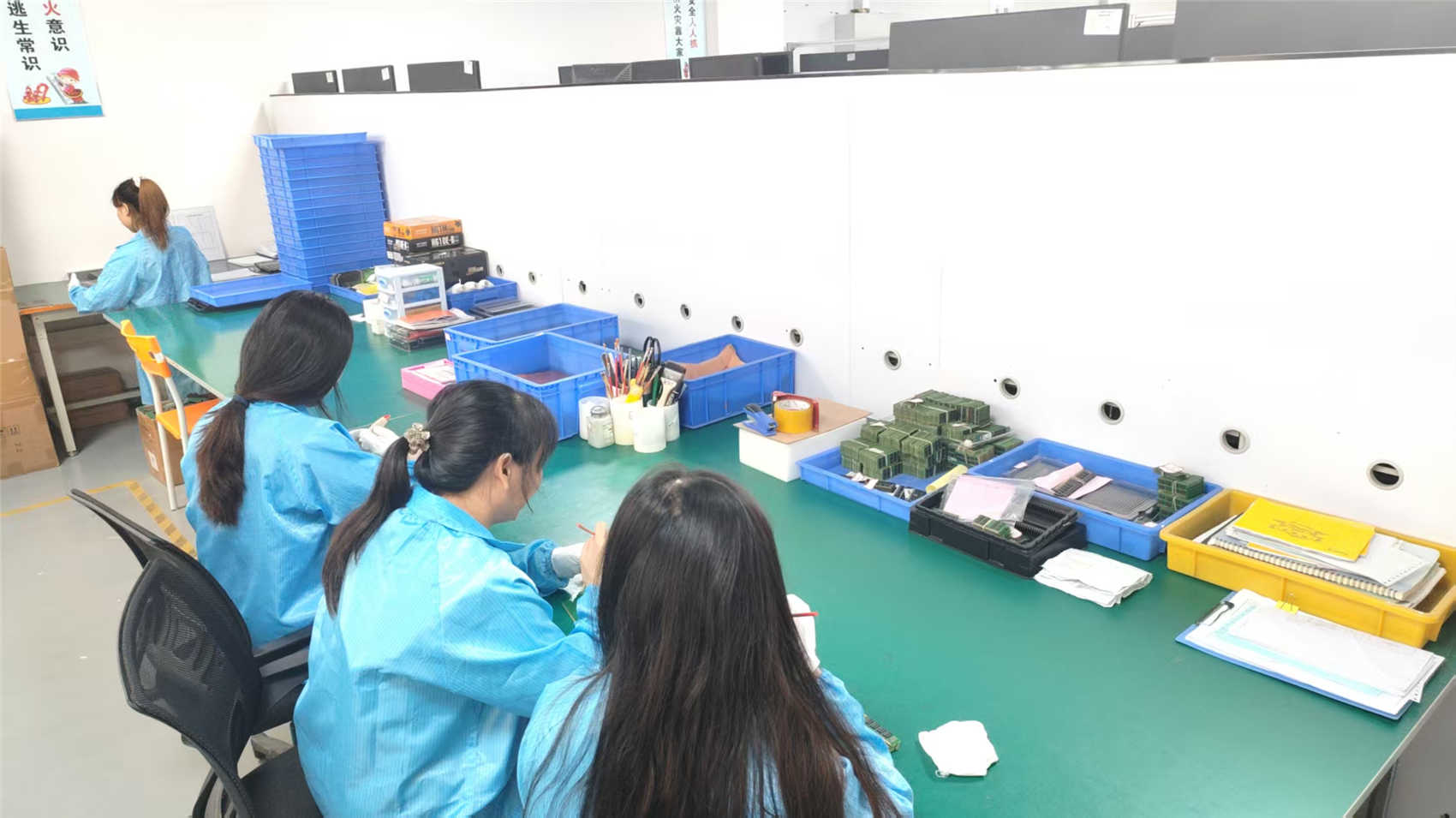
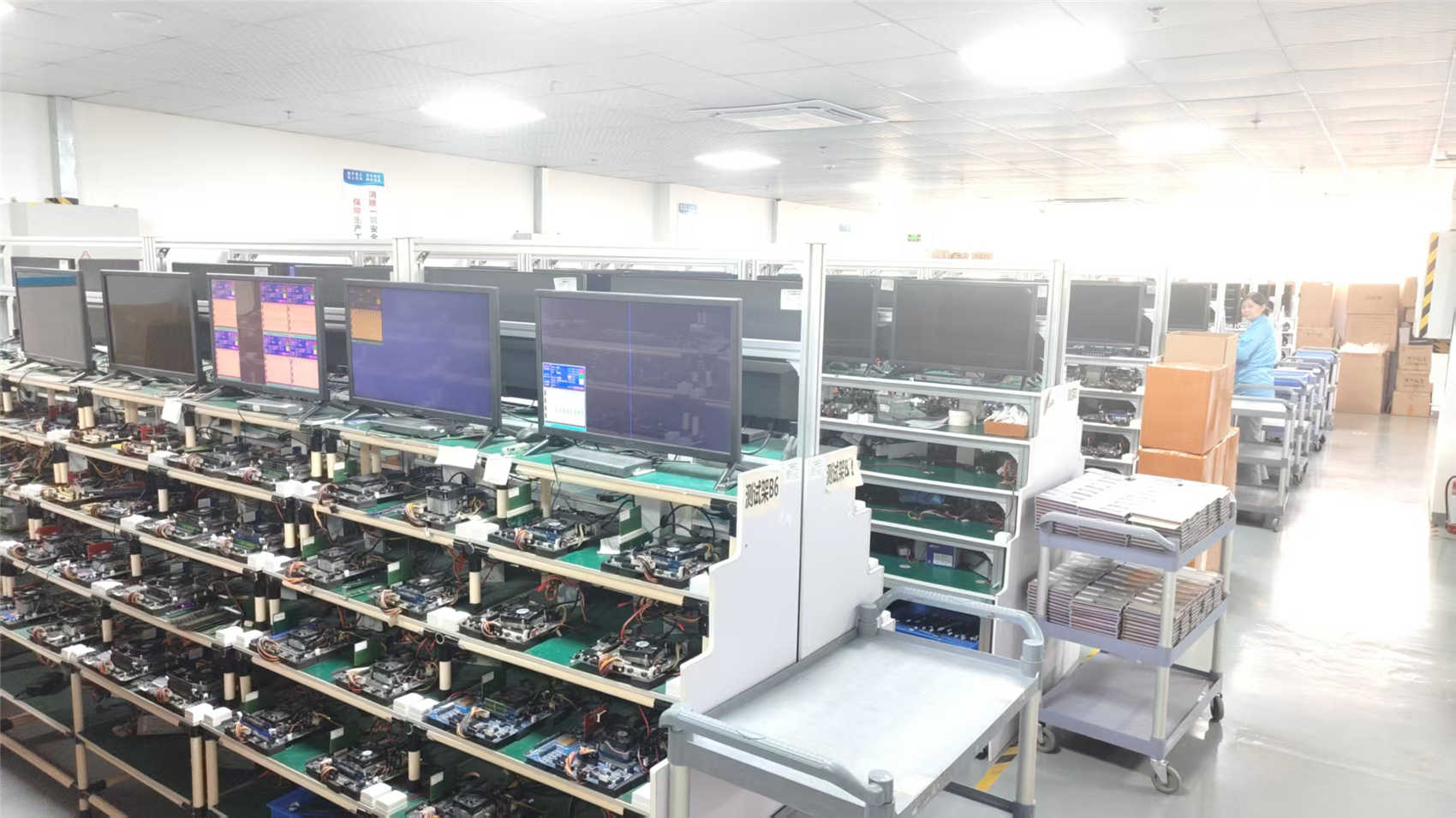
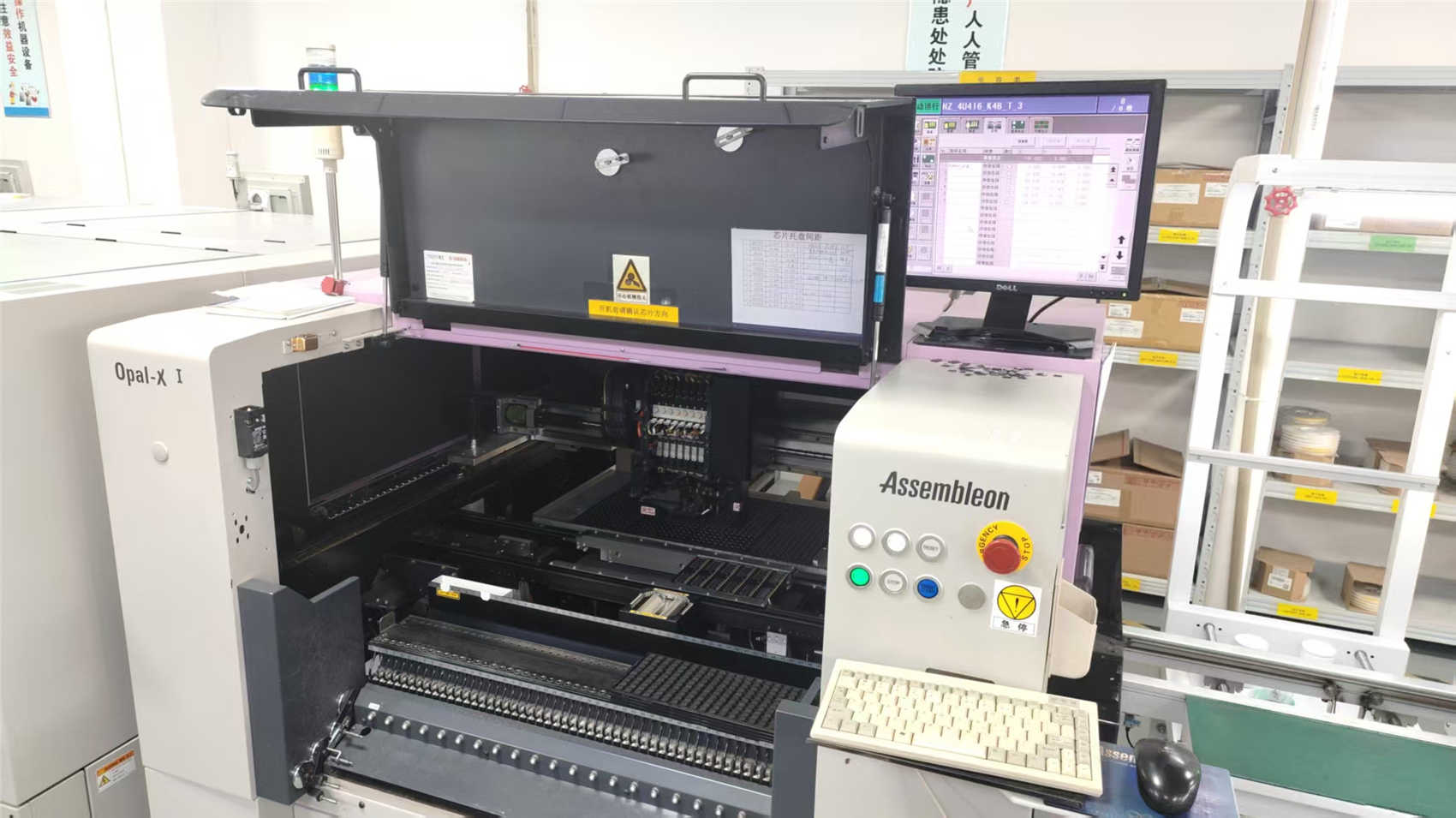
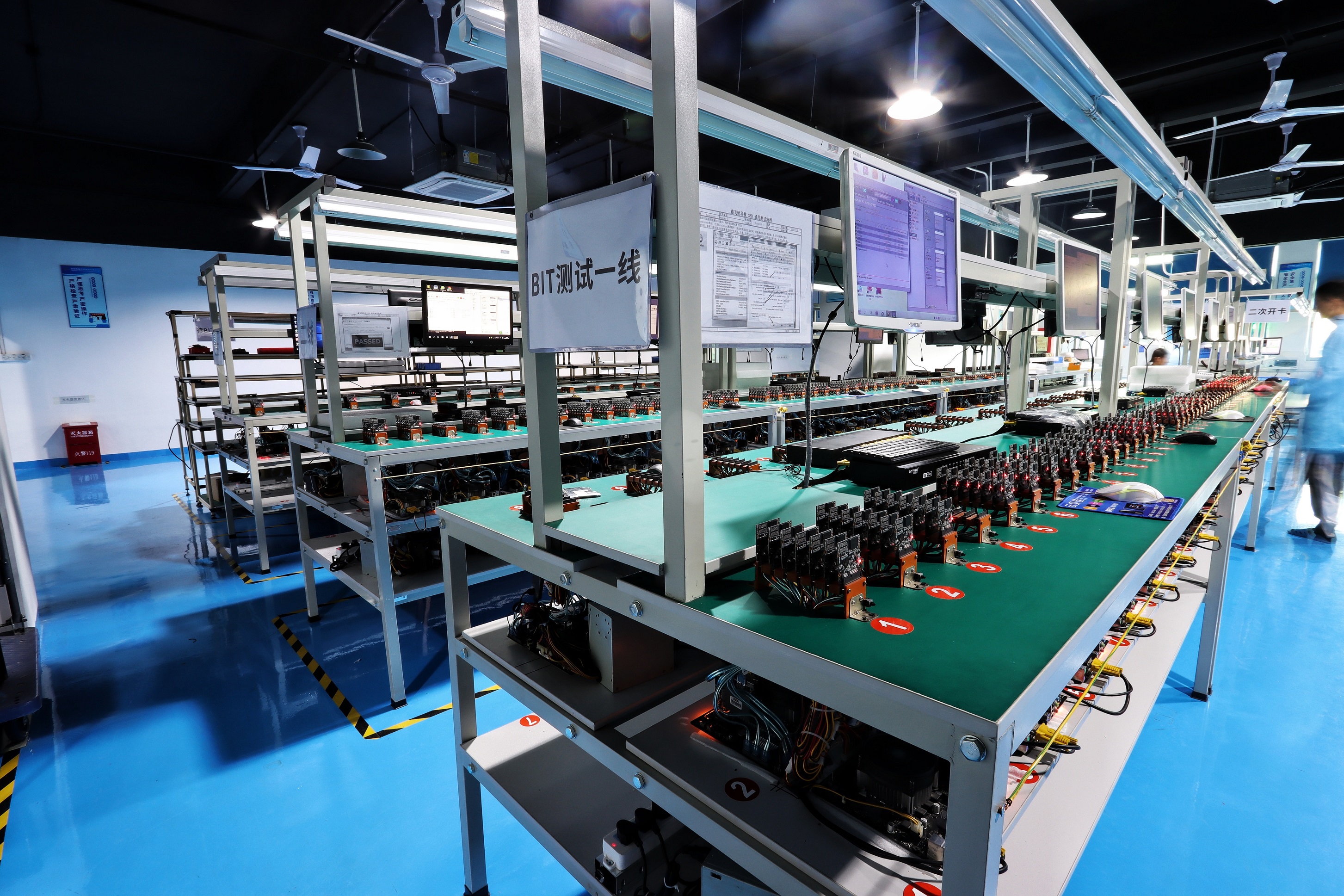
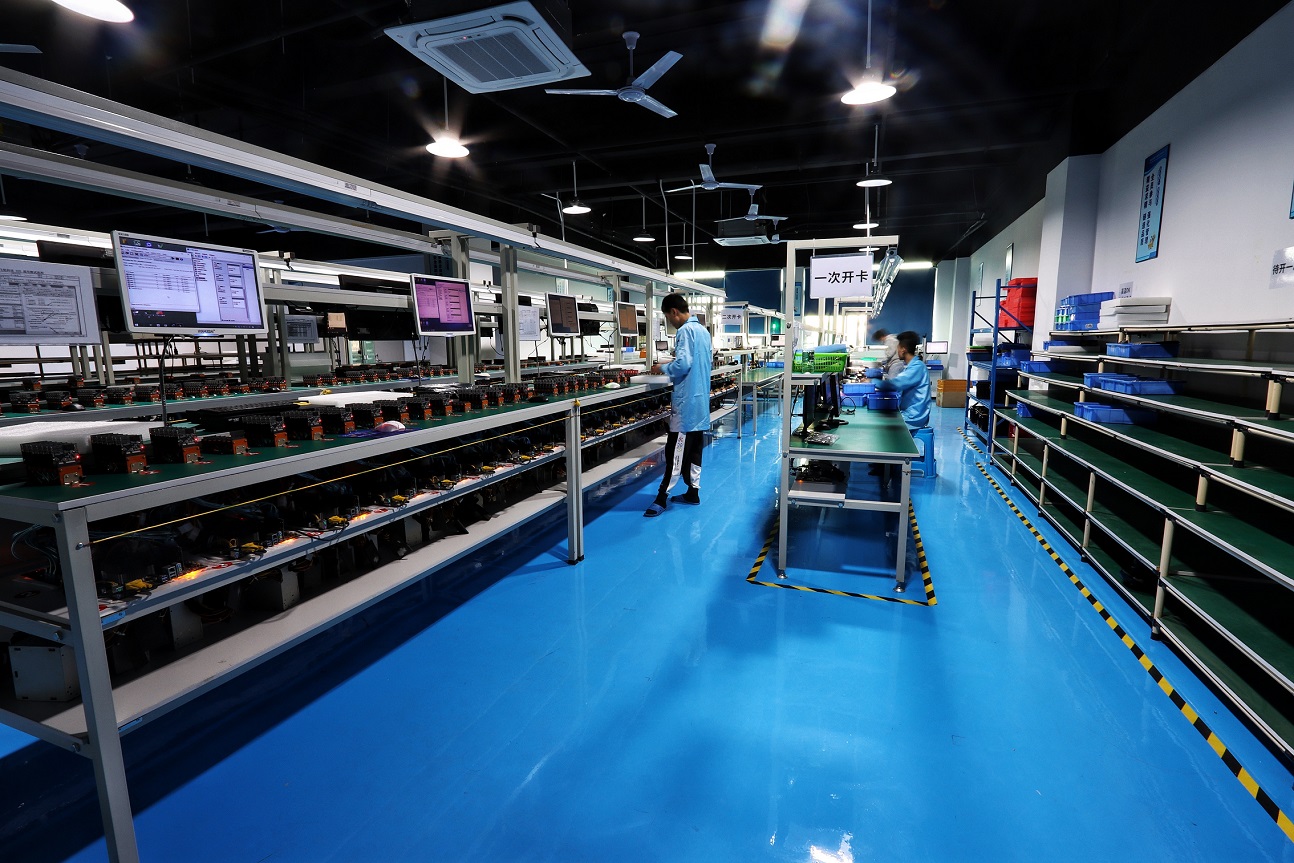
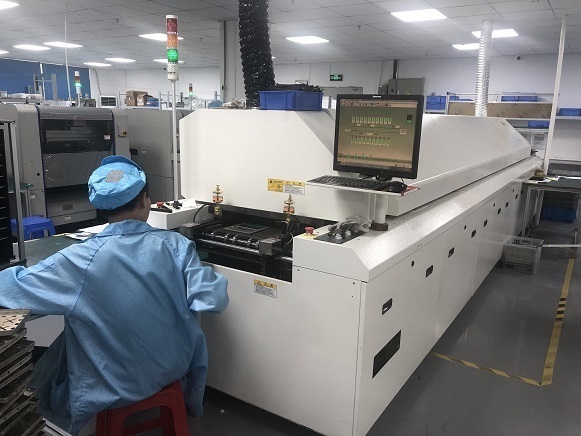
Our state-of-the-art manufacturing infrastructure supporting Rogers PCB fabrication and high-density semiconductor assembly.
Established in 2016, NexaRAM Storage Technology Co., Ltd. has evolved into an elite manufacturer specializing in advanced PCB assembly, semiconductor memory integration, and high-frequency RF systems. Operating a modern, climate-controlled cleanroom facility encompassing approximately 320㎡, we combine micro-soldering precision with high-volume production throughput. Our annual export revenue has reached USD 12 million, supported by 6 years of export compliance and 12 years of core industry experience in high-reliability DRAM, memory modules, and multi-layer SMT processing.
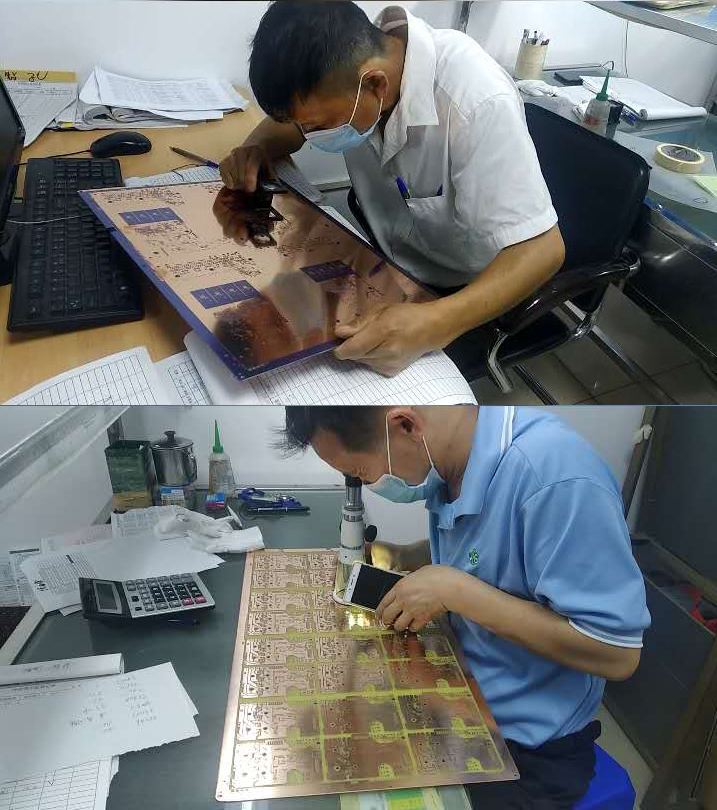
Our dedicated R&D team consists of 180 experienced engineers, while quality is strictly monitored by a professional QC team of 35 inspectors using automated optical inspection (AOI), X-ray non-destructive testing, and simulated environmental burn-in reliability testing. We manage a robust global supply chain with over 850 strategic partners, allowing us to source certified Rogers laminates and premium ICs even during global component shortages. From industrial automation systems to marine servers and defense radars, NexaRAM is the trusted partner for complex OEM/ODM projects in Northern Europe.
Ensuring full alignment with Norway's stringent environmental regulations and maritime certification classes.
We recognize that exporting to Norway requires absolute adherence to both EU/EEA directives and local Norwegian standards. All Rogers PCBs and integrated assemblies manufactured by NexaRAM strictly comply with the RoHS (Restriction of Hazardous Substances) and REACH (Registration, Evaluation, Authorisation and Restriction of Chemicals) directives. We ensure lead-free soldering processes, utilize halogen-free high-Tg substrates when requested, and provide full material declarations for environmental audits.
For maritime and offshore electronics, our manufacturing pipelines align with DNV GL (Det Norske Veritas) standards, assuring clients in Bergen, Stavanger, and Oslo that our electronics assemblies can withstand the mechanical shocks, high thermal cycles, and salt spray exposure common to marine equipment. Furthermore, our logistics team coordinates door-to-door delivery with major air freight carriers, ensuring swift customs clearance through Norway's VOEC system or corporate VAT accounts.
Get professional insights on material selection, environmental tolerances, and manufacturing capabilities.
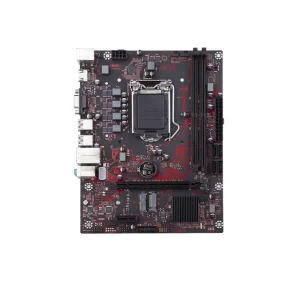
Explore our wide array of high-grade memory modules, processing boards, and cooling hardware optimized for Norwegian enterprise infrastructures.
Partner with a verified manufacturer. Get reliable advice on materials selection, layer stackups, and SMT parameters optimized for the Norwegian market.
Send Inquiry Now