NexaRAM
NexaRAM
NexaRAM
High-performance engineering elements designed to support robust, continuous UV emission circuits and high-output biological sterilization applications.
New Zealand is globally recognized for its pristine ecosystem, robust agricultural export economy, and stringent biosecurity laws. The nation's primary industries—viticulture in Marlborough, extensive dairy operations in the Waikato, and horticulture in the Bay of Plenty—rely heavily on Maintaining the highest hygienic standards. As a result, the transition from traditional chemical disinfectants (like chlorine, peracetic acid, and ozone) to clean, zero-residue technologies has accelerated rapidly over the last decade.
Concurrently, the legacy of municipal water safety challenges, highlighted by historical public waterborne outbreaks (such as the Havelock North contamination event) and institutionalized under the regulatory oversight of Taumata Arowai (New Zealand's Water Services Regulator), has mandated the deployment of multi-barrier disinfection infrastructures. In these demanding environments, solid-state ultraviolet (specifically UVC LED) radiation technology stands out as a highly reliable, energy-efficient barrier against protozoa (like Cryptosporidium and Giardia), bacteria (such as Escherichia coli and Campylobacter), and virus strains.
Unlike mercury-vapor discharge lamps, which have been standard in ultraviolet disinfection for decades, UVC LED modules align with the targets of the **Minamata Convention on Mercury**, which New Zealand has signed and proactively supports. The complete elimination of toxic mercury from sanitization equipment ensures there is no risk of hazardous contamination in food pipelines, consumer water wells, or sensitive marine conservation zones. This eco-friendly, solid-state alternative is crucial to safeguarding New Zealand's "Clean and Green" brand equity.
Developing UVC LED systems is fundamentally different from designing visible light LED modules. UVC light (typically wavelengths ranging from 200nm to 280nm) targets the core molecular bonds of nucleic acids. Maximum germicidal efficiency occurs between 260nm and 270nm, which corresponds to the absorption peak of DNA and RNA molecules. This absorption breaks down the double helix, rendering pathogens incapable of replication and infection.
However, UVC LEDs present substantial engineering challenges. High-efficiency deep ultraviolet emission requires Aluminum Gallium Nitride (AlGaN) semiconductor layers. Currently, the external quantum efficiency (EQE) of AlGaN UVC devices ranges between 3% and 10%. This means that 90% to 97% of the electrical energy supplied to the LED is converted directly into heat within the semiconductor die.
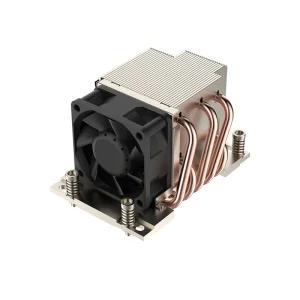
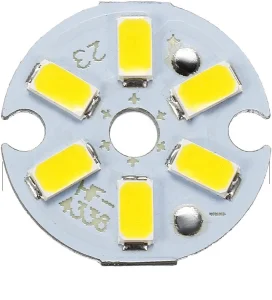
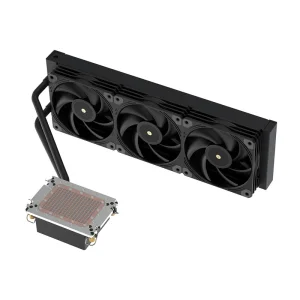
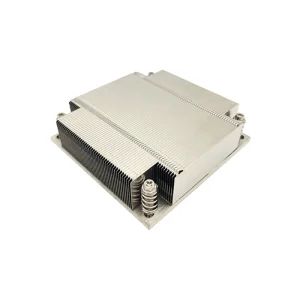
Without state-of-the-art thermal engineering, thermal buildup at the p-n junction causes rapid spectral shifts, output decay (degradation of optical radiant flux), and a drastic drop in operating lifetime. Therefore, professional-grade UVC LED modules must incorporate high-conductivity Metal Core PCBs (MCPCBs) or ceramic direct bonded copper (DBC) substrates. These systems require optimized thermal interfaces, high-capacity copper heat sinks, and, in high-intensity applications, advanced active liquid cooling loops or heat-pipe radiators to maintain junction temperatures well below 60°C.
For procurement managers and system integrators in New Zealand, sourcing high-power UVC LED subsystems presents major supply chain challenges. Unlike consumer electronics, industrial-grade UV components must operate under harsh conditions: high humidity in agricultural packaging facilities, corrosive environments in wastewater processing centers, and continuous operating cycles in food manufacturing plants.
The global sourcing landscape is divided between tier-one semiconductor suppliers and custom sub-assembly manufacturers. Finding reliable suppliers that can bridge the gap between high-level semiconductor wafers and ready-to-integrate mechanical modules is critical. Buyers must look beyond the initial purchase price and evaluate the **Total Cost of Ownership (TCO)**, which includes operating efficiency, maintenance cycles, and degradation parameters (L70/L90 ratings).
Customization is another key challenge. Standard off-the-shelf modules rarely match the specific dimensions, power requirements, or fluid dynamics of specialized industrial disinfection machinery. Therefore, strategic sourcing partners must provide customized solutions, including:
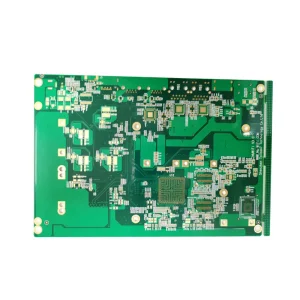
NexaRAM Storage Technology Co., Ltd. addresses these global sourcing challenges by combining cutting-edge high-frequency semiconductor manufacturing expertise with advanced SMT (Surface Mount Technology) assembly lines. Our Factory 4.0 production ecosystem utilizes automation to guarantee both high yield and quality control.
Established in 2016, NexaRAM brings 12 years of industry experience in high-precision electronics, advanced PCB development, and complex semiconductor designs to the UVC LED market. Operating from a modern production and testing facility, we maintain strong quality controls that ensure all manufactured modules deliver stable, long-term performance.
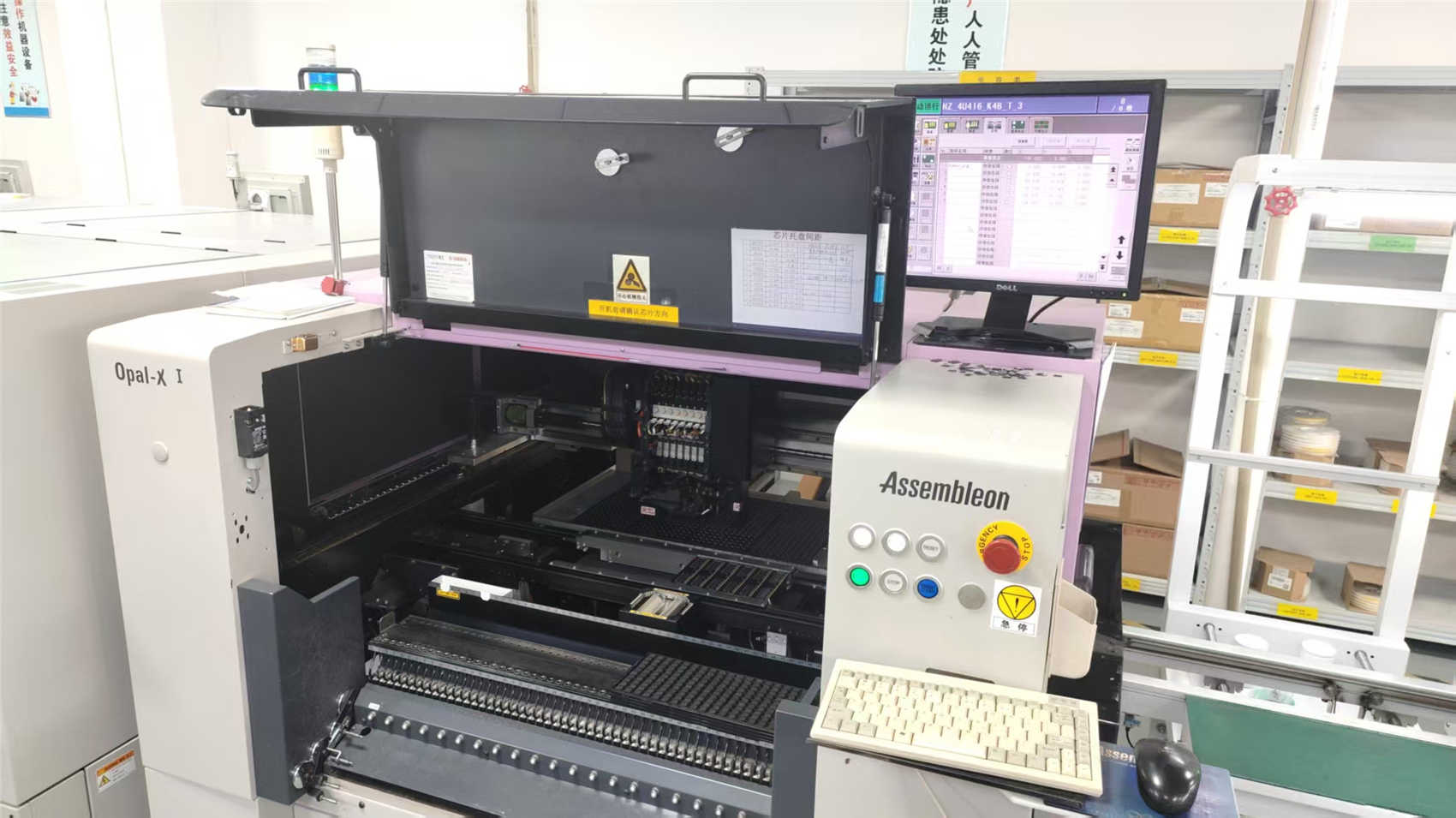
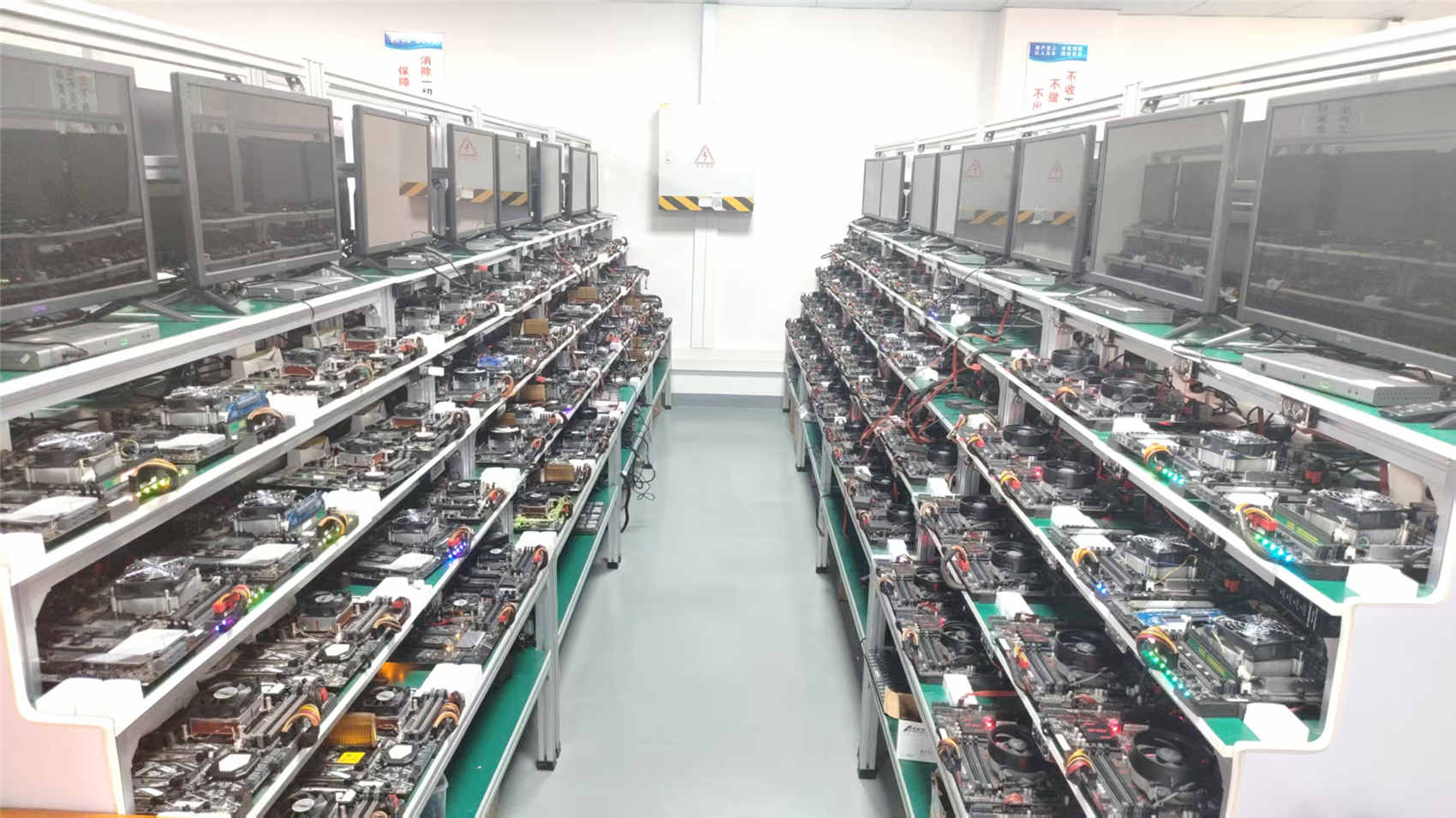
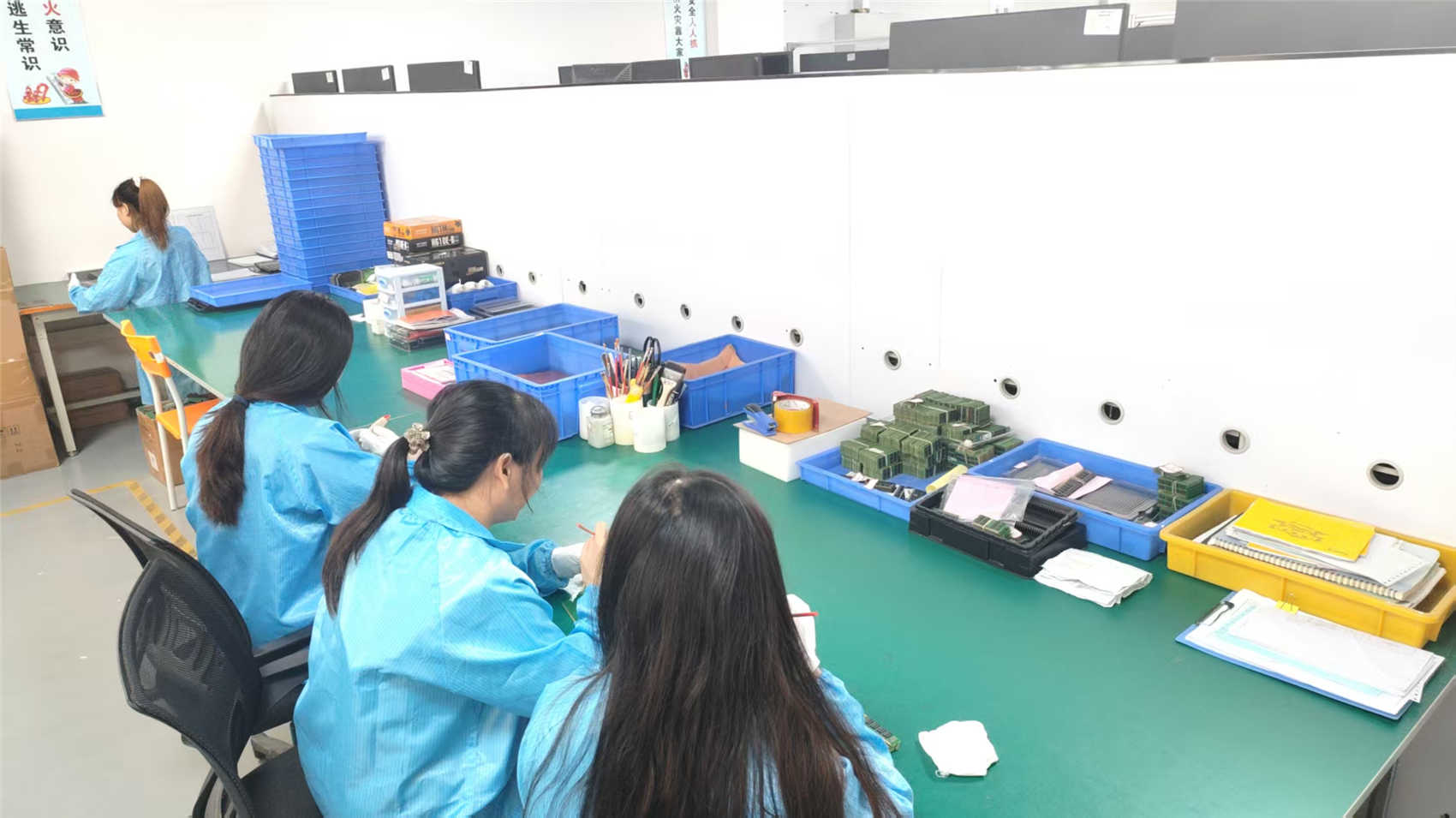
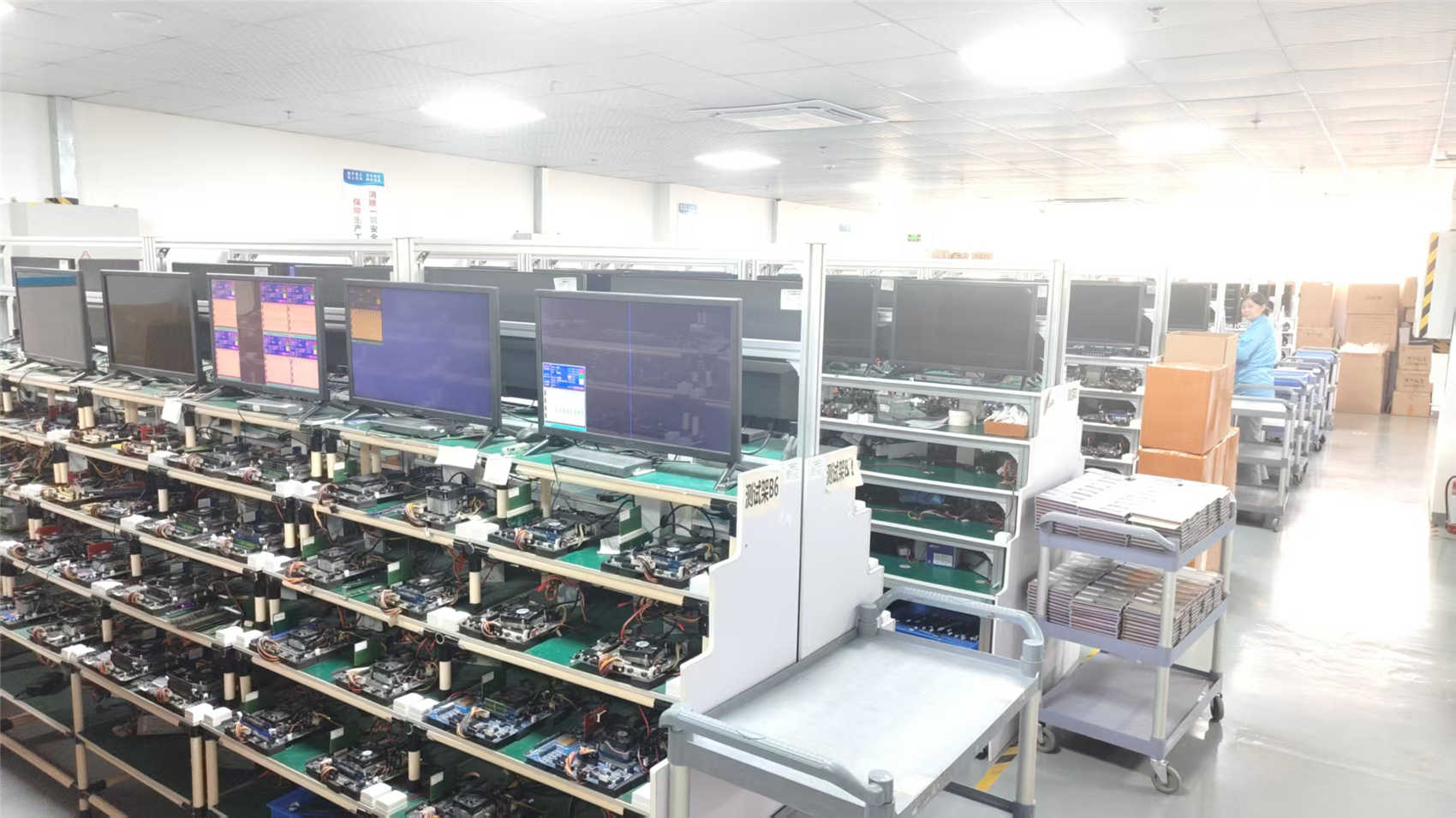
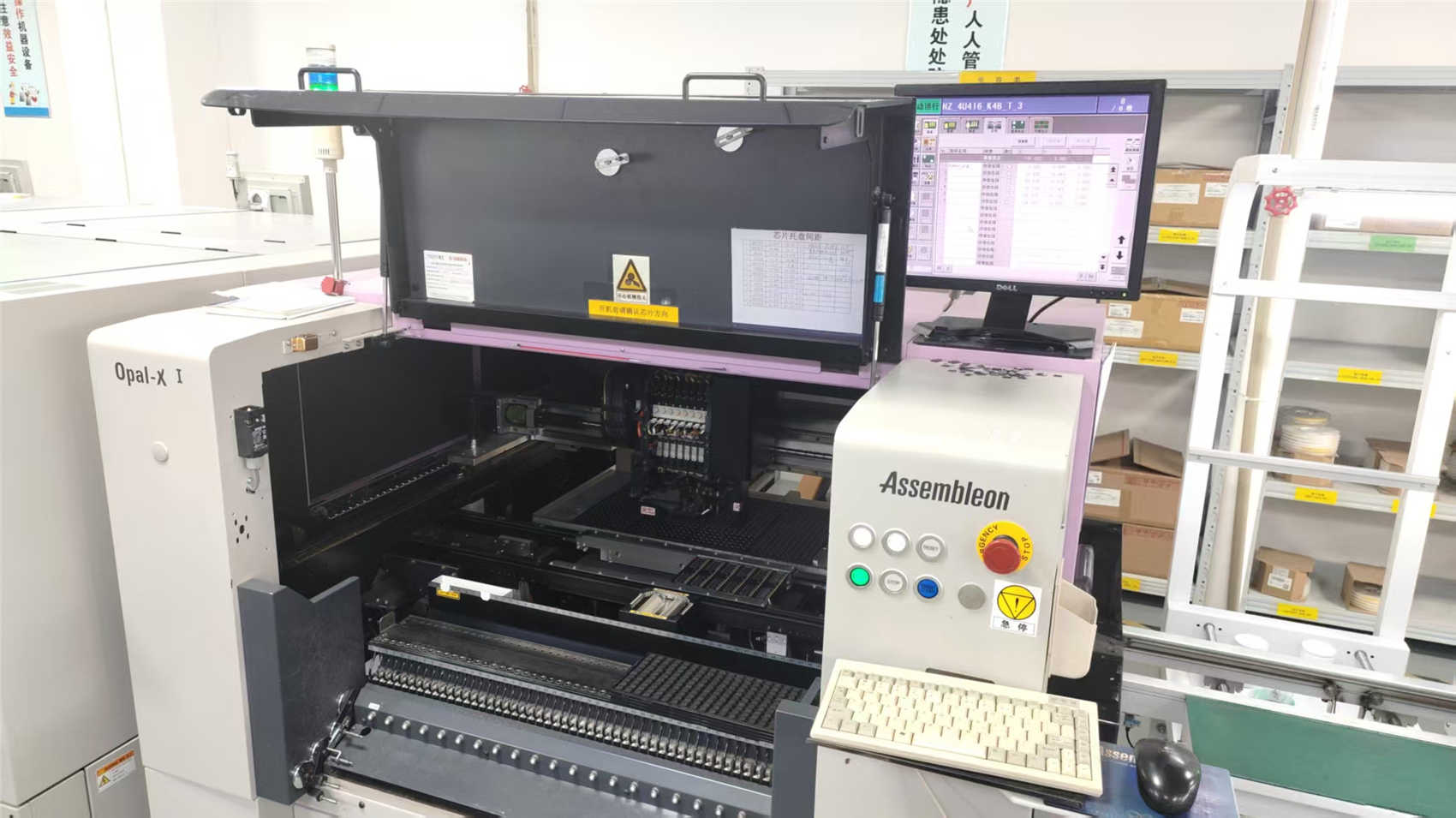
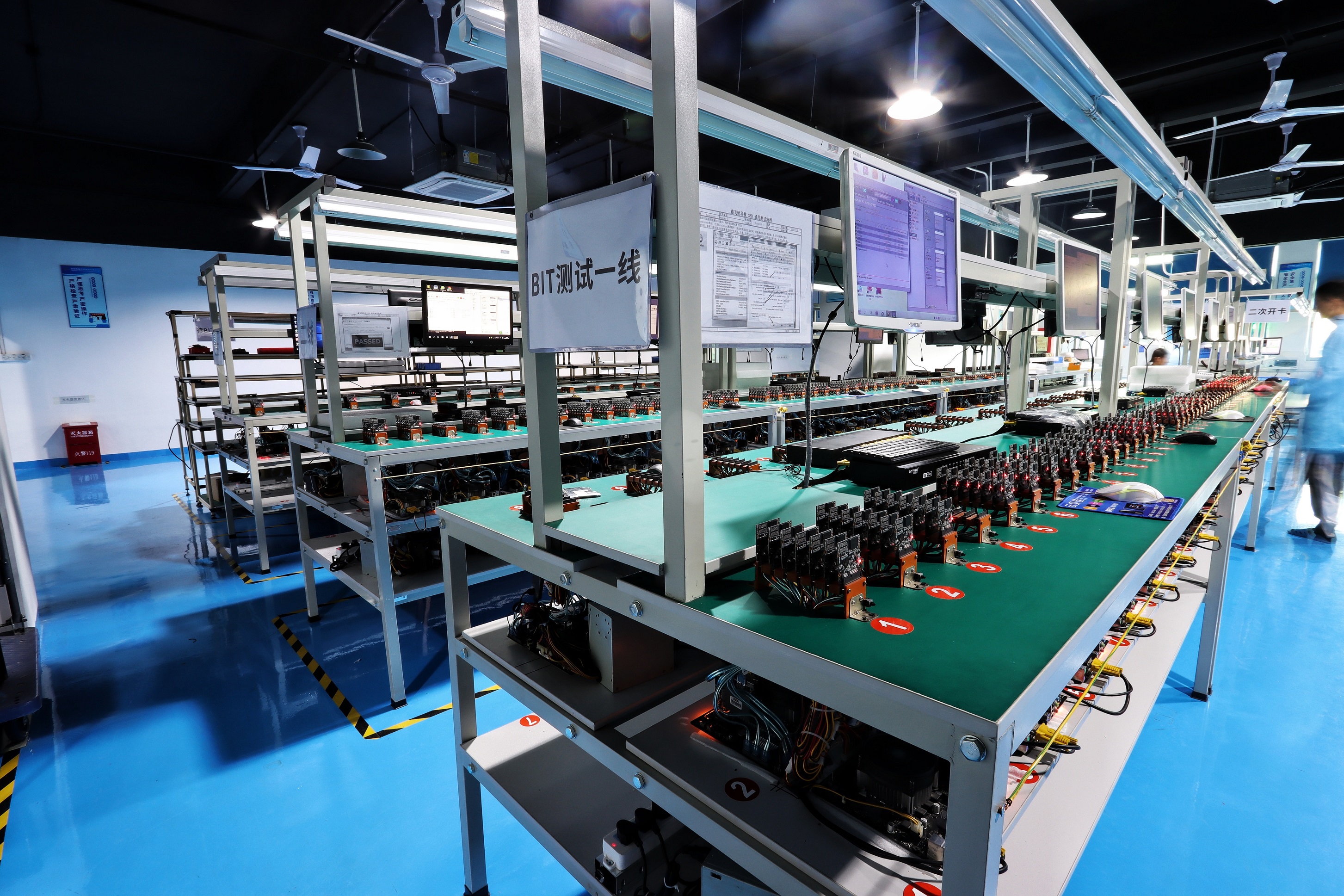
Quality control at our facility is strictly enforced. Backed by 35 dedicated QC inspectors, we perform 100% Automated Optical Inspection (AOI) alongside extensive burn-in reliability testing. Our factory leverages a network of over 850 strategic supply chain partners, guaranteeing a steady supply of premium ceramic substrates, high-grade quartz optics, and high-efficiency AlGaN chips. Supported by a dedicated R&D team of 180 engineers, we continuously develop state-of-the-art solid-state disinfection solutions tailored for international export markets, including North America, Europe, and the Oceania region.
Transitioning to UVC LED systems provides immediate, practical benefits across several sectors of New Zealand’s economy:
Rural New Zealand agricultural communities often pull water from shallow boreholes, leaving them vulnerable to agricultural runoff containing pathogenic bacteria. Standard water disinfection methods are difficult to maintain on remote properties. Our high-efficiency UVC LED systems offer instant-on, low-power water sanitization. They run reliably on local solar power or off-grid battery packs without requiring regular bulb replacements or chemical refills.
Maintaining hygienic conditions is essential for dairy export pipelines and poultry facilities. Integrated UVC LED arrays can continuously sanitize surface conveyors, slicing machines, and packaging materials without introducing heat or moisture. This helps prevent cross-contamination by pathogens such as Listeria monocytogenes and Salmonella, supporting compliance with strict MPI food safety regulations.
Powdery mildew and botrytis are persistent issues in New Zealand’s apple orchards and vineyards. Standard chemical fungicides raise environmental concerns and run the risk of residue contamination. Using UVC LED modules at night—when plants cannot run photoreactivation defense systems—helps suppress fungal spread, lowering chemical use and supporting organic farming initiatives.
Protecting New Zealand’s coastal waterways and aquaculture installations from invasive species is critical. Incorporating low-profile UVC LED modules directly into ship hulls, sea chests, and intake lines helps prevent biofouling (such as algae and barnacle buildup). This approach improves fuel efficiency and prevents the spread of non-indigenous marine species without releasing heavy metal contaminants into the marine ecosystem.
Deep-dive technical answers regarding the integration, deployment, and performance of solid-state UVC systems in industrial operations.
Explore our comprehensive range of high-reliability components designed to optimize performance in demanding industrial environments.
Leverage our 12+ years of semiconductor manufacturing and SMT fabrication expertise. We collaborate closely with engineers, municipal developers, and system designers to create custom, reliable UVC LED modules for New Zealand and global markets.