NexaRAM
NexaRAM
NexaRAM
In the rapidly evolving digital landscape, high-definition video processing requires specialized, ultra-low latency hardware interfaces. As a premier CE Certified Video Capture Cards Manufacturer, we deliver enterprise-grade hardware that seamlessly bridges professional imaging, medical visualization, broadcasting, and consumer streaming ecosystems. Compliance with European Conformity (CE) guidelines ensures safety, electromagnetic compatibility, and structural reliability at scale.
Modern video workflows demand zero frame loss and near-zero latency. Traditional software processing pipelines create excessive overhead, which is why specialized PCI Express (PCIe) and high-speed USB 3.2 Gen2/USB4 capture hardware is critical. By implementing FPGA (Field Programmable Gate Array) and ASIC controllers directly on the PCB, our video capture cards handle high-performance color space conversion (such as YUY2, NV12, and RGB24) without taxing the host computer CPU.
Furthermore, CE certification serves as a baseline filter for international B2B buyers. It guarantees that our equipment operates within safe emission thresholds, preventing interference with other critical high-frequency hardware inside server rooms and broadcasting suites.
The video capture card industry is shifting toward higher resolutions, advanced codecs, and hardware-accelerated processing. Organizations must understand these trends to optimize their long-term infrastructure investments.
With high-resolution displays becoming standard, industries are moving away from 1080p. Broadcasters and medical professionals require native 4K and 8K capture at 60 frames per second to preserve diagnostic details and broadcast clarity.
AI scaling, noise reduction, and automated color correction are being integrated directly into the physical hardware layer of the capture device, enabling real-time processing prior to software encoding.
Next-generation capture cards offer onboard encoding capabilities, reducing the CPU/GPU workload of the host computer. The shift to AV1 ensures superior quality at a fraction of the bandwidth.
As a division of NexaRAM Storage Technology Co., Ltd., we bring our long-standing expertise in high-speed semiconductor assemblies, high-frequency PCB architecture, and thermal dynamics to the production of high-performance CE Certified Video Capture Cards.
Established in 2016, NexaRAM has rapidly developed into a reliable supplier in the advanced DRAM and semiconductor industry. With 6 years of export experience and 12 years of industry experience in high-precision micro-electronics, our manufacturing ecosystem is optimized for high-bandwidth interfaces.
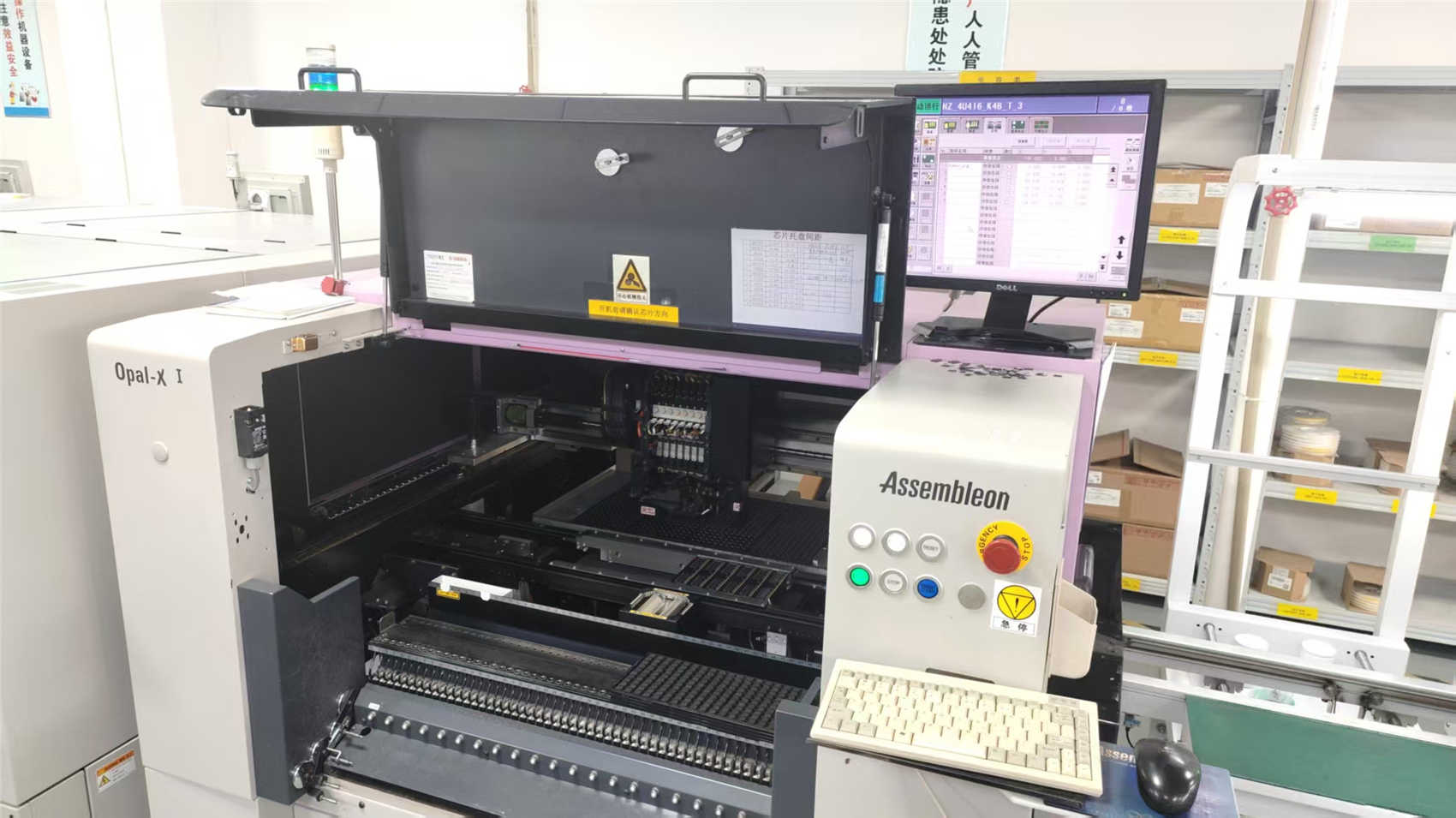
Our facility is equipped with advanced manufacturing, mounting, and testing equipment to ensure stable and efficient production capacity. This technical setup is crucial for high-speed video capture cards, which operate under extreme data rates (such as HDMI 2.1 and PCIe Gen4 x4) and require precise impedance control and robust heat dissipation profiles.
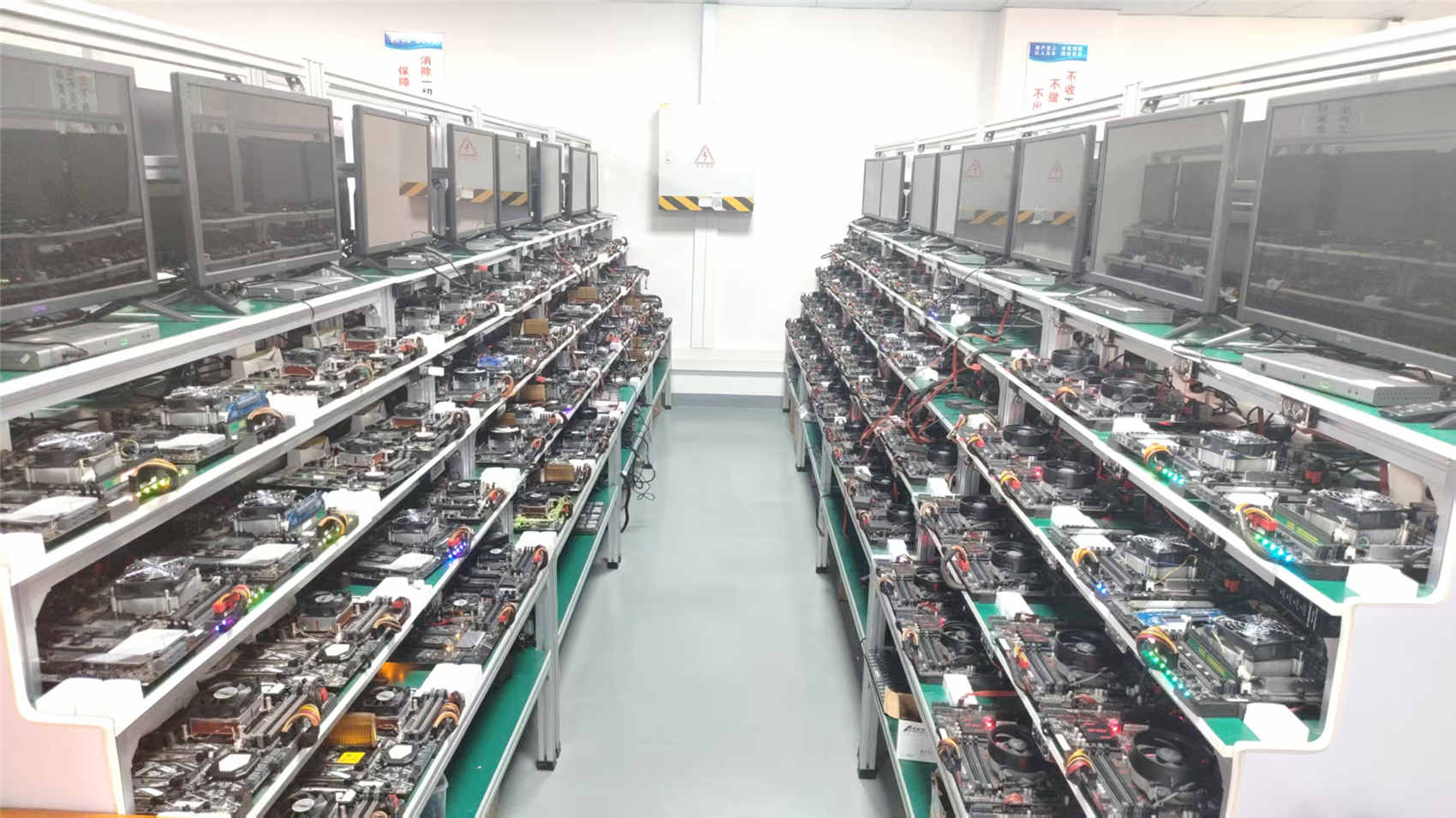
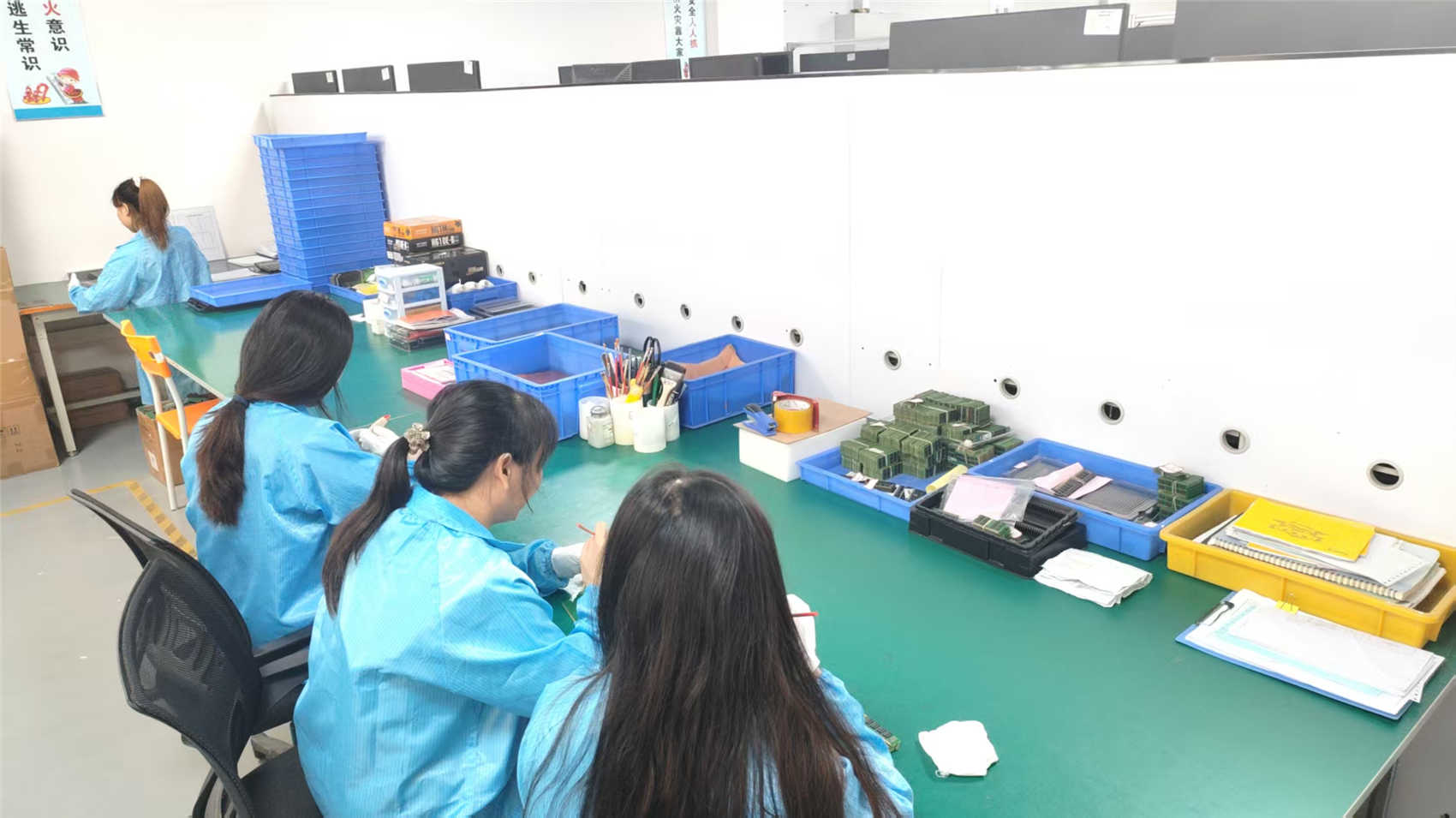
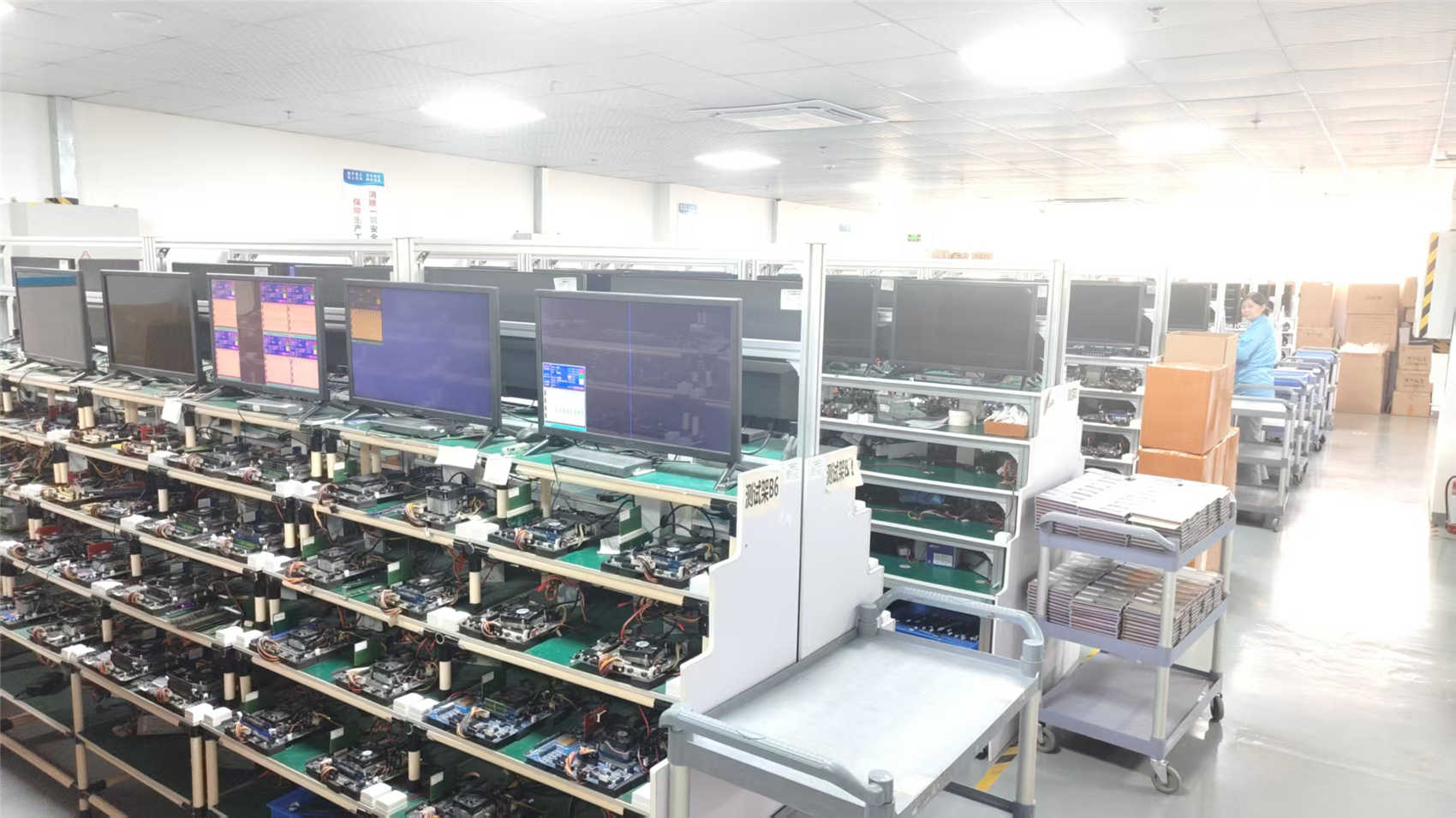
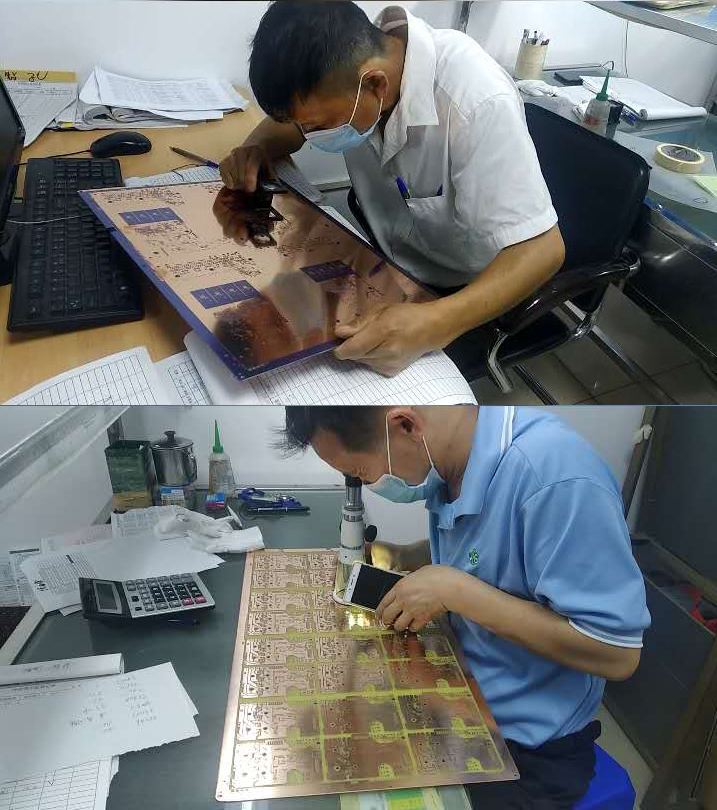
Quality control is strictly managed through a combination of Automated Optical Inspection (AOI), x-ray inspection, and burn-in reliability testing. Our dedicated quality control team works continuously to verify that every video capture card that leaves our production line is fully functional and certified to perform under demanding conditions.
Furthermore, our deep integration with global supply chain ecosystems allows us to secure raw high-grade components (ICs, passive components, premium multi-layer PCBs) even during volatile market cycles. This guarantees stable production schedules and lead times for our OEM/ODM procurement partners.
Different sectors have varying requirements for capture hardware. Our design architecture is modular, allowing customization to serve multiple high-performance environments.
| Industry Verticals | Technical Demands | Solution Implemented | Compliance Priority |
|---|---|---|---|
| Medical Imaging | Zero compression, color-accurate 4K 60Hz feed from endoscopes/microscopes. | 10-bit deep color HDR capture cards with PCIe interface and SDK support. | CE EN 60601-1 (Medical grade compatibility), FCC, RoHS. |
| Broadcasting & Media | Multi-channel SDI/HDMI inputs, sub-frame latency, loop-through outputs. | 4-channel PCIe capture cards with onboard FPGA scaling and audio embedding. | CE EMC Directive 2014/30/EU, EN 55032. |
| Industrial Inspection | High reliability in high-temperature environments, compatibility with custom OS. | Industrial wide-temp PCBs with specialized active cooling and custom Linux drivers. | LVD Directive 2014/35/EU, Vibration resistance testing. |
| Corporate AV & Gaming | Plug-and-play UVC protocol support, compatible with OBS, Teams, Zoom. | Driver-free USB 3.0 dongles and capture cards with hardware downscaling. | Standard CE, FCC Class B. |
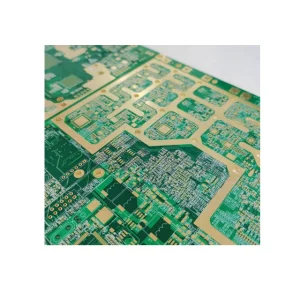
Our engineering team offers custom hardware layouts, frequency tuning, and thermal solution development to fit space-constrained server racks or mobile capture kits. By utilizing high-frequency Rogers 4000 series or premium high-TG FR4 PCBs, we guarantee signal integrity even over long trace lines. This capability is critical for system integrators who need custom form-factor capture modules that interface directly with embedded boards or customized graphics systems.
For importers and distributors targeting European markets, purchasing non-compliant video hardware risks regulatory penalties and custom holds. We prioritize compliance at every step.
Our video capture cards are designed and tested to ensure they do not emit harmful electromagnetic interference (EMI) and are resistant to electrostatic discharges (ESD) in professional environments.
We implement safety standards at the power input stage. Multi-layer overcurrent protection and proper grounding paths prevent component failure and thermal hazards.
All raw materials—including lead-free solder pastes and mercury-free plastics—meet the strictest environmental directives, ensuring safety and compliance in global logistics.
We continuously update our hardware designs to match evolving PC standards and high-speed data transmission interfaces.
Developing PCIe Gen 4 x4 multi-channel designs capable of uncompressed 4K 120Hz capture, targeting specialized broadcasting setups and simulator environments.
Integrating next-gen dedicated hardware encoders directly on-board to support real-time AV1 encoding, lowering network bandwidth requirements for stream syndication.
Deploying compact external capture units utilizing USB4 interfaces, supporting dual-input 4K 60FPS video pipelines via a single connection.
A visual overview of our manufacturing processes, including component positioning, optical validation, and automated diagnostic checks.
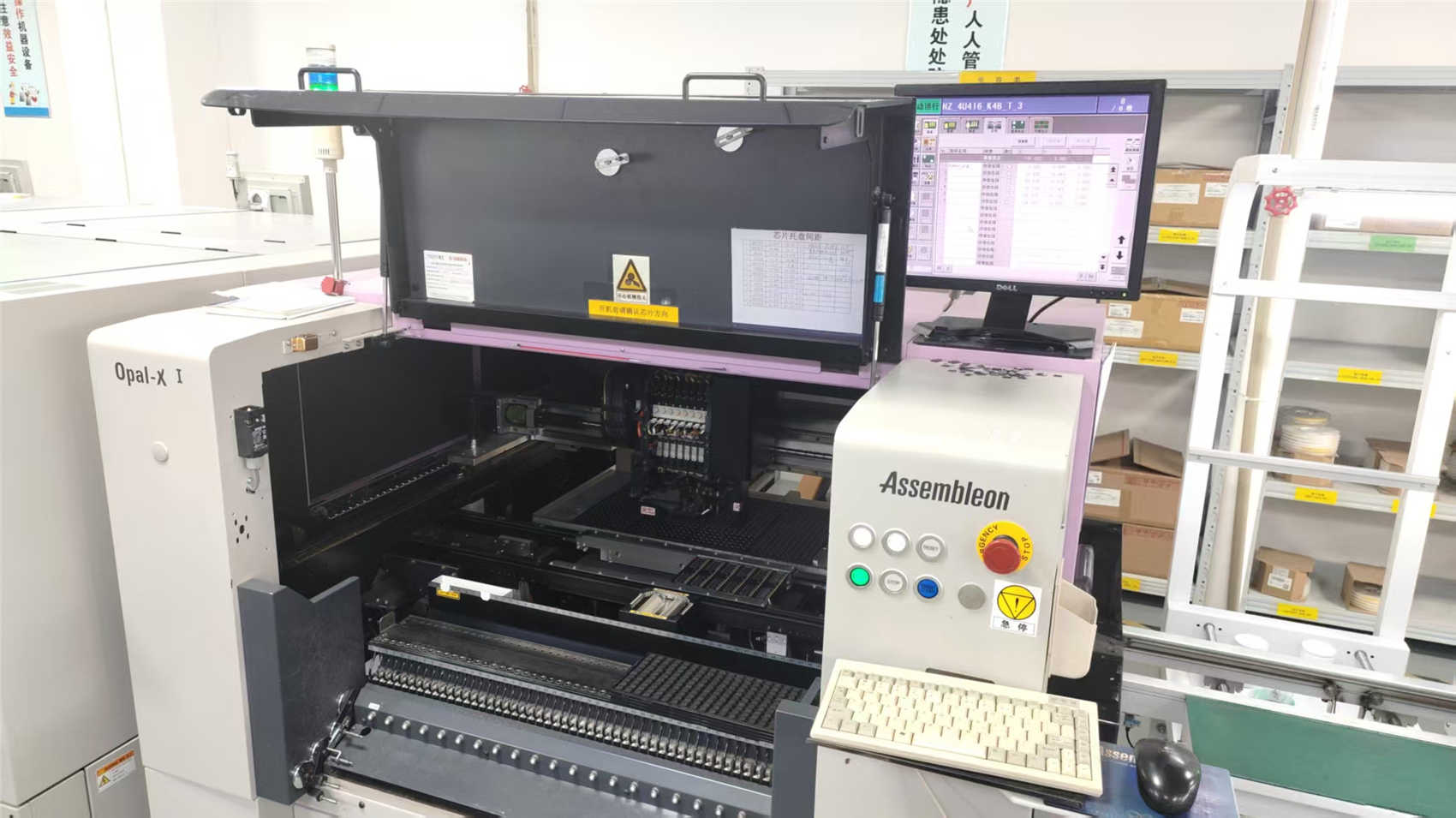
Multi-layer High-Frequency PCB SMT Line
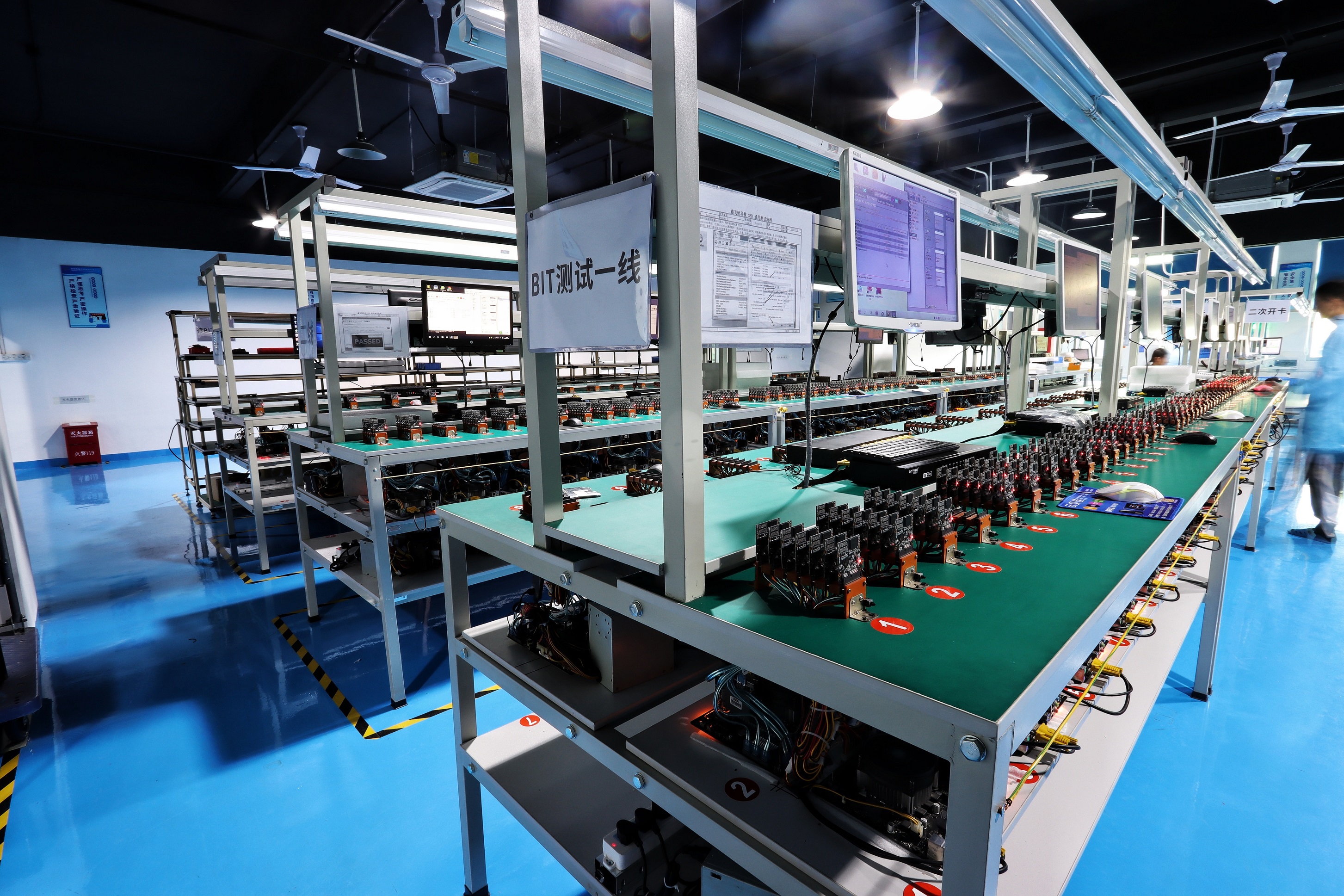
Automated Component Inspection Station
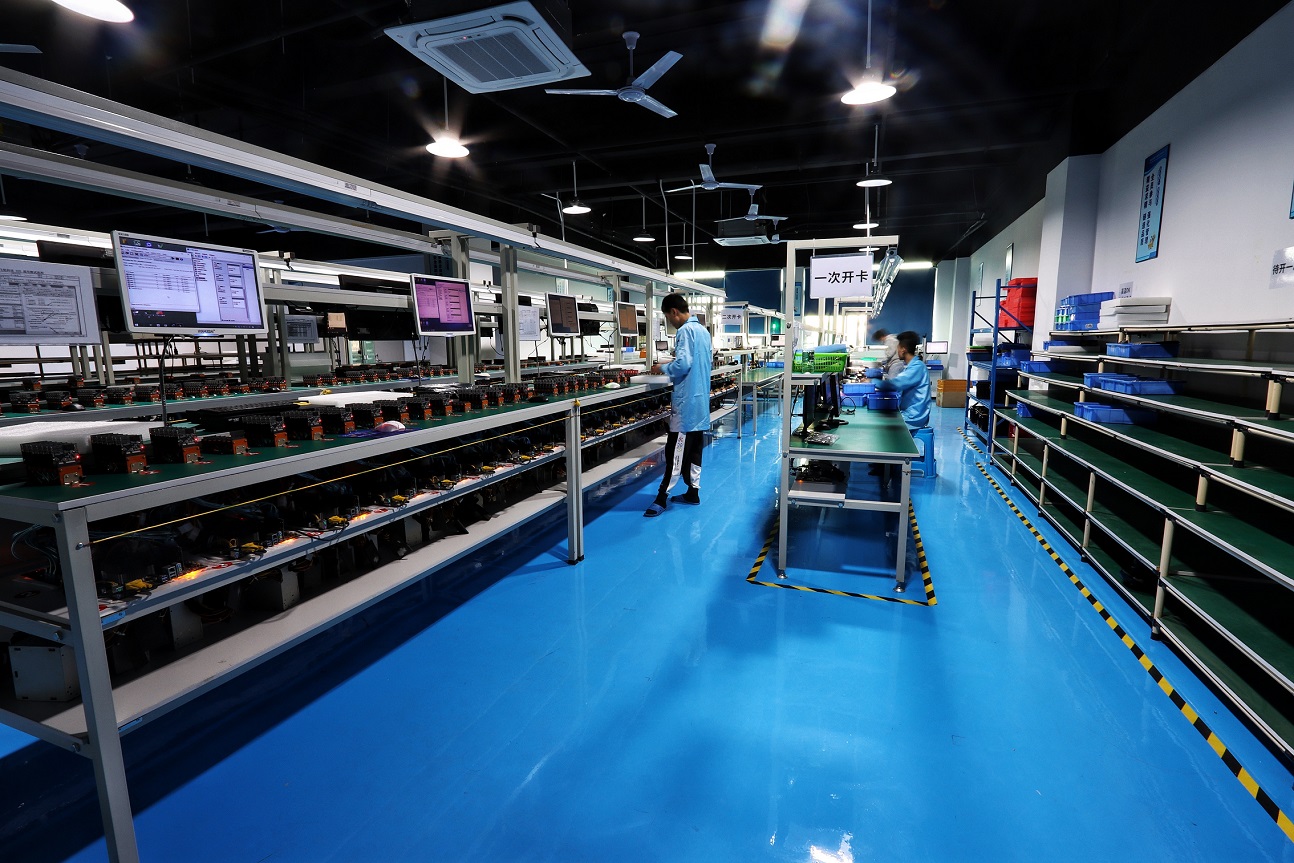
Precision Optical Alignment & Placement
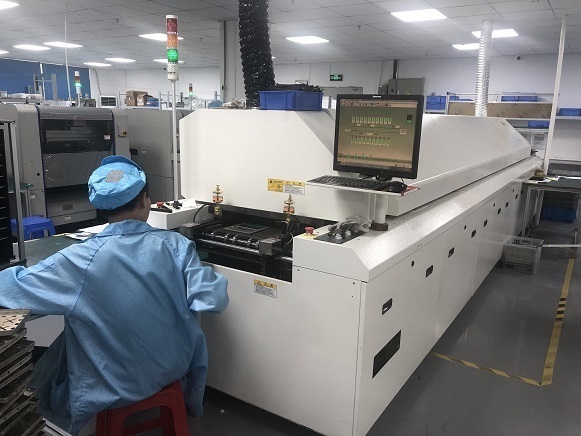
Signal Integrity Calibration & Quality Control
Advanced Reflow Oven for Lead-Free Assemblies
Common questions from system integrators, distributors, and B2B buyers regarding our video capture solutions and compliance frameworks.