NexaRAM NexaRAM

China Best Server Cooling Solutions Supplier & Exporters

Next-Generation Thermal Management & High-Performance Enterprise Memory Integration for Scalable Data Centers

12+
Years Industry Experience
$12M
Annual Export Revenue
850+
Supply Chain Partners
180+
R&D Engineers
Technical Whitepaper

Next-Generation Server Cooling & Semiconductor Integration

As hyperscale cloud environments, edge intelligence networks, and modern deep-learning clusters continue to scale globally, heat generation inside the server chassis has become a critical bottleneck. System engineers are encountering massive design challenges due to escalating Thermal Design Power (TDP) constraints in modern CPUs and high-density memory sub-systems. Keeping server microarchitectures beneath critical thermal thresholds is essential to avoid thermal throttling, safeguard system lifespan, and improve overall Power Usage Effectiveness (PUE).

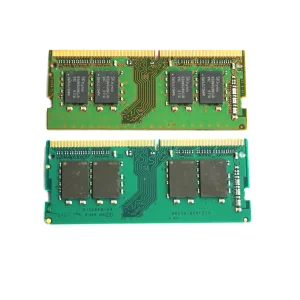
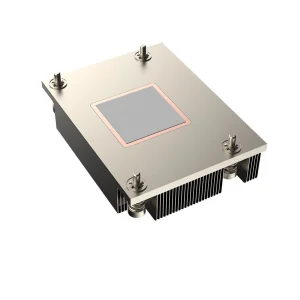
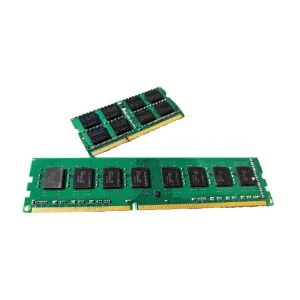
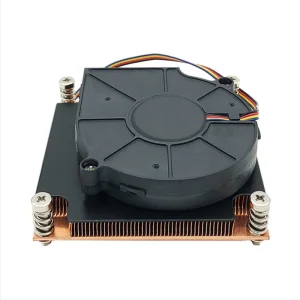
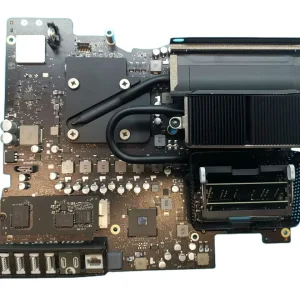
At the core of NexaRAM Storage Technology's philosophy is an understanding that server cooling solutions and semiconductor modules cannot be engineered in isolation. High-frequency RAM, especially DDR5 modules containing on-module Power Management Integrated Circuits (PMICs), produces localized heat signatures that influence surrounding CPU heat sinks. Designing highly thermal-conductive, copper-based server cooling components (such as specialized 1U passive CPU server heat sinks) is therefore crucial to maintain systemic balance.
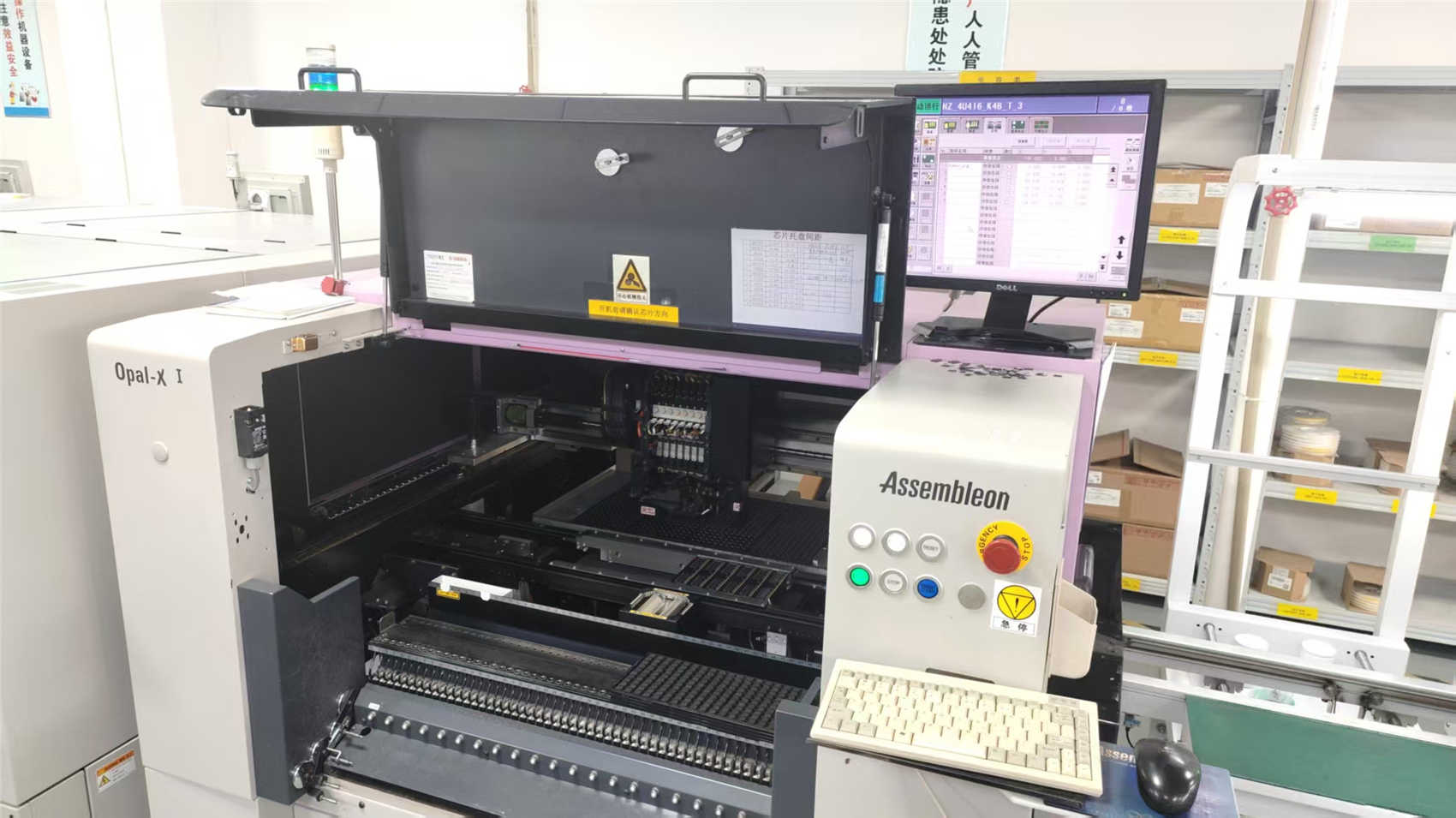
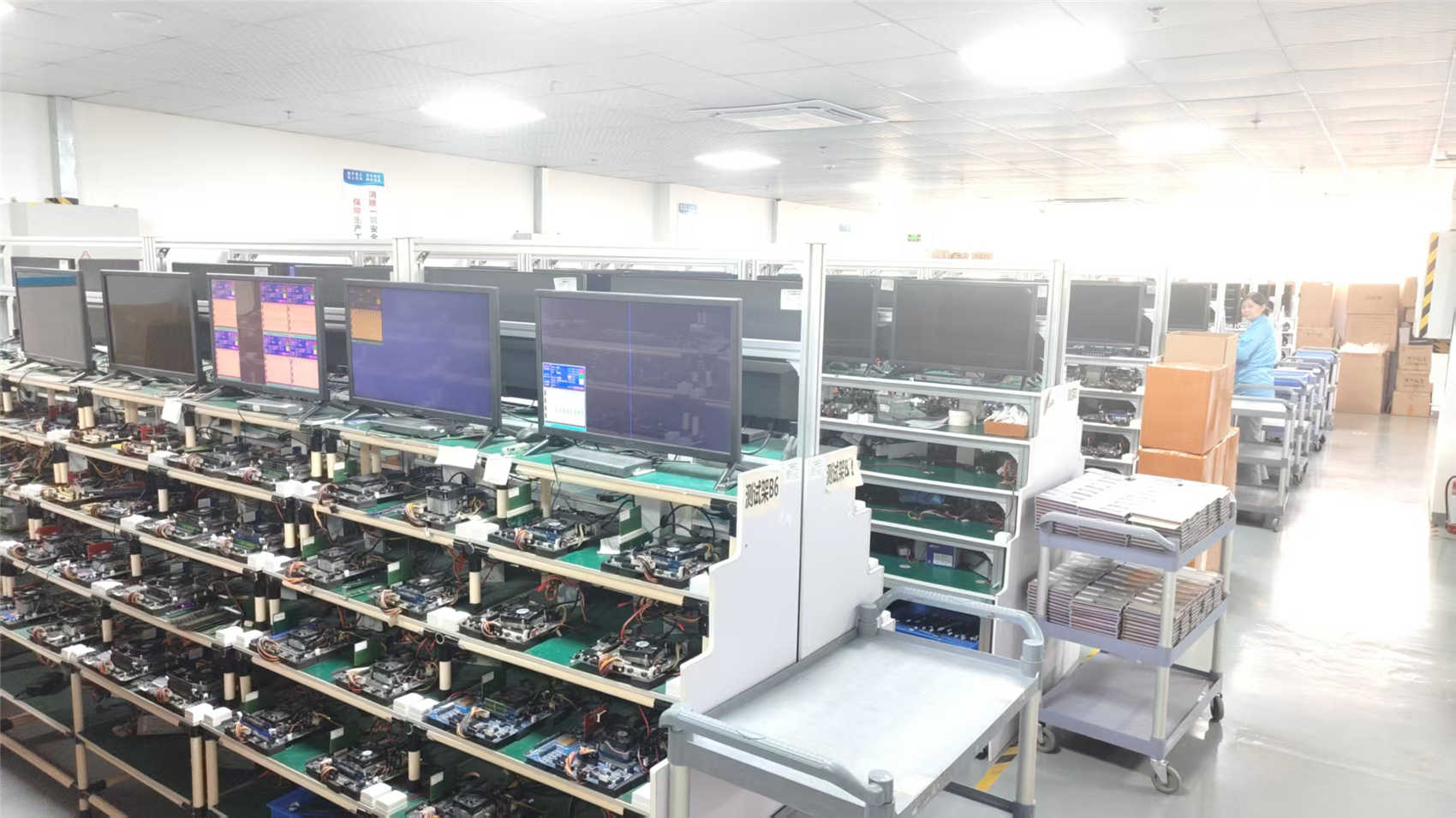
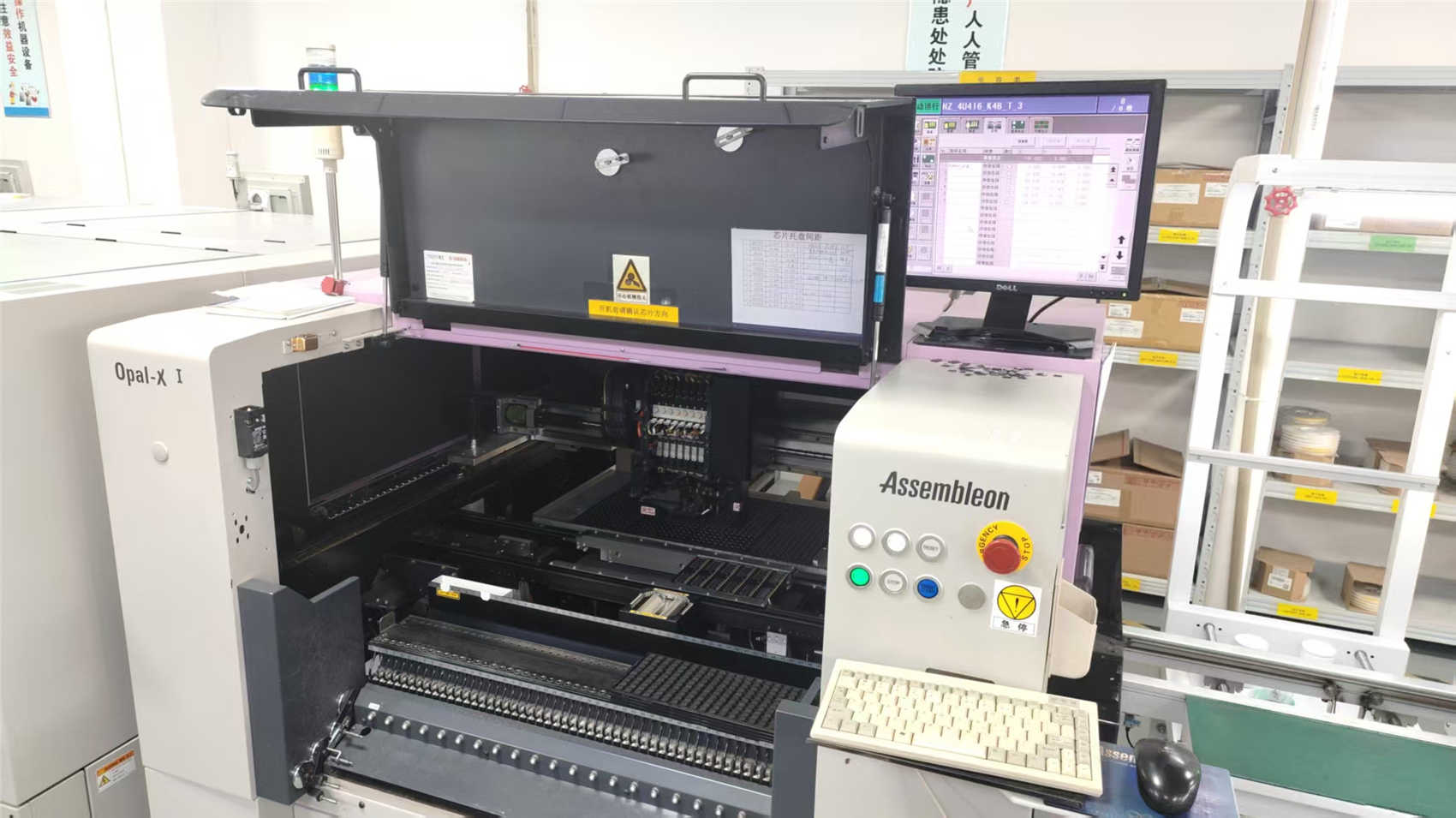
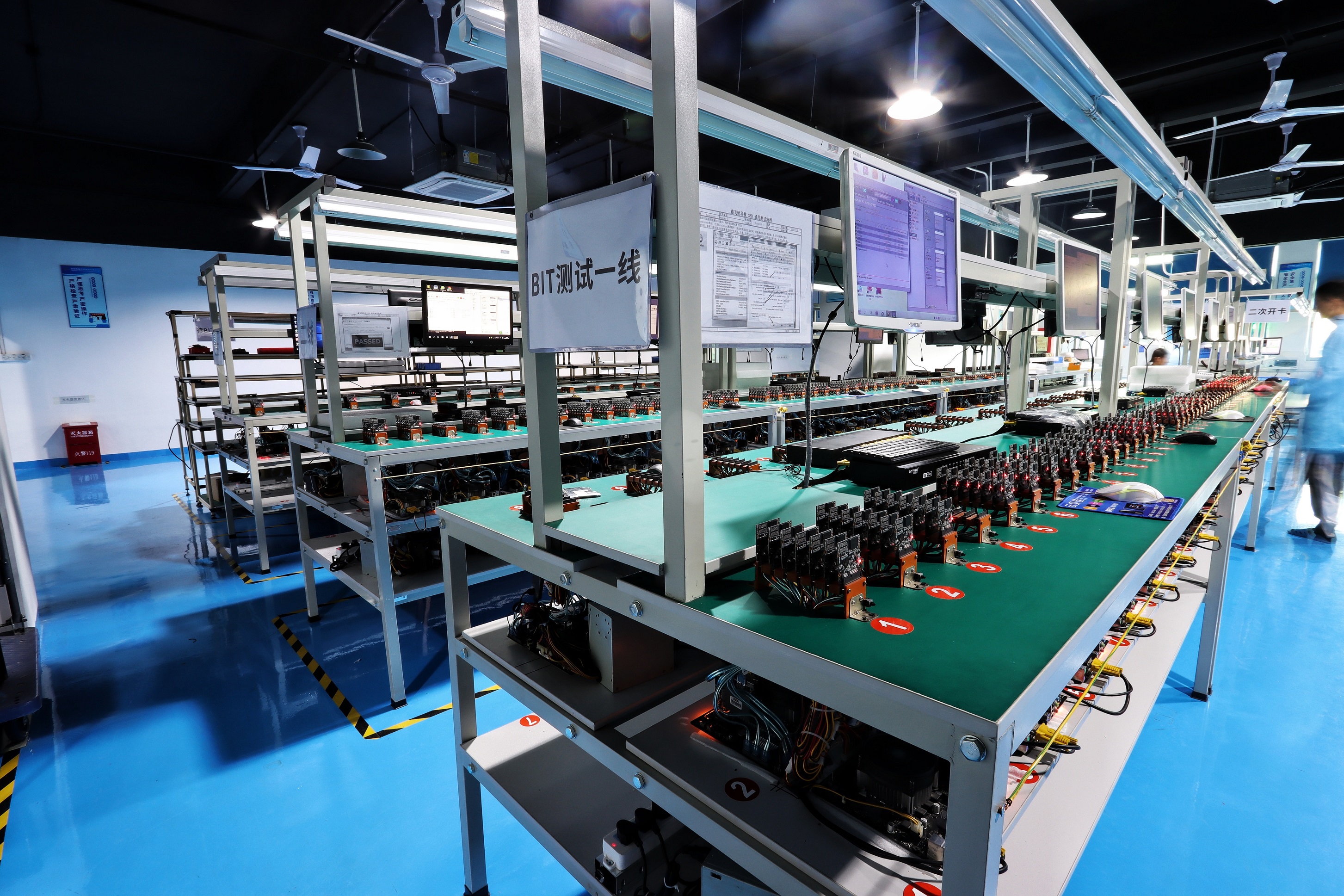
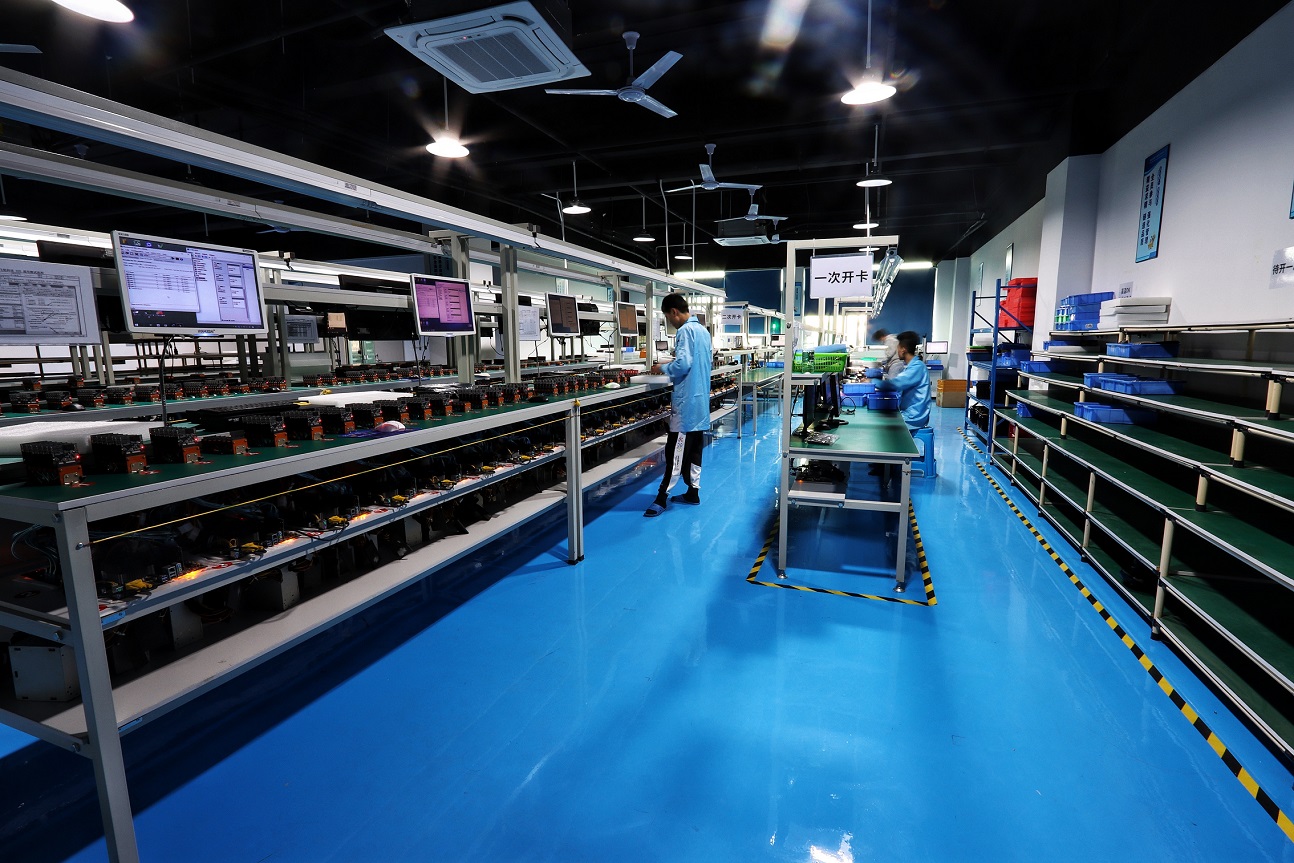
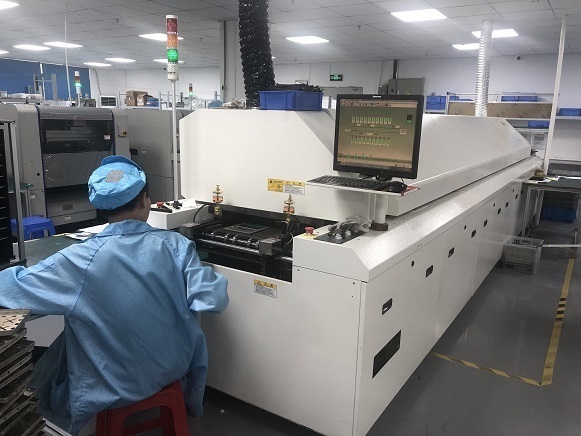
NexaRAM Storage Technology Factory Production

Corporate Profile & Advanced R&D Infrastructure

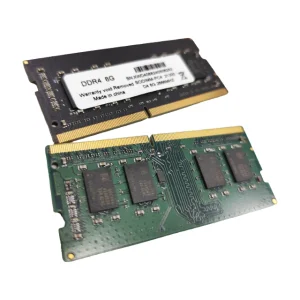
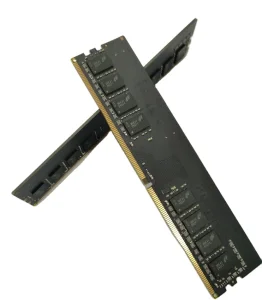
NexaRAM Storage Technology Co., Ltd. is a professional DDR5 memory and high-performance hardware manufacturer specializing in custom components for global OEMs, high-density data centers, and advanced computing infrastructures. Established in 2016, the enterprise has emerged as a cornerstone developer of high-speed memory modules, advanced PCB boards, and thermal solutions.

Operating out of an ultra-precise 320㎡ facility engineered specifically for testing, validation, and micro-assembly calibration, NexaRAM pairs dynamic agility with an extensive global footprint. Harnessing over 12 years of industry experience and 6 years of export expertise, NexaRAM achieves an annual export revenue of approximately USD 12 million, sending premium components to North America, Europe, Southeast Asia, and the Middle East.

Backed by 180 R&D engineers, NexaRAM developed and qualified 120 new product variants in the past year alone. This includes structural customization, frequency optimization, latency tuning, and customized copper/aluminum thermal solutions.

Why Choose China for Server Cooling & Semiconductor Manufacturing?

China represents the most comprehensive industrial ecosystem for thermal components and semiconductor sub-assemblies. The unique concentration of raw materials, metal-working facilities, PCB production, and testing centers provides distinct competitive advantages for global buyers:

1. Integrated Component Ecosystem

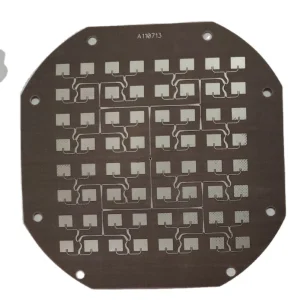
China hosts complete supply chains for raw materials like high-purity copper (critical for 1U server sinks) and precision high-frequency PCB substrates (such as Taconic TLY-5). This minimizes assembly lead times.

2. Advanced Quality Inspection

Utilizing high-end Automated Optical Inspection (AOI), x-ray structural checks, and intensive burn-in testing chambers, Chinese factories deliver components with PPM defect rates comparable to European or Japanese facilities.

3. Agile R&D & Prototyping

With massive design teams, factories can conceptualize, iterate, simulate, and produce physical samples of custom heatsinks or optimized PCB boards within days rather than months.

Global Market Trends in Server Cooling & Heat Dissipation

As cloud infrastructures prepare for 800W+ processors and multi-chip AI accelerators, thermal technology is shifting from simple air-cooled blocks to complex, hybrid-engineered cooling solutions:

  • The Rise of Liquid and Direct-to-Chip (D2C) Cooling: Air cooling remains highly cost-effective and dependable for standard systems. However, hyperscalers are increasingly adopting D2C hybrid cooling systems where copper blocks interface directly with liquid loops to pull heat from high-wattage components.
  • Skived-Fin and Zipper-Fin Heatsink Innovation: Modern passive air cooling relies on sophisticated copper-skiving techniques. This process creates ultra-thin, tightly packed fins from a single block of copper, maximizing surface area without introducing thermal interface resistance at the fin base.
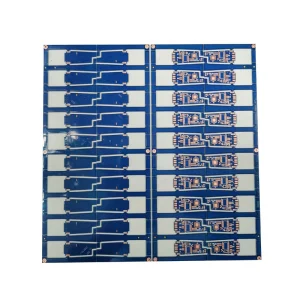
  • The Critical Role of PCB Substrate Thermal Conductivity: The choice of PCB laminate directly affects component heat dissipation. Advanced high-frequency PCBs and aluminum-backed boards are critical for dissipating localized heat generated by power distribution components.
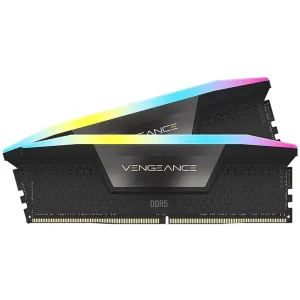
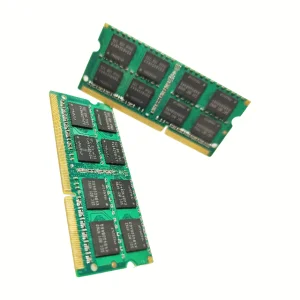
  • DDR5 Thermal Engineering: With the PMIC relocated onto the memory module itself in DDR5, thermal management on memory chips has become a key design criteria. Custom heat-spreaders and structural airflow designs are necessary to protect the RAM from overheating.

Factory Tour, Testing & Quality Control Operations

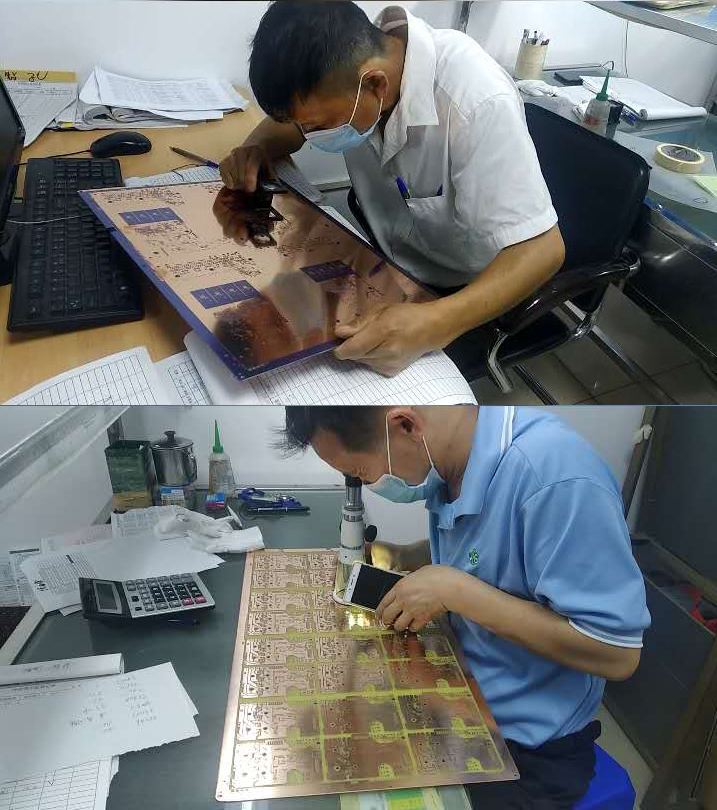
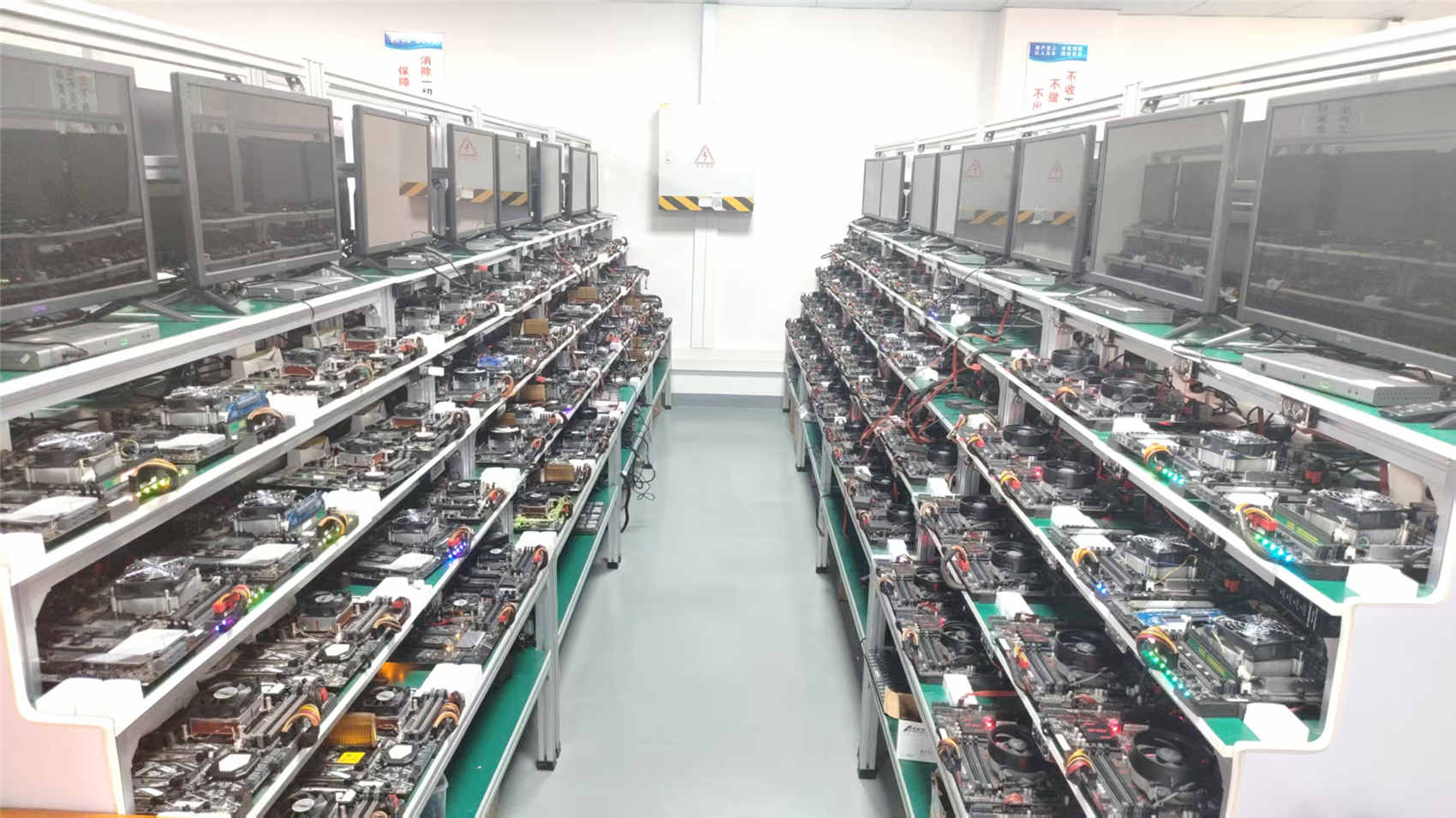
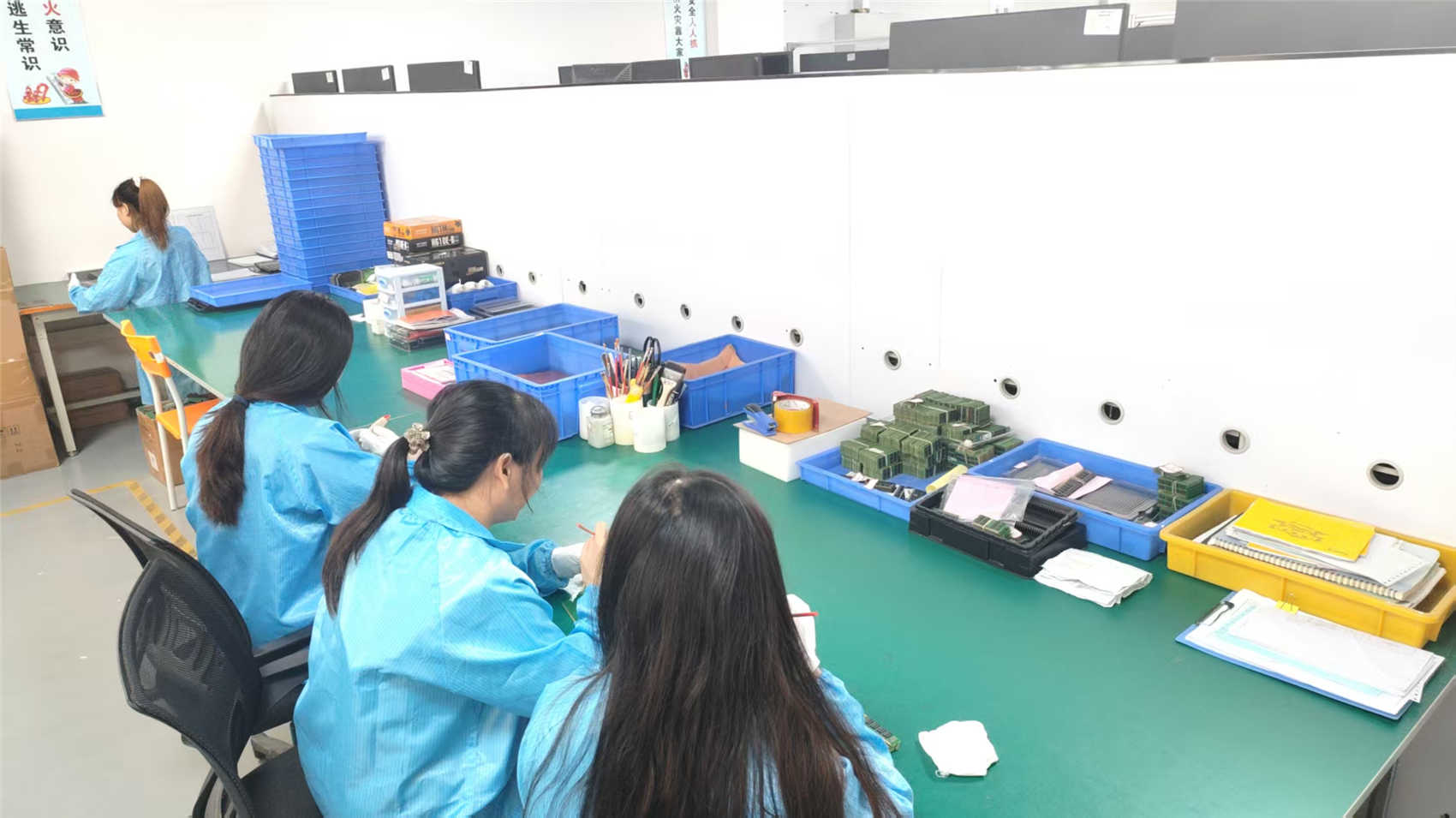
NexaRAM maintains a rigorous quality control program overseen by 35 dedicated QC inspectors. Every single batch of memory modules, server CPU heat sinks, and high-frequency PCBs undergoes a series of strict verification stages, including automated optical scanning, high-temperature load testing, and custom testing jigs.
Macro Industry Solutions & Localized Use Cases

Thermal management and memory products operate within strict physical limits based on their deployment environments:

  • Enterprise Datacenters & High-Density Racks: Implementing 1U passive copper heatsinks with high thermal-conductive interface materials (TIMs) allows standard racks to manage modern processor loads without transitioning to expensive custom liquid loops.
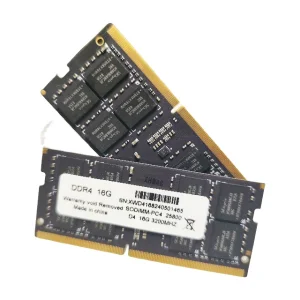
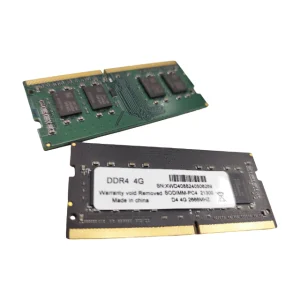
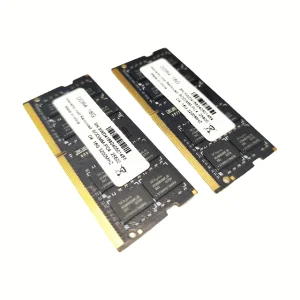
  • Edge Computing Nodes in Industrial Environments: Outdoor edge deployments face high ambient temperatures. Utilizing wide-temperature ECC RAM (such as NexaRAM's DDR4 ECC modules) paired with ruggedized passive heat dissipators ensures continuous operation without active fan failures.
  • AI Training & High-Frequency Trading: These environments demand ultra-fast memory speeds (like DDR5 6400MHz+) and low latencies. The associated heat requires copper-based, multi-pipe passive heat coolers and cooling ducts inside custom rack units.

Comprehensive FAQ: Server Cooling & Memory Solutions

What is the key advantage of copper-based passive CPU heatsinks over aluminum-based alternatives?
Copper has a thermal conductivity of approximately 401 W/mK, which is nearly double that of aluminum (approx. 205 W/mK). For space-constrained environments like 1U and 2U server racks, copper-based passive heatsinks transfer heat away from the processor core much faster. This prevents localized temperature spikes and maintains stable performance under heavy workloads.
How does NexaRAM ensure the reliability of its high-performance DDR5 and DDR4 memory modules?
Every memory module undergoes automated optical inspection (AOI) to verify structural and contact integrity, followed by high-temperature dynamic burn-in testing. These tests are conducted by our quality control team, using dedicated diagnostic testing jigs to simulate real-world, high-stress environments.
Why is ECC (Error-Correcting Code) crucial for enterprise server applications?
ECC memory identifies and corrects single-bit memory errors in real-time, preventing system crashes, data corruption, and unplanned downtime. In high-density server configurations, electromagnetic interference and high heat can increase error rates. Using DDR4 or DDR5 ECC modules is therefore essential for high-availability systems.
Does NexaRAM offer customized thermal solution designs and PCB layouts?
Yes. Backed by our R&D engineering team, NexaRAM offers full OEM/ODM services. This includes custom copper/aluminum heatsink designs for unique server sockets, high-frequency PCB layout optimizations (up to double-layer or multi-layer substrates), customized frequency and latency tuning, and customized packaging options.
What is the standard production and shipping lead time for custom enterprise orders?
Standard lead times vary from 7 to 15 business days depending on order size and custom design complexity. Leveraging our established ecosystem of 850+ supply chain partners, we maintain steady material reserves to minimize production delays and ensure reliable shipping times for global clients.