NexaRAM
NexaRAM
NexaRAM
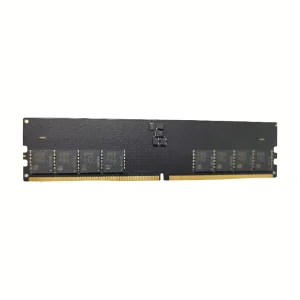
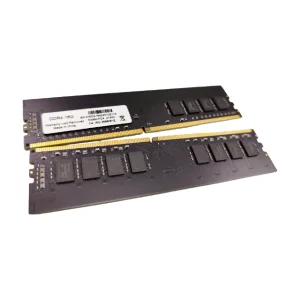
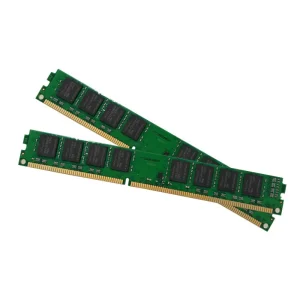
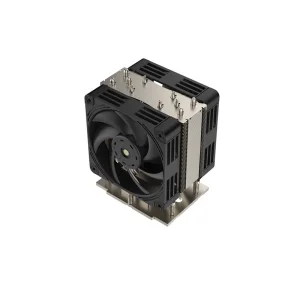
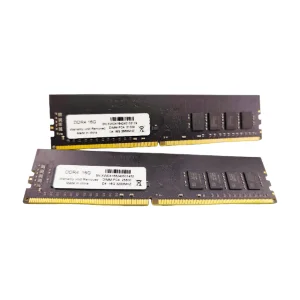
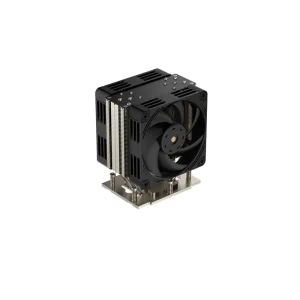
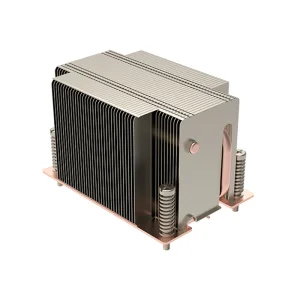
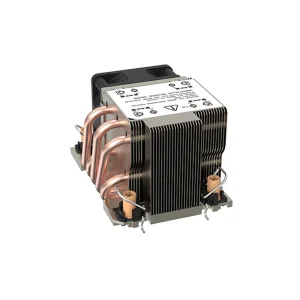
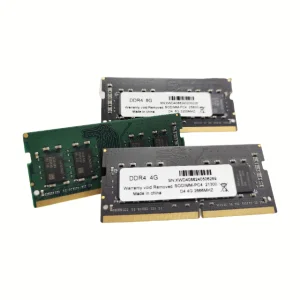
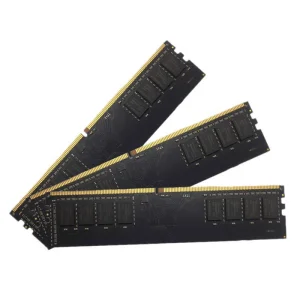
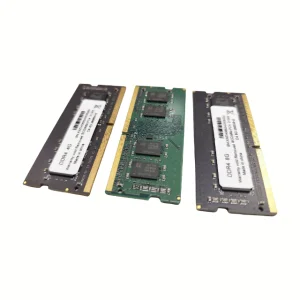
Direct supply of high-performance passive heatsinks, cooling fans, and DDR4/DDR5 system solutions for global OEMs and enterprise hardware integrations.
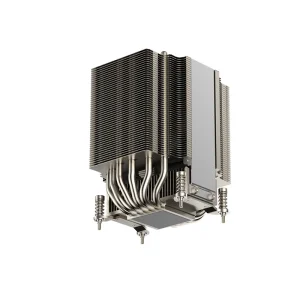
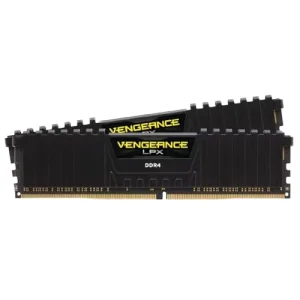
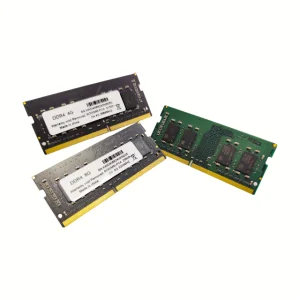
Established in 2016, NexaRAM Storage Technology Co., Ltd. stands as a premier design partner and professional manufacturer of advanced hardware architectures, high-thermal PCB substrates, and system memory platforms. Harnessing over 12 years of industry experience in semiconductor and board-level thermal engineering, our enterprise is focused on resolving critical heat-management issues for next-generation hardware environments.
With an annual export volume reaching approximately USD 12 million and active shipments across North America, Europe, Southeast Asia, and the Middle East, we maintain a robust global trading background. We collaborate closely with top-tier PCB layout designers, material engineers, and system architects to supply robust boards that operate reliably in demanding operating environments.
R&D Engineers & Technicians
Supply Chain Partners
Professional QA Specialists
New Products Released Annually
Analyzing the paradigm shift toward ultra-high thermal conductivity dielectric materials in advanced electronic designs.
The standard 1.0W/m-K thermal conductivity is rapidly yielding to 3.0W/m-K and up to 8.0W/m-K ultra-conductive formulations. These advanced thin-film polymer-ceramic matrices enable minimum thermal impedance under heavy transient power surges.
Transitioning from traditional 1oz to heavy 3oz, 5oz, or 10oz copper cladding. Heavy copper processing ensures high-voltage compatibility, and significantly mitigates the danger of trace delamination under cyclic heat loads.
Moving from basic 1000-series pure aluminum to 5052 and 6061-T6 structured alloys. The newer alloys provide greater mechanical stiffness, tensile integrity, and improved dimensional stability during complex routing and milling steps.
Engineering Note: Standard FR4 substrates exhibit a thermal conductivity of roughly 0.25 W/m-K. In contrast, Aluminum Circuit Boards (MCPCBs) achieve levels from 1.0 W/m-K to over 8.0 W/m-K. This translates to an exponential increase in thermal dissipation efficiency, allowing power semiconductor packages to run up to 30°C cooler.
How modern industries utilize aluminum-backed board architectures to eliminate heat bottlenecks and safeguard operation integrity.
| Industry Sector | Primary Thermal Constraint | Aluminum Board Solution | System Impact |
|---|---|---|---|
| Enterprise Server Clusters | DDR5 memory heat, high-wattage PMIC power blocks, and continuous CPU/GPU dissipation. | Metal Core PCBs layered with ultra-thin, highly insulating ceramic dielectric layers. | Zero thermal throttling; ensures peak frequency operations during demanding calculations. |
| Automotive Electronics | Violent mechanical vibrations, combined with engine bay temperatures exceeding 125°C. | Structural Aluminum alloys (5052 grade) with flexible, crack-resistant dielectrics. | Exceptional mechanical shock dampening and superior thermal path reliability. |
| High-Power LED Systems | Luminous decay and catastrophic junction failures due to extreme heat build-up. | Monolayer MCPCBs utilizing direct thermal path techniques. | Extended product lifespan (50,000+ hours) and uniform illumination output. |
| Industrial Power Modules | High-voltage switching surges and large dissipation demands from IGBT modules. | Thick copper cladding (3oz - 6oz) paired with structural aluminum base plates. | High dielectric breakdown protection (>4kV) and efficient load switching. |
NexaRAM operates within a highly sophisticated electronics cluster in China. Leveraging over 850 strategic supply chain partners, we source raw copper foils, specialty dielectric compounds, and high-purity aluminum alloys with unmatched speed and volume stability.
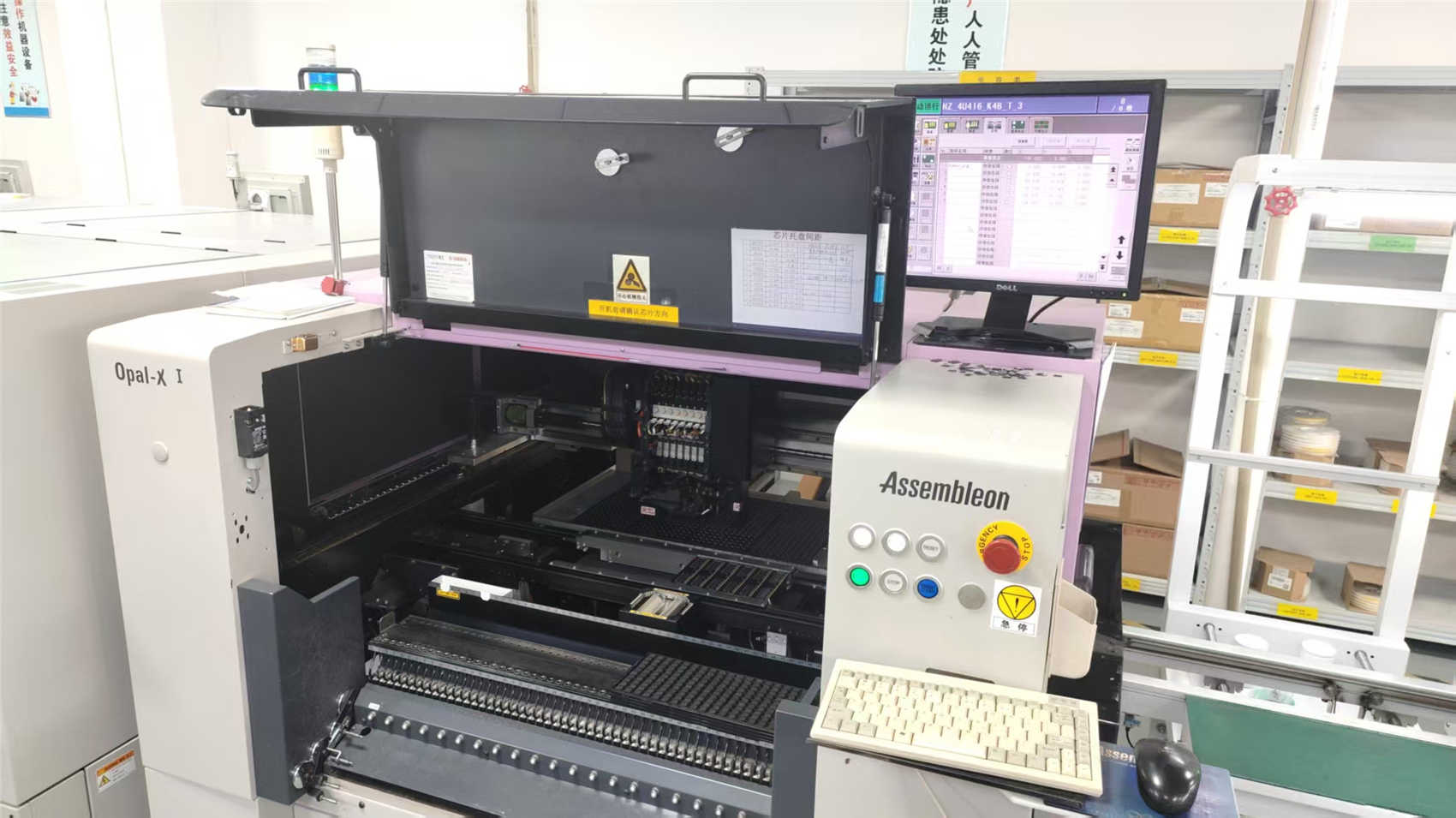
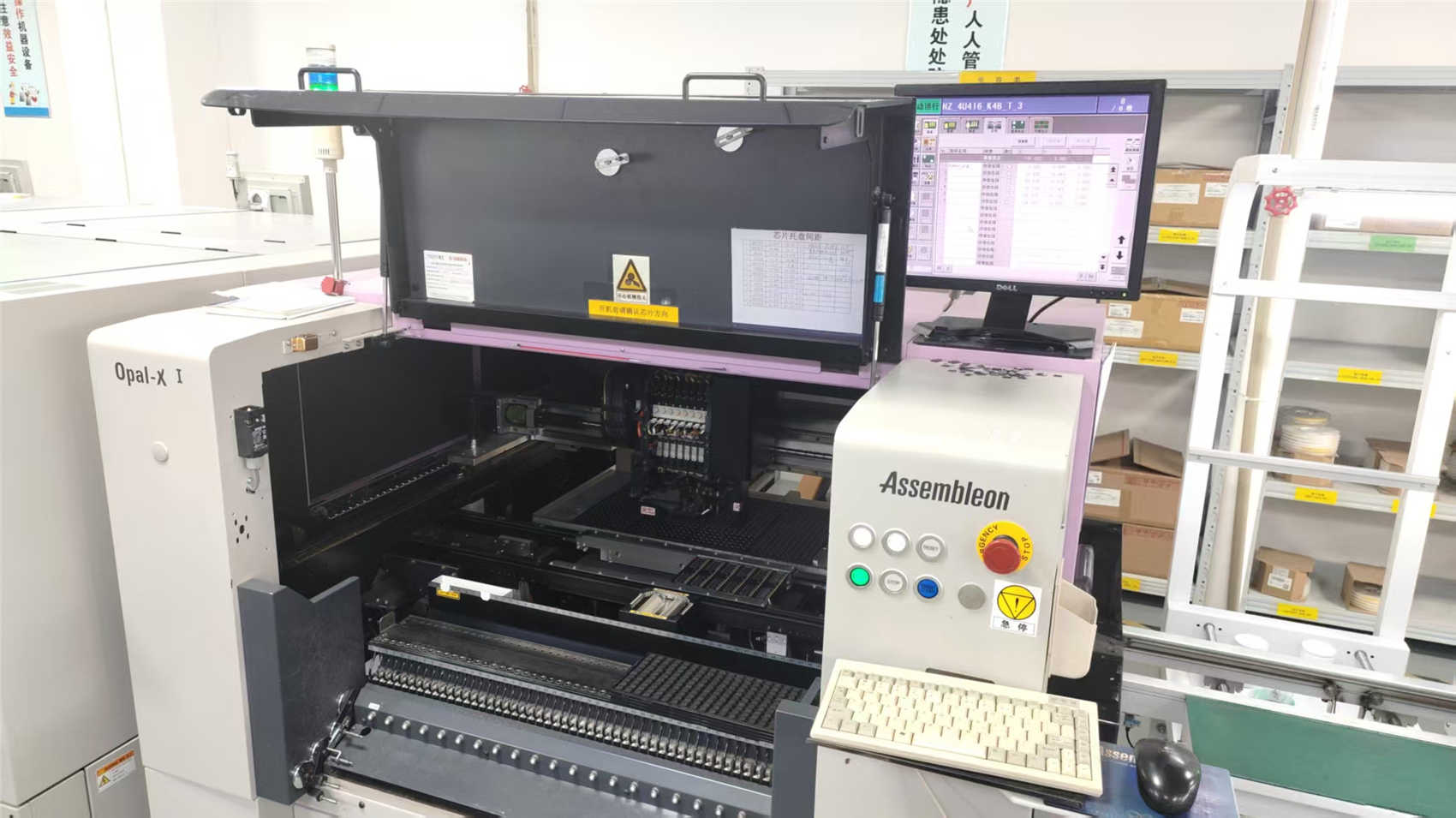
Operating a meticulously configured 320㎡ high-precision manufacturing space, we optimize space constraints through state-of-the-art modular manufacturing cells. The facility handles SMT component mounting, automated substrate routing, and visual profiling under strict environmental controls. This direct access to material suppliers avoids international delays and protects our clients from component supply shocks.
Our operational model is built to translate these advantages into significant cost savings for our buyers, without compromising on the engineering precision required for high-frequency or high-power electronics.
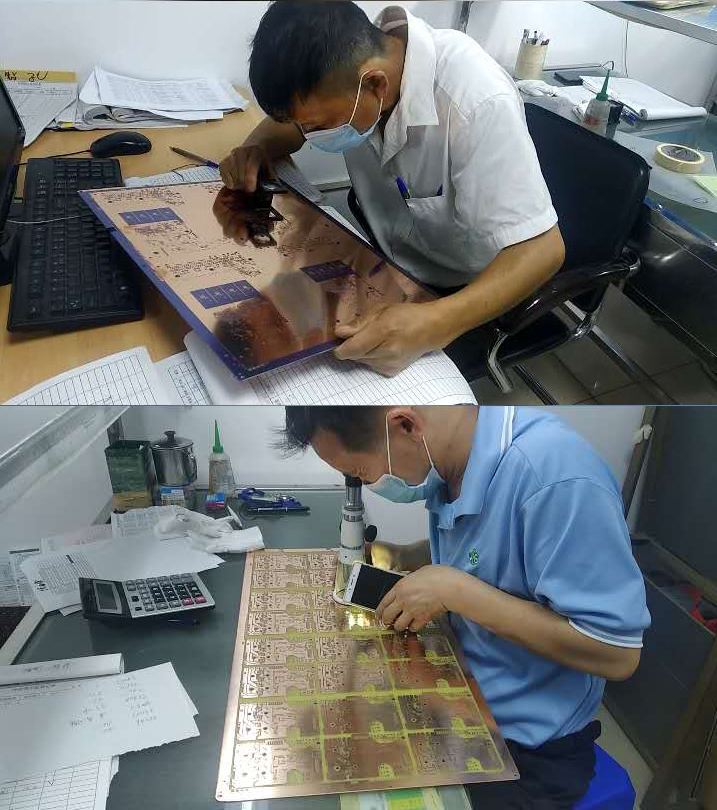
A transparent view into our QA workflows, inspection setups, and high-frequency testing benches.
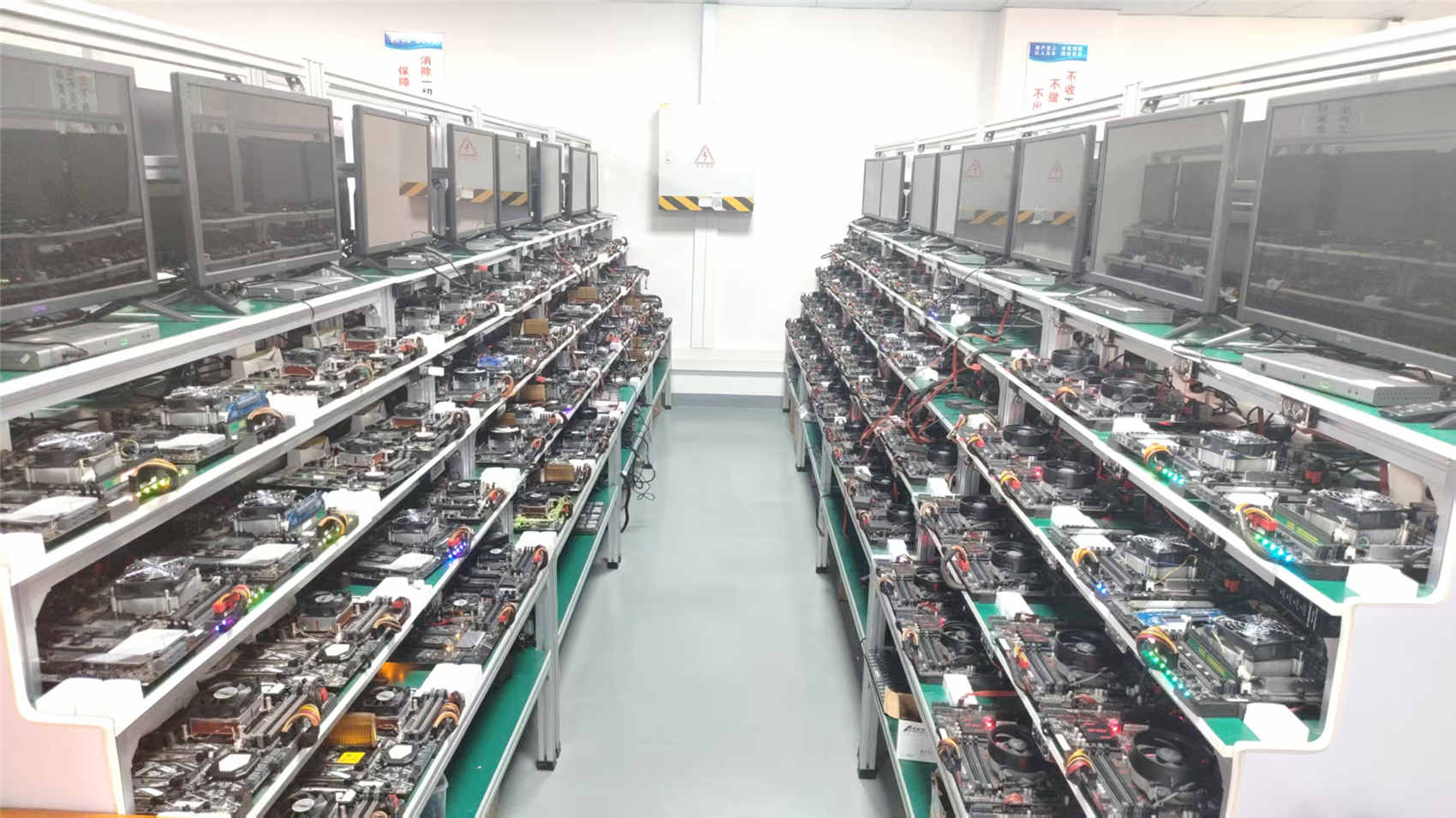
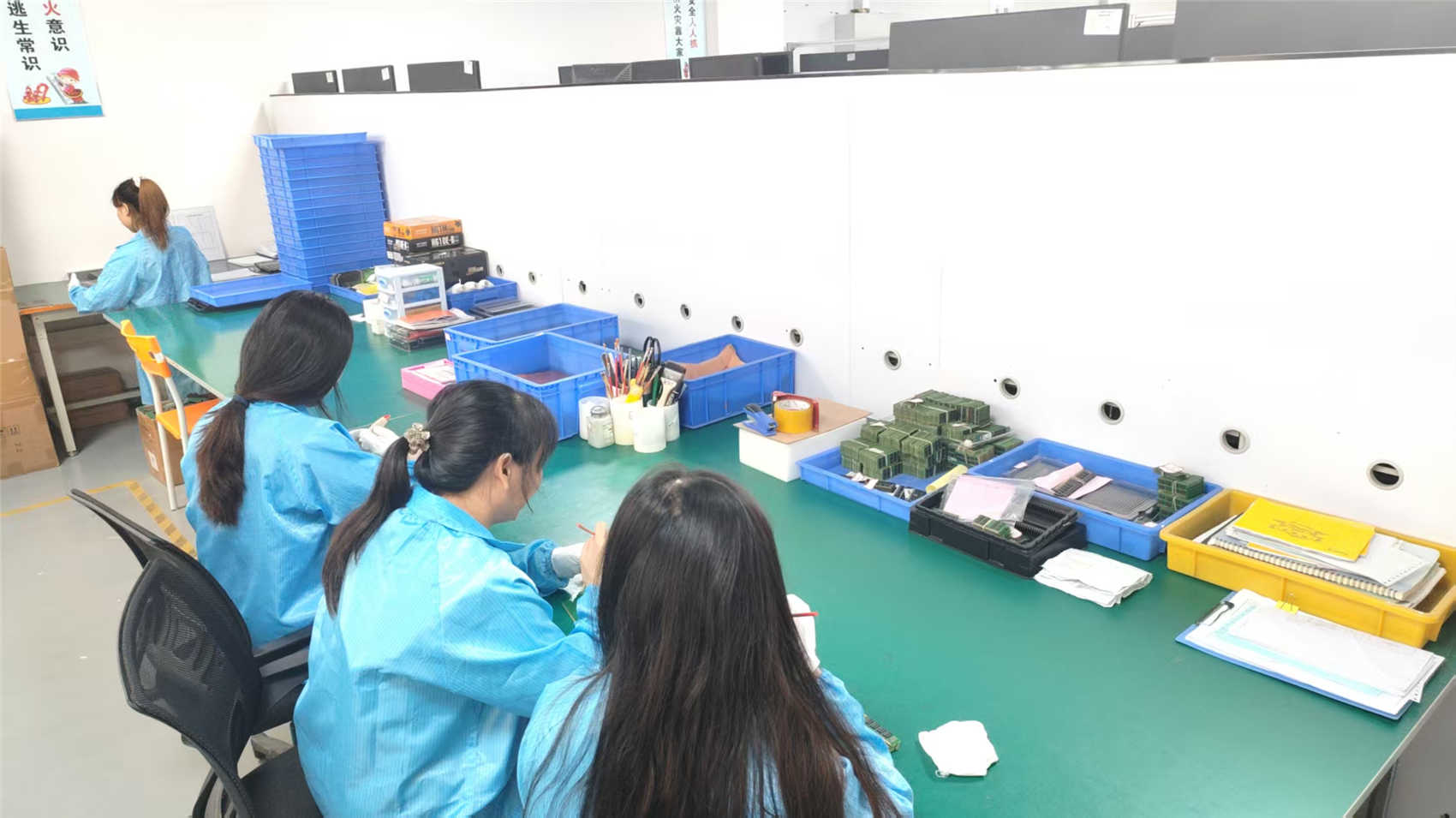
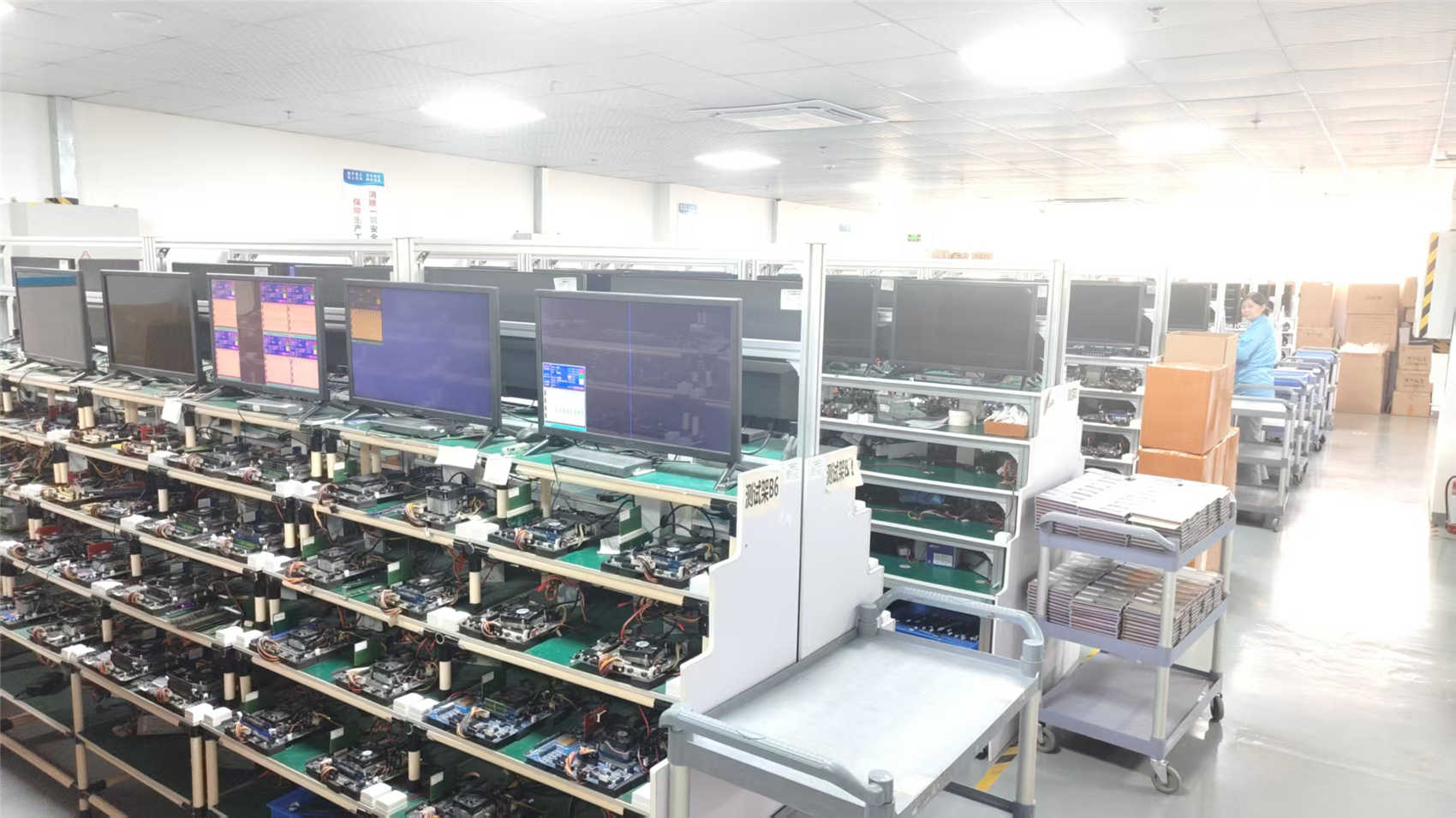
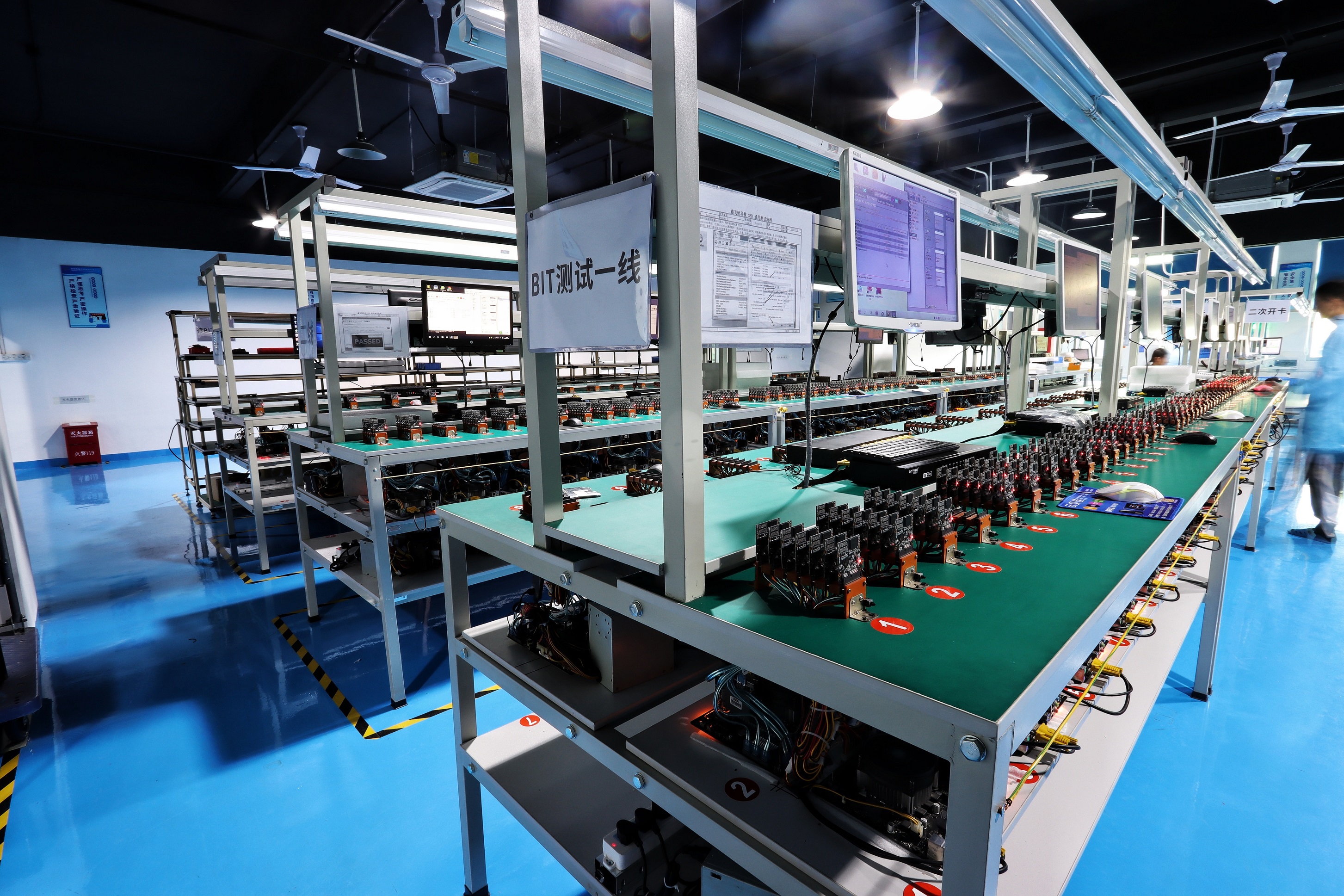
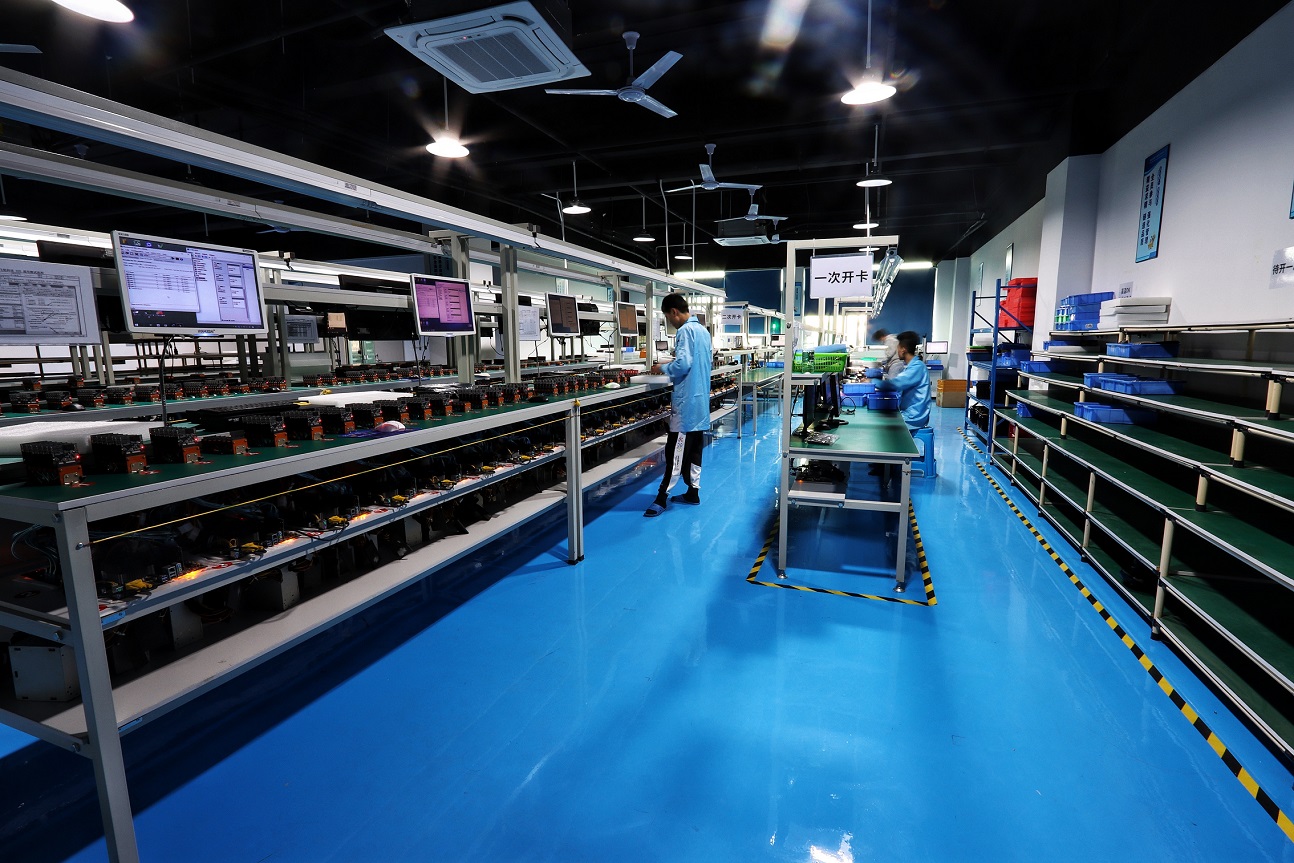
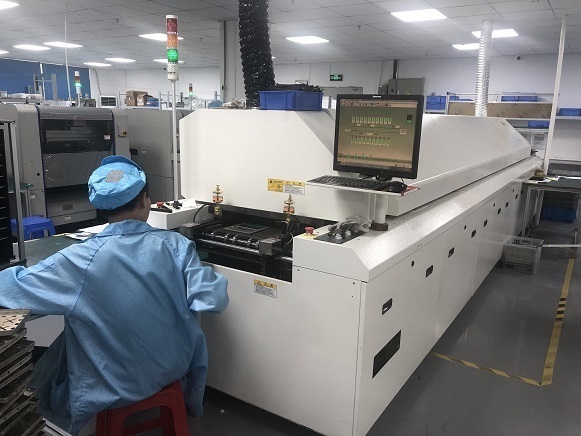
To qualify as a trusted partner in global supply chains, our factory utilizes multi-stage quality assurance systems. Guided by 35 dedicated QC inspectors, we eliminate structural errors before the products leave our doors. Every PCB shipment undergoes a rigorous inspection protocol:
From initial design files to volume manufacturing, we tailor solutions for top-tier system integrators.
Our engineering team works with your design files to optimize routing, drill layouts, and stack-up plans. We adjust features to prevent thermal bottlenecks and ensure consistent electrical performance.
We match the copper foil thickness (1oz to 10oz) and aluminum substrate grade (1050, 5052, or 6061) to your thermal dissipation requirements, minimizing weight and material cost.
Custom PCB orders undergo simulated thermal modeling, high-pot isolation checks, and signal-integrity analysis. This ensures the boards install cleanly and operate reliably in your system.
Securing smooth operations and predictable delivery schedules for international manufacturing programs.
We operate under certified environmental and chemical standards (RoHS, REACH) to meet strict manufacturing rules across North America, Europe, and Asia.
We provide tailored shipping options, including FCA, FOB, and DDP terms, and coordinate closely with freight networks to avoid customs bottlenecks.
Every shipment is accompanied by complete inspection logs, cross-section test samples, thermal impedance certifications, and copper thickness maps.
Answering key structural and engineering questions for hardware buyers and electronics designers.
FR4 is a thermal insulator, retaining heat within component packages. Aluminum plates transfer heat away from critical semiconductors up to 40 times faster. This protects solder joints, lowers junction temperatures, and helps prevent performance drops under high loads.
The dielectric layer must balance heat transfer and electrical insulation. A thinner dielectric reduces thermal resistance but lowers breakdown voltage. Our designs optimize this layer to ensure reliable insulation (e.g., >3000V AC) while maintaining excellent thermal transfer.
Aluminum 1050 offers high thermal performance and easy bending, making it ideal for standard LED setups. 5052 and 6061 alloys provide much higher mechanical strength and resistance to vibration, which is crucial for automotive and industrial power supplies.
Because aluminum absorbs heat during assembly, soldering requires carefully controlled reflow profiles. We use automated optical inspection (AOI) alongside manual inspections to check solder wetting, profile uniformity, and void levels, preventing failures under mechanical stress.
We offer several surface finishes, including HASL, Lead-Free HASL, OSP, and ENIG (Electroless Nickel Immersion Gold). We select finishes based on shelf life, processing needs, and your assembly methods.
We work with more than 850 strategic partners to secure raw materials. This network buffers us against localized material shortages and lets us maintain stable, competitive pricing even when global commodity markets fluctuate.
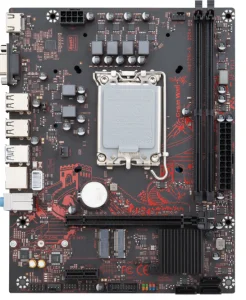
Explore our complete catalog of industrial memory modules, system boards, and server hardware interfaces.