NexaRAM
NexaRAM
NexaRAM
Explore our premium product portfolio engineered for superior electronic thermal management
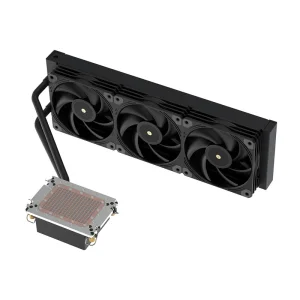
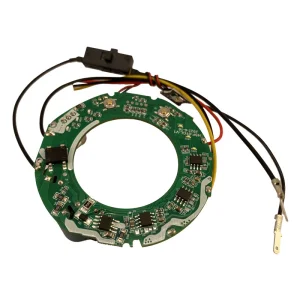
Strategic Integration of High-Performance TIM Technology in Data Centers, EV Electronics, and Advanced Computing Assemblies
In the high-stakes realm of semiconductor engineering and device layout packaging, thermal bottlenecks represent the ultimate barrier to architectural scaling. As compute density escalates—fueled by high-frequency DDR5 memory modules, complex multicore server CPUs, and advanced power electronics—the microscopic voids between high-power chips and heat-dissipation hardware become significant thermal barriers. Under magnification, even the most polished silicon dies and copper baseplates present rough surfaces, trapping micro-air pockets. Air, with a dismal thermal conductivity of roughly 0.026 W/m·K, acts as a thermal insulator that triggers catastrophic thermal throttling, component degradation, and eventual hardware failure.
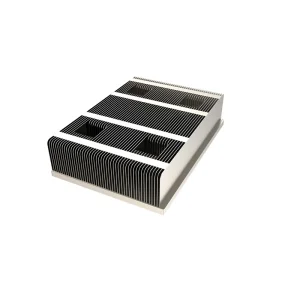
This is where Thermal Interface Materials (TIMs) become critical. Acting as dynamic displacement agents, TIMs eliminate microscopic air gaps, forming a continuous thermal conduit from the junction to the ambient cooling environment. Whether using thermal grease, pre-cured gap fillers, or phase change compounds, selecting the right material is vital for modern high-reliability hardware ecosystems.
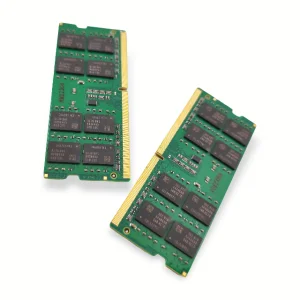
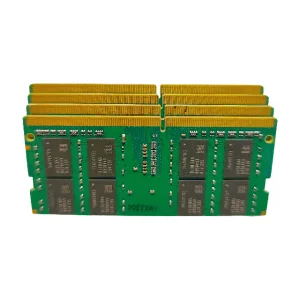
Originally established in 2016 as a professional high-speed memory and DRAM module developer, NexaRAM Storage Technology Co., Ltd. has evolved into a key player in the high-density computing ecosystem. Headquartered within a specialized R&D facility with a dedicated cleanroom footprint of 320㎡, the enterprise integrates precision memory production with state-of-the-art thermal engineering. Managing an annual export volume of approximately USD 12 million, NexaRAM leverages its 6 years of global export experience and 12 years of deep industry expertise to address the thermal demands of next-generation DRAM and computer hardware assemblies.
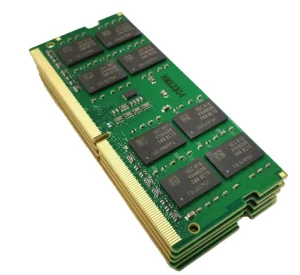
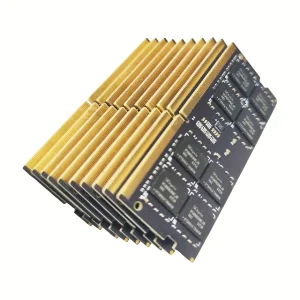
In high-performance memory modules—particularly DDR4 and next-generation DDR5—power management ICs (PMICs) are placed directly onto the module board. This design creates localized hot zones that require specialized thermal materials. Supported by a robust network of over 850 strategic supply chain partners and a dedicated R&D unit of 180 engineers, NexaRAM has introduced 120 new product variants over the past year. These designs leverage specialized thermal interfaces to maintain signal integrity and prevent thermal-induced bit errors in server storage networks.
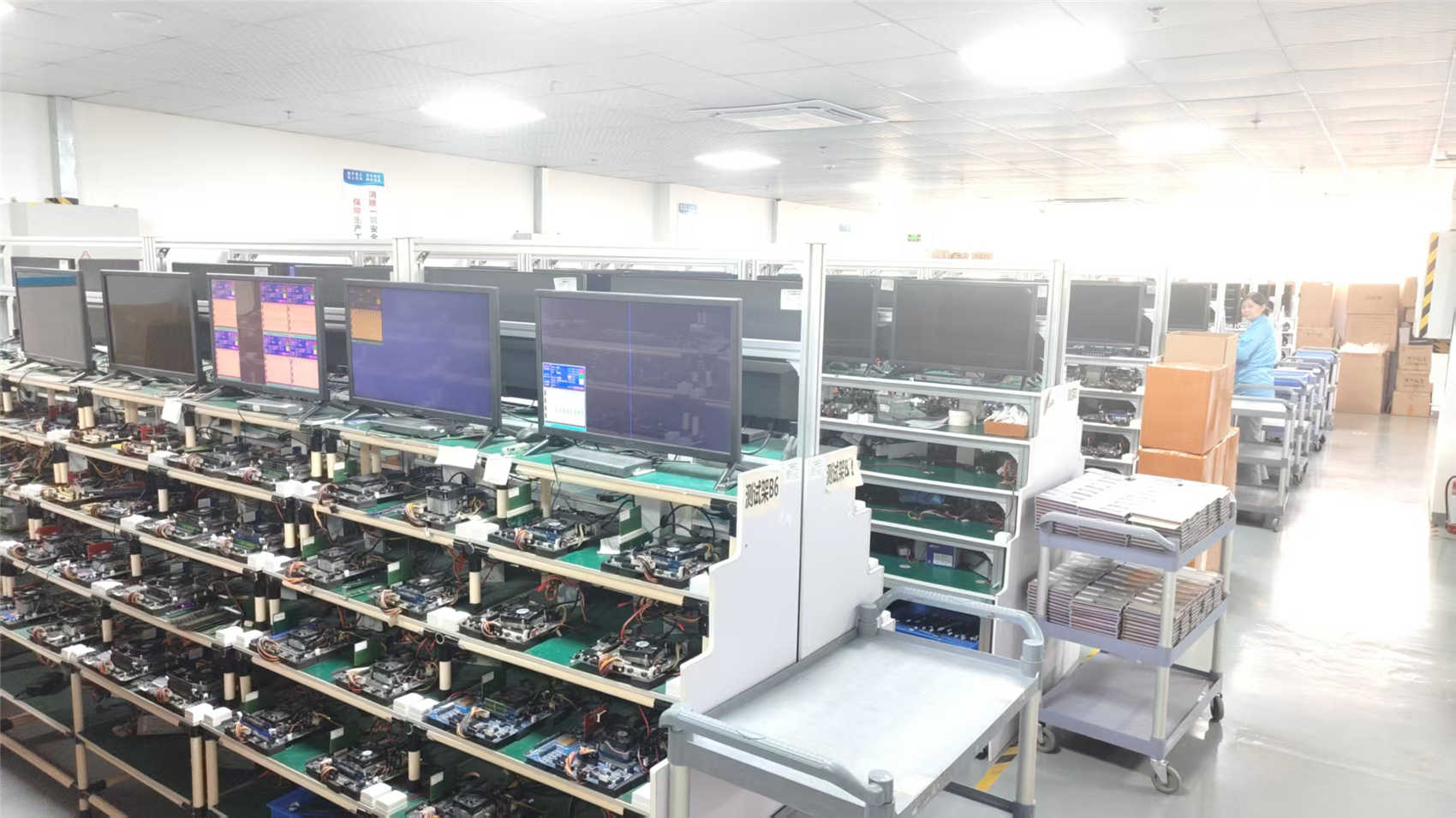
Ensuring absolute stability and compliance through advanced optoelectronic testing and stress simulation

The microelectronics industry is transitioning toward heterogeneous chiplet architectures, co-packaged optics (CPO), and high-power AI accelerators (with TDPs exceeding 700W to 1000W). Consequently, traditional TIMs are being pushed to their physical limits. The technology roadmap focuses on minimizing thermal resistance by combining high bulk thermal conductivity with ultra-low interfacial contact resistance.
PCMs soften and conform at operating temperatures (typically 45°C to 60°C), flowing into microscopic gaps like grease, while resisting the pump-out effect. This technology offers high reliability for high-power processors under cyclical thermal loads.
Gallium-indium-tin based liquid metals provide thermal conductivities over 30 to 80 W/m·K. Their high electrical conductivity and corrosiveness with aluminum require specialized containment and coating solutions.
In addition, synthetic diamond-filled composites and vertically aligned carbon nanotube (CNT) arrays are transitioning from research to high-volume manufacturing (HVM). These advanced materials help manage the extreme heat loads of modern deep-learning server architectures.
| TIM Type | Bulk Thermal Conductivity (W/m·K) | Typical Thickness (mm) | Primary Industry Applications | Key Advantages |
|---|---|---|---|---|
| Thermal Silicon Pad | 1.0 – 15.0 | 0.25 – 5.0 | Power conversion, EV batteries, LED drivers | High compressibility, fills large gaps |
| Phase Change Material (PCM) | 3.0 – 8.5 | 0.05 – 0.2 | CPUs, GPUs, high-speed RAM, ASIC chips | No pump-out, low thermal impedance at phase shift |
| Thermal Grease/Gel | 2.0 – 12.0 | 0.01 – 0.1 | Server CPUs, power modules, consumer PCBA | Micro-thin bond line thickness (BLT), low cost |
| Liquid Metal Alloys | 20.0 – 80.0+ | 0.01 – 0.05 | High-performance gaming laptops, AI nodes | Ultra-high thermal path efficiency |
High-performance thermal management is a critical requirement across several major industries. Different applications present distinct engineering constraints: from consumer-level cost optimization to mission-critical automotive safety margins.
Modern servers run high-performance compute nodes continuously. We supply thin-film phase change materials and high-conductivity thermal pastes designed to resist pump-out and dry-out over long operational lifespans, reducing data center maintenance cycles.
Under the IATF 16949 standard, we engineer high-compliance, vibration-dampening thermal gap fillers. These materials isolate battery cells and power inverter modules (IGBTs/SiC) from extreme heat while providing reliable electrical insulation.
5G base stations operate in harsh outdoor environments with high power densities. High-durability, silicone-free thermal gap fillers are used to prevent outgassing, which can condense on sensitive RF optics and degrade signal transmission.
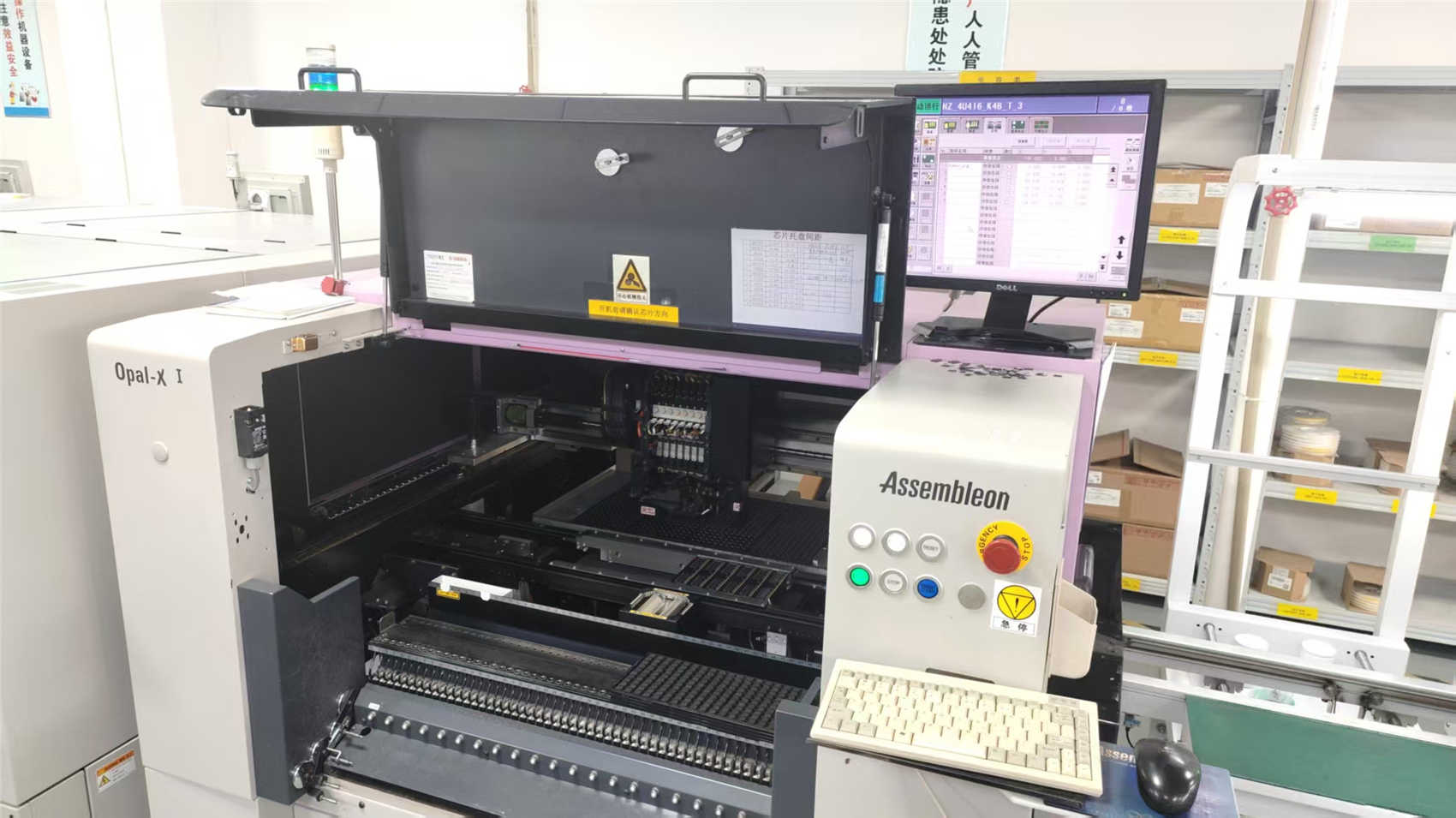
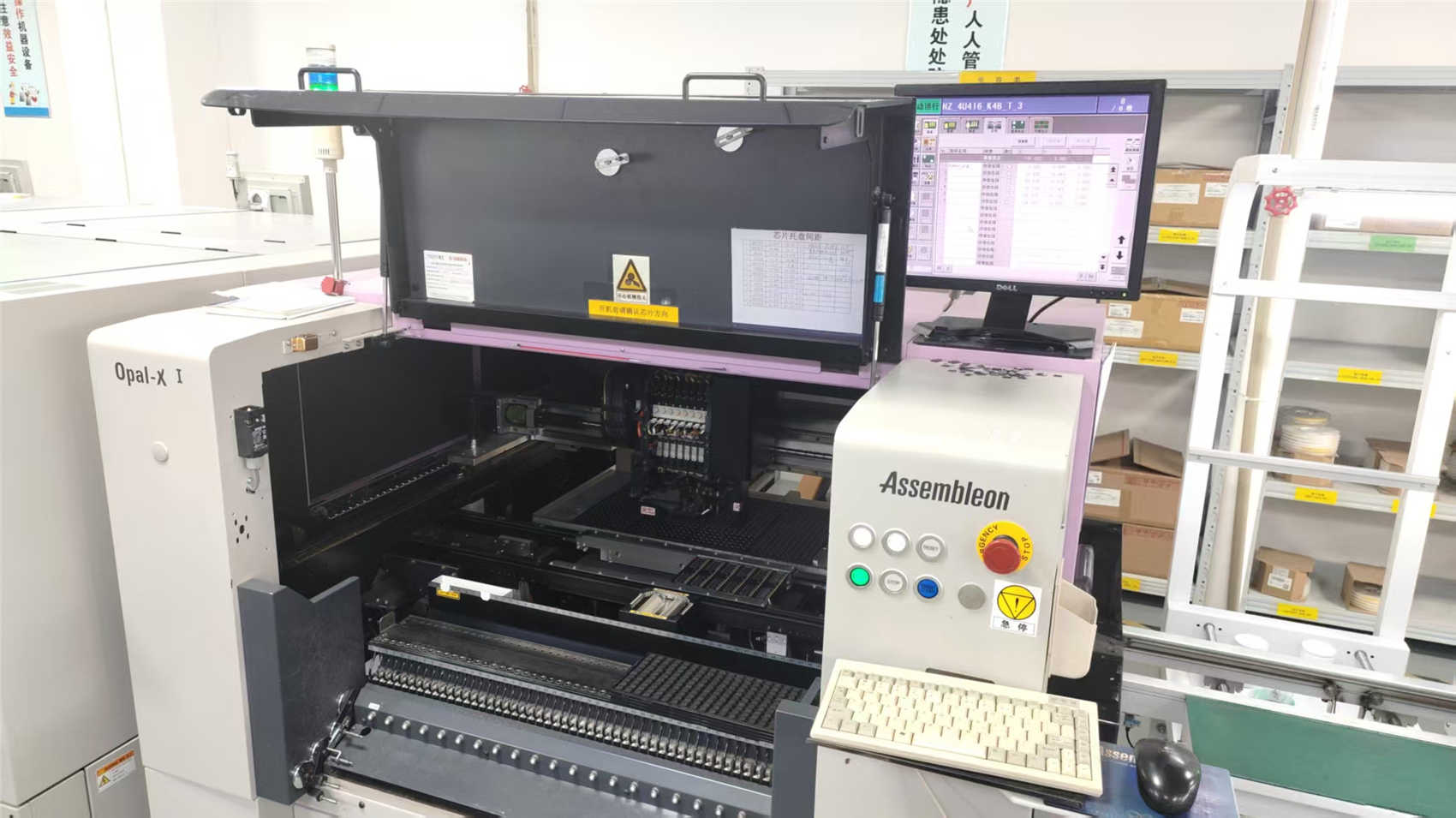
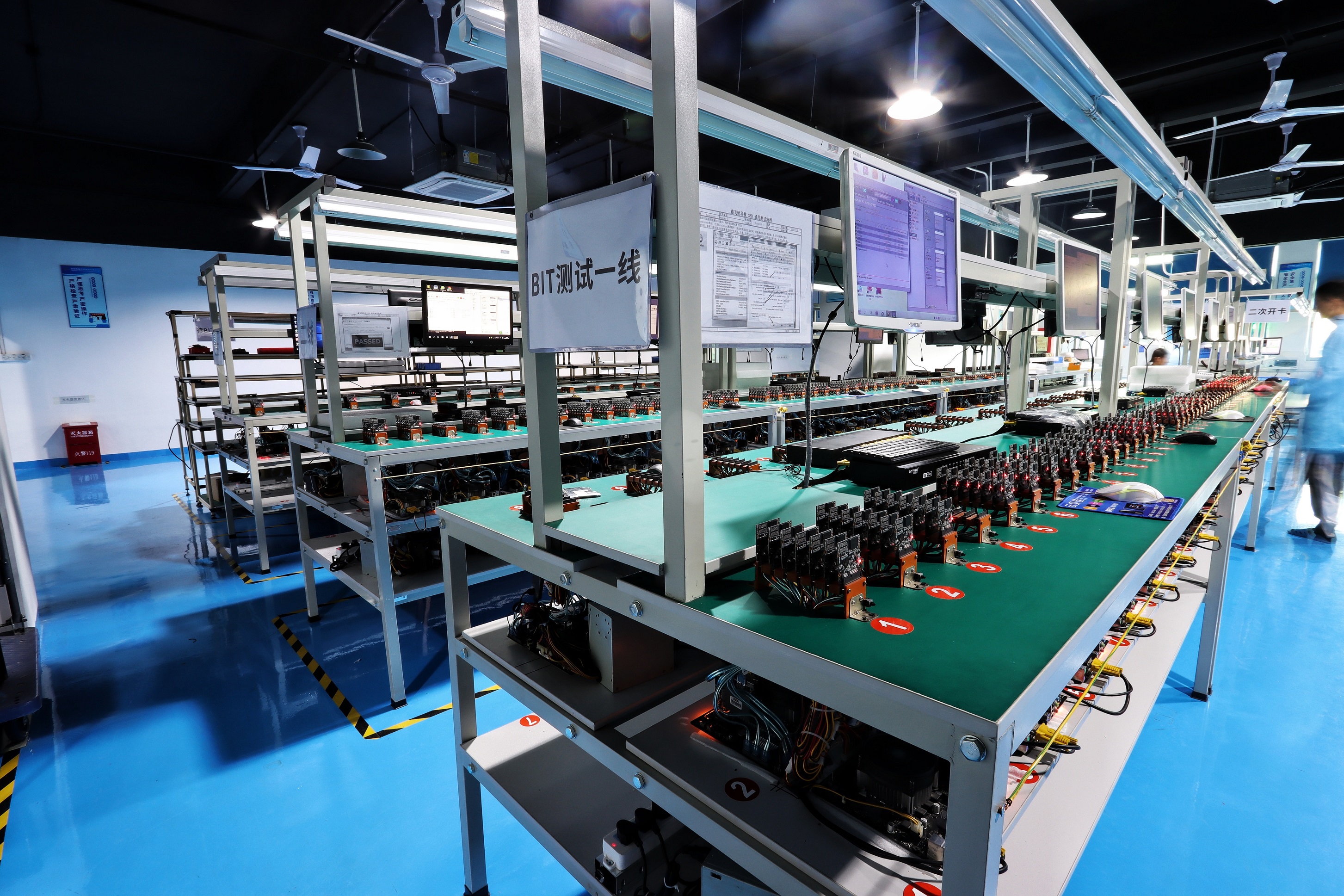
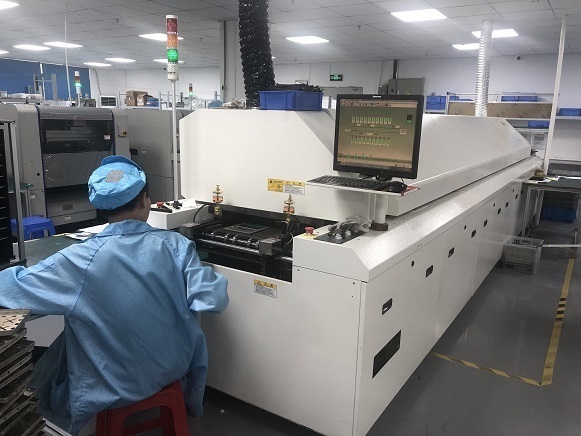
Our manufacturing model leverages Shenzhen's and the wider Pearl River Delta's industrial electronics ecosystem. This integration enables fast iteration from design to mass production. We manage our processes under strict ISO 9001:2015 frameworks to maintain quality and scale.
By using automated mixing, calendar sheeting, and precise die-cutting systems, our factories minimize human error and ensure consistent physical thickness. Integrated Automated Optical Inspection (AOI) inspects surfaces for defects, maintaining thickness tolerances within +/- 0.05mm. With access to domestic raw material suppliers, we offer competitive lead times and stable pricing, cushioning global buyers from supply chain shocks.

Selecting the correct thermal interface material requires balancing physical, electrical, and mechanical properties. To prevent failure in high-voltage or harsh environments, design engineers must evaluate several key performance criteria:
Exporting high-technology components requires strict compliance with international regulatory frameworks. Our products are fully tested to meet global environmental and safety standards: RoHS Directive 2011/65/EU, REACH (EC 1907/2006), and UL 94-V0 flammability ratings.
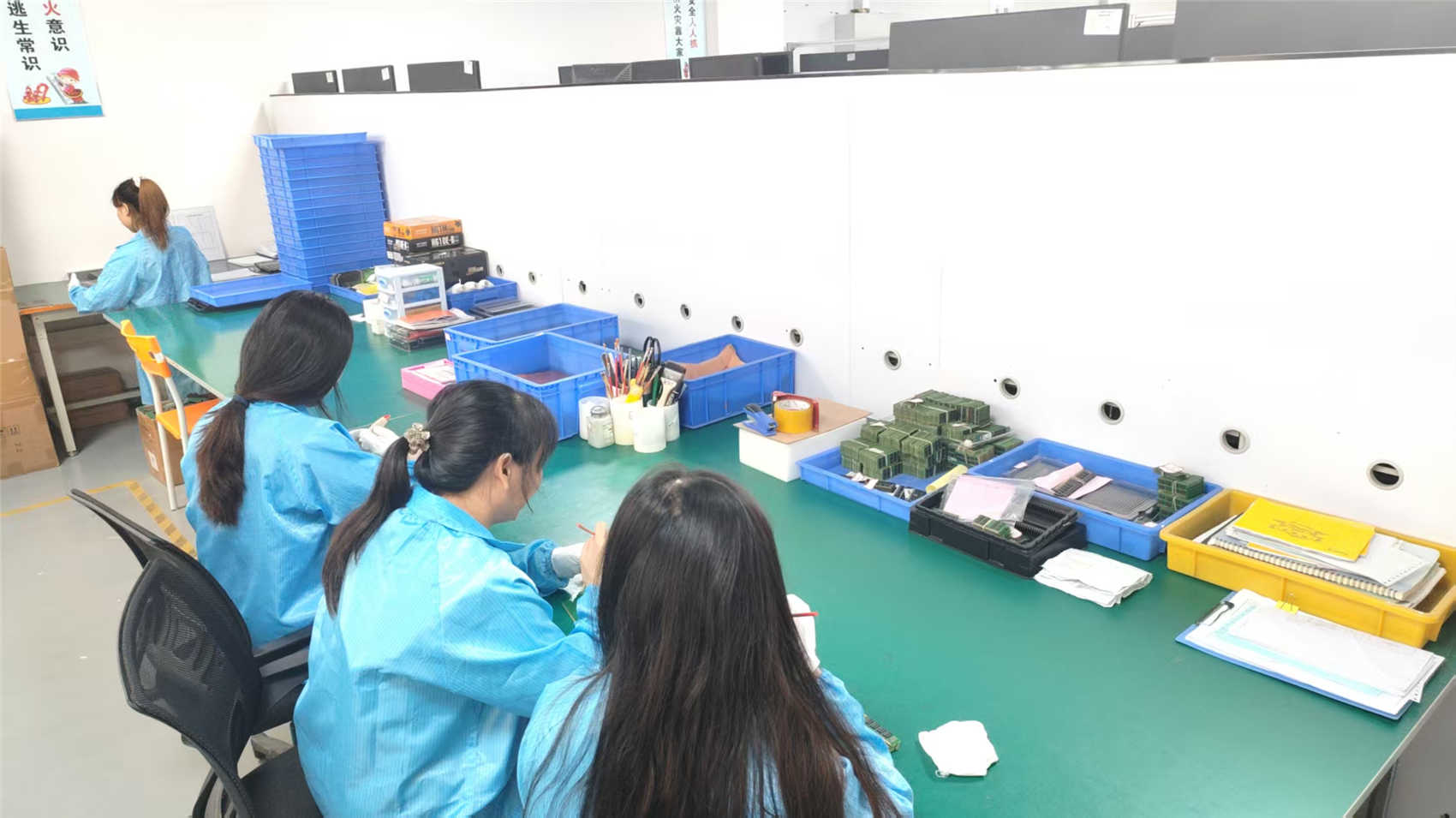
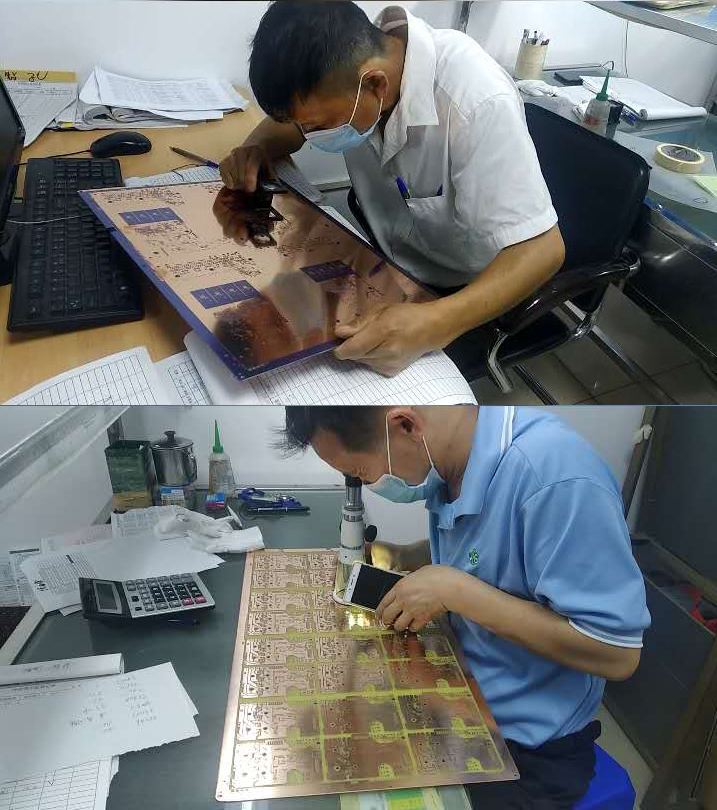
Our quality management team consists of 35 dedicated inspectors who oversee incoming raw material checks, in-process inspection, and final quality control (FQC). Using coordinate measuring machines (CMM) and laser thickness gauges, we verify physical tolerances. Every batch is tracked through production to ensure traceabilty from raw materials to shipped goods.
Professional technical answers regarding material specification, compliance, and custom ordering
Premium compute hardware and components built to demanding industry standards