NexaRAM
NexaRAM
NexaRAM
High-performance processing modules, structural cooling solutions, and industrial-grade memory boards optimized for custom cloud integration.
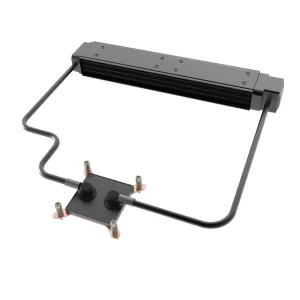
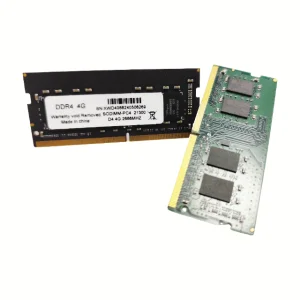
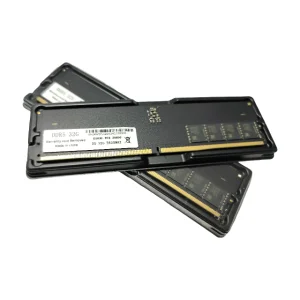
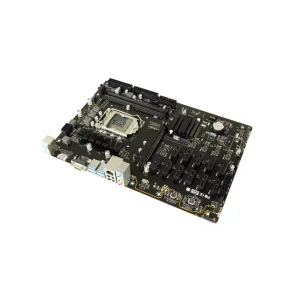
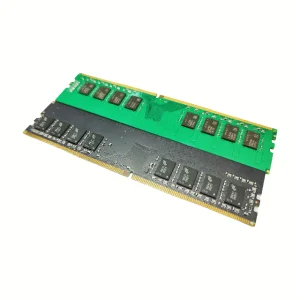
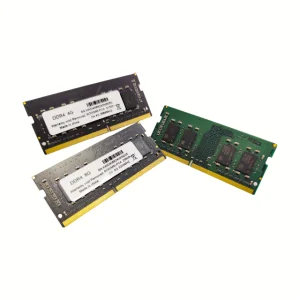
The global digital transformation has accelerated the need for hyper-scale data structures. High-density, reliable hardware acts as the physical bedrock of cloud computing. Whether hosting public cloud nodes, private enterprise virtualization layers, or distributed artificial intelligence training models, the demand for custom **OEM Cloud Storage Systems** has grown significantly.
Modern data facilities are moving away from rigid, off-the-shelf storage platforms. Driven by specific enterprise storage architectures (such as Ceph, GlusterFS, or proprietary block storage systems), cloud providers demand highly custom chassis configurations, thermal efficiency layouts, and optimized memory modules. These systems must support multi-tenant environments where latency and IOPS bottlenecks cannot be tolerated.
As memory buses advance to PCIe Gen 5 and DDR5 architectures, system integrators rely on component manufacturers who understand signal integrity, power management integrated circuits (PMICs), and thermal constraints at the hardware layer. Selecting the right OEM partner determines the long-term operational efficiency and Total Cost of Ownership (TCO) of cloud infrastructure.
Established in 2016, NexaRAM Storage Technology Co., Ltd. has positioned itself as an industry leader in custom memory architectures and OEM hardware components. Operating a state-of-the-art facility, the company leverages its 12 years of industry experience and 6 years of global export compliance to serve hyper-scalers, OEM manufacturers, and system integrators worldwide.
NexaRAM provides the core hardware modules that power modern cloud storage arrays. Backed by a strategic ecosystem of over 850 partners, NexaRAM secures high-grade DRAM wafer selections from premier silicon sources, ensuring product consistency even during severe market supply disruptions.
With an agile R&D team of 180 engineers, NexaRAM designed and qualified 120 new product variations in the last calendar year alone, emphasizing the group's dedication to meeting the evolving needs of the global compute sector.
Unmatched localization in the global center of semiconductor assembly and testing guarantees structural cost benefits and accelerated time-to-market.
Based in China's technology clusters, our manufacturing facility operates close to raw material supplies, PCB laminates, testing labs, and high-frequency wave-soldering facilities. This proximity reduces transit times and helps mitigate international shipping bottlenecks.
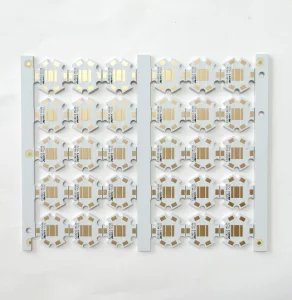
Transitioning from a draft design or thermal model simulation to a physical PCB prototype takes days, not months. We quickly customize trace routing, implement impedance match adjustments, and design heatsink geometries to match specific server chassis designs.
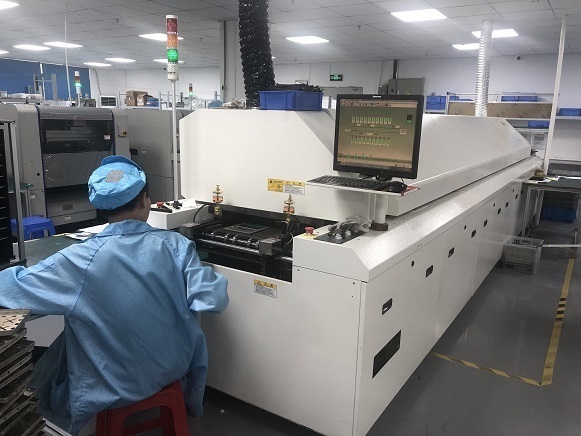
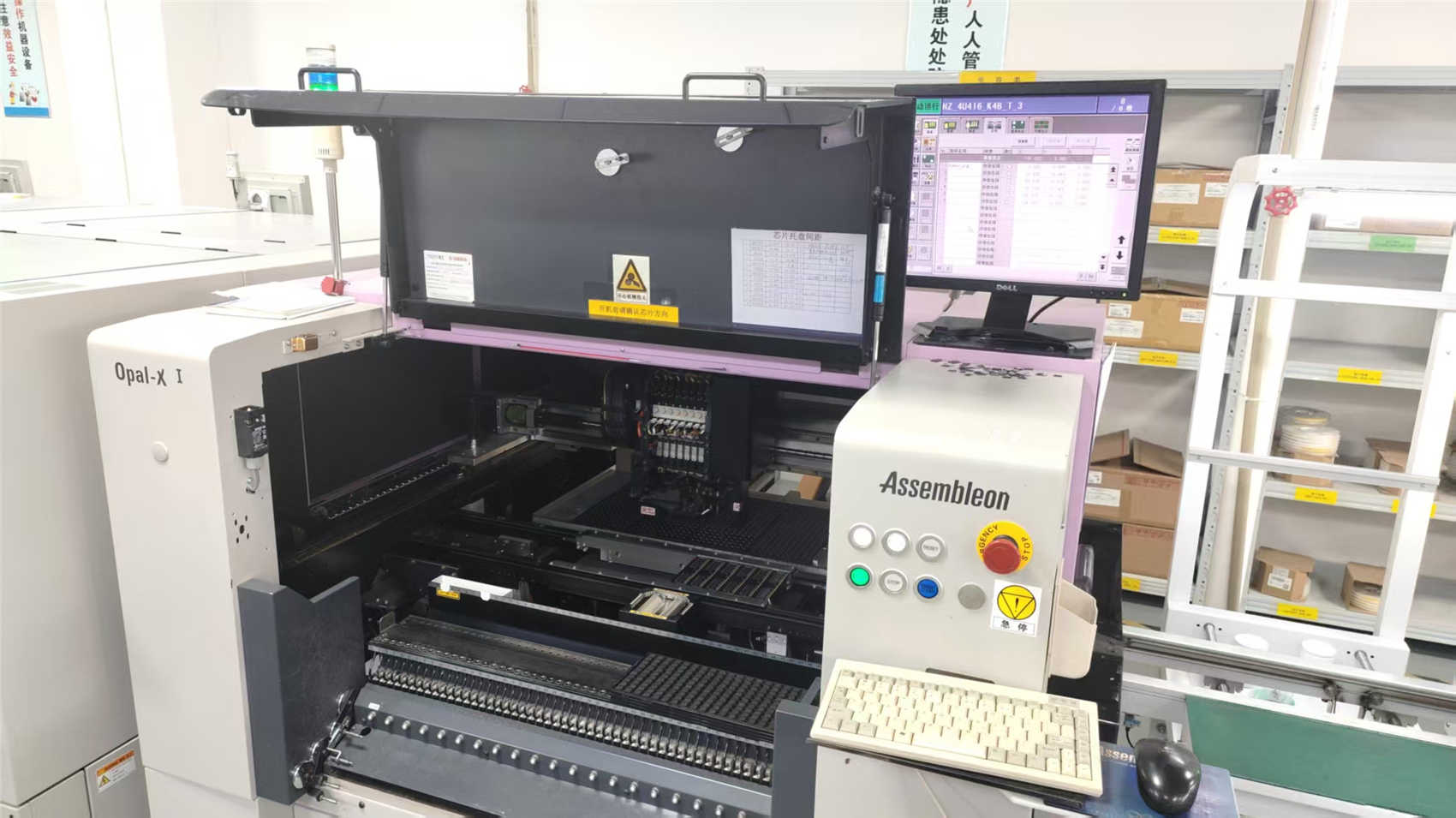
Supported by automated optical inspection systems and specialized testing setups, our factory can scale from small pre-production runs for testing validation to large production volumes. This helps enterprise customers maintain their deployment schedules.
From distributed edge nodes to high-density financial transaction databases, custom hardware configurations are adapted to match distinct operation profiles.
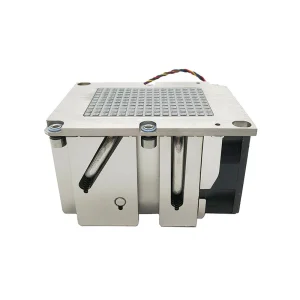
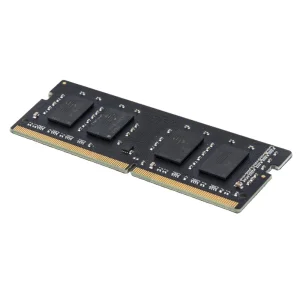
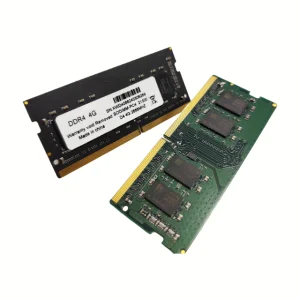
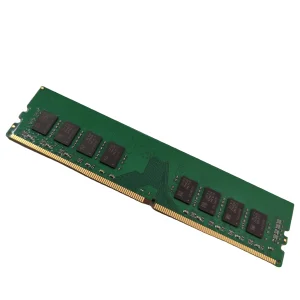
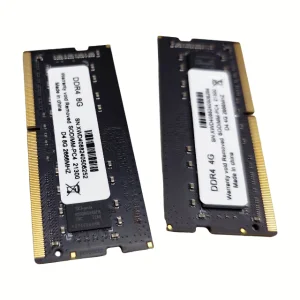
Edge processing demands compact structures and dust, moisture, and high-vibration resilience. Custom memory modules (such as ECC SODIMMs) and low-profile active heatsinks ensure stability in field installations, cellular base towers, and industrial automation cabinets.
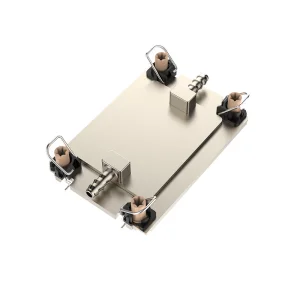
In environments where thousands of blade servers are packed into tight cold-aisle configurations, space optimization is key. Low-profile memory, integrated thermal spreaders, and high-efficiency CPU water blocks allow for denser processor configurations per rack unit.
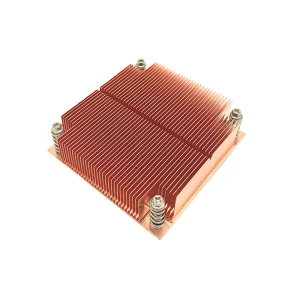
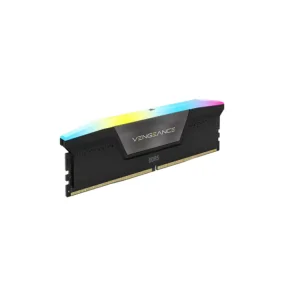
Financial applications require minimal latency jitter. Utilizing specialized DDR5 layouts with low CAS latencies, along with dedicated copper-finned heatsinks, helps prevent thermal throttling during periods of high data throughput.
Global enterprise procurements demand more than simple hardware assembly; they require strict adherence to quality and reliability metrics. NexaRAM enforces a comprehensive quality control program, overseen by a dedicated team of 35 quality inspectors.
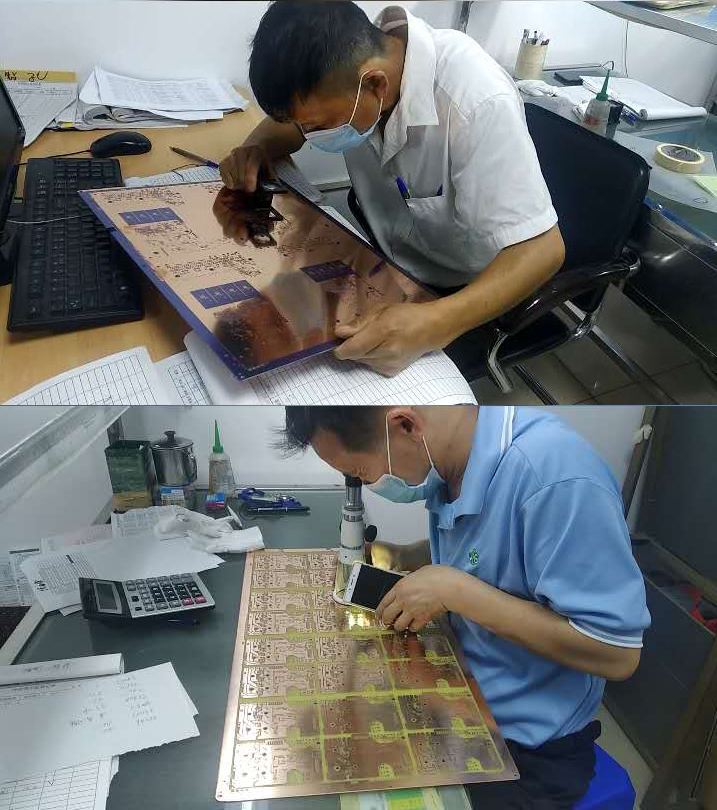
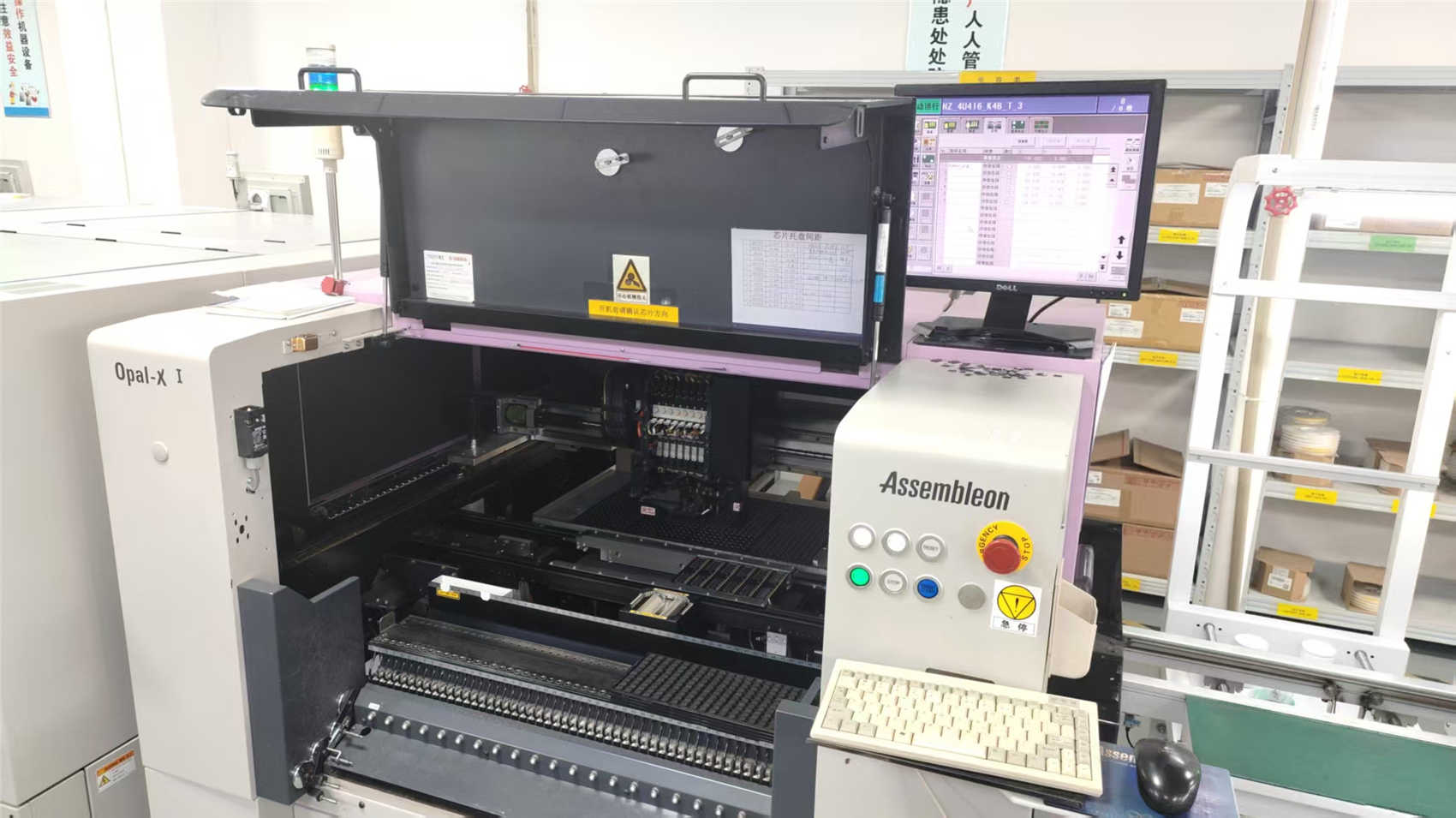
Each production run undergoes Automated Optical Inspection (AOI) to identify solder joint anomalies, misplaced capacitors, or trace discontinuities before the component proceeds to thermal validation. This ensures physical build accuracy.
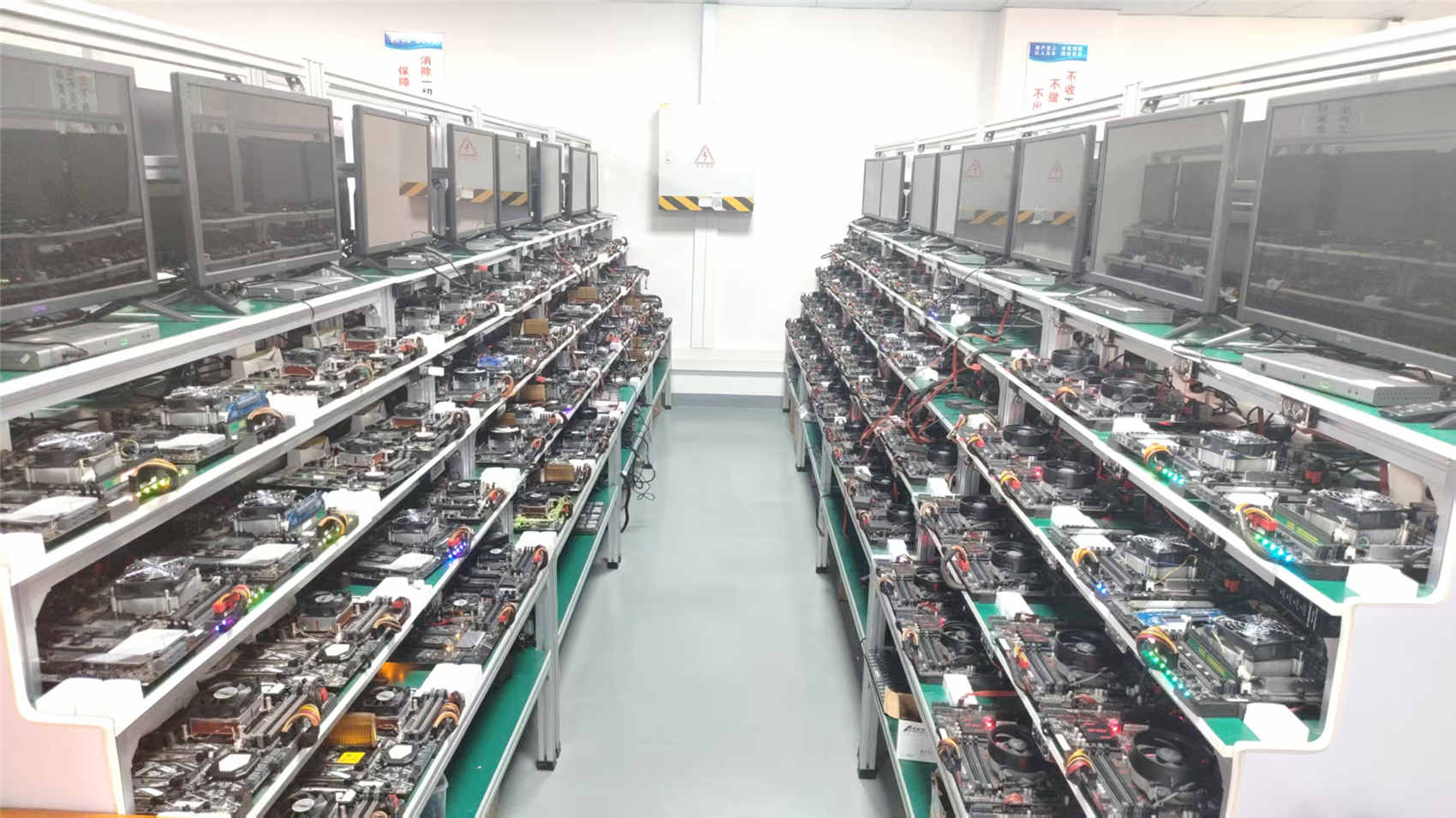
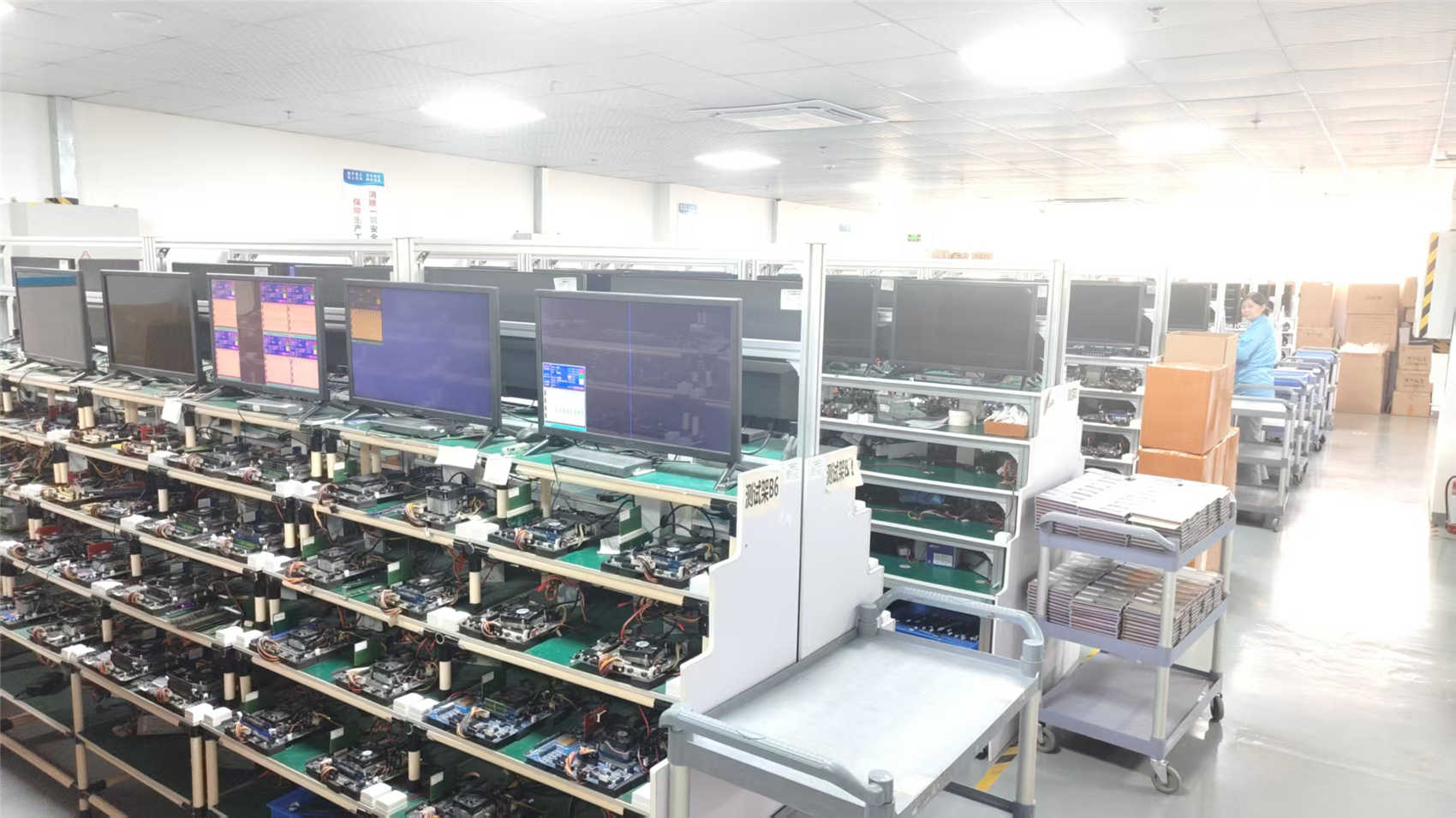
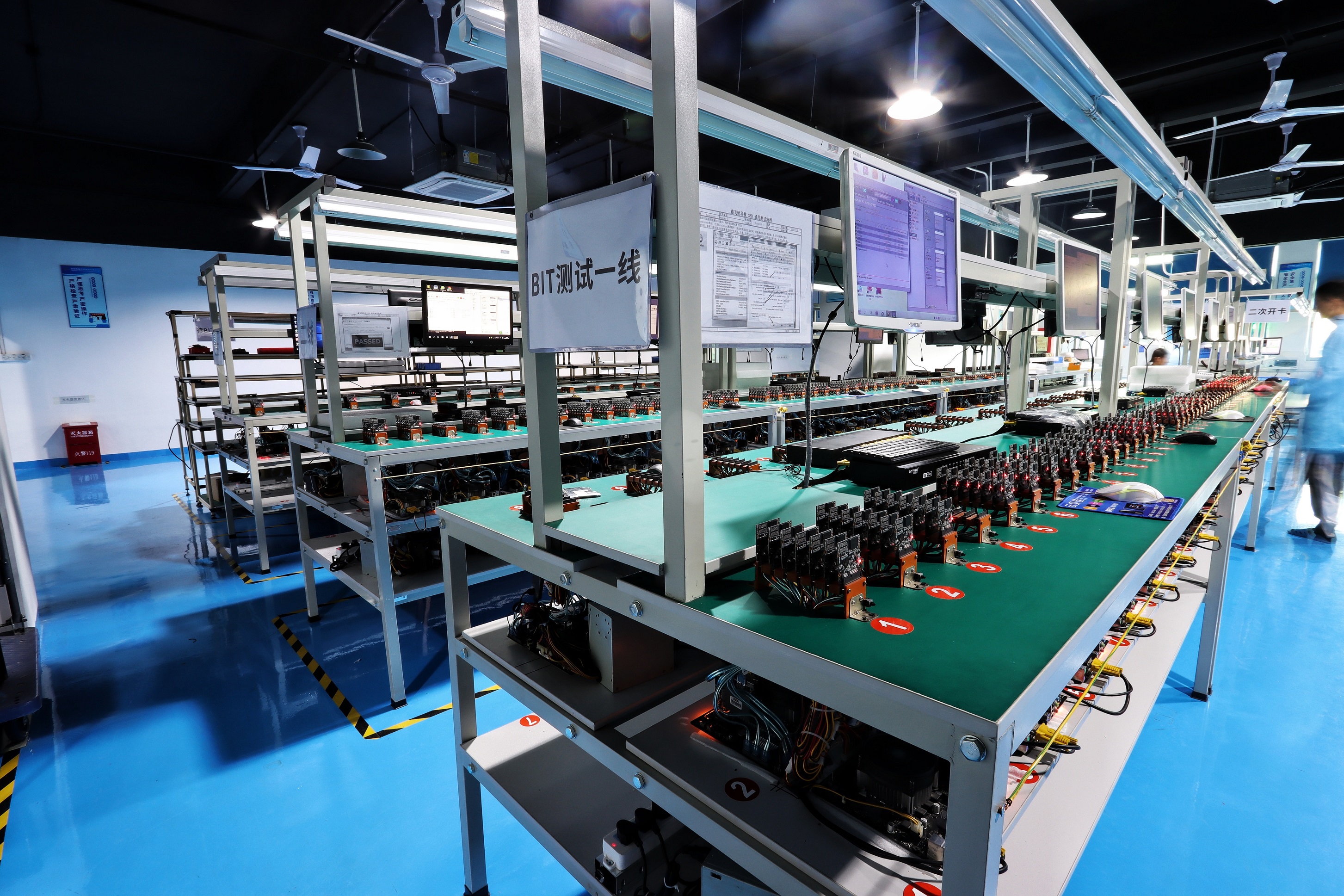
Additionally, all server memory modules and high-speed PCB layouts are subjected to simulated burn-in testing. By placing modules in environment-controlled chambers under high electrical loads and cycling temperatures, we identify and weed out infant-mortality components. This ensures long-term reliability in production environments.
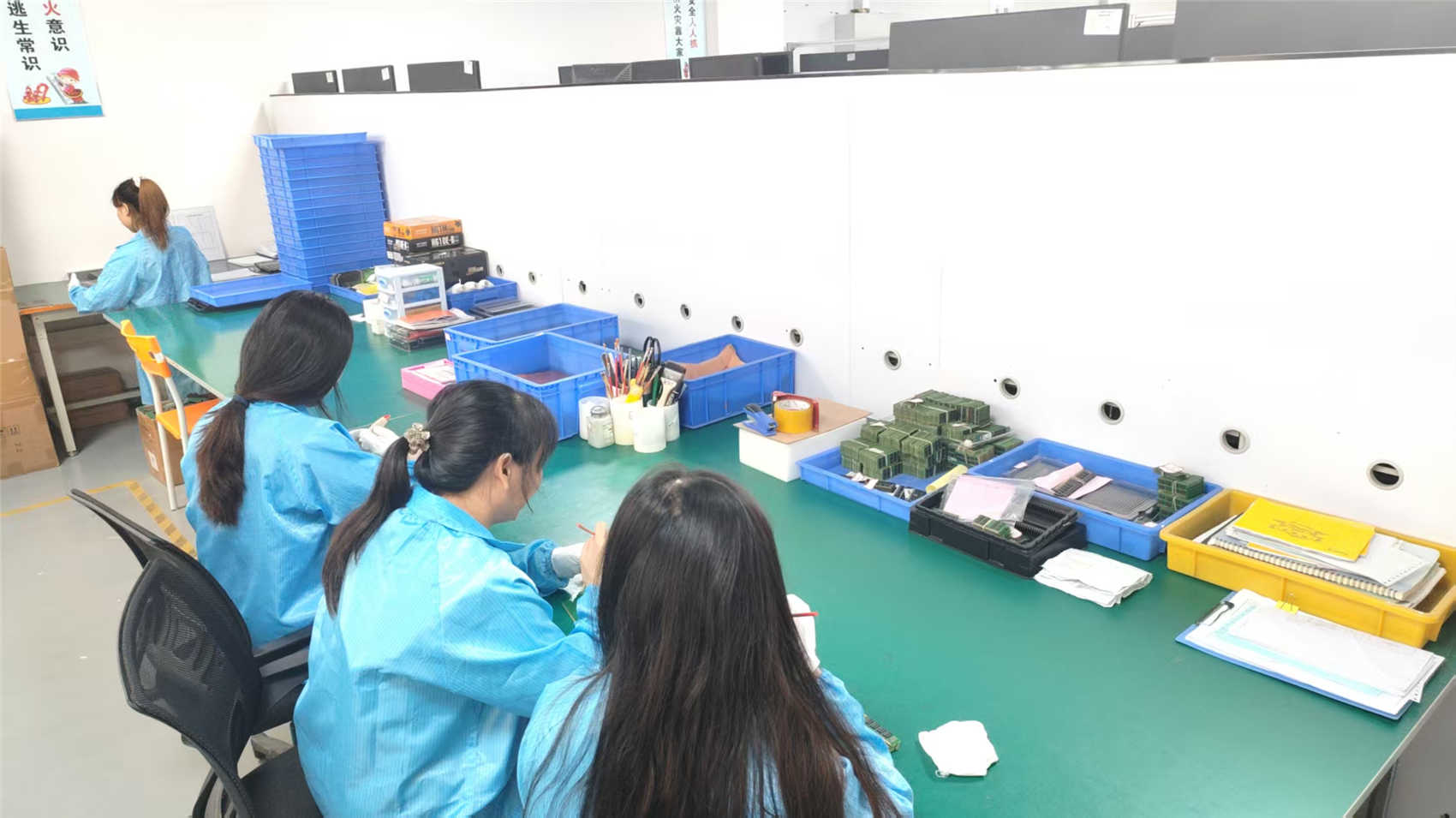
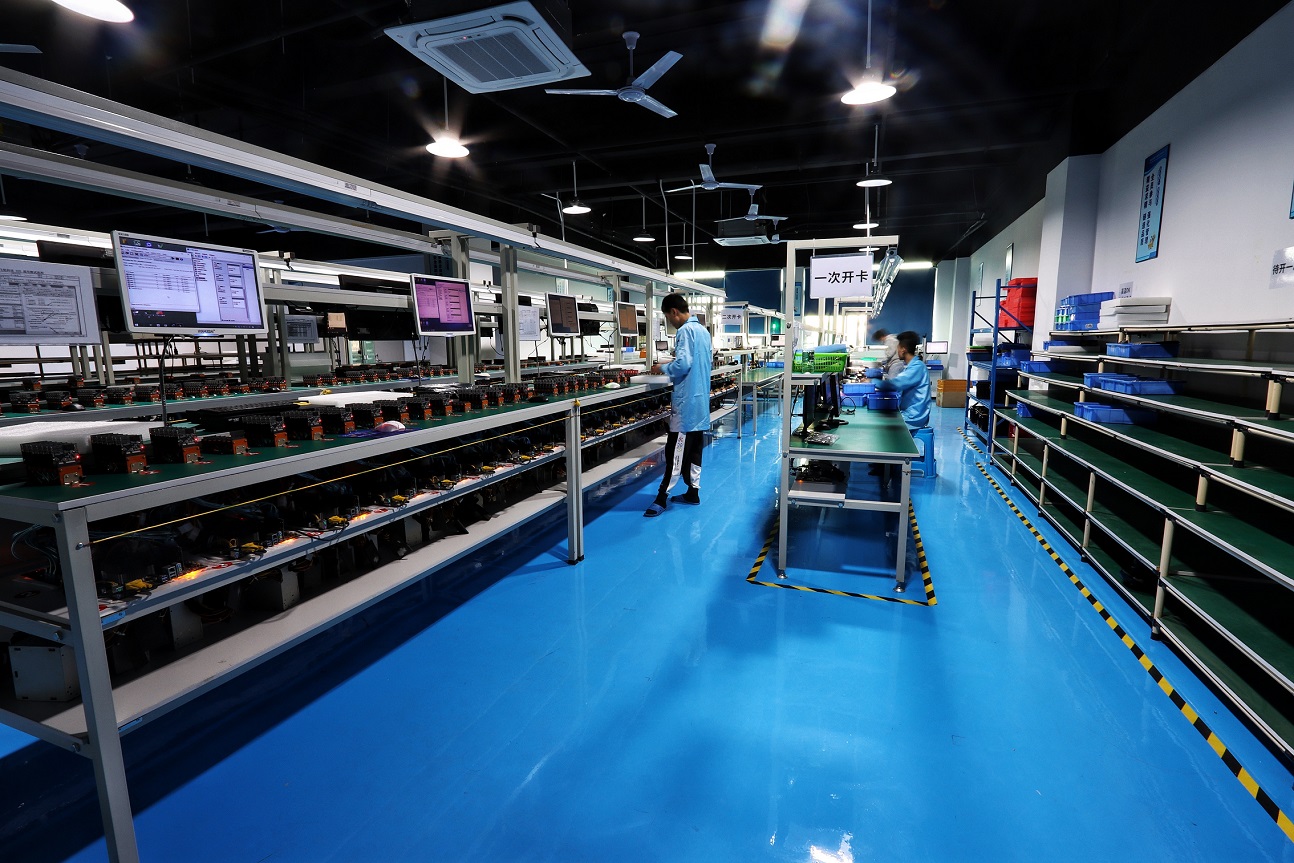
An inside look at our production floor, testing facilities, and validation processes, showcasing the equipment that supports our zero-defect policy.
Analyzing technological advancements that will shape enterprise data management over the next decade.
Compute Express Link (CXL) is changing how data center memory is structured. By enabling memory pooling and sharing over PCIe lanes, CXL reduces memory bottlenecks. OEM manufacturers are designing systems that allow memory expansion blocks to act as dynamic memory pools, improving resource utilization across server nodes.
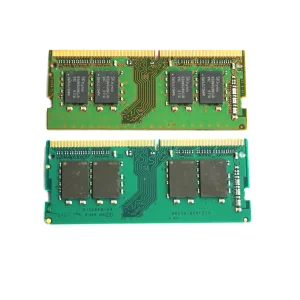
DDR5 has moved from a premium option to the mainstream standard for enterprise server builds. With on-die ECC (Error Correction Code) and dual 32-bit subchannels, DDR5 offers the reliability needed for high-load computing. NexaRAM's DDR5 modules provide the stable data transfers required by high-speed memory arrays.
With modern multi-core processors generating more heat, legacy air cooling is becoming less effective. Incorporating high-efficiency copper radiators, custom liquid cooling blocks, and specialized heatsinks helps control thermal levels. Managing temperatures is key to maintaining server performance and lifespan.
Data security is a priority for modern cloud infrastructure. Modern OEM storage builds incorporate hardware-based root of trust, encrypted memory channels, and Secure Boot processes to protect data at the physical layer.
Our engineering team answers common questions about memory configurations, server cooling, OEM manufacturing, and supply chain management.
Explore additional system components, active cooling systems, and specialized memory solutions designed to keep server racks operating efficiently.