NexaRAM
NexaRAM
NexaRAM
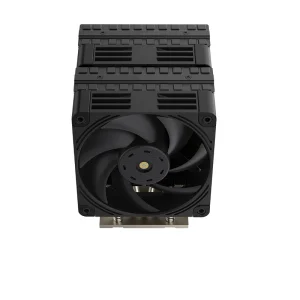
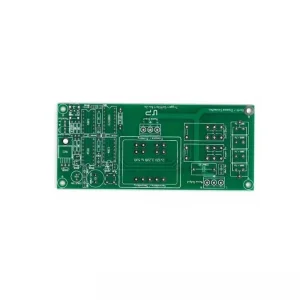
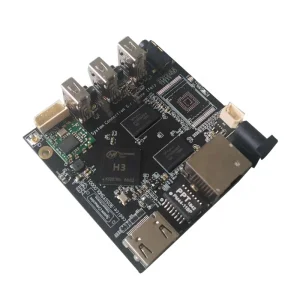
The acceleration of industrial intelligence and autonomous edge platforms has transformed the global market for robotic hardware components. In today's landscape, robots are no longer simple execution loops of hardcoded movements; they are highly integrated systems capable of real-time spatial mapping, deep learning inference, and complex environment tracking. At the core of this transformation are three main infrastructure elements: computational DRAM pipelines, high-integrity PCB assemblies (PCBA), and advanced thermal management solutions.
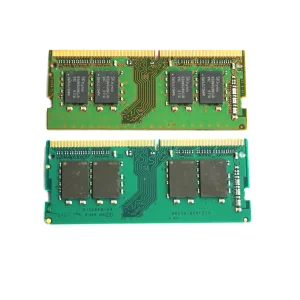
According to industrial analysts, the demand for specialized, custom OEM robotics components has grown exponentially, driven by the emergence of collaborative robots (cobots), autonomous mobile robots (AMRs) in logistics, and high-precision robotic surgery platforms. The global robotic components market requires hardware designed to endure harsh operating environments—specifically dealing with factors like constant vibrational stress, thermal fluctuations, and continuous electrical strain. These demands have forced manufacturers to look beyond off-the-shelf components, prioritizing ruggedized PCB structures, error-correcting memory (ECC DRAM), and active thermal dissipation modules to prevent costly system failures and ensure operational longevity (MTBF).
As computational units migrate to the edge, the intersection of memory efficiency and heat dissipation has become critical. An autonomous robotic arm on a modern manufacturing floor relies heavily on low-latency memory to process sensor feedback in real-time. Even a minor millisecond latency delay or thermal throttling event can result in calibration mismatches, collision risks, or assembly errors. This delicate operational balance has placed custom OEM component manufacturers at the forefront of the modern industrial revolution.
Established in 2016, NexaRAM Storage Technology Co., Ltd. has grown from a specialized DRAM memory manufacturer into an industry-leading OEM and exporter of industrial-grade robotics computation modules, custom PCBs, and high-capacity server cooling platforms.
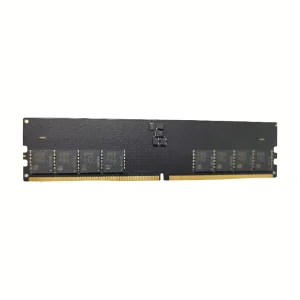
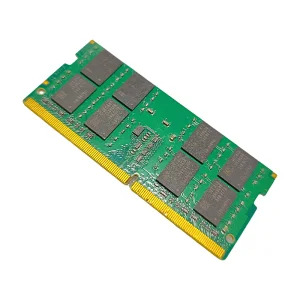
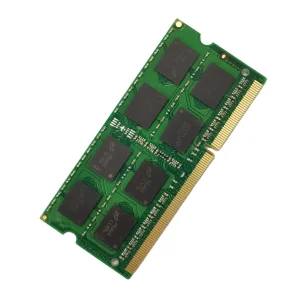
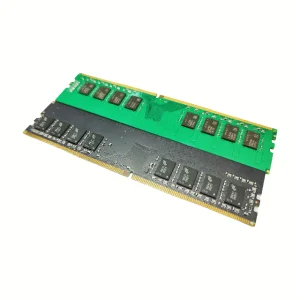
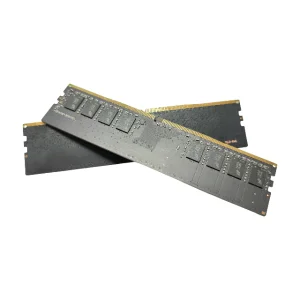
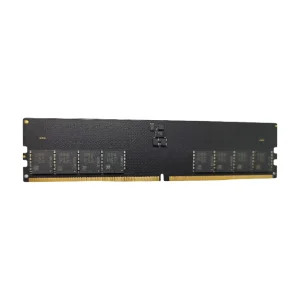
NexaRAM Storage Technology Co., Ltd. is a professional DDR5 memory manufacturer specializing in high-performance RAM solutions for global OEMs, data centers, and enterprise computing applications. Established in 2016, the company has rapidly developed into a reliable supplier in the advanced DRAM industry.
The company operates a modern production facility with a total building area of approximately 320㎡, equipped with advanced manufacturing and testing equipment to ensure stable and efficient production capacity. NexaRAM has an annual export revenue of approximately USD 12 million, with 6 years of export experience and 12 years of industry experience in memory and semiconductor-related fields.
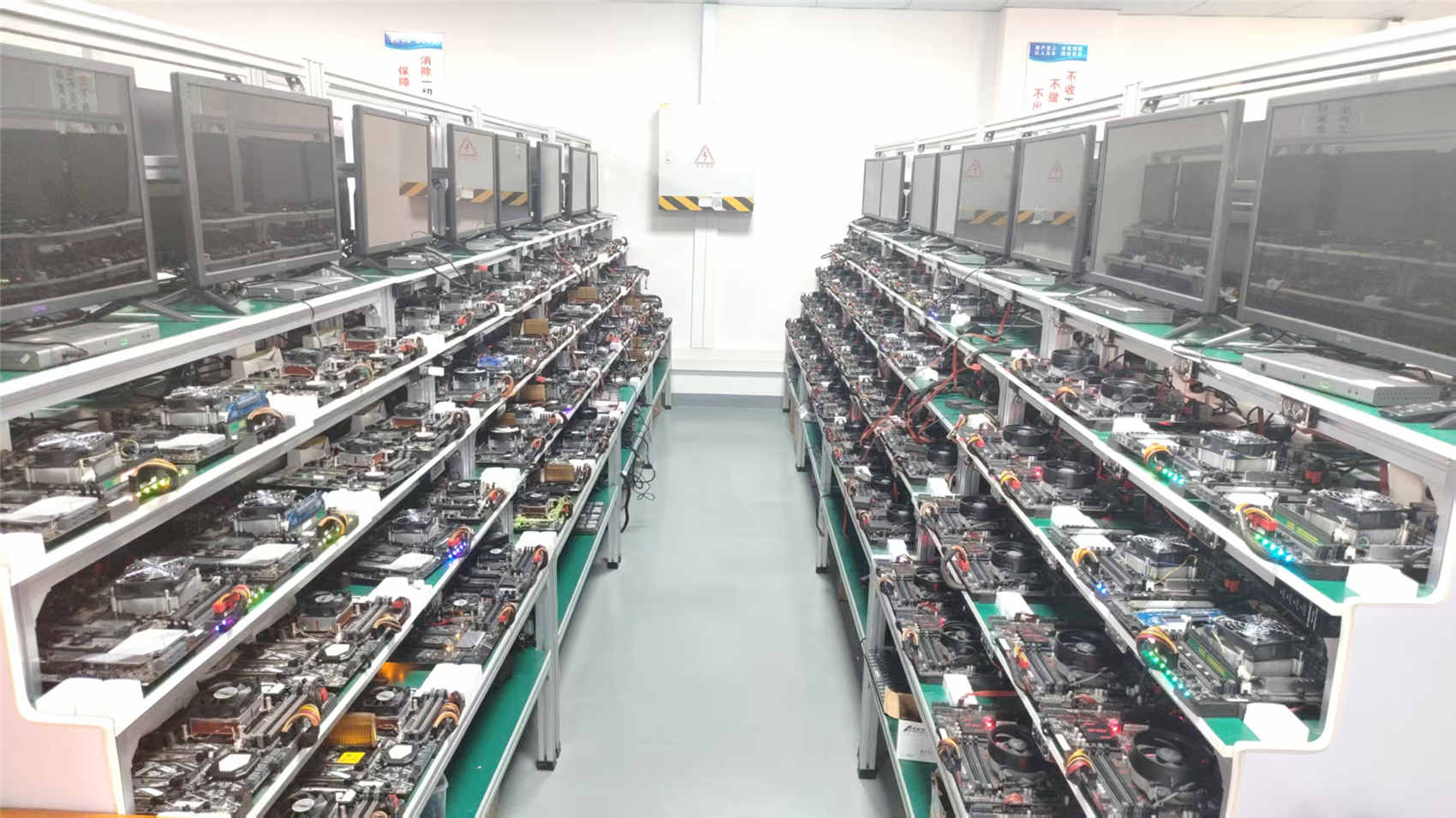
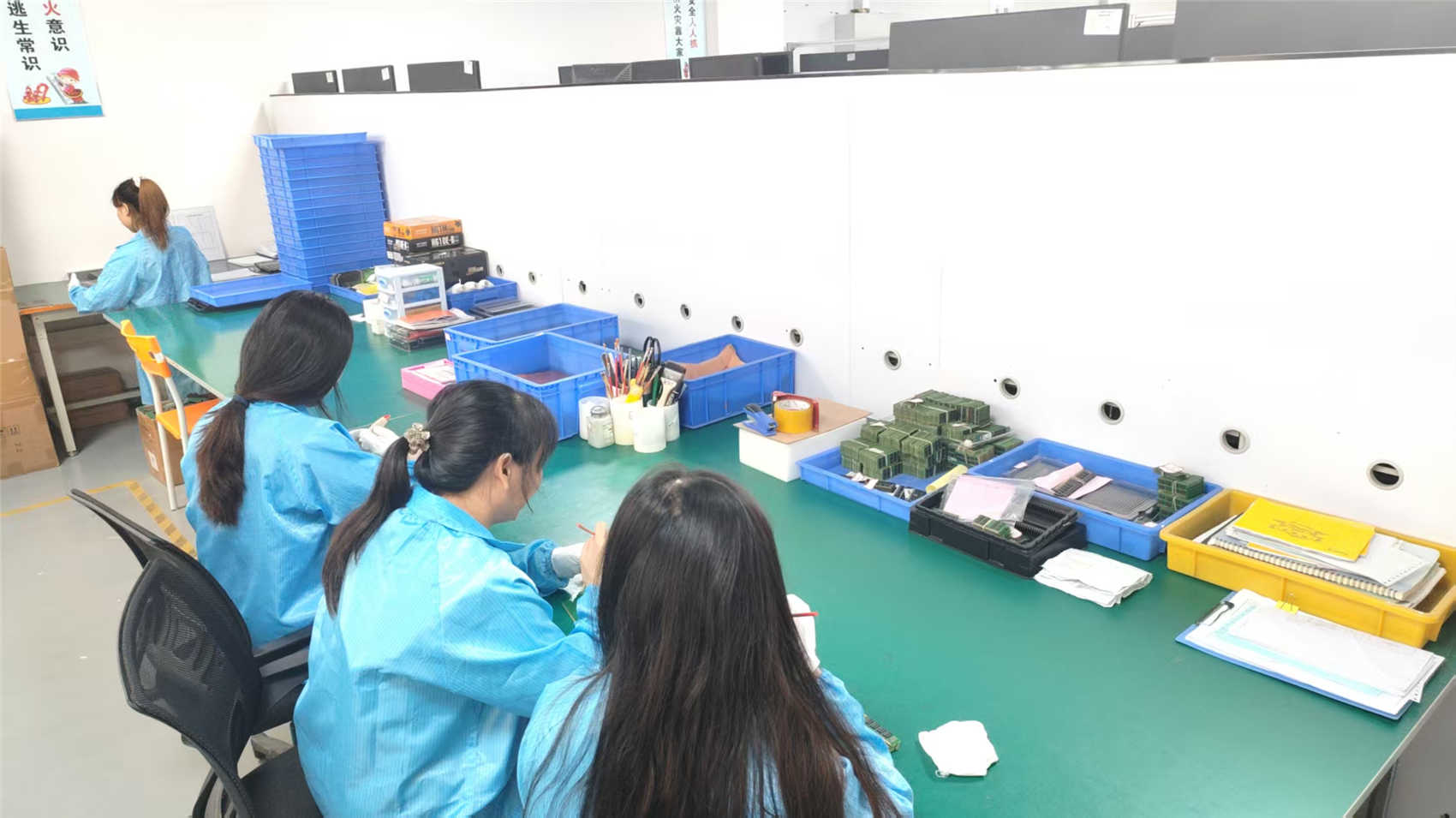
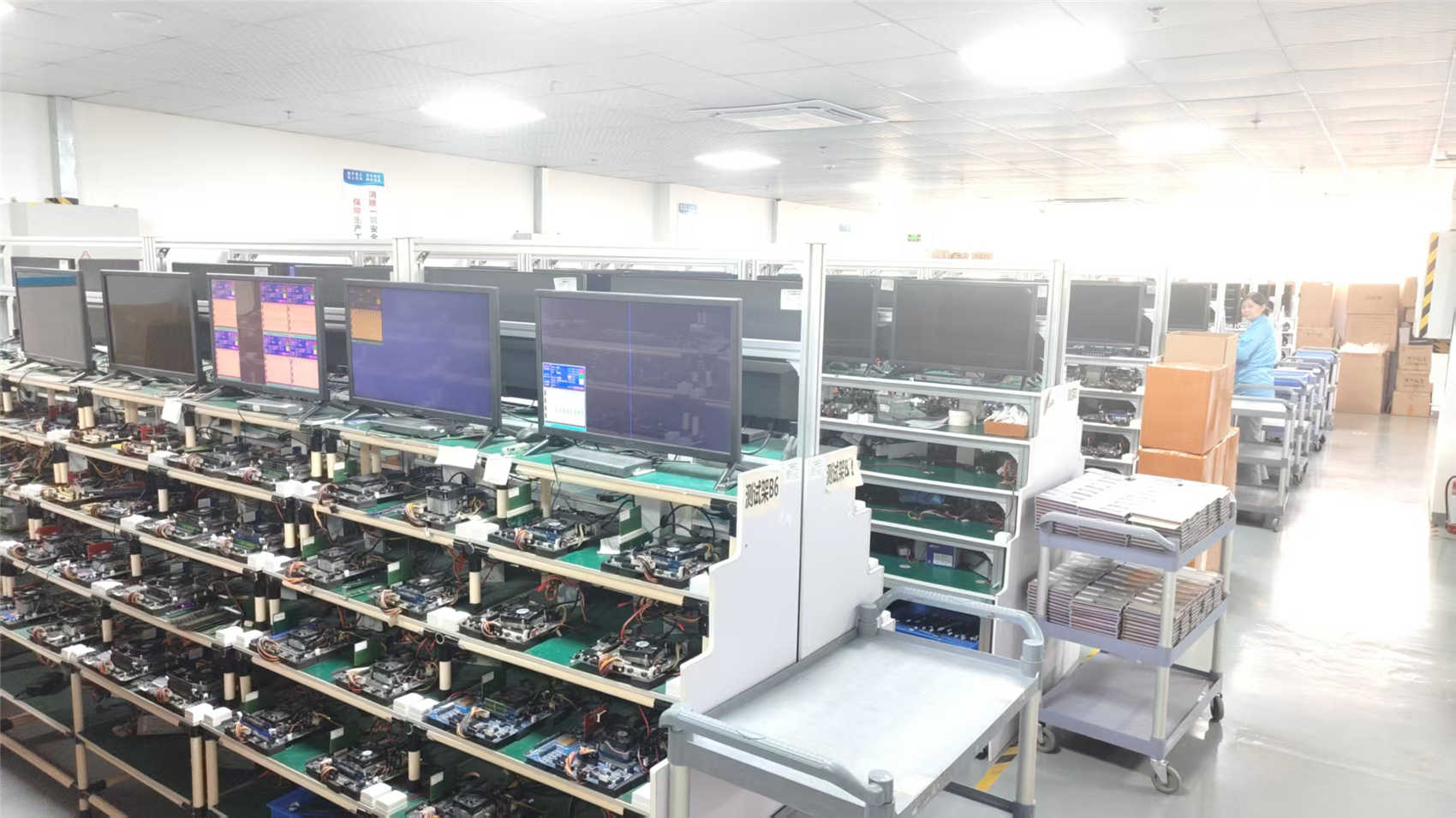
Quality is strictly controlled through a combination of automated optical inspection (AOI) and burn-in reliability testing, supported by a professional QC team of 35 inspectors. The company follows international trade compliance standards and operates under a strong global trading background, serving markets across North America, Europe, Southeast Asia, and the Middle East.
NexaRAM maintains a highly developed supply chain ecosystem with over 850 strategic supply chain partners, enabling stable sourcing of high-grade semiconductor materials and components. Its primary customer base includes OEM manufacturers, system integrators, server solution providers, and gaming PC brands.
The company demonstrates strong R&D capabilities, offering custom DDR5 module design, PCB layout optimization, frequency tuning, and thermal solution development. Flexible customization options include frequency, latency, capacity, heat spreader design, and branding services.
In the past year, NexaRAM launched 120 new product variants, supported by a dedicated R&D team of 180 engineers, continuously driving innovation in high-speed memory solutions for next-generation computing systems.
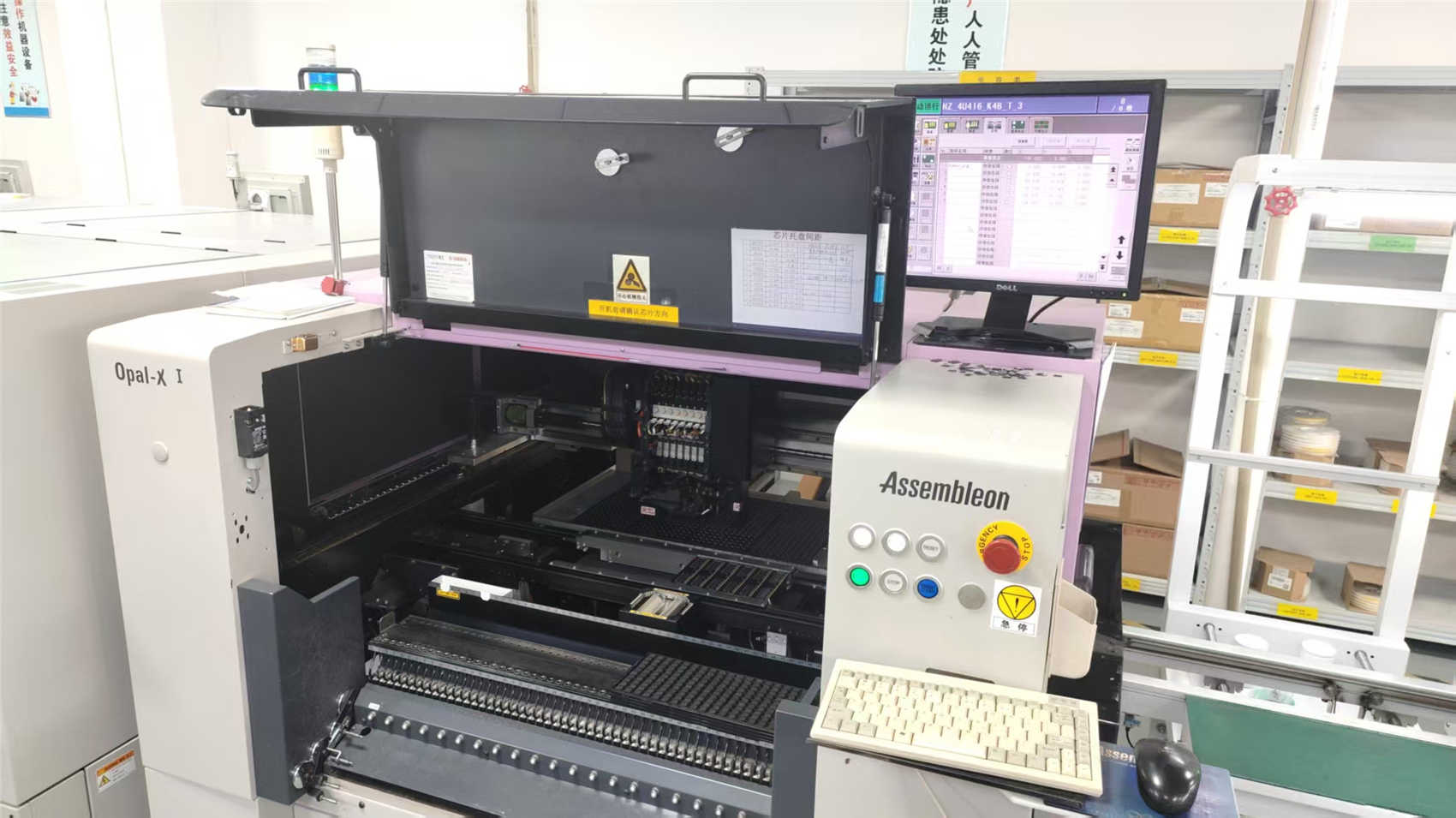
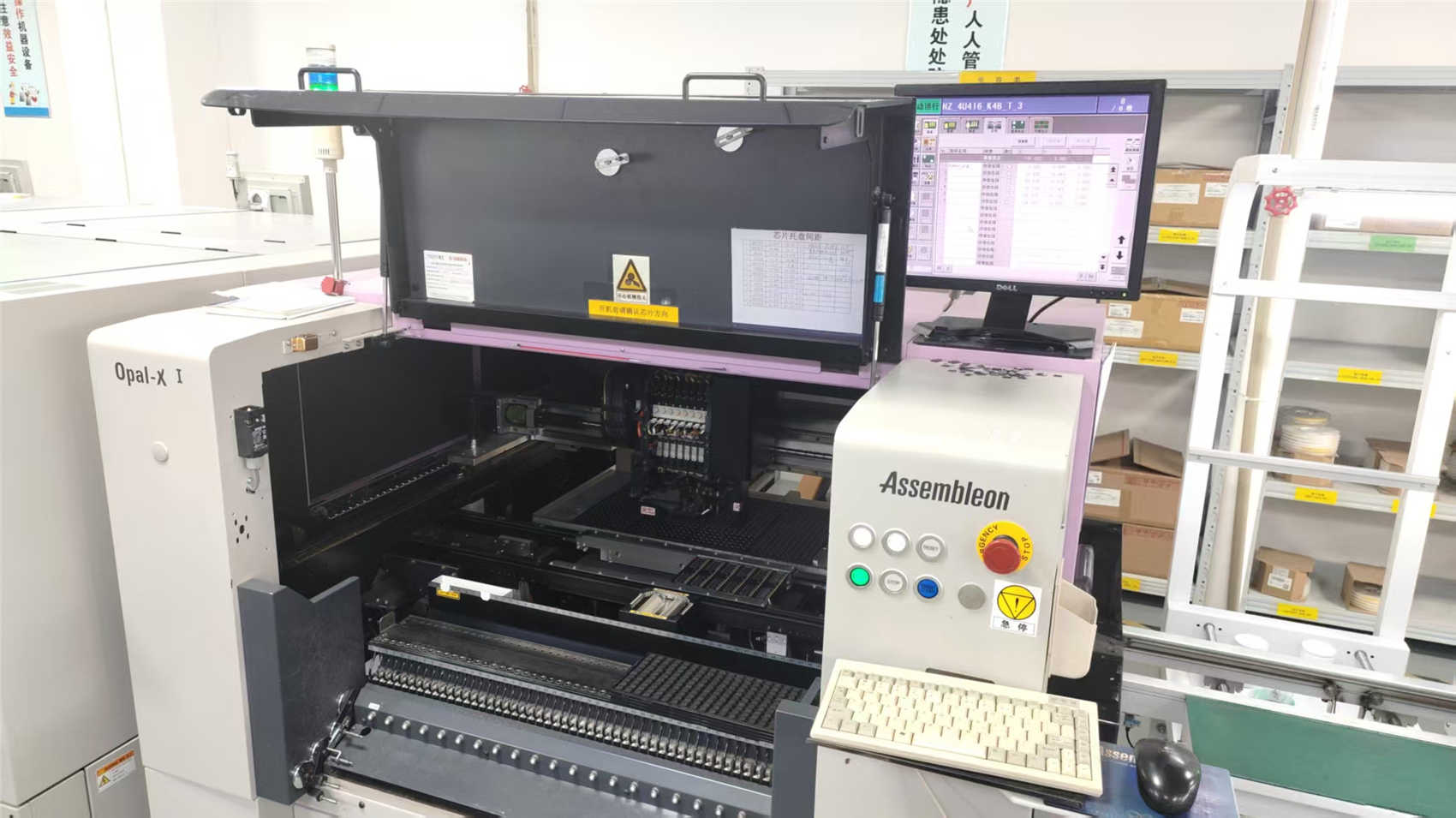
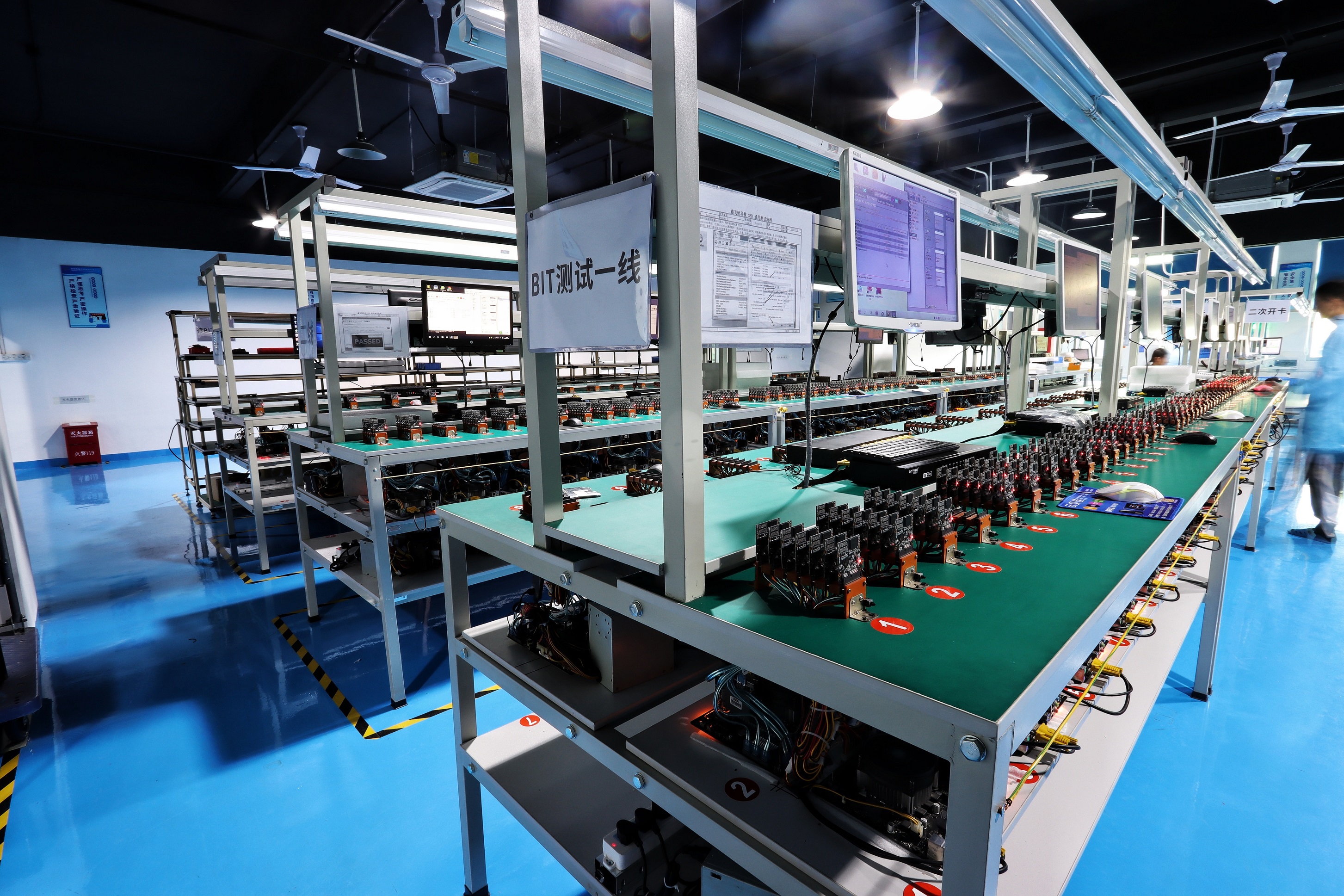

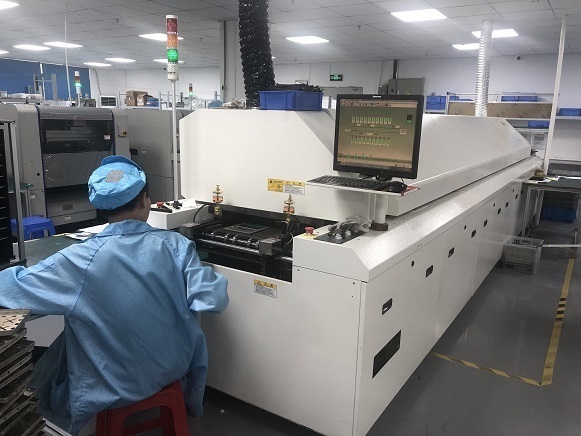
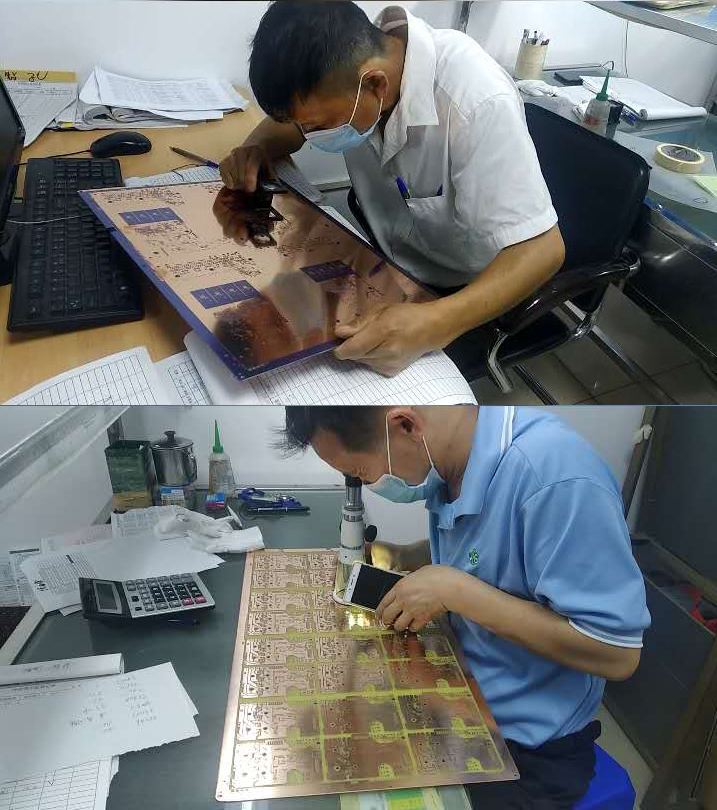
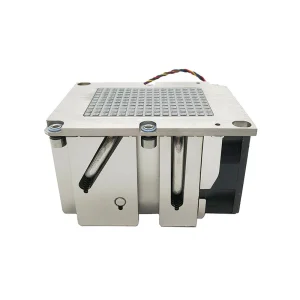
By leveraging an unparalleled semiconductor network of over 850 strategic partners, NexaRAM secures constant access to high-grade wafers, multi-layer PCBs, and advanced heatsink copper blocks. This proximity to upstream and downstream suppliers reduces production downtime to virtually zero, ensuring predictable lead times even during global shortages.
Unlike factories relying on manual sample checking, NexaRAM deploys strict Automated Optical Inspection (AOI) alongside active environmental thermal chambers. Components undergo extreme stress testing, filtering out micro-fractures, signal noise, and weak solder connections before exporting. This ensures 100% functional deployment upon arrival.
With an engineering pool of 180 R&D experts, custom layout modifications, frequency tuning (from 4800MHz to 6000MHz), and heatsink redesigns can transition from a schematic file to physical samples within 7 business days. This agility allows system integrators to adapt to new industrial architectures dynamically.
Robotic hardware requirements vary dramatically depending on the localized operational footprint. By designing memory and thermal units specifically around regional deployment scenarios, NexaRAM bridges the gap between hardware capability and environmental challenges.
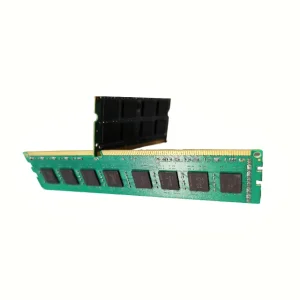
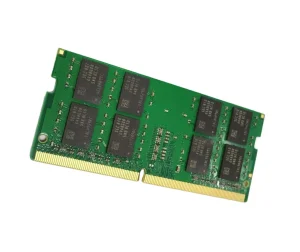
In massive distribution centers in North America and Western Europe, fleets of AGVs operate 24/7. These machines rely on onboard lidar and stereo cameras for sensor fusion navigation. This data-heavy workload requires robust DDR5 RAM for real-time localization and mapping (SLAM). High-vibration environments can compromise memory modules, which is why NexaRAM specializes in DRAM with dynamic ECC support and customized retention brackets to ensure uninterrupted operation.
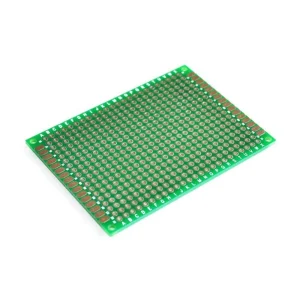
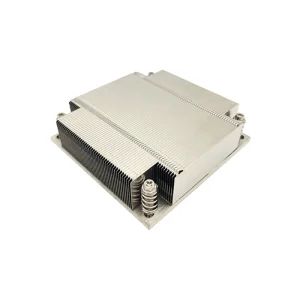
Welding and assembly robots in automotive plants operate in environments with electromagnetic interference (EMI) and extreme ambient heat. Standard PCB assemblies fail under these conditions. The use of ruggedized, multi-layer FR4 PCB boards paired with passive 2U copper heat pipes prevents thermal runaway and maintains signal integrity, even in temperatures exceeding 60°C near manufacturing furnaces.
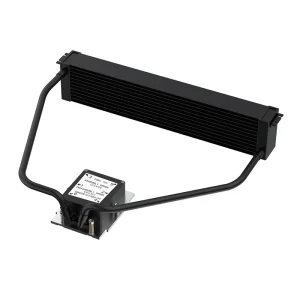
Medical robotics require absolute computational accuracy. There is no margin for bit-flips or hardware latency. Implementing high-frequency DDR5 memory modules ensures clean high-definition video feeds during surgical procedures, while server-grade active cooling heatsinks keep system processors running within safe thermal zones.
Understanding emerging trends allows manufacturers to design forward-compatible hardware. The industrial robotics sector is currently experiencing rapid technical changes that influence sourcing decisions: