NexaRAM
NexaRAM
NexaRAM
Deploying high-frequency DRAM memory modules, performance coolers, and custom PCBs required to power complex real-time simulation software stacks.
Modern engineering demands computational simulation software that can replicate complex thermodynamic, physical, structural, and electromagnetic states with microsecond accuracy. However, even the most advanced simulation software algorithms remain bottlenecked by the underlying hardware execution engines.
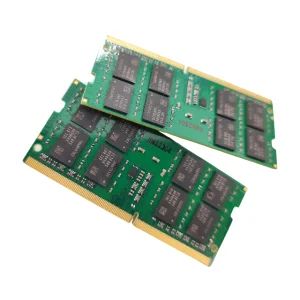
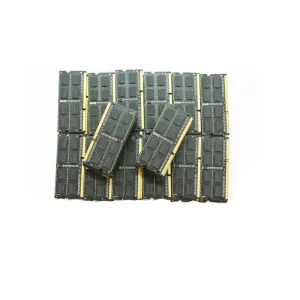
NexaRAM Storage Technology Co., Ltd. stands at the convergence of this hardware-software paradigm. Founded in 2016, NexaRAM specializes in manufacturing custom high-frequency DRAM memory modules, multi-layer high-speed PCBs, and ultra-efficient cooling hardware engineered specifically to support industrial-grade simulation workloads.
Through close partnerships with simulation developers, industrial factories, and system integrators globally, we ensure software execution algorithms match perfectly with hardware processing pipelines. This co-design approach maximizes compute efficiency, guarantees system reliability under stress, and accelerates digital twin processing times for factories worldwide.
Understanding how semantic data processing, multiphysics solvers, and AI-driven model prediction reshape computational hardware specifications.
Traditional simulations isolated fluid dynamics from mechanical fatigue analysis. Modern industrial software requires simultaneous multiphysics co-simulations (CFD + FEA + Electromagnetics). This demands substantial memory bandwidth (DDR5 6000MHz+) to prevent core starvation in multi-socket high-performance compute nodes.
Factories are actively deploying real-time digital twins linked to operational SMT/production lines. Software systems rely on low-latency memory response to compare machine telemetry with predicted models. Latency reduction is achieved through hardware-level frequency tuning and specialized controller programming.
Machine learning models are increasingly integrated inside solvers to predict mesh boundaries faster. This hybrid computing environment requires deep-learning hardware engines to access massive datasets instantly. Low-power, high-density DDR5 memory arrays with integrated PMICs are vital for these hybrid workflows.
Solving memory bandwidth limits, system thermal dissipation challenges, and long-term manufacturing lifecycles for complex industrial operations.
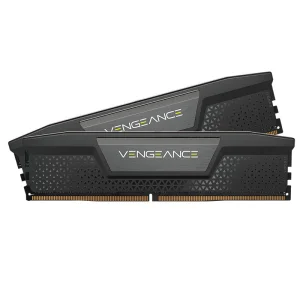
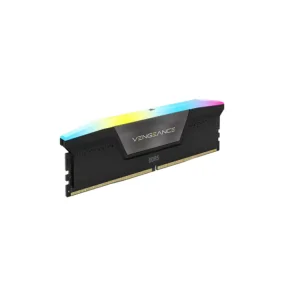
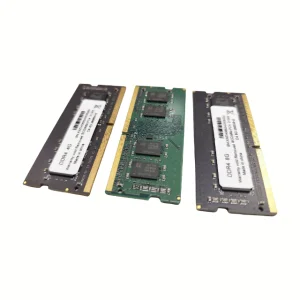
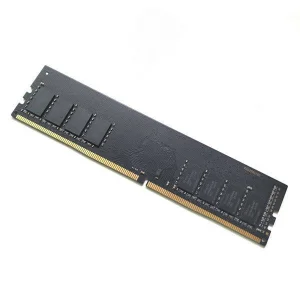
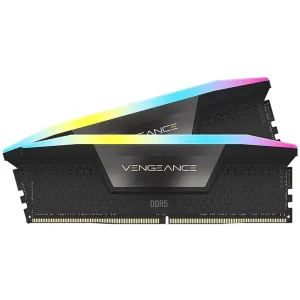
When running mesh generation algorithms inside simulation engines, standard DRAM experiences massive read-write backlogs. NexaRAM resolves this by tuning latency timings down to CL30/CL40 limits. Our DDR5 RGB & ECC Modules run at 6000MHz+ to ensure non-blocking solver pipelines.
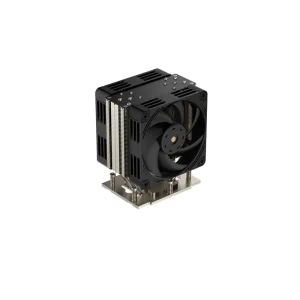
Computational simulation servers operate at maximum load for days. Standard heat spreaders often fail to prevent thermal throttling. Our dual 9025 fan heatsinks (SP5 N99 400W) are constructed to manage heavy industrial environments, maintaining thermal envelopes below critical thresholds.
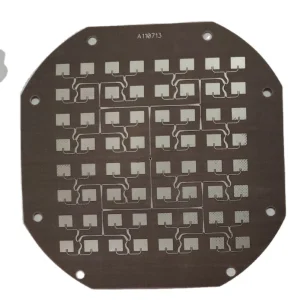
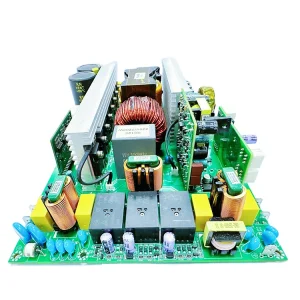
Simulation hardware requires advanced PCB solutions to handle high-frequency data rates. NexaRAM develops high-frequency PCBs using Taconic TLY-5 (0.254mm) and aluminum substrates, preventing signal degradation and ensuring continuous operation under extreme computational stress.
Enabling advanced computation, energy control, and hardware verification in global industrial markets.
Operating solar power conversions requires fast real-time monitoring and software control. NexaRAM manufactures customized new-energy photovoltaic inverter PCBA boards, designed to process high voltages and dynamic signal paths for localized inverters.
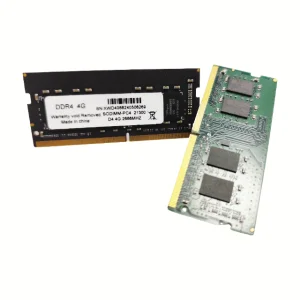
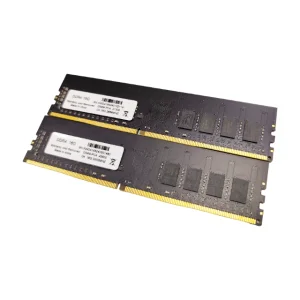
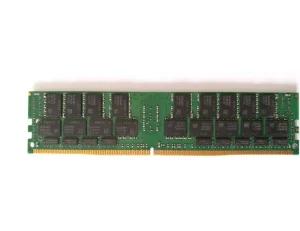
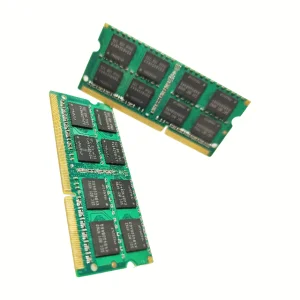
Large-scale simulation platforms rely on cloud computing farms. NexaRAM delivers high-speed enterprise-grade server memory (DDR4 & DDR5 ECC) coupled with specialized SP5 heatsinks, reducing server downtime and maximizing throughput for parallel processing networks.
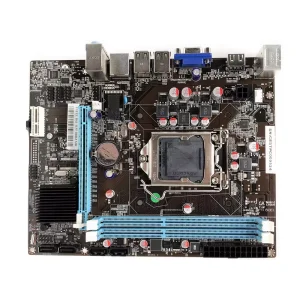
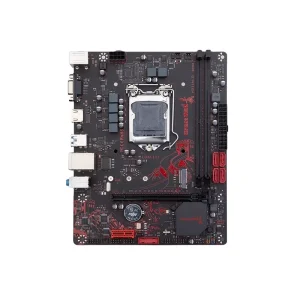
Testing aerodynamics and collision profiles demands massive computation grids. NexaRAM supports complex automotive simulation configurations by providing custom DDR5 memory kits, optimized motherboards (H311M-G/H61), and robust high-frequency PCBs.
A look inside NexaRAM's ISO-compliant facilities, where automated optical inspection (AOI) and burn-in reliability testing guarantee operational stability.
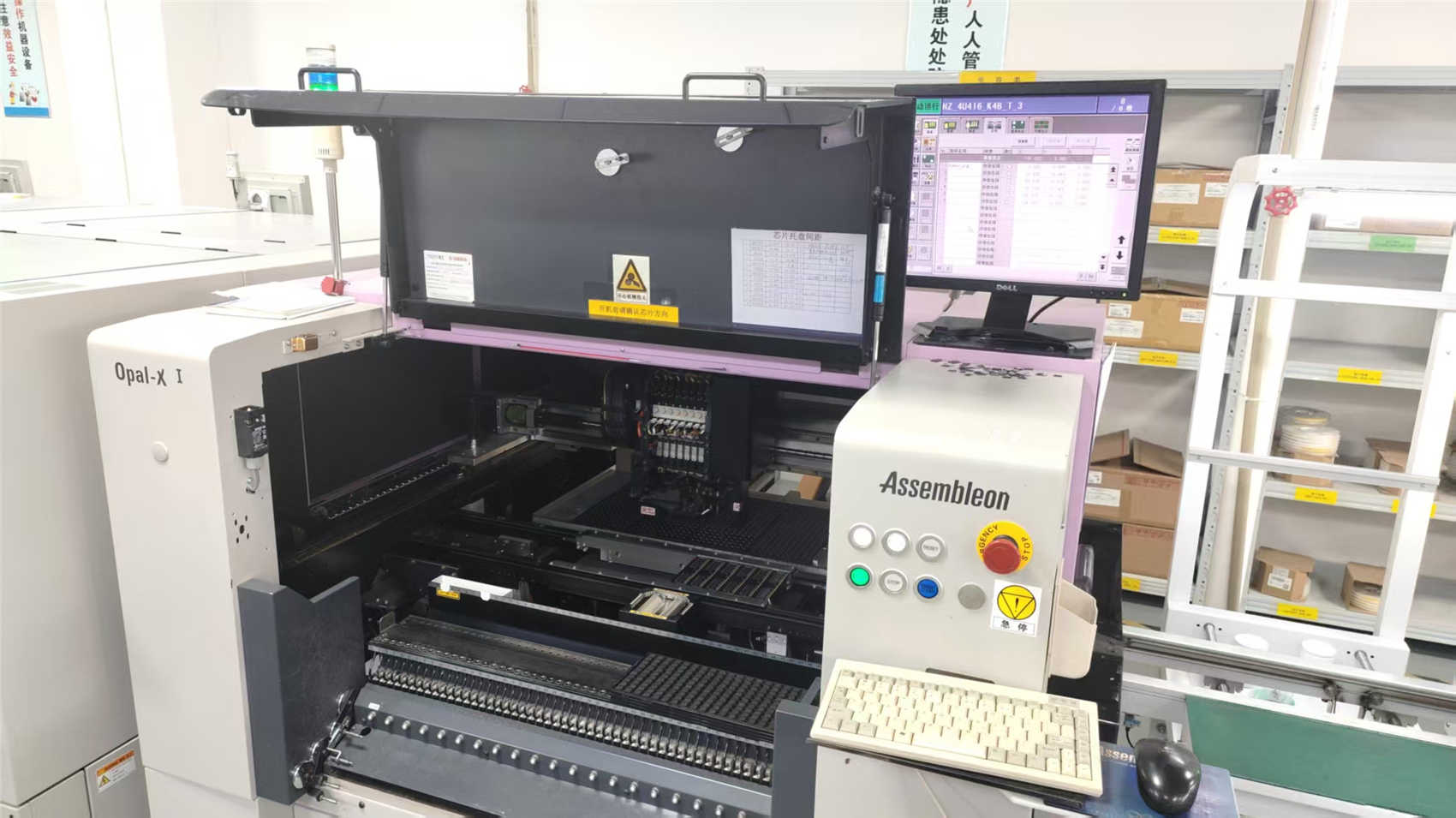
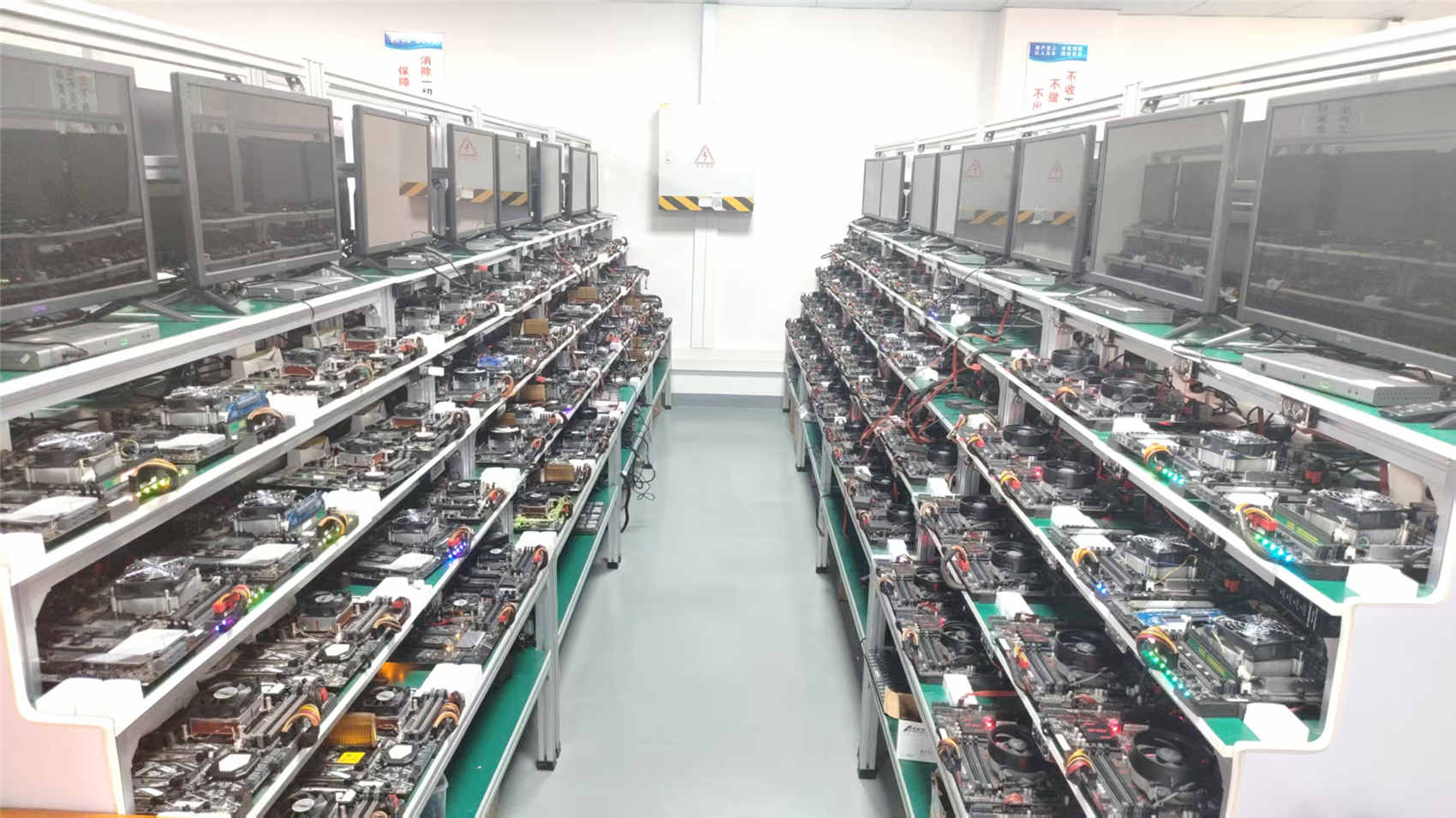
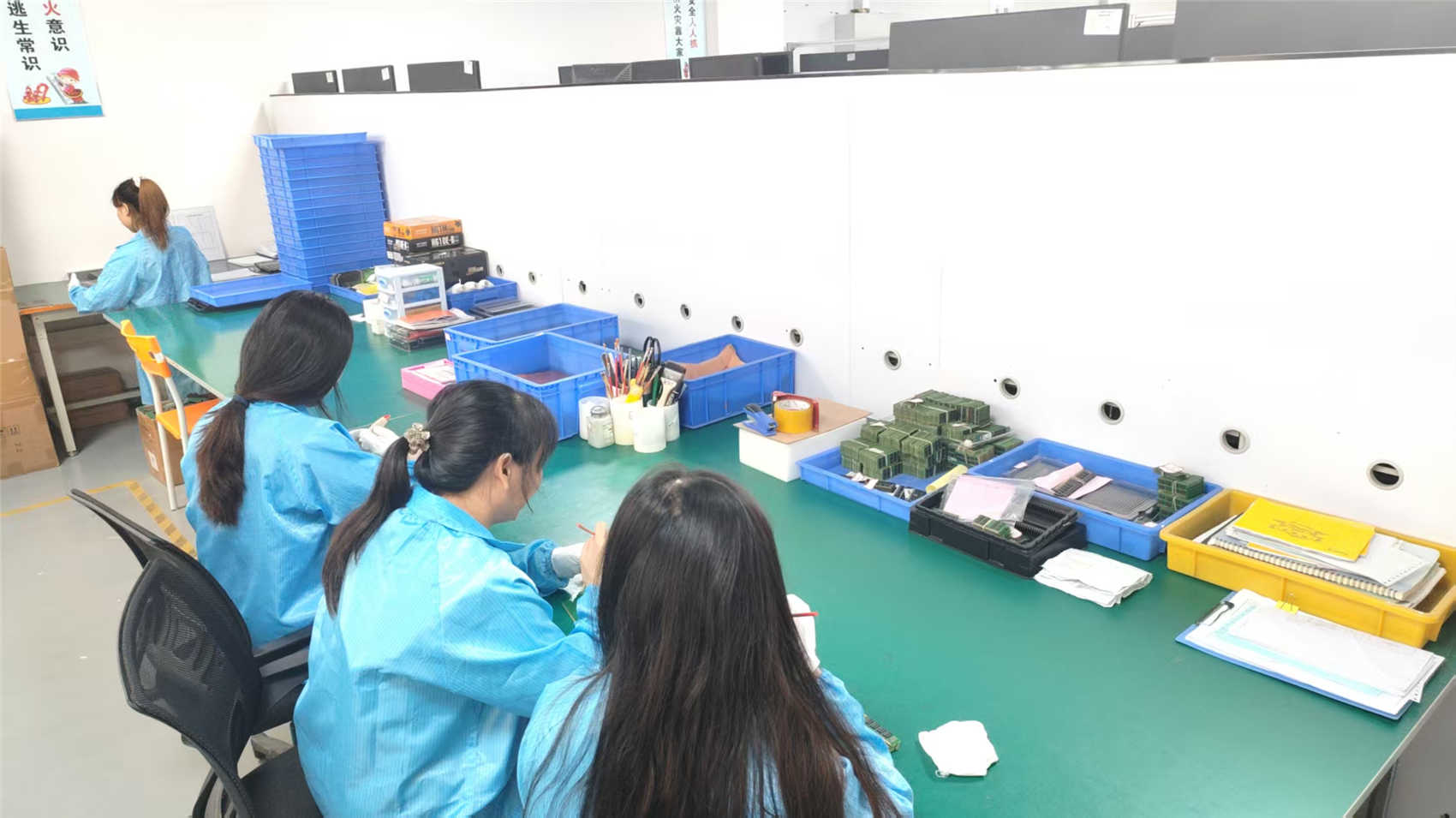
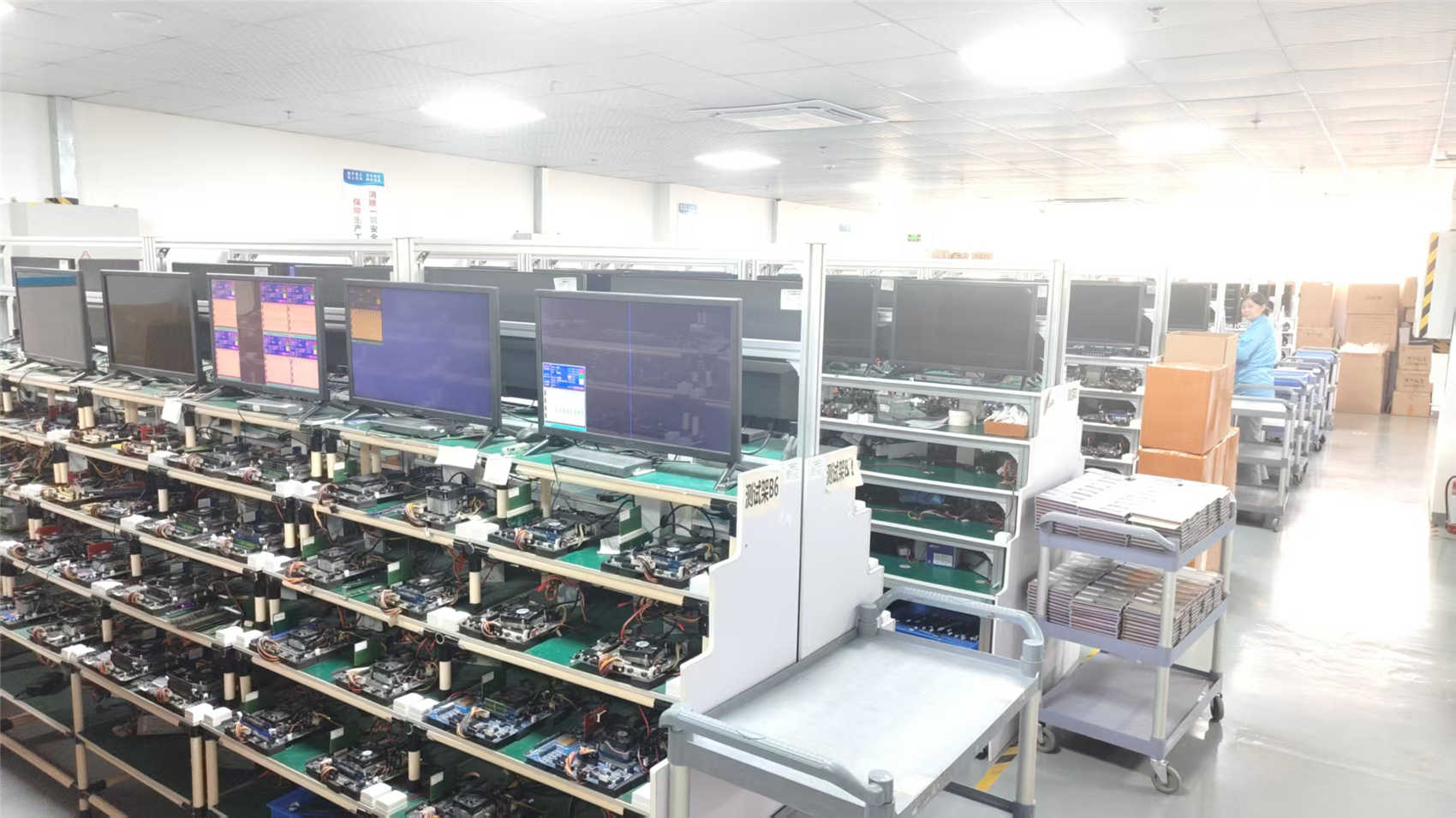
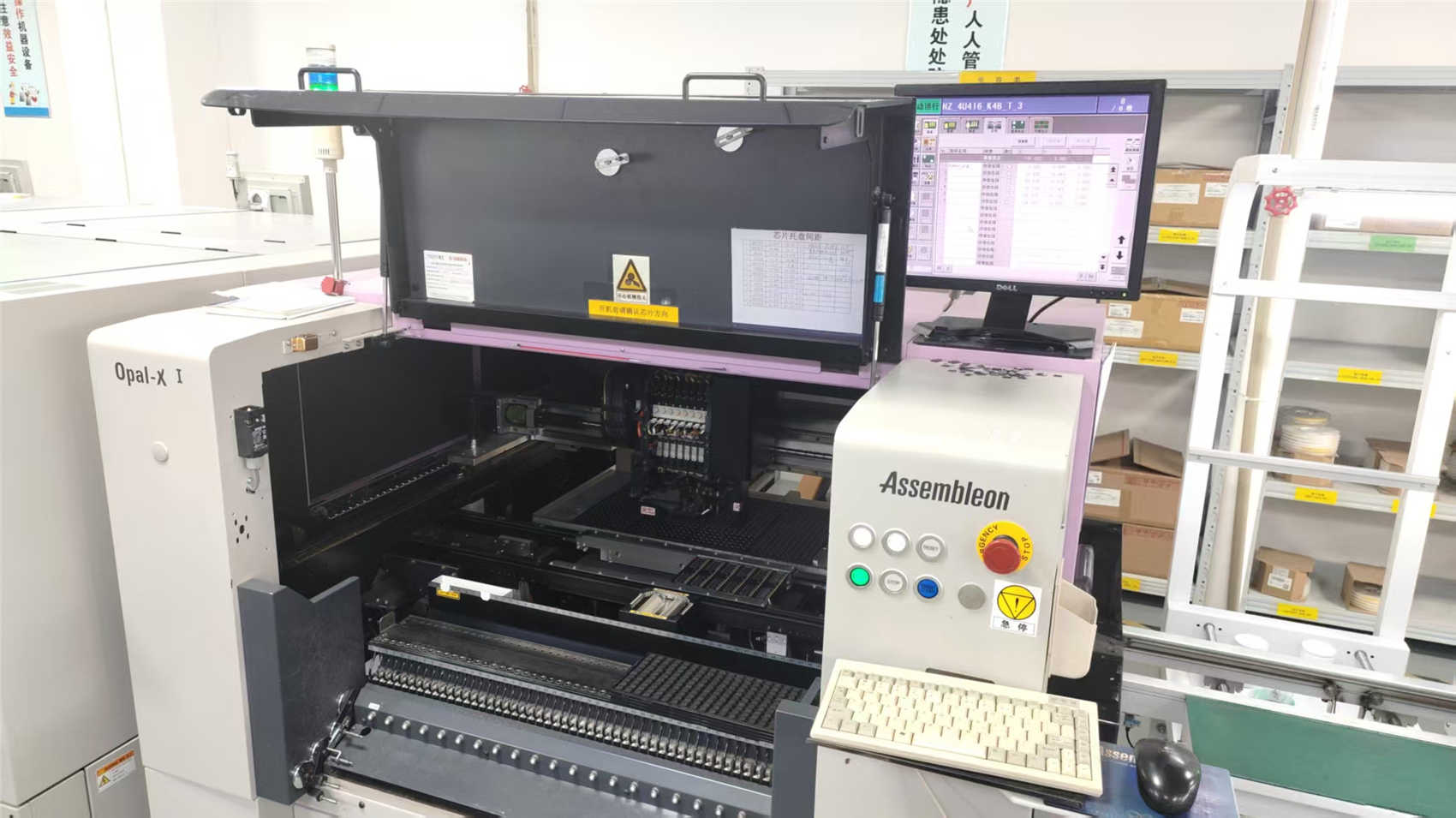
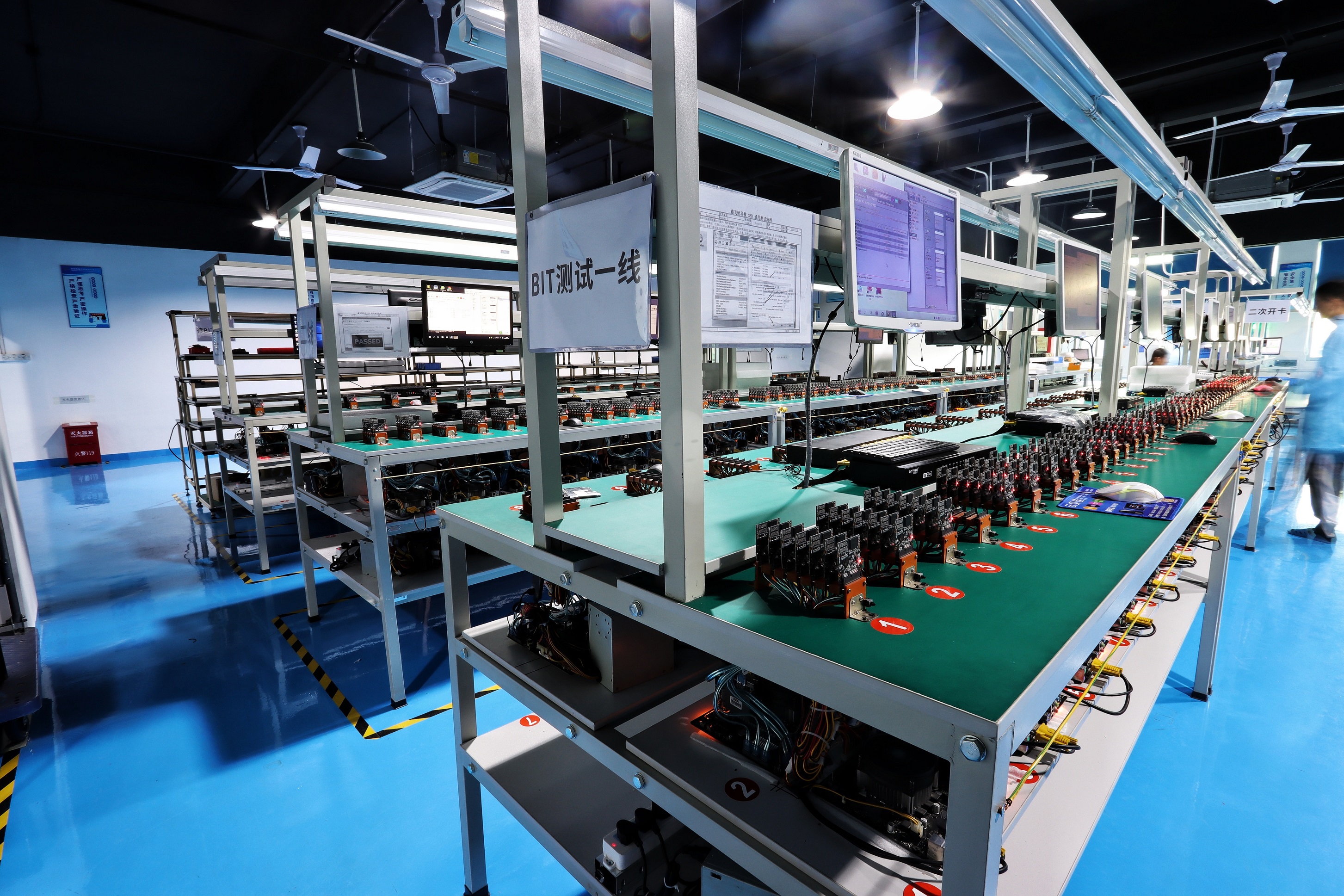
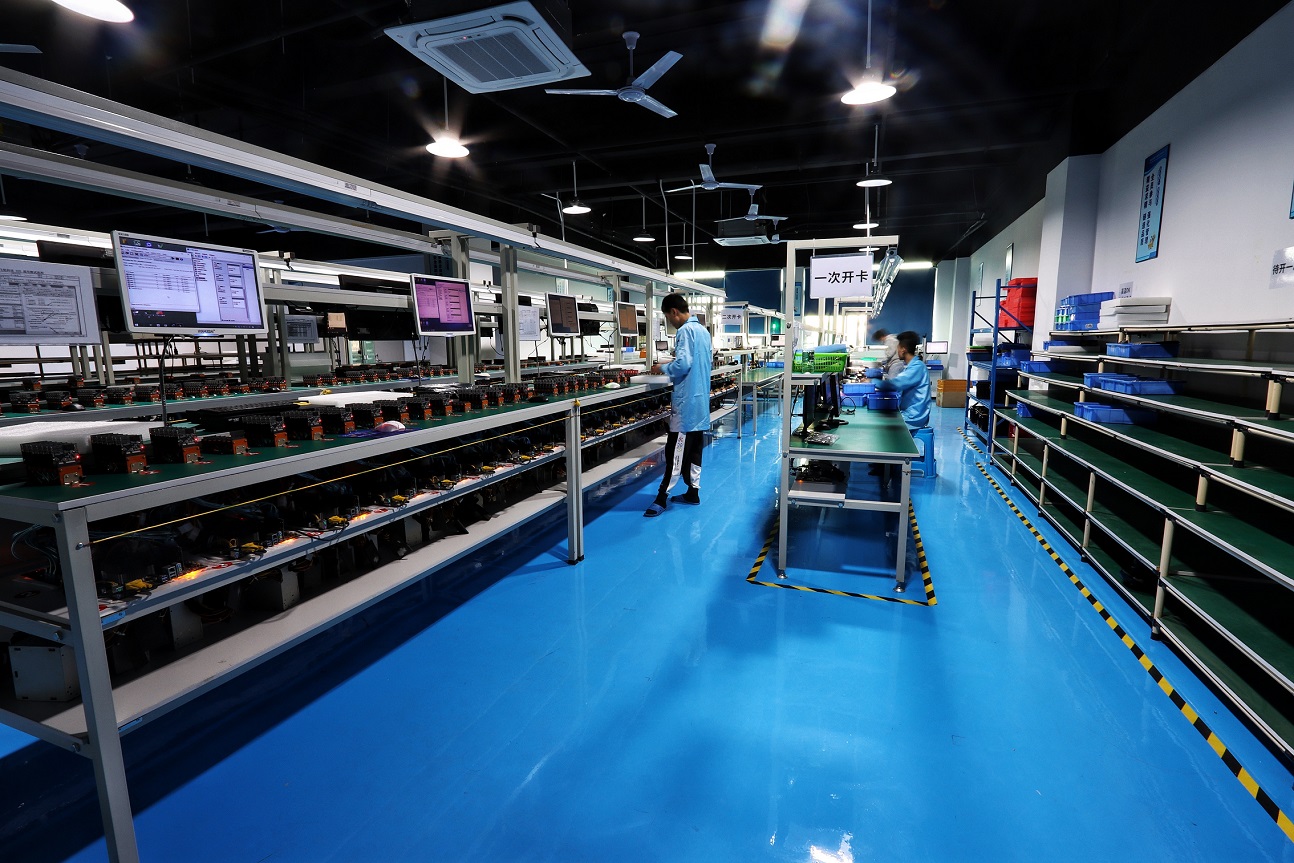
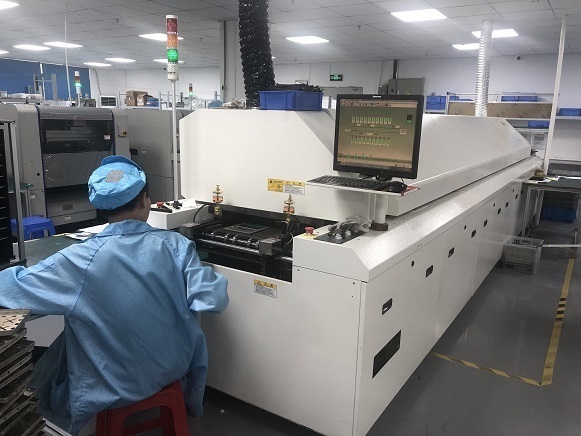
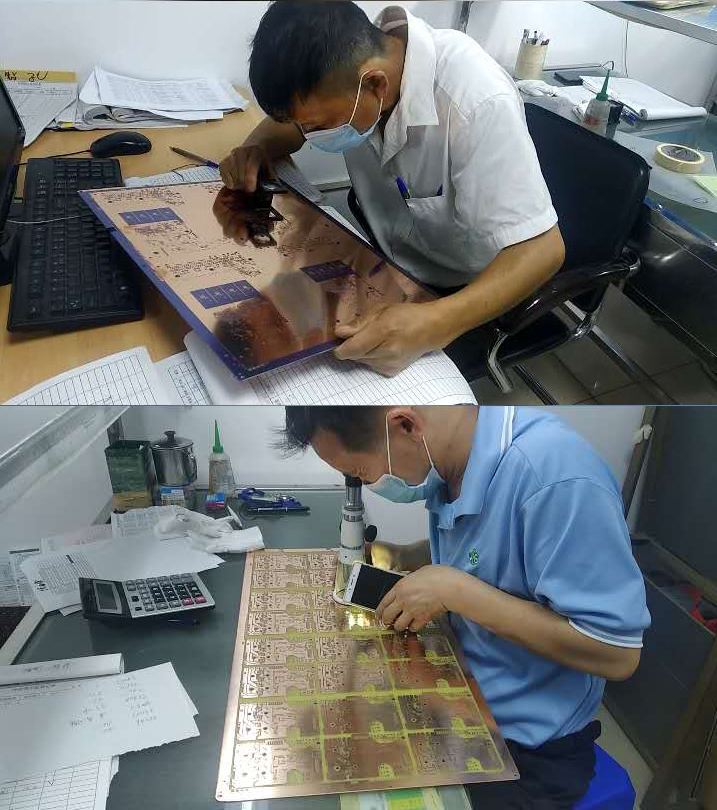
Figure 1: NexaRAM's ISO 9001 and CE compliant hardware assembly, cleanroom prototyping, and reliability laboratory.
Working in critical engineering environments requires adherence to complex global regulatory landscapes. NexaRAM ensures compliance with standards across primary markets, including North America, Europe, Southeast Asia, and the Middle East. Our custom memory, motherboard, and PCBA solutions comply with CE, FCC, RoHS, and WEEE directives, ensuring trouble-free integration into international supply systems.
To support next-generation OEM simulation software, our engineering roadmap centers on three development directions:
Our localized support centers provide rapid hardware integration audits and component matching, ensuring that OEM system builders receive compatible hardware designs tailored to their simulation requirements.
Lead Time Guarantee: Batch custom orders are supported by a network of 850+ logistics partners, ensuring dependable supply timelines for our global customers.
Expert guidance on resolving memory bottlenecks, thermal limits, and choosing the right components for industrial computing setups.
Multiphysics simulations process large mathematical matrices simultaneously. Standard systems bottleneck at the memory channel when exchanging data between the CPU and system memory. DDR5, running at speeds up to 6000MHz+, features two independent 32-bit subchannels per module. This architecture doubles memory access efficiency, ensuring compute cores remain utilized during high-density solver calculations.
We employ a multi-stage quality control process. Every DRAM chip undergoes automated optical inspection (AOI) to verify structural and solder joint integrity. This is followed by dynamic burn-in testing, running the components at elevated temperatures to identify and eliminate early-life failures. This process ensures our memory modules maintain stable operation during multi-day simulation tasks.
High-frequency PCBs, such as Taconic TLY-5 (0.254mm) configurations, offer low dielectric loss and high dimensional stability. At high clock speeds, standard FR4 substrates suffer from signal attenuation and impedance mismatch, leading to data errors. Taconic substrates ensure clean signal paths, making them suitable for high-frequency signal processing and telemetry systems in industrial factories.
Modern server processors running simulation workloads generate significant heat, often exceeding 350-400W under load. If thermal limits are exceeded, the processor throttles performance to protect itself, slowing down simulation operations. NexaRAM’s SP5 N99 heatsinks utilize dual high-volume 9025 fans and structured heatpipe designs to dissipate heat efficiently, maintaining processor performance under prolonged loads.
Yes. NexaRAM provides custom PCBA design and manufacturing services. We optimize PCB layouts for high thermal stress and electrical noise immunity, integrating required safety and power management features to support reliable operation in photovoltaic inverters and industrial control systems.
Select from our range of high-frequency RAM modules, custom PCBs, and high-performance server cooling systems designed to support intensive industrial computation.