NexaRAM
NexaRAM
NexaRAM
Explore our precision-engineered core components, customized and manufactured under strict global industry standards.
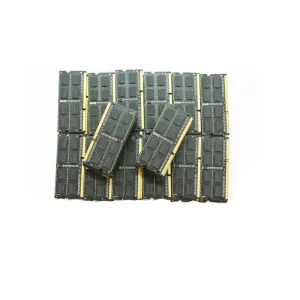
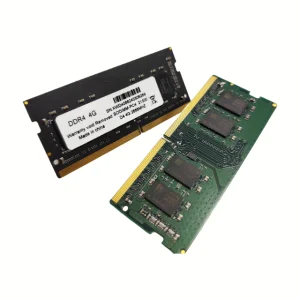
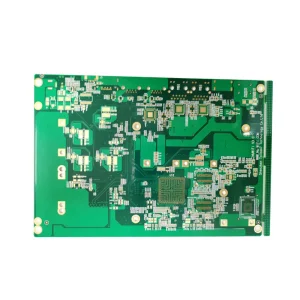
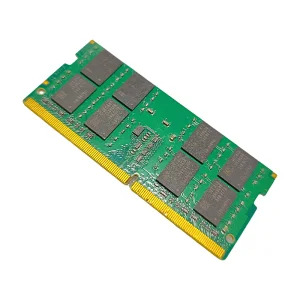
The consumer electronics industry stands at a transformative crossroad. No longer dominated merely by basic assembly demands, the contemporary paradigm relies on advanced micro-architectures, enterprise-level computing support, and high-thermal-efficiency thermal management solutions. Original Equipment Manufacturers (OEMs) and Original Design Manufacturers (ODMs) form the core of this revolution, bridging the gap between cutting-edge engineering specifications and high-yield physical execution.
Globally, procurement frameworks have shifted from simple cost-minimization strategies to robust risk management, technological adaptability, and manufacturing agility. Companies sourcing electronics components demand deep vertical integration. The ability of a supplier to execute multilayer PCB layouts, design complex heat spreaders, configure dynamic burn-in testing, and procure highly graded original DRAM chipsets directly governs market arrival speed and end-user hardware reliability. As a result, partners like NexaRAM Storage Technology are setting benchmarks for reliability and technical excellence.
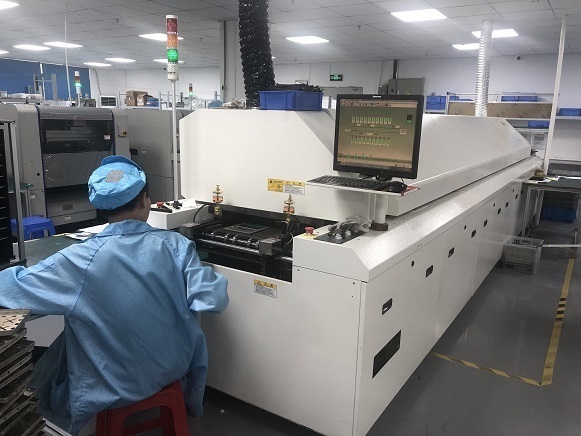
Established in 2016, NexaRAM Storage Technology Co., Ltd. has established itself as an authoritative voice in high-performance memory modules and electronics manufacturing. With a specialized focus on next-generation DDR5 and enterprise computing accessories, NexaRAM integrates design, testing, and distribution pipelines.
Operating a highly specialized facility of approximately 320㎡ of active production space, NexaRAM integrates automated placement systems, reflow ovens, and precise stencil positioning systems for multi-layer PCBAs.
Quality is controlled by 35 dedicated inspectors utilizing Automated Optical Inspection (AOI) alongside rigorous temperature-controlled burn-in testing to minimize failure rates.
With over 120 new product variants engineered within the past year, our team facilitates rapid custom prototyping, branding solutions, and thermal validation processes.
Modern electronics perform at elevated frequencies and high power densities. System stability requires deep technical alignment across memory bandwidth, circuit design, and thermodynamic dissipation.
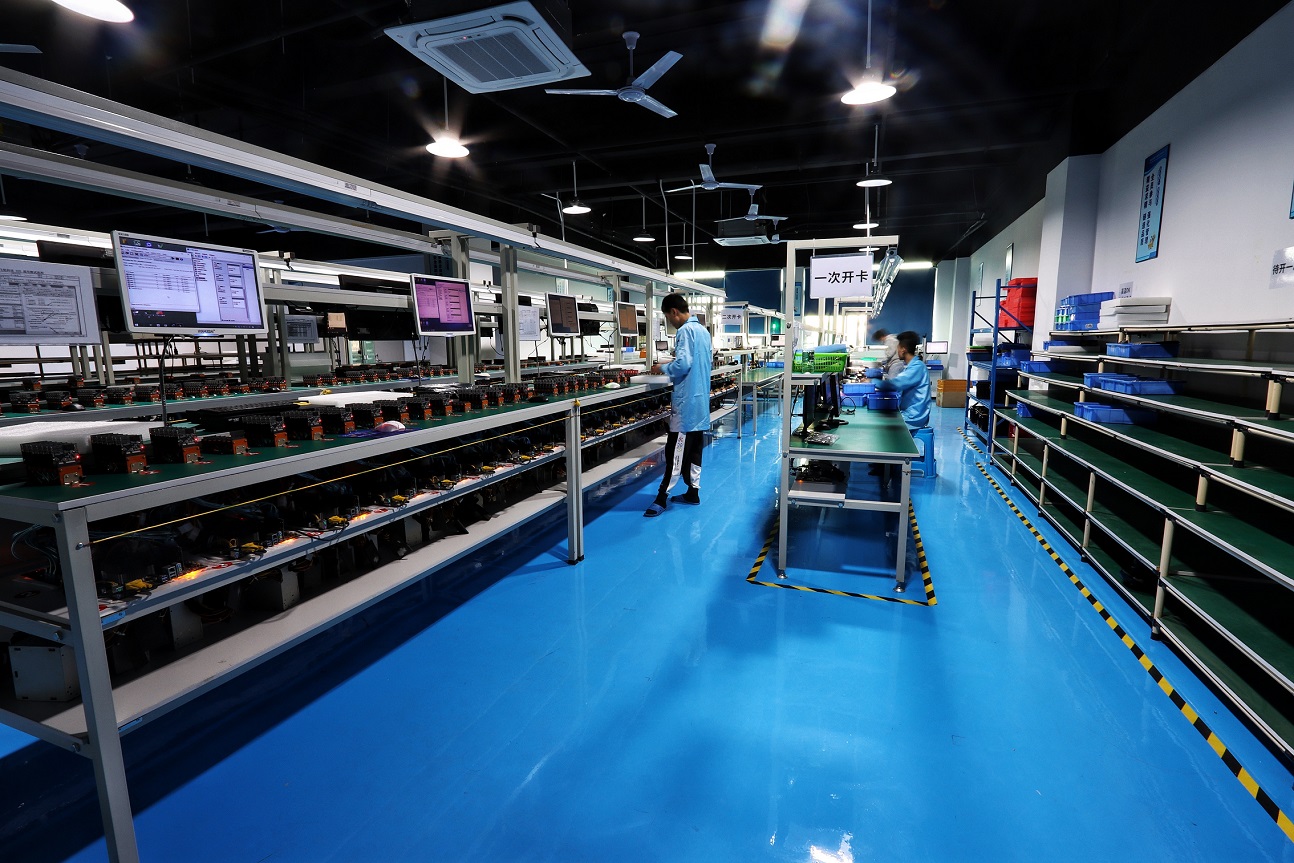
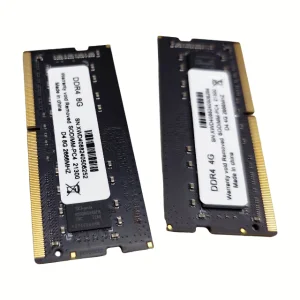
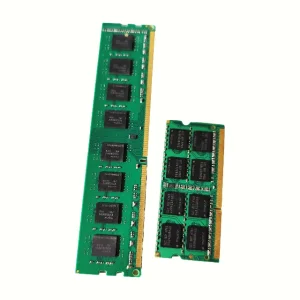
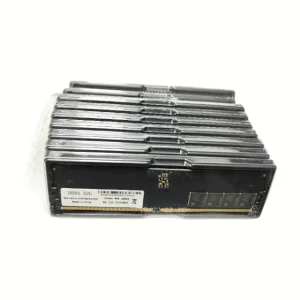
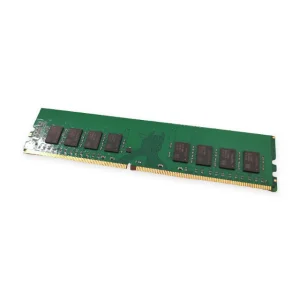
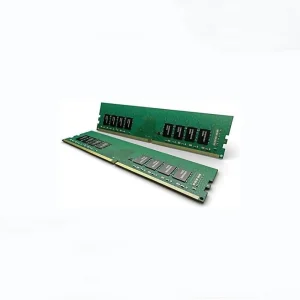
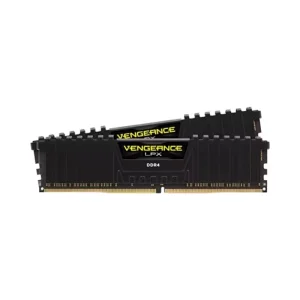
High-end servers and workstation computers demand unprecedented data throughput. While DDR4 memory remains a staple for standard operating hardware (covering frequencies like 2400MHz, 2666MHz, and 3200MHz), DDR5 memory scales performance past 5600MHz and 6000MHz. Scalability presents strict layout requirements: signals require trace-length matching to within fractions of a millimeter to prevent clock skew. Furthermore, enterprise settings require Error-Correcting Code (ECC) DRAM modules to intercept single-bit data corruption, ensuring system runtime for cloud compute centers and AI training operations.
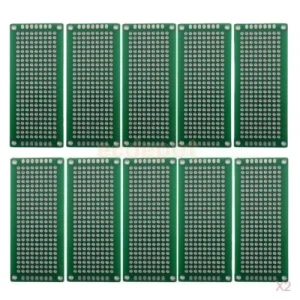
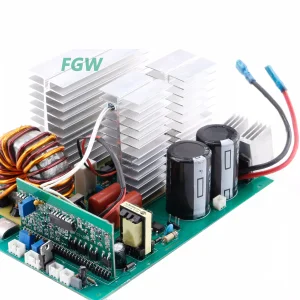
PCBA design is the literal foundation of device operations. Complex power management, integrated WiFi modules, high-frequency signal pathways, and industrial controller requirements (such as the ZX7 welding machine's 220v single-board inverters) necessitate multi-layered, robust glass-reinforced epoxy substrates (FR4). Implementing thick copper planes, strategic via positioning, and controlled impedance profiles ensures that high currents can be routed without creating electrical interference or local hot-spots.
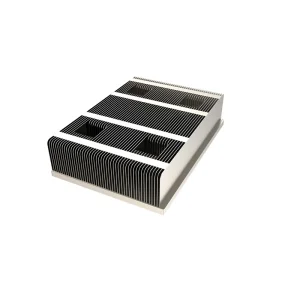
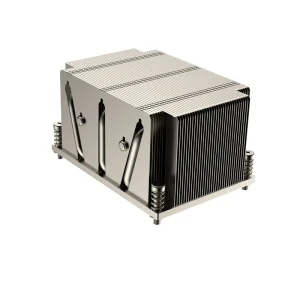
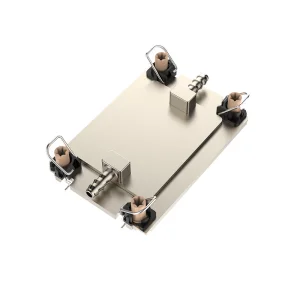
High-wattage computing platforms generate substantial thermal waste. An uncooled server CPU will throttle performance in seconds if heat is not conductively extracted. In high-density server environments (such as LGA4189 and LGA4926 setups supporting up to 300W and 400W thermal design power), passive cooling is insufficient. Engineering solutions require CNC-machined copper bases, high-density copper or aluminum cooling fins, and multi-heat-pipe evaporative structures. By co-designing the CPU cooler alongside the physical PCB components, engineers guarantee optimized airflow channels and zero structural conflicts on the motherboard.
China remains the dominant force in global electronics manufacturing. It is not just about raw labor volume; rather, it is the integration of suppliers, technological infrastructure, and specialized skills.
In technology hubs like Shenzhen and Dongguan, the entire supply chain is compressed geographically. Passive resistors, controller chips, structural plastics, thermal grease, and specialized tooling can all be sourced within a 10-mile radius. This reduces shipping overhead and accelerates turnaround for rapid prototyping.
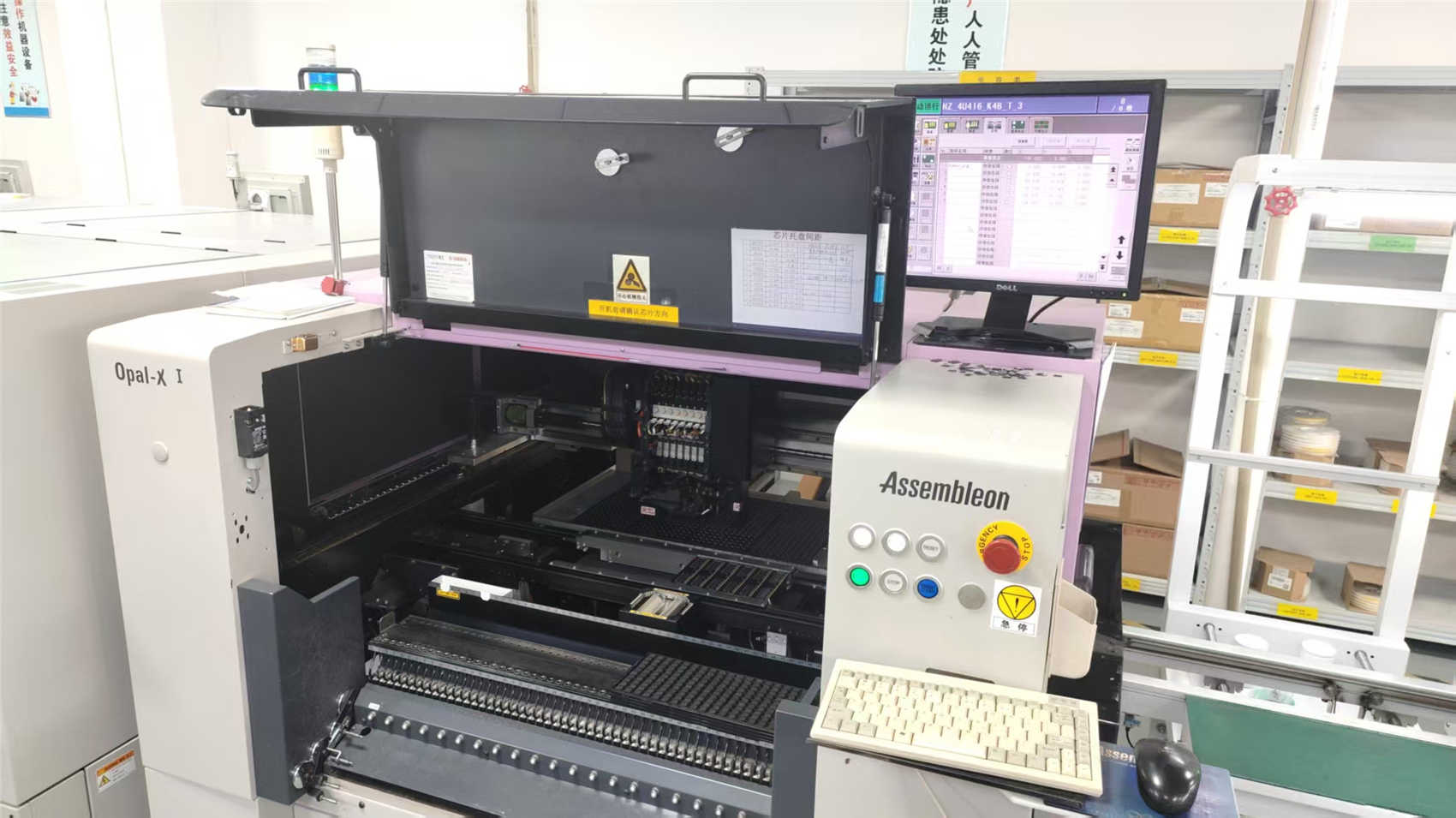
Chinese facilities have heavily invested in automation. High-speed SMT pick-and-place systems, intelligent solder paste printers, and inline AOI devices operate around the clock. This ensures high dimensional precision, consistent weld quality, and low rework rates for complex multilayer designs.
With generations of hardware production knowledge, engineering teams understand thermal management, impedance matchings, circuit routing constraints, and structural design limitations. This allows them to identify and resolve DFM (Design for Manufacturability) issues before tools are cut.
Hardware reliability is built on rigorous testing. A single trace failure or degraded chip can compromise critical enterprise databases or halt industrial processes. We enforce a zero-tolerance defect policy through multi-phase QC pipelines.
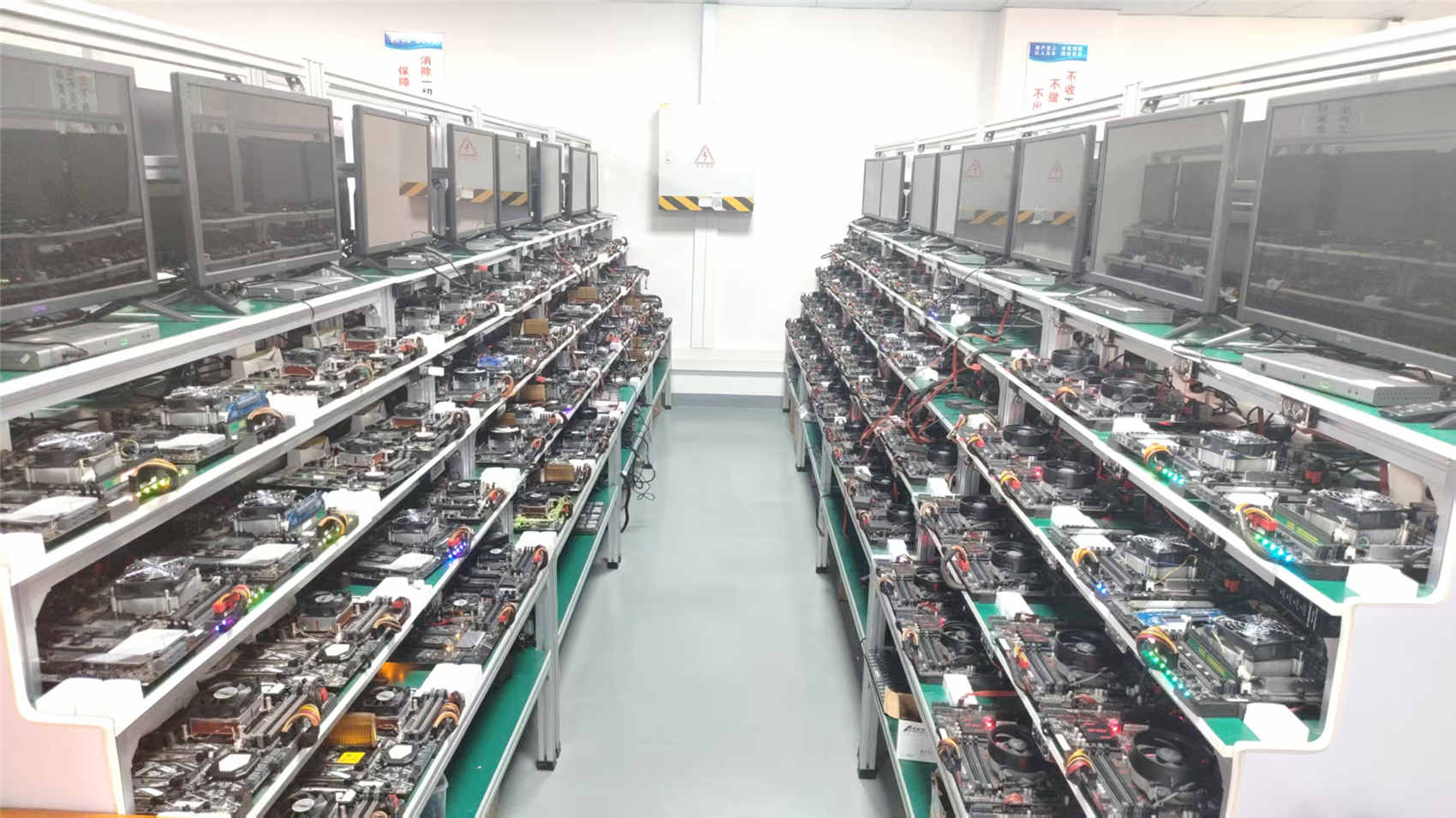
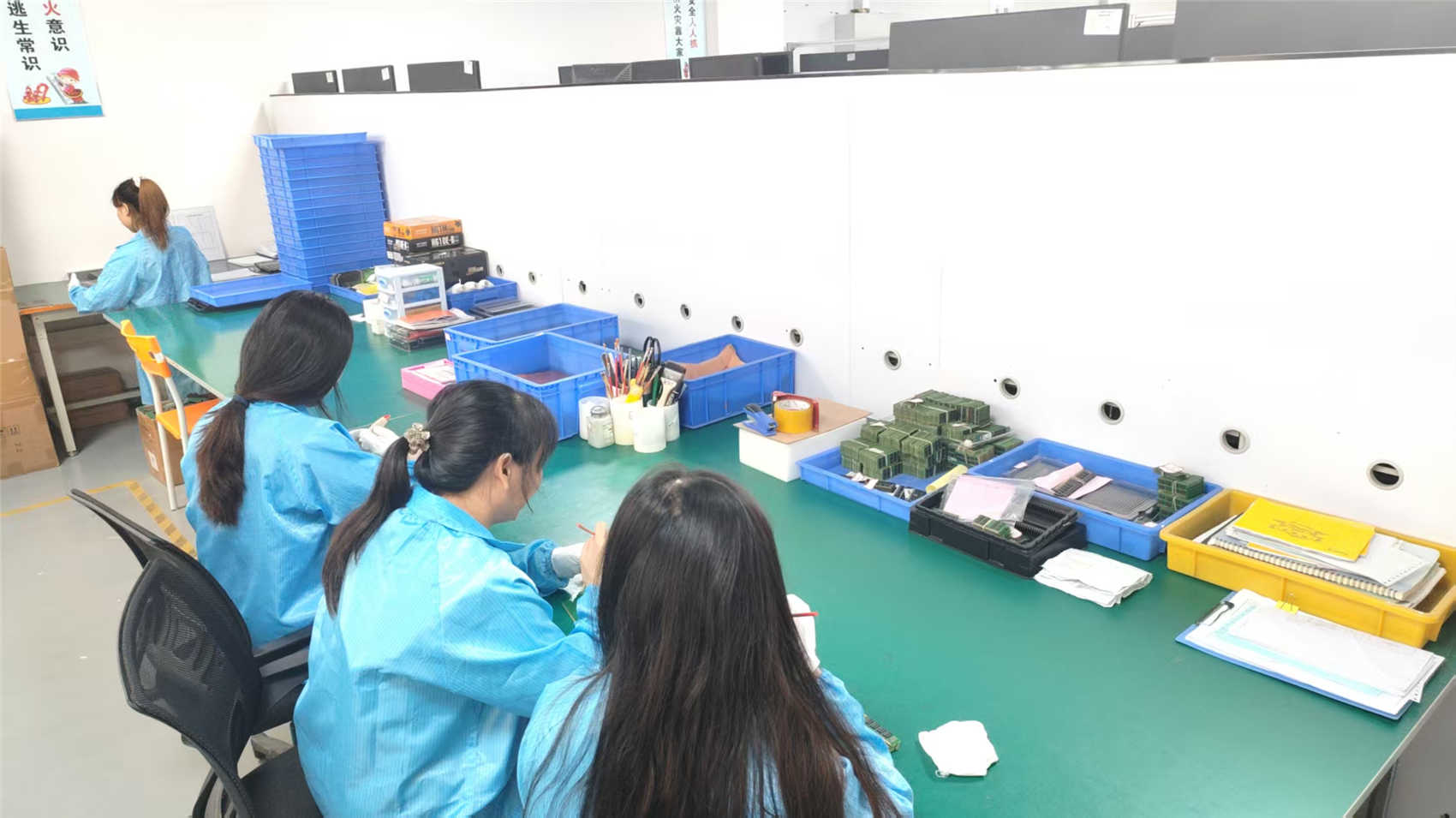
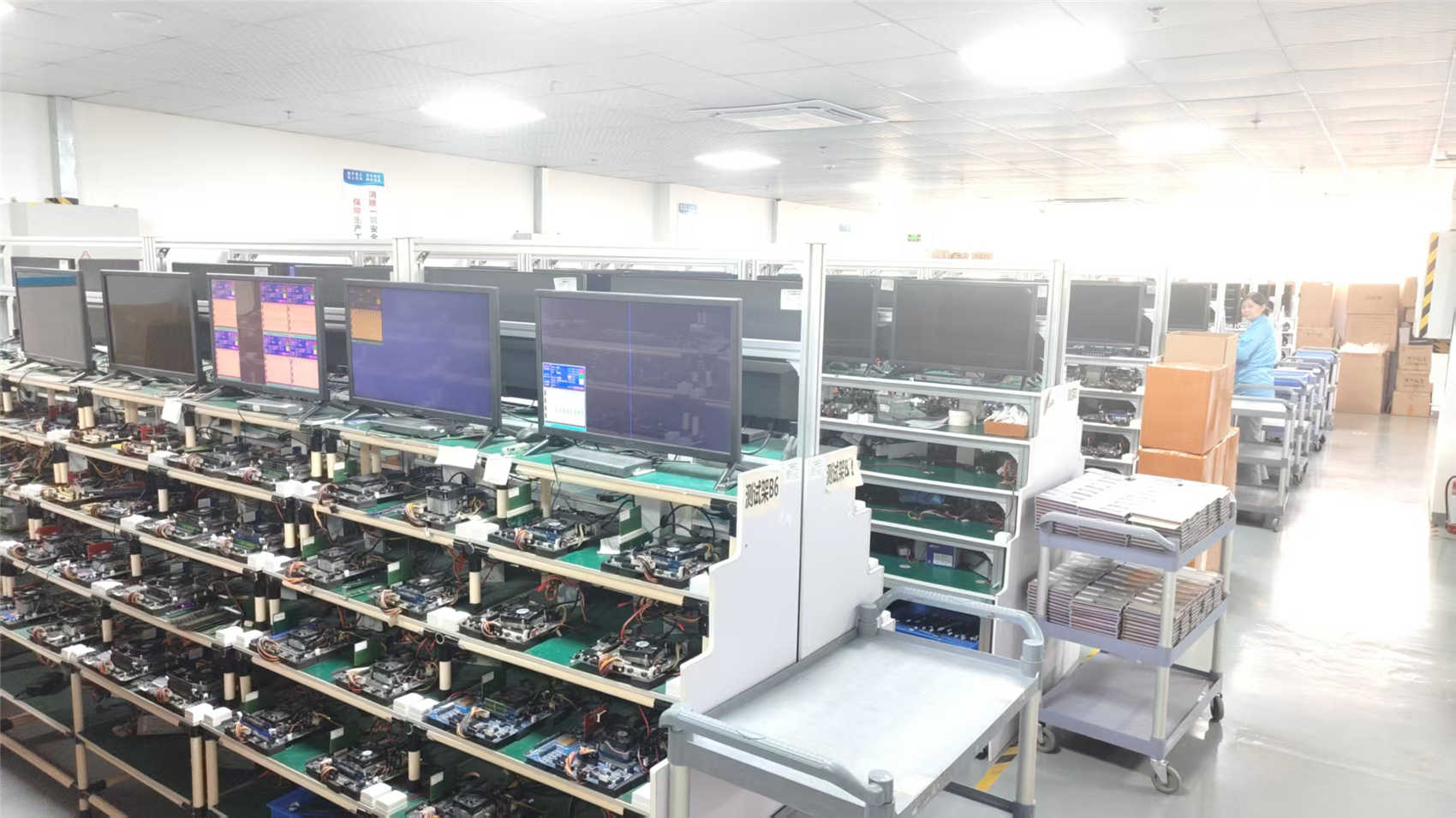
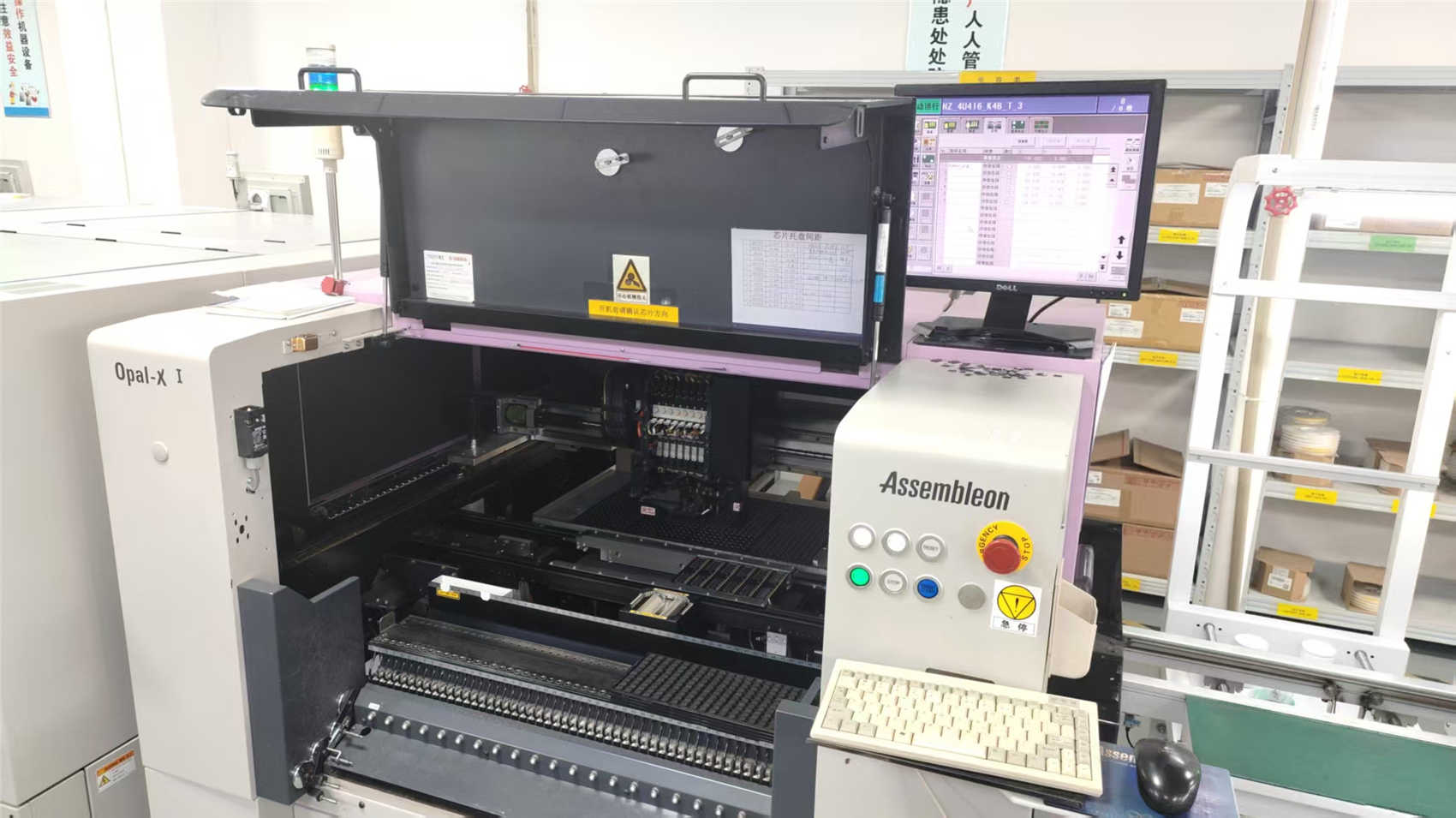
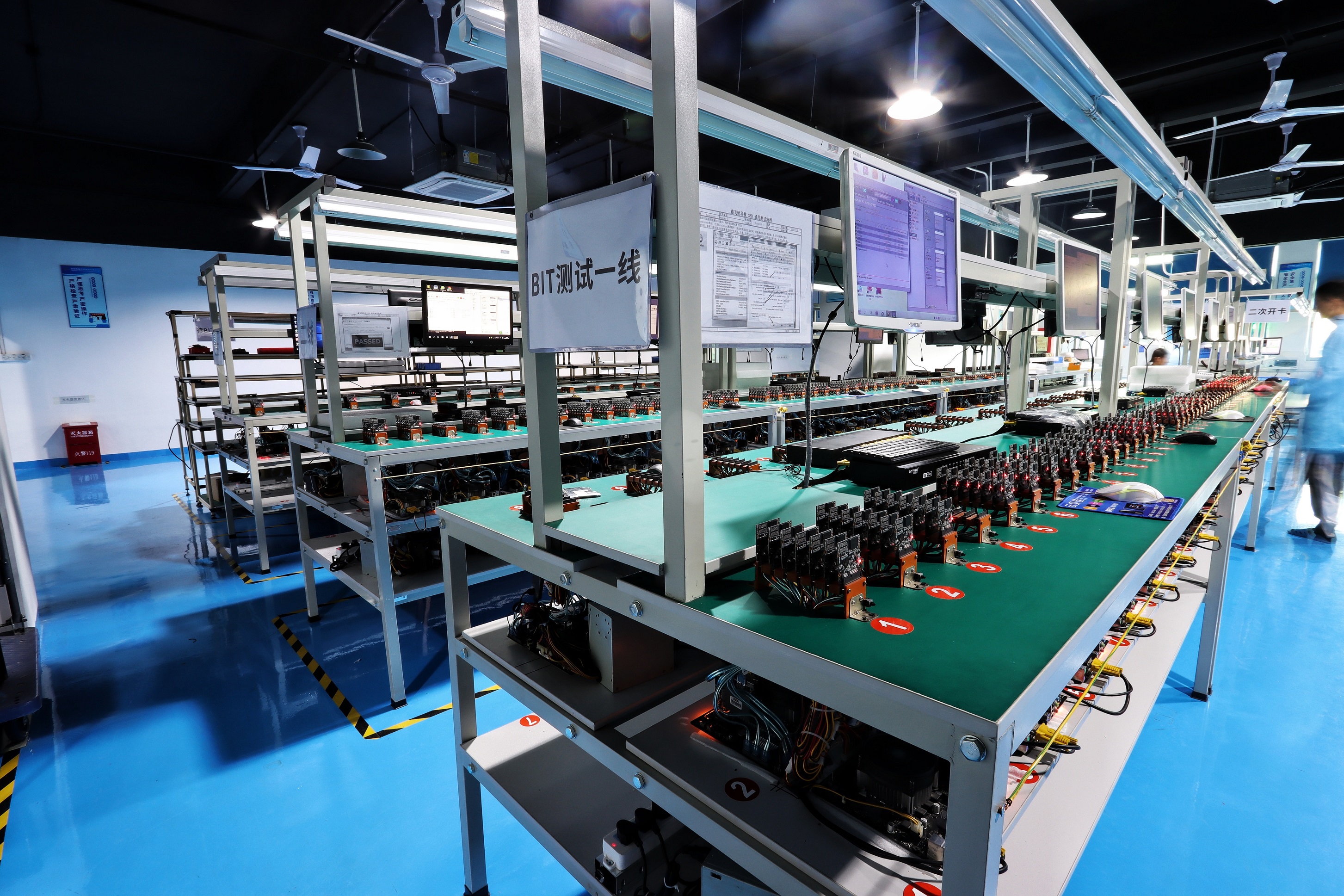
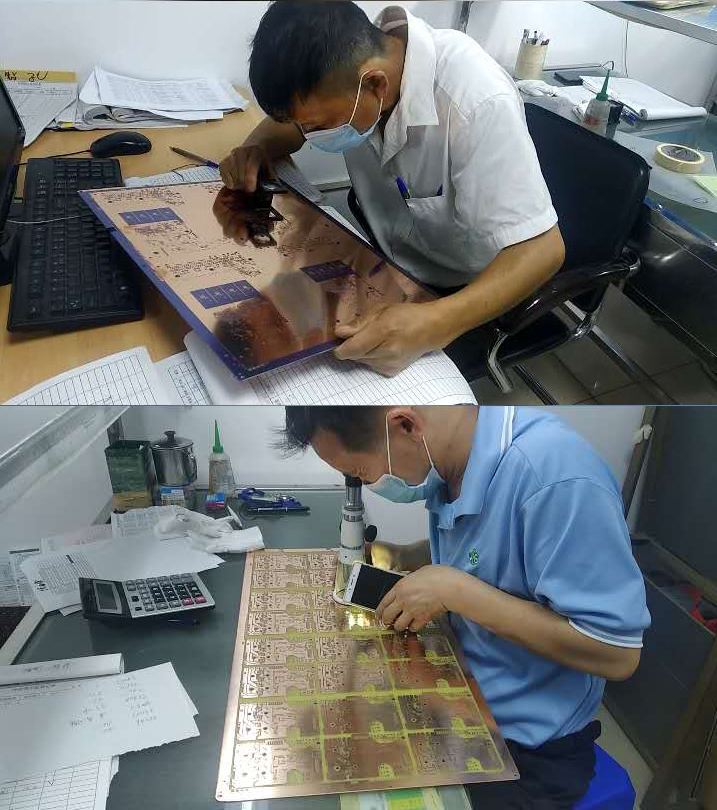
Every batch of raw PCB panels, heatsinks, or integrated circuit chips undergoes incoming quality control (IQC) procedures. DRAM dies are checked for grade and origin, ensuring consistent signal performance, voltage profiles, and speed grading.
During the SMT process, Automated Optical Inspection (AOI) scanners capture high-resolution imagery of every solder joint. Micro-gaps, solder bridging, and component misalignment are detected and addressed prior to final thermal reflow, preventing downstream failures.
Corporate procurement teams manage complex supply lines to remain competitive. In regions like North America and Western Europe, the focus centers on regulatory compliance (CE, FCC, RoHS), design consistency, and product longevity. System integrators require suppliers that can guarantee component supply consistency for at least 5 to 7 years to support legacy industrial systems.
Conversely, fast-growing sectors in Southeast Asia, the Middle East, and Latin America place a premium on scale, speed-to-market, and competitive pricing. NexaRAM bridges these diverse regional needs through flexible MOQ (Minimum Order Quantity) structures, localized compliance certifications, and modular engineering systems. This allows companies to scale up their production smoothly, moving from low-volume testing prototypes to mass production run-rates.
Find authoritative answers to technical, logistical, and operational questions regarding electronics OEM/ODM processes.
Our full product portfolio includes server-grade cooling systems, high-density DRAM modules, and custom double-sided printed circuit boards.