NexaRAM
NexaRAM
NexaRAM
Industrial-grade high-frequency PCBs, server RAM configurations, and specialized network motherboards.
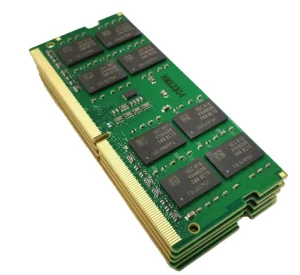
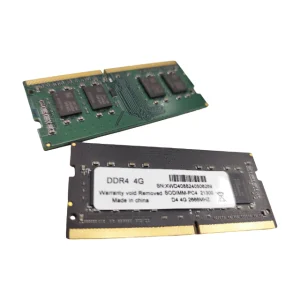
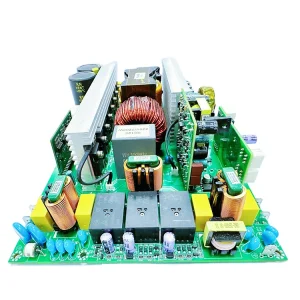
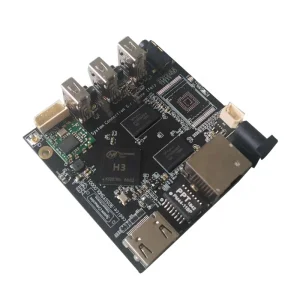
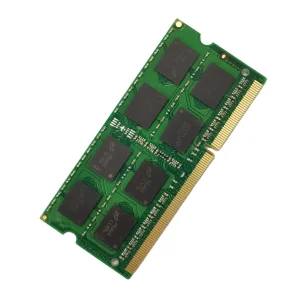
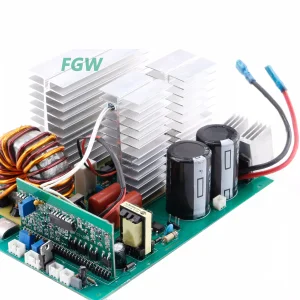
As the global industry undergoes rapid digital transformation, wireless communication modules have evolved from simple cellular transceivers into highly integrated, complex edge-computing engines. These devices form the backbone of the Internet of Things (IoT), linking sensor networks to cloud resources. Enterprises seeking competitive advantages must analyze how high-frequency printed circuit boards (PCBs), high-performance DRAM memory configurations, and thermal dissipation systems influence overall wireless module longevity, signal integrity, and processing capabilities.
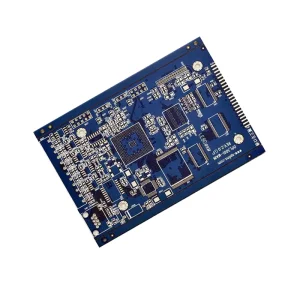
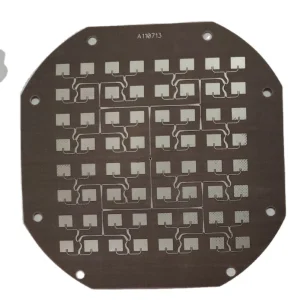
A high-quality Taconic TLY-5 PCB substrate provides the precise dielectric consistency required to prevent RF signal degradation in multi-band cellular systems. As carriers deploy high-speed 5G NR (New Radio), Wi-Fi 6E/7, and LPWAN technologies (like NB-IoT and LTE-M), the engineering requirements of the underlying PCB substrates dictate the success of field operations. A mismatch in impedance matching or thermal management can cause field devices to drop connection packets, leading to increased latency and excessive power draw.
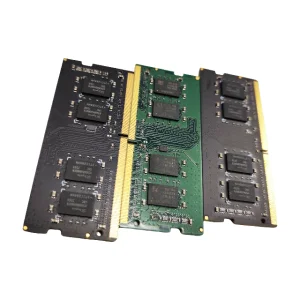
Next-generation wireless gateways integrate high-speed processing directly inside the module. Using specialized memory configurations, such as DDR4/DDR5 systems, ensures local sensor parsing is fast, secure, and reliable.
High-frequency PCBs utilize low-loss materials to maintain RF signal path purity across micro-strip lines. This ensures reliable uplink and downlink rates even under harsh, industrial-level environmental interference.
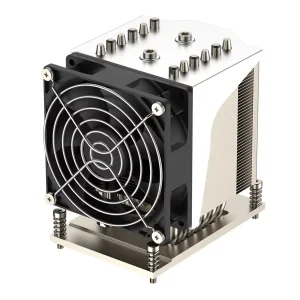
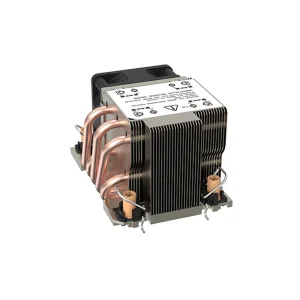
Continuous transmission in 5G cellular systems generates significant heat. High-wattage cooling systems prevent thermal throttling of the baseband chips, protecting long-term network uptime.
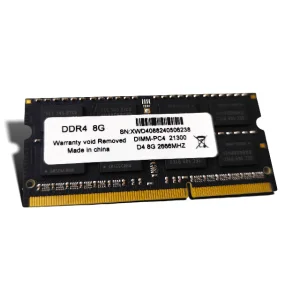
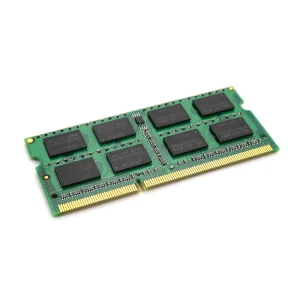
Modern wireless modules consist of a complex subsystem array. The Baseband Processor handles signal processing, protocol stack management, and encryption/decryption routines. Surrounding the processor, RF Front End (RFFE) modules switch, filter, and amplify weak signals received from the antenna. High-speed memory architectures, including DDR4 RAM modules and flash storage, are essential for storing system firmware, maintaining RTOS state variables, and queuing network packets during localized signal drops.
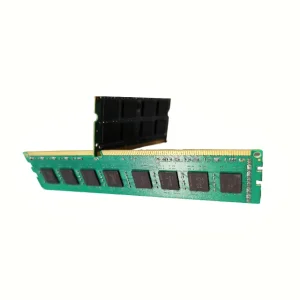
If the DRAM module fails or exhibits high latency, the cellular baseband will experience buffer overflows, resulting in dropped packets and increased network re-transmission cycles. For data-intensive applications, choosing robust ECC (Error-Correcting Code) memory modules ensures uninterrupted data flow, especially in industrial edge servers and multi-channel IoT gateways.
The global IoT hardware landscape is highly dependent on supply chain agility. China's manufacturing clusters provide unparalleled advantages in the production of high-density interconnect (HDI) PCBs, semiconductor assembly, and memory packaging. Working with an OEM/ODM provider rooted in these electronic supply hubs allows global enterprises to compress development schedules and scale manufacturing operations efficiently.
NexaRAM Storage Technology Co., Ltd. exemplifies how integrated manufacturing systems deliver engineering value. Founded in 2016, NexaRAM has built a collaborative network with over 850 strategic supply chain partners. This direct access to high-grade silicon wafers, PCB substrates, and specialized packaging compounds guarantees production continuity even during global chip shortages.
Designing wireless modules requires balancing form-factor constraints with electrical performance. OEM/ODM customization services include:
NexaRAM’s dedicated R&D division of 180 engineers released 120 new product variants in the past year alone. This rapid development capability ensures that partners can integrate the latest technological breakthroughs, such as 5G RedCap and Wi-Fi 7 modules, ahead of market competitors.
Entering international markets requires strict adherence to regional regulatory and carrier certification frameworks. Wireless modules must satisfy standards like FCC (Federal Communications Commission) in the US, CE/RED (Radio Equipment Directive) in Europe, ISED in Canada, and TELEC in Japan. Operating without these certifications can result in product import seizures, legal challenges, and system-wide operation shutdowns.
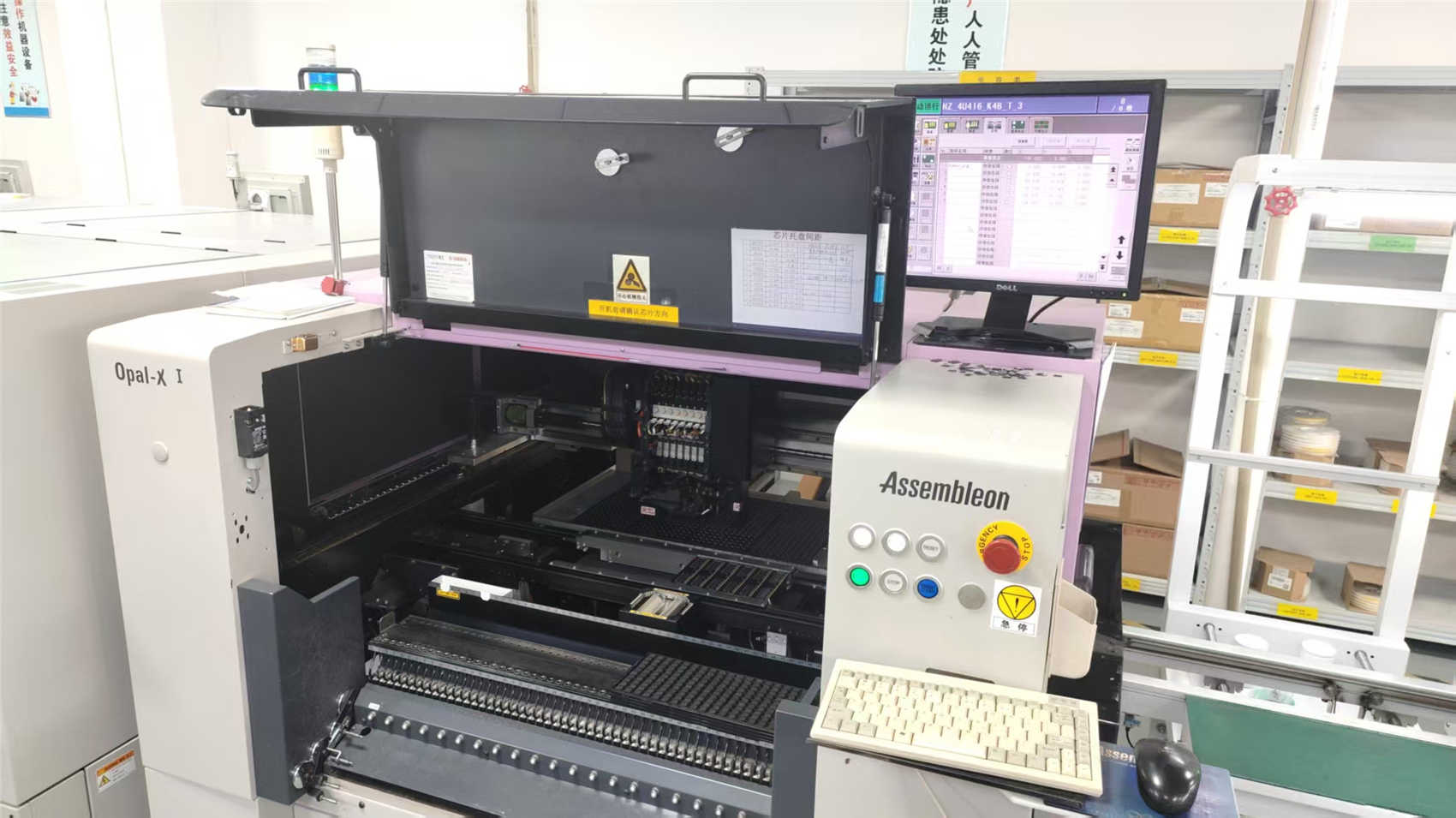
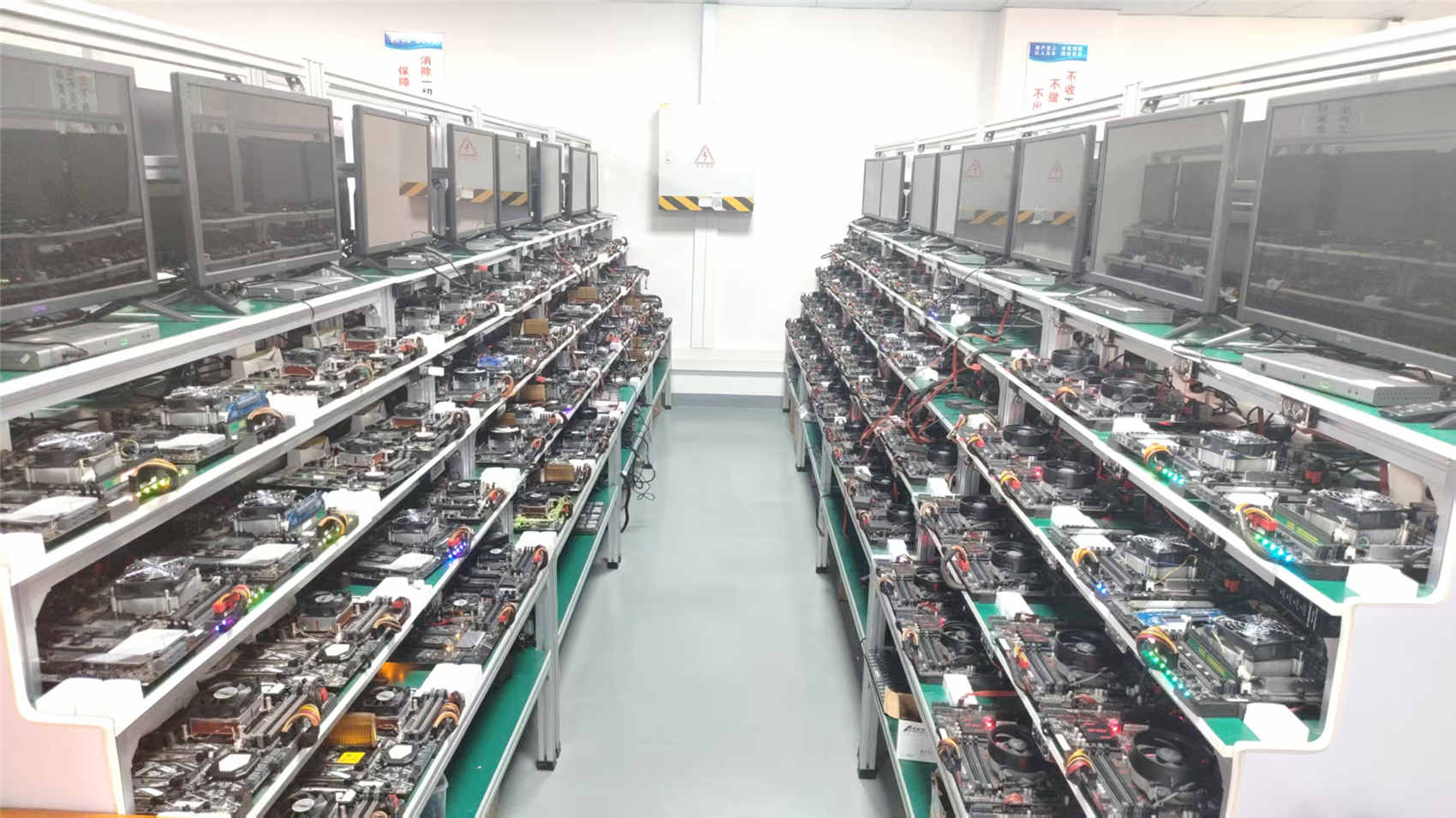
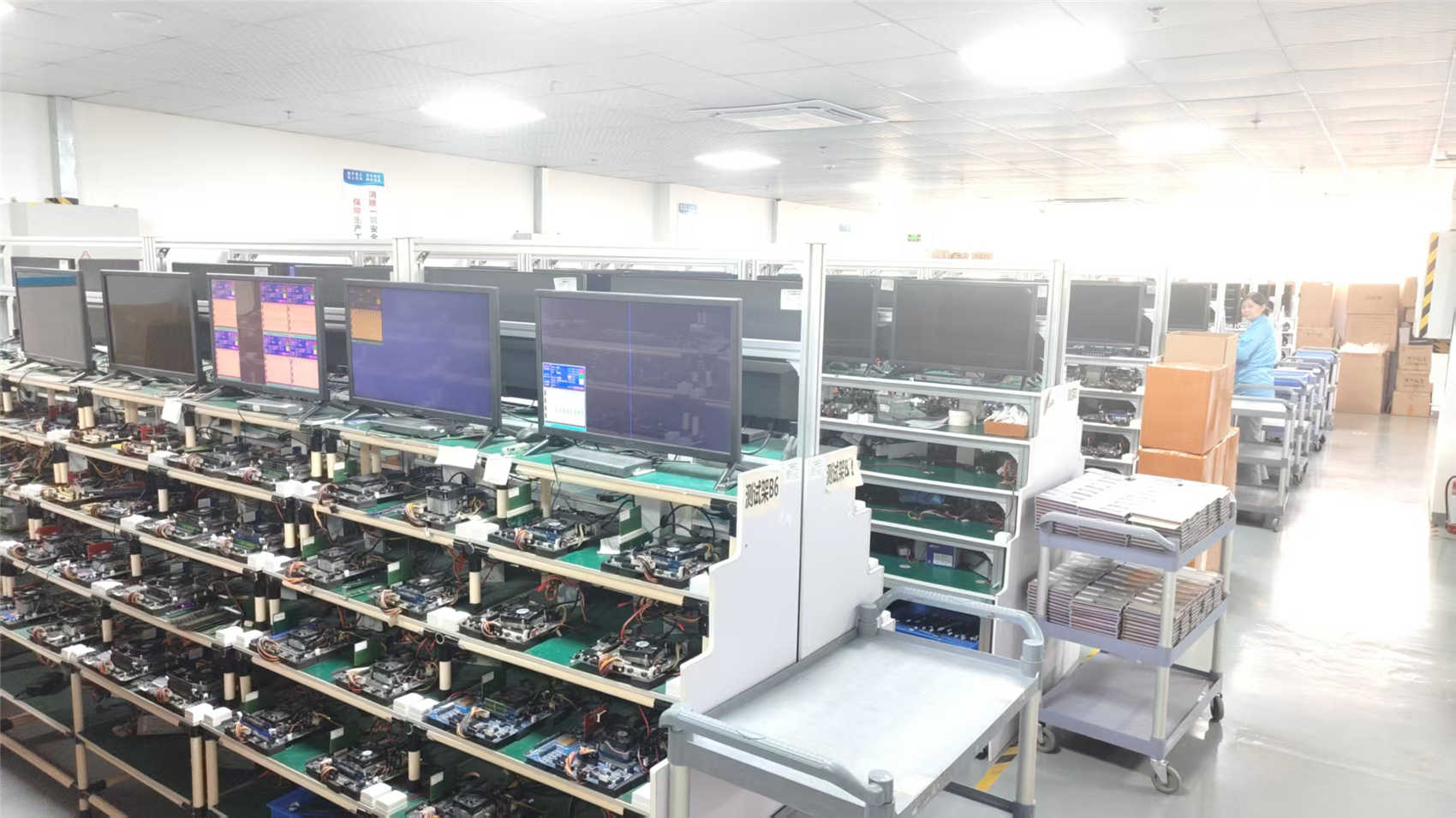
Our OEM/ODM manufacturing processes prioritize testing at every stage of production. By integrating advanced testing systems, including automated optical inspection (AOI) and comprehensive burn-in reliability testing, we ensure that every module shipped to North America, Europe, Southeast Asia, or the Middle East performs consistently in extreme environments.
AOI scanners inspect microscopic SMT solder joints on high-density PCBs. This step flags any soldering issues, component misalignments, or bridging before final assembly.
Modules undergo thermal cycling inside specialized test chambers. Running modules at elevated temperatures under heavy software loads helps detect early component failures.
Every transceiver is calibrated using vector signal analyzers. This process checks frequency error, phase error, spectral mask limits, and receiver sensitivity.
Quality control requires specialized oversight. Our QC department employs 35 dedicated inspectors who monitor assembly lines, check incoming raw silicon materials, and perform random out-of-box audits. Working inside specialized manufacturing facilities, our teams maintain strict control over static discharge, dust levels, and ambient moisture. This ensures the integrity of sensitive DRAM dies, RF switches, and delicate trace connections throughout the production run.
Industrial IoT requires custom localized configurations. A standard wireless module designed for consumer electronics will fail if deployed in an offshore wind farm or a remote sub-station. System integrators need customized hardware designed specifically for local environmental conditions, network infrastructure, and regulatory guidelines.
Key sectors benefiting from customized OEM/ODM hardware solutions include:
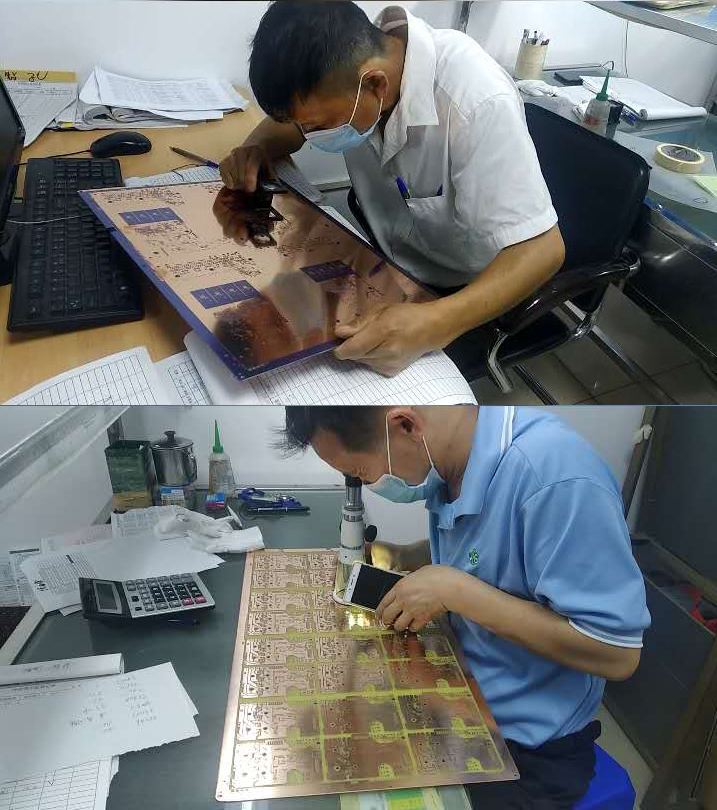
E-E-A-T (Experience, Expertise, Authoritativeness, and Trustworthiness) is core to our operations. Below is a look at the production floors, testing stations, and quality inspection units within our manufacturing facilities:

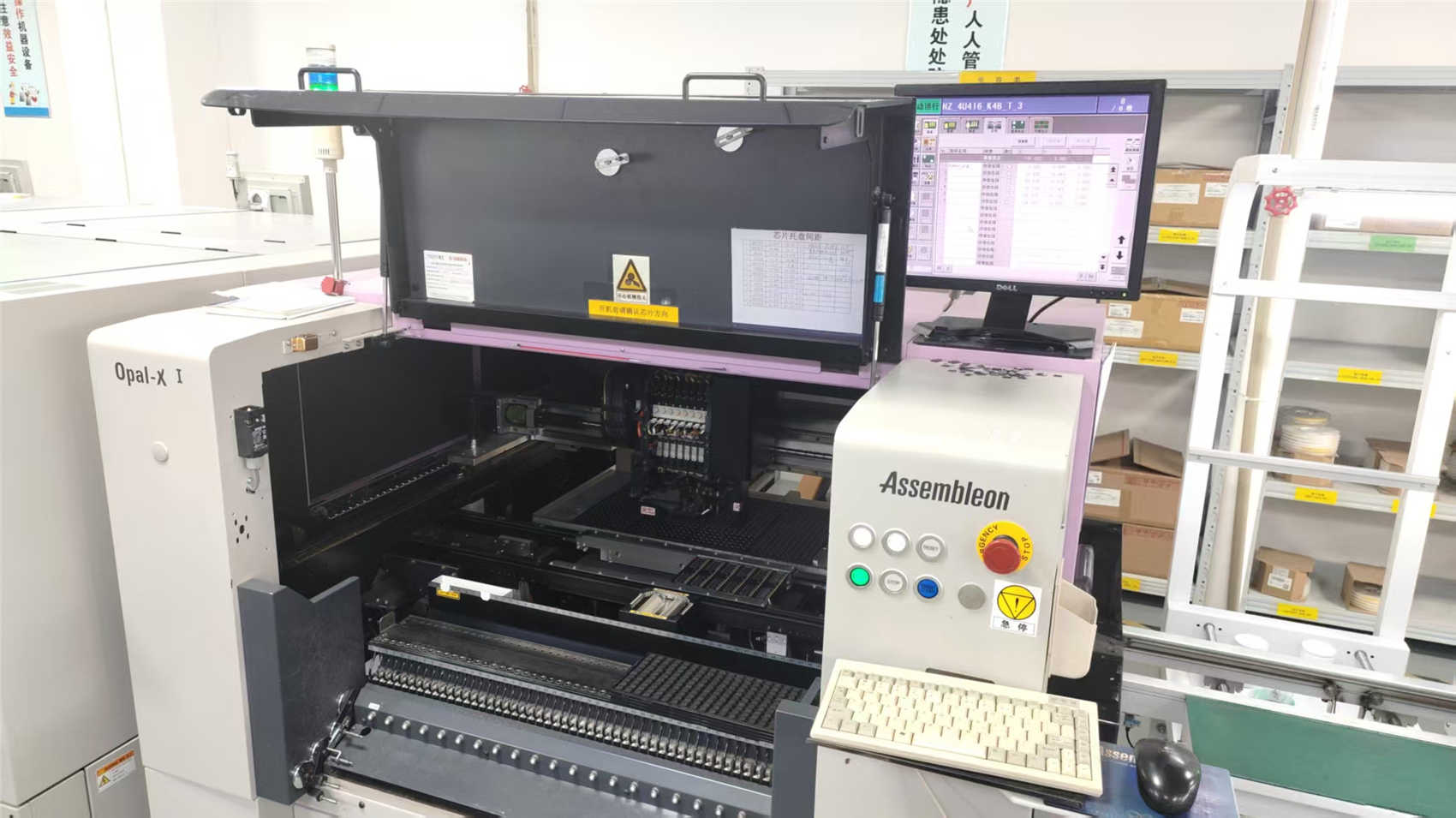
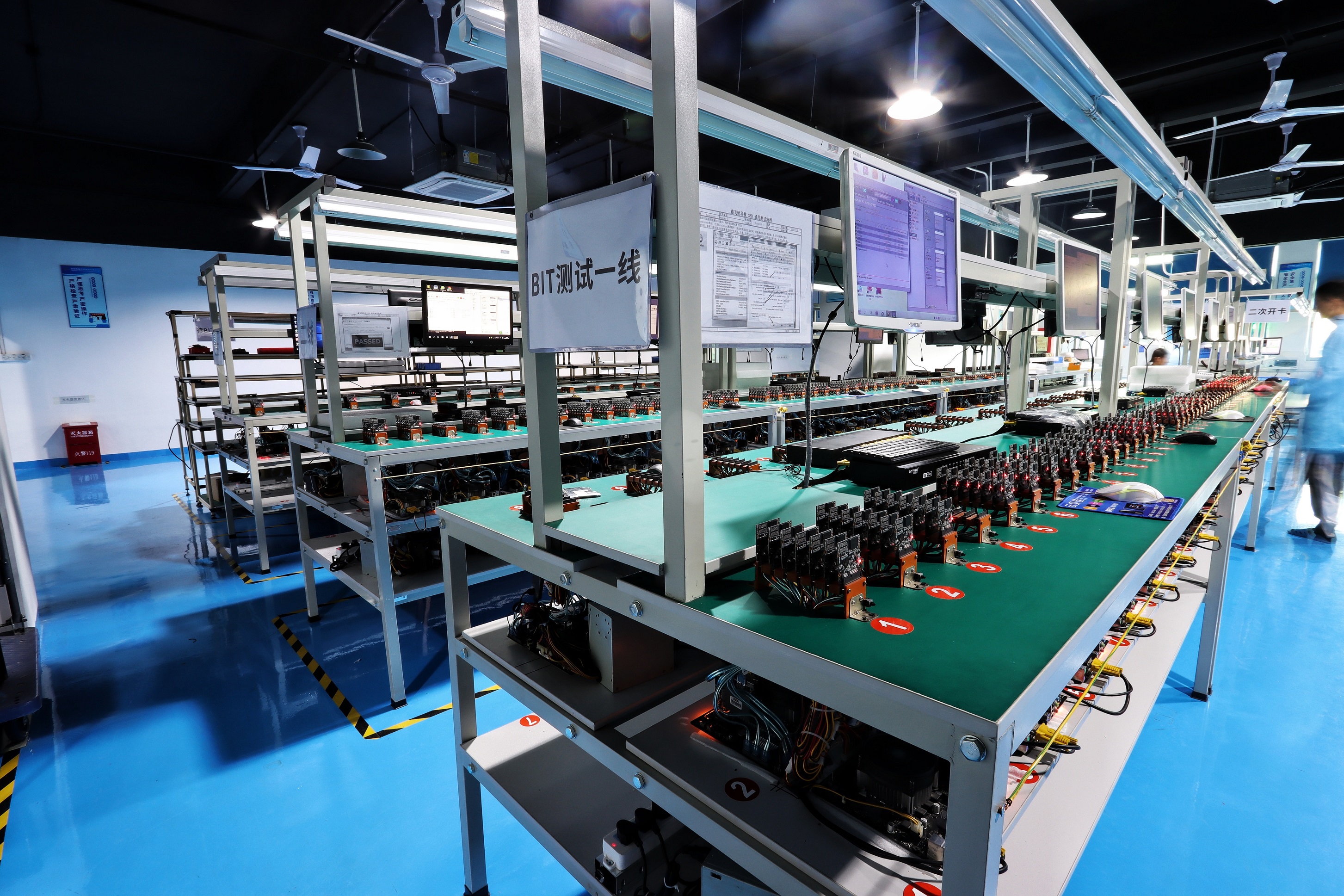
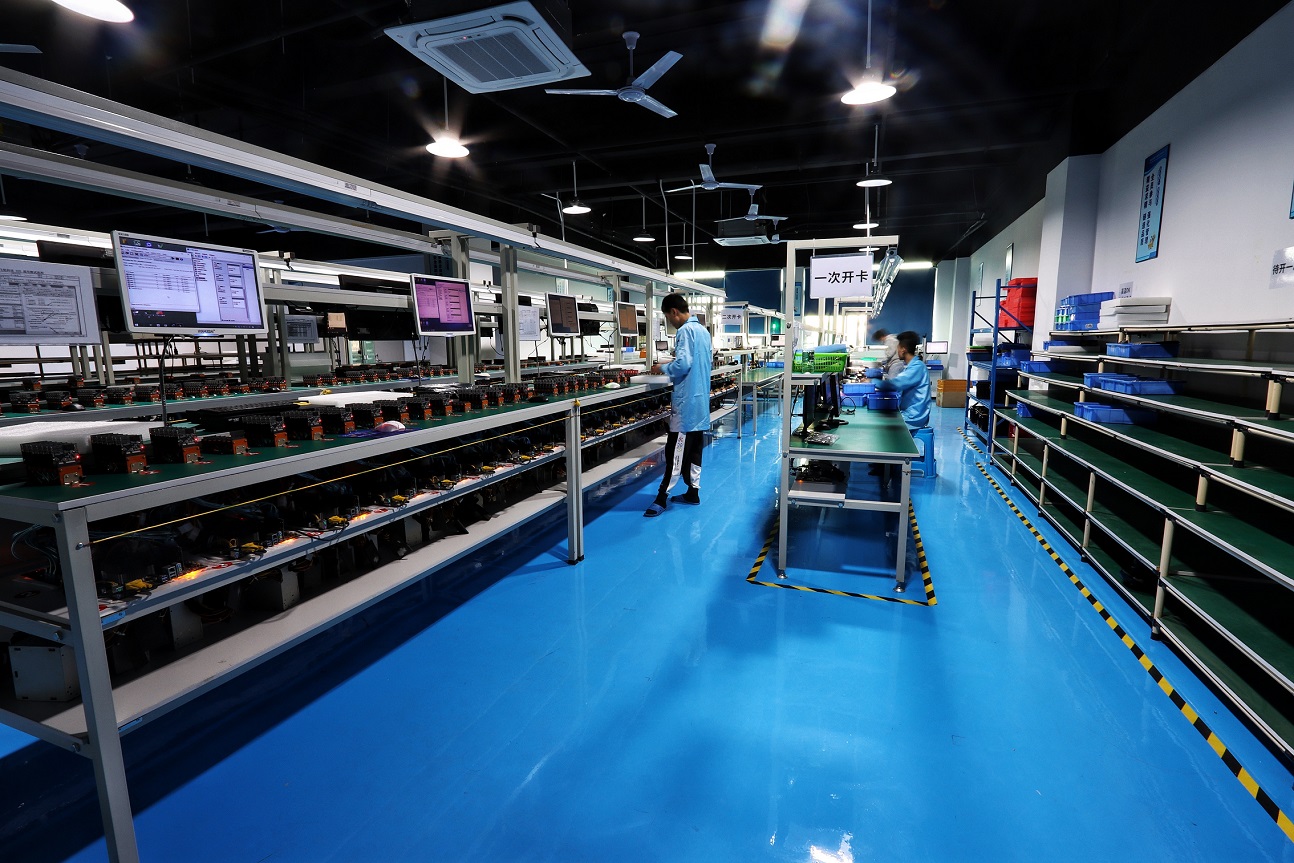
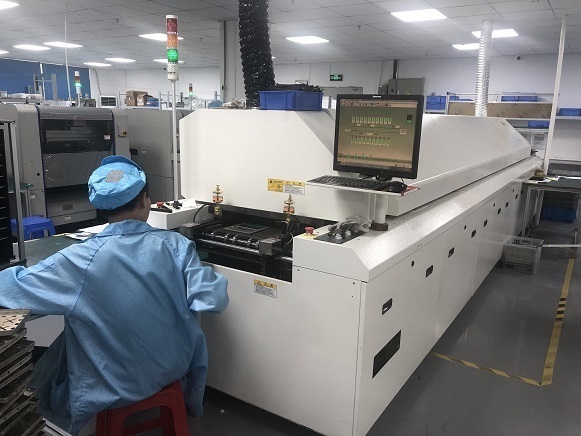
The IoT space is shifting toward faster connection speeds, lower latencies, and reduced power consumption. Three major trends are shaping the future of global hardware designs: the transition to 5G RedCap, the adoption of Wi-Fi 7, and the integration of hardware-level security measures.
5G RedCap bridges the gap between high-speed 5G networks and low-power LPWAN systems. Designed for industrial applications like video surveillance, smart wearables, and industrial sensors, it offers the low latency of 5G without the high component and battery costs of standard 5G hardware. Custom 5G RedCap modules are set to replace legacy LTE Cat-1 and Cat-4 systems over the next few years.
For high-density office environments, warehouses, and connected factories, Wi-Fi 7 introduces features like Multi-Link Operation (MLO). This allows devices to transmit data over multiple frequency bands (2.4 GHz, 5 GHz, and 6 GHz) at the same time, maintaining connection stability even in crowded radio environments. Building Wi-Fi 7 systems requires high-frequency PCBs and reliable DRAM modules to manage the increased data throughput.
As IoT networks grow, protecting data at the hardware level is more critical than ever. Modern wireless modules feature built-in Secure Elements (SE) and eSIM configurations. This architecture protects cryptographic keys, isolates sensitive processing tasks, and secures communications without requiring a physical SIM card slot, reducing the risk of tampering.
OEM (Original Equipment Manufacturer) services build wireless modules based on designs provided by the client, with the manufacturer handling assembly and testing. ODM (Original Design Manufacturer) services handle the entire product lifecycle, from initial concept and PCB design to final validation and regulatory compliance. This allows clients to bring certified wireless products to market quickly without requiring an in-house hardware engineering team.
High-frequency PCBs, such as Taconic or Rogers substrates, are designed with precise dielectric constants and low dissipation factors. These material characteristics minimize RF signal loss, maintain impedance match along trace runs, and prevent signal distortion. This is essential for high-frequency operations like 5G cellular, Wi-Fi 6E/7, and sub-GHz IoT communication.
Our quality control processes combine Automated Optical Inspection (AOI) with burn-in reliability testing. A team of 35 QC inspectors monitors production steps to catch assembly errors early. Our burn-in tests run modules under heavy processing loads at high temperatures to eliminate weak components before final packaging.
Different markets require specific certifications: FCC is required in the United States, CE and RED in the European Union, ISED in Canada, and TELEC in Japan. Depending on the design, modules may also need carrier-level certifications (like PTCRB or GCF) to connect to global telecom networks.
Yes. Our ODM services include firmware customization, allowing us to configure frequency bands, optimize power states, and design custom AT command sets. This ensures the modules integrate smoothly with your host software and application requirements.
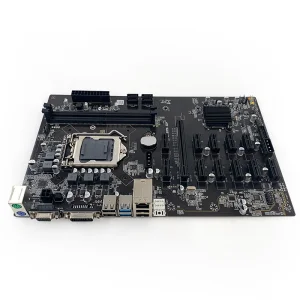
Enterprise-class motherboards, high-density server RAM, and high-wattage cooling configurations.