NexaRAM
NexaRAM
NexaRAM
High-performance processing engines, memory architectures, and thermal modules designed to power smart industrial terminals and display controllers.
Touchscreen displays have evolved from simple human-machine interfaces (HMIs) into integrated computing terminals. Today's enterprise requirements demand ultra-reliable optical performance, robust touch controllers, and high-performance underlying hardware systems.
The industry transition from resistive to Projected Capacitive (PCAP) multi-touch panels, combined with LOCA (Liquid Optically Clear Adhesive) bonding, provides higher contrast, robust scratch-resistance, and anti-glare protection for complex field deployments.
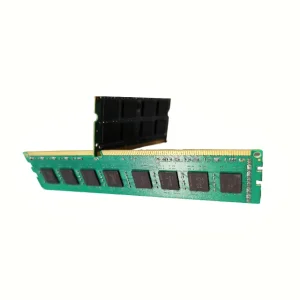
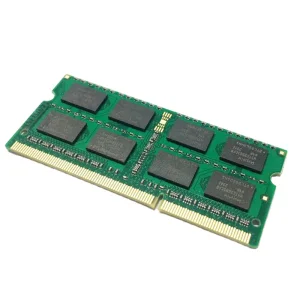
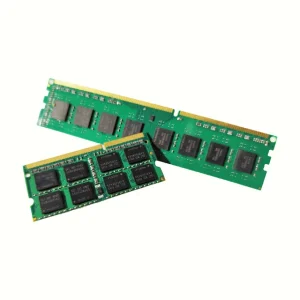
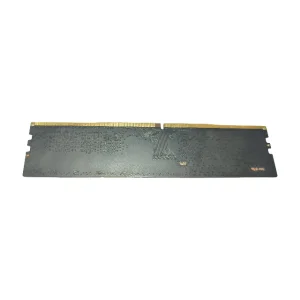
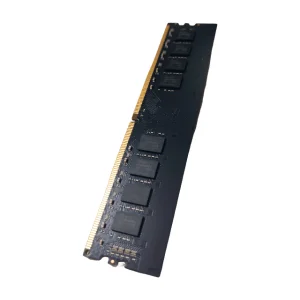
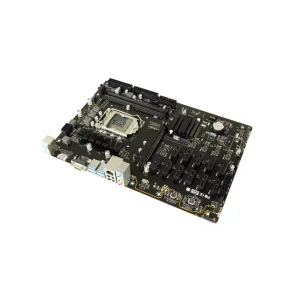
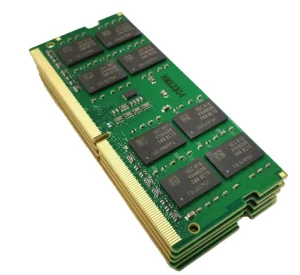
Modern touch panels feature integrated thin-client or x86/ARM hardware. Smart displays demand high-bandwidth industrial-grade RAM (DDR4/DDR5) and specialized motherboards to support complex graphical user interfaces (GUIs) and local AI inference engines.
Factories are engineering monitors to withstand temperature fluctuations, shock, and electromagnetic interference (EMI). Certifications such as IP65, NEMA ratings, and chemical-resistant glass coatings are now industry standard criteria.
B2B procurement professionals must look beyond surface specifications to analyze structural capabilities. The matrix below defines the manufacturing standard required for global supply integration.
| Evaluation Parameter | Tier-1 Factory Specifications | Impact on Enterprise Operations |
|---|---|---|
| Touch Sensing Technology | 10-point Projected Capacitive (PCAP) with Controller ICs (e.g., EETI, Ilitek) | Ensures water rejection, glove-operation compatibility, and immunity to electrical noise. |
| Optical Bonding Methods | Full Optical Bonding (OCA/LOCA) using cleanrooms (Class 100/1000) | Eliminates internal condensation, enhances sunlight readability, and improves mechanical impact resistance. |
| Chassis and Enclosure | Heavy-duty SECC Steel, Aluminum Bezel, IP65 Front Protection | Prevents physical warping in kiosks and protects internal circuits from dust and high-pressure water. |
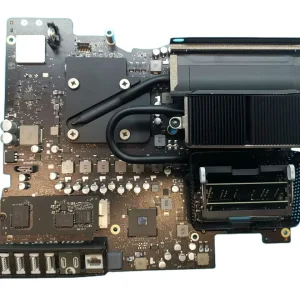
| Embedded Computing Board | Industrial Motherboards with high-speed DDR4/DDR5 and Solid-State Storage | Guarantees 24/7 runtime without system crashes, vital for digital signage and transactional kiosks. |
Industrial-grade touchscreen displays are only as reliable as their internal computing cores. NexaRAM Storage Technology Co., Ltd. supplies the underlying solid-state memory and mainboard components that power Tier-1 display terminals globally.
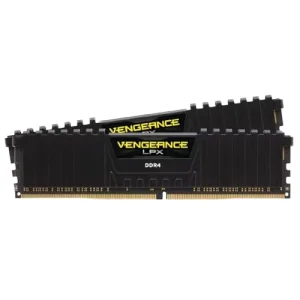
NexaRAM Storage Technology Co., Ltd. is a professional DDR5 memory manufacturer specializing in high-performance RAM solutions for global OEMs, data centers, and enterprise computing applications. Established in 2016, the company has rapidly developed into a reliable supplier in the advanced DRAM industry.
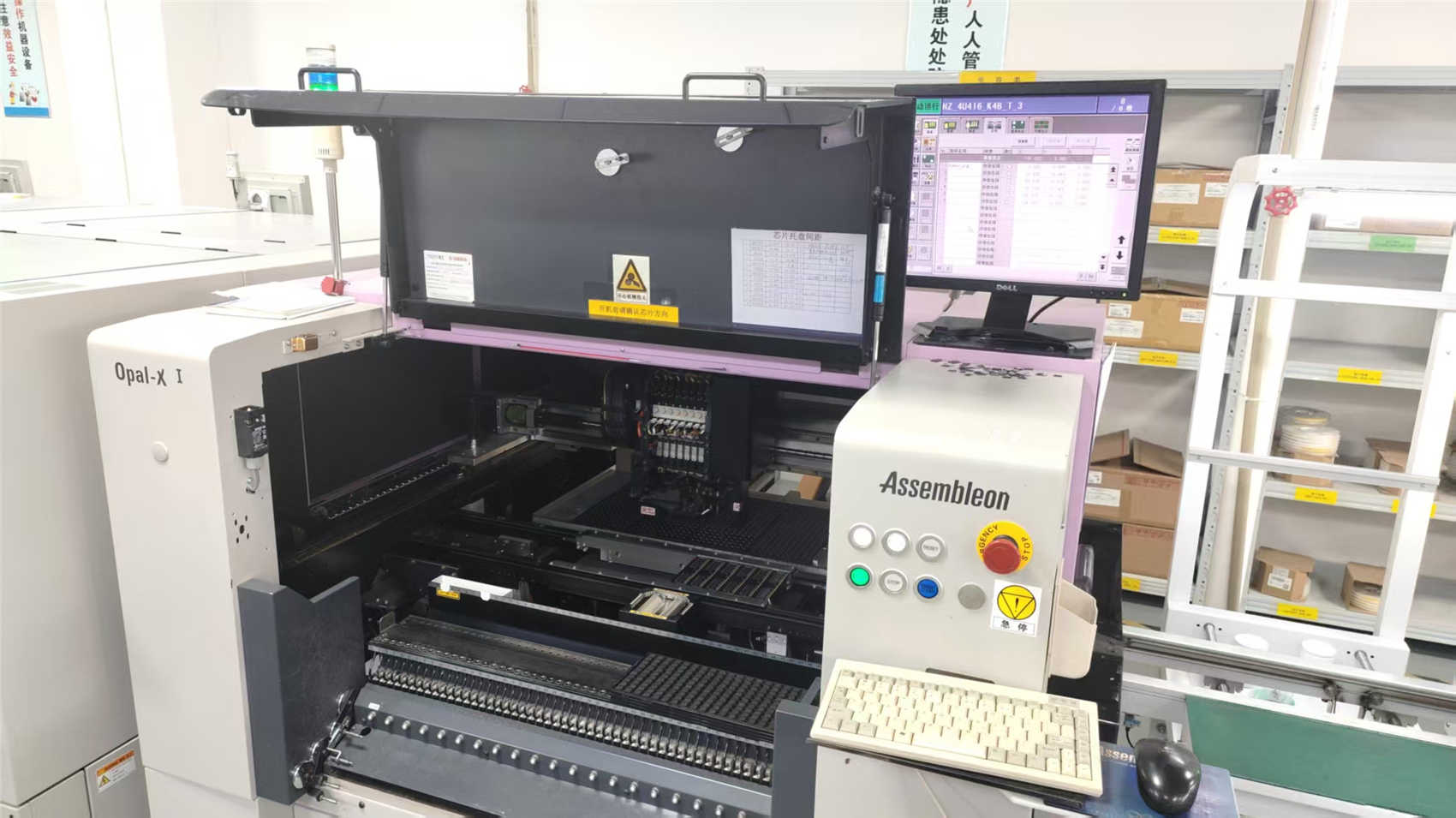
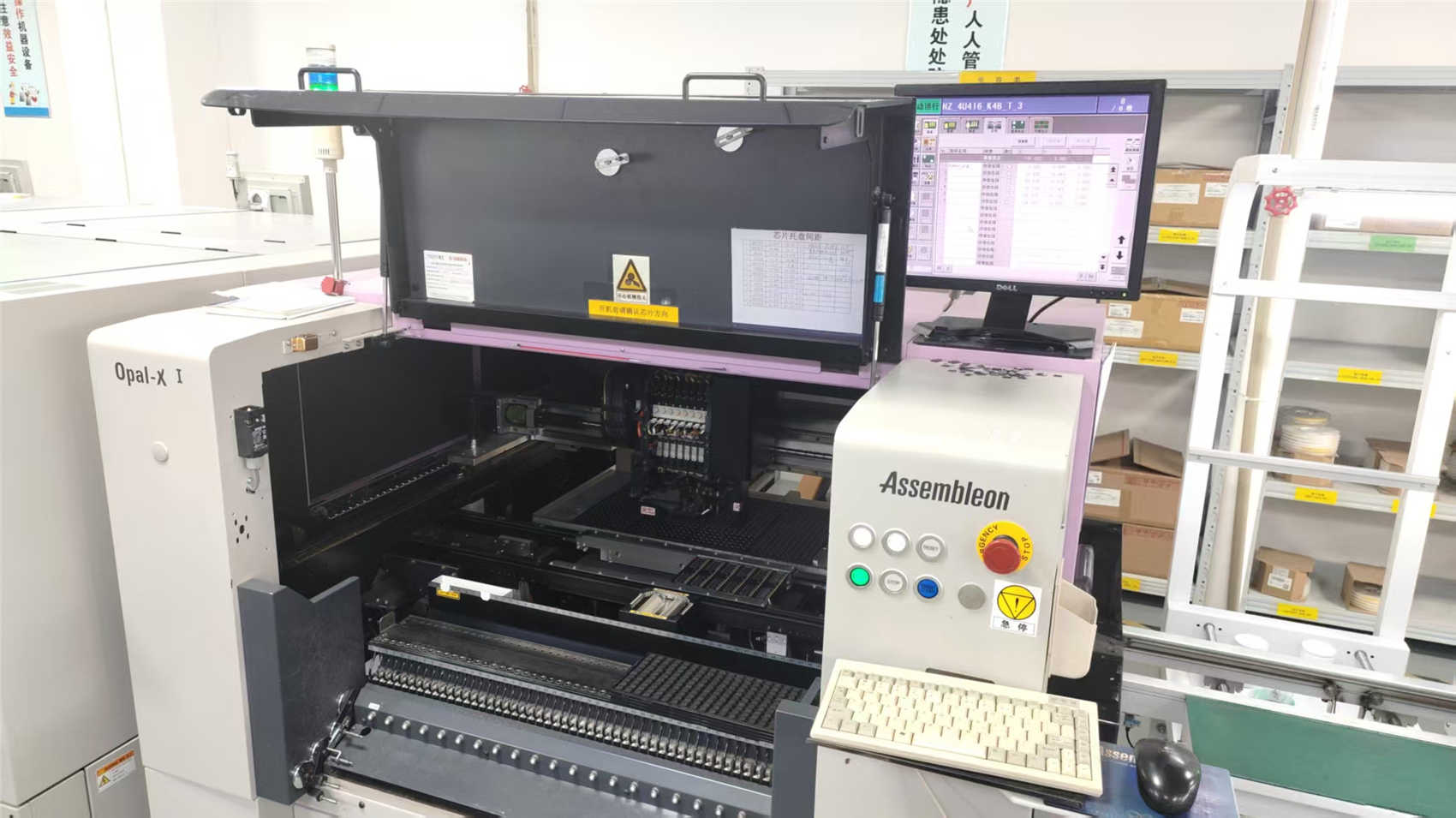
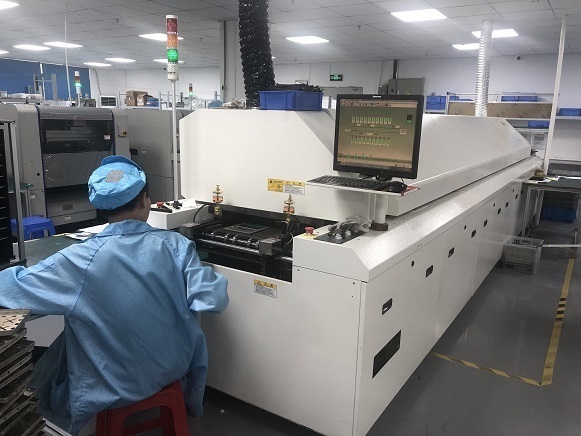
The company operates a modern production facility with a total building area of approximately 320㎡, equipped with advanced manufacturing and testing equipment to ensure stable and efficient production capacity. NexaRAM has an annual export revenue of approximately USD 12 million, with 6 years of export experience and 12 years of industry experience in memory and semiconductor-related fields.
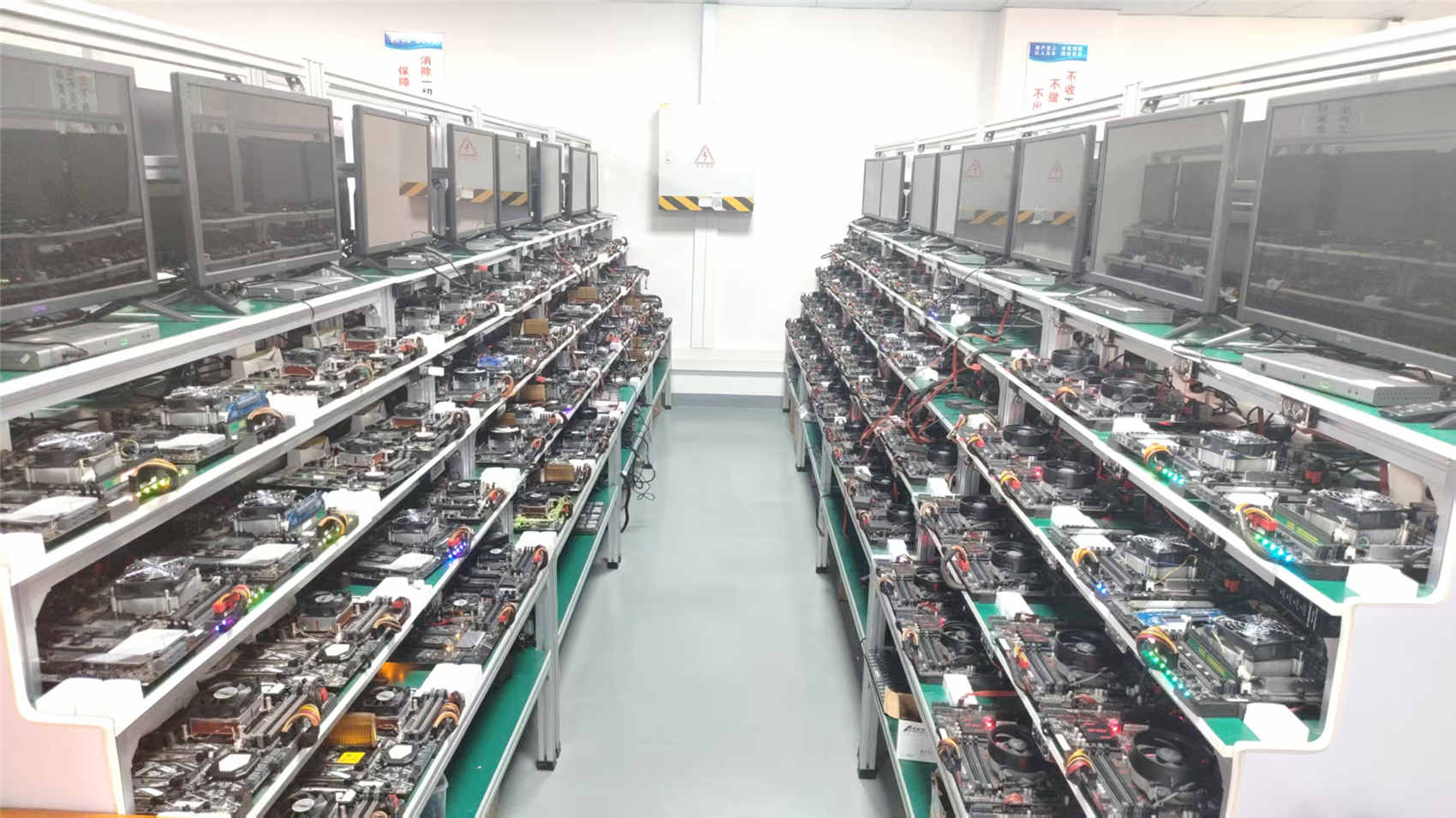
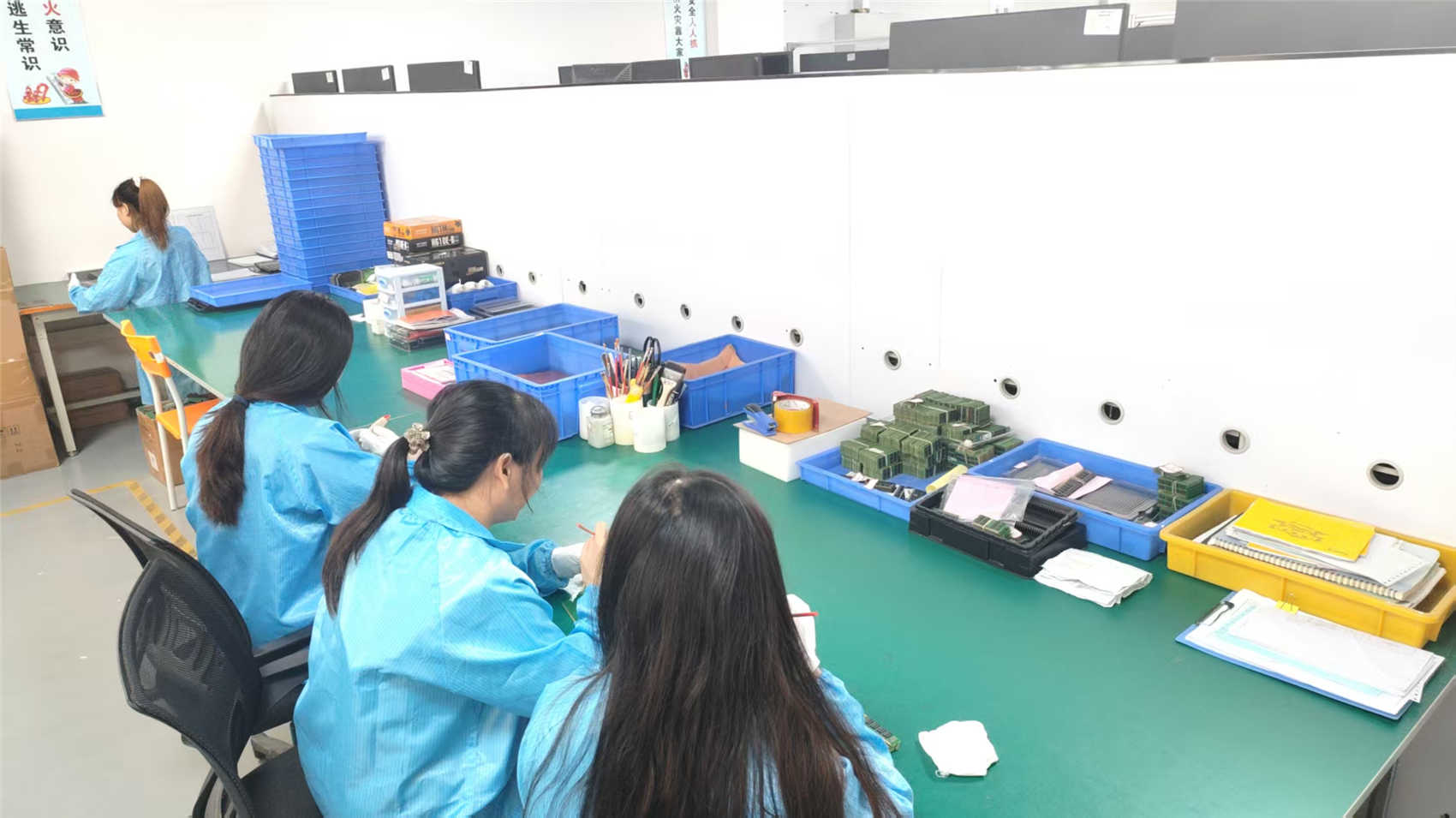
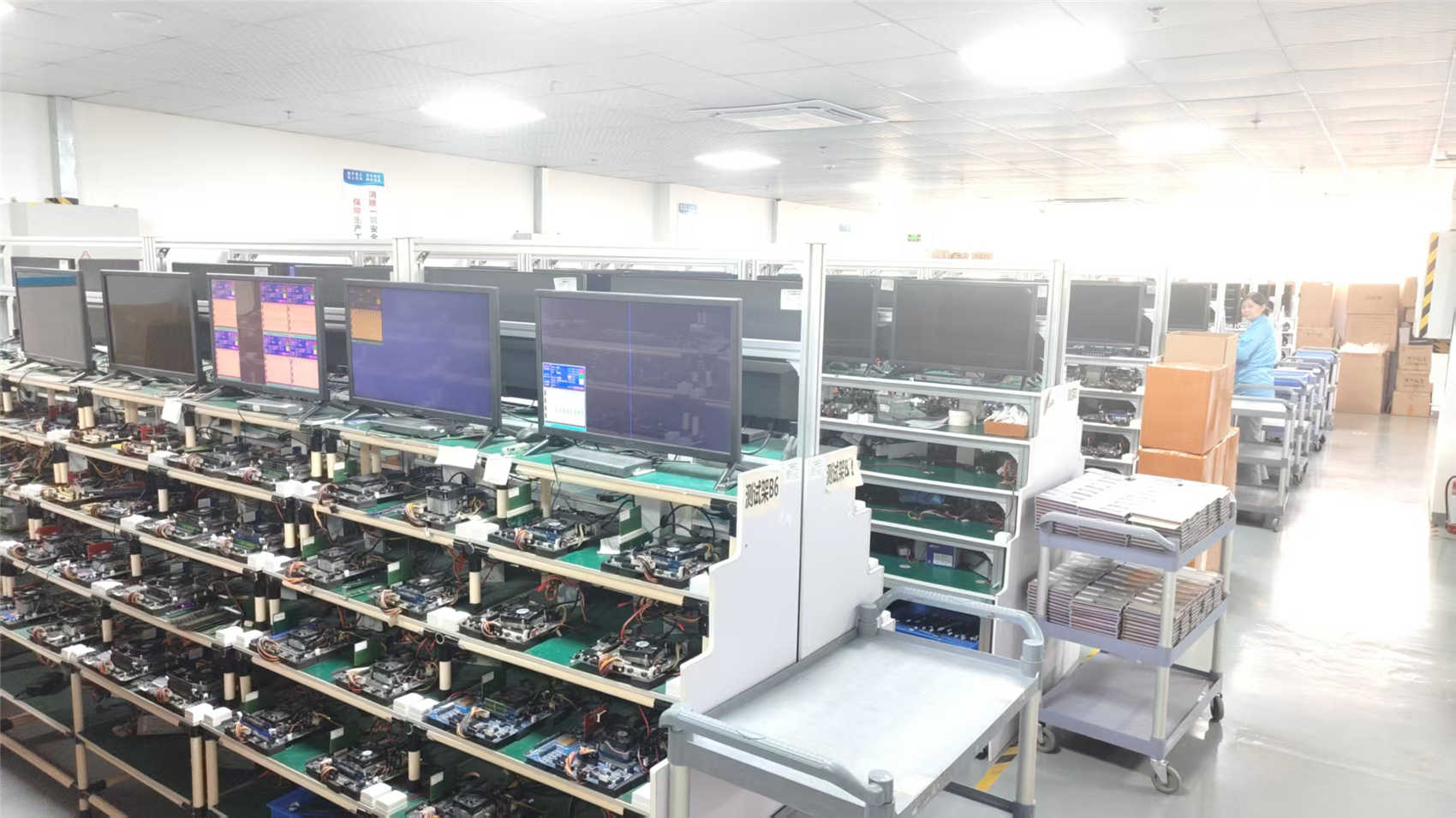
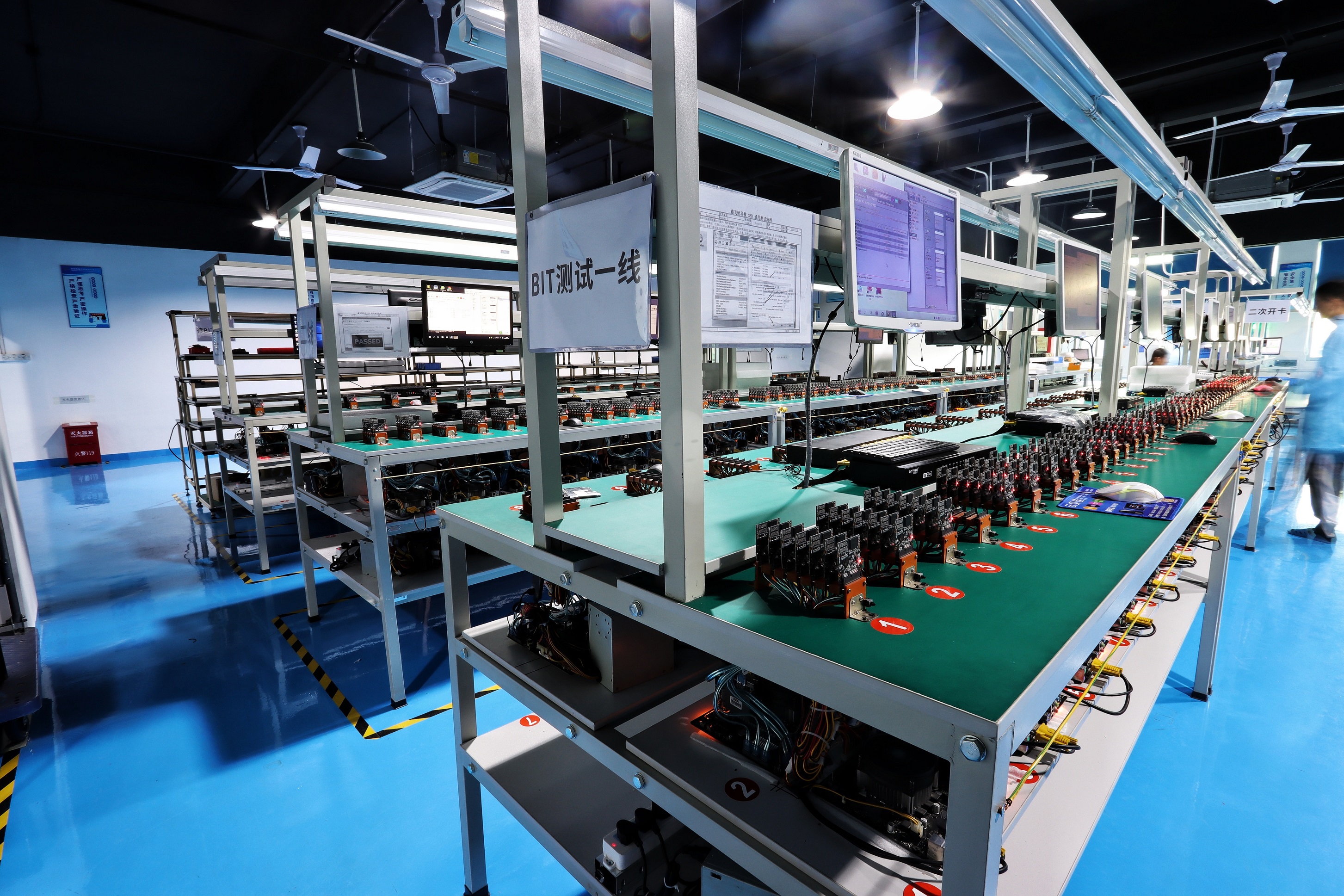
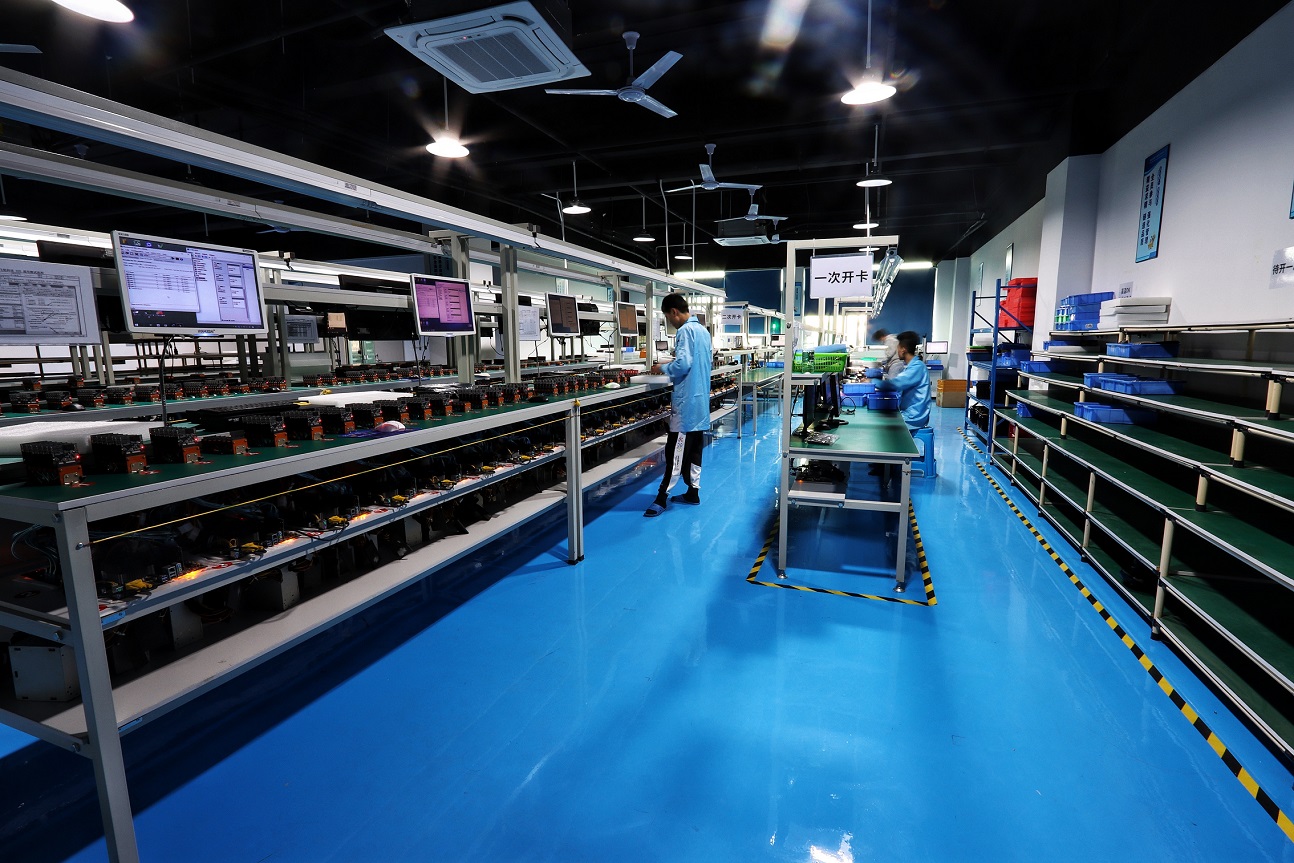
Quality is strictly controlled through a combination of automated optical inspection (AOI) and burn-in reliability testing, supported by a professional QC team of 35 inspectors. The company follows international trade compliance standards and operates under a strong global trading background, serving markets across North America, Europe, Southeast Asia, and the Middle East.
NexaRAM maintains a highly developed supply chain ecosystem with over 850 strategic supply chain partners, enabling stable sourcing of high-grade semiconductor materials and components. Its primary customer base includes OEM manufacturers, system integrators, server solution providers, and gaming PC brands.
The company demonstrates strong R&D capabilities, offering custom DDR5 module design, PCB layout optimization, frequency tuning, and thermal solution development. Flexible customization options include frequency, latency, capacity, heat spreader design, and branding services. In the past year, NexaRAM launched 120 new product variants, supported by a dedicated R&D team of 180 engineers, continuously driving innovation in high-speed memory solutions for next-generation computing systems.
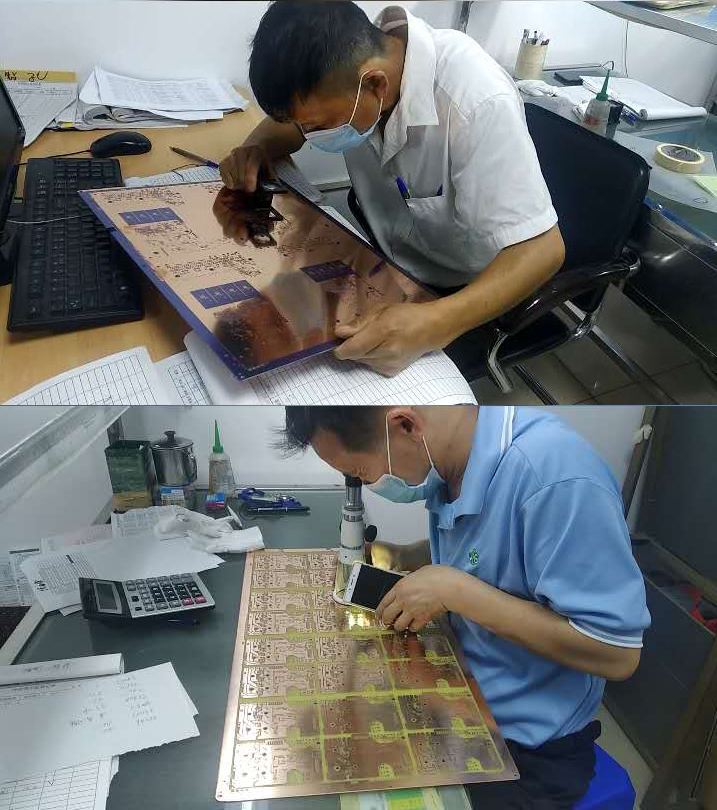
Below are authentic captures of our processing, inspection, and component level stress-testing environments where parts undergo strenuous temperature validation protocols.
Modern enterprise environments require tailored design frameworks. We examine the exact technical specifications needed across key applications.
These panels operate in dusty, oil-laden settings. They require robust chemical-resistant tempered glass (IK08/IK09 ratings), wide operating temperatures (-20°C to 70°C), and support for legacy protocols via custom motherboards.
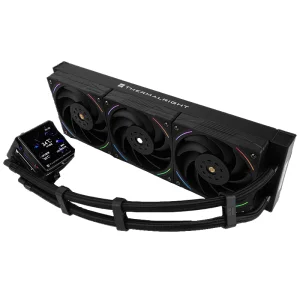
High-traffic points-of-sale require anti-fingerprint (AF) finishes, scratch protection (7H hardness Mohs scale), and low latency for transactional accuracy. They integrate specialized memory cards and cooling profiles for sustained workloads.
Healthcare settings require anti-microbial coatings, high luminance, DICOM Part 14 calibration, and seamless, sealed surfaces to withstand frequent chemical disinfection protocols.
As display technology converges with advanced semiconductor substrates, three key vectors are redefining touchscreen manufacturing:
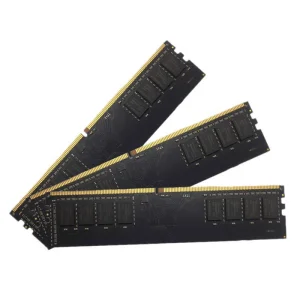
Next-generation interfaces are shifting to 4K and 8K resolutions, demanding display engines with high-capacity RAM and faster processors. Kiosks and smart displays now integrate fast memory systems like DDR5 to run complex UI software and real-time interactive algorithms without lag.
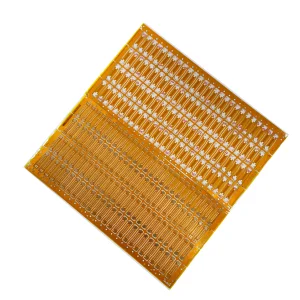
Traditional rigid interconnects are being replaced by high-layer Flexible Printed Circuits (FPCs). Utilizing polyimide materials, custom FPCs enable ultra-thin form factors, curved multi-touch surfaces, and dynamic displays for automotive interiors and lightweight medical terminals.
Future monitors are incorporating haptic feedback systems, allowing users to "feel" textures or key presses on flat glass surfaces. Manufacturers are also improving outdoor visibility by applying anti-reflective (AR) and anti-glare (AG) layers directly to fully bonded LCD/OLED panels, minimizing ambient light interference.
Answers to critical questions regarding component supply, panel calibration, and environmental durability.
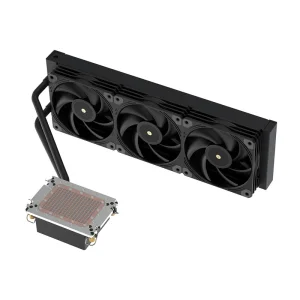
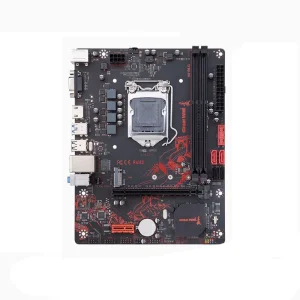
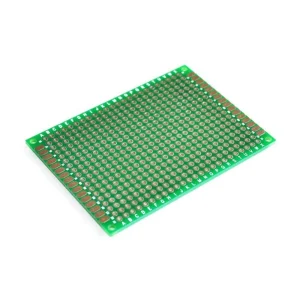
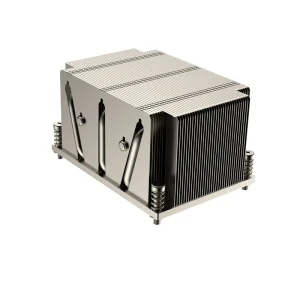
Explore our collection of electronic system components, mainboards, high-density PCBs, and thermal systems built for industrial displays and touch monitors.