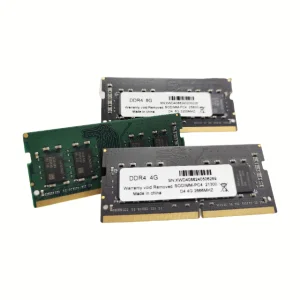
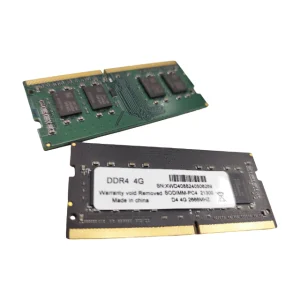
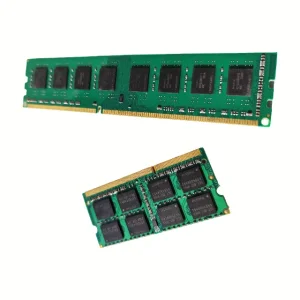
NexaRAM
NexaRAM
NexaRAM
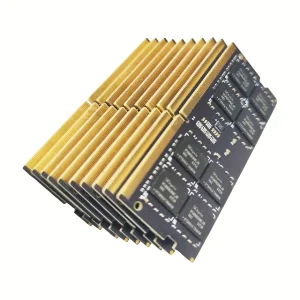
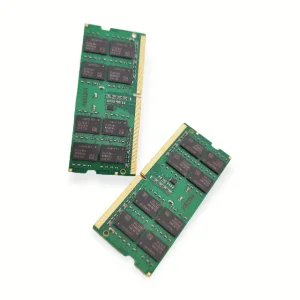
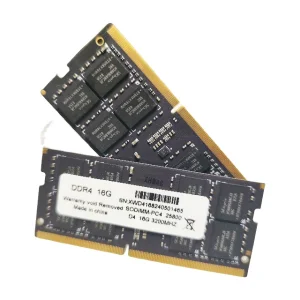
In the rapidly advancing world of personal computing, edge computing, and portable server architectures, the role of SO-DIMM (Small Outline Dual In-line Memory Module) laptop RAM is more critical than ever. Driven by the mass adoption of high-performance computing, local Artificial Intelligence (AI) model running on consumer PCs, and industrial automation, the global demand for reliable, high-density DRAM has experienced exponential growth. Sourcing managers worldwide must navigate a volatile semiconductor supply chain, striking a delicate balance between price efficiency, raw component quality, and technical compliance.
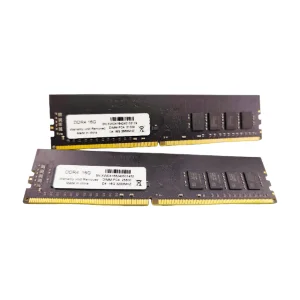
The international laptop market has transitioned decisively toward DDR5 SDRAM, while maintaining a vast, highly active legacy base of DDR4 configurations. This dual-generation environment presents unique challenges for global enterprise procurement. Enterprises require memory modules that not only deliver high bandwidth (ranging from 3200MHz for DDR4 up to 6000MHz+ for DDR5) but also guarantee structural reliability under rigorous work cycles. Laptop hardware design is progressively thinning, which restricts airflow and escalates thermal buildup. Consequently, laptop RAM must be constructed with high-grade components that operate under lower voltages (such as 1.1V for DDR5 compared to 1.2V/1.35V for DDR4) without sacrificing integrity or processing speed.
Next-generation laptops running neural processing units (NPUs) demand unprecedented data rates. Memory is no longer just a storage workspace; it is a primary system bottleneck for local generative AI inference and complex computing operations.
With DDR5, power management moves from the motherboard directly onto the module via a PMIC (Power Management Integrated Circuit). This design shifts the complexity of voltage regulation to the memory module manufacturers.
DDR5 implements On-Die ECC (Error Correction Code) at the silicon level, managing single-bit errors dynamically. This increases reliability exponentially for enterprise fleets and cloud system nodes.
Established in 2016, NexaRAM Storage Technology Co., Ltd. has established itself as an innovative force in the high-performance memory module sector. As a dedicated DDR5 and DDR4 manufacturer, the company has integrated advanced R&D with strict industrial-grade fabrication processes to serve global OEMs, system integrators, server clusters, and consumer laptop brands. Supported by a strategic network of over 850 partners, NexaRAM maintains a consistent supply of premium Grade-A DRAM integrated circuits (ICs) from global leaders including Samsung, SK Hynix, and Micron.
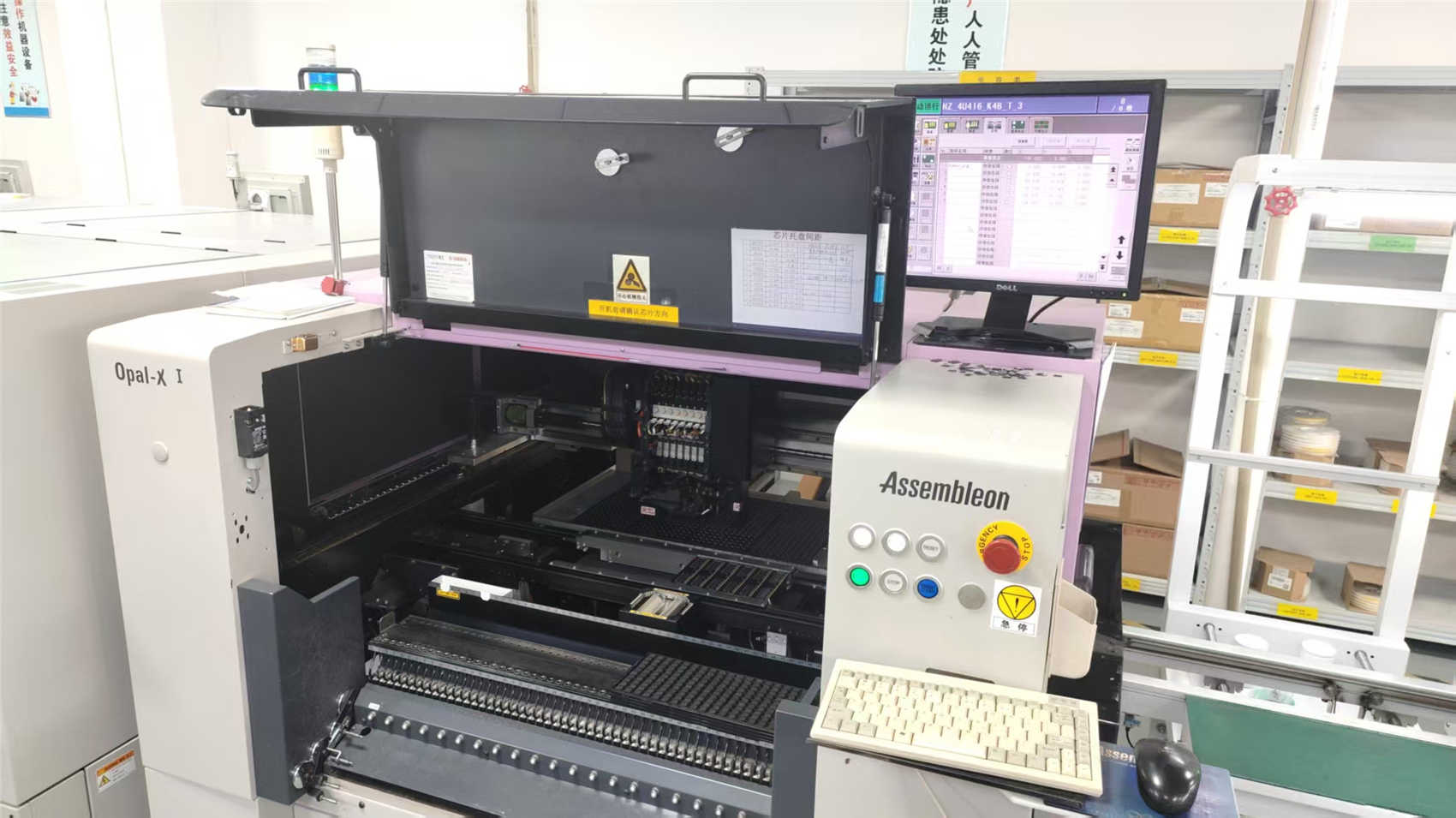
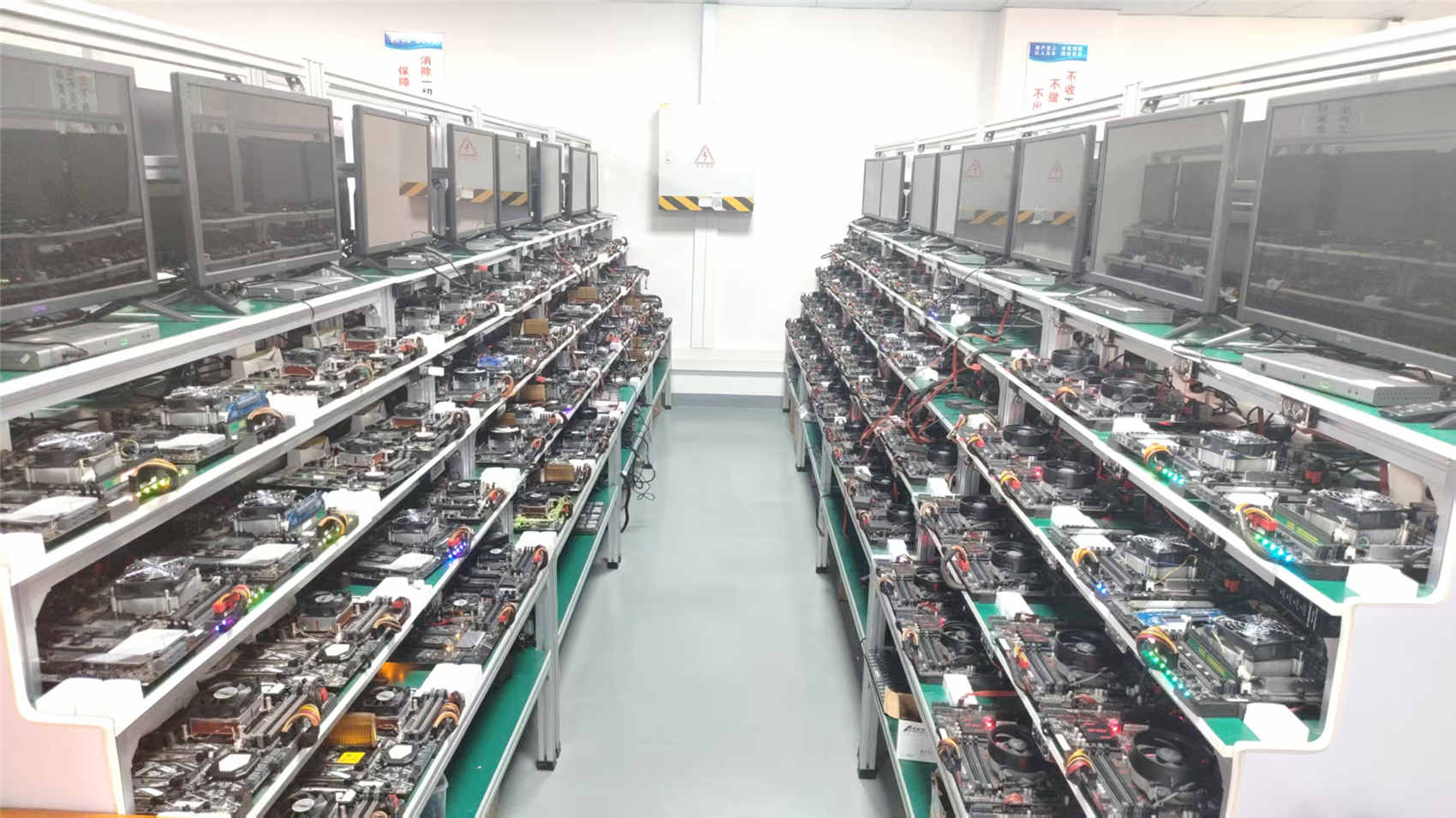
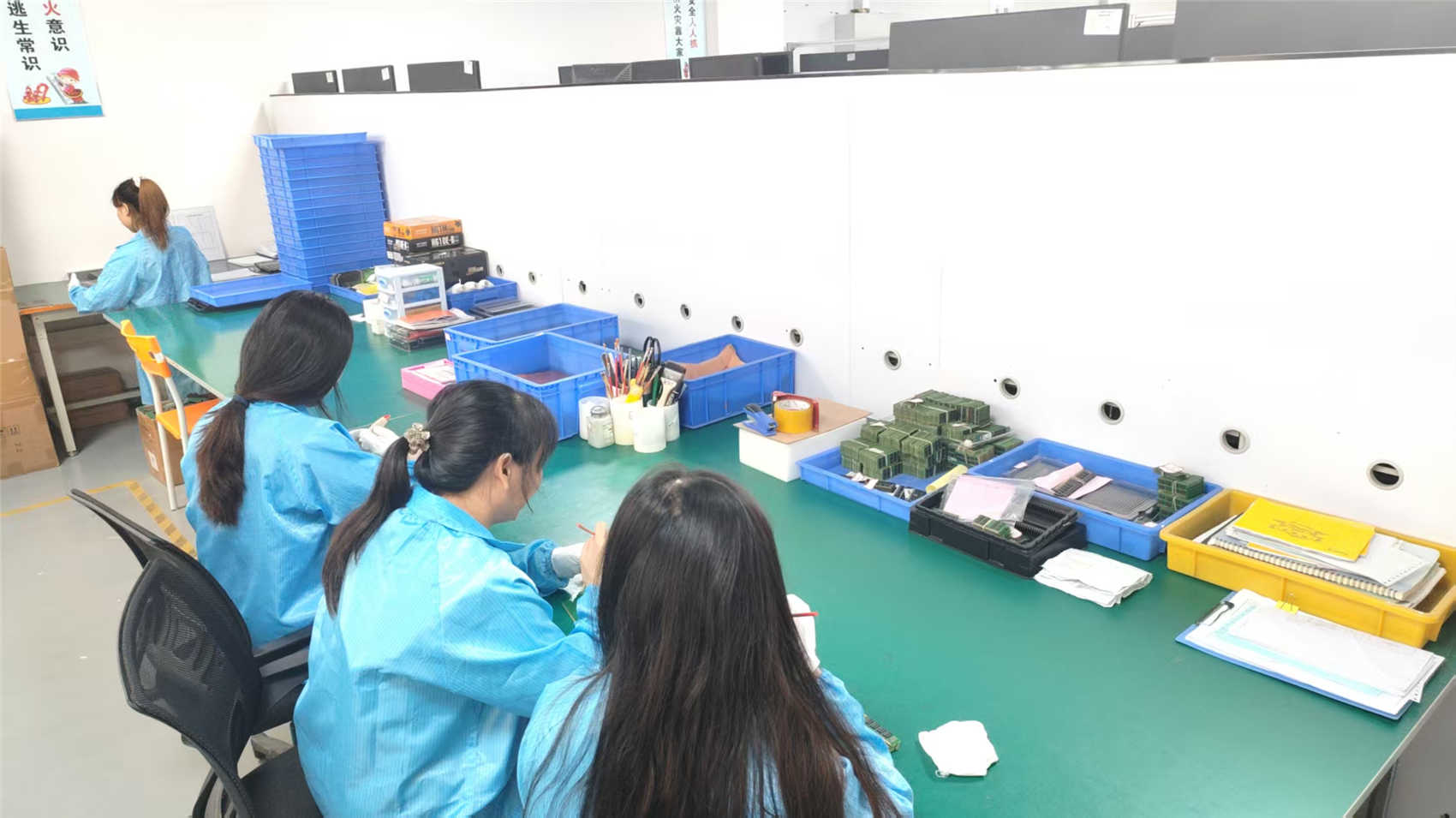
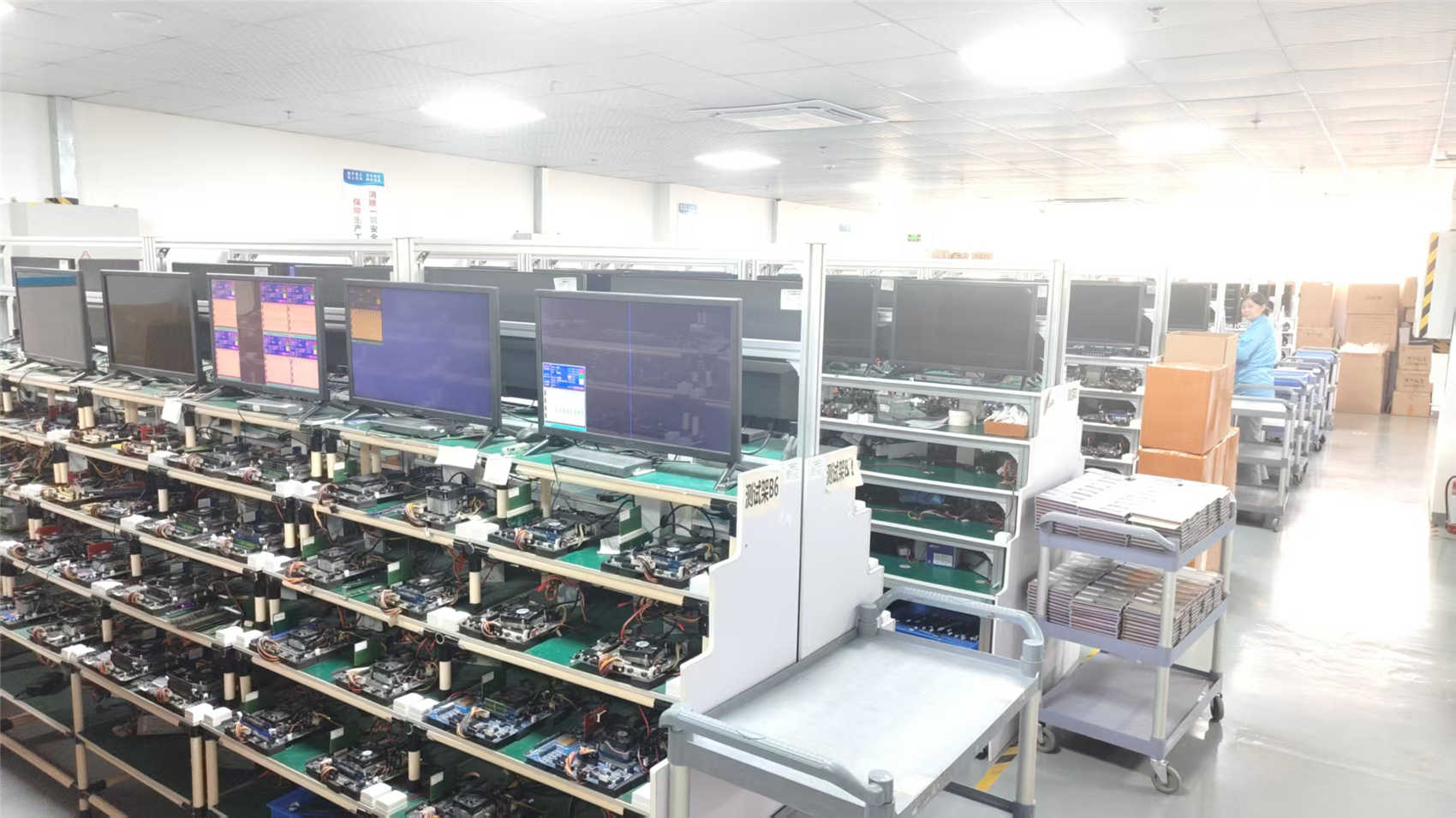
With 12 years of industry experience and 6 years of dedicated international export operations, NexaRAM generates an annual export revenue of approximately USD 12 million. Operating from a highly-efficient, ESD-controlled 320㎡ modern production facility, the company optimizes every square meter to run high-speed SMT assembly, specialized high-frequency testing, and strict thermal validation. The company is backed by a powerhouse engineering team of 180 R&D engineers, launching 120 new product variants annually to keep pace with changing chipset standards.
Sourcing memory modules directly from China-based manufacturers like NexaRAM offers significant logistical advantages. South China's electronics ecosystem, particularly in Shenzhen and Dongguan, provides direct access to components and materials. This integration ensures that active/passive components, high-density PCBs, and PMICs are sourced within hours of production scheduling. This reduces turnaround times for customized layout requests and large-scale bulk orders.
Furthermore, the convergence of multiple fabrication phases (SMT, automated optical inspection, thermal burn-in, compatibility validation, and final custom retail packaging) within a localized geographical zone eliminates shipping delays and optimizes overhead costs. This proximity enables NexaRAM to implement robust engineering solutions and customize packaging, labeling, SPD profiles, and heatsink colors at highly competitive costs compared to manufacturers in fragmented global regions.
| Feature Spec | DDR4 SO-DIMM Standards | DDR5 SO-DIMM Standards | NexaRAM Production Advantage |
|---|---|---|---|
| Operating Voltages | 1.2V / 1.35V (higher thermal emission) | 1.1V (optimized energy draw) | Custom ultra-low voltage testing down to 1.05V |
| Data Rates | 1600MHz to 3200MHz | 4800MHz to 6400MHz+ | SPD optimization for maximum chipset compatibility |
| Power Management | Controlled by host motherboard | Integrated PMIC on the PCB layout | Automated AOI & component-level PMIC diagnostics |
| Error Correction | Side-band ECC (Enterprise modules only) | Silicon-level On-Die ECC (Standard) | 100% full-pattern dynamic burn-in testing |
| Channel Architecture | Single 64-bit data channel | Dual independent 32-bit channels | High-frequency multi-layer PCB stack-up optimization |
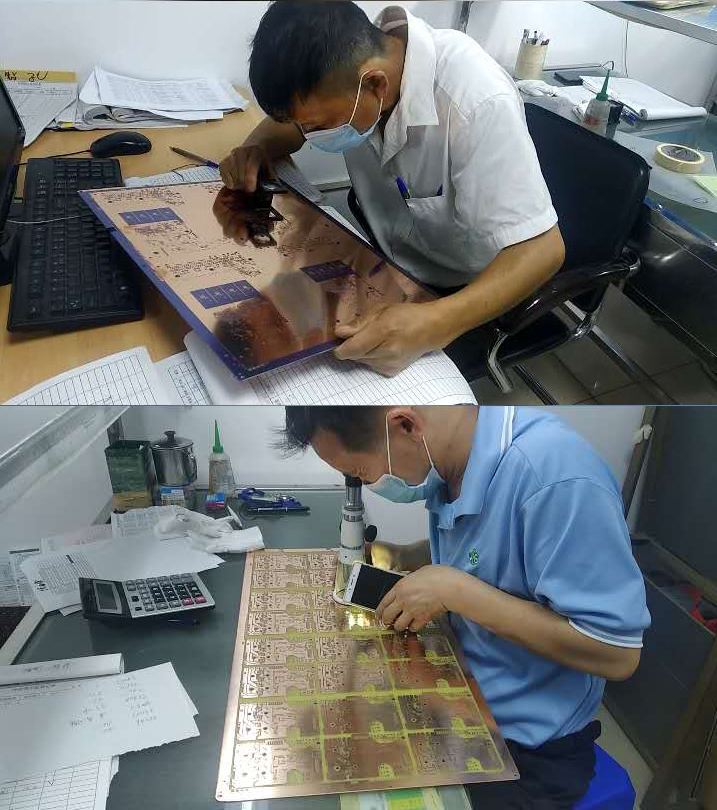
Quality is central to NexaRAM's manufacturing philosophy. Our production process features active checkpoints monitored by 35 dedicated quality inspectors. By utilizing Advanced Automated Optical Inspection (AOI), high-temperature burn-in chambers, and custom testing jigs, we verify that each memory module operates with high stability under sustained computational loads.
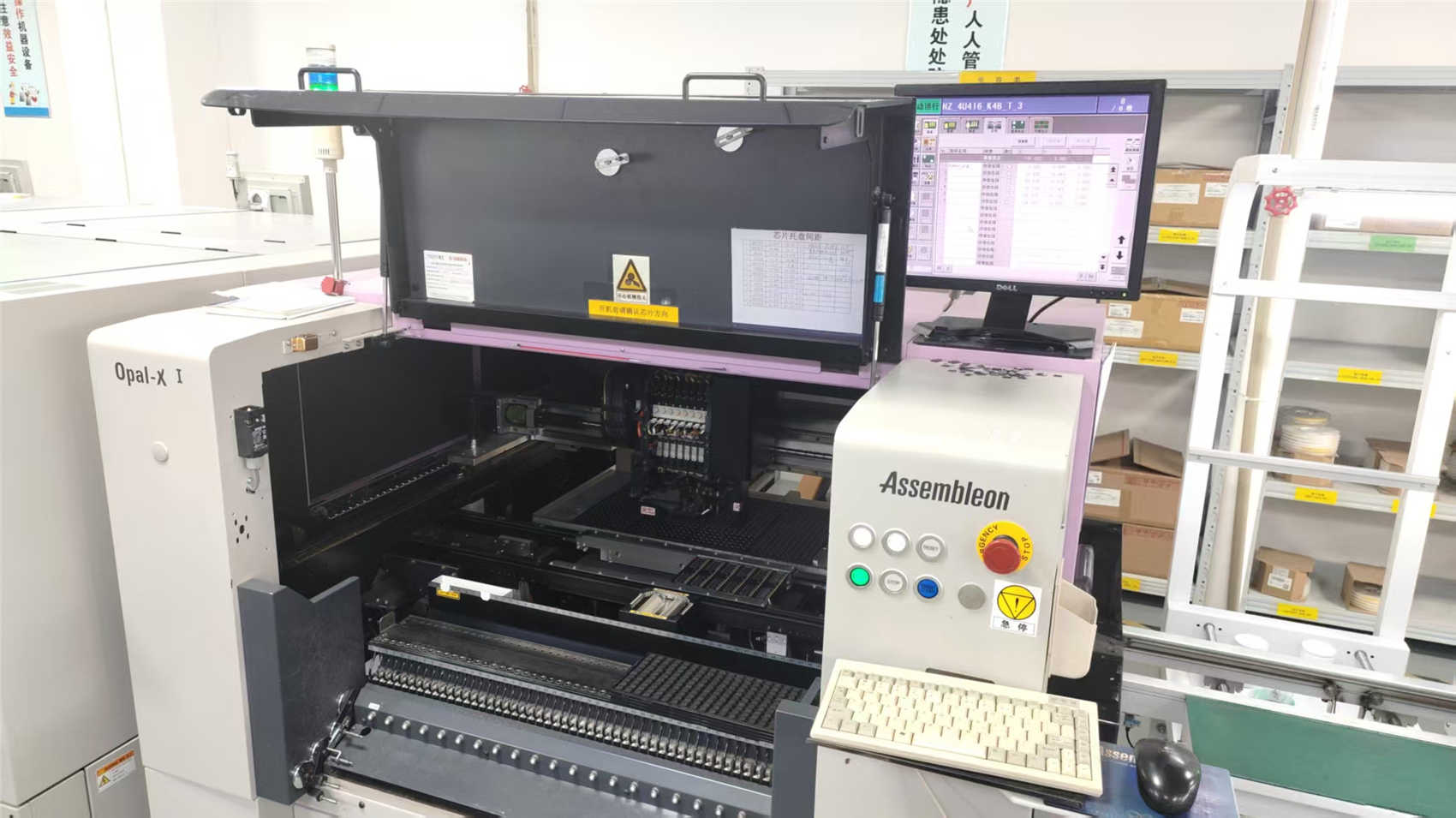
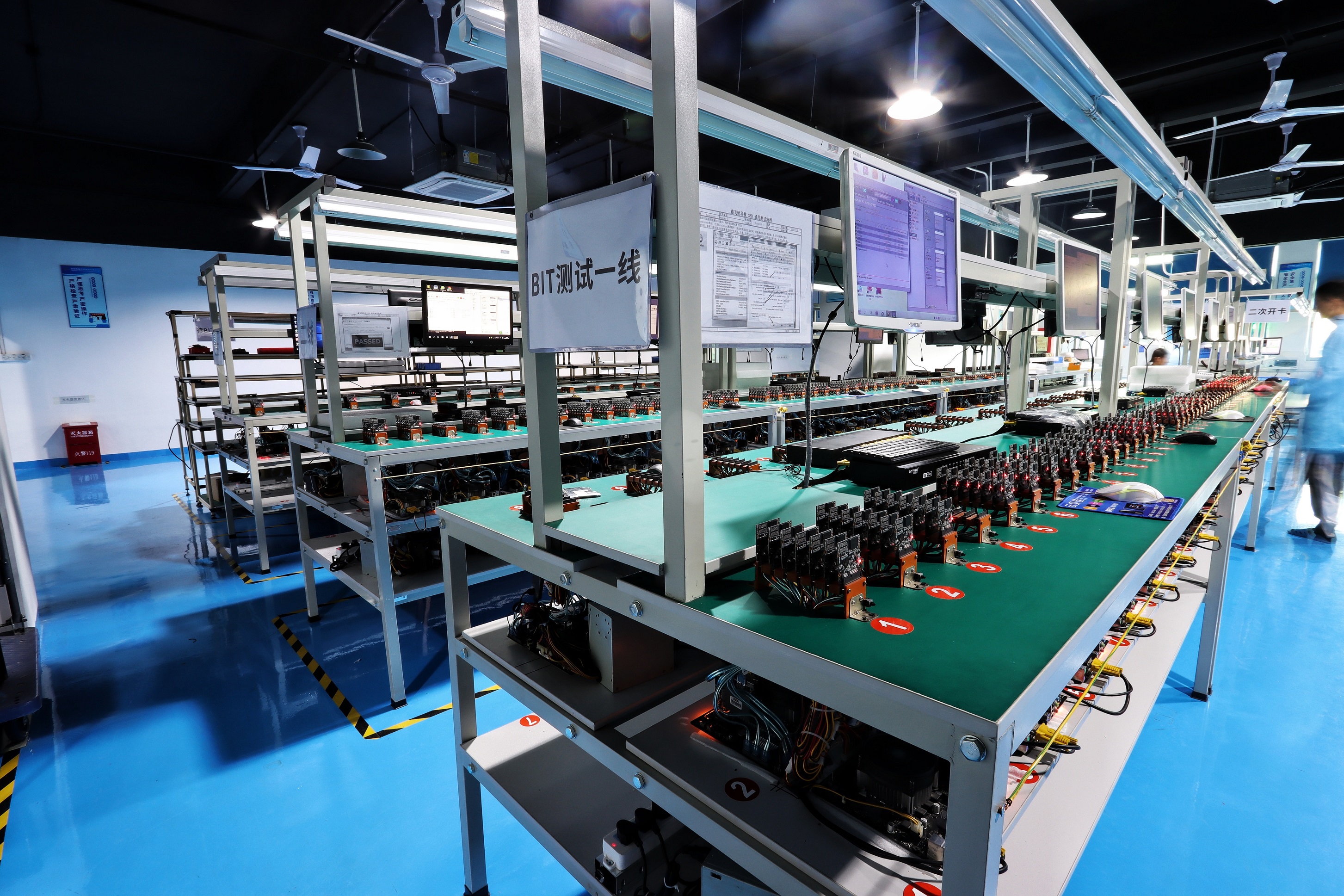
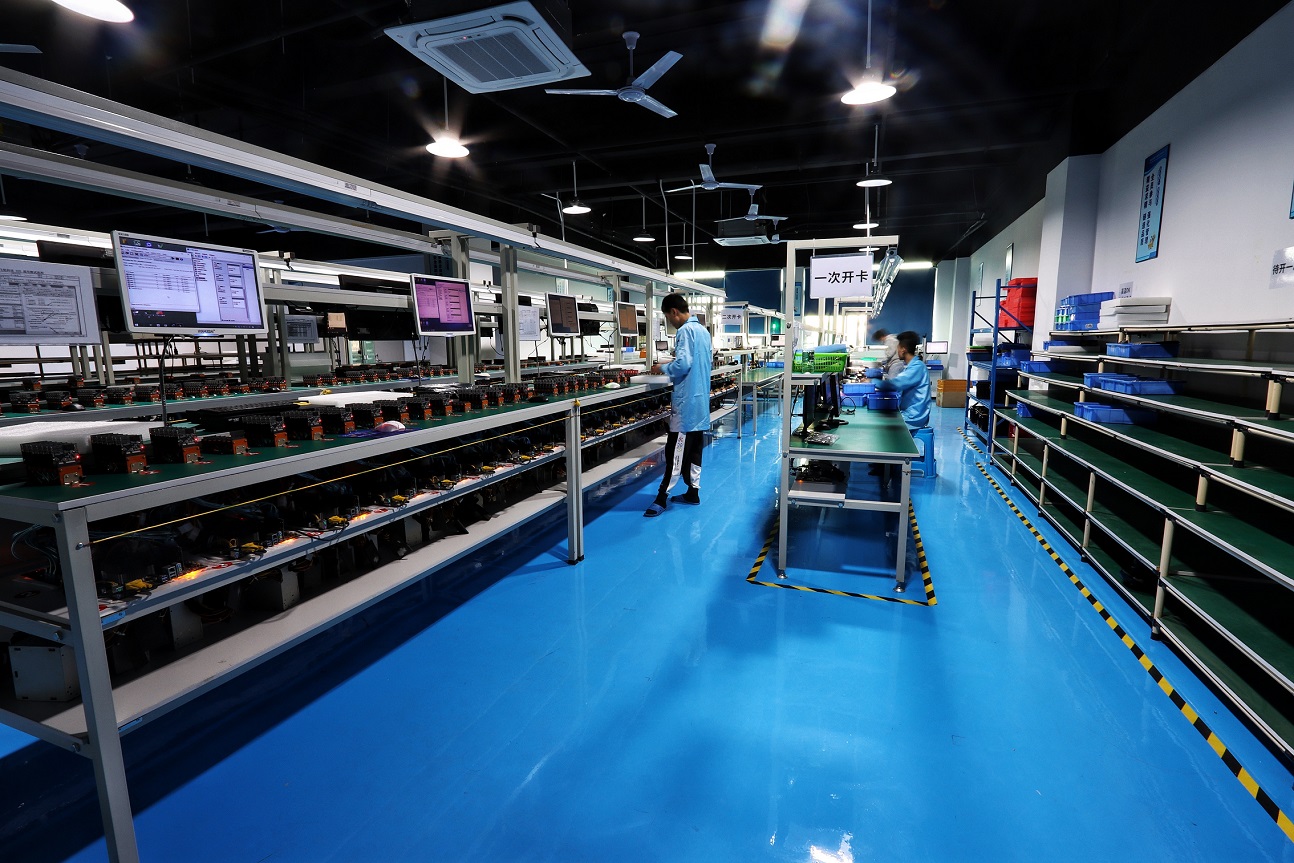
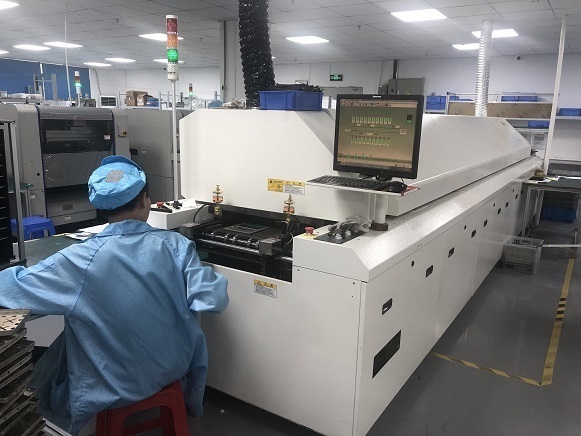
Laptop memory modules are deployed across diverse computing environments, each demanding a specific combination of capacity, latency, and frequency:
Requirements prioritize high frequency (4800MHz to 6000MHz) combined with low latency (CL38 to CL40 for DDR5) to prevent frame drops during high-fidelity asset rendering. Custom heat spreaders are often required to prevent thermal throttling under continuous gaming and rendering workloads.
Reliability, motherboard compatibility, and compliance with legacy platforms are key. Enterprise procurement teams generally specify standard DDR4 2666MHz or 3200MHz modules configured in dual-channel setups to ensure a balance of stability, longevity, and cost efficiency.
Environments require dynamic error prevention. Our SO-DIMM ECC modules are designed to run in wide-temperature environments (ranging from -40°C to 85°C) and under high physical vibration, making them suitable for ruggedized field tablets and edge nodes.