NexaRAM
NexaRAM
NexaRAM
Canada’s industrial landscape is undergoing a massive transformation, driven by heavy investments in renewable energy, automotive electrification, and high-performance telecom networks. From the clean-tech and electric vehicle (EV) supply chain corridors in Ontario and Quebec to the rugged industrial electronics utilized in Alberta’s mining and oil fields, the demand for highly reliable, thermally efficient electronic circuits is at an all-time high. In these extreme operational environments, standard FR4 printed circuit boards often fail due to localized thermal buildup and stress-induced cracking caused by drastic temperature swings. This has placed Metal Core Printed Circuit Boards (MCPCBs), specifically Aluminum PCBs, at the forefront of the country's engineering design priorities.
For Canadian technology OEMs, finding a reliable aluminum PCB supplier is not just about price. It is about understanding the mechanical challenges of sub-zero winter temperatures coupled with the high thermal output of modern power electronics. An aluminum substrate provides exceptional heat dissipation, allowing engineers to shrink unit sizes while securing structural rigidity and preventing thermal runaway. As Canadian regulatory frameworks demand greater energy efficiency and reduced electronic waste, the adoption of Aluminum PCBs has spread from high-power LED installations to aerospace, advanced avionics, and marine navigation hardware.
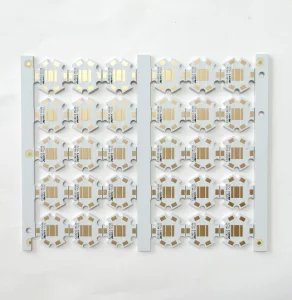
To achieve high-efficiency thermal performance, engineers must carefully evaluate the layers of an Aluminum PCB. Unlike traditional substrates, a metal-backed board consists of three main components: the circuit layer (copper foil), the dielectric layer (thermally conductive polymer), and the metal base layer (aluminum alloy). The selection of these materials dictates the overall efficiency and lifespan of the electrical system:
The core differentiator of a premium Aluminum PCB is its dielectric layer. Typically ranging from 1.0 W/mK to 8.0 W/mK (Watts per meter Kelvin), this polymer-ceramic blend must insulate high voltages while presenting minimal thermal resistance. For rugged industrial control systems, a dielectric layer with high electrical breakdown voltage (greater than 4kV to 6kV AC) is crucial to withstand sudden spikes in high-current industrial environments.
Aluminum alloys such as 5052 and 6061 are chosen based on structural and thermal needs. Alloy 5052 provides superior mechanical strength, making it ideal for automotive chassis components and harsh vibrations. Alloy 6061 offers higher thermal performance and can be drilled, milled, and routed with tighter tolerances for intricate enclosure mounts. Both alloys serve as a natural heat sink, drawing heat away from delicate surface-mount device (SMD) components.
In high-power converters and electric drive trains, the circuit trace must support massive currents without overheating. Standard specifications call for 1 oz (35μm) to 3 oz (105μm) copper foil. Heavy copper configurations (up to 6 oz) are implemented when delivering power to high-flux LEDs or high-voltage electric motor drives. This ensures low resistive losses and maximum current density throughput.
In the current geopolitical climate, global procurement managers face the challenge of securing supply chains while meeting tight delivery schedules. The electronics industry operates in a high-velocity environment where lead times can make or break a project. As Canadian entities push for localized prototyping but rely on offshore volume production, a hybrid sourcing strategy has become a standard. To maintain competitive cost structures, partnering with advanced manufacturers in China that operate under Industry 4.0 standards is highly advantageous.
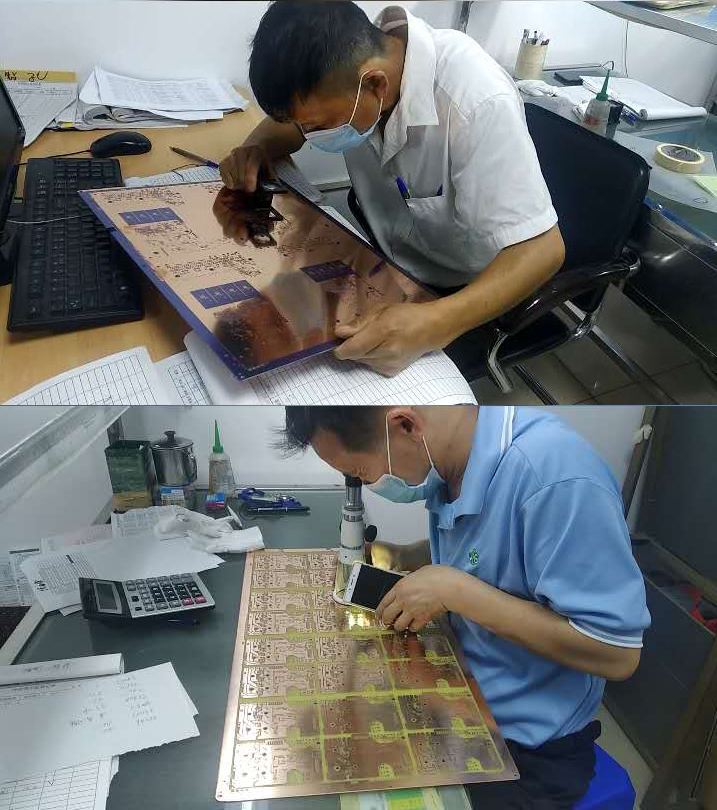
However, global logistics and material consistency remain a concern. Procurement managers must analyze factories not just on base prices, but on their end-to-end quality validation protocols. For instance, testing for internal delamination via thermal shock testing, validation of trace widths via Automated Optical Inspection (AOI), and verifying the exact thermal conductivity rating using ASTM D5470 test standards are critical benchmarks. Aligning with vendors that feature extensive global shipping networks ensures that components arrive in Montreal, Toronto, or Vancouver securely packaged to prevent moisture damage and oxidation.
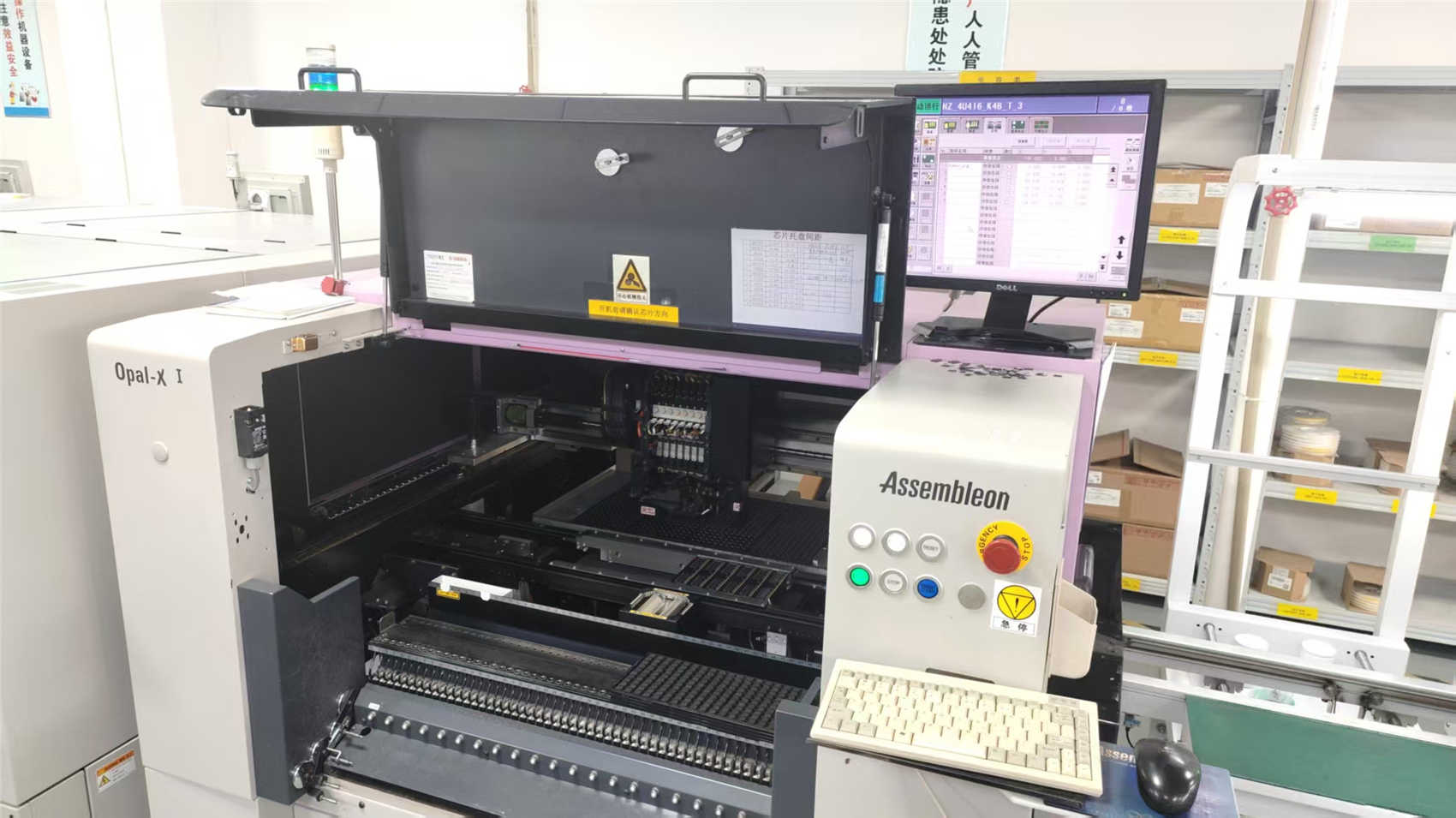
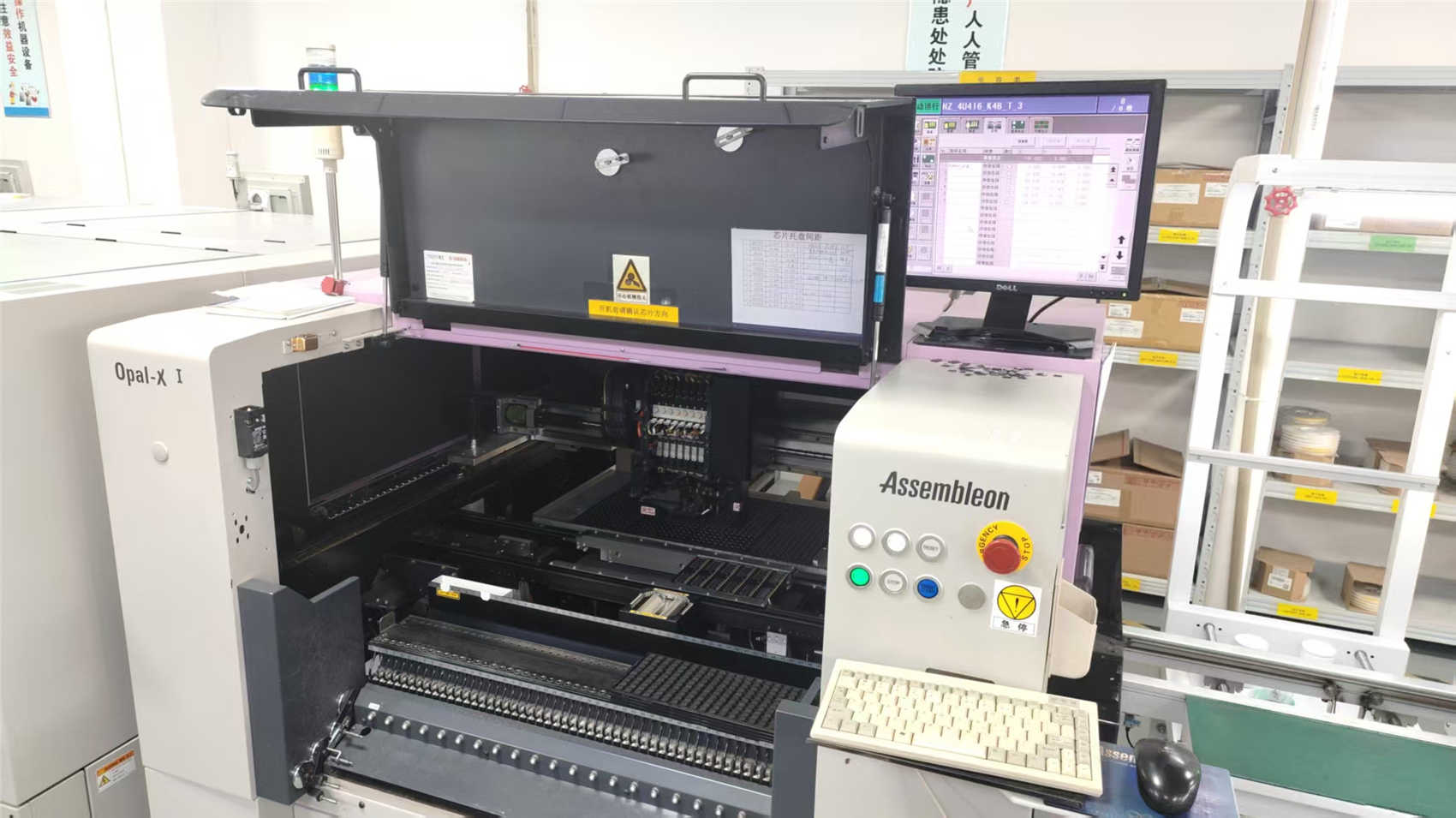
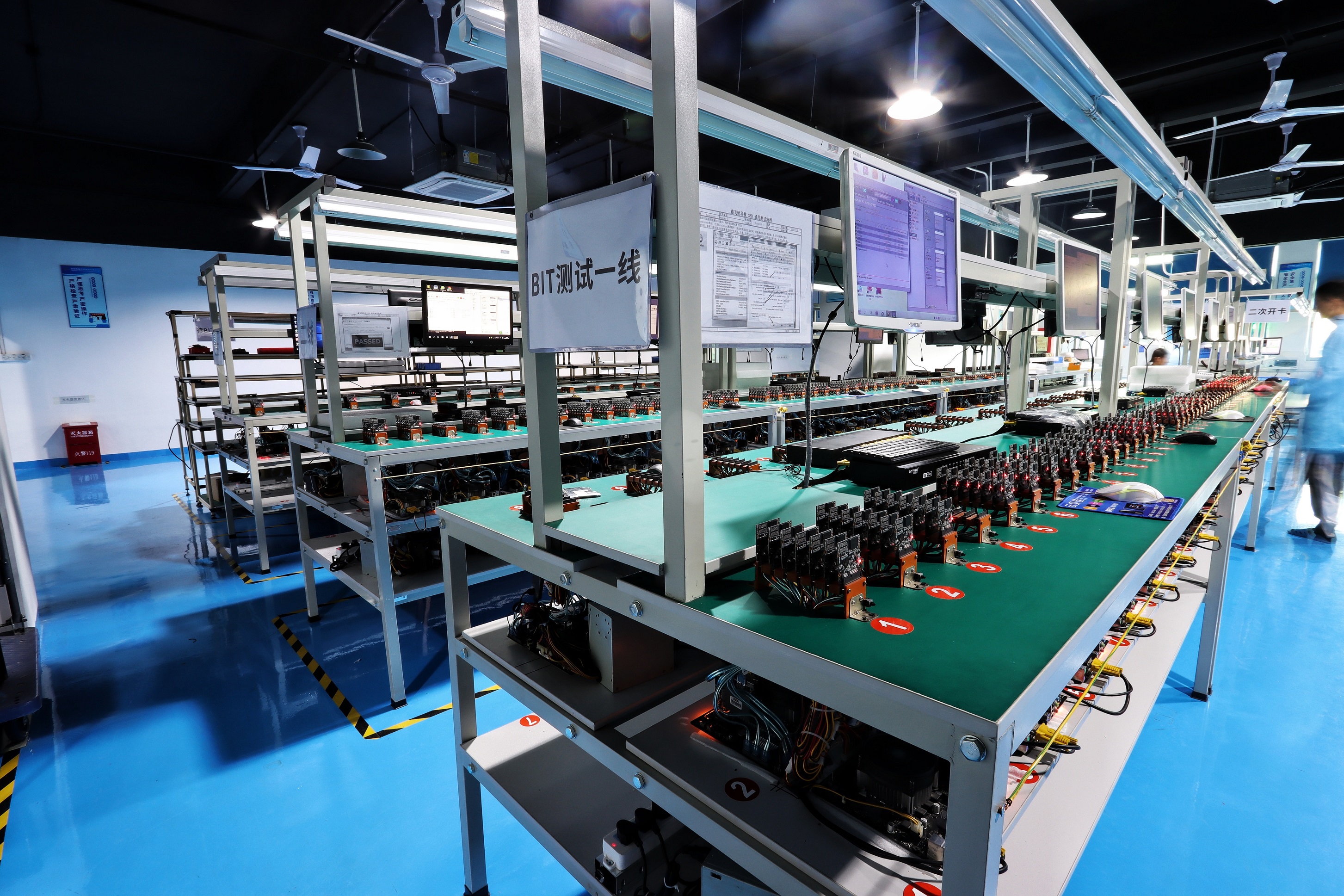
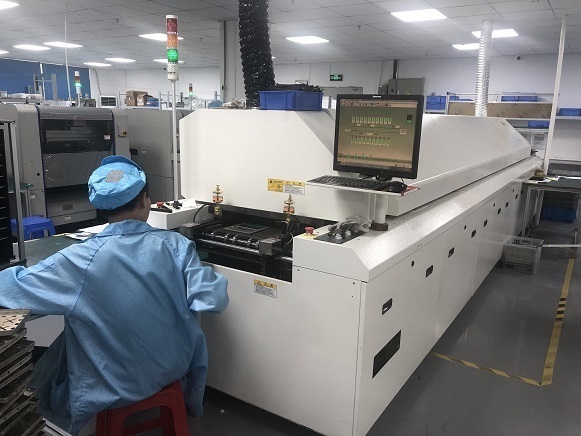
The Chinese manufacturing sector has evolved from a mass-production hub into an advanced ecosystem powered by digital manufacturing automation. High-speed automated placement lines, intelligent warehousing, and real-time process tracking systems allow factories to manufacture intricate designs with minimal defects. This efficiency is supported by a localized supply chain that sources high-grade copper, specialized prepregs, and raw aluminum billets within a narrow geographical radius.
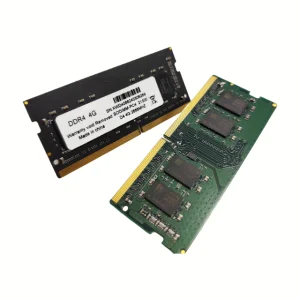
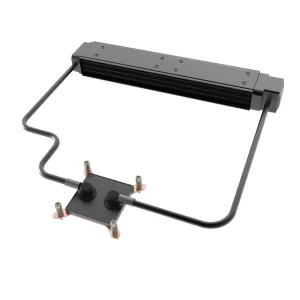
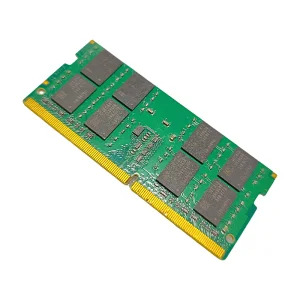
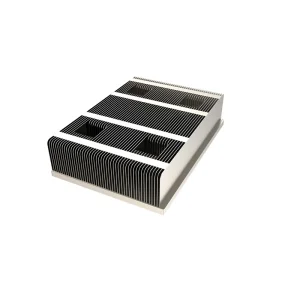
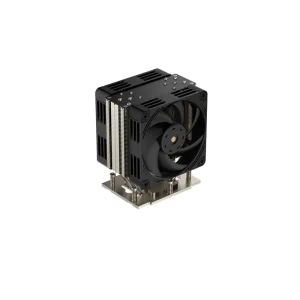
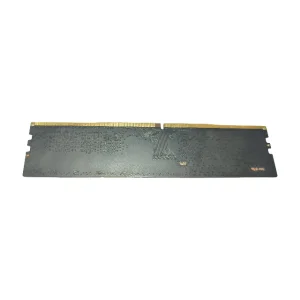
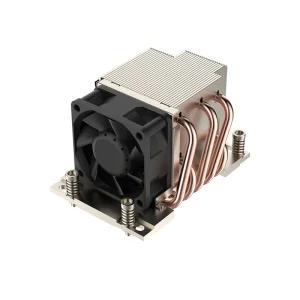
By integrating advanced semiconductor manufacturing expertise with thermal substrate production, companies are able to offer holistic thermal solutions. For Canadian buyers, this means access to integrated engineering support. If an OEM is designing a high-capacity storage server or an industrial power grid converter, they can source both the high-frequency memory arrays and the underlying heavy-duty aluminum PCB boards and CPU radiators from a unified supply ecosystem, lowering integration risks.
To understand why high-reliability substrates are critical, one must analyze where these boards are deployed across Canadian provinces:
1. Sub-Zero Smart Grid Infrastructure & Telecom: Outdoor telecom towers in Northern Canada operate in sub-zero winters but experience heavy internal heat during data transmission spikes. Thermal expansion and contraction can damage solder joints. Aluminum PCBs offer a low coefficient of thermal expansion (CTE) mismatch with surface-mount devices, preventing fatigue failures.
2. EV Fast Charging Networks: With Canada expanding its national EV charging network along the Trans-Canada Highway, Level 3 DC fast chargers are handling higher currents. The power modules inside these stations generate massive heat that must be continuously transferred away from power transistors. Heavy-copper, high-conductivity Aluminum PCBs are essential for maintaining operational safety and avoiding costly outages.
3. Commercial Horticultural LED Lighting: Greenhouses in Ontario and British Columbia rely on high-power artificial LED systems to sustain crop growth during winter months. These lights run continuously for up to 18 hours a day. Aluminum substrate boards dissipate the thermal load from high-power LED beads, ensuring they maintain their lumens-per-watt efficiency and reach their full 50,000-hour operational life.
NexaRAM Storage Technology Co., Ltd. – Company Profile
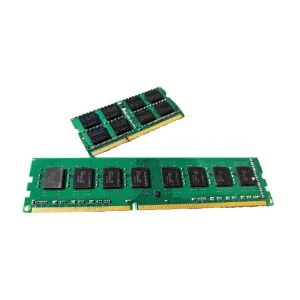
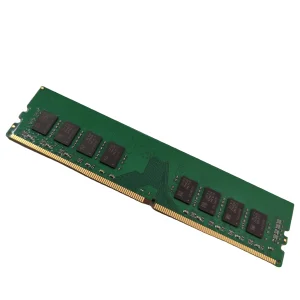
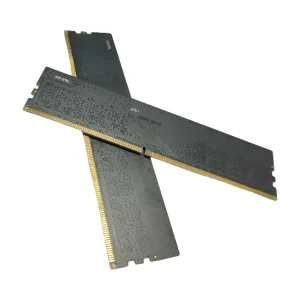
NexaRAM Storage Technology Co., Ltd. is a professional DDR5 memory manufacturer specializing in high-performance RAM solutions for global OEMs, data centers, and enterprise computing applications. Established in 2016, the company has rapidly developed into a reliable supplier in the advanced DRAM industry.
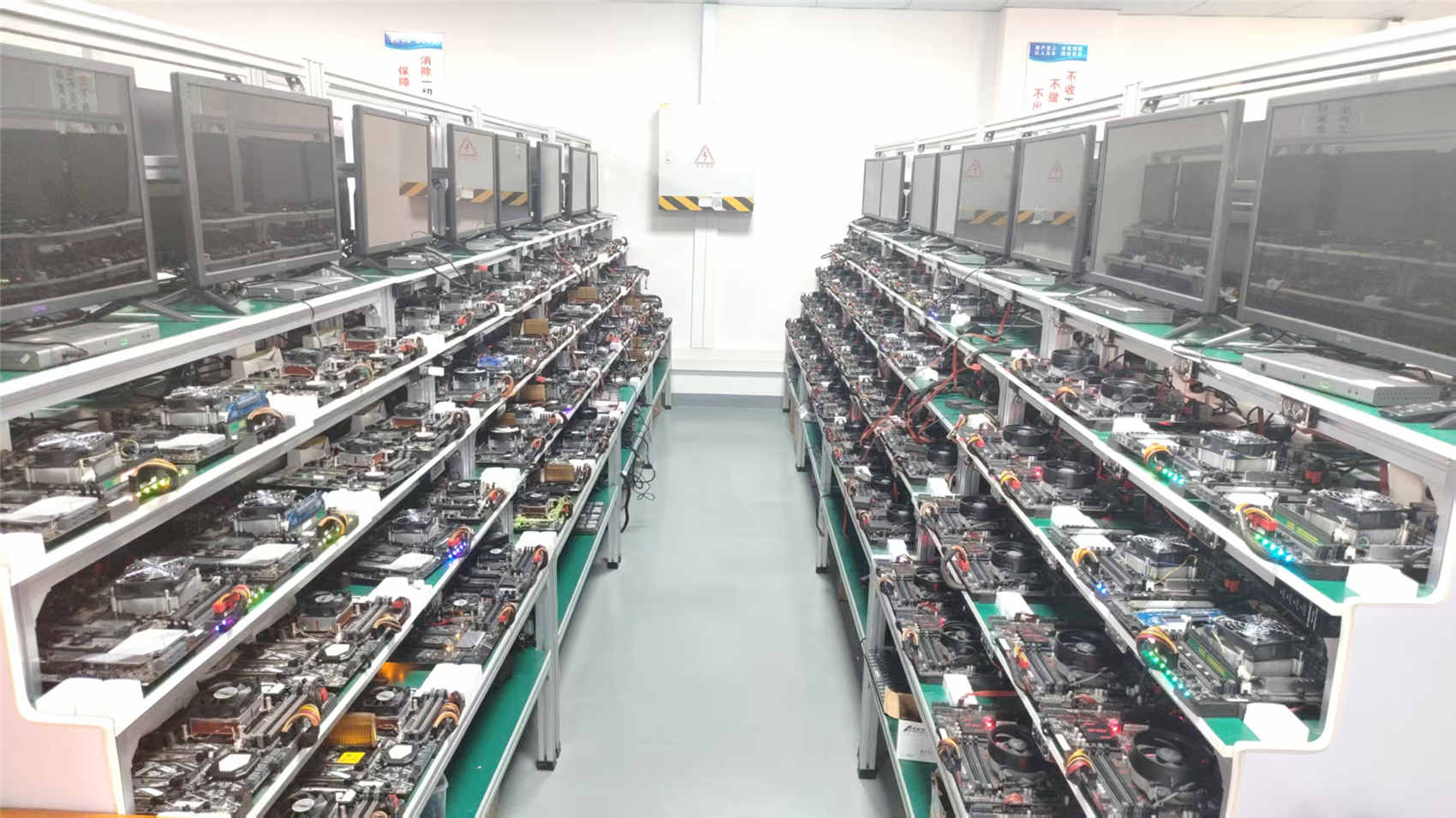
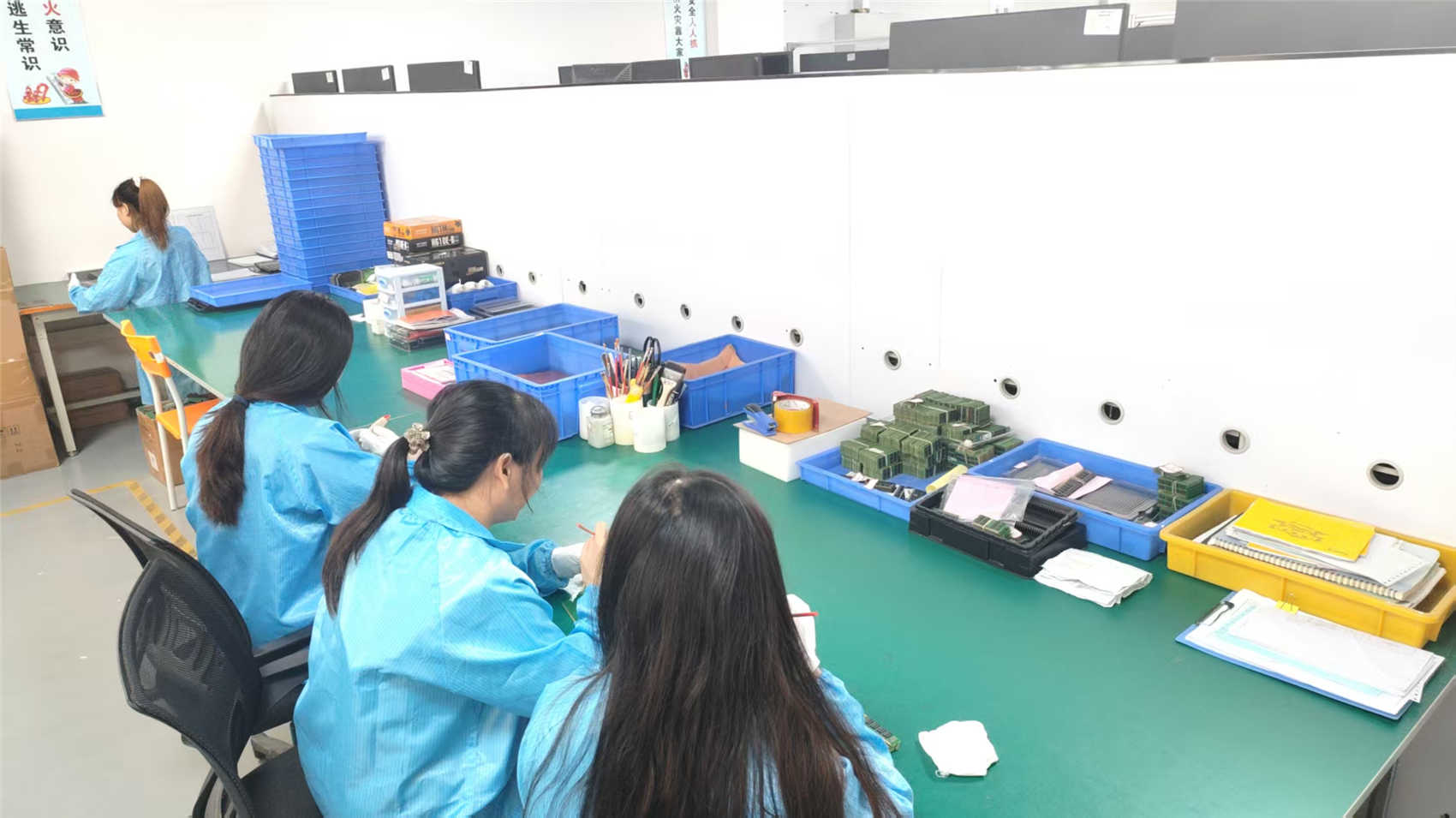
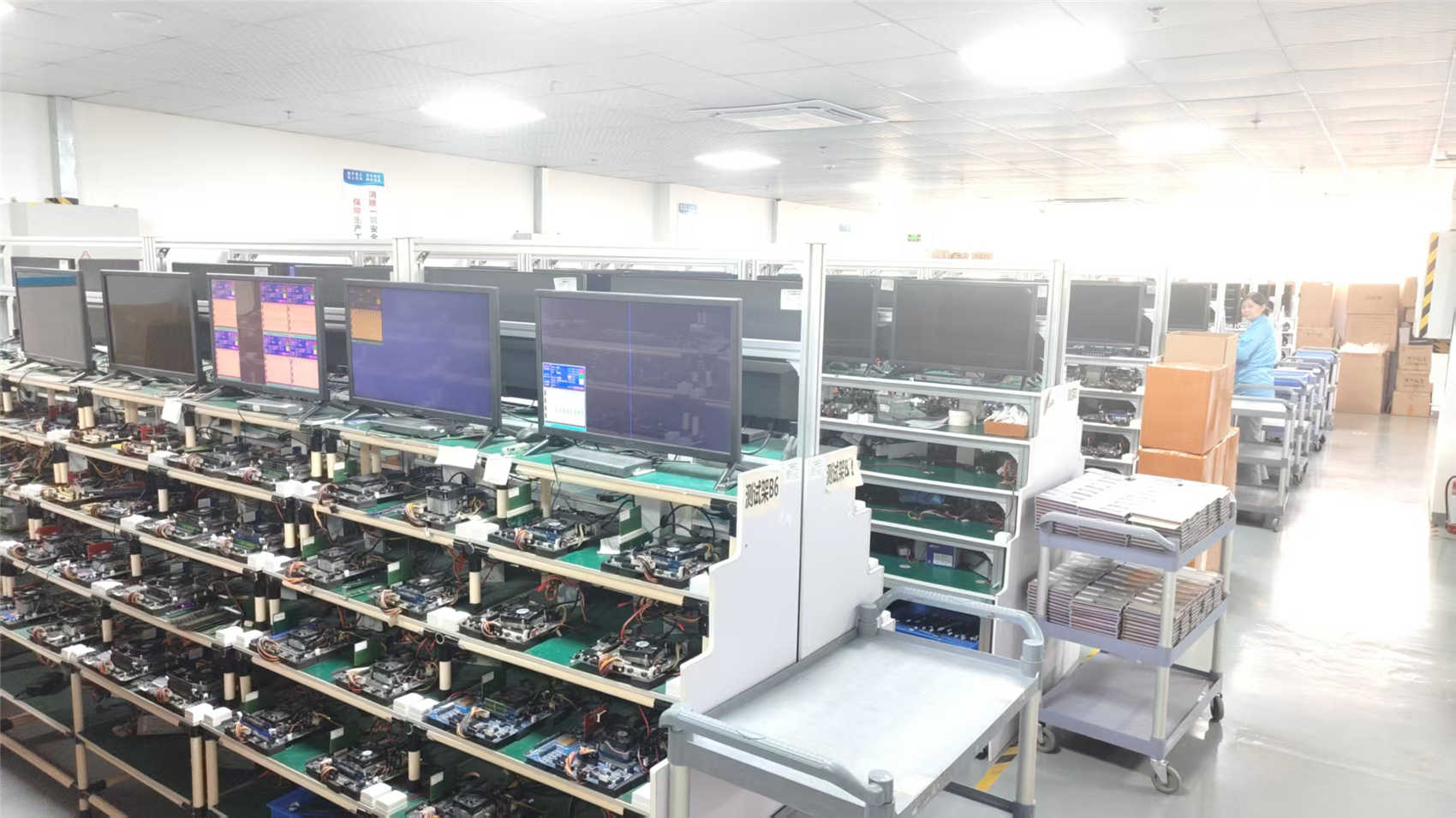
The company operates a modern production facility with a total building area of approximately 320㎡, equipped with advanced manufacturing and testing equipment to ensure stable and efficient production capacity. NexaRAM has an annual export revenue of approximately USD 12 million, with 6 years of export experience and 12 years of industry experience in memory and semiconductor-related fields.
Quality is strictly controlled through a combination of automated optical inspection (AOI) and burn-in reliability testing, supported by a professional QC team of 35 inspectors. The company follows international trade compliance standards and operates under a strong global trading background, serving markets across North America, Europe, Southeast Asia, and the Middle East.
NexaRAM maintains a highly developed supply chain ecosystem with over 850 strategic supply chain partners, enabling stable sourcing of high-grade semiconductor materials and components. Its primary customer base includes OEM manufacturers, system integrators, server solution providers, and gaming PC brands.
The company demonstrates strong R&D capabilities, offering custom DDR5 module design, PCB layout optimization, frequency tuning, and thermal solution development. Flexible customization options include frequency, latency, capacity, heat spreader design, and branding services.
In the past year, NexaRAM launched 120 new product variants, supported by a dedicated R&D team of 180 engineers, continuously driving innovation in high-speed memory solutions for next-generation computing systems.

Outdoor applications in Canada undergo extreme temperature fluctuations from winter cold to high operating heat. Standard FR4 PCBs can crack due to thermal contraction. Aluminum PCBs have a lower coefficient of thermal expansion matching that of the copper and silicon components, preventing cracks in solder joints and traces.
Aluminum 5052 is the standard alloy used due to its high mechanical resilience, excellent corrosion resistance, and good heat transfer capabilities. For complex routing and precision mechanical enclosures, Aluminum 6061 is preferred as it is easier to machine and tap.
We provide custom dielectric layers with thermal conductivities ranging from entry-level 1.0 W/mK to mid-tier 2.0 W/mK, and up to high-performance 8.0 W/mK for demanding power electronics and high-power LED installations.
Our processes utilize automated optical inspection (AOI), X-ray thickness verification for layers, high-voltage insulation checks, and thermal shock testing. These steps align with international quality standards and ensure reliability.
For standard PCB prototypes, manufacturing takes 3–5 days, and delivery takes 4–7 business days to hubs like Toronto, Montreal, or Vancouver. Volume production orders are planned through customized schedules, with sea or air freight options optimized for cost.
Yes, all our aluminum substrate base materials and dielectric coatings are compliant with RoHS and REACH regulations and are certified to meet UL 94V-0 flammability ratings.
NexaRAM leverages its deep expertise in semiconductor assemblies, SMT processes, and quality testing. Our design team creates high-density layouts and structural thermal cooling assemblies, ensuring optimal system integration.
Yes, our R&D engineering division assists with layout verification, thermal simulations, copper thickness calculations, and stack-up optimization to ensure prototype designs transition smoothly into production.