NexaRAM
NexaRAM
NexaRAM
Engineered to excel in high-ambient operations, our primary computing substrates and thermal modules support Saudi Arabia's critical smart infrastructure and energy sector integrations.
Saudi Arabia is undergoing a historic industrial transformation under its ambitious Vision 2030 program. The nation is building futuristic smart cities (such as the NEOM megacity project), establishing domestic military manufacturing capabilities, expanding automated oil and gas extraction, and deploying vast solar power grids across empty deserts. However, this transformation faces a significant natural barrier: extreme ambient temperatures and harsh desert environments.
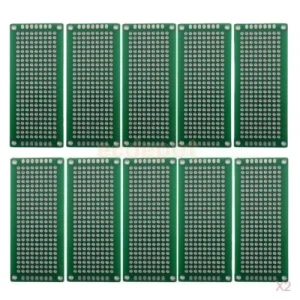
Electronic components operating outdoors in Saudi Arabia can easily experience ambient temperatures exceeding 50°C, with internal system enclosures soaring past 80°C. In such demanding environments, standard printed circuit boards (PCBs) quickly degrade, suffering from thermal expansion, delamination, and electrical failure. This has driven a dramatic surge in demand for High-TG (Glass Transition Temperature) PCBs, which can maintain structural integrity and electrical performance at temperatures exceeding 170°C to 180°C.
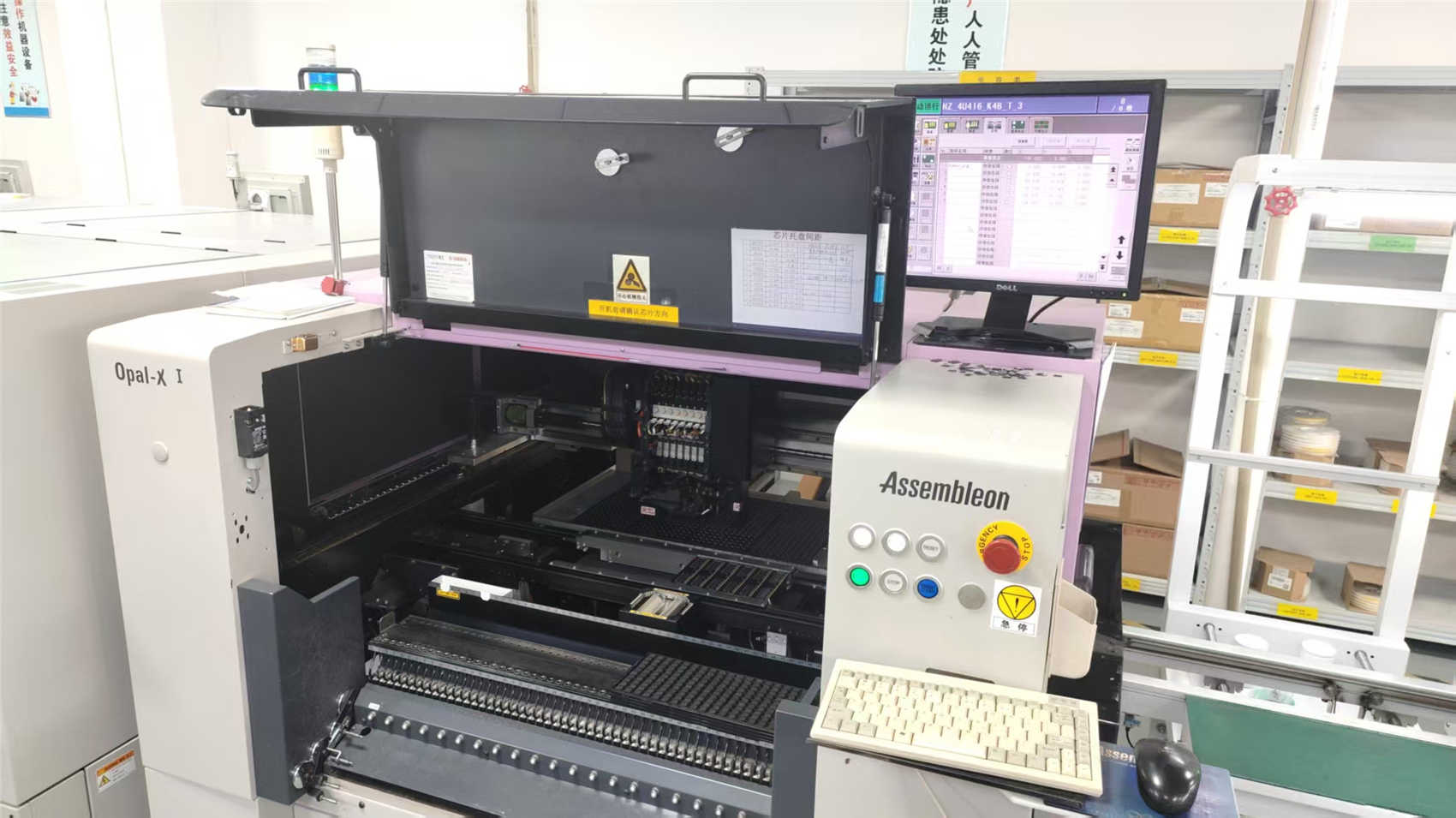
The Glass Transition Temperature (Tg) of a PCB polymer represents the temperature range at which the base resin changes from a rigid, glassy state to a soft, rubbery state. Maintaining this threshold is critical for multilayer circuits. If a PCB's operating temperature exceeds its designated Tg, the physical properties of the substrate will deteriorate rapidly, affecting the integrity of the copper traces, vias, and solder joints.
High-TG PCBs exhibit significantly lower CTE in the Z-axis, preventing vias and inner layer copper connections from shearing under thermal expansion and contraction cycles.
Excellent resistance to moisture absorption and multi-layer delamination ensures longevity during humid coastal periods in Jeddah and Dammam combined with interior desert heat.
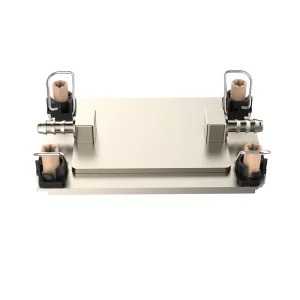
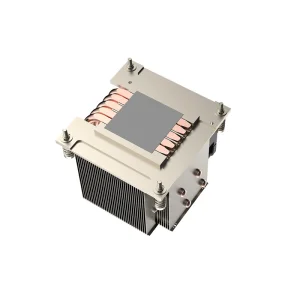
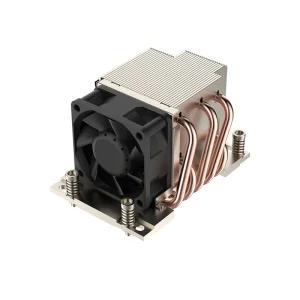
Facilitates rapid heat transfer from active silicon chips (like high-performance processors and server DRAM controllers) to ambient heatsinks and water blocks.
Our primary multilayer substrates utilize class-leading materials such as the KB6160 FR-4 formulation, which provides robust structural stability under intense mechanical stresses, making them ideal for high-density, multi-layer designs used in commercial computing, energy grid controls, and heavy industrial instrumentation.
As a professional high-performance memory and advanced electronics substrate manufacturer, NexaRAM Storage Technology Co., Ltd. (established in 2016) has built a robust ecosystem for global OEMs, industrial operators, and system integrators. By combining advanced Chinese PCB engineering with memory component integration, we provide comprehensive hardware solutions that satisfy the strict E-E-A-T criteria of the global procurement industry.
Operating with over 12 years of industry experience and 6 years of global export expertise, NexaRAM drives stability through localized supply chains, maintaining relationships with over 850 strategic supply chain partners. This vast network guarantees a constant supply of high-grade raw laminates, original DRAM silicon chips, and high-conductivity copper foils, shielded from global raw material volatility.
To understand the exact impact of high-reliability materials in Saudi Arabia, let us look at the primary physical systems that run the nation's core industries:
Oil drilling telemetry systems operate thousands of meters beneath the desert surface, experiencing severe heat and mechanical vibrations. High-TG multi-layer boards act as the brain of these drill-heads, maintaining connection pathways without fracturing.
Photovoltaic cells and mirror tracking arrays are exposed to direct sunlight and intense ambient heat. The localized micro-inverters require High-TG substrates to withstand constant high-current cycles without thermal cracking.
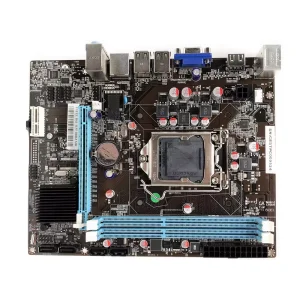
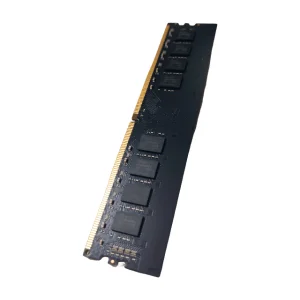
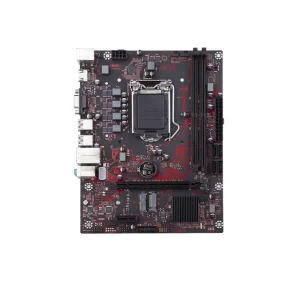
Saudi Arabia's push for digital sovereignty has led to major data centers in Riyadh and NEOM. High-TG motherboards, ECC memory modules, and specialized cooling solutions keep servers running reliably 24/7 despite extreme external temperatures.
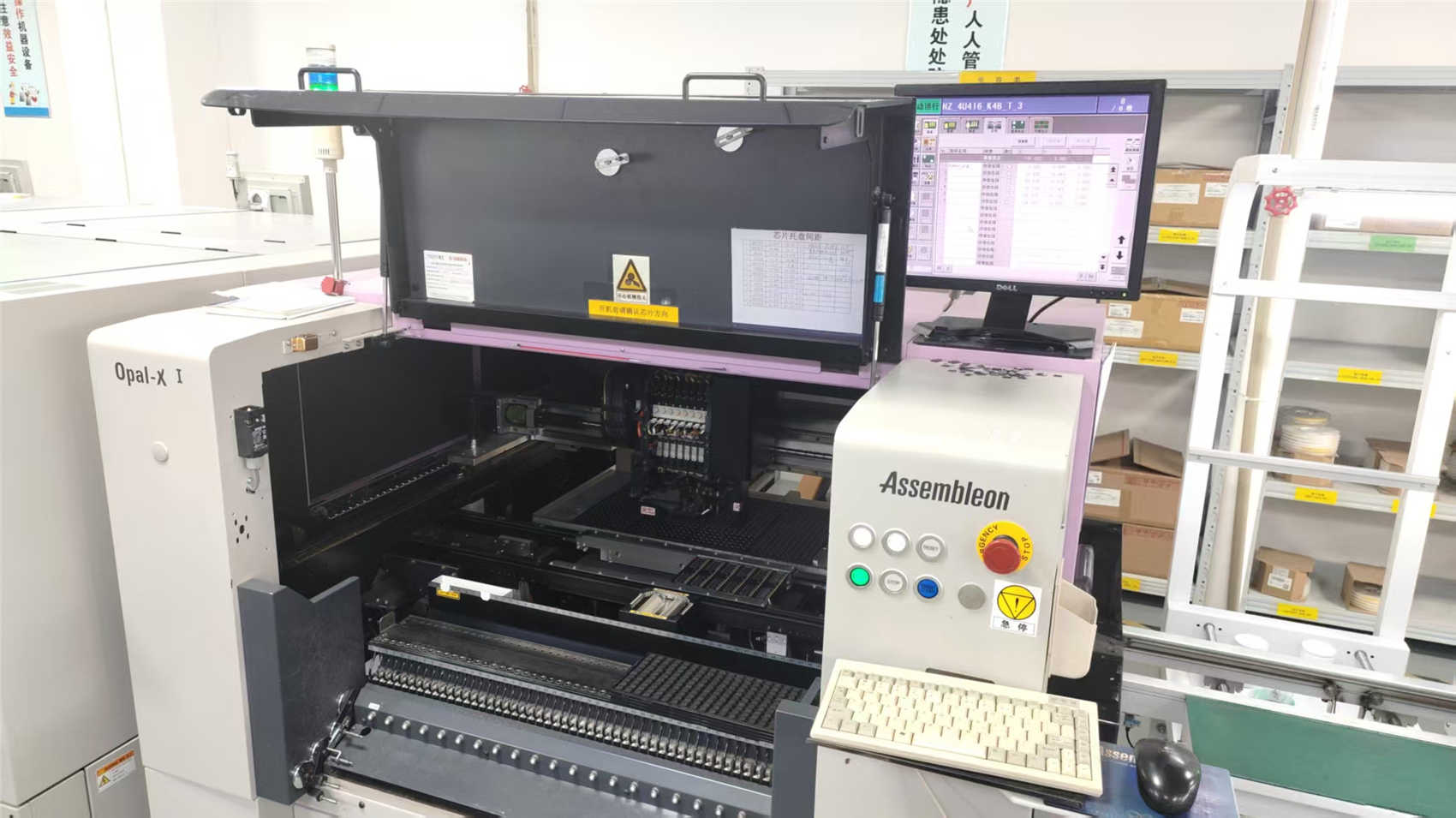
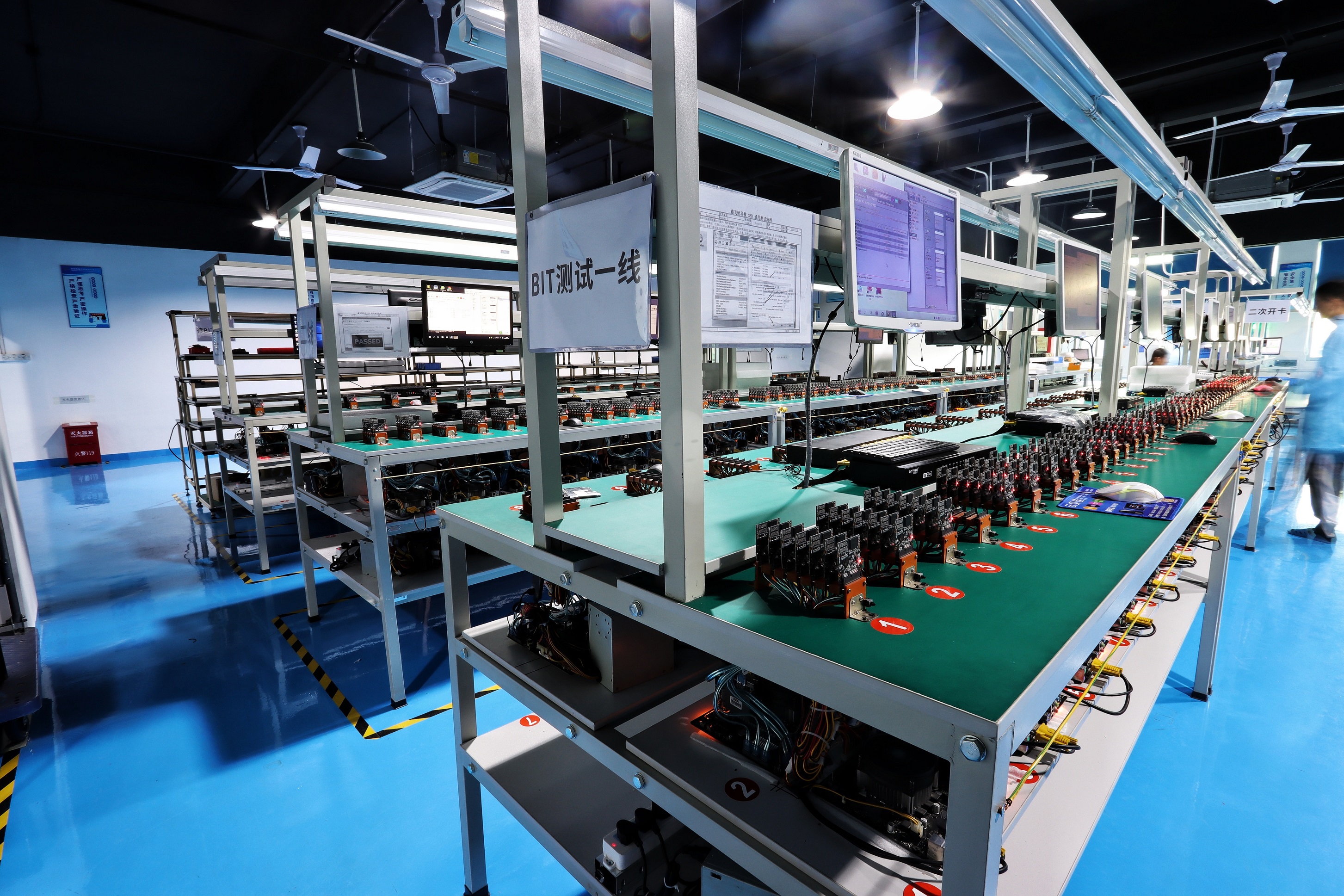
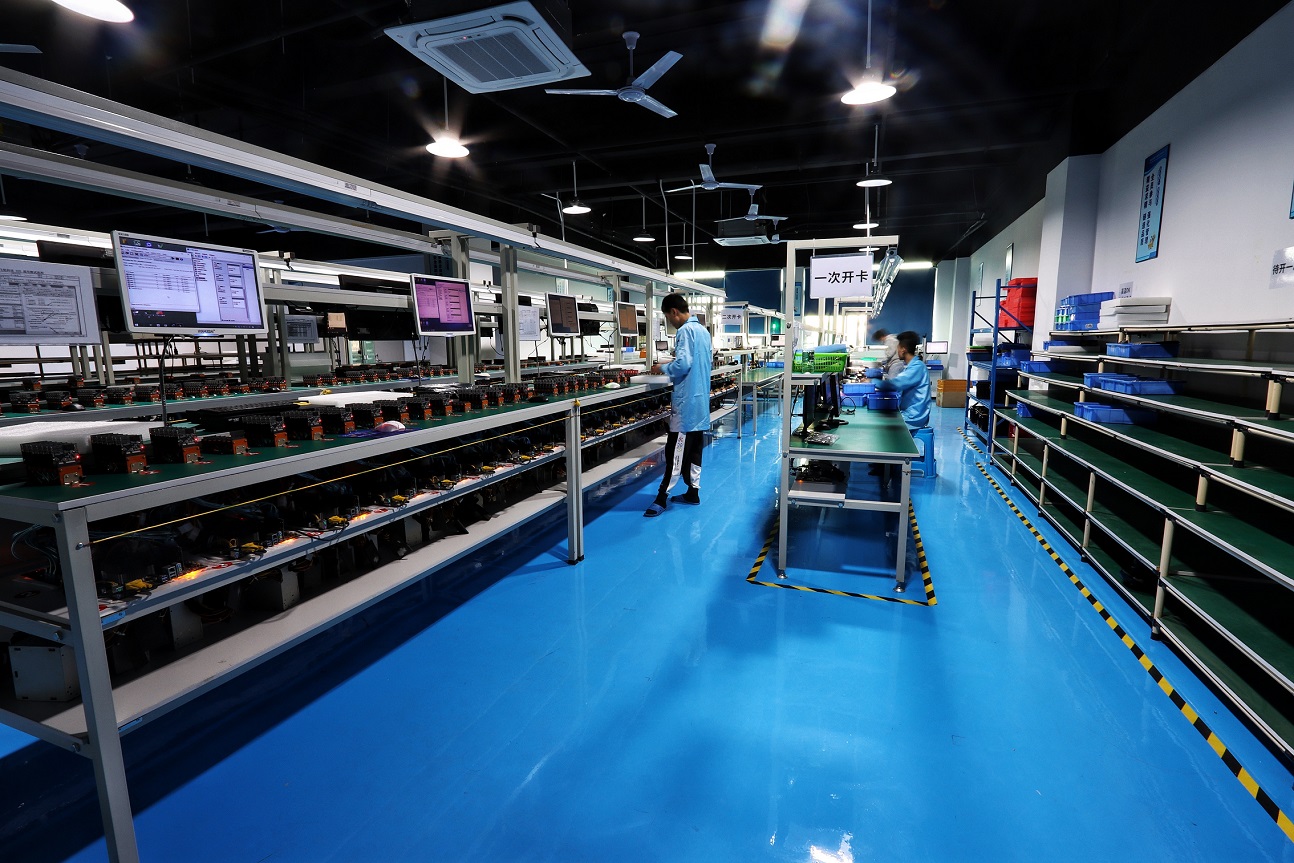
Every circuit board and memory module we export undergoes rigorous verification processes, including Automated Optical Inspection (AOI), X-ray multilayer alignment checking, and high-temperature burn-in chamber runs to simulate the harshest Saudi summer environments.
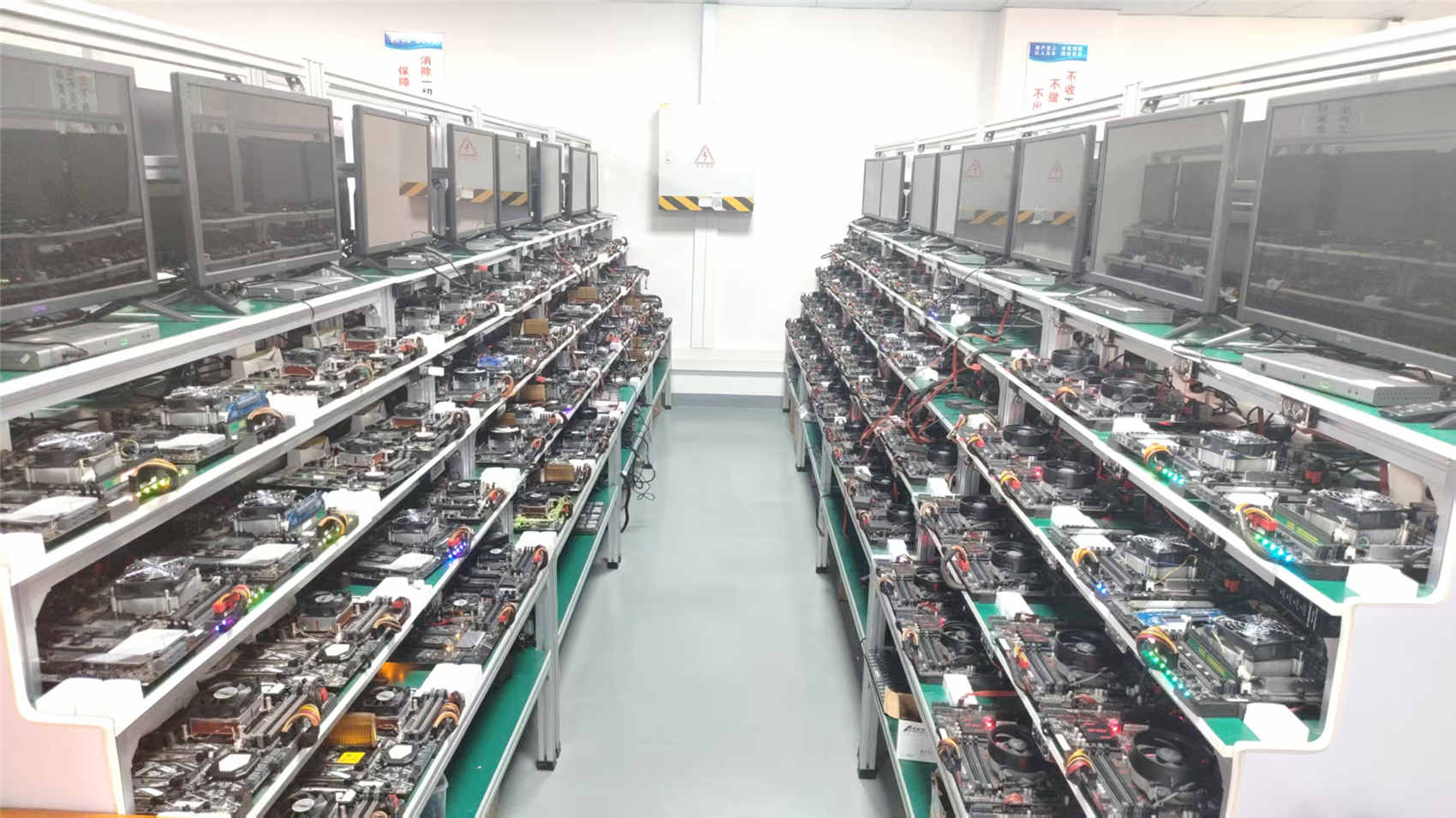
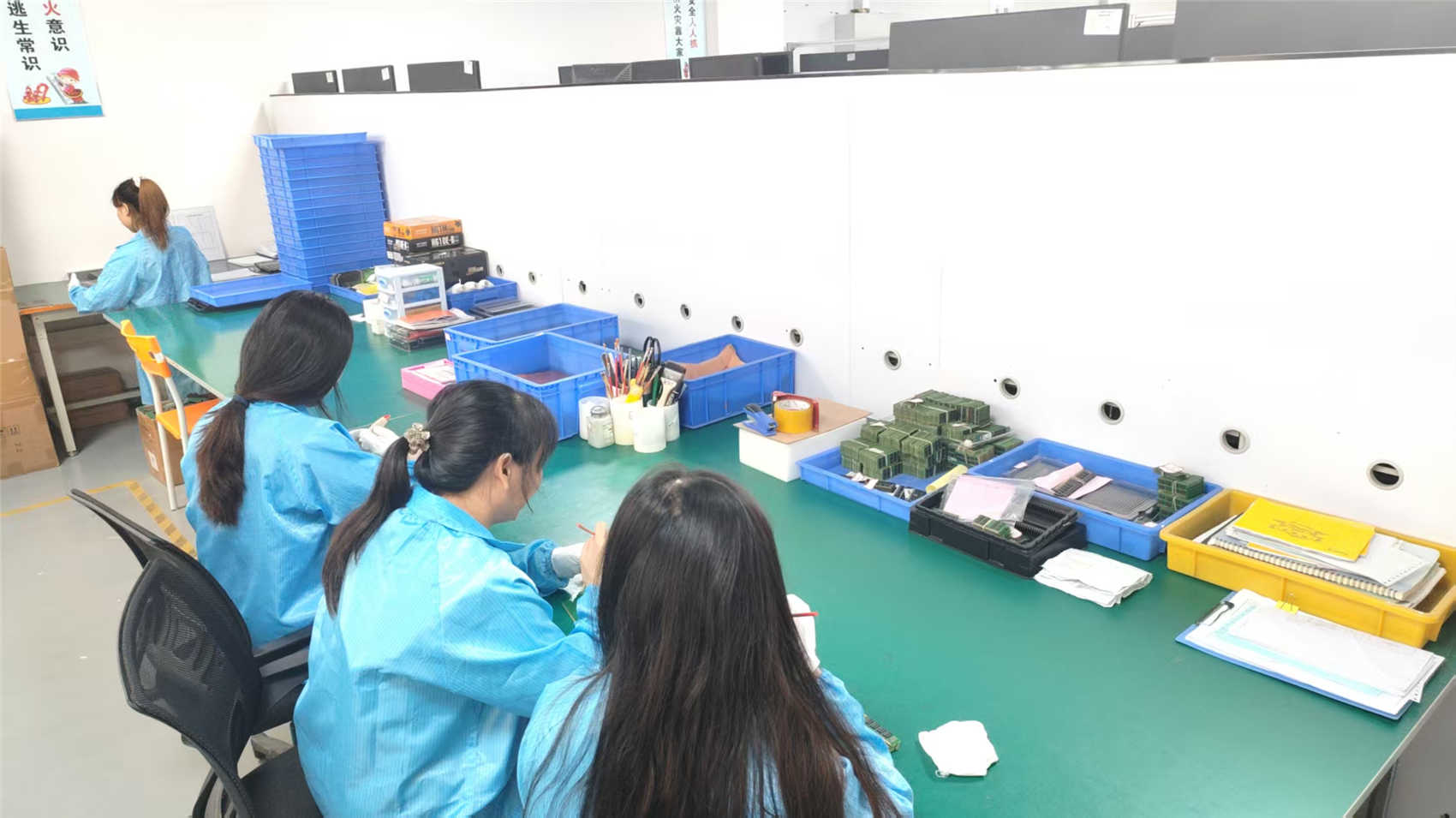
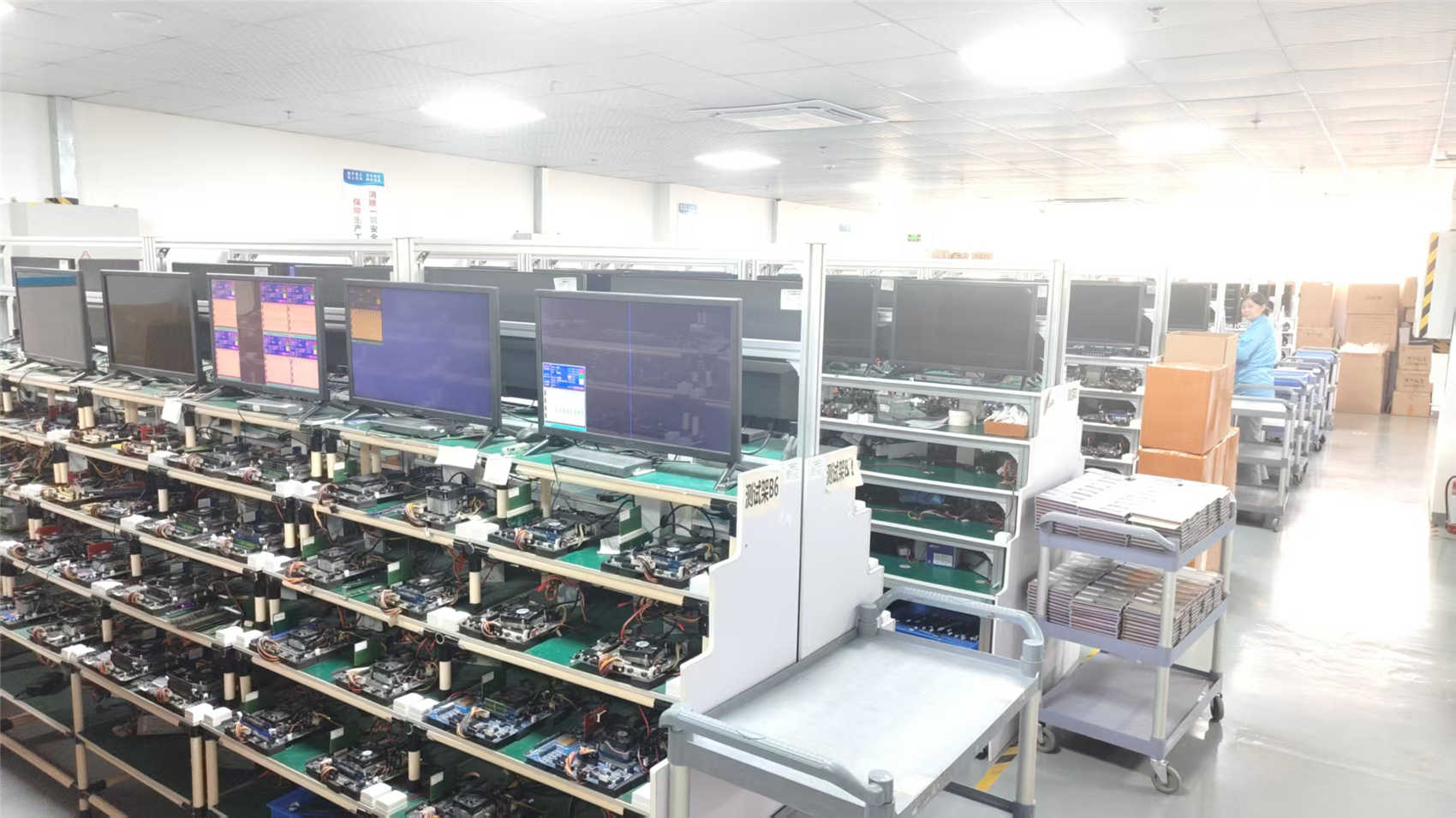
Explore technical answers to common queries regarding High-TG PCBs and industrial system memory procurement for Saudi Arabia.
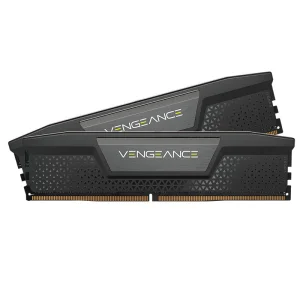
Explore our complete range of high-reliability RAM modules, industrial computer motherboards, and server thermal blocks designed to meet demanding technical standards.