NexaRAM
NexaRAM
NexaRAM
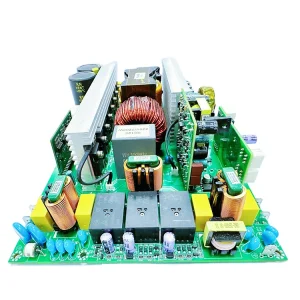
South Korea stands at the global vanguard of hardware innovation. From the tech hubs of Pangyo Techno Valley to the massive semiconductor and electronics fabrication clusters in Suwon, Icheon, and Gumi, Korean engineers are pushing the limits of signal speed, thermal density, and RF reliability. Standard FR-4 materials, though cost-effective, introduce severe dielectric losses and signal distortion as frequencies surpass 6 GHz. To sustain the requirements of 5G Advanced, nascent 6G development, level 3+ autonomous driving radars, and high-frequency aerospace modules, Rogers laminates have become the industry baseline.
As a premier Rogers PCBs manufacturer and supplier serving the Korea market, we deliver high-performance PCBs engineered to resolve these microwave and millimeter-wave challenges. Rogers Corporation's hydrocarbon, ceramic-filled, and PTFE (polytetrafluoroethylene) laminates offer the precise dielectric constant (Dk) stability, low dissipation factor (Df), and excellent thermal conductivity required for low-loss high-speed signal transmission. We serve South Korea's dynamic tech sector by bridging advanced material sciences with rigorous, high-yield manufacturing processes, ensuring your RF front-ends, power amplifiers, and high-speed digital systems achieve optimal electrical performance.
Korea's industrial landscape demands specialized substrates tailored for precise applications. Our Rogers PCB stackups are custom-engineered for the country's primary growth engines:
South Korea's automotive industry, led by global giants in Seoul and Ulsan, is rapidly transitioning to autonomous vehicles. ADAS systems heavily rely on 24GHz and 77GHz/79GHz millimeter-wave radar sensors. High-frequency signals at 77GHz require incredibly thin substrates with low insertion losses. We supply Rogers RO3003™ and RO4835™ laminates, which offer a stable Dk of 3.0 across variable temperatures, minimizing phase shift and maximizing radar detection range and spatial resolution.
Korea was the first nation to commercialize 5G, and the network is constantly upgrading to mmWave bands. Rogers RO4350B™ and RO4003C™ are the industry standards for power amplifiers, base station antennas, and low-noise block downconverters. These materials allow designers to combine high-frequency laminates with traditional FR-4 in hybrid multi-layer stackups, balancing optimal RF performance with cost-efficiency.
With major memory giants operating out of South Korea, high-speed test interface boards are critical. Testing DDR5 and High Bandwidth Memory (HBM) interfaces demands exceptionally low jitter and crosstalk. Utilizing Rogers laminates with tight thickness tolerances allows local semiconductor testing facilities to design probe cards and load boards that maintain signal integrity up to 40 Gbps.
Designing a high-frequency PCB requires selecting a substrate that balances electrical performance, mechanical robustness, and fabrication cost. The table below outlines the primary Rogers laminates we manufacture and export to the Korean market:
| Material Series | Dielectric Constant (Dk @ 10GHz) | Dissipation Factor (Df @ 10GHz) | Thermal Coeff. of Dk (ppm/°C) | Primary Target Applications in Korea |
|---|---|---|---|---|
| Rogers RO3003 | 3.00 ± 0.04 | 0.0010 | -3 | 77 GHz Automotive Radar, Millimeter-Wave Systems |
| Rogers RO4003C | 3.38 ± 0.05 | 0.0027 | +40 | 5G Base Station Antennas, RF Amplifiers, LNBs |
| Rogers RO4350B | 3.48 ± 0.05 | 0.0037 | +50 | High-Speed Backplanes, Mobile Network Infrastructure |
| Rogers RT/duroid 5880 | 2.20 ± 0.02 | 0.0009 | -22 | Aerospace & Defense Radars, Point-to-Point Microwaves |
| Rogers RO4835T | 3.33 ± 0.05 | 0.0030 | +41 | Inner Layers in Multilayer Stackups, High-Density ADAS |
For Korean electronics firms, time-to-market and cost control are paramount. Partnering with a Chinese manufacturer for Rogers PCB fabrication offers distinct advantages:
NexaRAM Storage Technology Co., Ltd. is a professional high-speed memory and advanced PCBA manufacturer specializing in high-performance RAM solutions and complex circuit board assemblies for global OEMs, data centers, and enterprise computing applications. Established in 2016, the company has rapidly developed into a reliable supplier in the advanced DRAM and high-frequency PCB assembly industry.
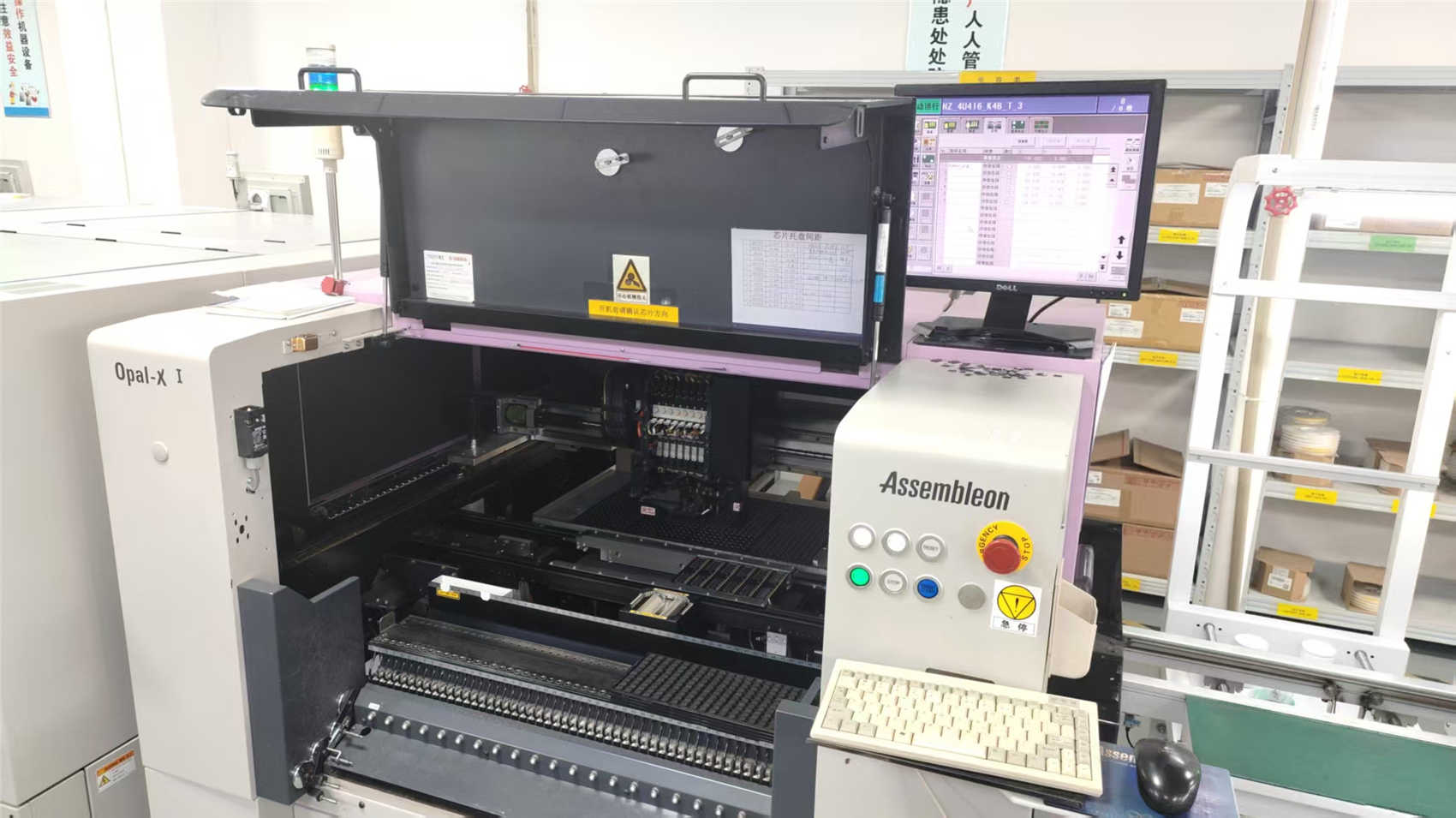
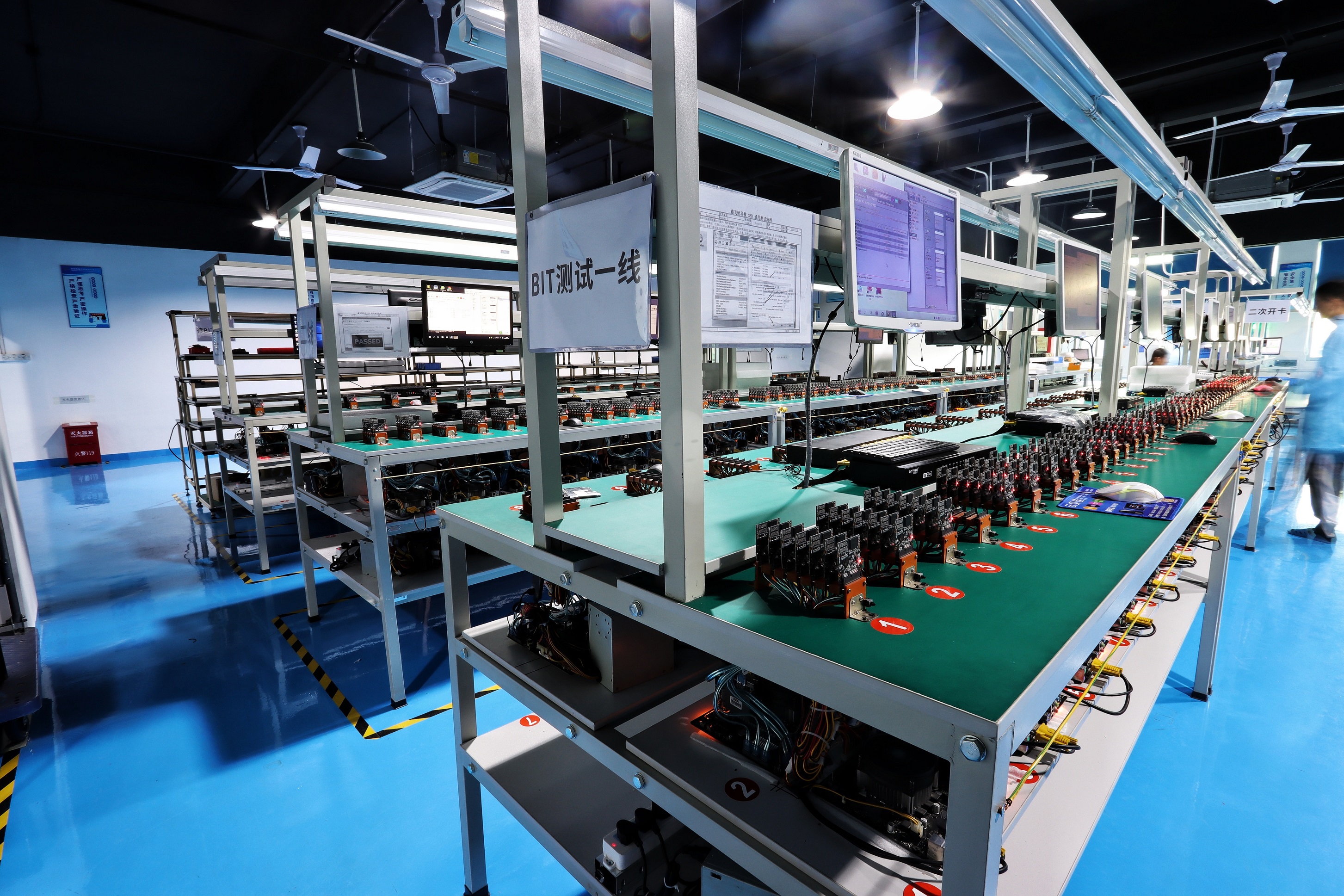
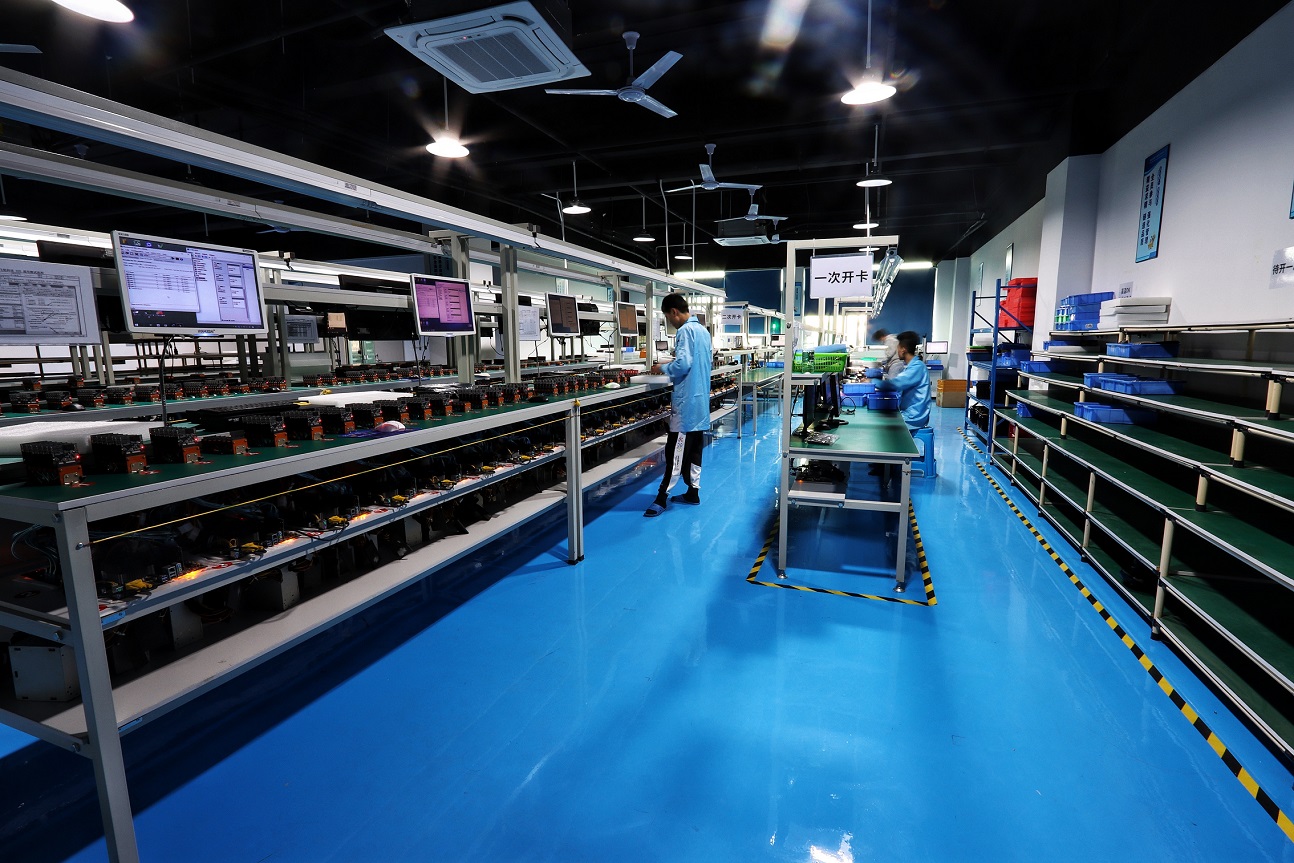
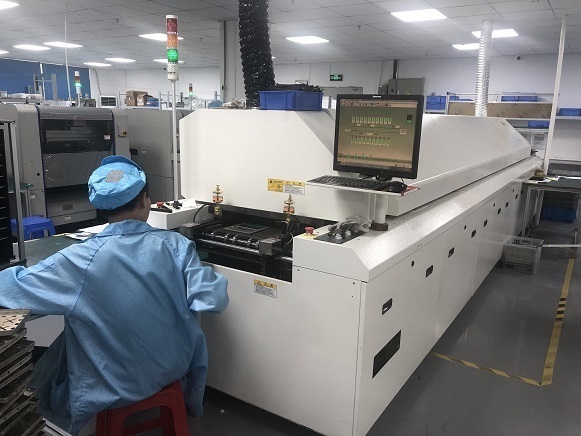
The company operates a modern production facility with a total building area of approximately 320㎡, equipped with advanced manufacturing and testing equipment to ensure stable and efficient production capacity. NexaRAM has an annual export revenue of approximately USD 12 million, with 6 years of export experience and 12 years of industry experience in memory and semiconductor-related fields.
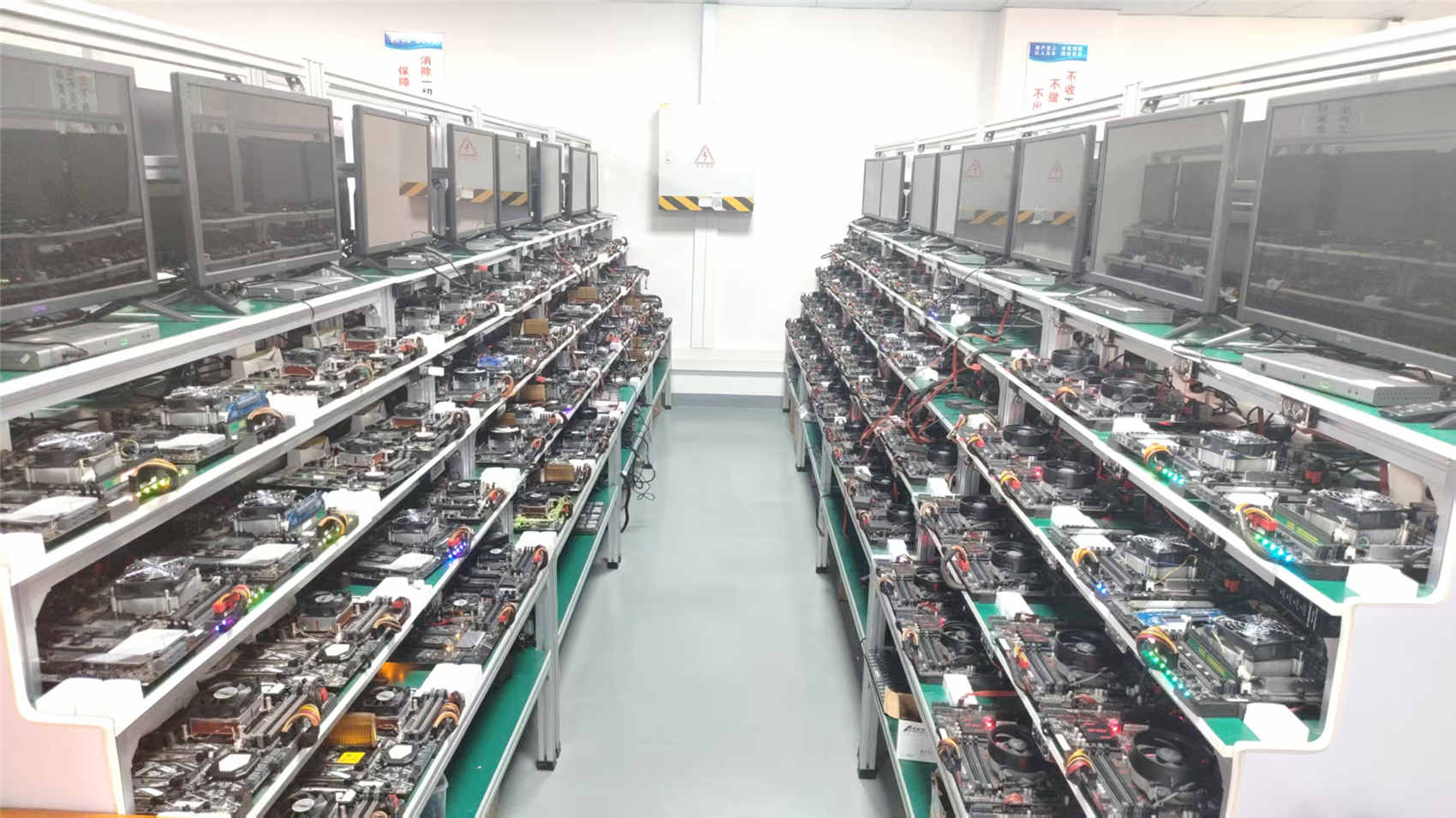
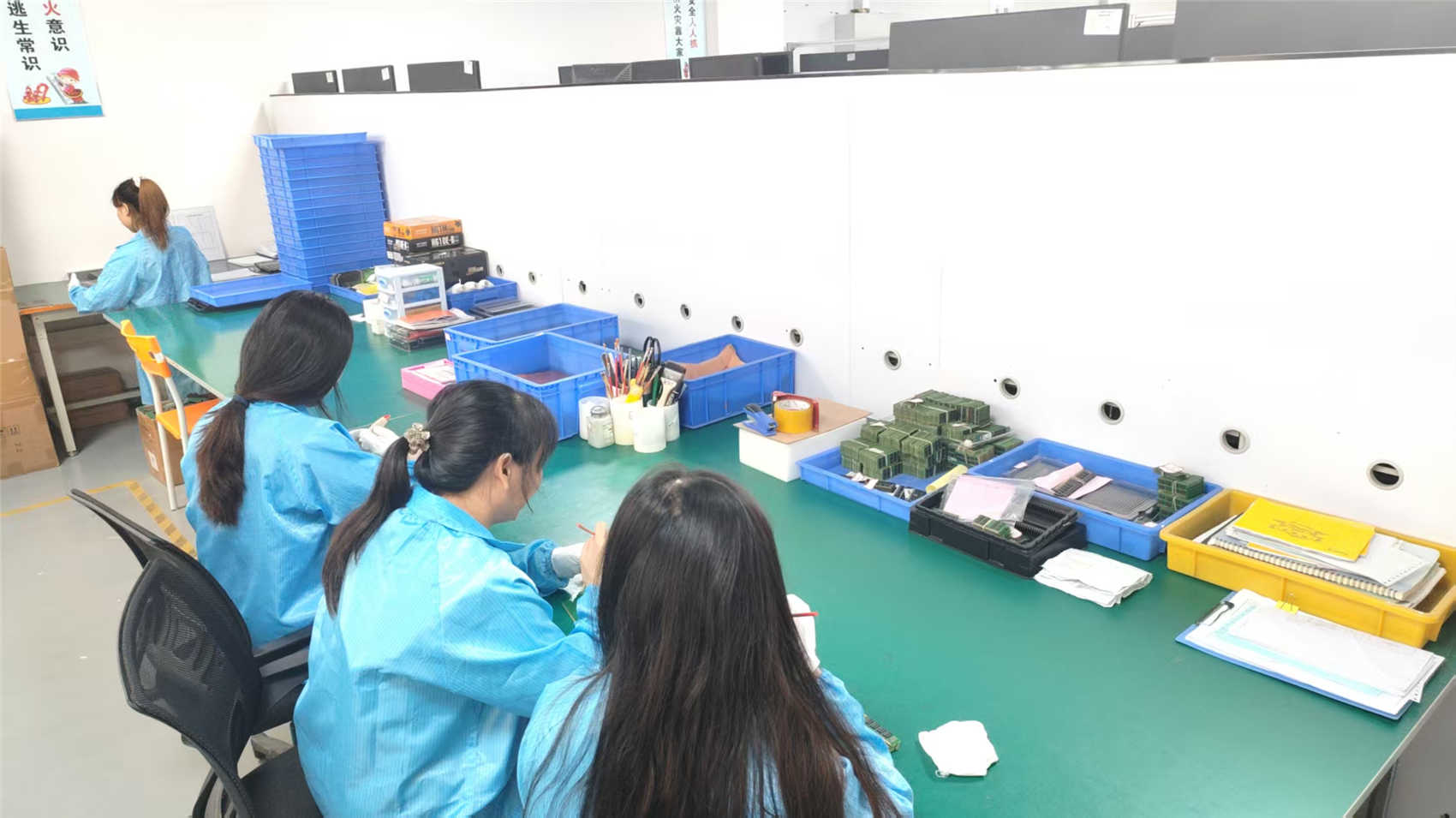
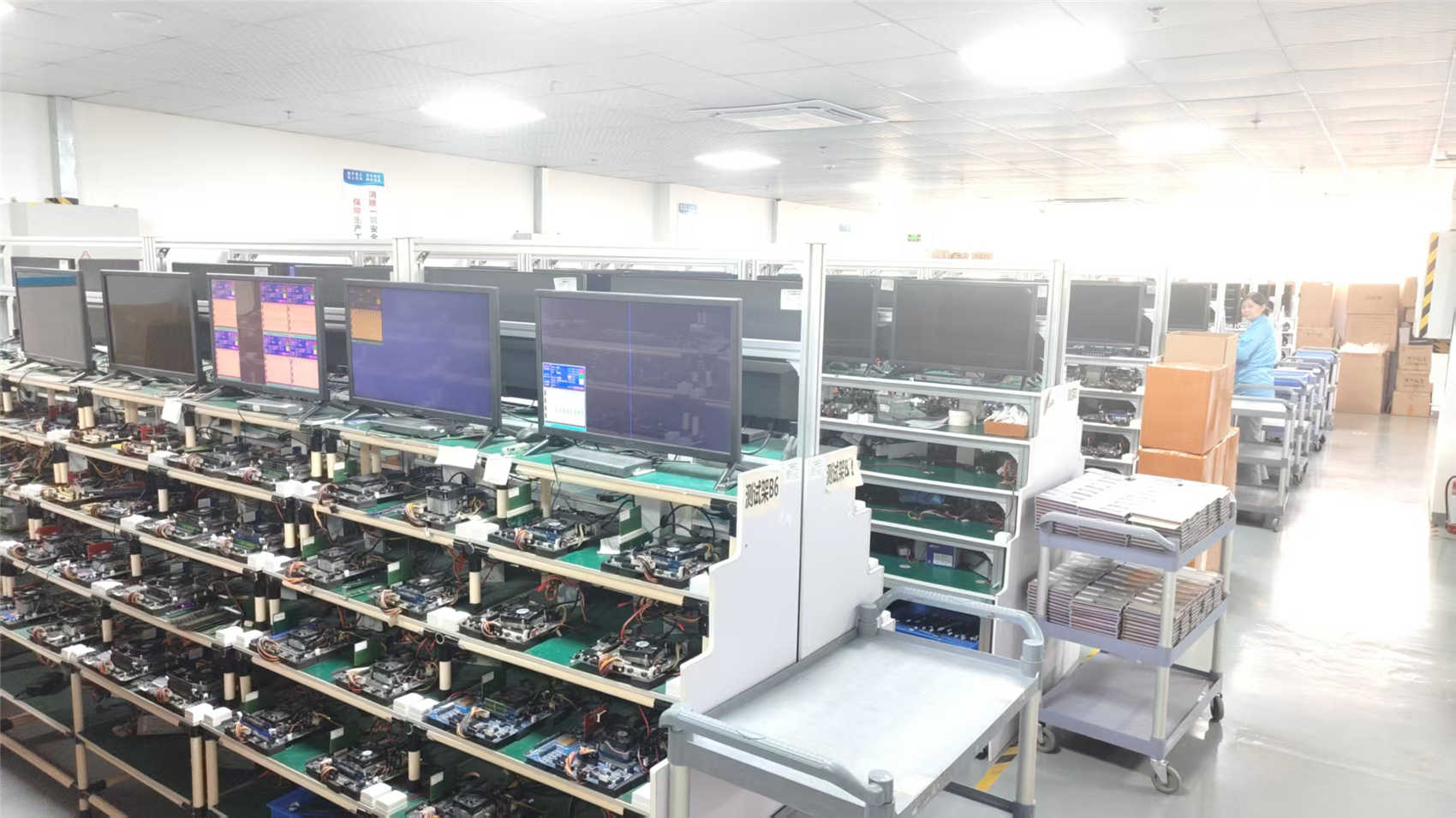
Quality is strictly controlled through a combination of automated optical inspection (AOI) and burn-in reliability testing, supported by a professional QC team of 35 inspectors. The company follows international trade compliance standards and operates under a strong global trading background, serving markets across North America, Europe, East Asia (including South Korea), Southeast Asia, and the Middle East.
NexaRAM maintains a highly developed supply chain ecosystem with over 850 strategic supply chain partners, enabling stable sourcing of high-grade semiconductor materials and components. Its primary customer base includes OEM manufacturers, system integrators, server solution providers, and gaming PC brands. The company demonstrates strong R&D capabilities, offering custom DDR5 module design, PCB layout optimization, frequency tuning, and thermal solution development. In the past year, NexaRAM launched 120 new product variants, supported by a dedicated R&D team of 180 engineers, continuously driving innovation in high-speed memory and high-frequency substrate systems.
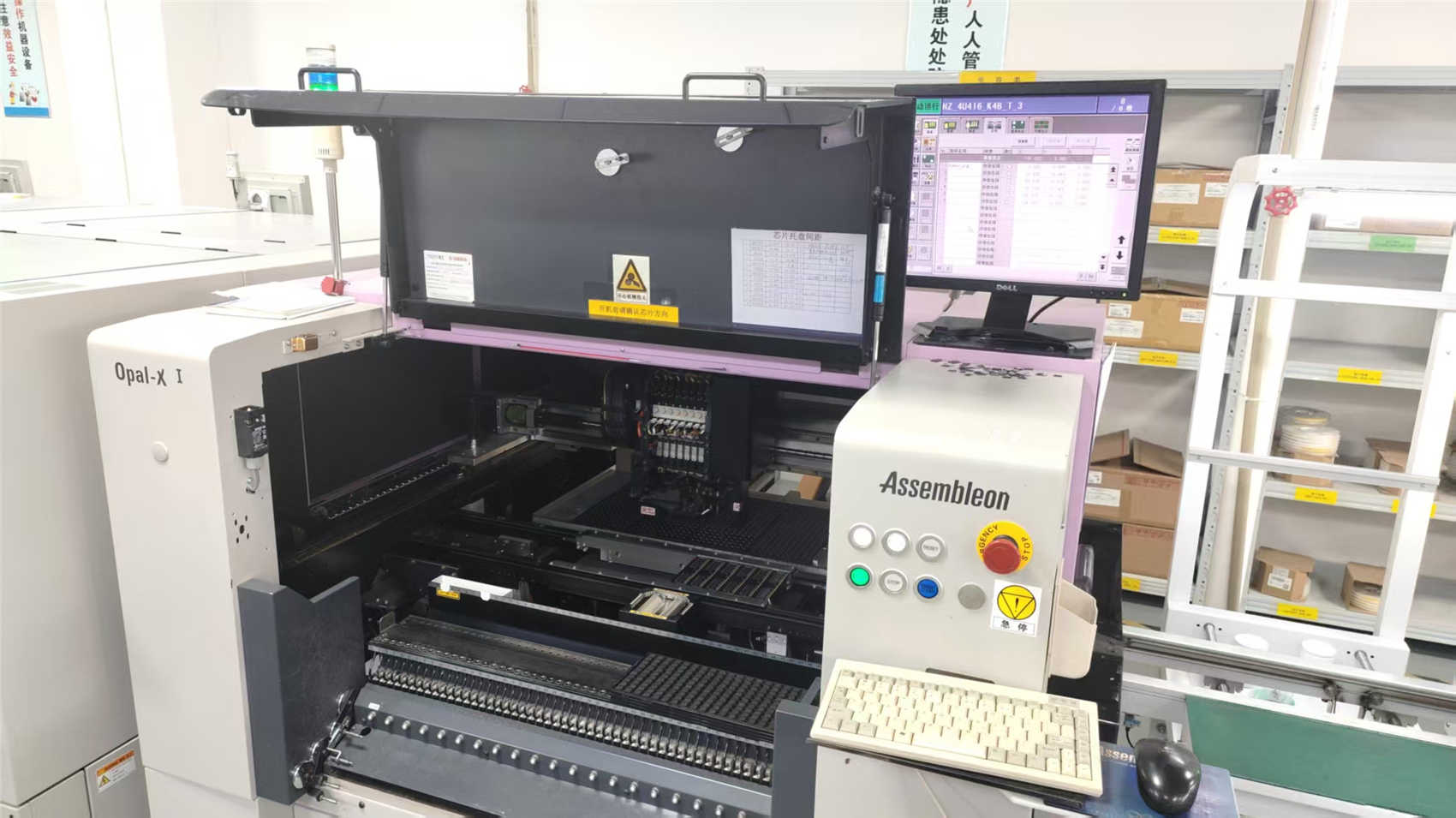
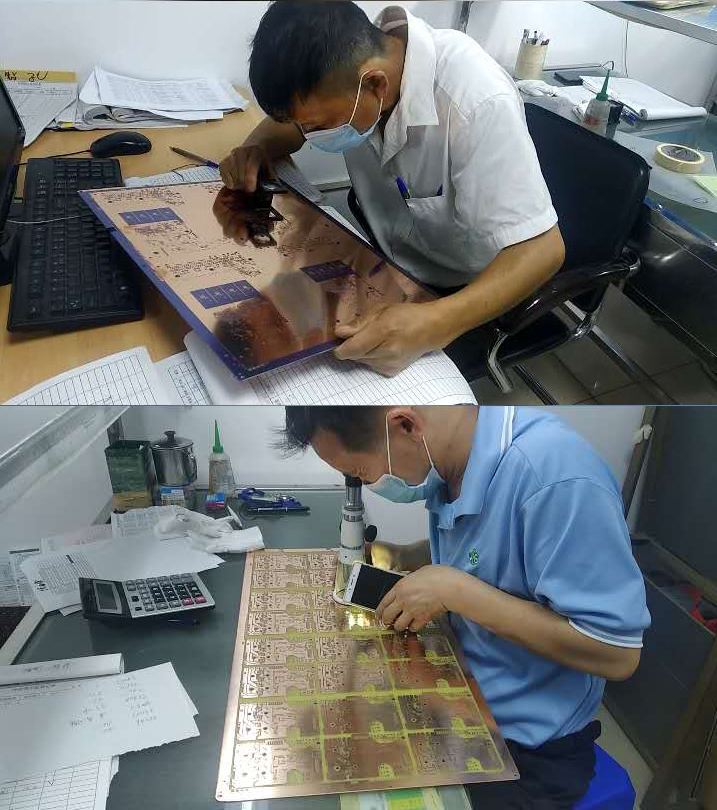
High-frequency RF circuitry leaves no room for manufacturing errors. A single micron of trace deviation or a micro-void in a plated through-hole can ruin the impedance match and attenuate high-frequency signals. We utilize multi-tiered testing protocols to ensure every Rogers PCB shipped to Korea meets IPC Class 3 standards:
As the telecommunication world maps out the transition from 5G to 6G, operating frequencies will migrate from microwave to sub-millimeter wave bands (100 GHz to 1 THz). At these ultra-high frequencies, skin effect losses dominate, and surface roughness of the copper foil becomes a key source of signal attenuation. Our R&D team is actively working with ultra-low-profile copper foils (VLP and rolled copper) paired with next-generation Rogers laminates such as **RT/duroid 6002** and **RO4835 TLO**. These material configurations ensure that phase stability and insertion loss are controlled to maximum tolerances, keeping Korean developers ahead of the next wave of global connectivity standards.
Building high-performance hardware requires close technical coordination. We offer extensive support pipelines tailored for South Korea:
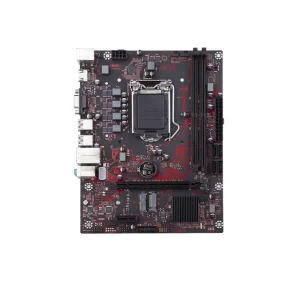
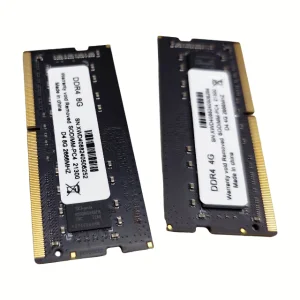
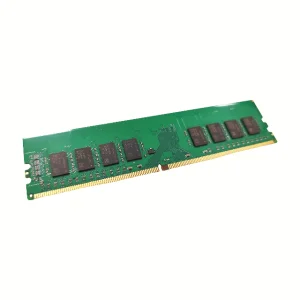
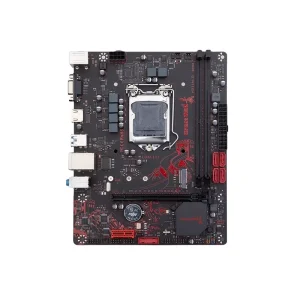
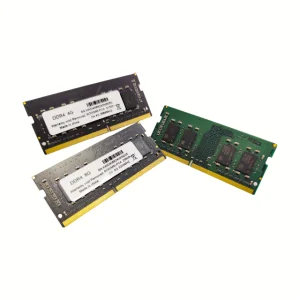
All products listed above are manufactured under strict quality standards. We retain full compatibility and support active links for standard ordering requirements.
Consult with our engineers today for structural stackup verification, material matching, and expedited production runs for the Korean market.
Send Inquiry Now