NexaRAM
NexaRAM
NexaRAM
Engineered for High-Current Distribution and Server Cooling Ecosystems in Thailand's Telecommunication and Power Systems
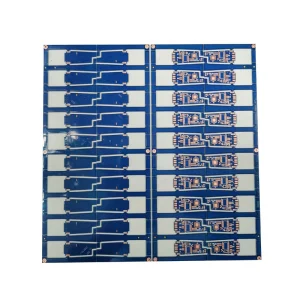
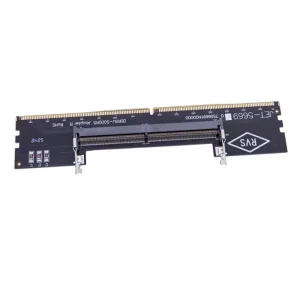
An authoritative analysis of high-power PCB deployment in Southeast Asia's fastest-growing industrial corridors.
Thailand’s electronics sector is experiencing a monumental transformation. Led by the government’s Eastern Economic Corridor (EEC) initiative, the country is rapidly establishing itself as the ASEAN automotive powerhouse and an emerging hub for renewable energy networks. Standard printed circuit boards with conventional copper weights (typically 1oz or 2oz) are no longer sufficient to handle the heat and current of this industrial evolution.
Thick copper PCBs (also known as heavy copper PCBs, featuring copper weights from 3oz up to 20oz or more) have transitioned from a specialized design choice to a critical requirement in high-power applications. In power distribution systems, heavy industrial controls, and electric vehicle (EV) charging stations, thick copper layers provide the necessary cross-sectional area to handle currents exceeding hundreds of amperes without suffering from destructive temperature rises.
Tropical climates in Thailand present unique environmental challenges, such as sustained ambient heat and high relative humidity. For industries operating industrial motor controllers, solar power inverters, or power grid stations, thermal management is paramount. Heavy copper PCBs exhibit excellent heat dissipation parameters, drastically lowering the operating temperature of surface-mounted active components and maximizing the operational lifespan of the entire system.
By sourcing through verified suppliers, engineering procurement teams in Bangkok, Chonburi, and Rayong secure robust materials certified for safety, endurance, and extreme electrical load.
Integrating advanced signal processing and power transmission into robust, reliable hardware solutions.
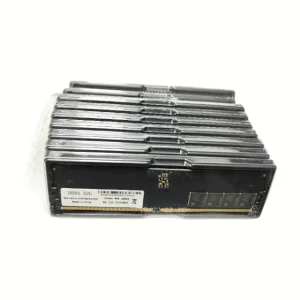
Our ongoing research focuses on integrating high-frequency signal tracks alongside thick-copper channels in multilayer configurations. This hybrid stack-up enables clean logic operations (controlled by advanced high-frequency modules such as DDR5 and high-speed memory systems) directly on the same board where heavy power currents are processed. Our thermal simulation labs map out potential hot-spots beforehand, preventing failure modes before mass manufacturing.
Furthermore, matching the thermal expansion behavior of FR4, polyimide resins, and heavy copper layers requires precise laminate selection. Through thermal shock analysis and rigorous Automated Optical Inspection (AOI), we deliver stable CTE (Coefficient of Thermal Expansion) matching, suitable for high-stress aerospace, military, and energy storage networks.
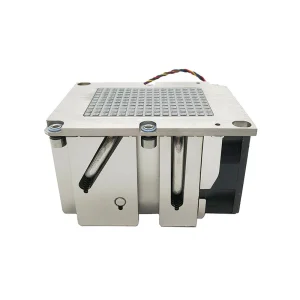
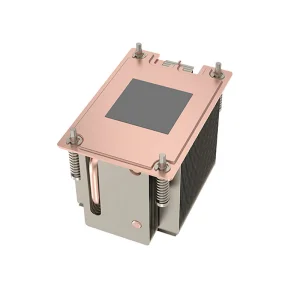
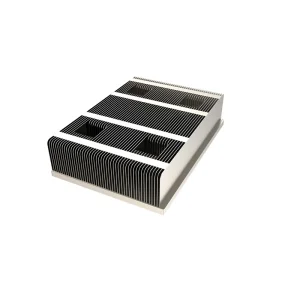
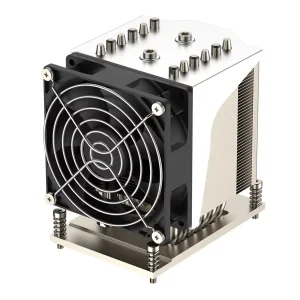
A major component of high-power systems is cooling. To complement our heavy copper PCBs, we design and source advanced thermal management systems, including CPU server coolers, custom aluminum fin heat sinks, and active air/liquid systems. Our R&D works directly with client engineers to construct system architectures that keep operating temperatures low under 100% duty cycle operations.
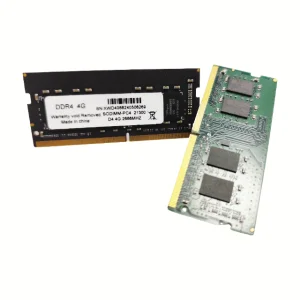
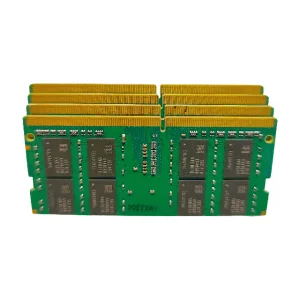
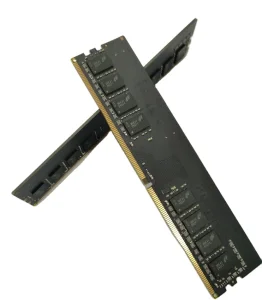
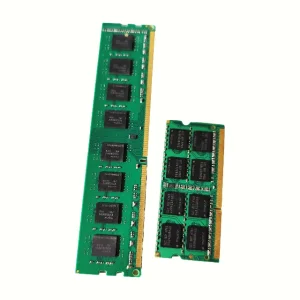
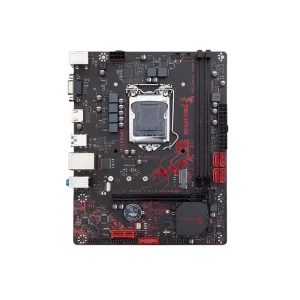
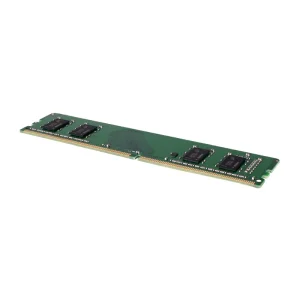
High-speed server components and heat dispersion arrays tailored for complex industrial logic control units.
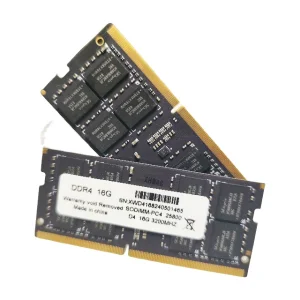
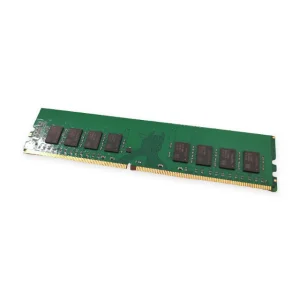
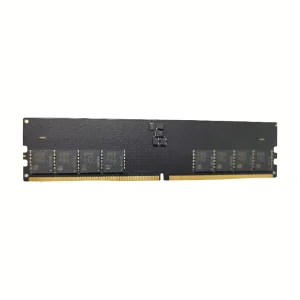
Optimized Heavy Copper board implementations across critical modern sectors.
Heavy copper PCBs serve as the core substrate for EV powertrain assemblies, battery management systems (BMS), and DC-DC converters. Able to survive rapid cycling loads and maintain integrity up to high temperatures, they form the backbone of Thailand's expanding electric vehicle manufacturing lines.
With solar field installations scaling across provinces, power conversion efficiency relies heavily on high-voltage step-up and step-down systems. Extreme copper boards deliver the low impedance and minimal losses critical to long-term grid integration.
Precision motor drives, heavy-duty pumps, and CNC control systems require stable, continuous power loops. Heavy copper PCBs withstand high inductive kickbacks and thermal stresses, preventing costly line downtime.
Global manufacturing requires agile responses and deep supply chain buffers. Backed by our modern, highly-integrated manufacturing structures, we manage high-capacity productions that seamlessly feed into the international trade lanes. For the Thailand market, this translates to expedited logistics routing, minimal customs friction, and cost-effective shipping options.
By leveraging advanced logistics platforms, we offer duty-free documentation assistance (such as Form E certificates under the China-ASEAN Free Trade Agreement) to reduce tariff expenditures for Thai electronic assemblers. With strategic ports in Bangkok, Laem Chabang, and key transport hubs in Chonburi, your component pipelines remain clear and resilient against global shipping delays.
A professional DDR5 memory manufacturer and electronics solution supplier specializing in high-performance RAM solutions and advanced PCB assemblies for global OEMs, data centers, and enterprise computing systems.
Established: 2016 (With 12+ years of underlying industry expertise)
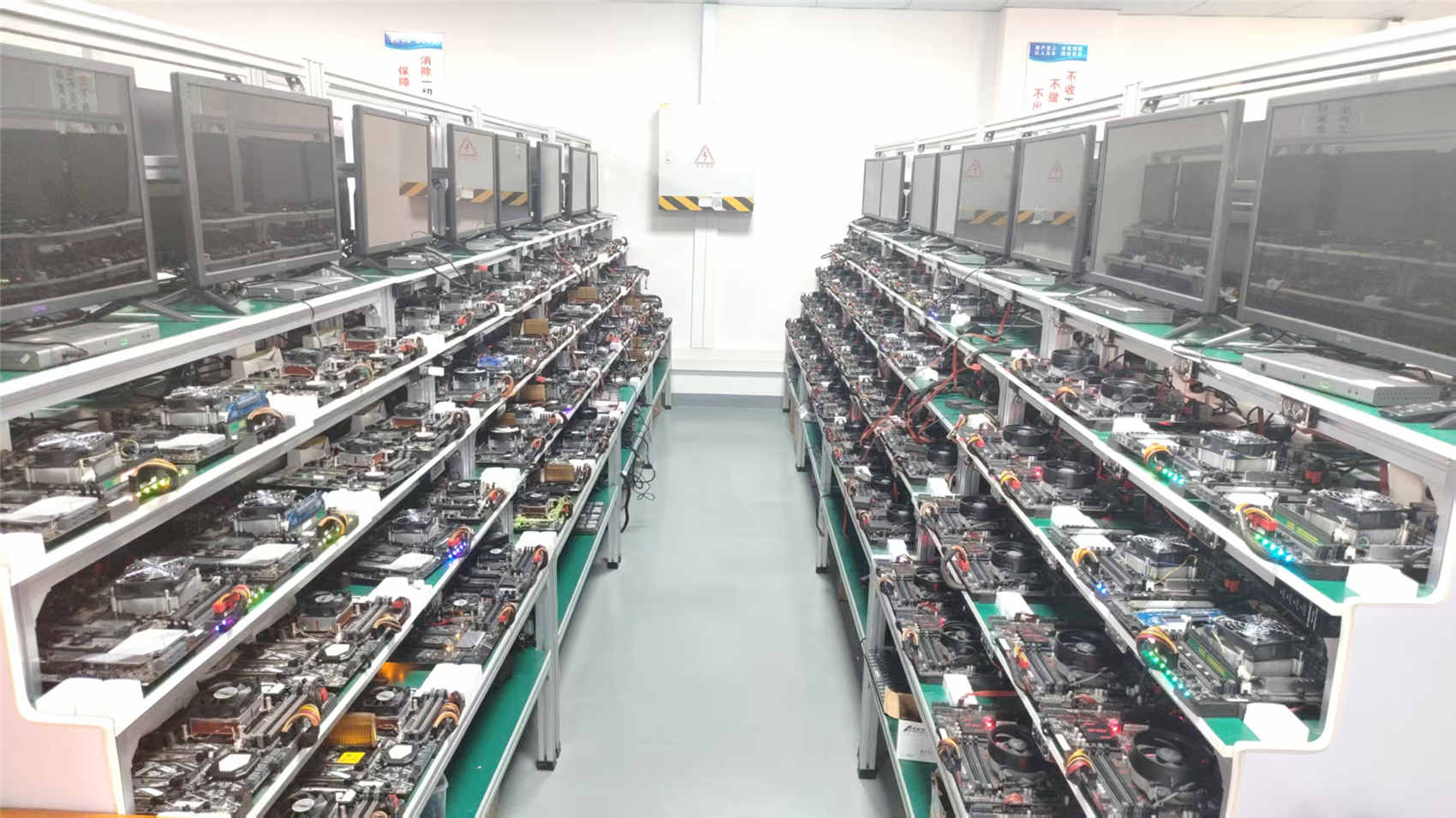
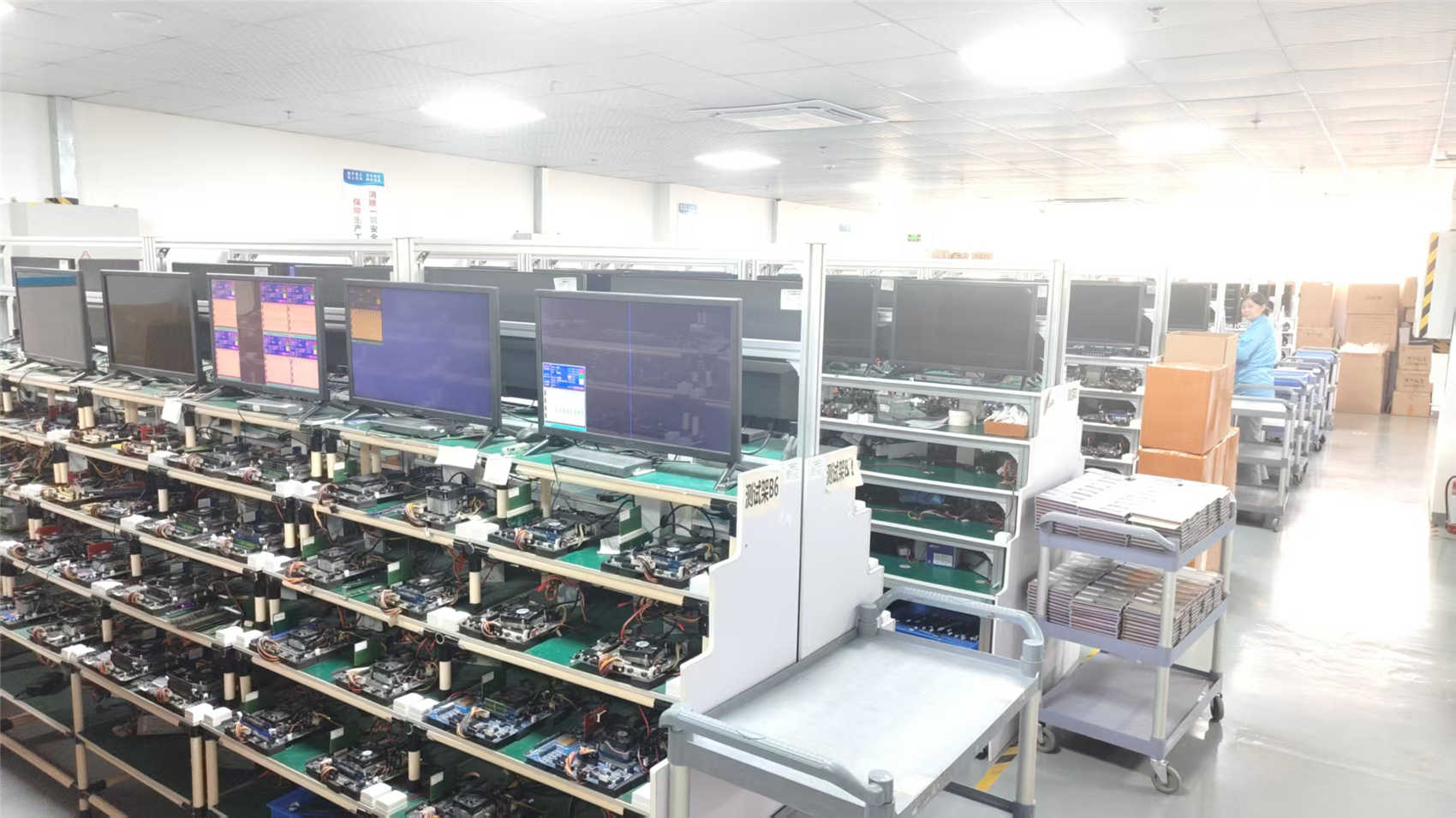
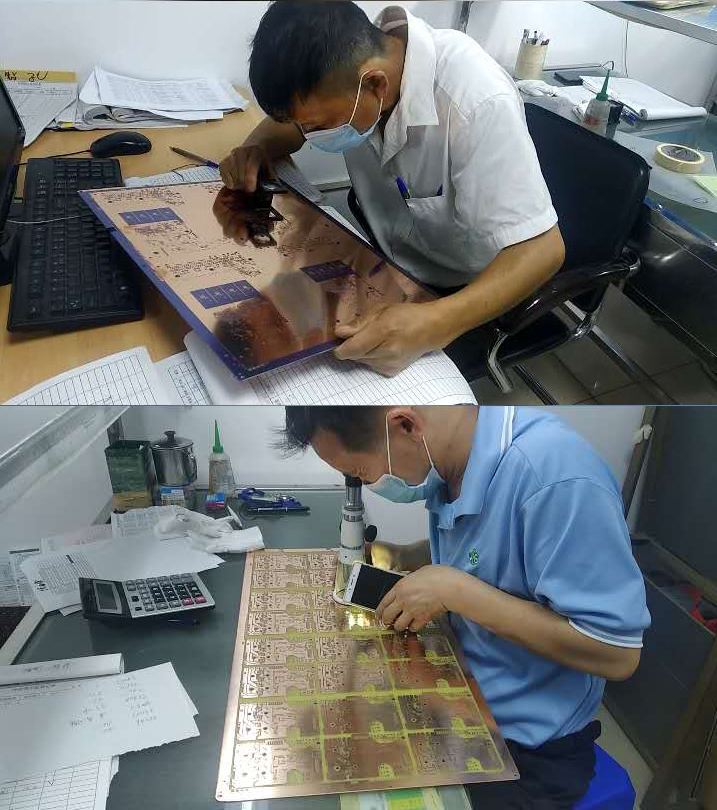
Testing Protocols: Automated Optical Inspection (AOI) & Burn-in Reliability Testing
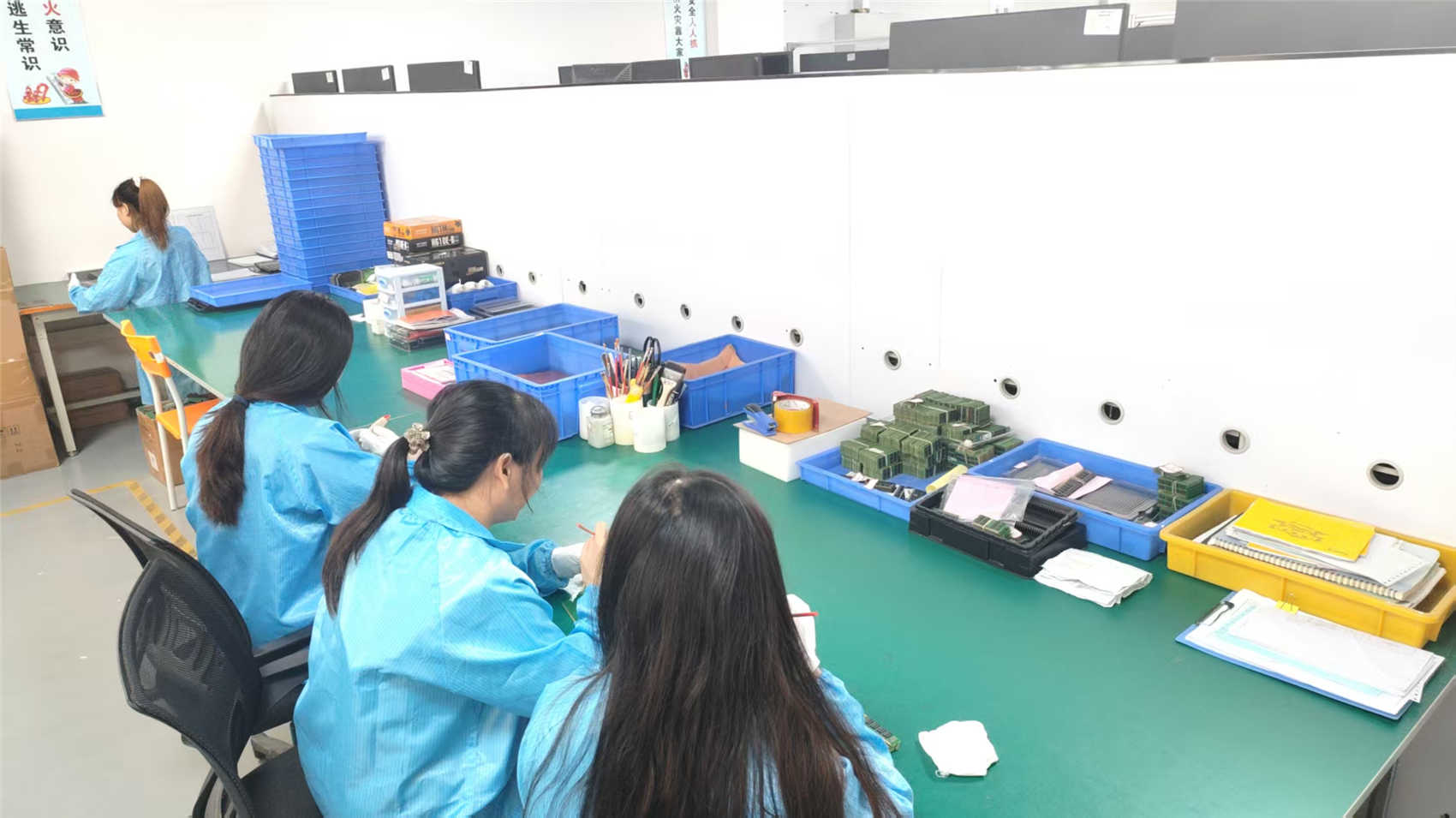
Quality Assurance Team: 35 Expert QC Inspectors
Supply Chain Ecosystem: 850+ Strategic Supply Chain Partners for sourcing top-tier DRAM & heavy-copper substrates.
Target Export Regions: North America, Europe, Southeast Asia (specifically Thailand, Vietnam, and Malaysia), and the Middle East.
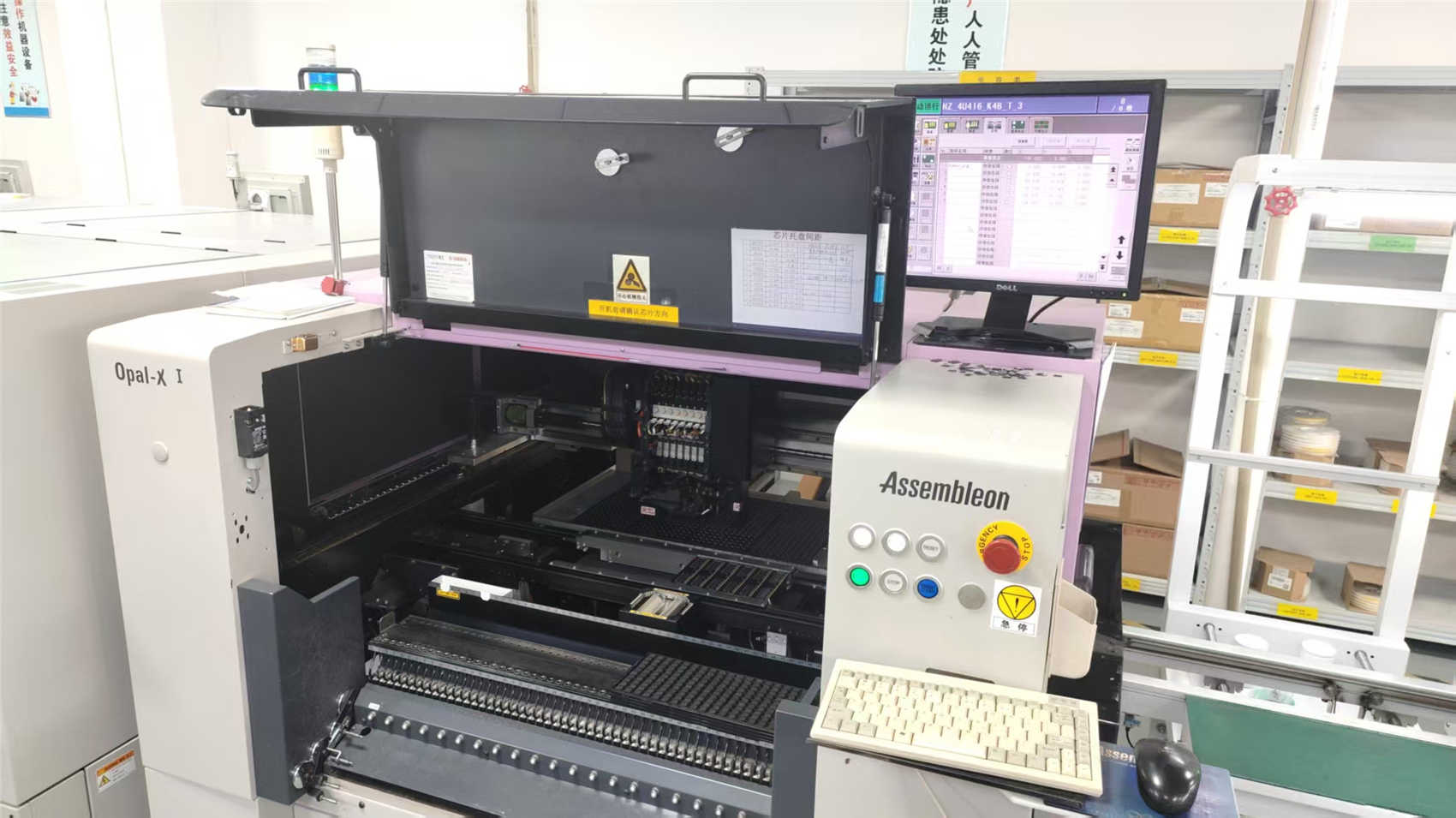
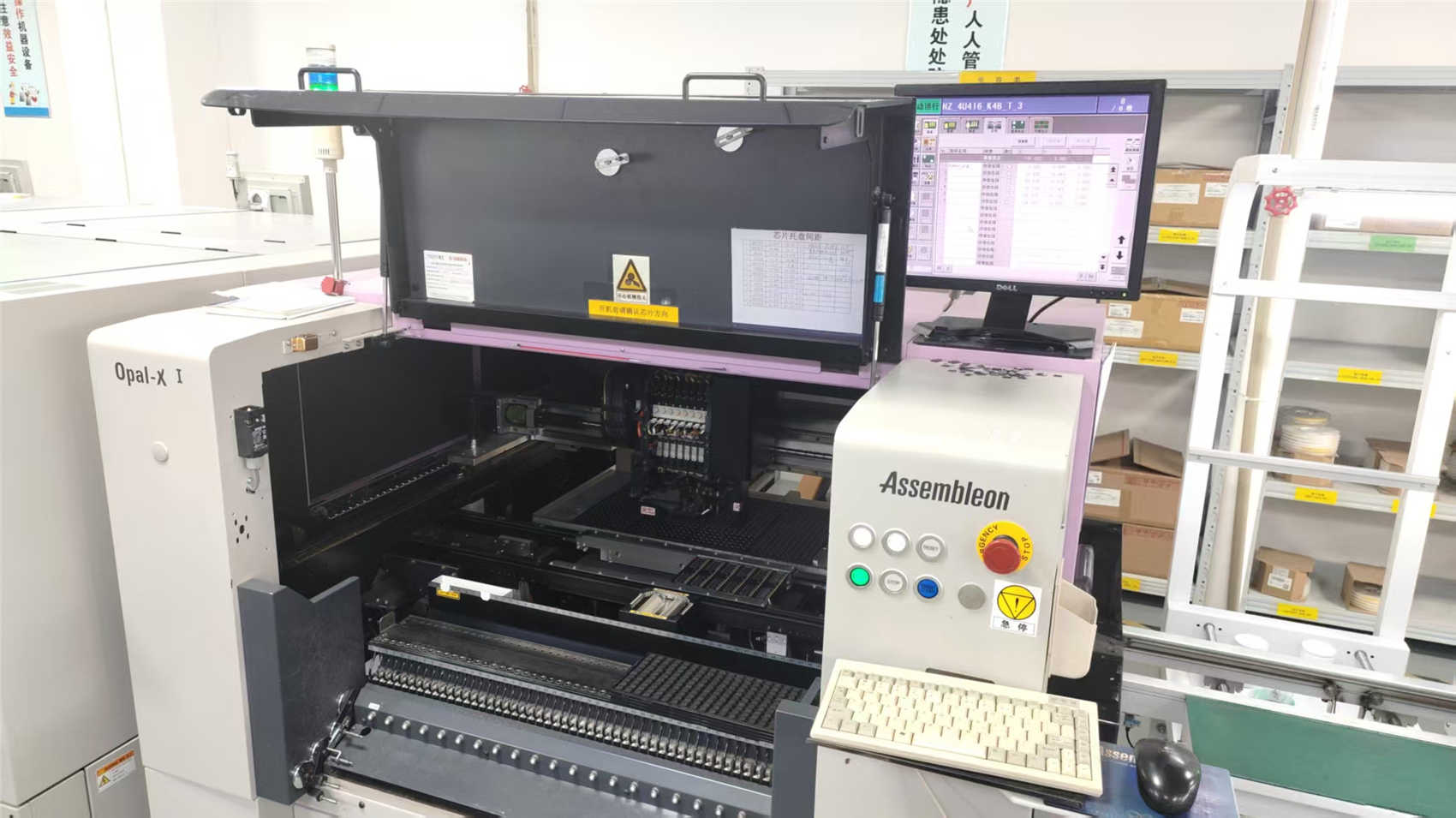
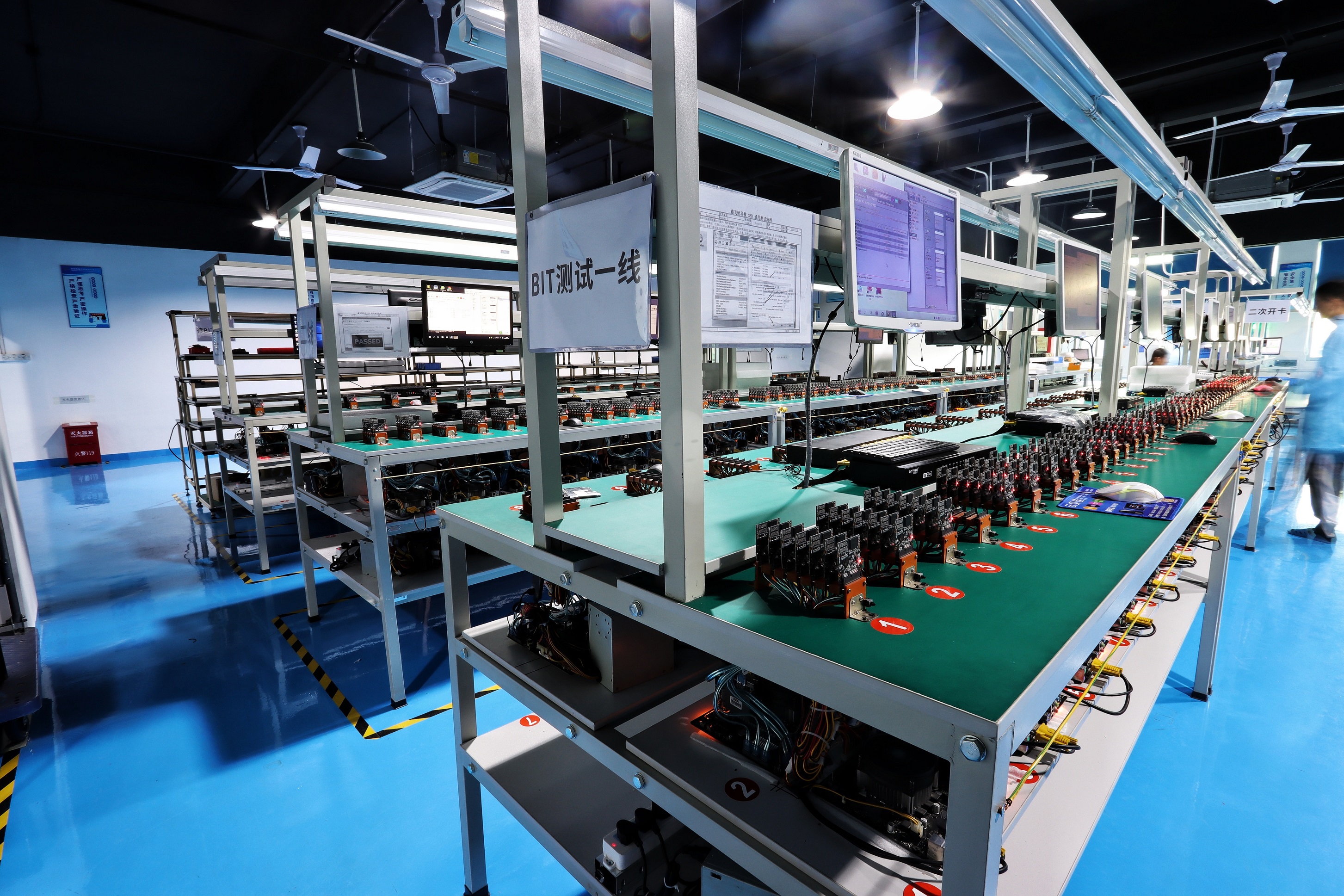
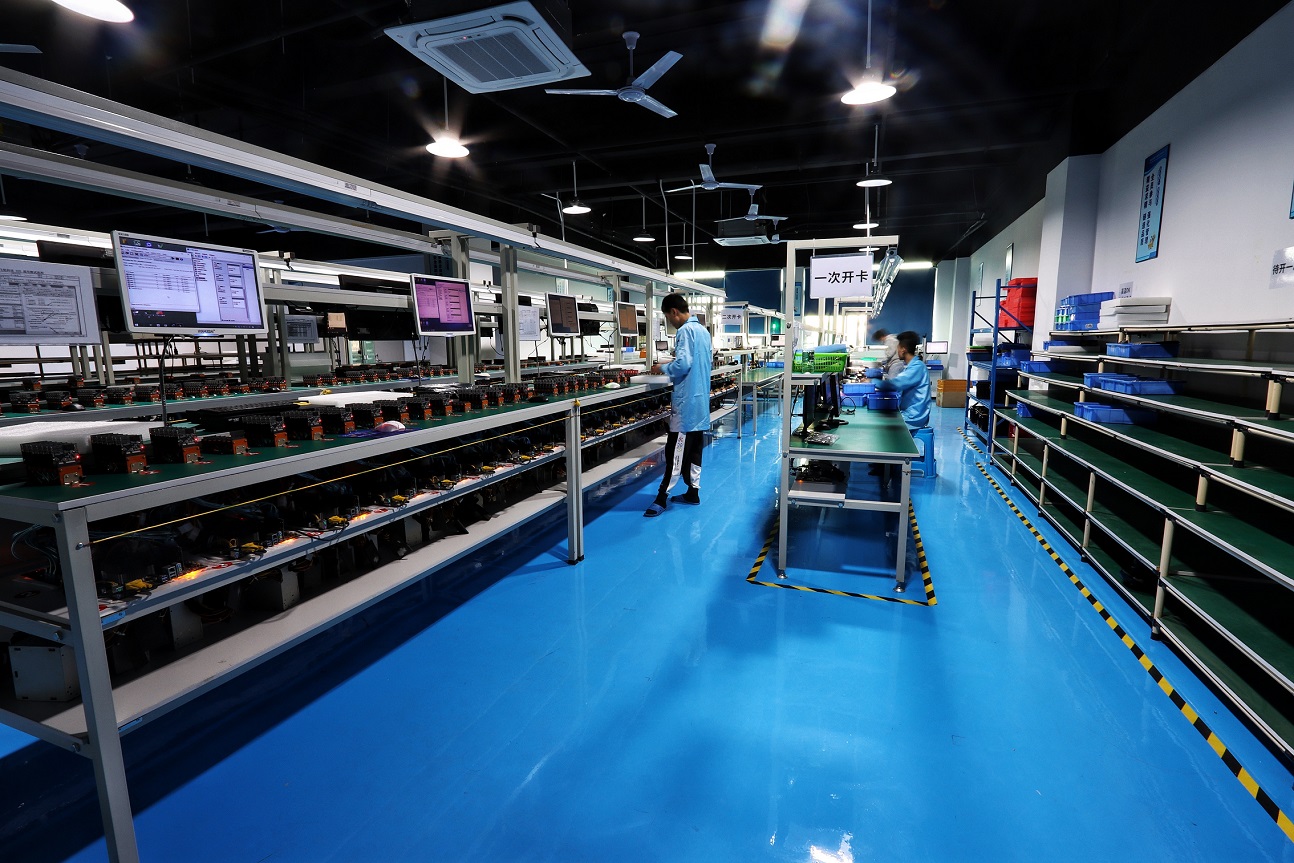
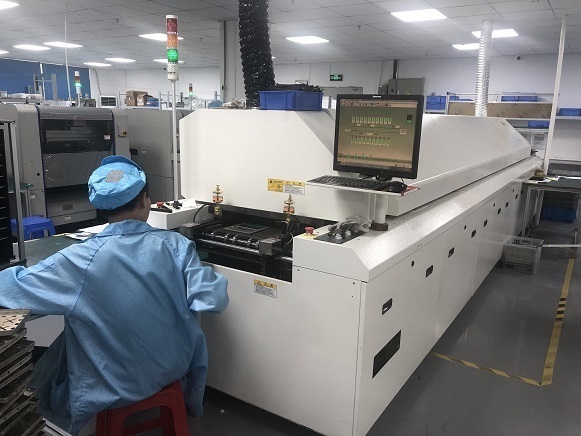
Every production batch undergoes meticulous checks to guarantee performance under high currents and elevated temperatures.
Clear answers to crucial engineering queries from procurement managers and electrical design leads.
Generally, any printed circuit board featuring copper weights of 3oz/ft² (ounces per square foot) or more is classified as a "Thick" or "Heavy" copper board. This translates to a copper trace height of approximately 105 µm. Advanced heavy copper designs can reach up to 10oz, 15oz, or even 20oz of copper thickness on internal or outer layers, depending on the current requirements.
Standard PCBs rely on quick chemical etching techniques to remove unwanted copper. However, heavy copper boards require specialized thick plating processes and advanced differential etching systems to achieve sharp, stable trace walls without excessive undercutting. Additionally, multi-lamination cycles must use specialized prepreg materials containing high resin amounts to completely fill the deep spaces between the thick copper tracks.
We fully adhere to international quality guidelines. All assemblies and boards are manufactured in line with IPC-A-600 Class 2 or Class 3 limits. We maintain comprehensive certifications including UL (Underwriters Laboratories) flammability standards, ISO 9001 quality management, RoHS (Restriction of Hazardous Substances), and REACH compliance, ensuring trouble-free importation into industrial zones across Chonburi and Rayong.
Yes, this is known as a hybrid or mixed-copper multilayer PCB. It requires precise layout optimization and routing. Thinner copper foils (1oz) are used on the signal layers to maintain signal integrity and fine trace routing for DRAM and CPU logic, while inner or outer power planes use heavy copper (3oz+) to transfer heavy power currents. Thermal simulations are run to verify that heat from power lines does not degrade high-speed signal pathways.
High-performance processing cards and heat dissipation gear to support your industrial networks in Thailand.
Reach out to our engineering support team for thermal simulations, sample board runs, or specific pricing pipelines tailored for the Thailand industrial sector.