 NexaRAM
NexaRAM
NexaRAM
High-performance processing units, motherboard configurations, and thermal dissipation systems optimized for commercial integration in India.
The industrial landscape in India is undergoing a profound technological shift. Faced with escalating urban pollution, strict Clean Ganga Rejuvenation mandates, and the national push for safe, pathogen-free municipal drinking water, traditional mercury-vapor germicidal lamps are rapidly being phased out. Under the Minamata Convention on Mercury, to which India is a committed signatory, the electronics manufacturing sector is shifting decisively toward clean, solid-state, and eco-friendly technologies: Deep Ultraviolet Light Emitting Diodes (UVC LEDs).
Unlike traditional lamps, UVC LED modules operate within the critical germicidal wavelength band of 260nm to 280nm. They offer instantaneous startup times, require no preheating, contain zero toxic materials, and boast an incredibly compact physical footprint. These advantages make them uniquely suited for integration into consumer home appliances, commercial HVAC ductings, municipal water treatment systems, and high-pathogen environments like hospital intensive care units (ICUs) across India's metropolitan hubs such as Delhi NCR, Mumbai, Bengaluru, and Pune.
Understanding the technical parameters, wall plug efficiency, and system integration strategies required for success in the Indian market.
Developing a robust UVC LED module for the Indian subcontinent requires a deep understanding of local environmental constraints. The combination of high ambient temperatures, fluctuating electrical grids, and varying levels of humidity necessitates specialized electrical and thermal engineering. At a macro level, global UVC LED adoption is driven by advancements in Aluminium Gallium Nitride (AlGaN) semiconductor epitaxy, which has unlocked higher Wall Plug Efficiencies (WPE) and enhanced optical power densities.
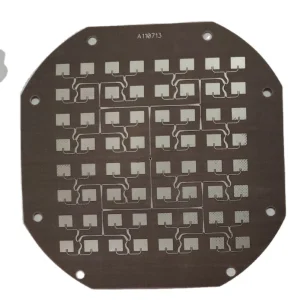
However, exporting modules directly to India without local configuration often results in premature device failure. This failure is primarily caused by two critical factors: inadequate thermal dissipation and high electrical grid transience. NexaRAM, by leveraging its deep expertise in high-performance memory design, PCB layout optimization, and thermal solutions development, designs and manufactures specialized high-thermal-conductivity metal-core PCBs (MCPCBs) and advanced heatsinks to ensure that the UVC LED chips operate within their optimal junction temperature limit, safeguarding their L70 lifetime rating of over 10,000 continuous hours.
Applying precision semiconductor fabrication, high-speed circuit design, and extensive R&D capabilities to deep UV disinfection components.
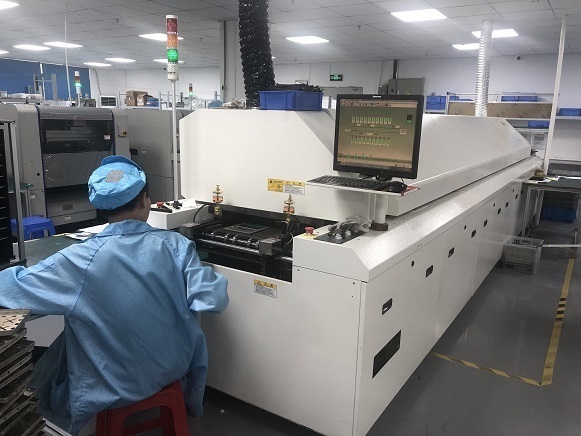
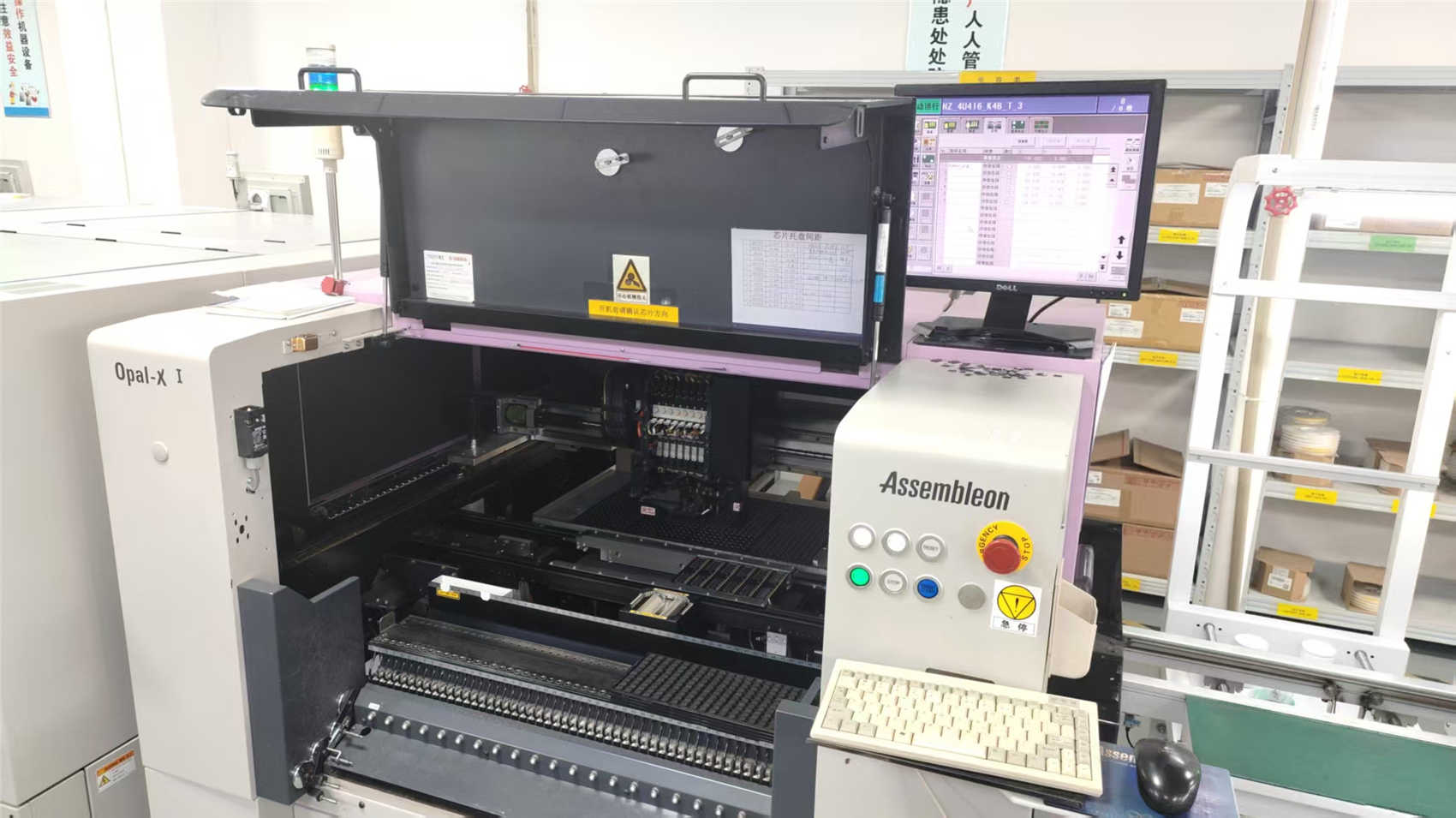
NexaRAM Storage Technology Co., Ltd. is a highly specialized semiconductor and electronic manufacturing supplier. Established in 2016, the company operates a state-of-the-art production facility equipped with high-throughput SMT lines, automated placement machinery, and advanced testing setups. With an annual export revenue of approximately USD 12 million, 6 years of export experience, and 12 years of industry experience in high-performance DRAM memory modules and semiconductor packaging, NexaRAM brings a unparalleled level of precision engineering to the UVC LED sector.
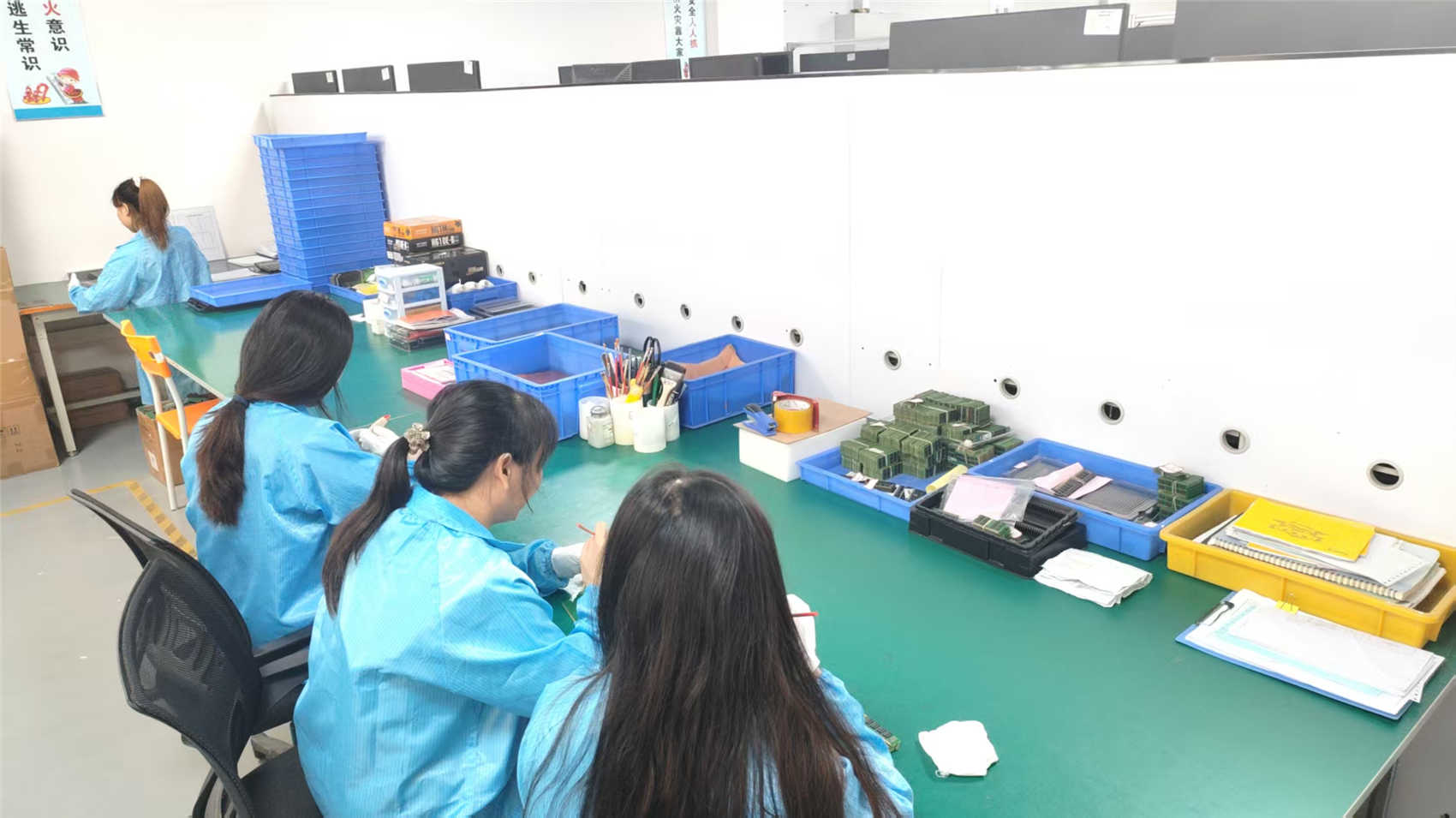
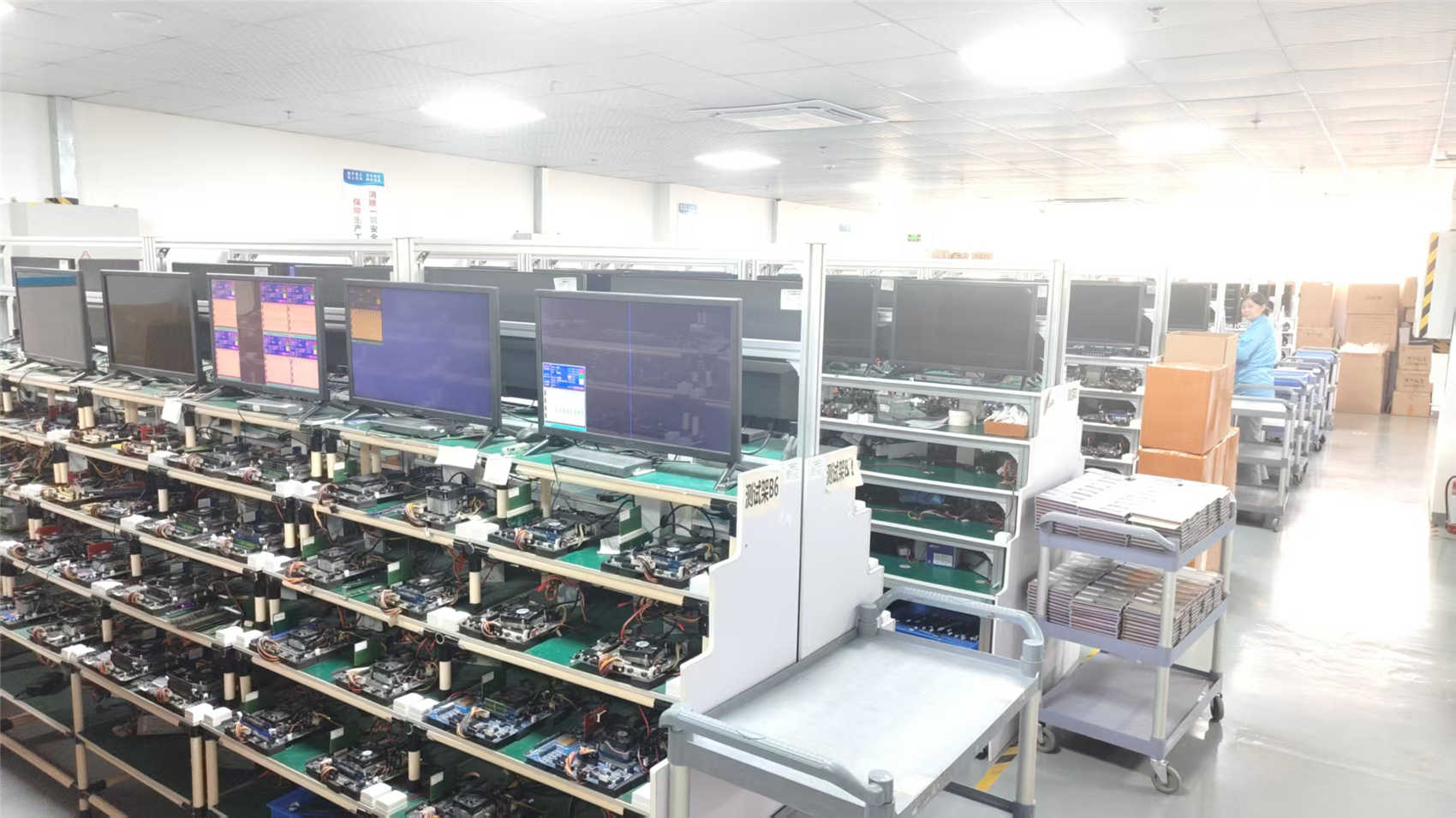
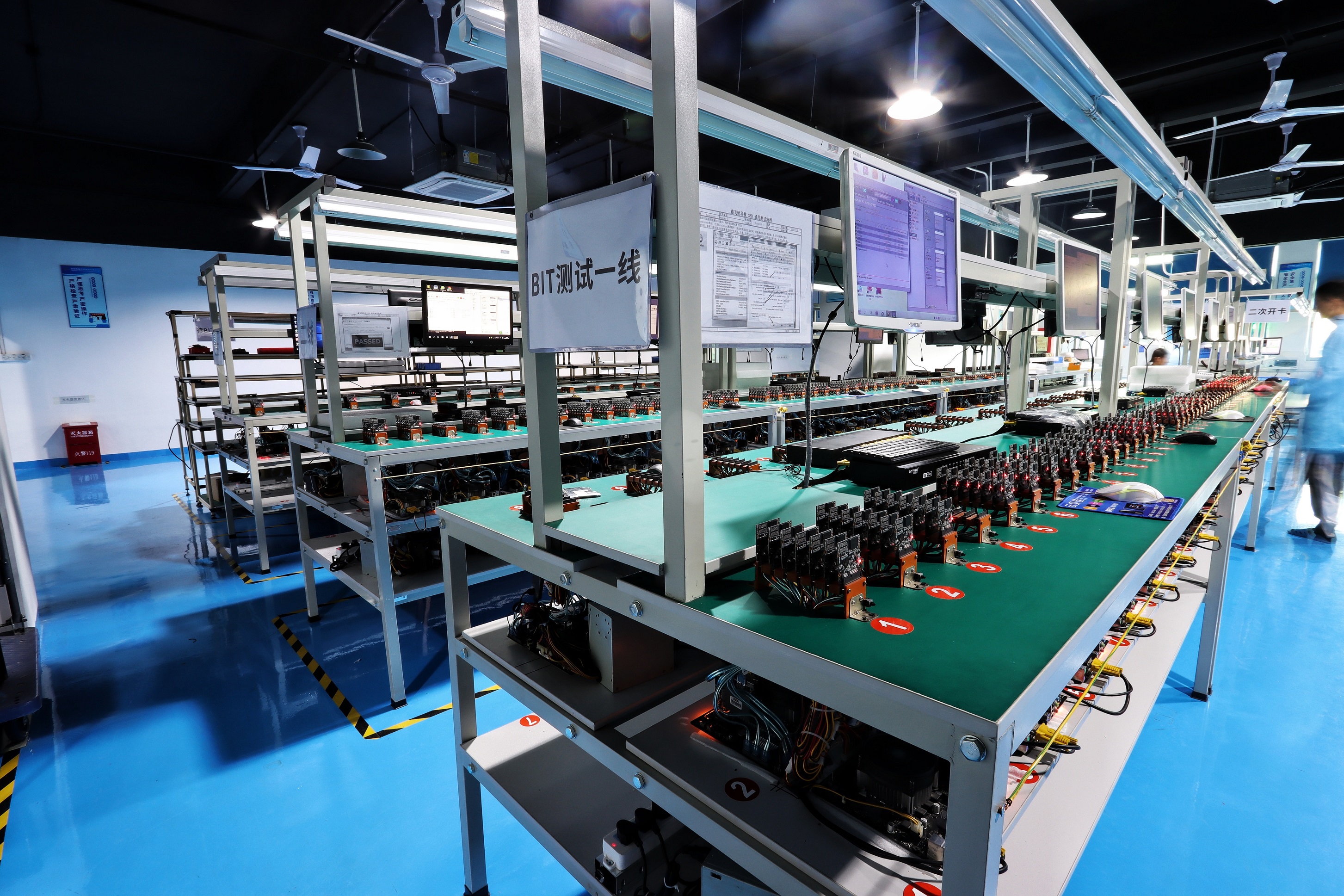
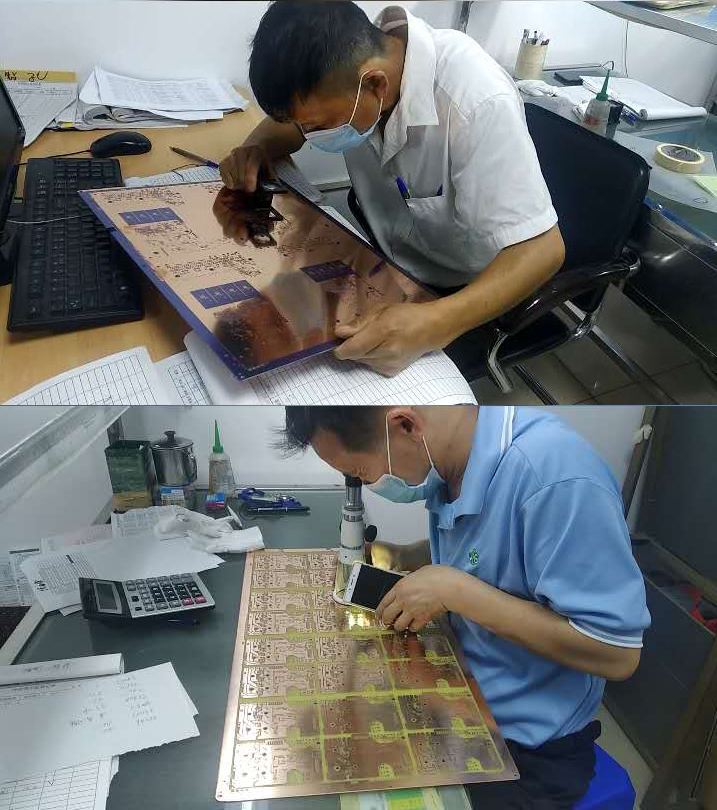
NexaRAM strictly controls module reliability using a combination of Automated Optical Inspection (AOI), X-ray solder paste inspection, and continuous thermal burn-in stress tests. Our quality control system is backed by 35 professional inspectors who monitor the manufacturing process from raw material substrate procurement to spectral flux characterization of individual LEDs.
By leveraging custom electronic circuit layouts, we supply the Indian market with high-durability UVC LED arrays that maintain stable radiant outputs under varying electrical line conditions. Our R&D team of 180 engineers continuously works on developing next-generation modules that combine high-density UVC output with smart IoT monitoring capabilities.
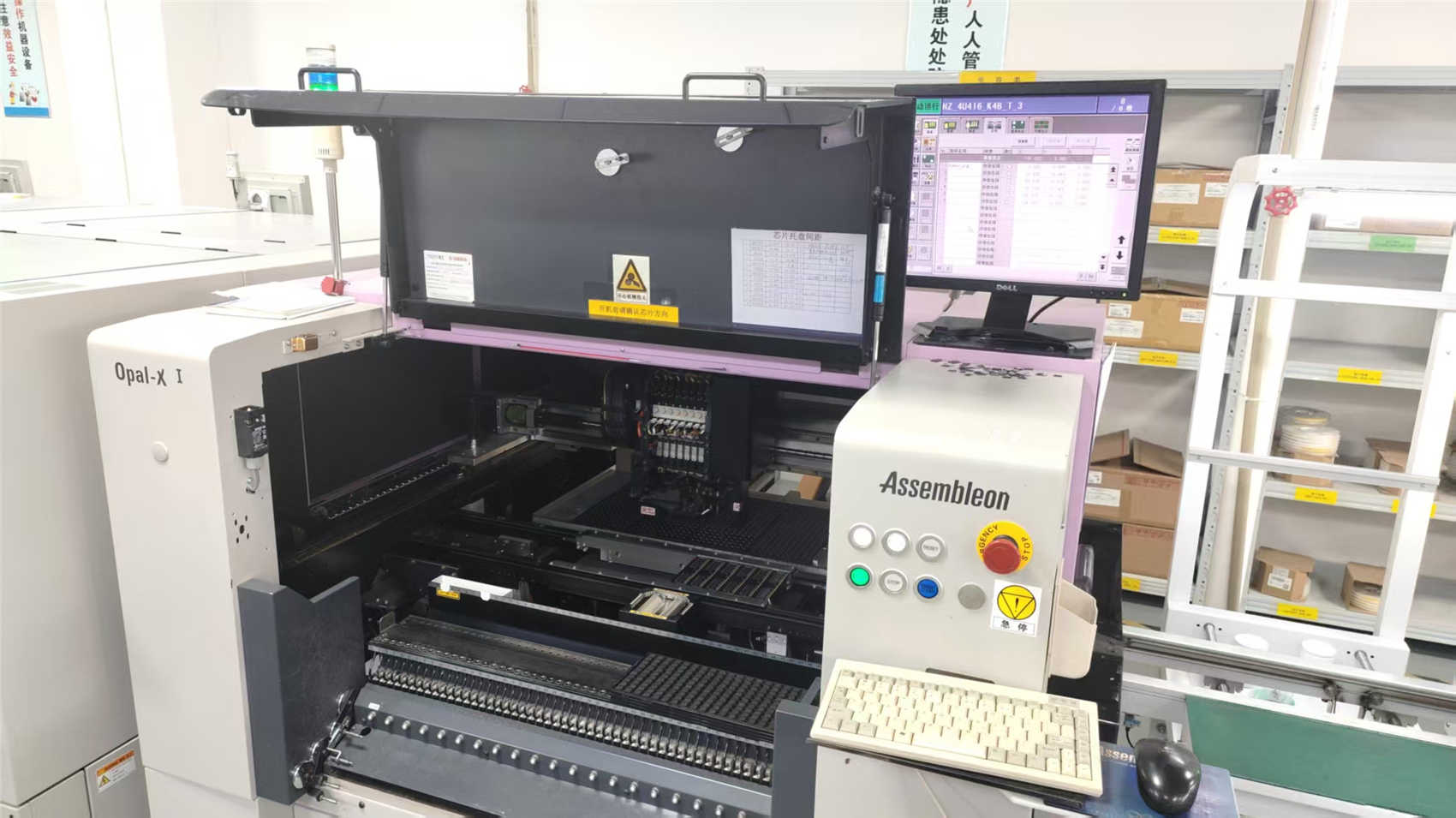
Visual validation of our rigorous testing, assembly lines, and high-reliability QA processes.


How our custom electronic substrates, thermal radiators, and control boards solve critical challenges in local industries.
Waterborne pathogens represent a persistent health issue in both urban and rural India. Household Reverse Osmosis (RO) water purifiers manufactured in Pune, Ahmedabad, and Bangalore are increasingly integrating UVC LED disinfection modules inside storage tanks to prevent bacterial biofilms and sanitize water right at the dispensing tap. Our copper and aluminum PCBs provide the thermal pathway needed to dissipate heat in these compact, enclosed spaces, ensuring the LEDs maintain maximum germicidal irradiance.
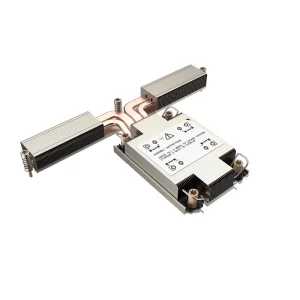
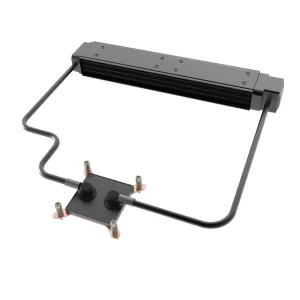
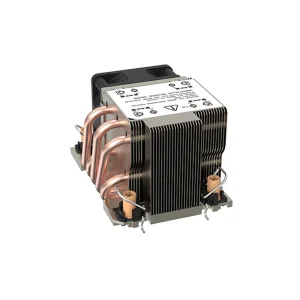
With air quality concerns peaking during post-monsoon months in metropolitan regions like Delhi NCR and Mumbai, commercial office spaces and high-rise apartments require active air sanitization. Incorporating arrays of high-power UVC LEDs into centralized Heating, Ventilation, and Air Conditioning (HVAC) systems neutralizes airborne viruses and mold spores. Our 350W liquid cooling and active fan radiator designs prevent thermal throttling in high-power UV-C air scrubbers.
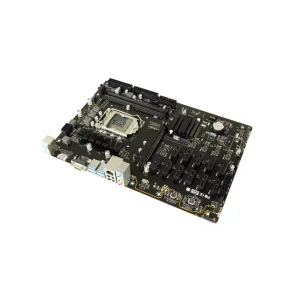
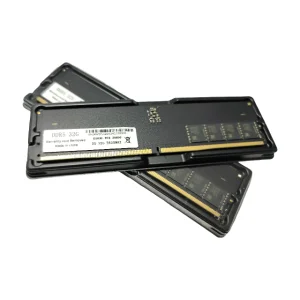
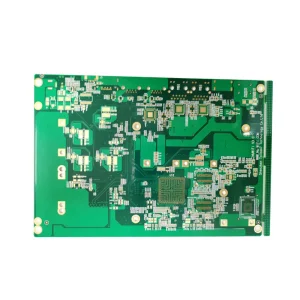
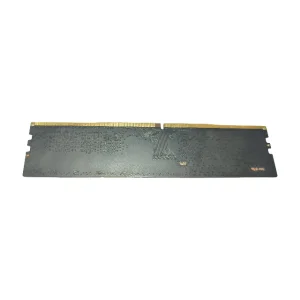
Indian hospitals face stringent audits to control HAIs. Automated mobile disinfection robots and wall-mounted sanitizers utilize arrayed UVC LED modules to disinfect ICU surfaces quickly. These systems utilize smart microcontroller motherboards (such as industrial ODM assemblies) and high-speed memory modules to run localized real-time tracking, safety sensor interrupts, and mapping algorithms.
The Bureau of Indian Standards (BIS) and the Ministry of Environment, Forest and Climate Change enforce strict import and quality rules on electro-technical components. NexaRAM ensures all modules conform to RoHS and BIS standards (IS 16101 for LED general lighting safety). We provide comprehensive spectral measurements, showing peak emission at 265-275nm, to verify that zero ozone-producing vacuum-UV radiation is emitted, keeping consumer devices completely safe.
A look into the future of semiconductor-based pathogen eradication and thermal optimization.
Over the next three years, the efficiency of AlGaN UVC LED chips is projected to increase from the current average of 3-5% Wall Plug Efficiency (WPE) up to 8-12%. This efficiency leap will significantly lower power consumption and allow for smaller heatsink profiles. As a result, compact battery-powered portable sterilizers will become highly practical for rural healthcare deployments in India. NexaRAM's engineering roadmap focuses on integrating IoT-connected smart drivers directly onto aluminum-substrate high-frequency PCBs, enabling real-time telemetry of UV dose delivery, operating temperatures, and failure alerts back to central maintenance servers via cellular or WiFi networks.
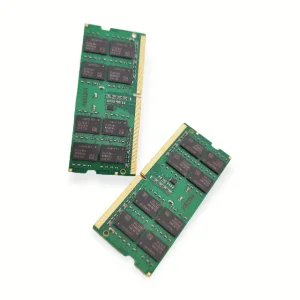
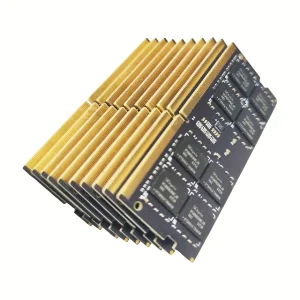
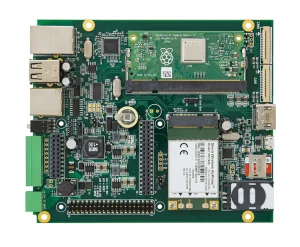
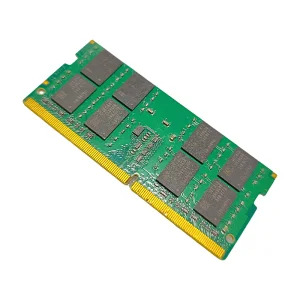
Explore our industrial-grade computing modules, custom circuit substrates, and heat dissipation units manufactured under strict quality standards.
Expert technical insights regarding deployment, performance optimization, and local compliance in India.