NexaRAM
NexaRAM
NexaRAM
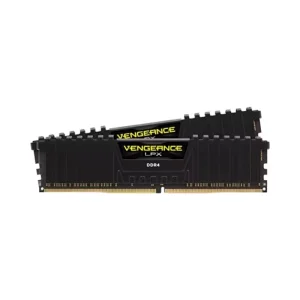
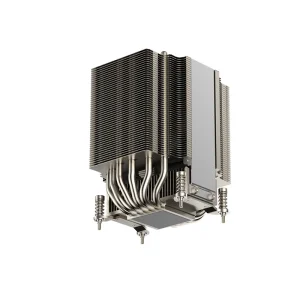
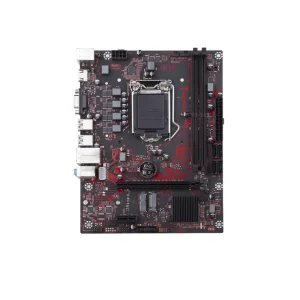
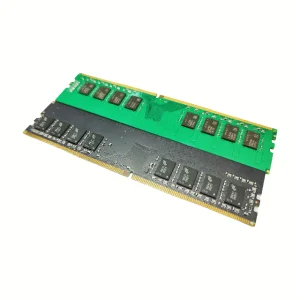
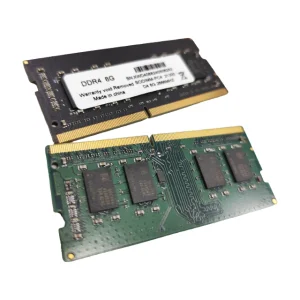
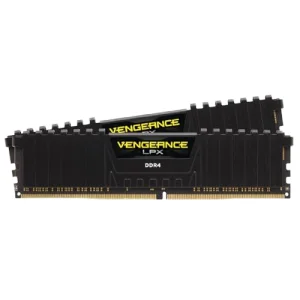
In the landscape of modern enterprise architecture, the distinction between active and passive components defines the parameters of system compute limitations. Active components—such as microprocessors, high-frequency DRAM ICs, motherboards, and integrated PMICs—require external energy to manipulate flow control, serving as the core execution layers of contemporary servers and workstation platforms.
Unlike passive networks that simply dissipate or store energy, active devices modify, switch, and amplify electronic signals. In high-density environments like enterprise cloud databases or AI deep-learning systems, variations in signal stability, thermal dissipation parameters, or electromagnetic interference (EMI) can result in catastrophic memory register errors, bit-flips, or unrecoverable compute exceptions.
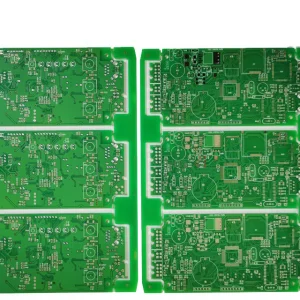
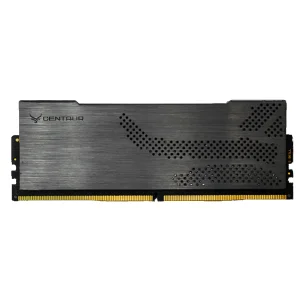
NexaRAM Storage Technology Co., Ltd. addresses this design landscape through high-integrity DDR4 and DDR5 memory modules, multilayer HASL PCBs, and targeted server CPU coolers that maintain operational parameters even under prolonged stress. Understanding the physics of thermal dissipation and signal degradation is what separates basic assembly from enterprise-grade component engineering.
As standard systems shift from DDR4 to DDR5 architecture, power management transitions from the motherboard directly onto the module via an integrated Power Management IC (PMIC). This active control reduces power distribution losses, allowing modules to run reliably at lower base voltages (1.1V vs. DDR4's 1.2V), while enabling on-die Error Correction Code (ECC) to independently manage transient memory faults.
These architectural steps demand a highly sophisticated supply chain. Sourcing top-tier IC dies, layout routing through 8-to-10 layer PCBs, and matching them with precision heatsinks requires deep engineering expertise.
Established in 2016, NexaRAM has built a reputation as a leading DDR5 memory manufacturer, specializing in high-performance RAM solutions, advanced thermal management systems, and specialized motherboard integrations for global OEMs, hyperscale data centers, and industrial computing applications.
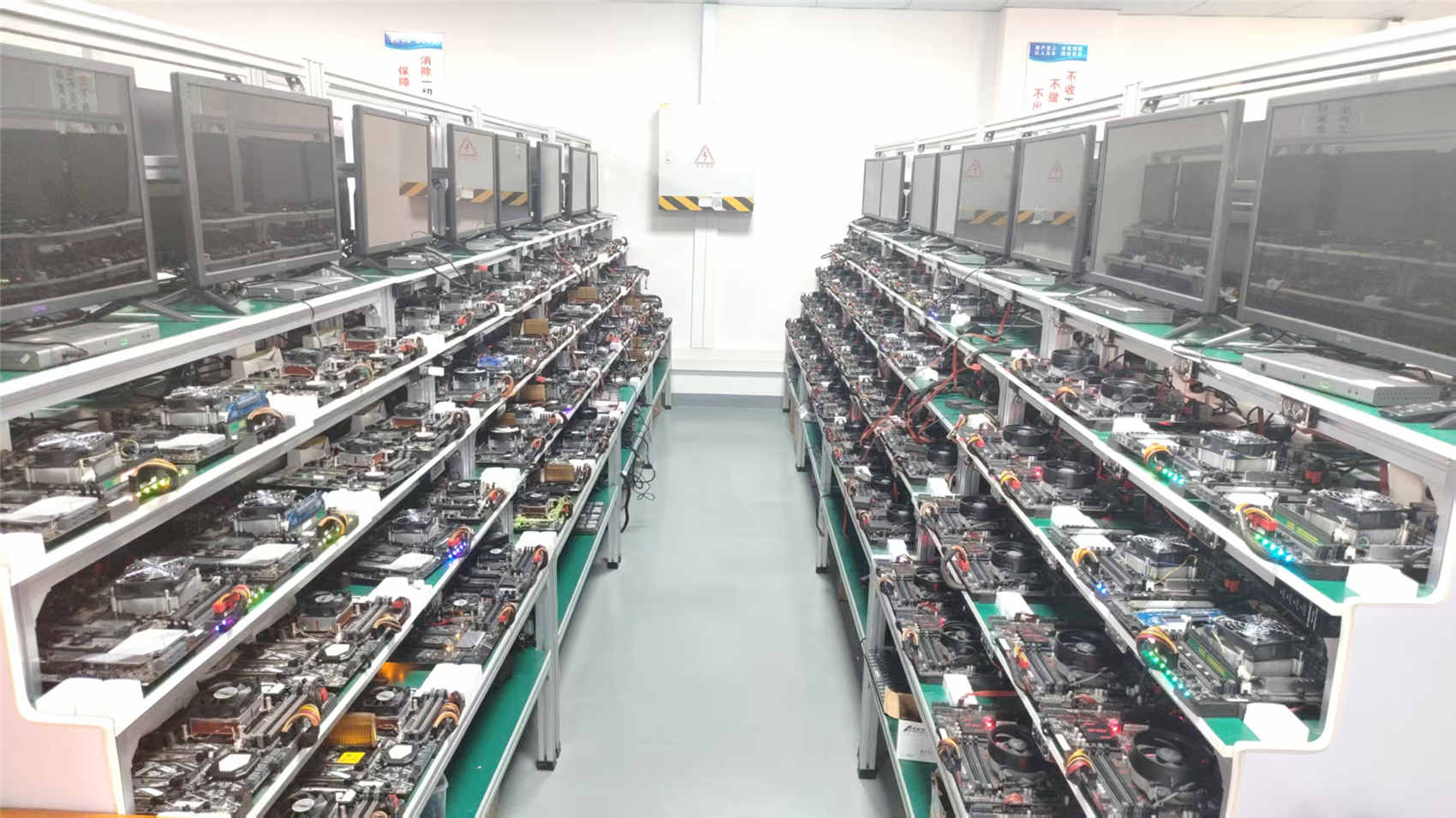
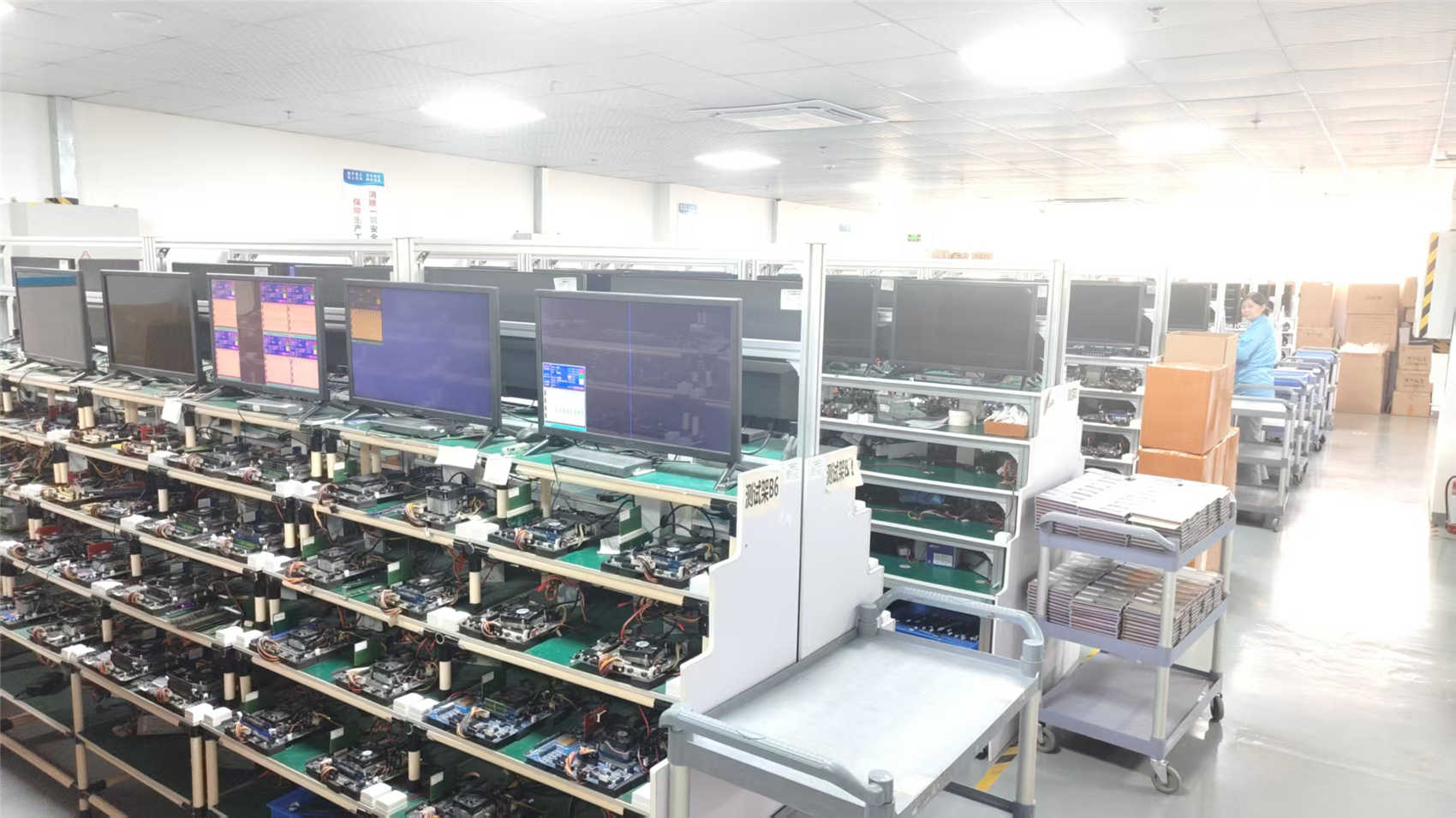
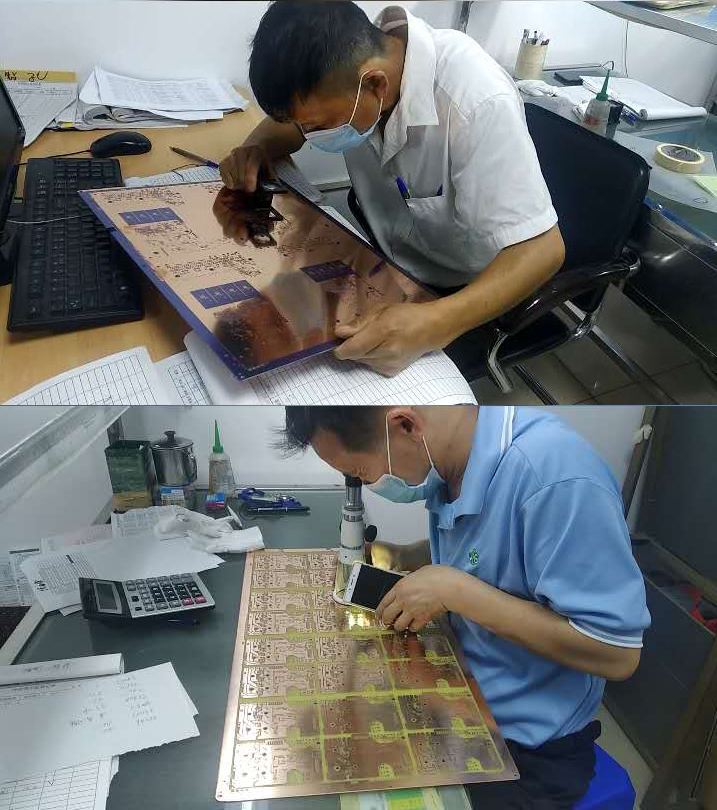
Our Quality Control infrastructure features 35 specialized inspectors administering automated optical inspection (AOI) alongside dynamic burn-in testing. Every module undergoes strict diagnostic procedures to eliminate early failure patterns before shipment.
Led by a team of 180 development engineers, NexaRAM released 120 new product variations over the past 12 months. This allows us to keep pace with changing frequency specifications, thermal standards, and form factors.
With 6 years of direct international trade experience, we ship to key regions including North America, Europe, Southeast Asia, and the Middle East, ensuring compliance with local customs and import criteria.
Deploying electronic components in the European Economic Area (EEA) requires strict adherence to regulatory standards. The CE marking indicates compliance with EU safety, health, and environmental protection regulations, acting as a crucial requirement for enterprise-level deployment.
Active components must be designed to avoid generating electromagnetic interference that disrupts radio and telecommunications equipment, while maintaining adequate resistance to external EMI.
All NexaRAM components utilize lead-free HASL finishes and strictly compliant resins, meeting environmental safety guidelines across global supply chains.
Global system integrators often face challenges when sourcing offshore components due to time zone differences and language barriers. NexaRAM bridges this gap by offering localized technical documentation, FAE (Field Application Engineering) support, and responsive warranty management.
Whether optimizing PCB routing for customized industrial layouts or resolving DRAM timing problems in specialized server configurations, our engineers collaborate directly with your development teams. This hands-on assistance reduces time-to-market and prevents costly design revisions.
"CE certification represents more than just a label—it serves as verification of design quality, thermal efficiency, and electromagnetic compatibility."
China remains a central hub for semiconductor assembly, testing, and packaging (OSAT) due to its mature supply chain ecosystem and deep manufacturing capacity.
NexaRAM operates within a network of over 850 strategic partners, providing reliable access to raw silicon wafers, advanced PMICs, high-quality multilayer PCBs, and specialized cooling housings. This diverse network helps prevent supply line interruptions.
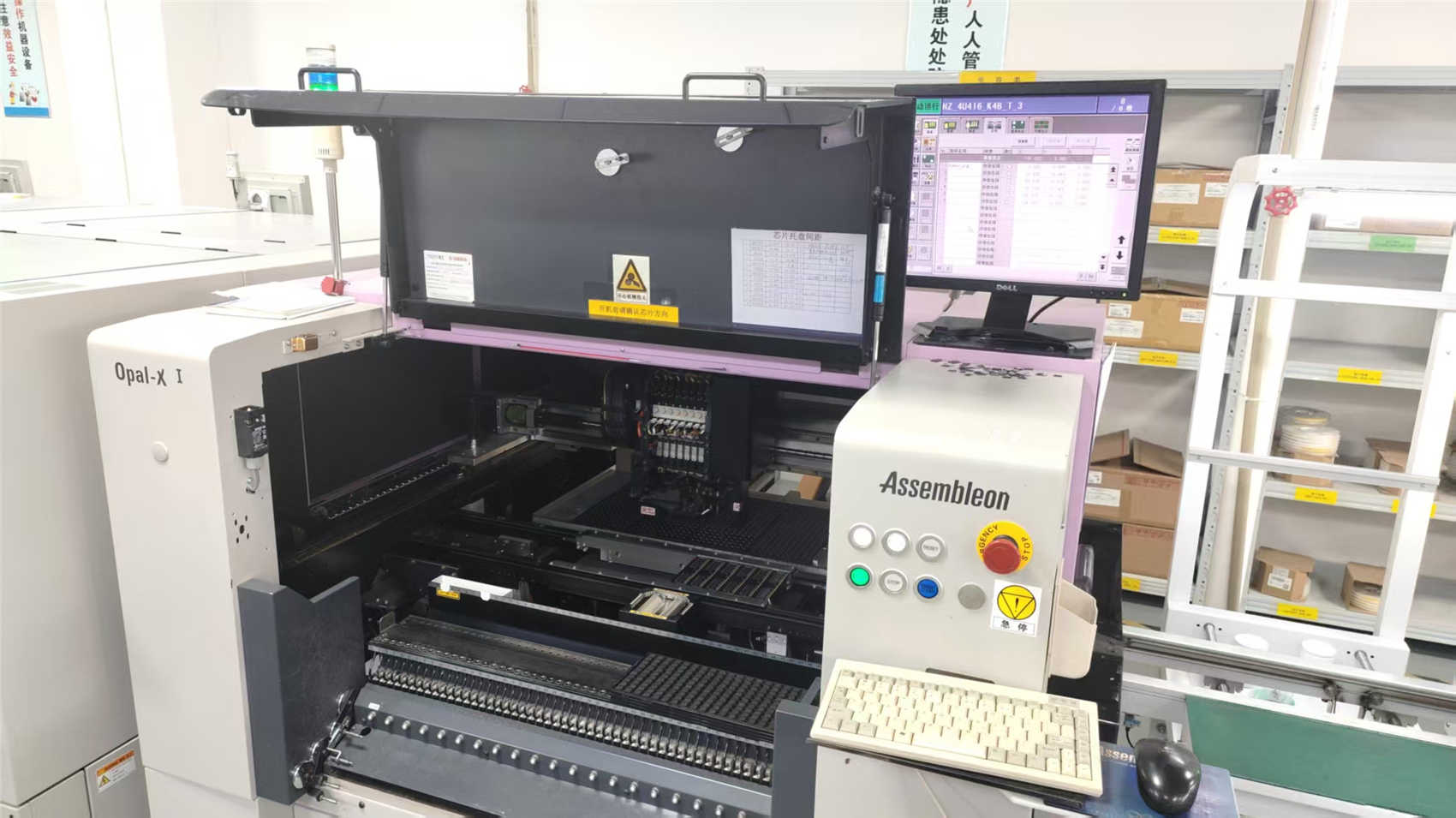
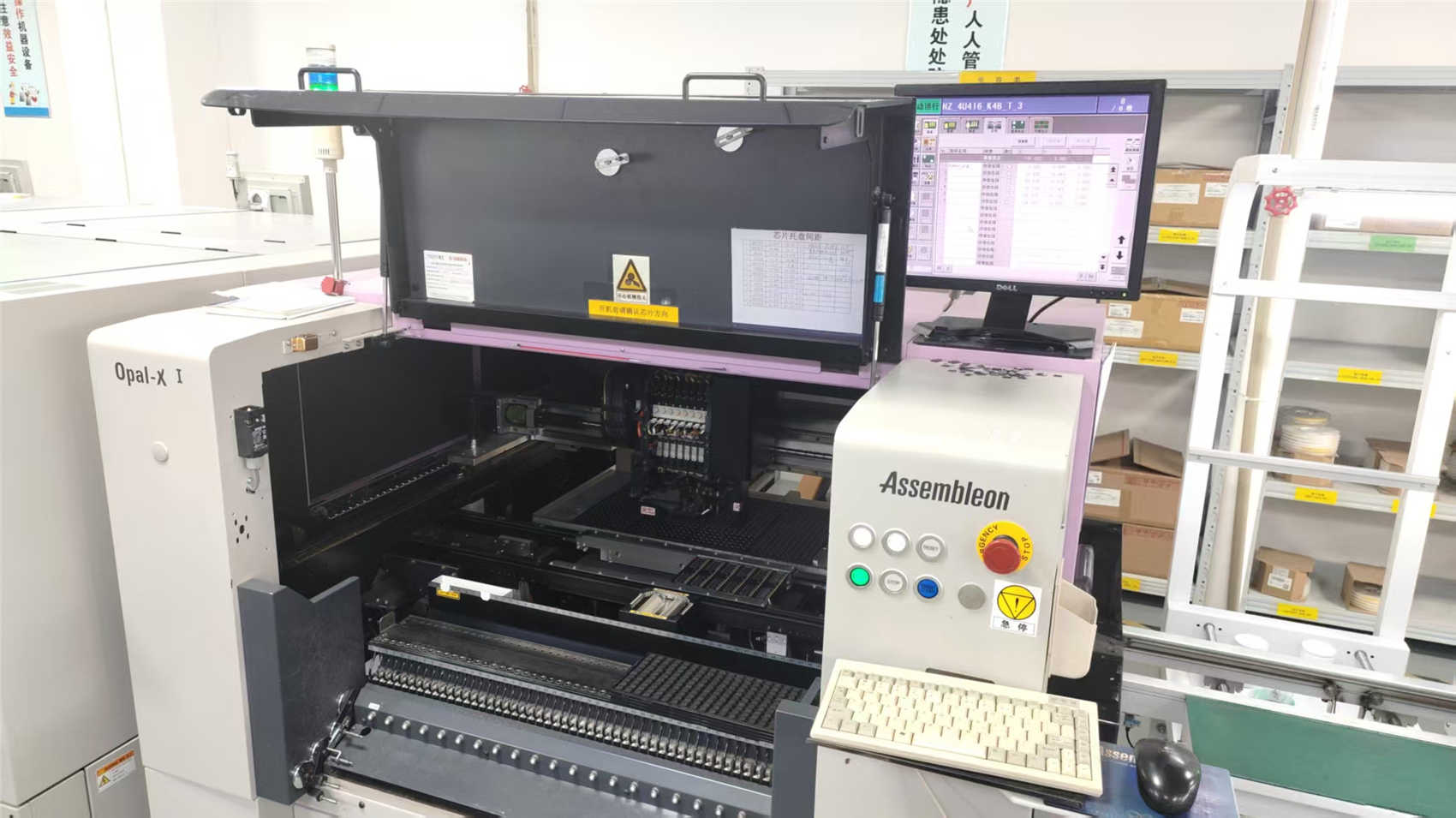
By utilizing automated SMT production runs and highly efficient testing tools, we lower manufacturing costs. These savings are directly passed on to our global OEM partners through competitive volume pricing.
Our design capabilities support custom PCB layout tuning, precise frequency adjustments, and thermal solution styling. We can adjust capacity, latency, and heat spreader designs to meet your performance targets.
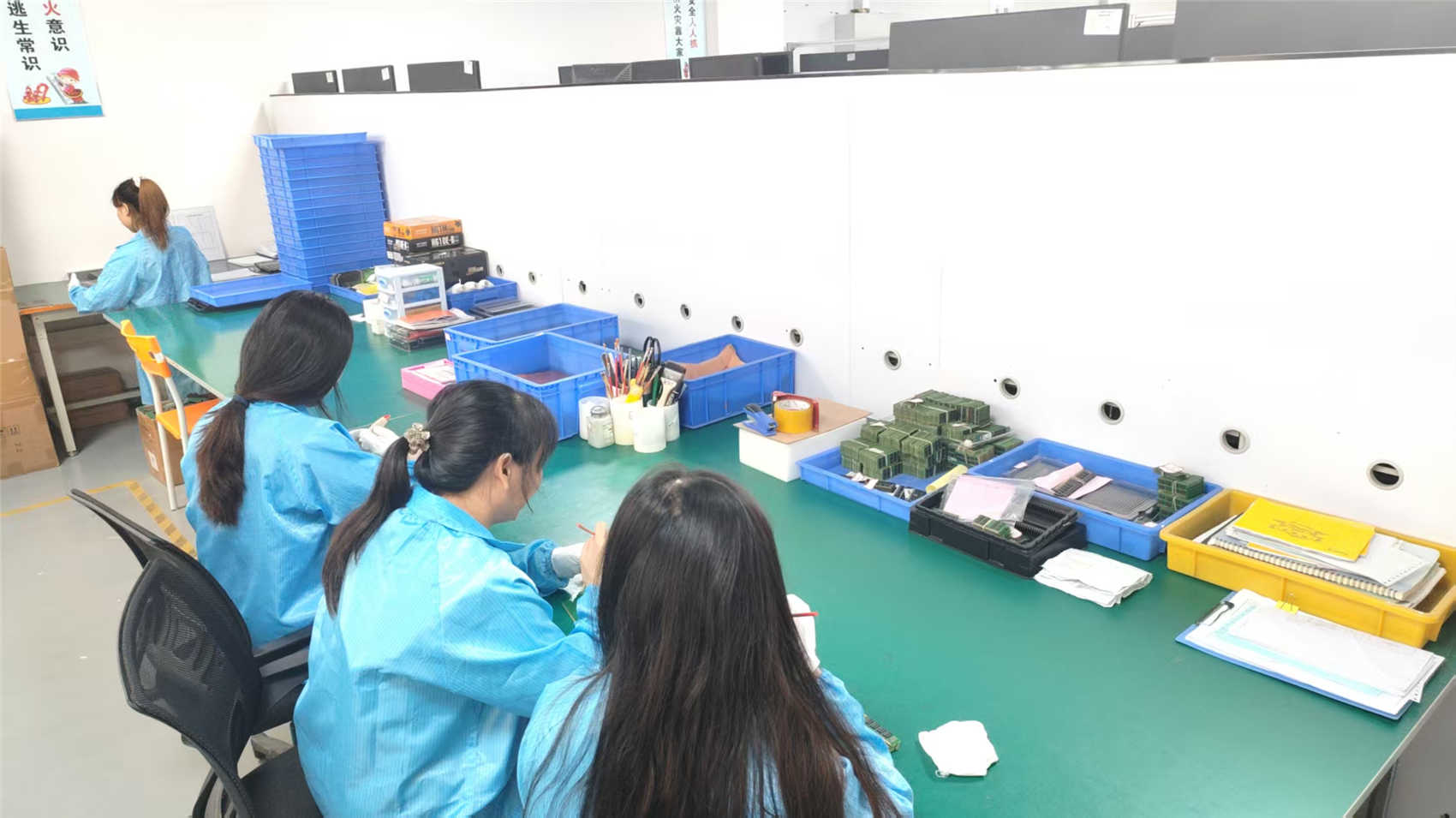
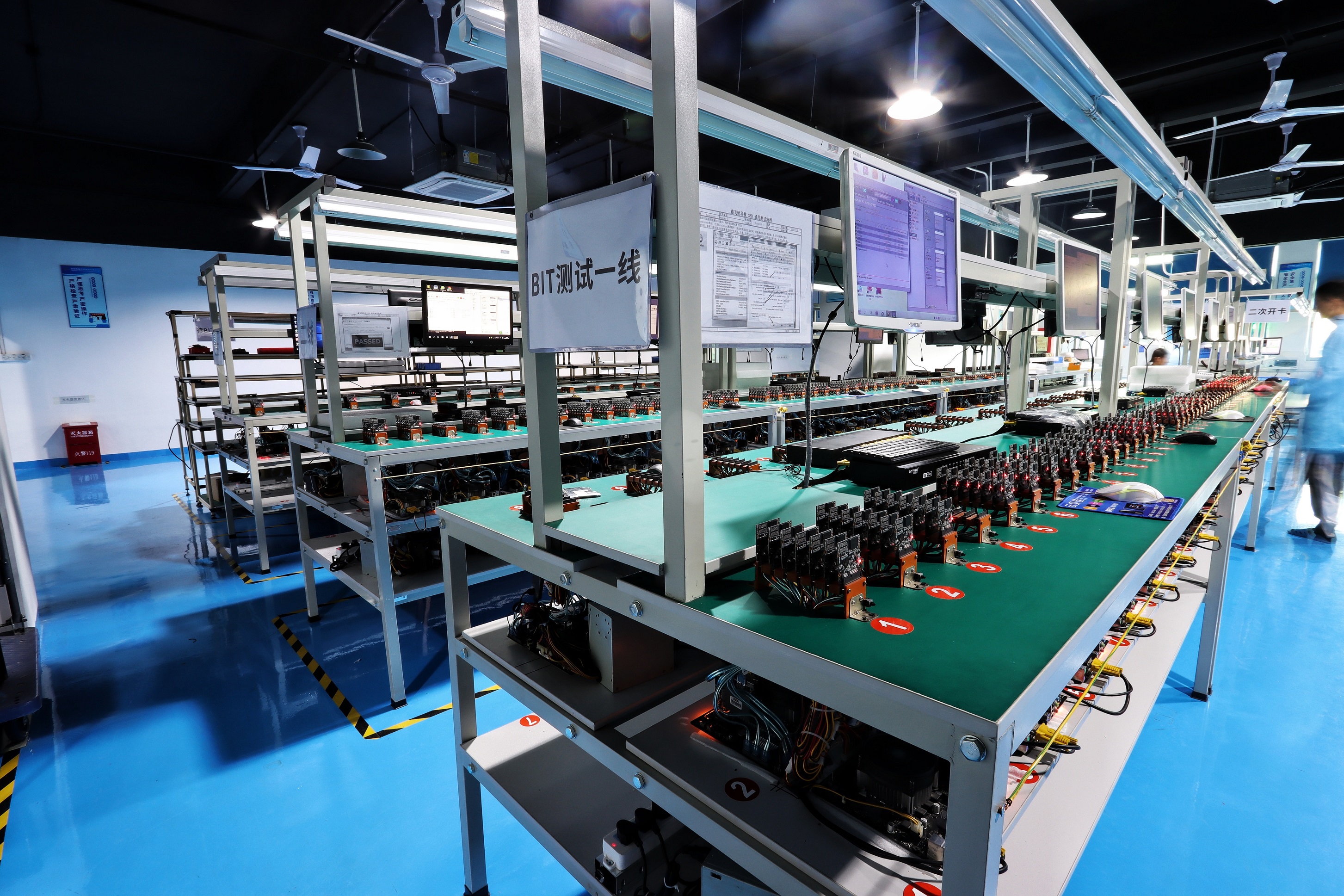
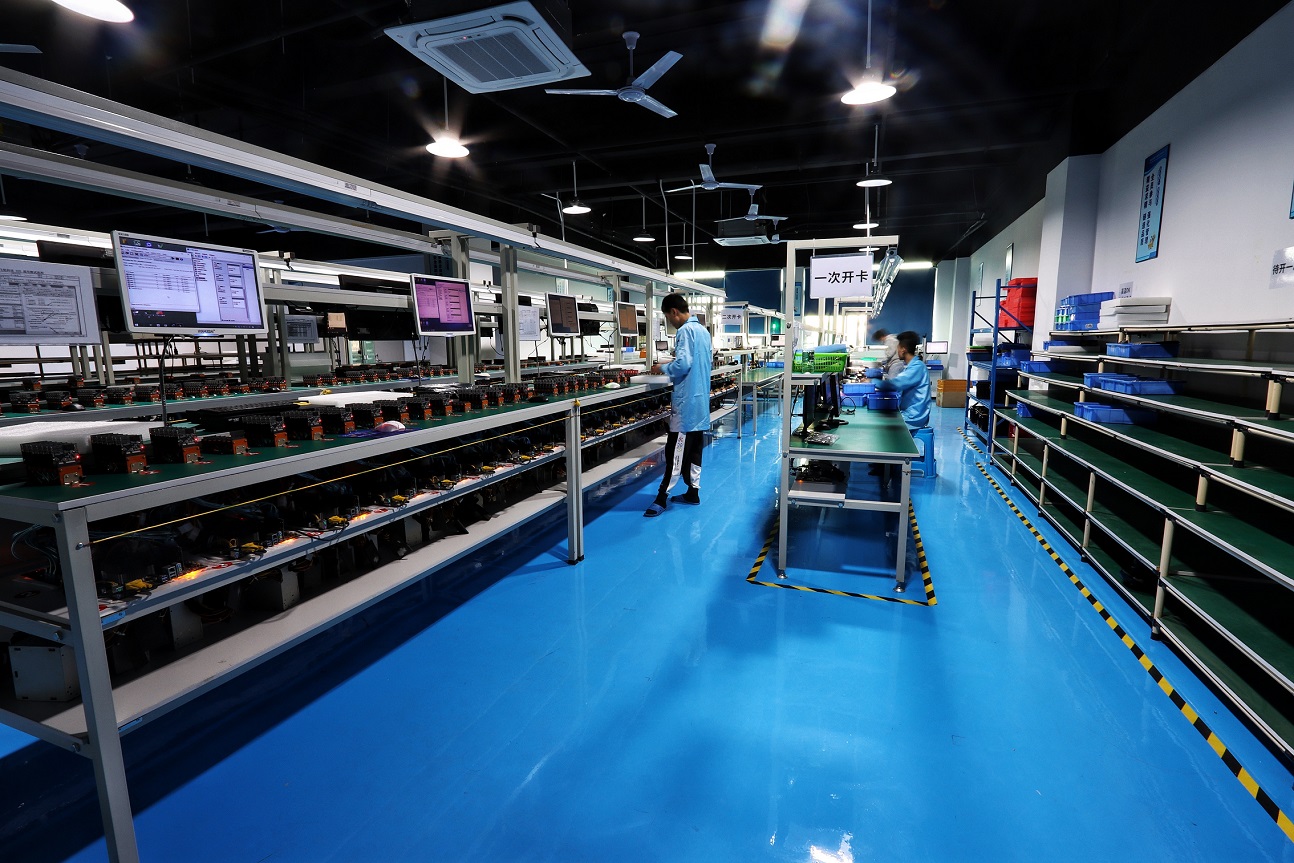
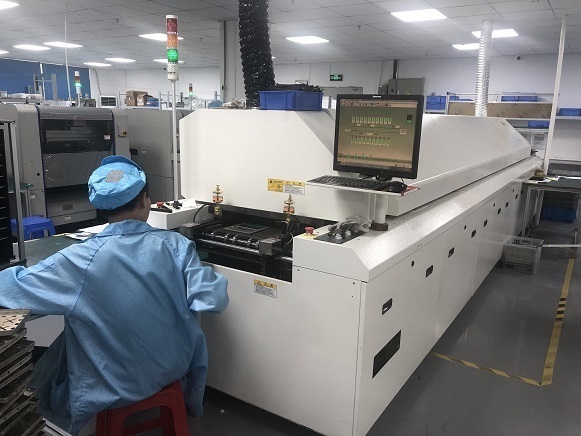
Examine our modern production facility, where automated systems and rigorous quality inspections ensure stable, high-performance output.
Enterprise procurement teams must balance component cost against overall system reliability. Keep these parameters in mind when evaluating active hardware components:
Mean Time Between Failures (MTBF) and Failures in Time (FIT) metrics indicate long-term reliability. Enterprise designs demand low FIT rates under standard operating conditions.
Managing heat is critical. Working with custom passive heatsinks or active cooling systems helps prevent thermal throttling and extends component lifespans.
Data centers and industrial platforms require long product lifecycles. Sourcing partners should provide clear Product Change Notifications (PCN) and End-of-Life (EOL) pathways.
Industrial computing is shifting toward higher bandwidths, lower operational voltages, and dense configurations. This development requires changes in component design:
DDR5 performance scaling moves beyond 4800MHz to speeds of 5600MHz and 6000MHz. Operating at these speeds requires careful layout design, shorter trace lengths, and clean ground planes to maintain signal integrity.
At the same time, integrating the Power Management IC (PMIC) onto the memory module shifts power regulation from the motherboard to the RAM. This localized power management helps reduce trace voltage drops and improves power efficiency.
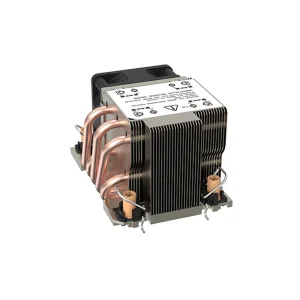
Next-generation CPUs and accelerators generate significant heat. Modern heatsinks must handle thermal loads exceeding 300W. Using specialized copper bases, fin configurations, and active fan setups helps keep high-frequency components within safe operating temperatures.
This is especially important in 2U server setups, where airflow is constrained. Efficient heat dissipation is key to maintaining stable clock speeds and preventing thermal degradation.
Modern computing hardware is used across a variety of demanding fields. Key application areas include:
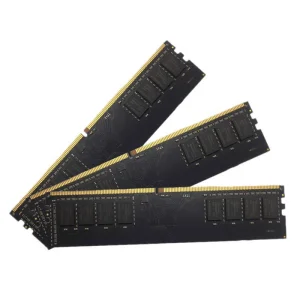
Data center servers require high-capacity, stable RAM. Using ECC DDR4 and DDR5 memory modules helps ensure continuous operation, high data throughput, and low error rates for intensive database workloads.
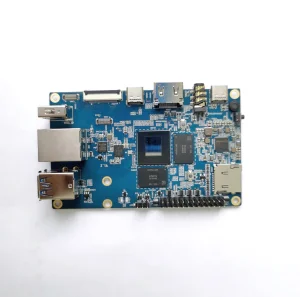
Edge computing platforms, like those using Rockchip RK3588S chipsets, require high bandwidth and low power consumption. This combination is essential for processing AI models locally in smart city and automation applications.
Industrial environments demand rugged components. Specialized boards, reliable memory, and dust-resistant cooling setups help systems run reliably under wide temperature variations and vibrations.
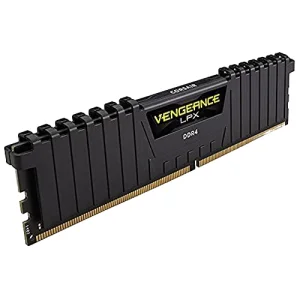
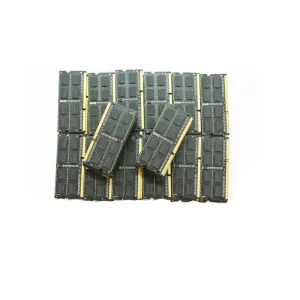
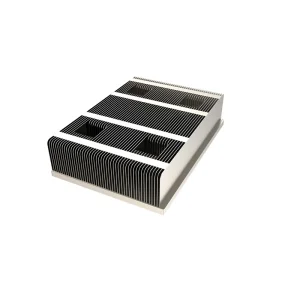
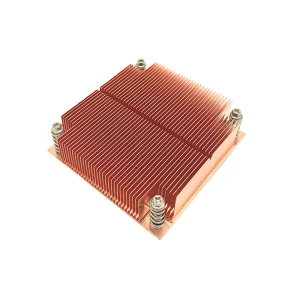
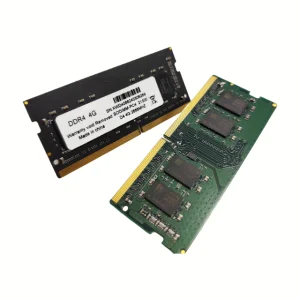
Every module undergoes automated optical inspection (AOI) to check solder joints and alignment. We also conduct dynamic burn-in testing under varying temperatures and workloads to identify early failure risks before delivery.
On-die ECC manages single-bit errors inside the DRAM chip itself, improving reliability before data is sent to the CPU. Standard side-band ECC requires extra memory chips on the PCB to check data during transmission, which is typical in server-grade modules.
CE certification ensures the component complies with essential European safety and environmental standards, including the EMC and RoHS directives. This reduces the risk of electromagnetic interference and helps ensure system reliability in industrial settings.
We provide custom PCB routing, latency tuning, frequency adjustment, and custom heatsink design. This allows partners to adapt our components to meet specific space, thermal, and performance requirements.