NexaRAM
NexaRAM
NexaRAM
Explore our high-performance components designed to meet strict reliability, signal integrity, and automotive standards.
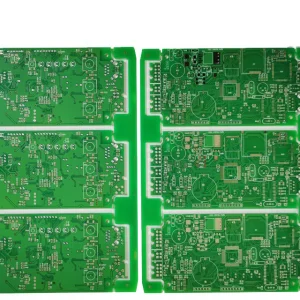
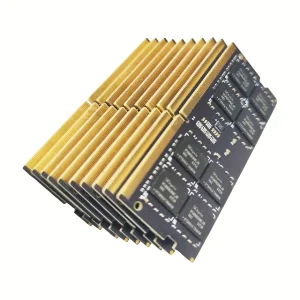
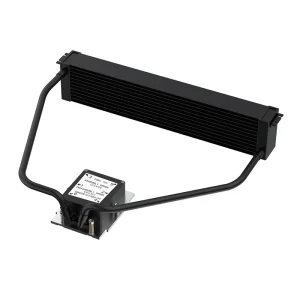
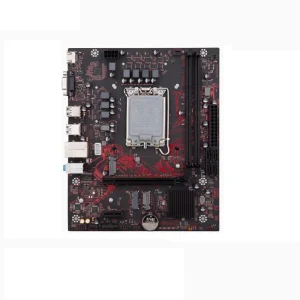
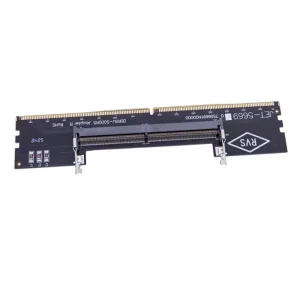
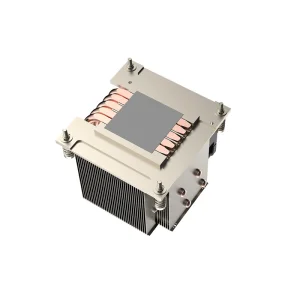
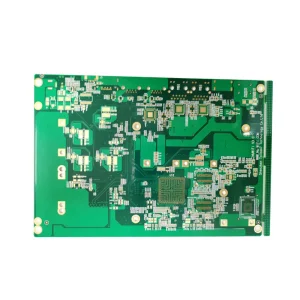
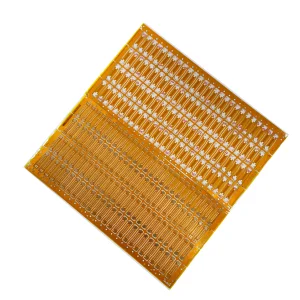
Operating at the convergence of advanced DRAM processing, robust electronic design, and uncompromising verification methodologies.
NexaRAM ensures every storage solution and PCB assembly strictly aligns with CE compliance standards and European directives, meeting the rigorous EMI/EMC regulations required for modern automotive compute applications.
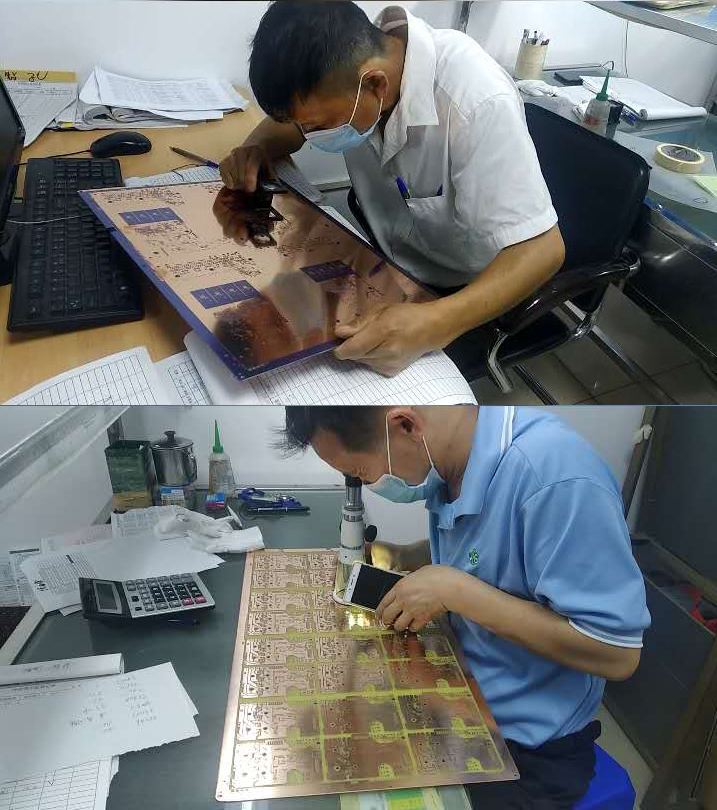
Utilizing state-of-the-art Automated Optical Inspection (AOI) and thermal burn-in chambers, overseen by our dedicated squad of 35 certified QA inspectors to filter out component-level defects prior to final container shipping.
Operating a focused 320㎡ specialized prototype & design cleanroom, complemented by our network of 850+ core global partners, ensuring a resilient component pathway from raw wafer processing to populated PCBA modules.
An in-depth analysis of supply chain architecture, localization, and technical compliance in extreme-environment computing modules.
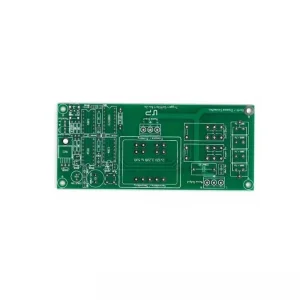
The global automotive industry is undergoing a seismic paradigm shift. Modern passenger vehicles, commercial trucks, and industrial EV fleets are no longer simply mechanical machines; they have evolved into distributed high-performance computing platforms. From Advanced Driver Assistance Systems (ADAS) and Level 4 autonomous driving logic boards to advanced digital cockpits and vehicle-to-everything (V2X) communication nodes, the demand for highly reliable automotive electronics has grown exponentially. At the core of this transition is the necessity for rock-solid memory storage, thermal dissipation elements, and high-density, multi-layer printed circuit boards (PCBs).
“As automotive compute power moves closer to localized AI processing and neural network routing, the electronic assembly must survive wider thermal thresholds, high vibration zones, and intense electromagnetic interference. Only through structured manufacturing processes, certified compliance, and deep component tracing can system developers achieve required Mean Time Between Failures (MTBF).”
In safety-critical applications, compliance is not merely a legal checkpoint—it is the baseline for vehicle occupant safety. CE (Conformité Européenne) certification ensures that the electronics operate safely within specified electromagnetic profiles. It guarantees that our high-speed DRAM modules, motherboard sub-assemblies, and sensor control boards do not emit disruptive radio-frequency energy that could affect safety sensors, nor succumb to ambient EMI fields from electric motor drives or wireless networks.
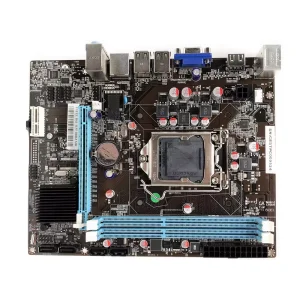
Furthermore, CE certification interfaces with standard quality metrics to demand strict traceability of materials (RoHS and REACH compliance). This ensures the absence of hazardous substances like lead, cadmium, and polybrominated biphenyls. When deploying motherboards in automotive dashboards, like the B760M-G Desktop Computer Motherboard series or customized industrial control modules, meeting these compliance baselines eliminates risk for international system integrators.
Procurement teams at Tier-1 automotive firms operate under rigorous vendor risk-mitigation frameworks. Their checklist goes far beyond unit cost. They require:
NexaRAM Storage Technology Co., Ltd. leverage the unique geographic and operational efficiencies of China's primary hardware clusters. This strategic advantage enables us to connect with more than 850 strategic partners, guaranteeing reliable access to high-grade wafers, copper foils, FR4 substrates, and passive electronic components even during periods of global supply stress.
This ecosystem supports agile prototyping and swift volume scaling. If an automotive client requires a modified layout for a flexible PCB dashboard component, our rapid prototyping path enables design validation, thermal simulation, and production-ready assembly in a fraction of the time required by Western competitors. Combined with our 35-inspector QC framework, this ensures cost-effective scaling without compromising quality.
Autonomous vehicle platforms are essentially edge servers on wheels. They process petabytes of sensor data from LiDAR, RADAR, and CMOS camera arrays. Standard consumer DRAM components cannot handle the processing speeds and thermal stress of these systems.
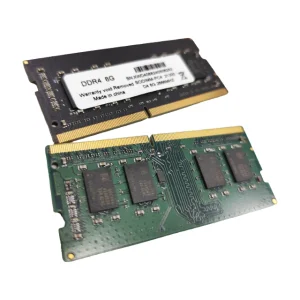
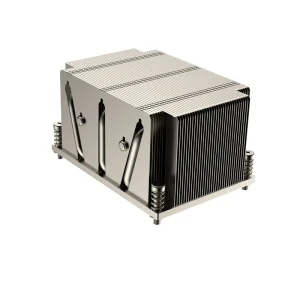
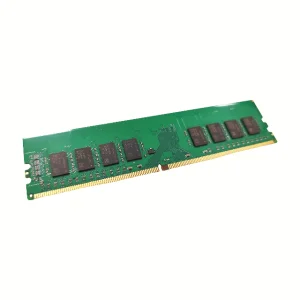
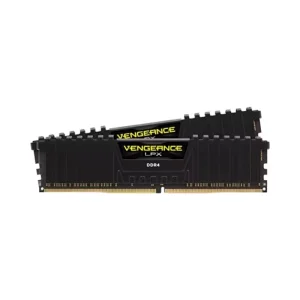
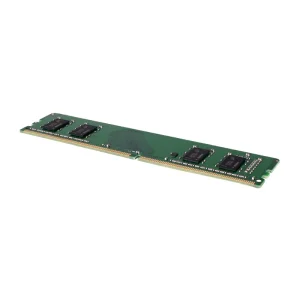
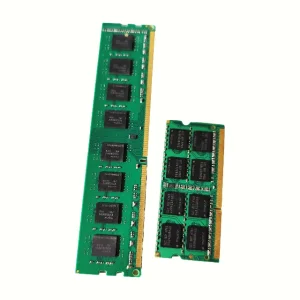
Our engineering division, comprising 180 expert engineers, focuses on custom DRAM module designs (DDR3, DDR4, and high-performance DDR5 architectures) optimized for automotive controllers. These memory kits leverage advanced ECC (Error-Correcting Code) functionality to prevent memory bit-flips caused by cosmic radiation or voltage drops. Furthermore, high-performance computing assemblies require robust thermal solutions. Passive cooling components and multi-pipe server radiators, such as the LGA1700-T67 Refrigeration Chip Server Radiator or custom 5-heatpipe architectures, play an essential role in keeping automotive central processing units and high-speed controllers within safe thermal limits.
An inside look at our advanced manufacturing floor, inspection apparatus, and QA testing jigs.
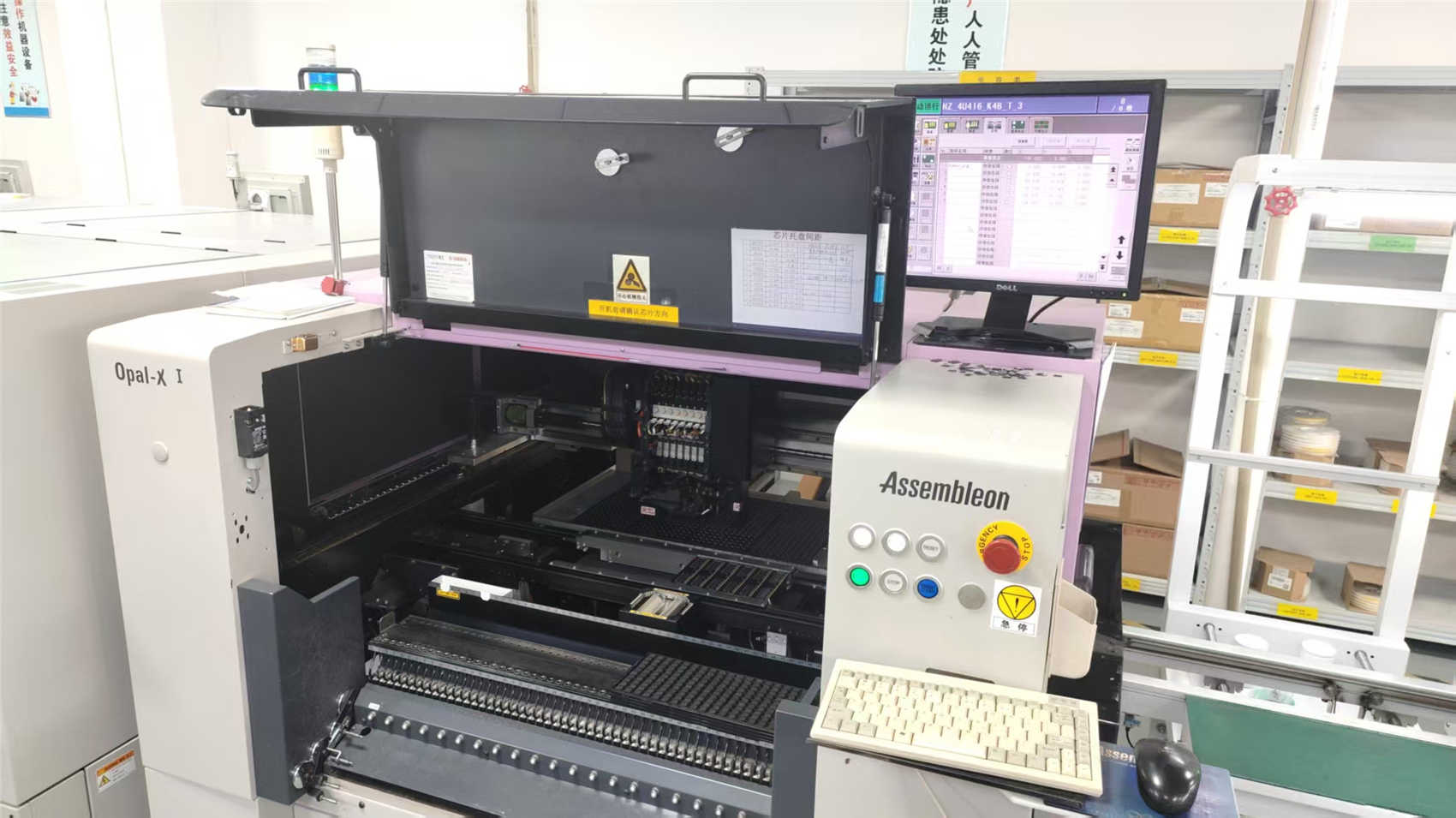
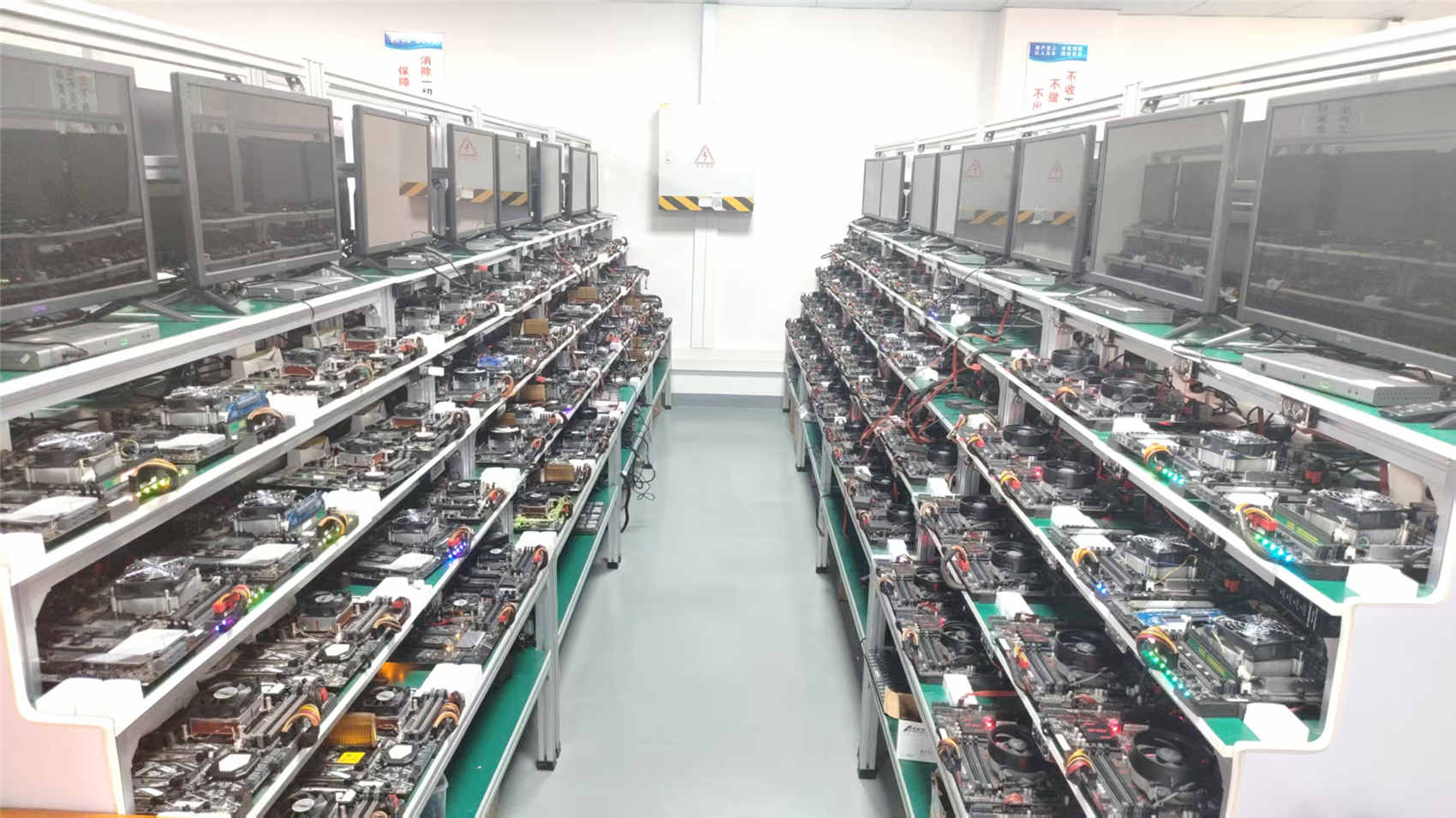
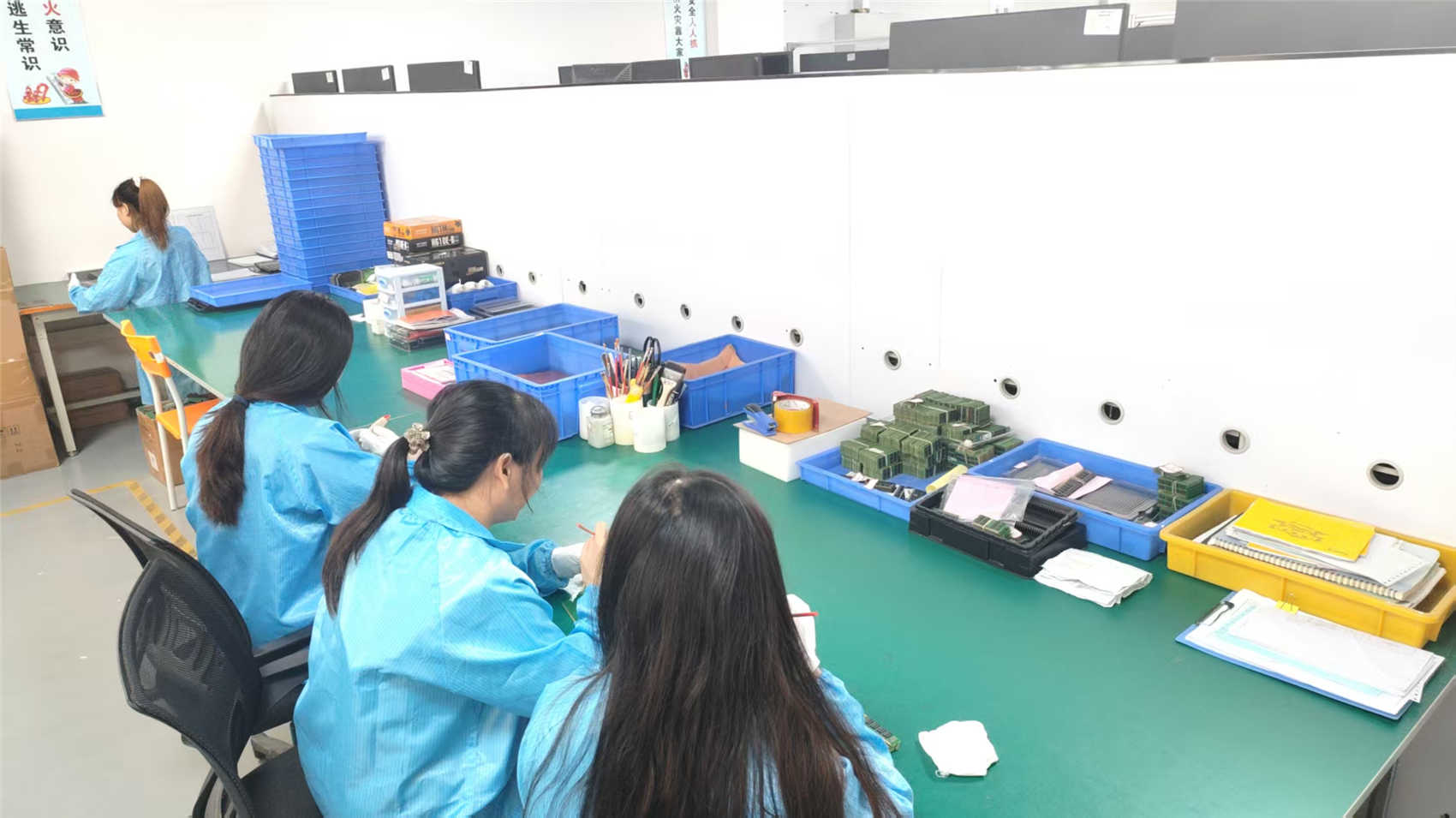
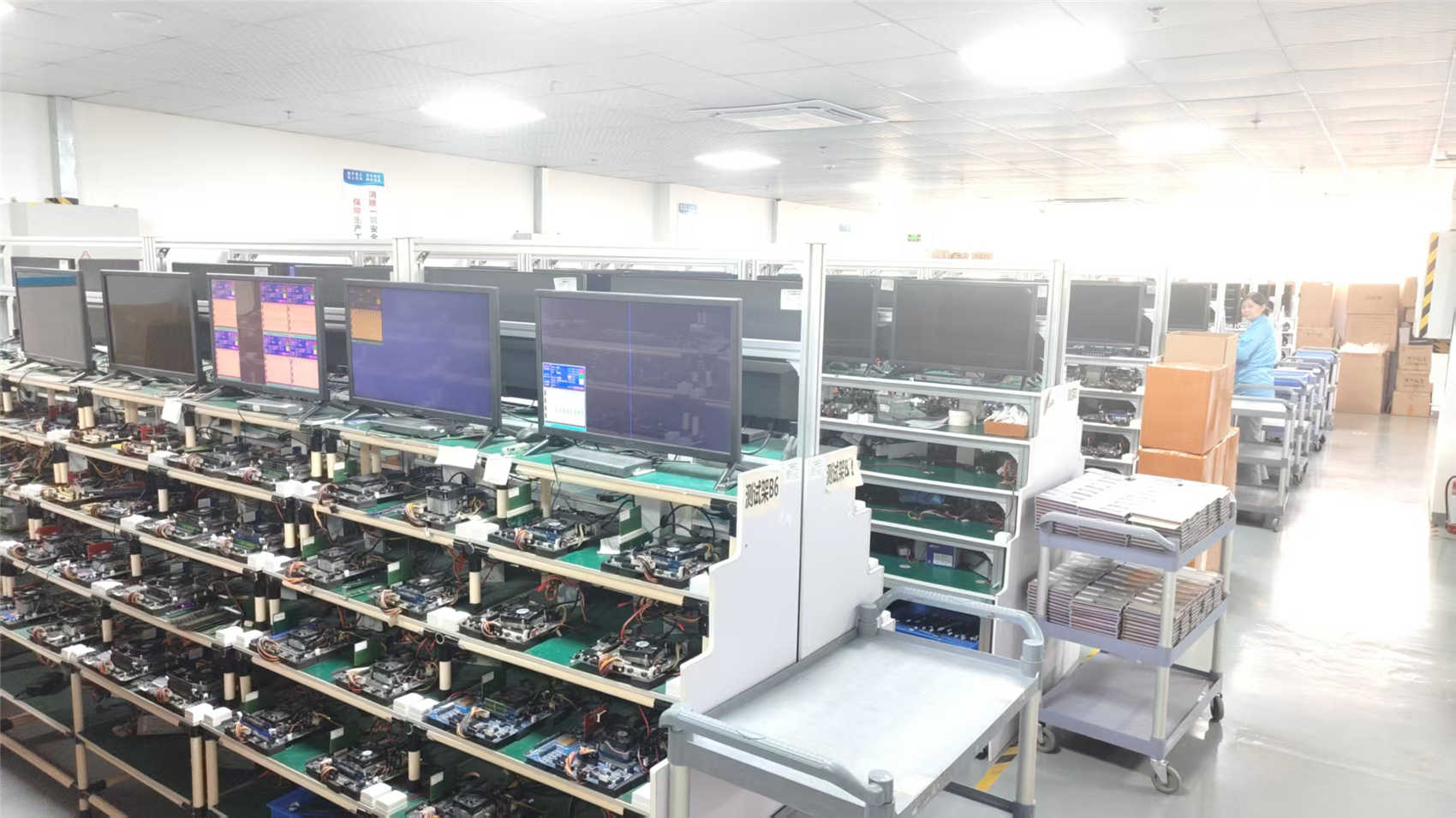
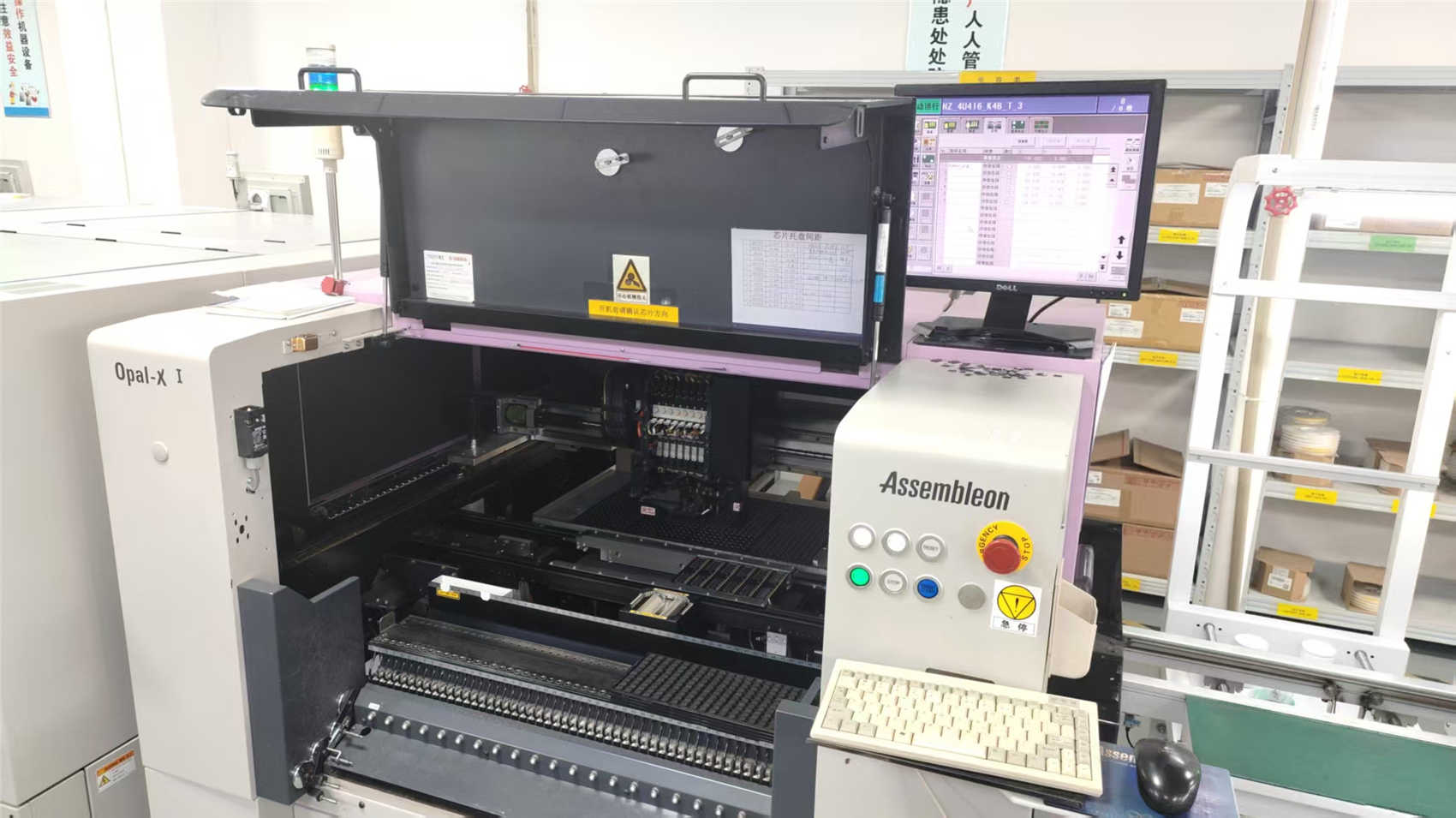
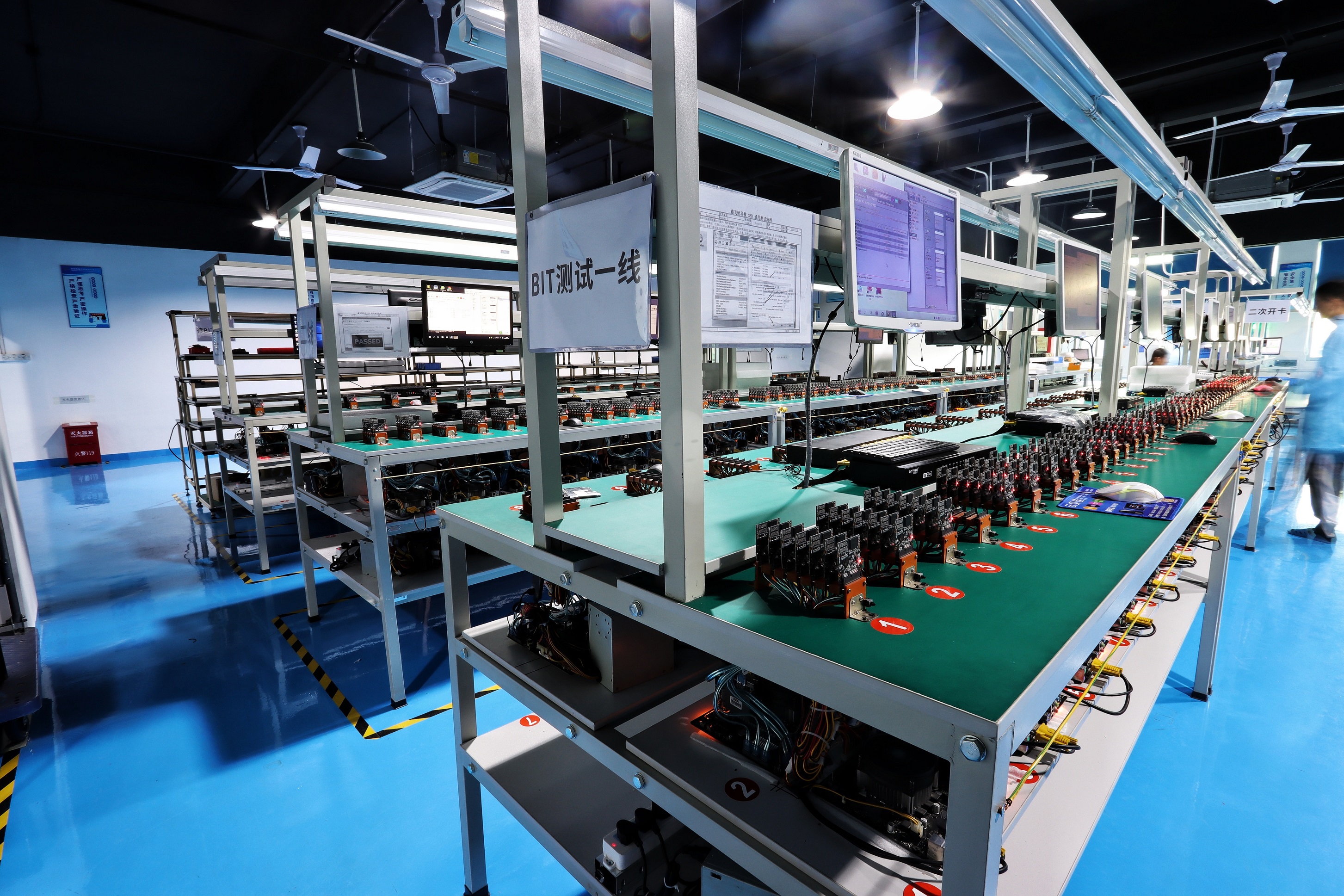
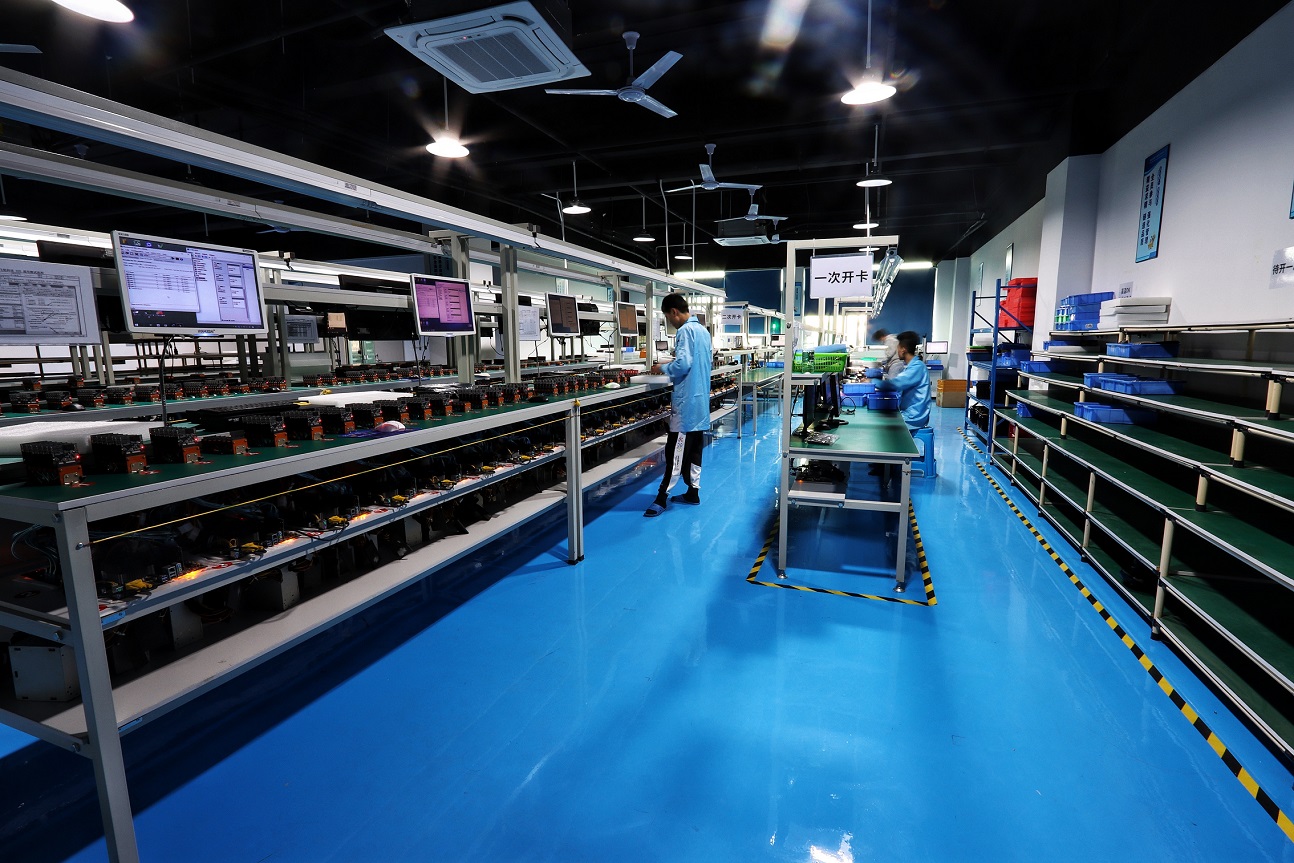
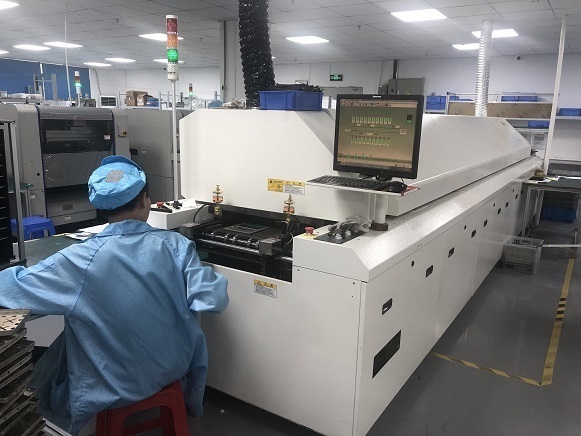
Automotive electronics components perform critical functions in multiple areas of vehicle operation. These key scenarios highlight the need for top-tier component quality:
As vehicle connectivity reaches new heights, consumer-grade memory technologies are no longer sufficient. High-bandwidth DDR5 is fast becoming the standard for next-generation automotive compute units. Offering twice the speed and lower energy draw than DDR4, DDR5 enables on-chip AI chips to evaluate drive hazards in real time. We are working closely with key automotive developers to test customized DDR5 modules under extreme thermal profiles, ensuring they stand up to the severe operating conditions of modern vehicles.
Get answers to common technical and logistical questions about our manufacturing services.
Complete selection of server storage options, motherboard architectures, and custom thermal solutions.