NexaRAM
NexaRAM
NexaRAM
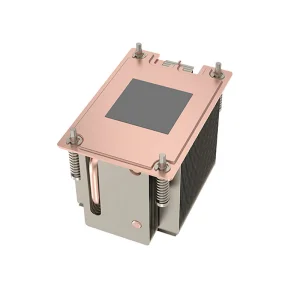
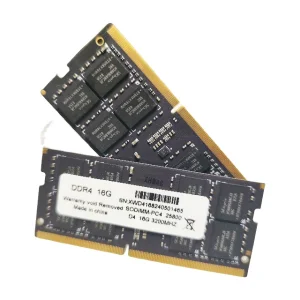
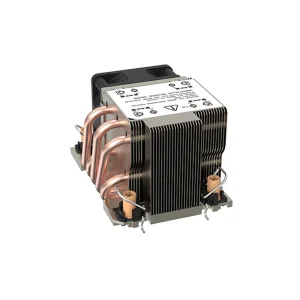
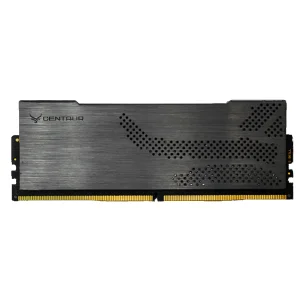
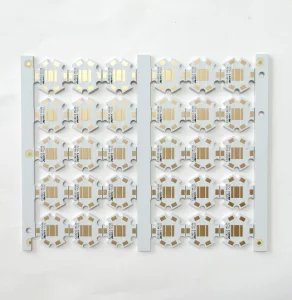
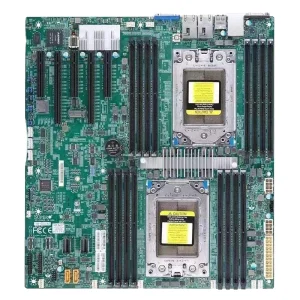
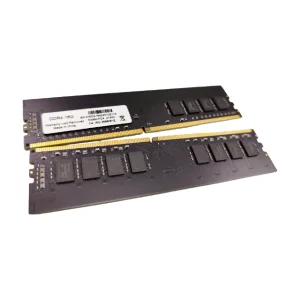
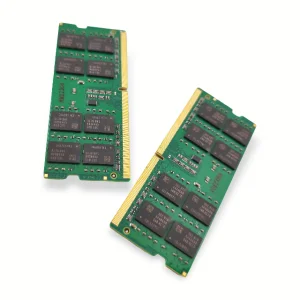
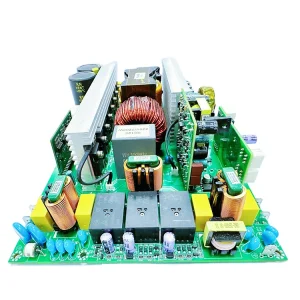
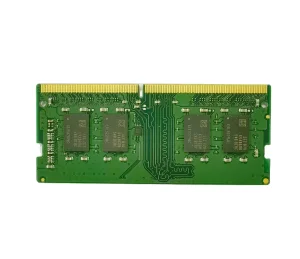
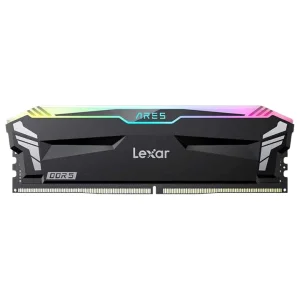
Explore our premium selection of micro-electronics, memory modules, and thermal management units engineered for advanced networking gateways, commercial servers, and industrial systems.
As digital networks scale toward Wi-Fi 6, Wi-Fi 7, and advanced 5G infrastructure, hardware reliability at the base level is crucial. NexaRAM Storage Technology Co., Ltd. (established in 2016) is a premier technology developer and manufacturer specializing in high-frequency hardware substrates, high-speed RAM buffers, thermal systems, and advanced PCB layouts essential for modern communications, smart computing, and IoT gateways.
Operating a highly sophisticated facility with a dedicated infrastructure of 320㎡, NexaRAM leverages its deep domain expertise in DRAM fabrication, high-density multi-layer PCB design, and advanced heat dissipation to address the critical needs of wireless device manufacturers. Wi-Fi modules require tight impedance control, minimal signal attenuation, and high heat resistance to maintain gigabit-speed data packet transfer continuously.
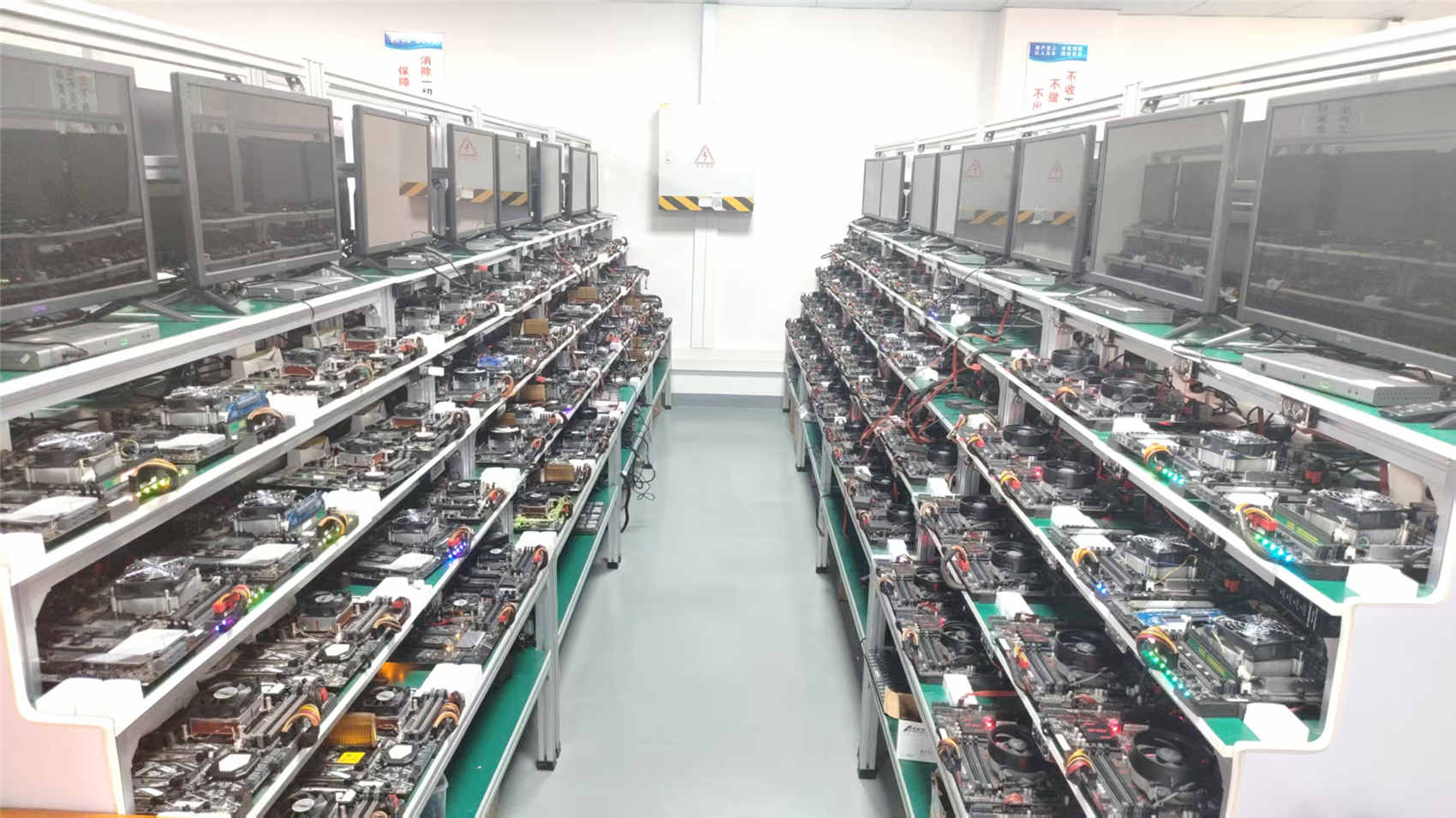
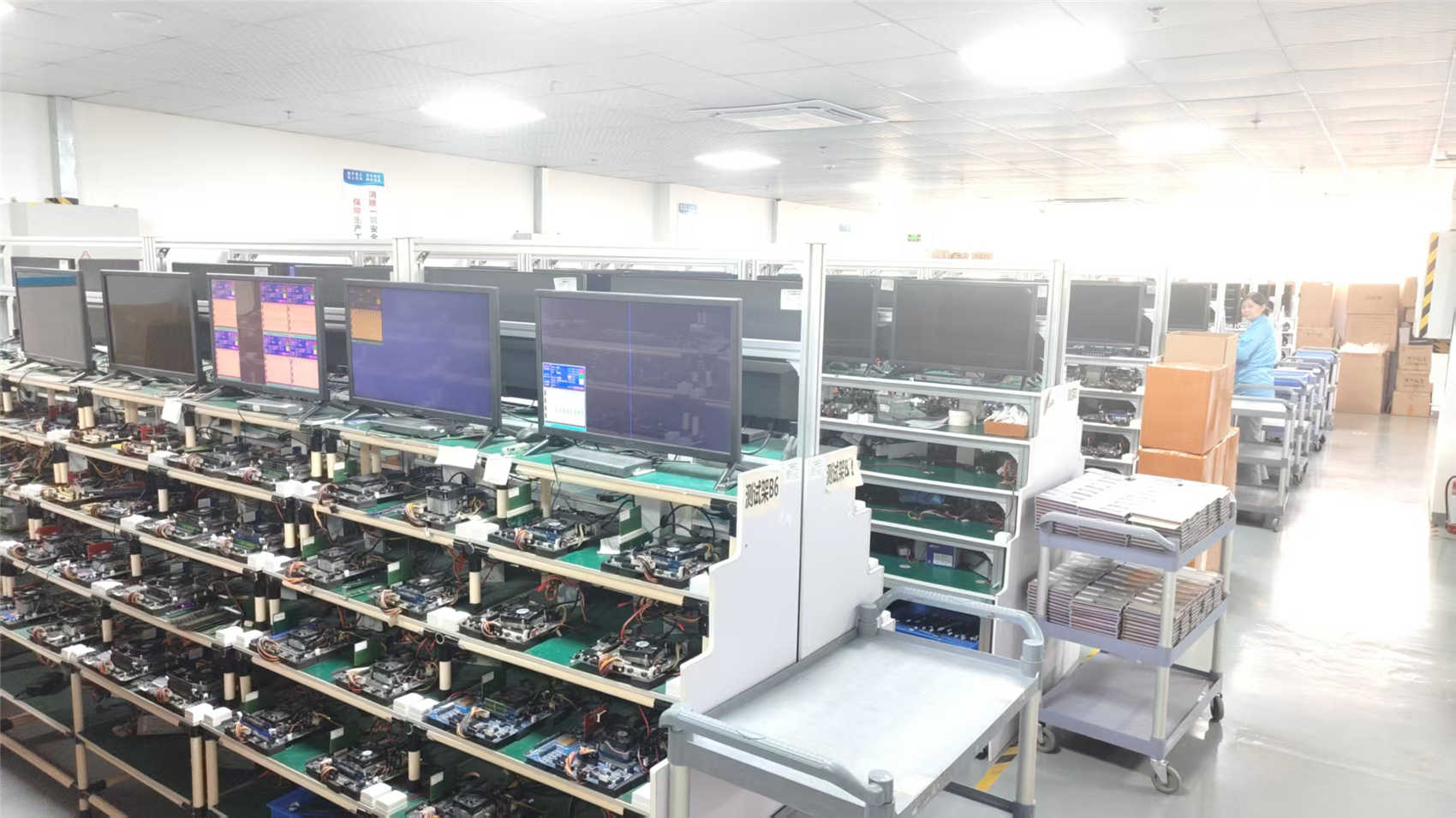
Through rigorous testing workflows—including Automated Optical Inspection (AOI) and high-stress burn-in reliability tests overseen by our comprehensive quality assurance framework—we ensure that every circuit, thermal plate, and memory interface complies with strict global telecommunication standards.
China's manufacturing landscape for wireless connectivity is not just about scale; it is about vertical integration, speed-to-market, and advanced technological expertise.
From base copper-clad laminates (CCL) and FR4 substrates to silicon wafers and transceiver ICs, China’s industrial hubs place raw material suppliers, packaging plants, and testing houses within a 50-mile radius. This reduces shipping lead times, guarantees supply chain resilience, and allows NexaRAM to offer stable procurement pricing through our network of over 850 strategic partners.
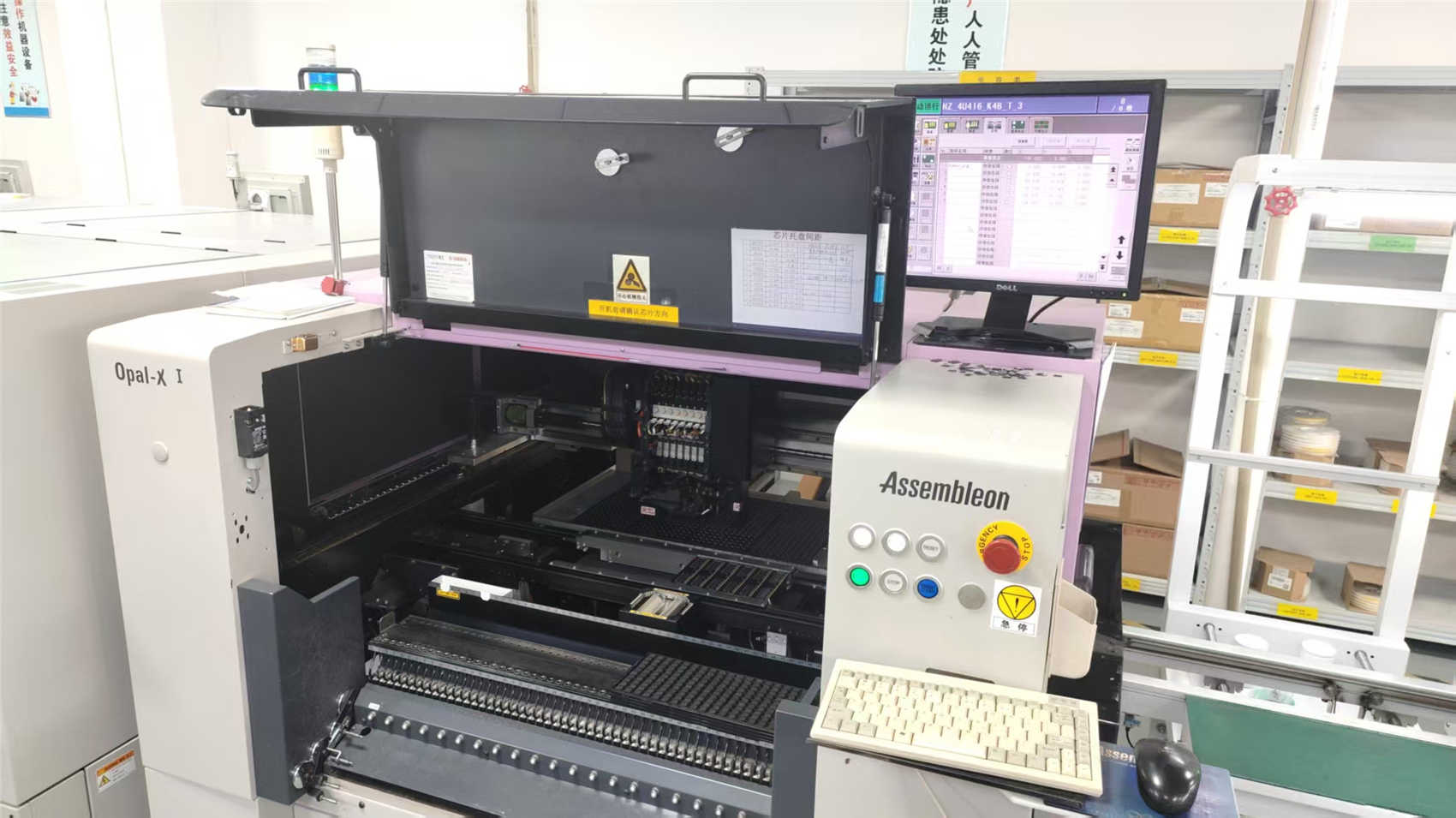
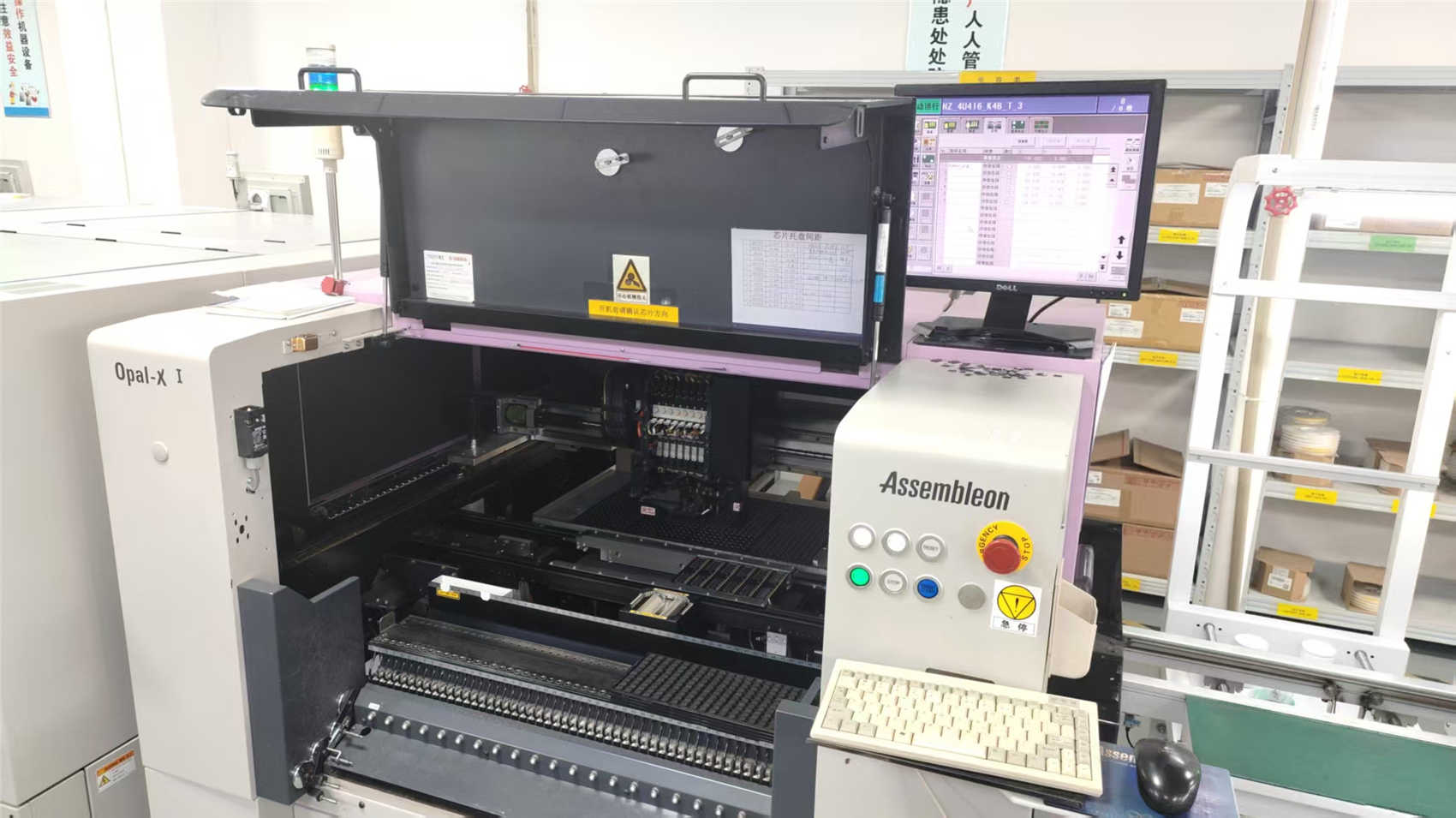
Modern Wi-Fi 6E and Wi-Fi 7 modules demand ultra-compact layouts, such as System-in-Package (SiP) and Land Grid Array (LGA) packaging. Chinese factories deploy state-of-the-art Surface Mount Technology (SMT) lines capable of placement accuracy down to ±0.01 mm, enabling the integration of RF front-end modules, power amplifiers (PA), low-noise amplifiers (LNA), and baseband chipsets into small footprints.
Global enterprise buyers require custom antenna arrays (IPEX connectors, PCB trace antennas, or ceramic patch antennas), tailored firmware, and specialized thermal profiles. With 180+ R&D engineers, NexaRAM provides high-frequency PCB layouts, frequency tuning, and integrated cooling solutions designed to keep wireless processors from thermal throttling during heavy packet transmissions.
The wireless module ecosystem is transitioning from simple client devices to intelligent, multi-band nodes capable of real-time computing and low-latency operation.
Wi-Fi 7 brings Multi-Link Operation (MLO), allowing modules to transmit and receive data simultaneously across multiple frequency bands (2.4 GHz, 5 GHz, and 6 GHz). This requires advanced high-speed PCB layouts with optimized shielding to prevent inter-channel interference, alongside high-performance cache memories to buffer large data flows.
Edge devices now run lightweight AI models locally. Modern Wi-Fi modules often incorporate built-in neural processing units (NPUs) or work alongside high-capacity RAM buffers (such as DDR4 or DDR5) to process security cameras, environmental sensors, and telemetry data before transmitting it to the cloud.
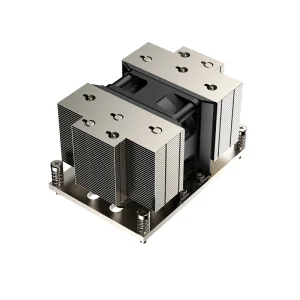
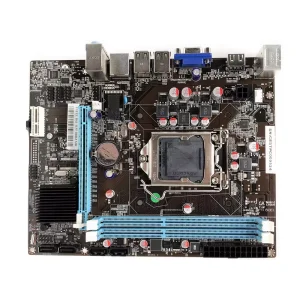
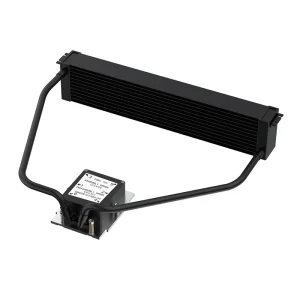
As transmission speeds climb, thermal generation rises. Advanced dual-channel motherboards, copper-aluminum composites, and custom-engineered heat sinks are essential to prevent data packets from dropping due to high thermal loads in densely packed gateway routers.
High-performance Wi-Fi modules and their underlying hardware architectures serve as the backbone for various modern digital transformations:
Providing low-latency, real-time wireless communication for automated guided vehicles (AGVs), robotic assembly lines, and industrial control PLCs in high-EMI environments.
Supporting in-vehicle infotainment, telemetry systems, and over-the-air (OTA) updates using rugged, temperature-resistant automotive-grade Wi-Fi and Bluetooth chipsets.
Enabling secure, long-range wireless telemetry for photovoltaic inverters, battery management systems (BMS), and remote power distribution modules.
Using high-frequency PCBs, fast DDR5 RAM cache buffers, and robust cooling solutions to handle high-density computing tasks and heavy traffic routing.
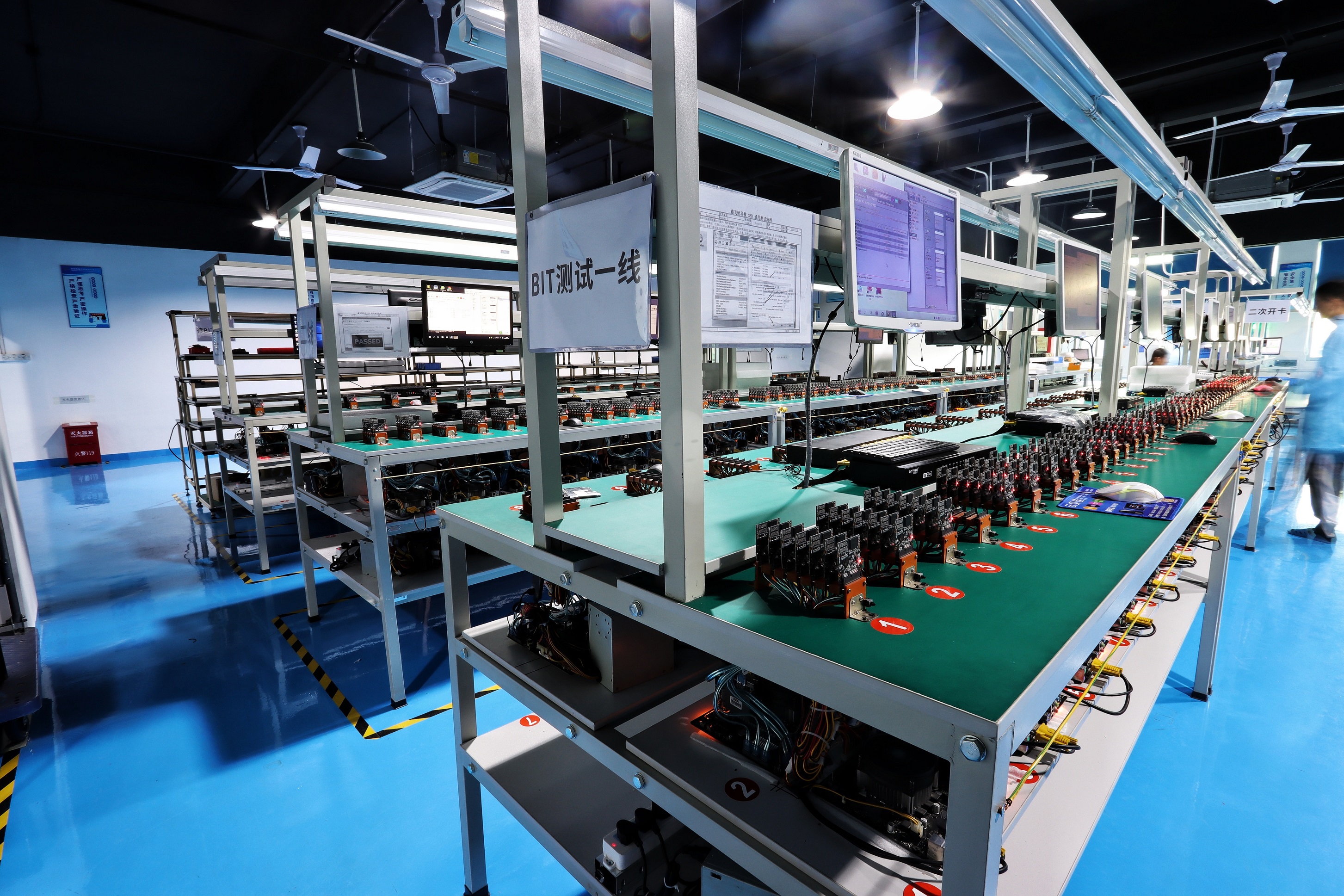
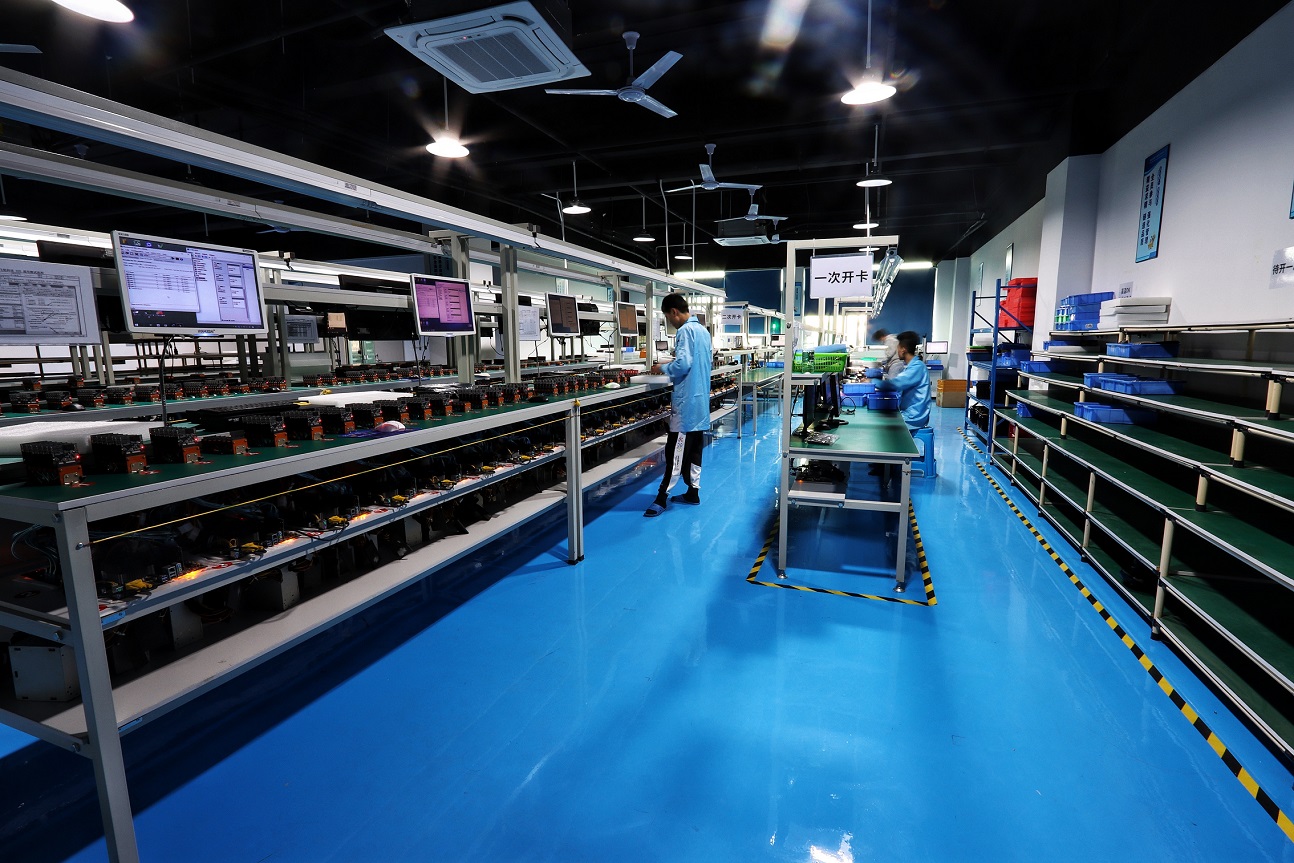
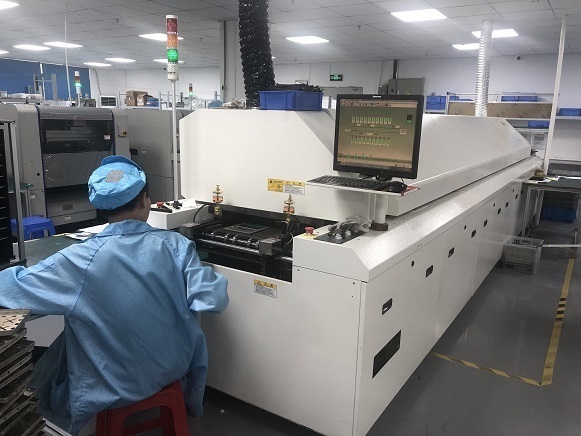
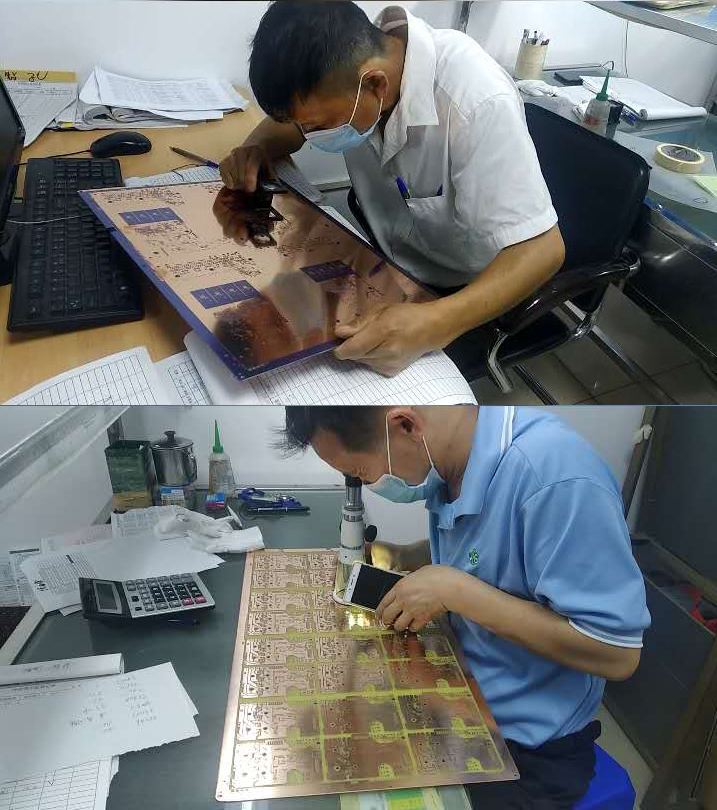
Take a look inside our quality-controlled assembly, SMT inspection, and functional verification lines. Every product undergoes strict testing to meet target standards.

Find authoritative answers to technical considerations, quality protocols, and customization options when sourcing wireless components and PCB assemblies from China.
Look for factories with ISO9001 and IATF16949 (for automotive) certifications, dedicated SMT lines, and cleanrooms. Verify that they conduct 100% Automated Optical Inspection (AOI) and post-assembly functional tests. Additionally, check their capability to handle high-frequency circuit layouts, RF shielding, and impedance matching.
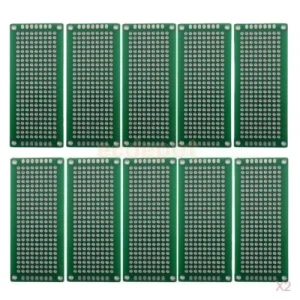
Reliable manufacturers design multi-layer PCBs with dedicated ground planes, route RF signals using microstrip configurations, and integrate metal shielding cans over the RF front-end. NexaRAM uses premium double-sided FR4 and high-density substrates to ensure minimal EMI and high signal integrity.
High-speed transceivers operating in hot conditions can experience thermal throttling, which reduces data rates. Using aluminum or copper heat sinks, specialized thermal pads, and metal-core PCBs helps dissipate heat away from the RF processor and amplifiers, maintaining steady throughput.
Yes. Through OEM/ODM services, experienced manufacturers provide custom PCB shapes, antenna options (such as IPEX connectors, PCB traces, or ceramic antennas), and tailored firmware configurations to meet specific security protocols (like WPA3 Enterprise) or IoT requirements (such as MQTT or CoAP).
Modules undergo visual inspections via AOI, RF calibration, X-ray solder checks for BGA chips, and burn-in chamber tests at high temperatures to identify early component failures. These protocols help guarantee a long service life for devices deployed in challenging environments.
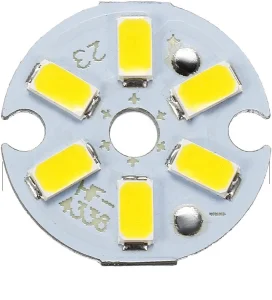
Browse our range of high-frequency RAM, system motherboards, and PCBA solutions, built to provide the hardware foundation for next-generation wireless communication networks.