 NexaRAM
NexaRAM
NexaRAM
High-performance computing units, dynamic thermal cooling, and precision memory layout configurations optimized for high-refresh-rate VR systems and enterprise processing pipelines.
How the demands of real-time latency, high-density rendering, and edge computing are transforming virtual reality equipment engineering globally.
The global Virtual Reality (VR), Augmented Reality (AR), and Mixed Reality (MR)—collectively referred to as Spatial Computing or Extended Reality (XR)—landscape is undergoing a massive architectural shift. Historically constrained to low-resolution consumer entertainment, the modern VR ecosystem now interfaces with critical industrial operations, advanced medical procedures, complex tactical simulations, and real-time collaborative engineering. Today’s spatial display resolutions demand upwards of 4K per eye, requiring massive data throughput speeds and sub-millisecond execution loops to prevent motion-to-photon latency anomalies that lead to simulator sickness.
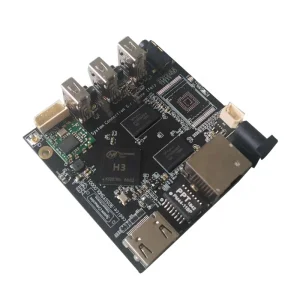
To support these massive computing overheads, the backend system infrastructure of VR hardware has evolved. Device manufacturers are shifting from simple system-on-chip (SoC) architectures to complex, high-bandwidth compute solutions. Low-power, high-performance DRAM modules, advanced multilayer printed circuit boards (PCBs), and specialized heatsink solutions are the unsung heroes of this paradigm shift. Whether processing local telemetry on a custom Rockchip RK3588S motherboard with a dedicated Neural Processing Unit (NPU) or rendering photorealistic spaces via a multi-GPU server infrastructure cooled by 205W LGA3647 thermal assemblies, hardware component stability dictates software immersion thresholds.
The primary design bottleneck in modern VR head-mounted displays (HMDs) is thermal and processing throttling. If a headset’s processing unit overheating threshold is reached, clock speeds drop, frame rates plummet below 90 frames per second, and user immersion breaks. Consequently, VR engineering necessitates tight synergy between compact, high-efficiency motherboards, specialized thin-film flexible PCBs (FPCs), high-performance low-latency RAM modules, and highly optimized cooling brackets. As an exporter out of China's premier industrial electronics cluster, we solve these core hardware limitations by providing global OEMs with certified components engineered for continuous operation under heavy computational load.
An inside look at our advanced memory manufacturing capabilities, strategic component ecosystems, and strict engineering compliance protocols.
NexaRAM Storage Technology Co., Ltd. is a professional DDR5 memory and high-performance computing component manufacturer specializing in cutting-edge hardware solutions for global OEMs, industrial data centers, and advanced spatial computing applications. Established in 2016, the company has rapidly scaled to become an essential hardware pillar in the international computing supply chain, delivering components that meet the rigorous data transmission requirements of VR rendering systems.
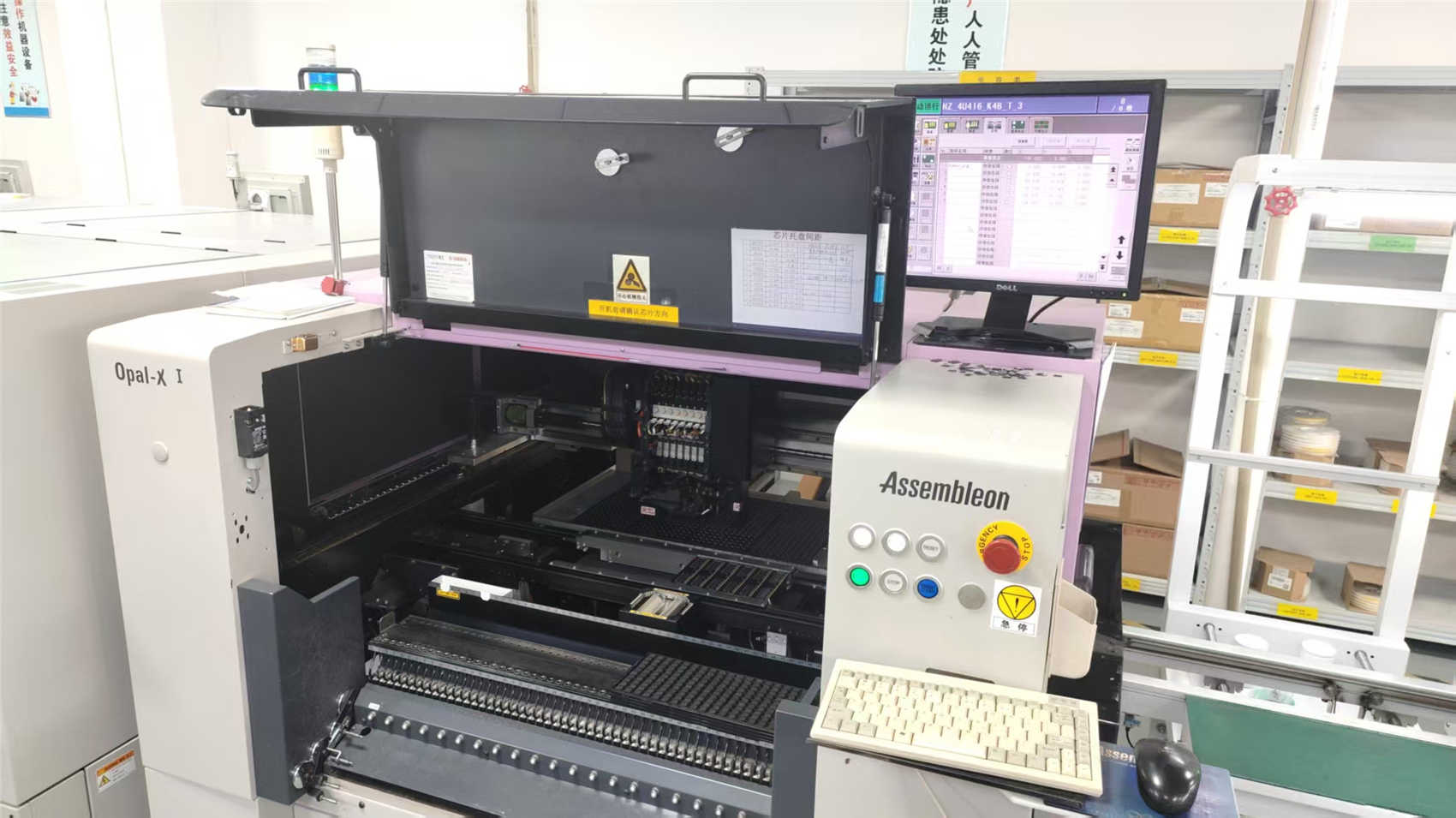
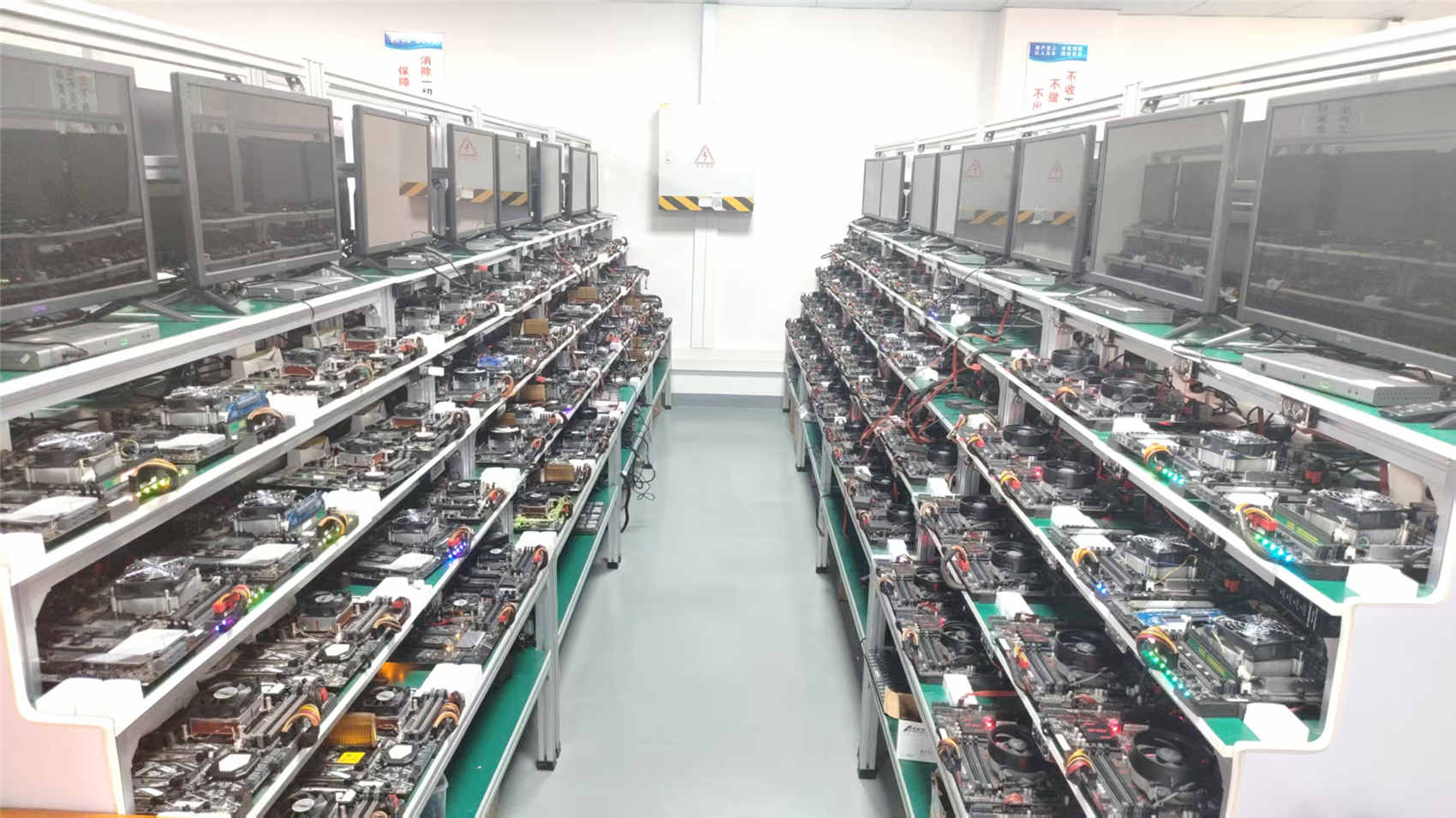
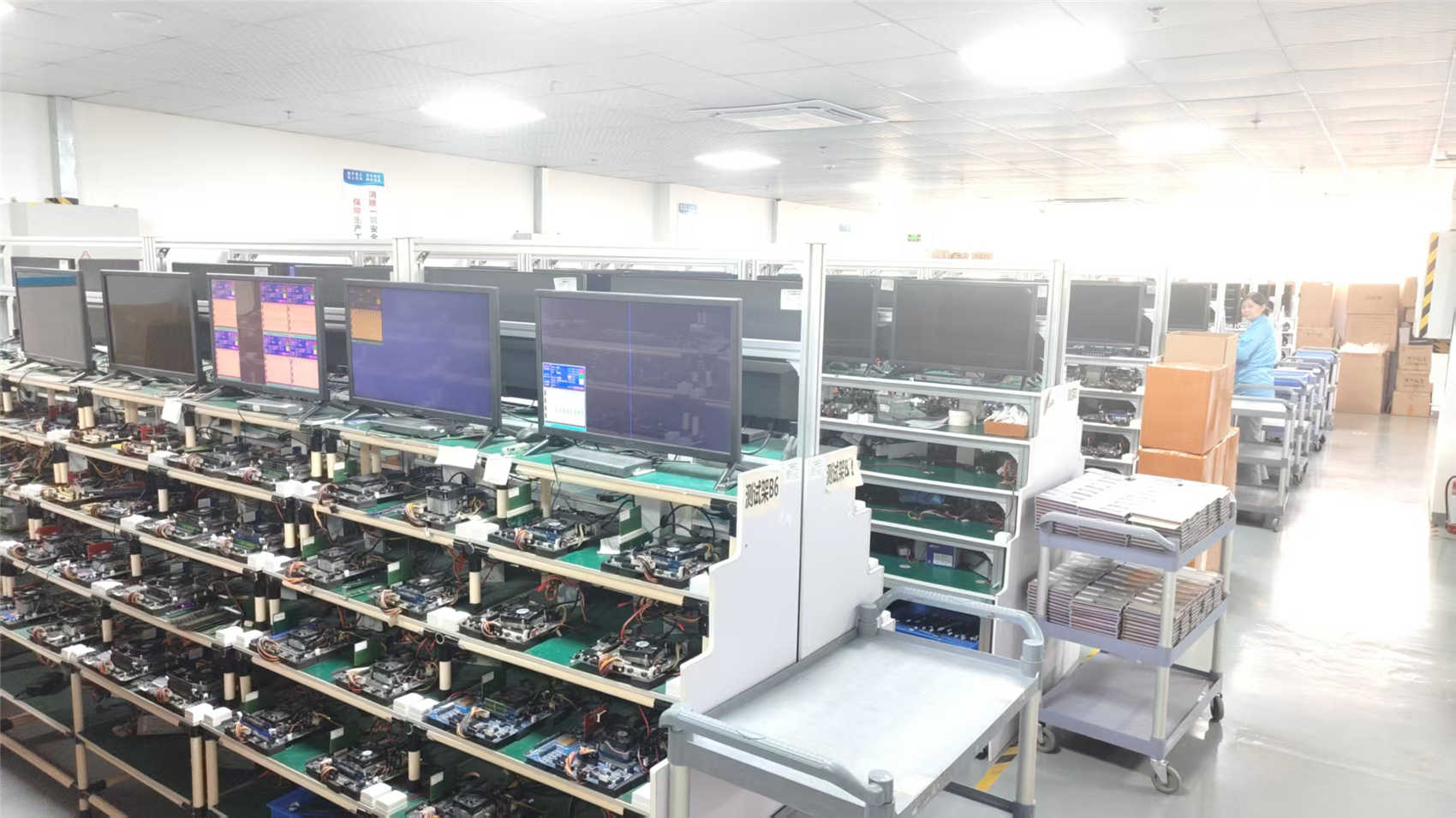
Operating out of a modern production facility featuring advanced testing laboratories and assembly spaces, NexaRAM leverages its strategic position within China's premier semiconductor manufacturing clusters to secure high-performance raw materials. Our export operations are highly optimized, yielding an annual export revenue of approximately USD 12 million. Supported by 6 years of export experience and 12 years of industry experience in DRAM architecture, motherboard fabrication, and advanced semiconductor packaging, NexaRAM brings unmatched authority and reliability to spatial computing infrastructure projects globally.
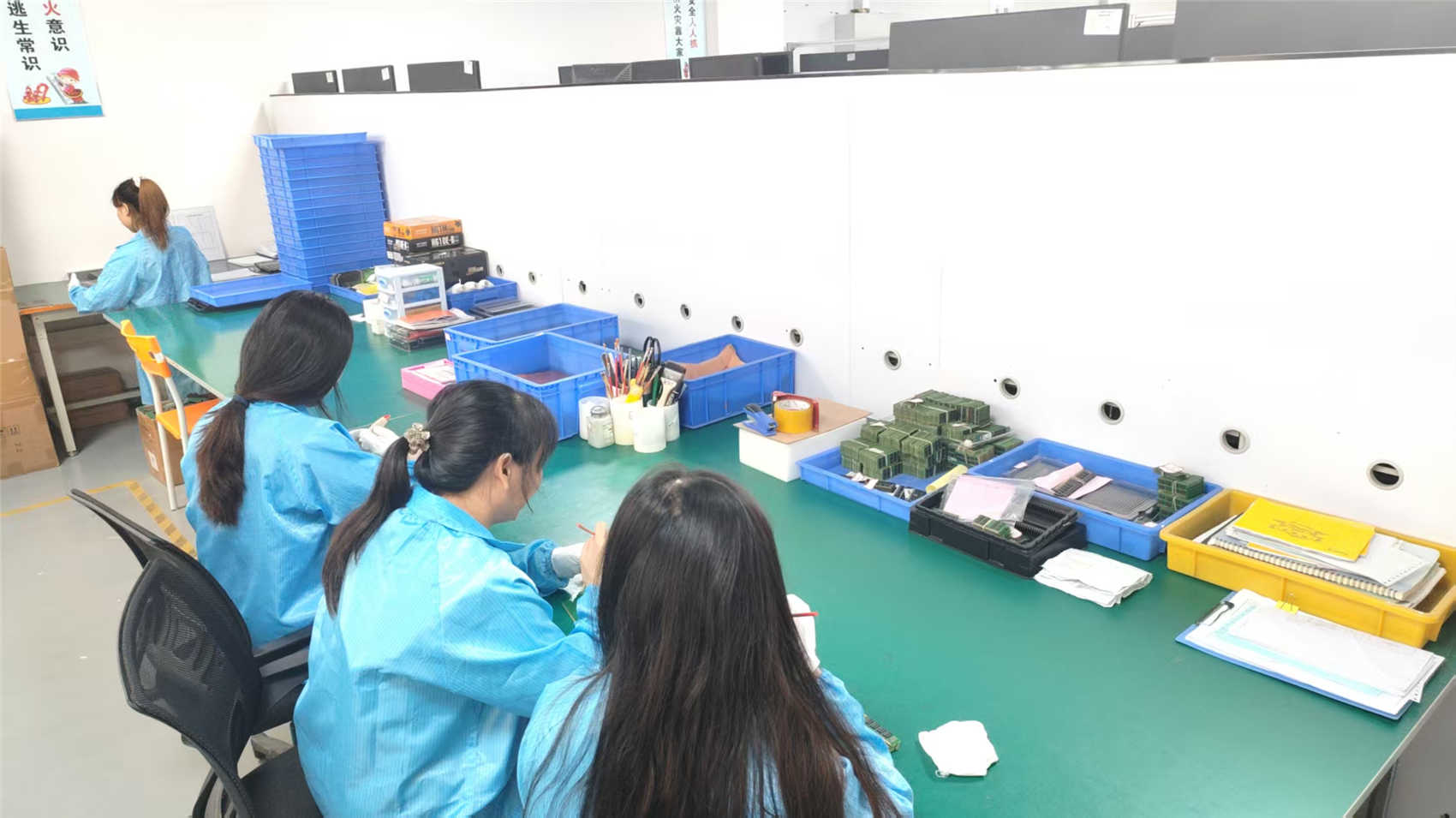
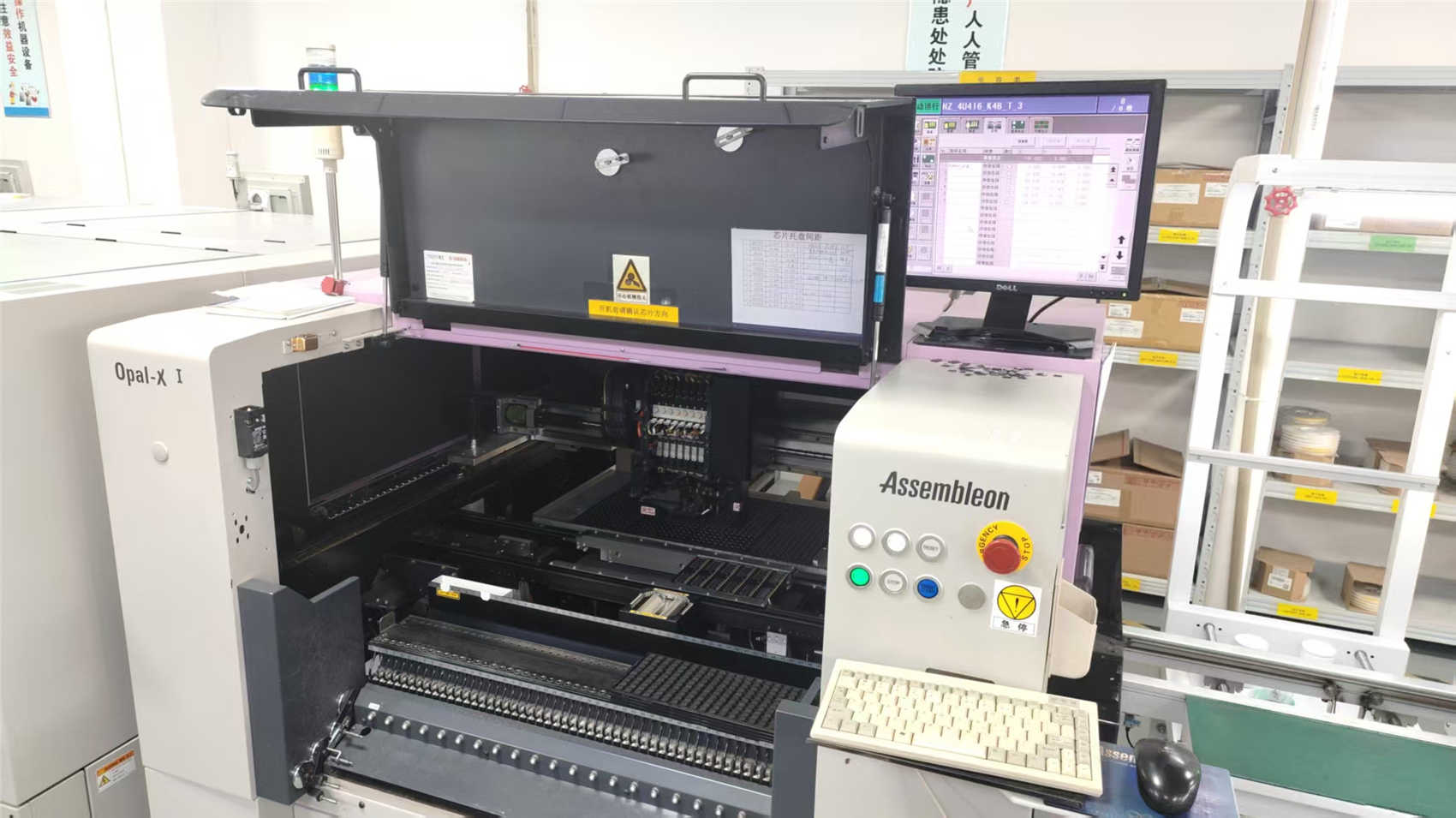
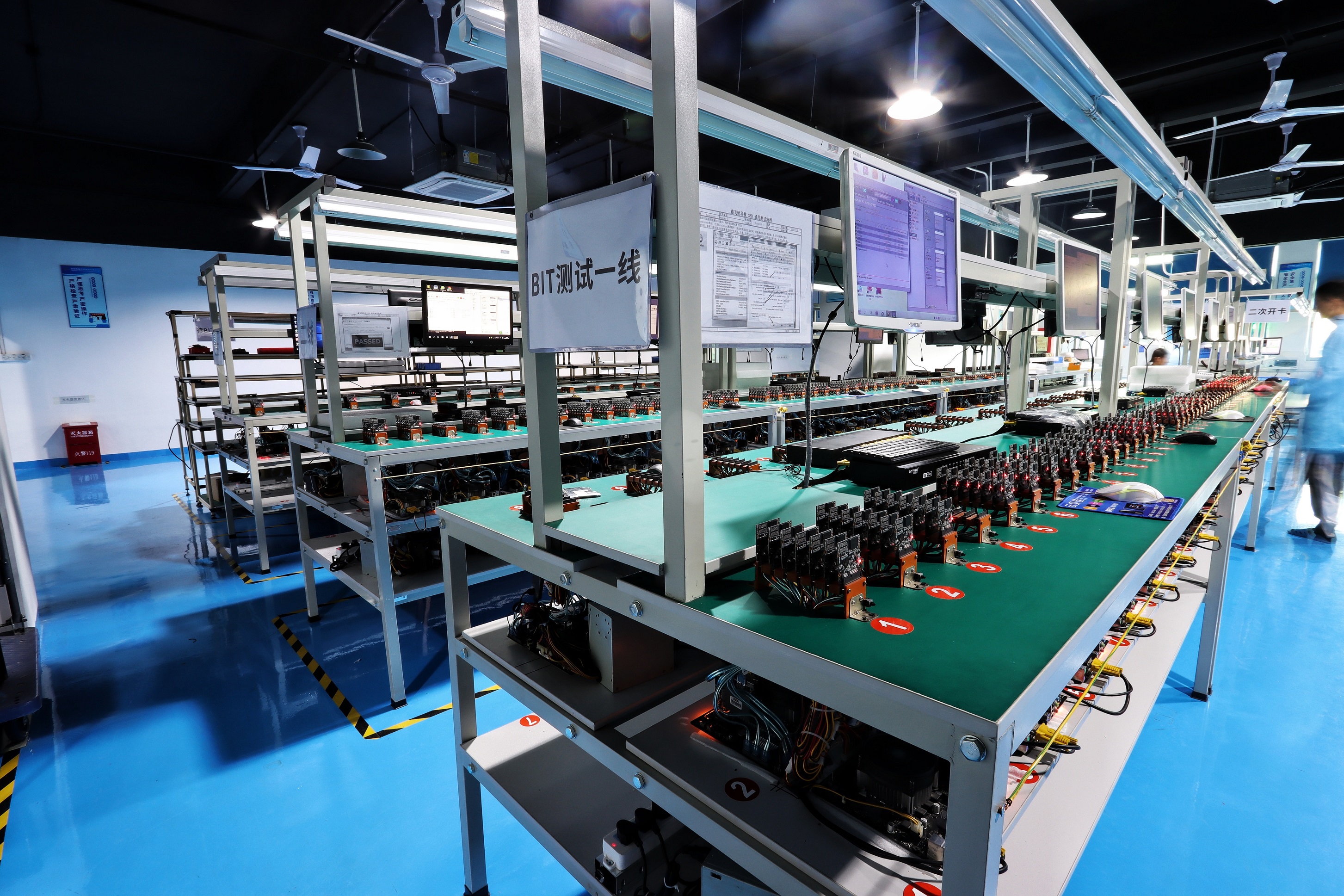
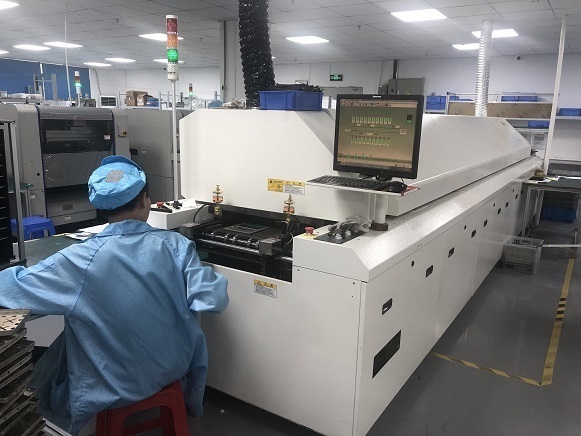
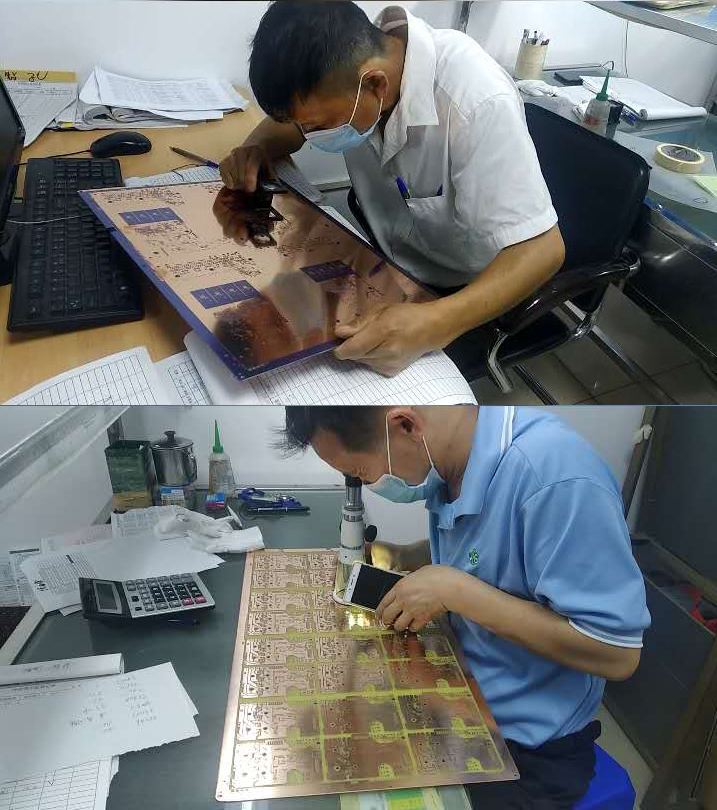
Quality control at NexaRAM is strictly managed through a multi-stage validation matrix. We combine high-speed automated optical inspection (AOI) loops with rigorous burn-in reliability testing under dynamic thermal loads to identify component weaknesses before packaging. Guided by our dedicated team of 35 quality control inspectors, we ensure compliance with major international standards. Our supply chain ecosystem links over 850 strategic partners, allowing us to maintain stable pricing and continuous output of high-grade memory chips, multi-layer PCBs, and copper-pipe thermal designs even during global supply line fluctuations.

Why modern virtual reality setups require specialized motherboard architectures, advanced RAM configurations, and high-wattage thermal dissipation.
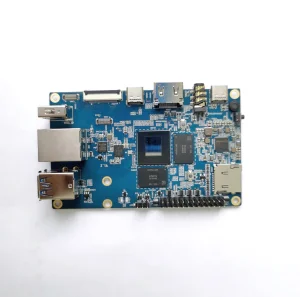
For standalone HMD development, developers utilize specialized platforms like the Rockchip RK3588S. Boasting an 8-core CPU layout and an integrated 6 TOPS NPU, this architecture demands fine-tuned LPDDR4X or LPDDR5 channels to execute onboard positional tracking and hand-tracking AI layers.
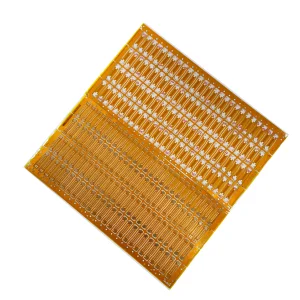
VR HMD design is structurally restrictive, requiring components to fit within tight envelopes. Flexible printed circuits (FPCs) and multi-layered rigid PCBs (often up to 10-12 layers) are routed dynamically with blind/buried microvias to prevent electromagnetic interference (EMI) near display components.
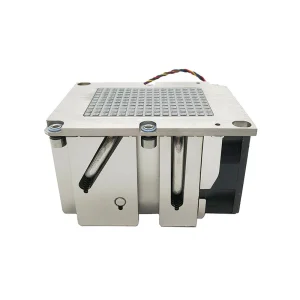
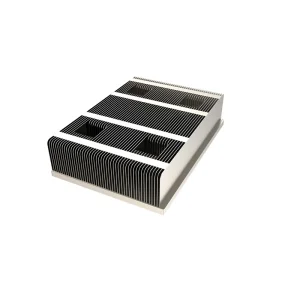
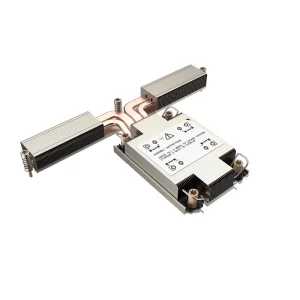
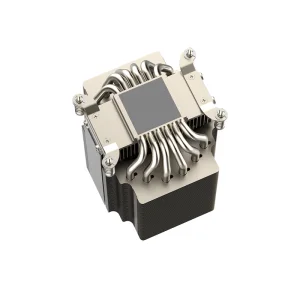
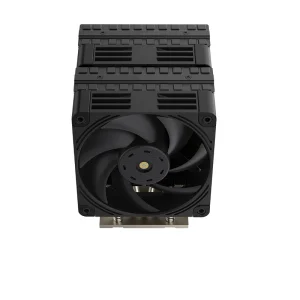
Passive extrusion or multi-heatpipe cooling systems are required to handle thermal demands. Modern VR platforms and local tracking servers utilize performance-grade copper and aluminum radiators (such as SP5 2U, SP3, and LGA4677 heatsinks) to maintain system stability under continuous operations.
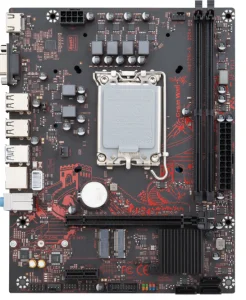
By producing our own line of high-performance components—ranging from LGA1700 H610 motherboards to custom-tuned PCBA architectures, FPC keyboard connections, and high-wattage air/water-cooled heatsinks—we offer global VR builders a single source for foundational system hardware. Every component is optimized to reduce thermal thresholds and eliminate throughput bottlenecks, delivering stable latency performance for consumer headsets, simulation systems, and spatial computing networks alike.
From industrial simulations and surgical planning to spatial server rendering: how premium hardware components perform across various deployment scenarios.
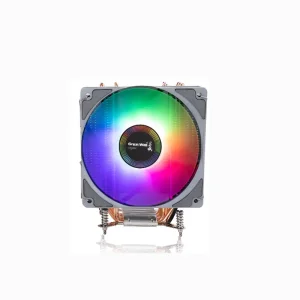
In high-risk fields like heavy industrial manufacturing, aerospace engineering, and tactical military simulation, virtual training scenarios must match real-world physical behaviors without dropped frames. System motherboards like the LGA1700 or server-grade SP3 sockets must handle complex physics calculations and high-fidelity rendering pipelines simultaneously. Reliable thermal regulation, managed through high-performance 220W copper-aluminum coolers, ensures training engines can run uninterrupted for hours at a time.
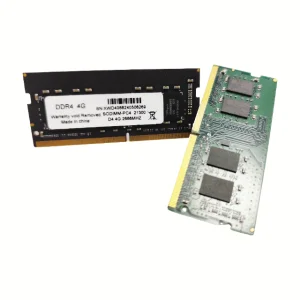
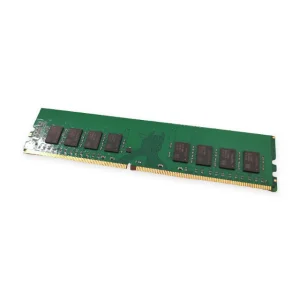
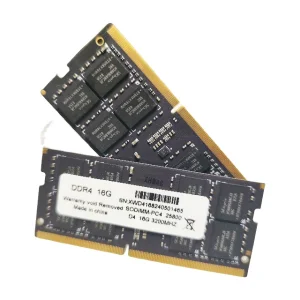
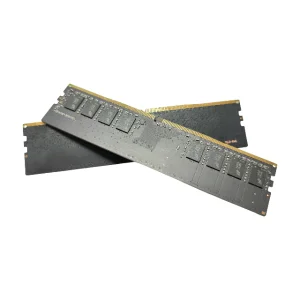
Precision medical applications, such as VR-guided pre-surgical planning or virtual anatomy diagnostic models, require zero-compromise rendering accuracy. Medical workstations rely on high-frequency RAM, such as NexaRAM's DDR4/DDR5 ECC modules, to eliminate memory errors and protect data integrity. Operating rooms and diagnostics suites demand clean layouts, which are supported by custom, fine-pitch multi-layer PCBs and flexible circuit assemblies (FPC) that guarantee reliable signals in sensitive medical areas.
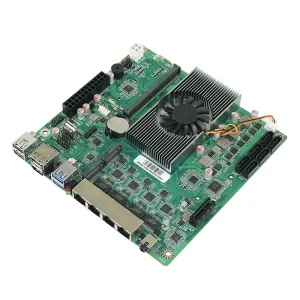
The rise of localized spatial environments—where multiple headsets interact in a shared physical area—demands dedicated local computing nodes. Small-footprint Mini-ITX motherboards, such as the N100 dual-M.2 server boards, are deployed on-site to handle spatial coordinates, network traffic, and real-time environment sync. These edge devices require highly compact, low-profile cooling and modular memory kits to work reliably inside enclosed server cabinets and temporary event venues.
Engineered to ensure high data throughput, extreme thermal dissipation, and long-term durability for enterprise and spatial computing applications.
Essential strategies for B2B buyers evaluating Chinese manufacturing partners, hardware customization cycles, and supply chain logistics.
For international procurers, sourcing components for spatial headsets or compute servers involves more than just unit-cost analysis. The integration of high-bandwidth memory chips, specialized PCBs, and customized copper-pipe heatsinks requires a deep review of each vendor's engineering competence and supply-chain stability. Working with an experienced electronics exporter like NexaRAM helps global buyers mitigate common manufacturing pitfalls, including signal integrity loss, thermal management failures, and component incompatibilities.
A typical VR hardware development workflow involves several critical phases to transition from initial concept to mass production:
By keeping R&D and QA workflows in-house, NexaRAM accelerates these development cycles. Our engineering team helps customers navigate design decisions, ensuring every custom board, memory kit, or cooling unit is optimized for mass production and complies with international standards.
Common questions regarding spatial computing hardware, component customization, factory audits, and procurement compliance answered by our engineering team.