NexaRAM
NexaRAM
NexaRAM
High-performance processing boards, system memories, and high-frequency circuit substrates configured for low-latency signal pathways.
In the modern era of high-speed telecommunications, autonomous vehicles, and industrial edge intelligence, the role of Digital Signal Processors (DSPs) has expanded dramatically. Moving far beyond traditional mathematical accelerators, modern DSPs act as the core math engine for real-time applications requiring minimal latency and maximum computational density. The proliferation of real-time sensor fusion and high-fidelity audio/video streaming has created a strong market shift towards heterogeneous computing architectures, where DSPs work in tandem with ARM cores and FPGA fabrics.
One of the primary trends shaping the digital signal processing market is the migration towards low-power, multi-core system-on-chip (SoC) integration. Legacy systems relied heavily on discrete, standalone DSP chips. Today, engineering teams seek complex chipsets integrating high-speed Analog-to-Digital Converters (ADCs), Digital-to-Analog Converters (DACs), and specialized hardware accelerators directly on-chip. This layout drastically minimizes physical footprints and power budgets while maximizing data transfer speeds.
Next-generation DSP designs deploy parallel vector math blocks, enabling concurrent execution of Fast Fourier Transforms (FFT) and Finite Impulse Response (FIR) filtering on multiple channels.
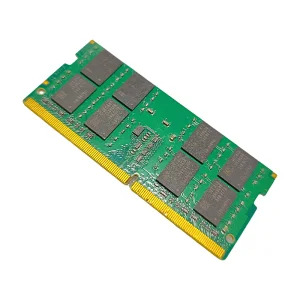
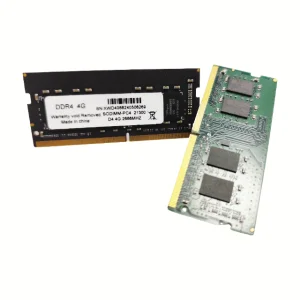
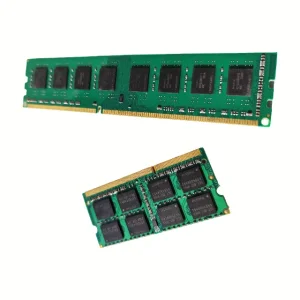
Integrating DDR4 and DDR5 ECC RAM directly with high-performance processing modules ensures uninterrupted data pipelines, vital for real-time signal analysis in telecom and automation systems.
What enterprise buyers look for in wholesale DSP suppliers and components integration ecosystems.
Industrial and automotive programs operate on 7 to 15-year life cycles. Procuring systems from suppliers with strict lifecycle management, such as NexaRAM's extensive ecosystem of 850+ supply chain partners, mitigates EOL (End-of-Life) component disruption.
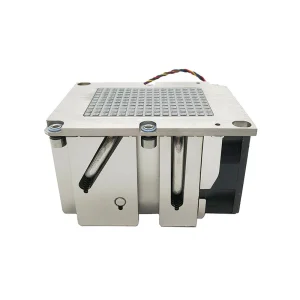
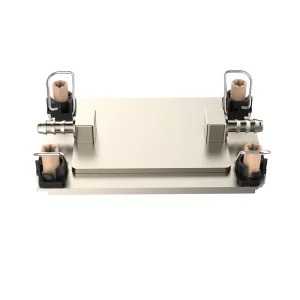
DSPs running continuous math routines generate intense localized heat. Enterprise systems require advanced thermal solutions, such as specialized copper/aluminum heat sinks and aluminum-substrate high-frequency PCBs, to prevent thermal throttling.
For radar, medical imaging, and server arrays, data corruption is not an option. Integrating Error-Correcting Code (ECC) memories alongside processors ensures single-bit errors are corrected on the fly, maintaining critical application uptime.
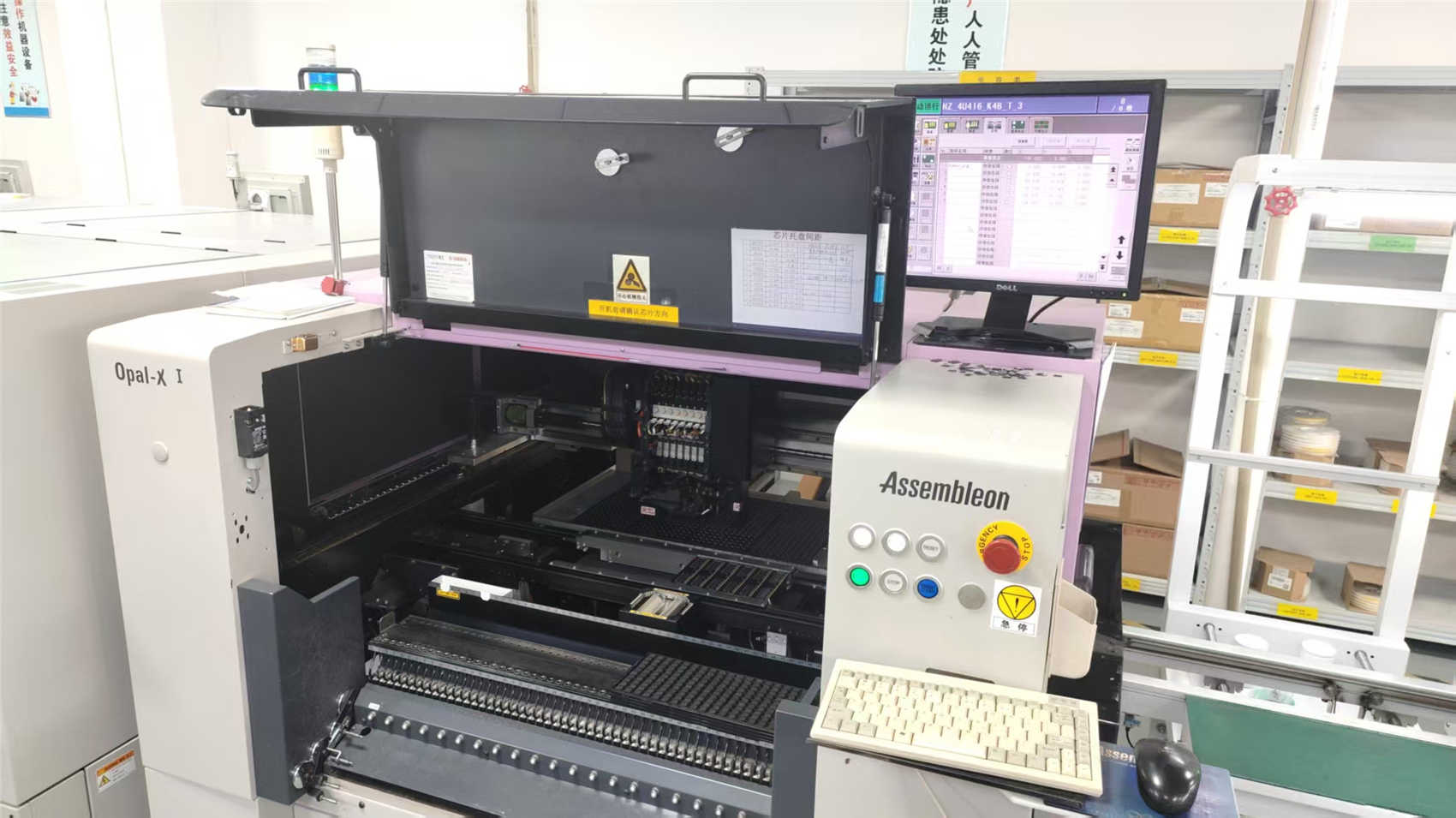
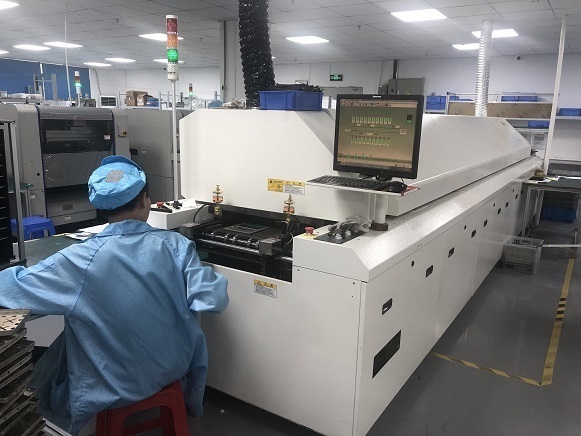
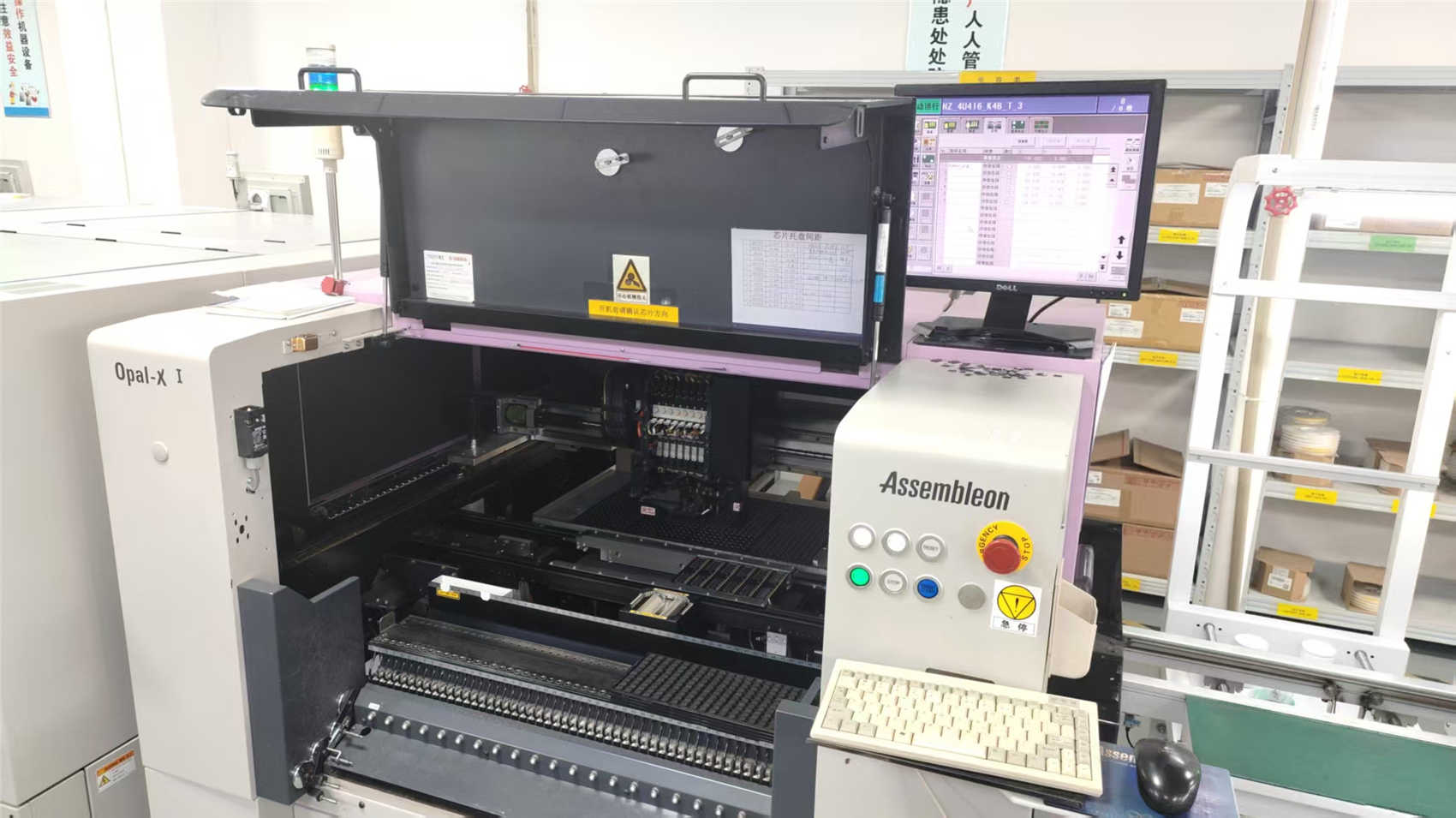
The modern Chinese semiconductor manufacturing paradigm has evolved from basic assembly to intelligent, fully automated Factory 4.0 operations. Through closed-loop computerized manufacturing systems, high-speed SMT (Surface Mount Technology) lines, and automated physical verification protocols, factories guarantee high consistency and throughput.
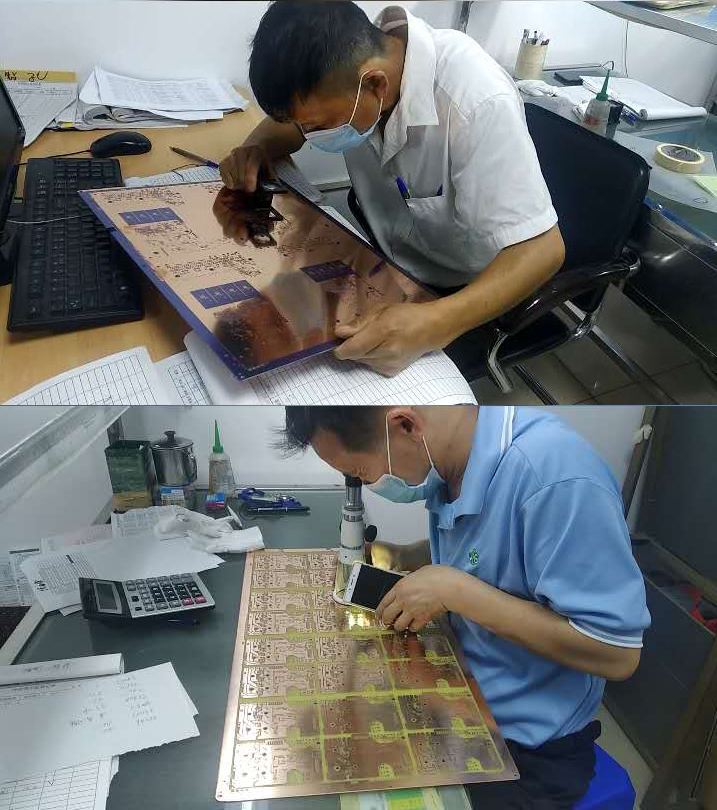
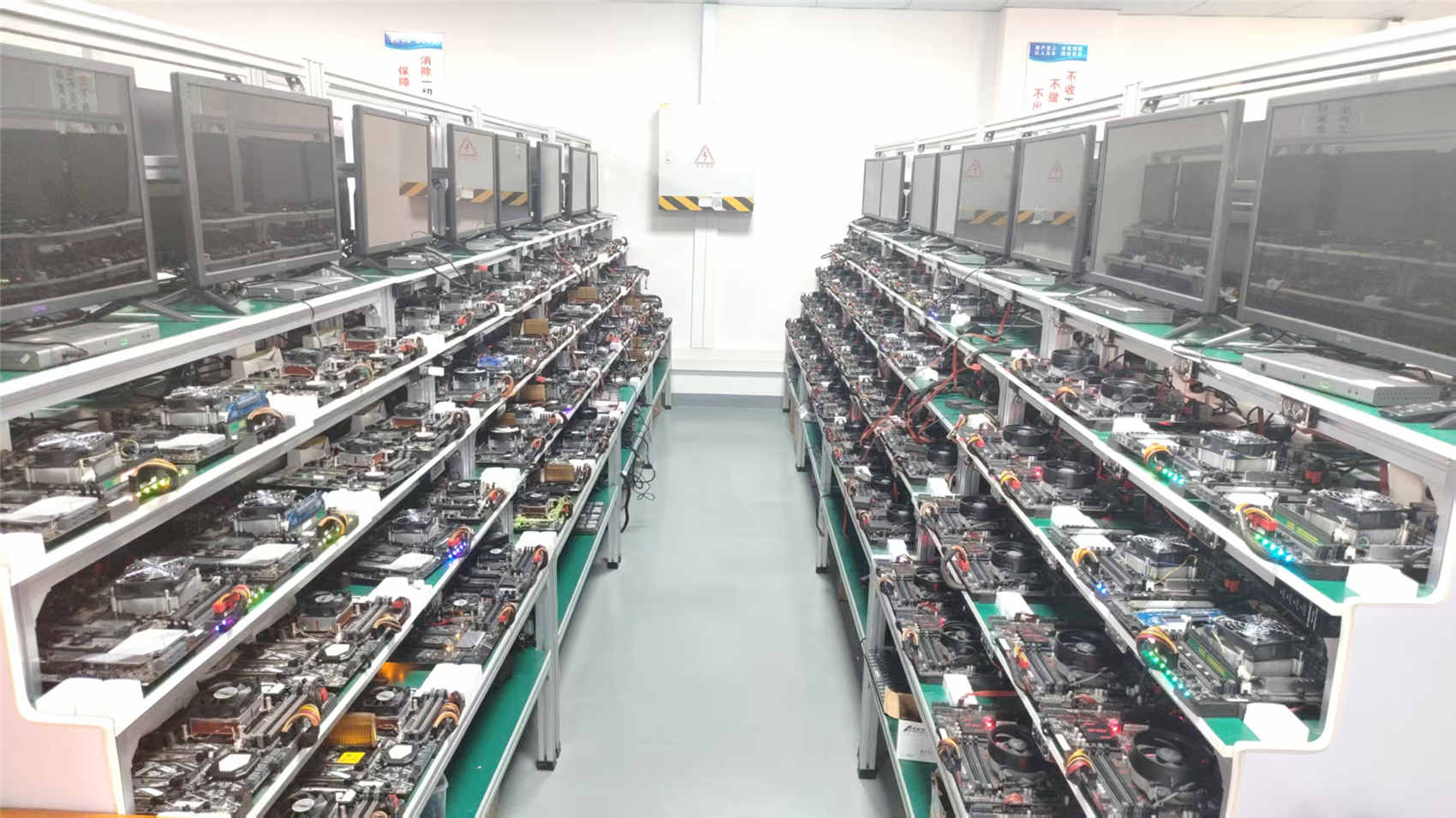
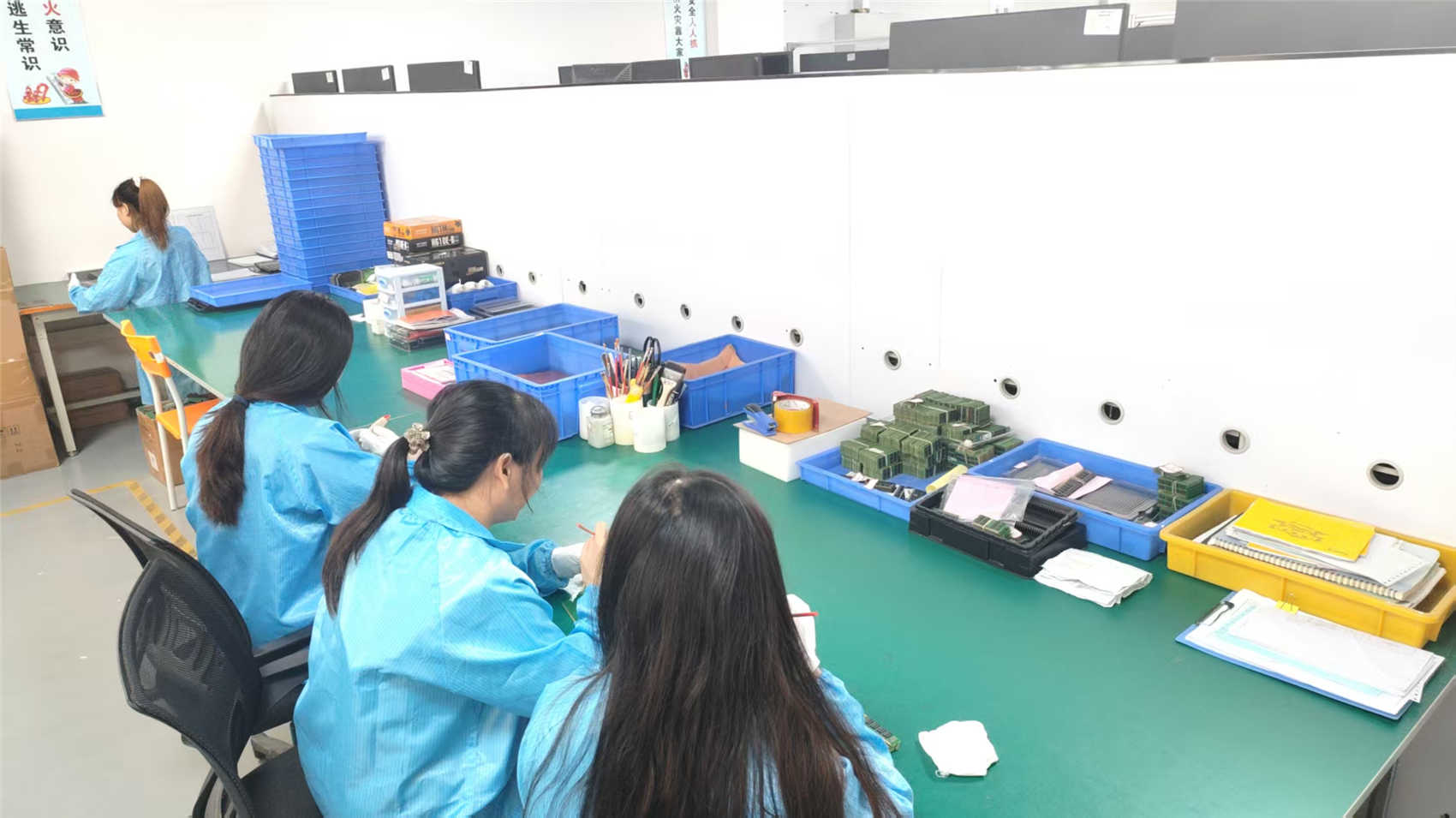
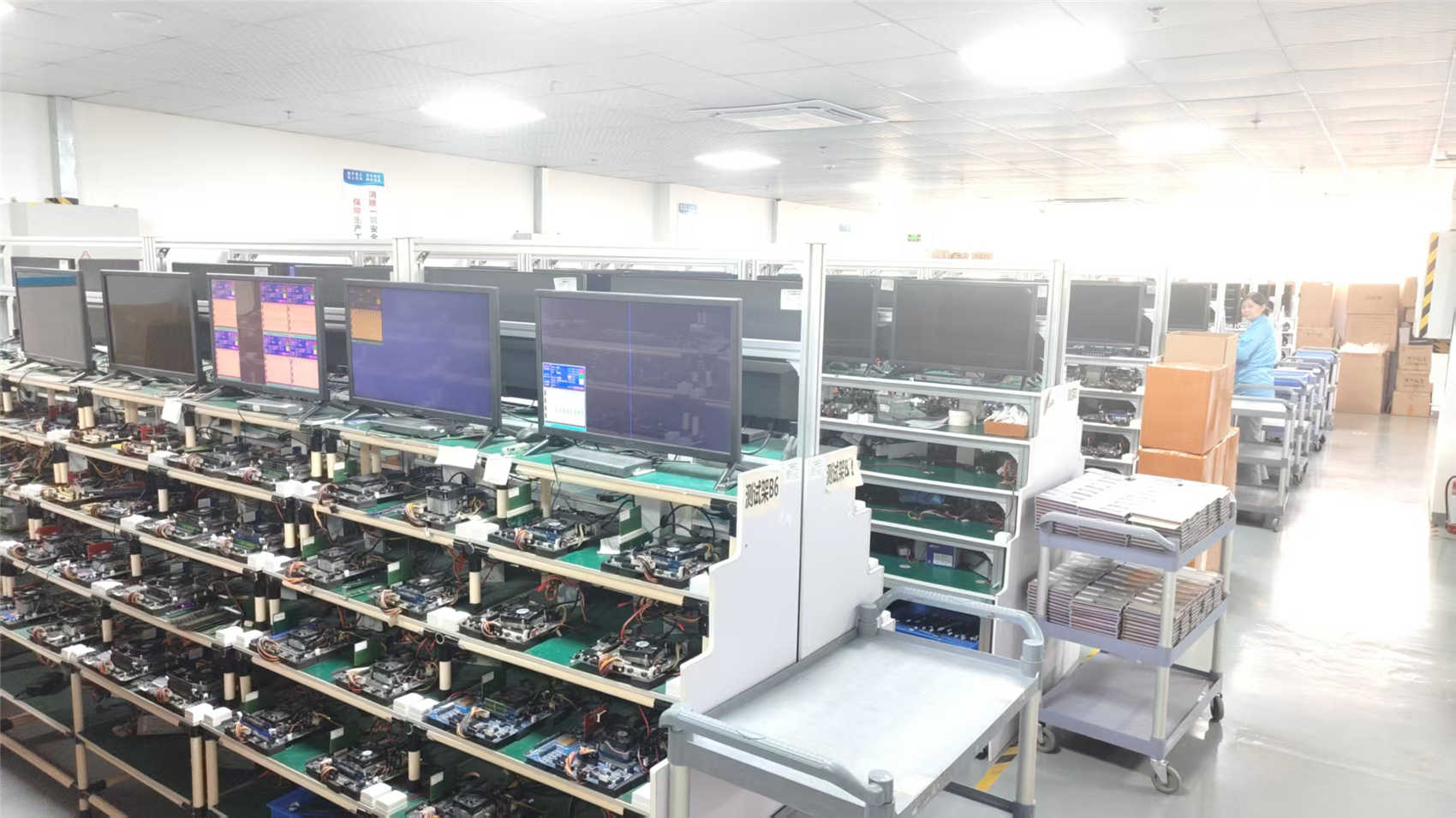
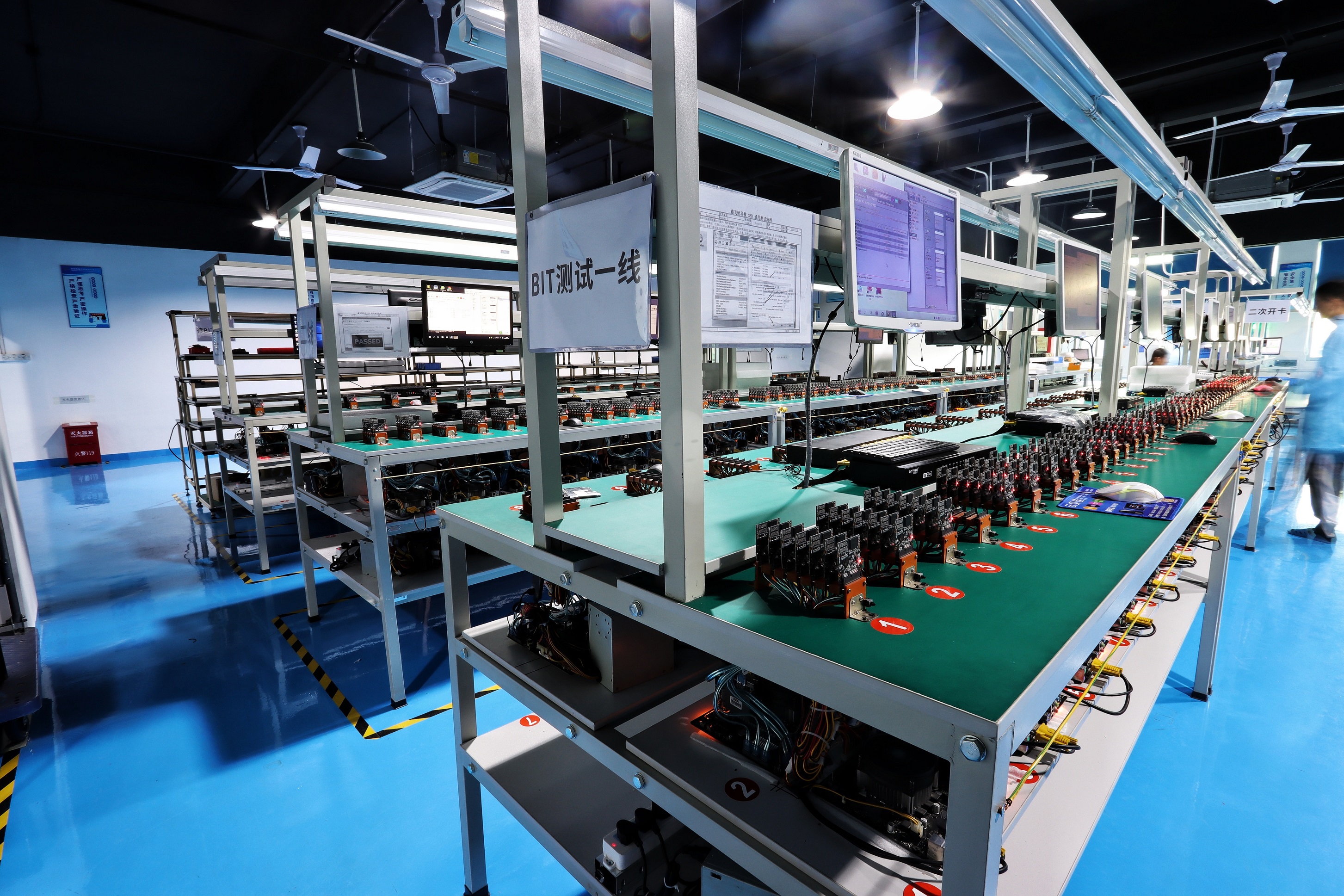
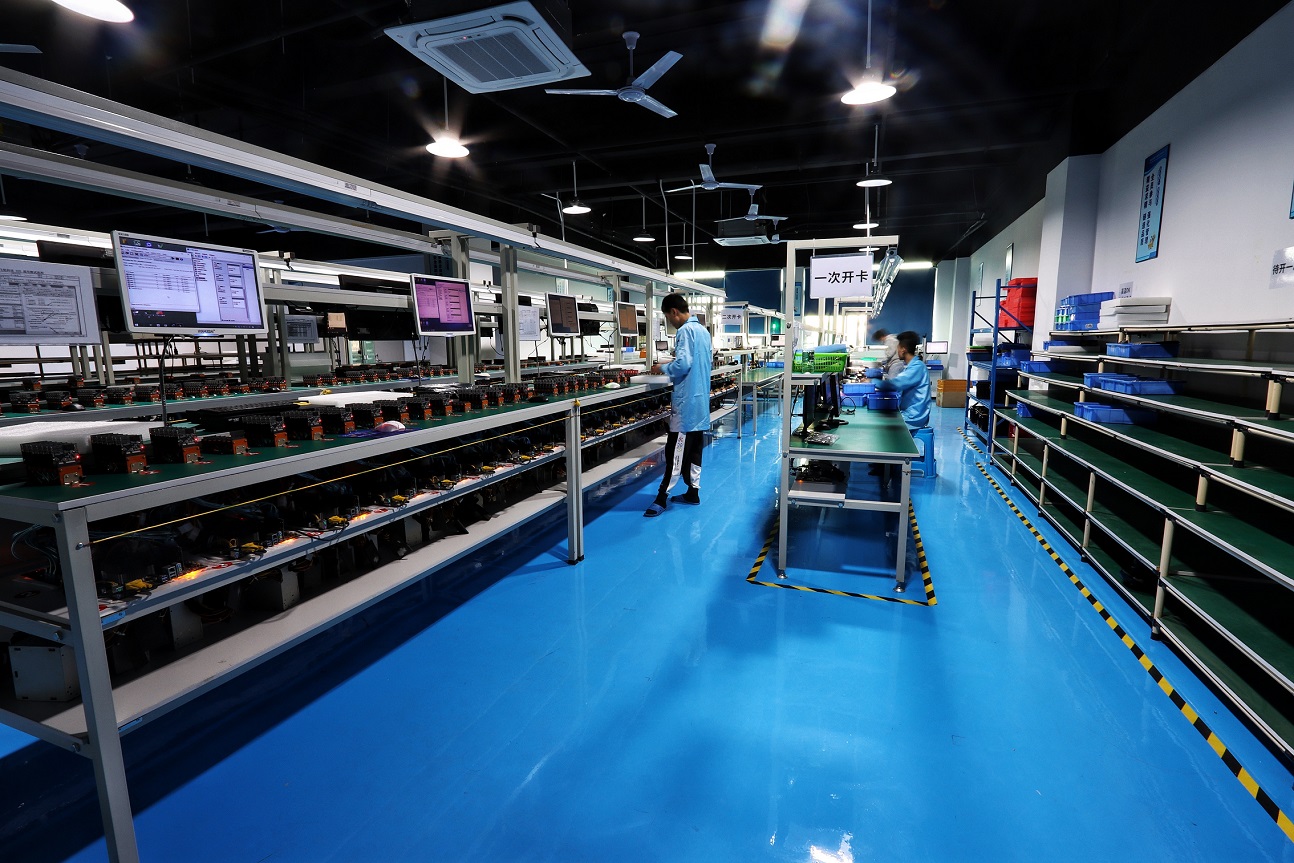
NexaRAM Storage Technology Co., Ltd. operates at the center of this technological paradigm. Our state-of-the-art facilities rely on robust automated validation techniques, including Automated Optical Inspection (AOI) systems that capture micro-solder anomalies, and dynamic burn-in reliability chambers that subject critical processing substrates and memory chips to high thermal stresses. This ensures that every product passing through our testing line meets the strict environmental requirements of global deployments.
Supported by a professional quality control team consisting of 35 dedicated inspectors, we maintain a zero-defect shipping philosophy across all our DRAM modules, multi-layer high-frequency PCB systems, and processing boards.
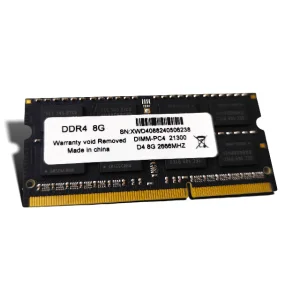
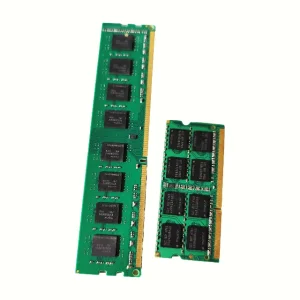
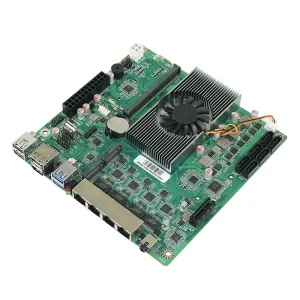
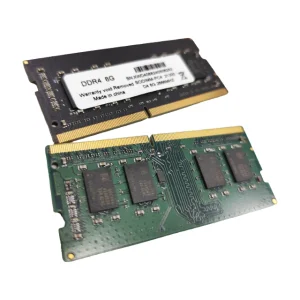
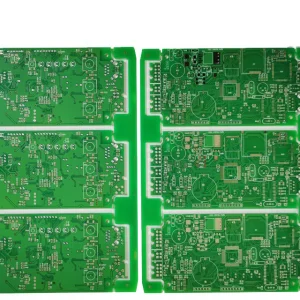
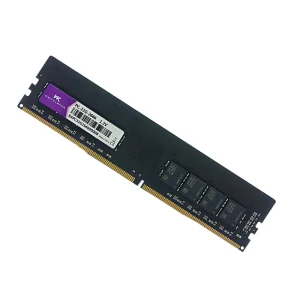
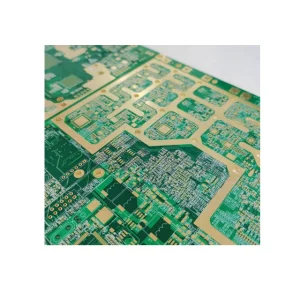
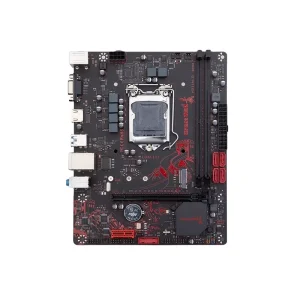
Real-time snapshots from our processing labs, demonstrating automated validation of PCB interfaces, memory modules, and physical interconnects.
Examining how high-performance mathematical computing architectures translate into physical industrial benefits across global sectors.
In Factory 4.0 automation lines, acoustic sensors capture high-frequency physical vibrations from milling spindles to predict mechanical failures. A local multi-channel Digital Signal Processor filters environmental noise and executes Fast Fourier Transforms (FFT) on the raw inputs.
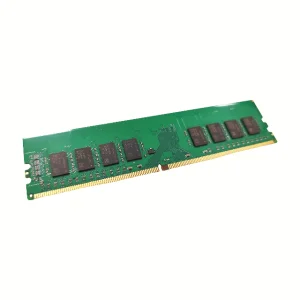
Because the DSP requires immediate, non-blocking access to reference waveform arrays, it is integrated with high-frequency memory arrays, such as our DDR4 2666MHz ECC modules, preventing system interrupts and data loss.
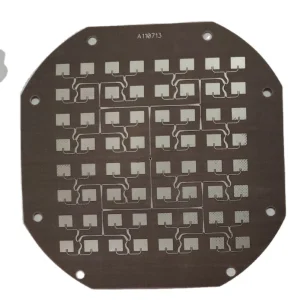
Active antenna arrays in telecommunications and navigation platforms rely on micro-strip, high-frequency printed circuit boards to maintain signal phase coherence. Using substrates like the Taconic TLY-5 (0.254mm) or Rogers 4000 mixed-pressure boards allows RF signals to transition seamlessly to the DSP array without capacitive distortion.
This hybrid hardware stack permits multi-axis phased arrays to process incoming radar returns in real-time, executing millions of parallel vector calculations per second without thermal drift or trace impedance mismatch.
Achieving high-reliability computing environments through component level optimization.
When executing dense digital signal processing operations, the execution pipeline relies on deterministic access to system memory. Standard consumer RAM can introduce unpredictable latency cycles, causing processing delays. To prevent this, NexaRAM's enterprise portfolio introduces Error-Correcting Code (ECC) modules. These modules utilize advanced memory registers to detect and correct single-bit failures inline, shielding the processor from system crashes during critical calculations.
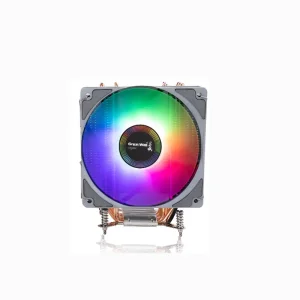
Furthermore, high-speed computing modules generate substantial thermal and electromagnetic challenges. That is why NexaRAM custom-engineers high-frequency PCBs and high-efficiency thermal cooling systems, such as the LGA1700 M-ATX Compact 6-Tube Copper Aluminum Heat Sink, designed to handle up to 220W of heat. This complete hardware synergy ensures that our processing systems, high-speed DRAM modules, and custom PCBs perform reliably under constant workloads.
Explore our line of server-grade cooling systems, high-frequency PCB substrates, and expandable memory modules.
Essential engineering and procurement answers for digital signal processing, system memories, and high-frequency hardware integration.