NexaRAM NexaRAM

Custom OEM Conductive Adhesives Factory & Suppliers

Advanced Electrically & Thermally Conductive Adhesive Formulations for Next-Gen Microelectronics, High-Frequency Semiconductors, and Enterprise Computing Solutions

12+
Years Industry Expertise
180+
R&D Engineers & Technicians
$12M
Annual Export Revenue
850+
Supply Chain Partners

The Global Rise of Electrically & Thermally Conductive Adhesives

Unlocking superior thermal dissipation and electrical continuity in micro-assembly environments where traditional lead-free soldering falls short.

The global microelectronics manufacturing landscape is undergoing a radical shift toward extreme miniaturization, multi-functional integration, and strict environmental compliance. Within this framework, electrically conductive adhesives (ECAs) and thermally conductive adhesives (TCAs) have emerged as critical structural components. As the silicon industry advances past traditional sub-3nm nodes, standard high-temperature soldering techniques (such as SAC305 reflow at 250°C) introduce thermal stresses that can lead to warpage, internal micro-cracking, and mechanical fatigue in delicate silicon dies.
To combat this, leading global OEMs and system integrators are actively substituting solder joints with conductive adhesives. These advanced materials provide a low-temperature curing profile (often between 80°C and 150°C, and even room temperature in specialized formulations) which drastically reduces thermal stress. Furthermore, they allow for exceptionally fine pitch interconnects down to 50 microns or less, which is vital for next-generation system-in-package (SiP), ultra-dense semiconductor memory modules, and flexible hybrid electronics.

Environmental and Regulatory Compliance

As global policies like RoHS (Restriction of Hazardous Substances) and REACH become increasingly strict, finding halogen-free, lead-free connection solutions is no longer optional. Conductive adhesives represent a cleaner, more sustainable material strategy that fits perfectly within eco-friendly electronic production systems without sacrificing structural integrity.

Thermal Stress Mitigation

Differing coefficients of thermal expansion (CTE) between silicon substrates and organic PCB carriers generate substantial mechanical shear during temperature fluctuations. Formulating adhesives with tailored, low-modulus polymer matrices buffers these shear forces, resulting in dramatically enhanced product lifespans under continuous operational thermal cycling.

Technical Classification: ICA vs. ACA vs. Thermal Adhesives

Decoupling the physics behind conductive pathways to align material specifications with specific application requirements.

Selecting the appropriate adhesive system requires understanding the mechanical and electrical principles governing conduction. Our laboratory at NexaRAM Storage Technology Co., Ltd. systematically designs formulations in three primary domains:
1. Isotropically Conductive Adhesives (ICAs)
ICAs deliver uniform, multi-directional conductivity. They consist of a polymer matrix (primarily high-purity bisphenol A/F epoxy or polyurethane resins) heavily loaded with metallic conductive fillers—usually silver (Ag) flakes or silver-plated copper particles—exceeding the percolation threshold (typically 70% to 80% by weight). This creates an interconnected conductive network throughout the cured matrix, delivering low volume resistivity values down to 1 x 10^-5 Ohm-cm. ICAs are used as direct replacements for solder in micro-die attachments, component mounting on heat-sensitive substrates, and shielding.
2. Anisotropically Conductive Adhesives (ACAs) / Films (ACFs)
ACAs establish conductive pathways exclusively in a single, predetermined direction—most commonly along the vertical Z-axis—while acting as a reliable electrical insulator along the horizontal X and Y axes. This anisotropic behavior is accomplished by keeping the concentration of conductive particles (usually silver, gold, or nickel-coated polymer spheres) below the percolation threshold. When localized heat and pressure are applied during assembly, the particles are compressed between opposing contacts, establishing a vertical electrical pathway. Uncompressed areas retain high insulation resistance, making ACAs ideal for extremely fine-pitch connections like chip-on-glass (COG) displays, flip-chip attachments, and high-density PCB ribbons.
3. High-Performance Thermally Conductive Adhesives (TCAs)
Unlike electrical adhesives, TCAs prioritize heat transfer while maintaining high dielectric strength to prevent short-circuits. Instead of metallic fillers, TCAs are loaded with ceramic micro- and nanoparticles like aluminum oxide (Al2O3), boron nitride (BN), aluminum nitride (AlN), or zinc oxide (ZnO). These formulations optimize heat dissipation pathways between high-power chips (such as DDR5 DRAM, server CPUs, or power MOSFETs) and their associated heat sinks or cooling blocks.
Material Type Filler System Electrical Conductivity Thermal Conductivity Primary Target Applications
Isotopically Conductive (ICA) Silver (Ag) Flakes / Graphene Very High (< 10^-4 Ω·cm) Moderate (1.5 - 3.5 W/mK) Die Attach, SMD Mount, Solder Replacement
Anisotropically Conductive (ACA/ACF) Metal-Coated Polymer Spheres Z-Axis Only Low (< 1.0 W/mK) COG, Flip-Chip, Fine-Pitch Flexible Circuits
Thermally Conductive (TCA) Boron Nitride / Alumina / AlN Insulative (> 10^12 Ω·cm) High (2.0 - 8.0+ W/mK) DRAM Heat Spreads, CPU Cooler Mounting

NexaRAM Storage Technology Co., Ltd. – Advanced Micro-Assembly & Materials Division

Leveraging a decade of semiconductor expertise to engineer cleanroom-validated adhesive formulations for global markets.

NexaRAM Storage Technology Co., Ltd. is a professional DDR5 memory manufacturer specializing in high-performance RAM solutions for global OEMs, data centers, and enterprise computing applications. Established in 2016, the company has rapidly developed into a reliable supplier in the advanced DRAM industry. Operating from a highly optimized facility, NexaRAM brings 12 years of industry experience in memory and semiconductor-related fields and 6 years of export experience, achieving an annual export revenue of approximately USD 12 million.
Recognizing the critical role that material sciences play in packaging high-frequency DDR5 memory modules and advanced cooling assemblies, NexaRAM has expanded its operations to incorporate dedicated R&D for Custom OEM Conductive Adhesives. By utilizing our existing semiconductor expertise, we ensure that every formulation complies with stringent microelectronic cleanliness and outgassing standards.
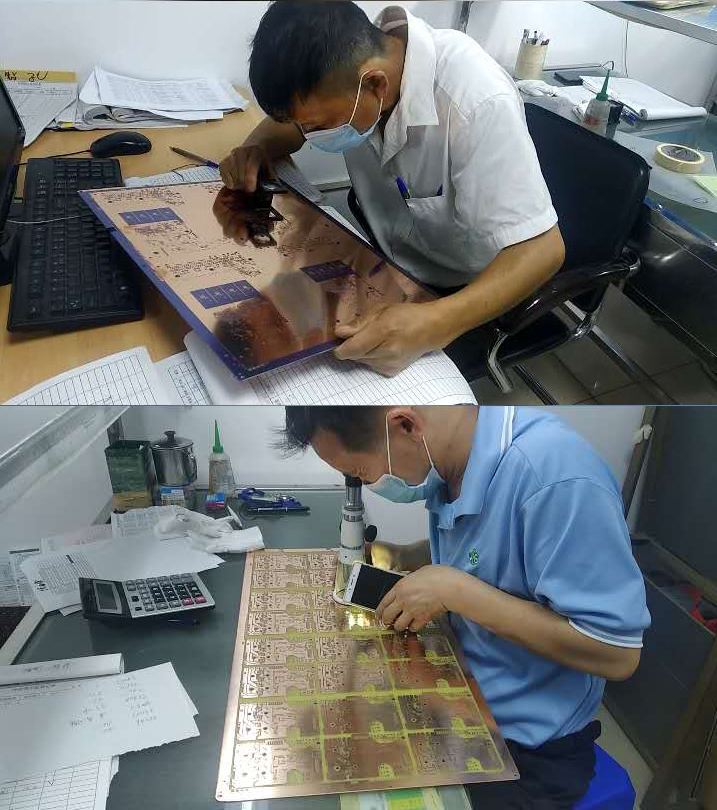
Our materials and memory production processes are controlled through a combination of automated optical inspection (AOI) and burn-in reliability testing, supported by a professional QC team of 35 inspectors. This strict commitment to quality management minimizes ion contamination (chlorides, sodium, potassium) to under 10 ppm, preventing internal galvanic corrosion and joint degradation under high electrical loads.
Supported by a dedicated R&D team of 180 engineers, NexaRAM launched 120 new product variants in the past year, driving continuous innovation in high-speed memory modules, thermal substrates, and advanced conductive adhesives. Our mature global supply chain, consisting of over 850 strategic partners, guarantees access to high-purity raw materials and uninterrupted manufacturing for OEM clients across North America, Europe, Southeast Asia, and the Middle East.

Targeted Solutions for Modern Hardware Architectures

How Custom OEM Conductive Adhesives address complex thermal and electrical challenges in high-reliability industrial sectors.

AI Servers & High-Frequency DRAM Packaging

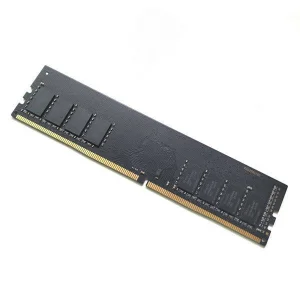
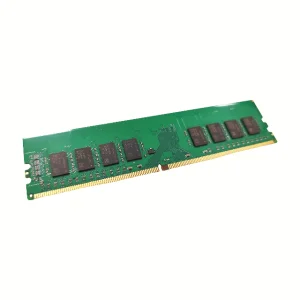
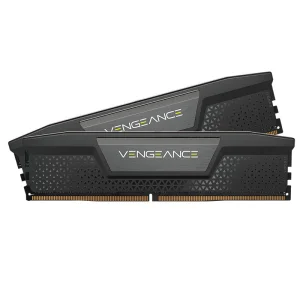
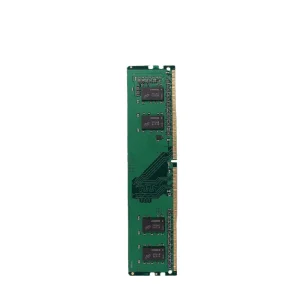
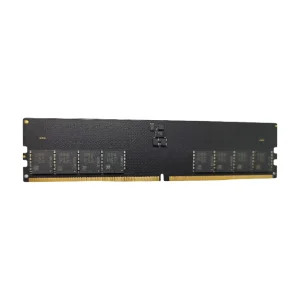
DDR5 modules operate at elevated frequencies and increased heat densities. Traditional soldering processes risk damage to the ultra-thin PCB substrates and the high-density BGAs. Our Custom OEM Isotropic Conductive Adhesives enable low-temperature die attach and board-level reinforcing, ensuring robust electrical connection and physical stability without exposing sensitive memory chips to excessive thermal stress.

Server CPU Coolers & Heat Sink Integration

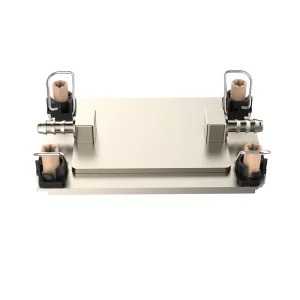
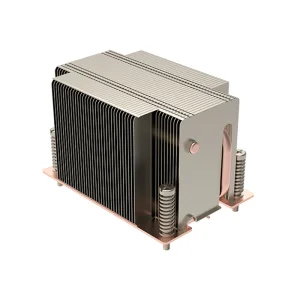
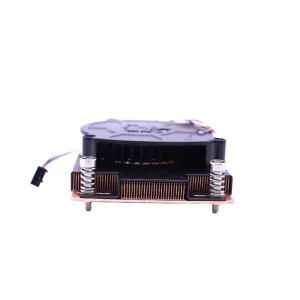
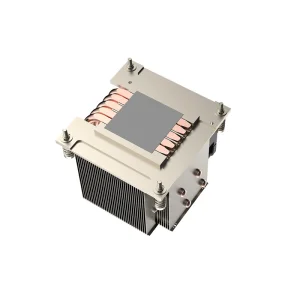
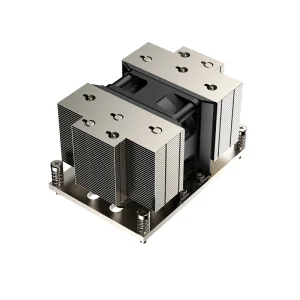
Efficient thermal pathways are critical to preventing throttling in server CPUs like LGA4677 and AM5 processors. Our high-conductivity thermal adhesives are engineered to fill microscopic air gaps between the processor's integrated heat spreader (IHS) and the heavy copper or aluminum cooling fins. This material optimization ensures a continuous path for rapid heat dissipation.

High-Sensitivity PCB Assembly

For specialized equipment, such as gold metal detectors or aerospace sensor arrays, traditional solders can introduce unwanted electromagnetic interference or thermal distortion. Formulating custom, low-outgassing conductive epoxies provides clean, noise-free electrical connections, maintaining signal integrity and improving the detection sensitivity of delicate PCB layouts.

Technological Innovations & Testing Protocols

Pushing the boundaries of material science through rigorous testing, advanced optical inspections, and custom viscosity tuning.
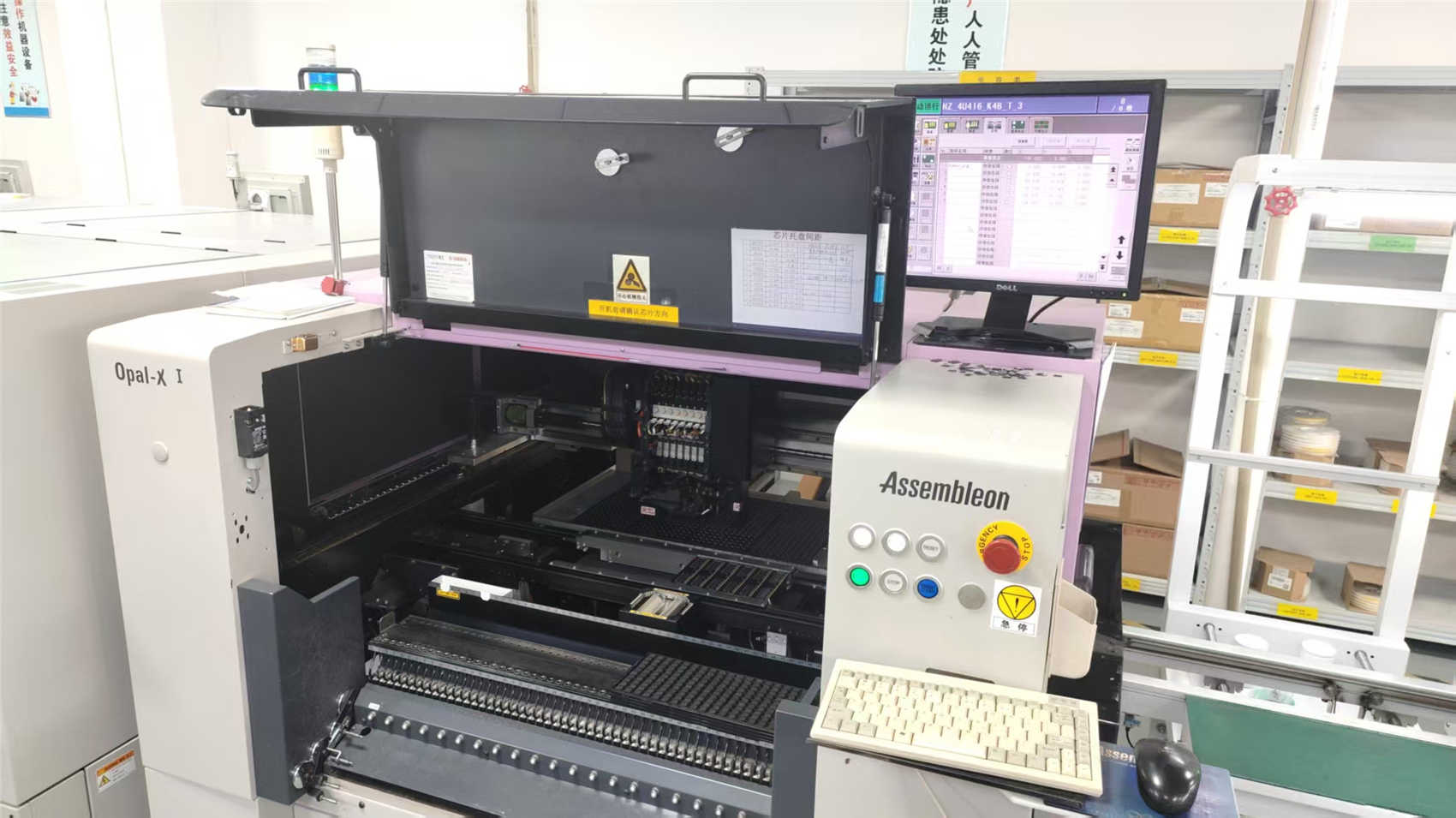
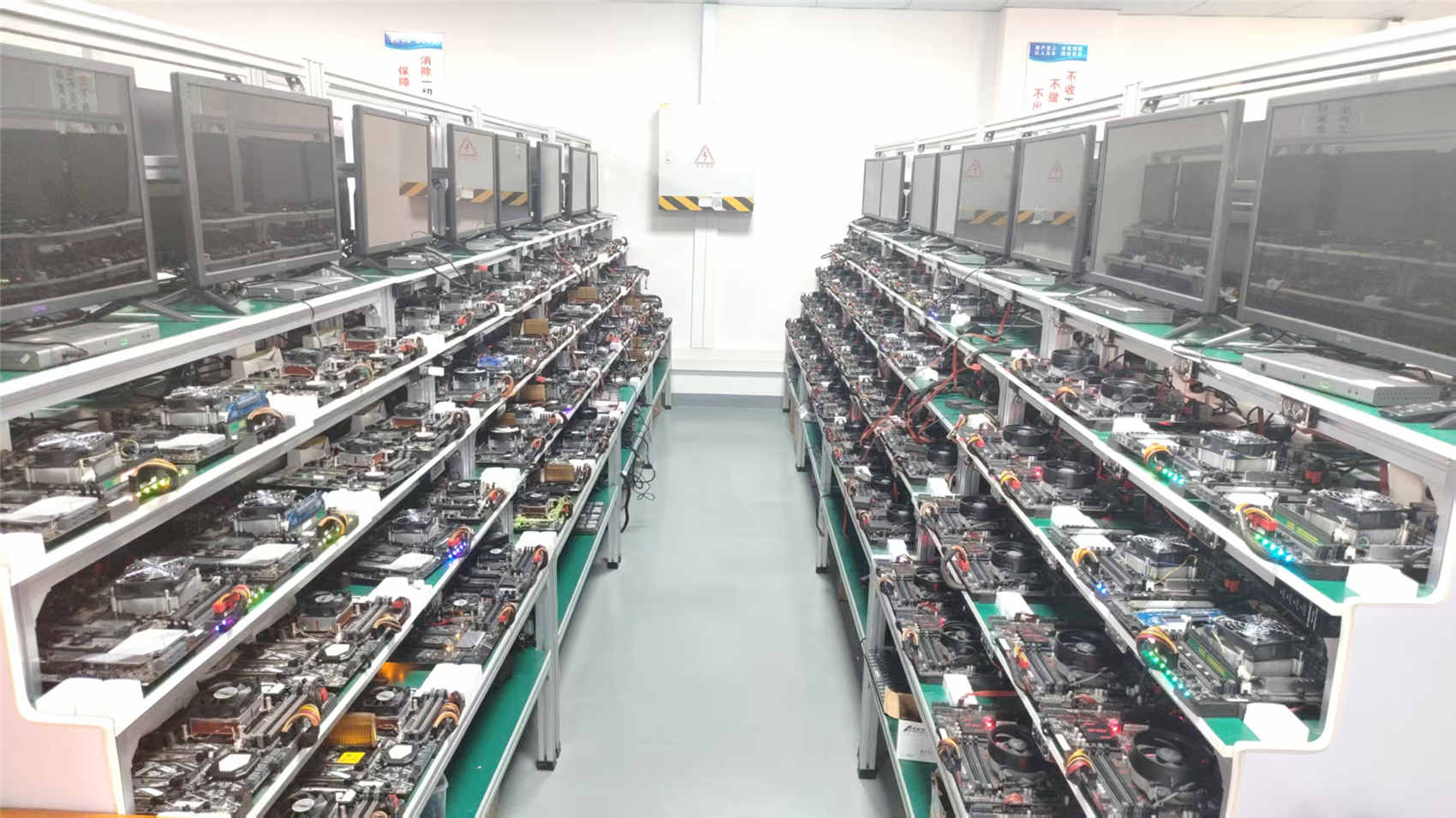
Maintaining high reliability in harsh environments requires a comprehensive testing regime. At NexaRAM, our materials research is designed to meet or exceed IPC, JEDEC, and MIL-STD standards. Custom adhesives must undergo rigorous reliability checks to verify performance under high moisture, elevated temperatures, and sudden mechanical shocks.
Every batch of custom conductive adhesive undergoes comprehensive inspection and verification:
  • Rheology and Dispensing Optimization: Tailoring the thixotropic index to match customer-specific dispensing methods, including jet-dispensing, stencil printing, and pin transfer, without tailing or stringing.
  • Thermal Shock & Cycling Chambers: Cured adhesive bonds are subjected to thousands of thermal cycles from -55°C to +150°C to verify that the joint does not suffer from delamination or a significant increase in contact resistance.
  • Outgassing and Ion Contamination: Vacuum testing to ensure that outgassed elements do not condense onto sensitive optical or laser assemblies, preventing contamination of critical system surfaces.

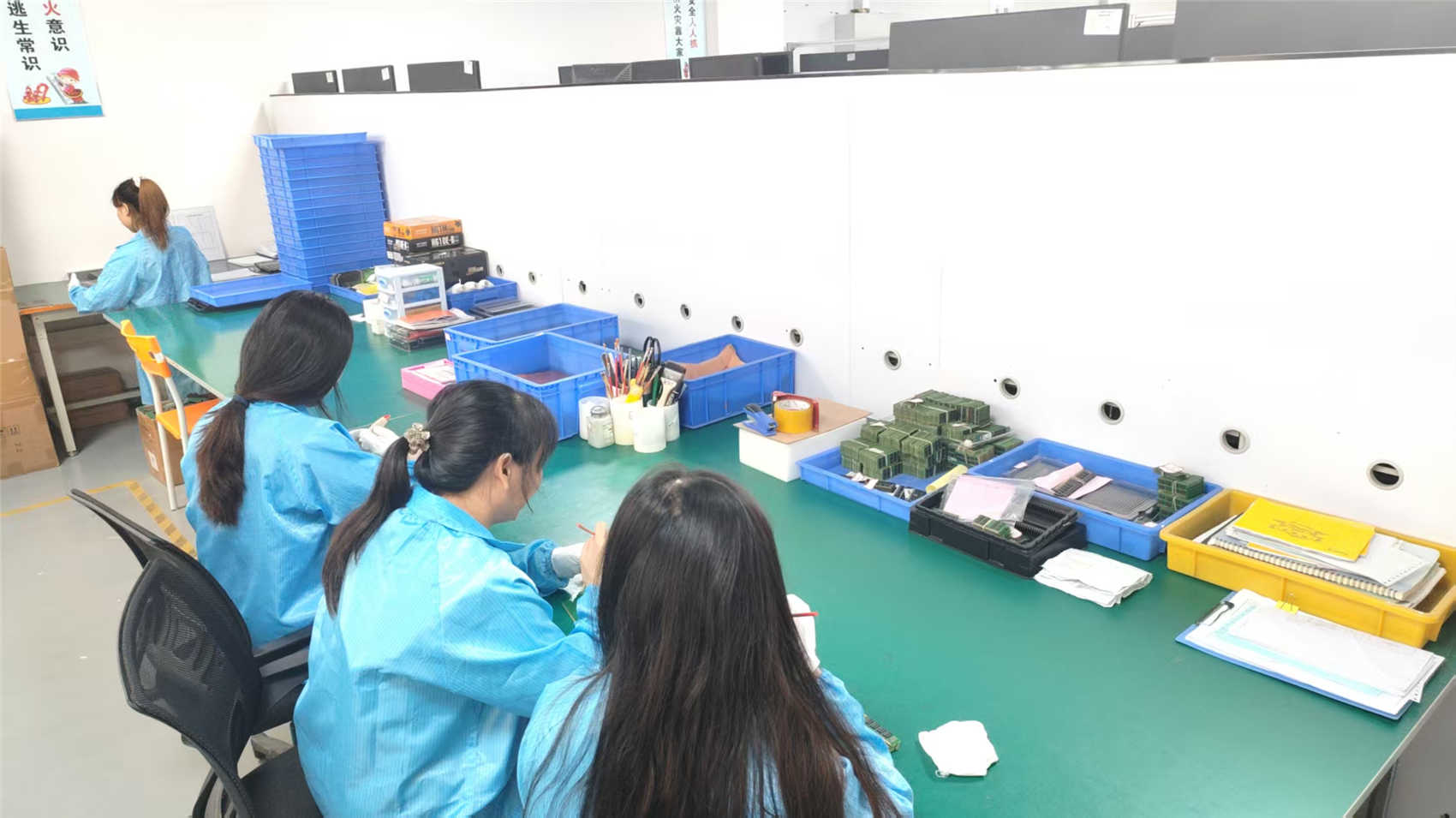
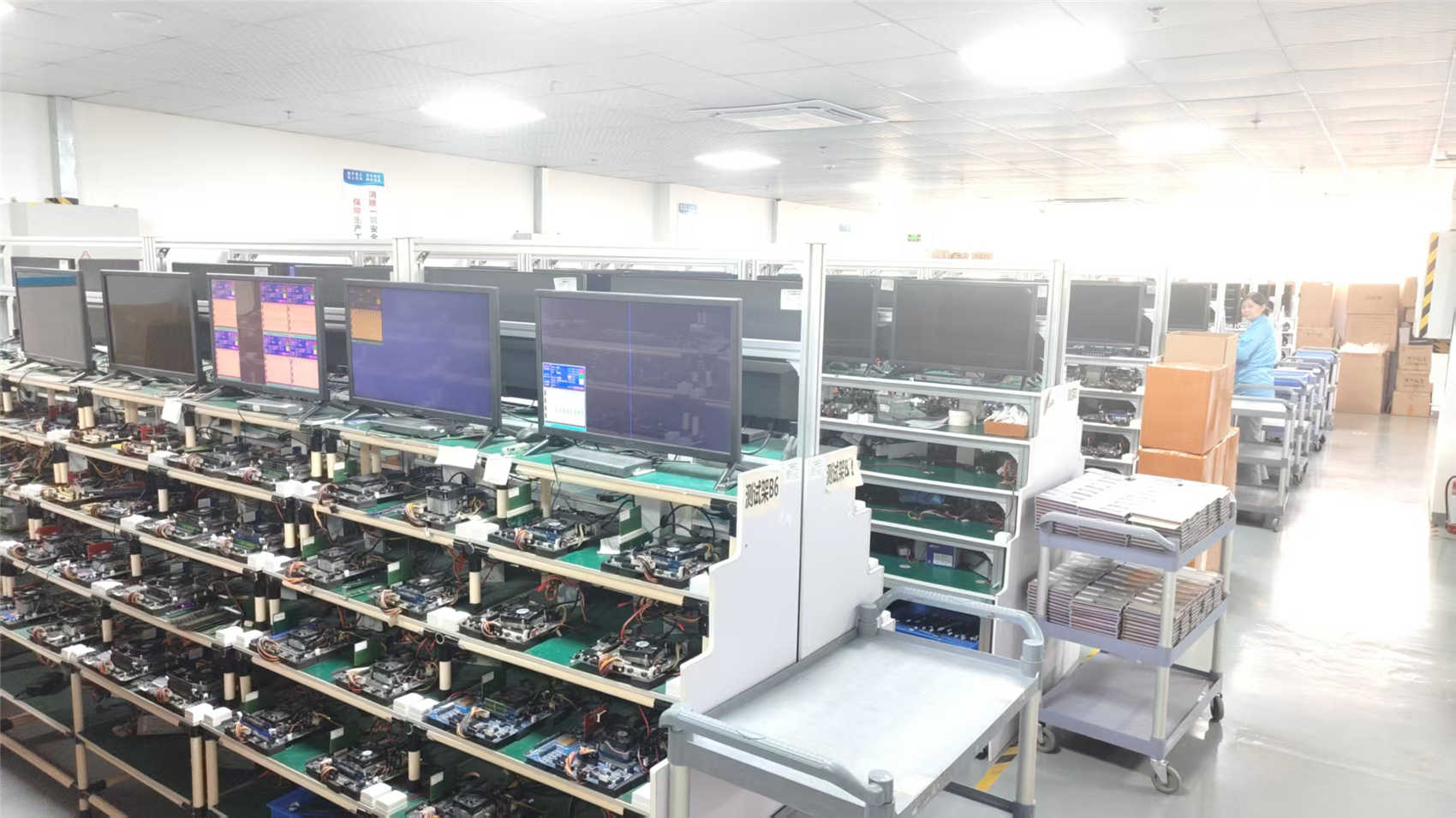
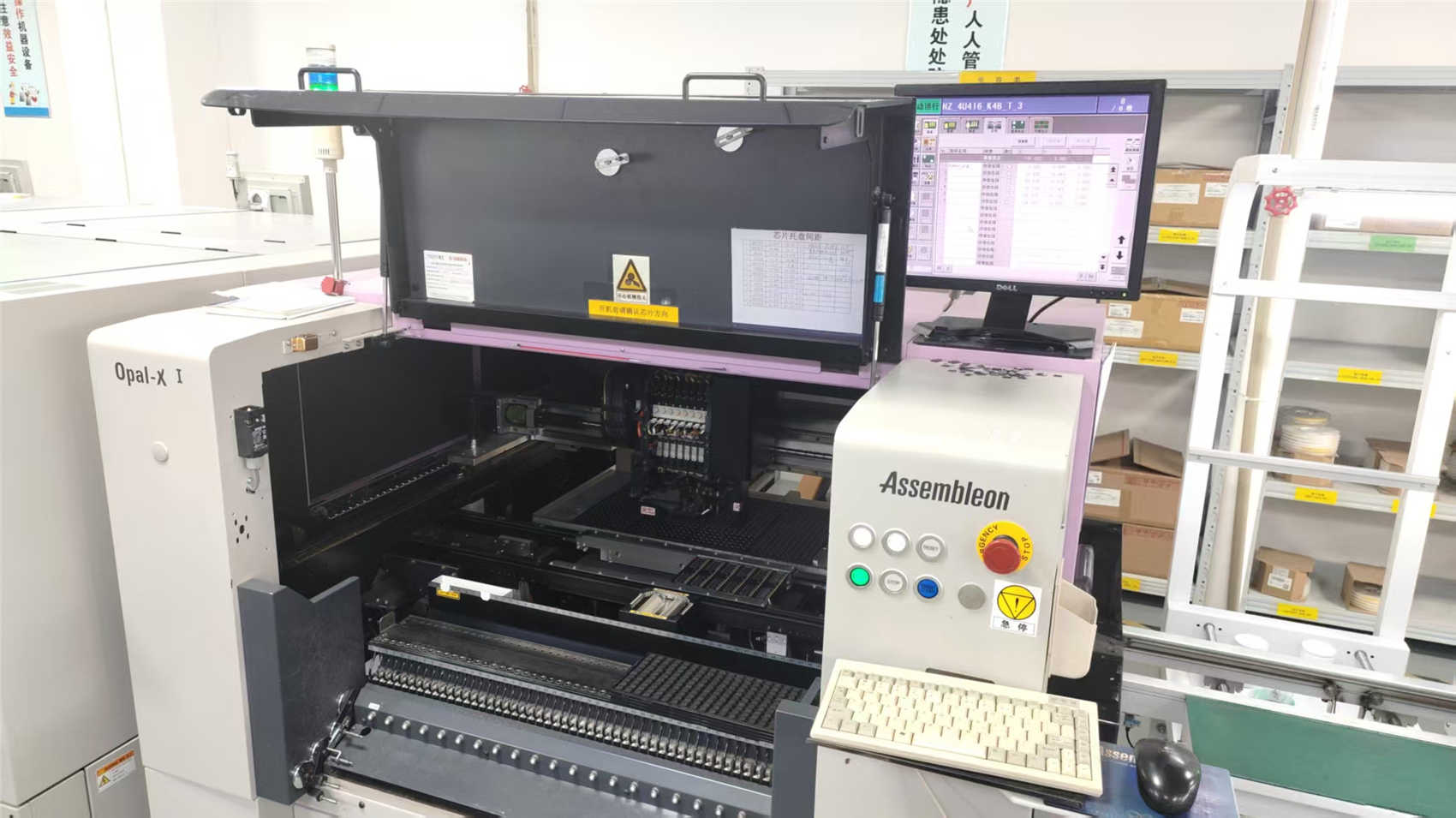
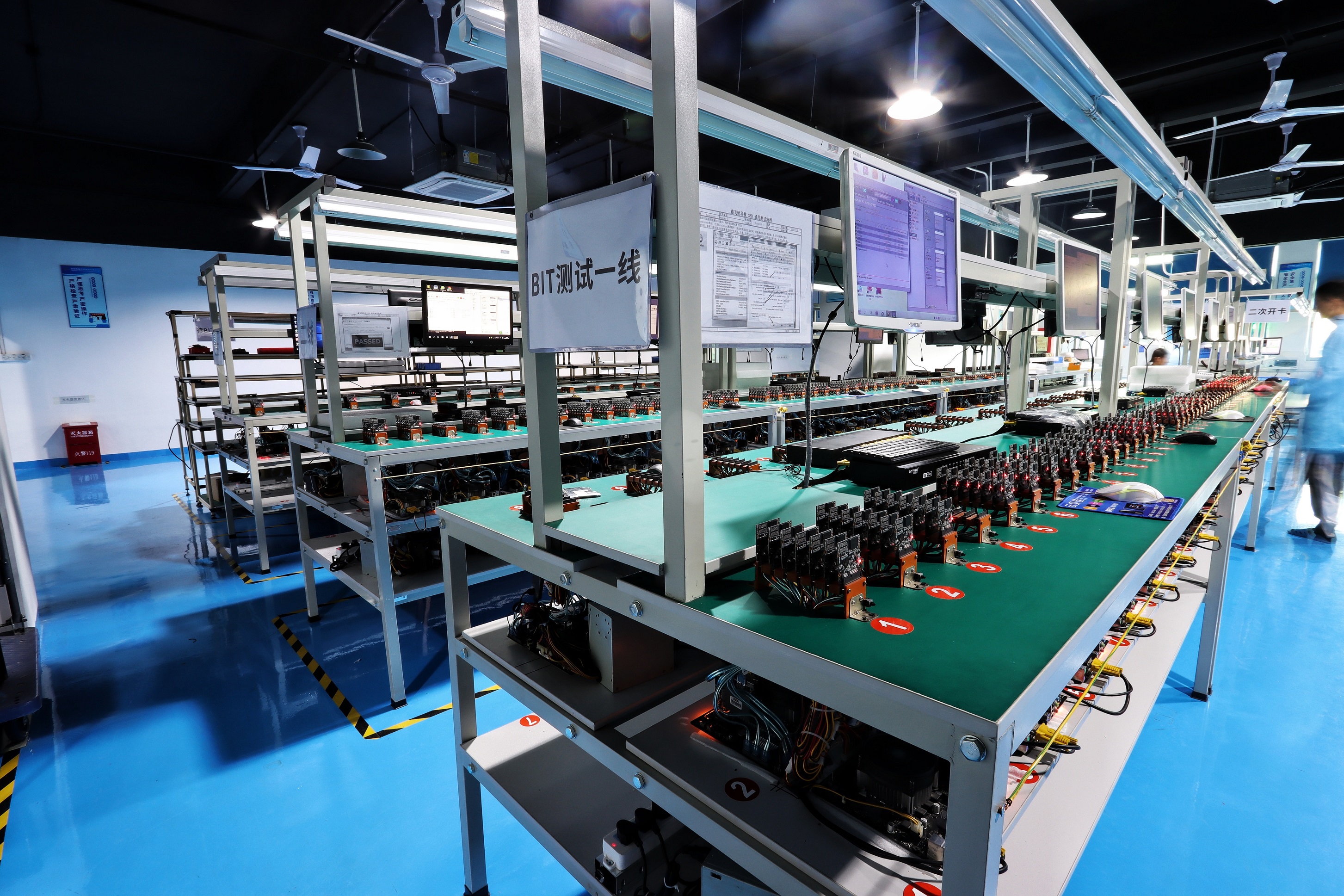
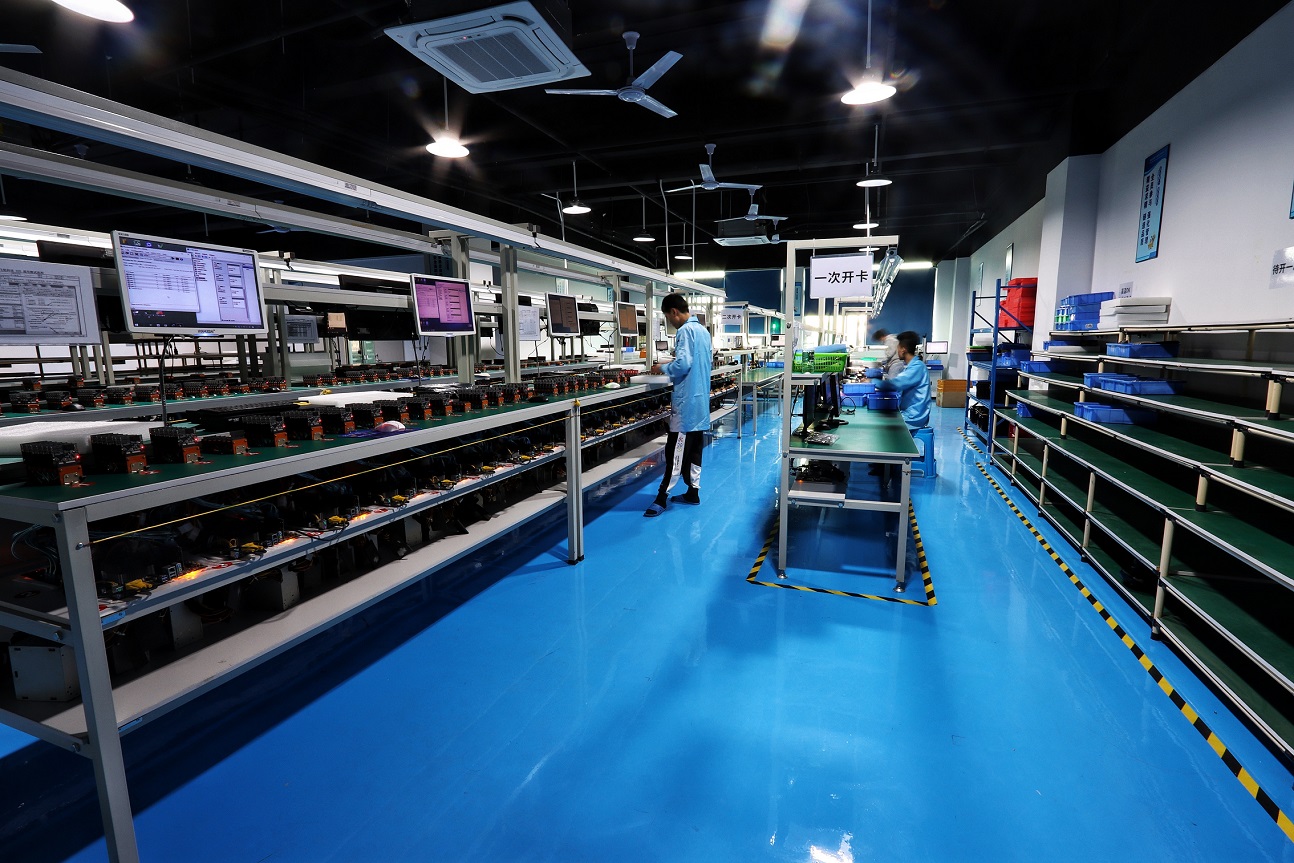
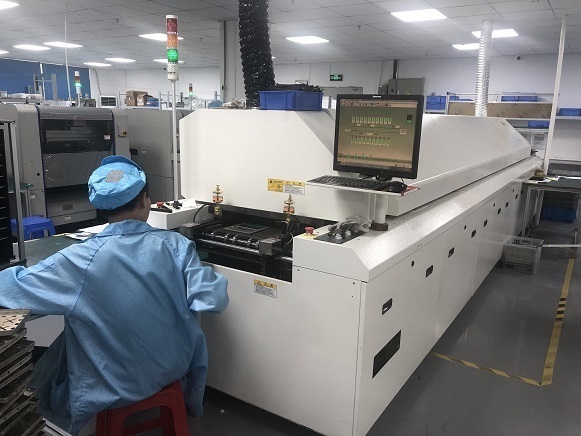
Inside Our Advanced Production and Quality Control Facilities

NexaRAM Production Lines

Technical Q&A: Custom OEM Conductive Adhesives

Direct answers from our engineering team on chemical compatibility, storage requirements, and production customization.

What is the shelf life and storage protocol for NexaRAM’s conductive adhesives? +

Our single-component silver-filled conductive epoxies are formulated for long-term stability and typically have a shelf life of 6 months when stored continuously at -40°C. Storing them at this temperature prevents premature curing or settling of the heavy metallic fillers, ensuring consistent viscosity and performance during dispensing.

How does the curing temperature affect electrical and mechanical performance? +

Generally, higher curing temperatures (e.g., 150°C for 30 minutes) improve electrical conductivity. The heat causes the epoxy matrix to shrink more tightly, which presses the conductive fillers closer together to form a denser electrical pathway. However, for heat-sensitive substrates, we can customize formulations to cure at temperatures as low as 80°C.

Can these adhesives replace standard lead-free solder in high-vibration environments? +

Yes. Conductive adhesives are designed with a polymer matrix that absorbs mechanical energy much better than rigid, brittle solder alloys. This flexibility makes them highly resistant to vibration and drop shocks, which is a major advantage for automotive electronics and mobile devices.

How do you manage the trade-off between electrical and thermal conductivity? +

Electrically conductive adhesives (ICAs) naturally conduct heat because of their high metallic content. However, when electrical insulation is required alongside heat dissipation, we use non-conductive ceramic fillers like boron nitride. This approach allows us to achieve high thermal conductivity (exceeding 5 W/mK) while keeping the material completely non-conductive.

What custom options do you offer for OEM clients? +

Our OEM services are fully customizable. We can adjust the adhesive's viscosity to match your specific dispensing equipment, modify the glass transition temperature (Tg) for high-heat operations, and customize the packaging size (ranging from 10cc syringes to larger bulk containers) to integrate seamlessly with your production line.

Are your conductive adhesives compatible with automatic optical inspection (AOI) systems? +

Yes, our formulations are designed to work with AOI systems. By controlling the color and reflectivity of the adhesive, we ensure that automated camera systems can easily identify and inspect the adhesive joints for correct volume, alignment, and placement during high-speed production runs.