NexaRAM
NexaRAM
NexaRAM
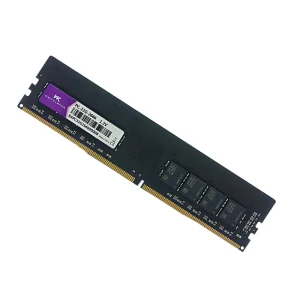
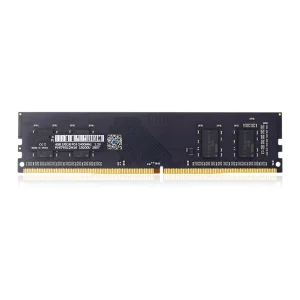
Engineered for extreme workloads, next-generation server farms, and peak desktop gaming environments.
Under the leadership of NexaRAM Storage Technology Co., Ltd., we develop high-frequency JEDEC-compliant DRAM configurations, providing substantial Information Gain in performance optimization, custom PCB layouts, and thermal dynamics.
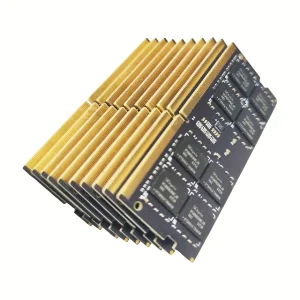
Founded in 2016, NexaRAM Storage Technology Co., Ltd. has established itself as a premier developer of professional DDR4 and DDR5 memory modules. Operating out of our specialized R&D facility with a dedicated building area of approximately 320㎡, we combine 12 years of industry experience in semiconductors with 6 years of export experience. Our global operational footprint includes custom component supply channels spanning North America, Europe, Southeast Asia, and the Middle East.
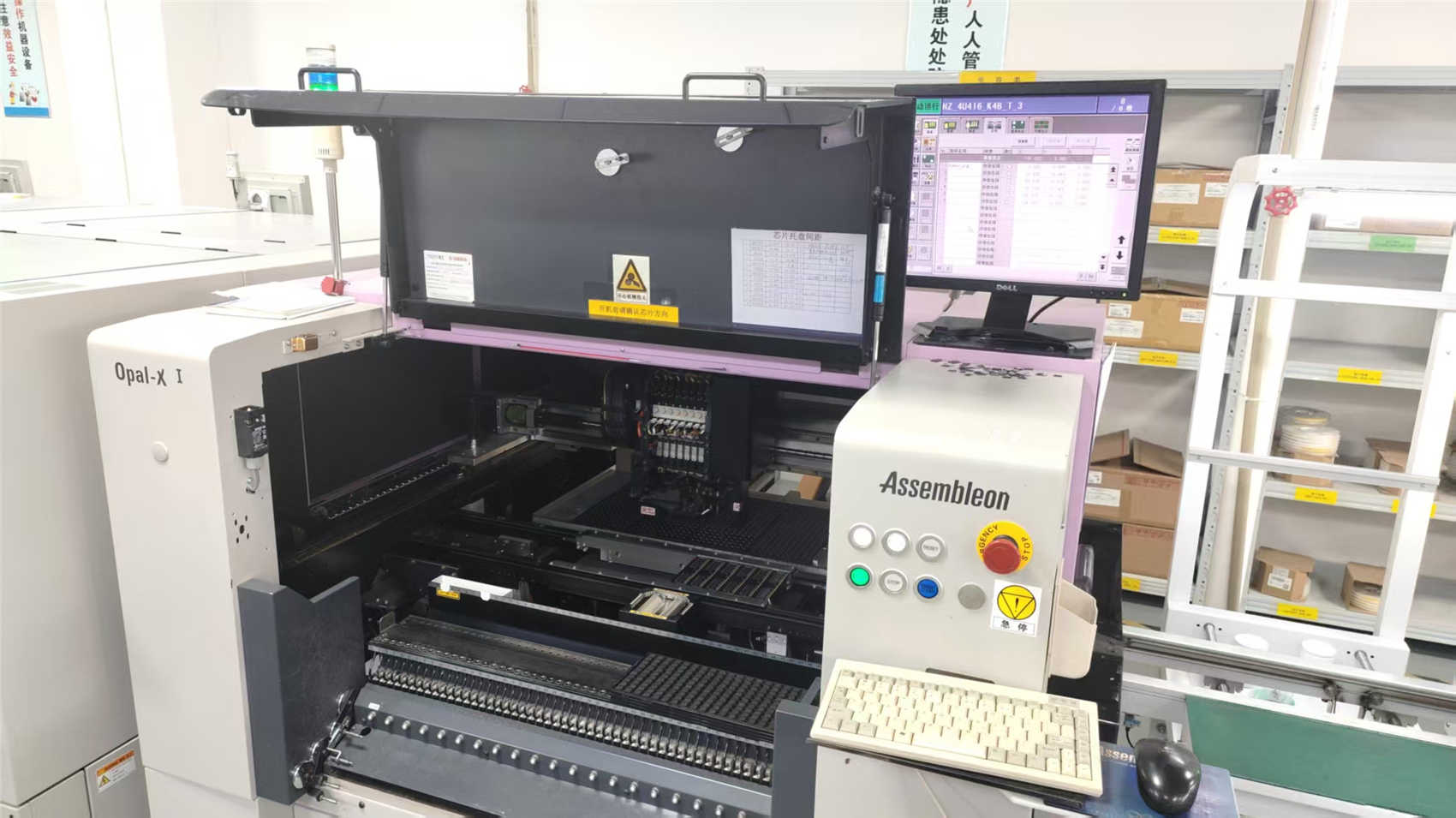
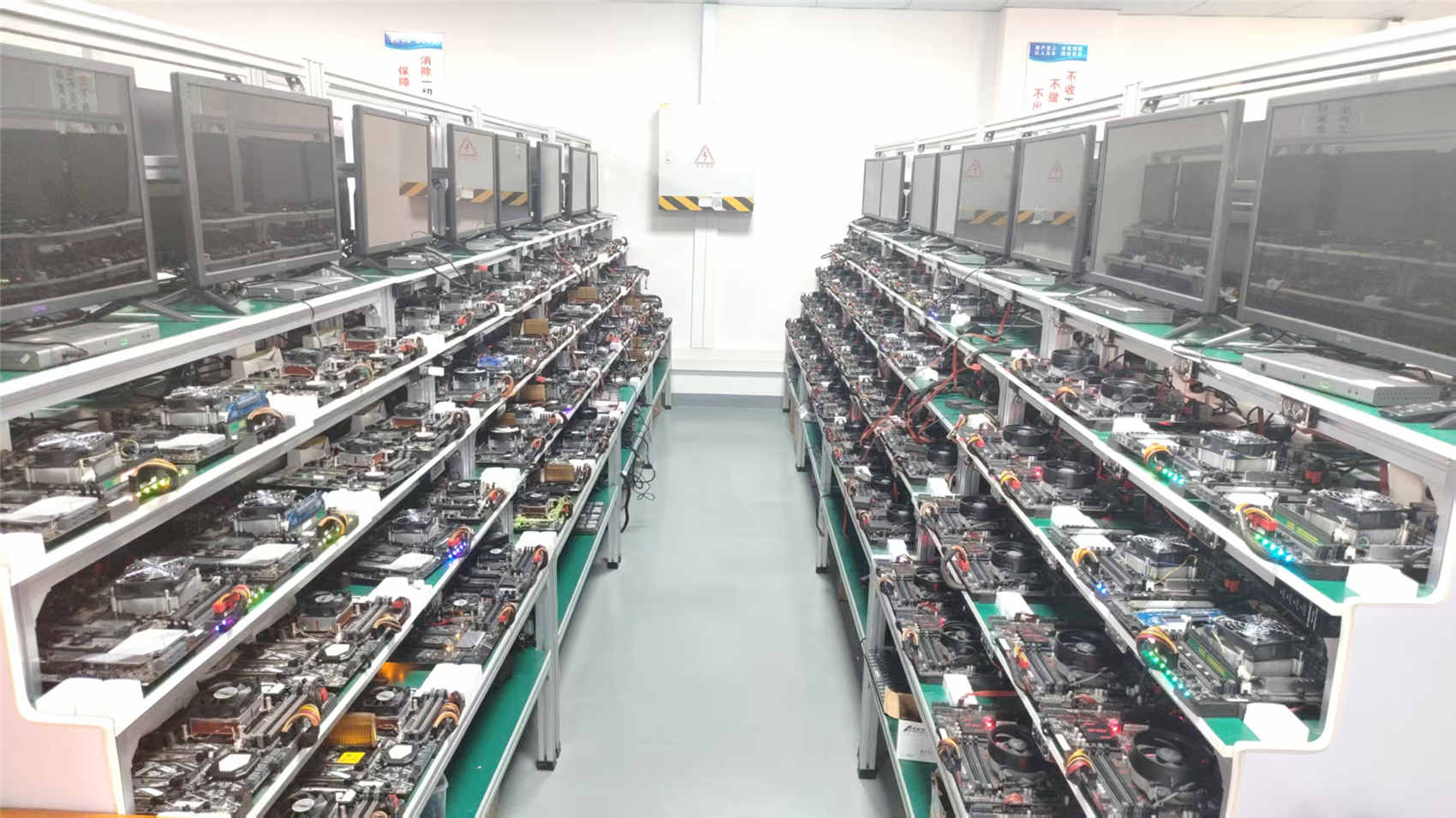
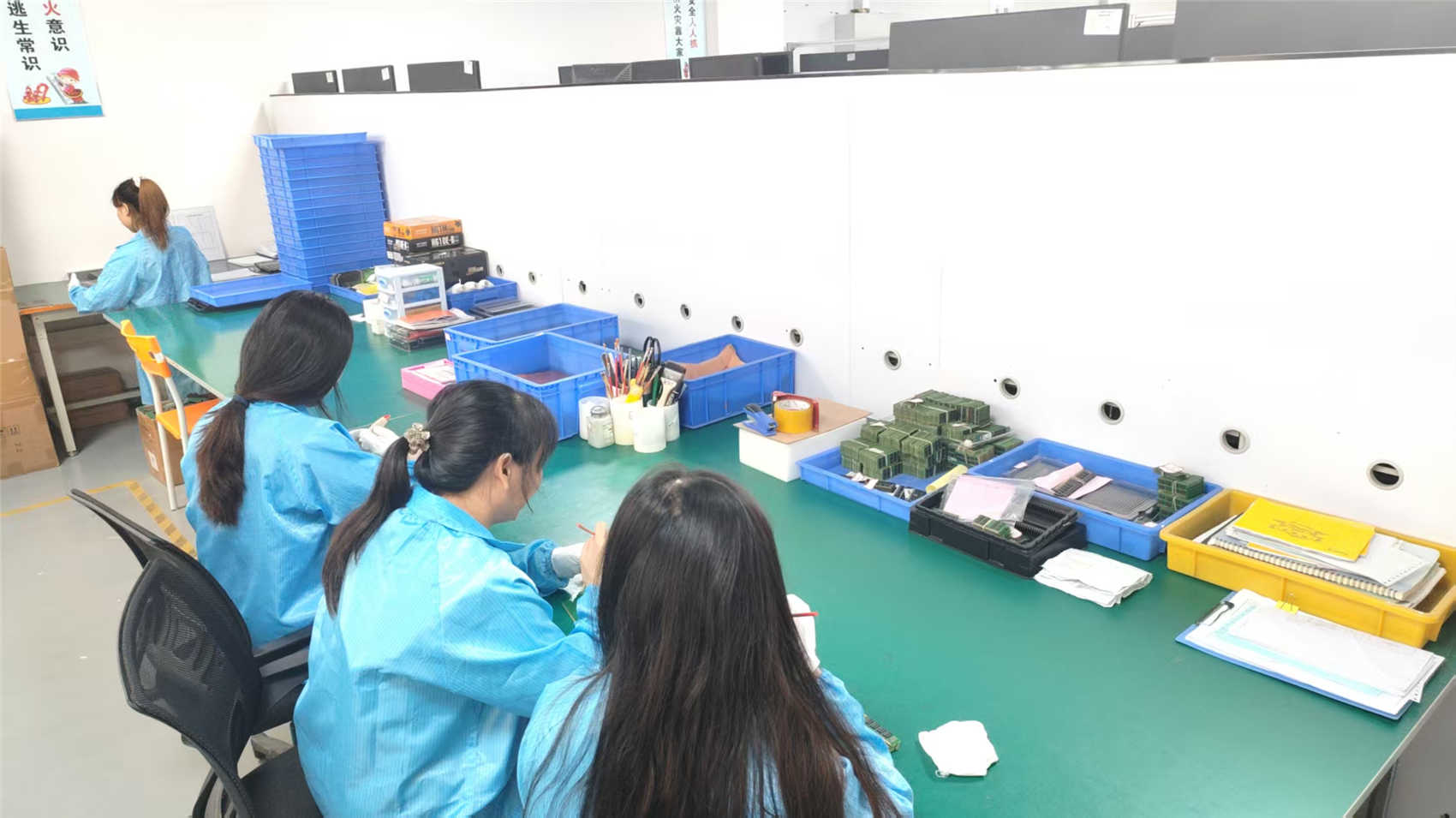
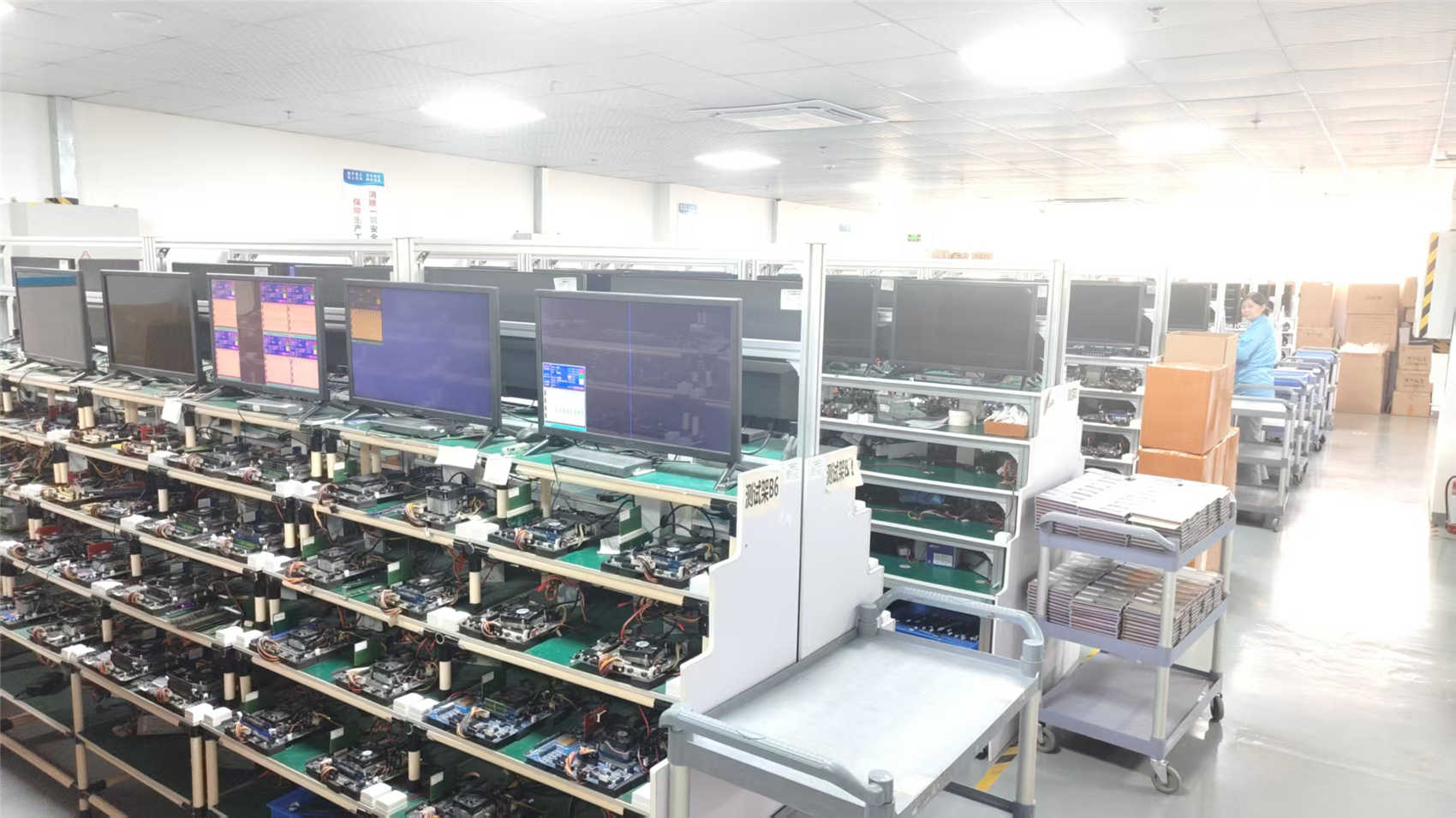
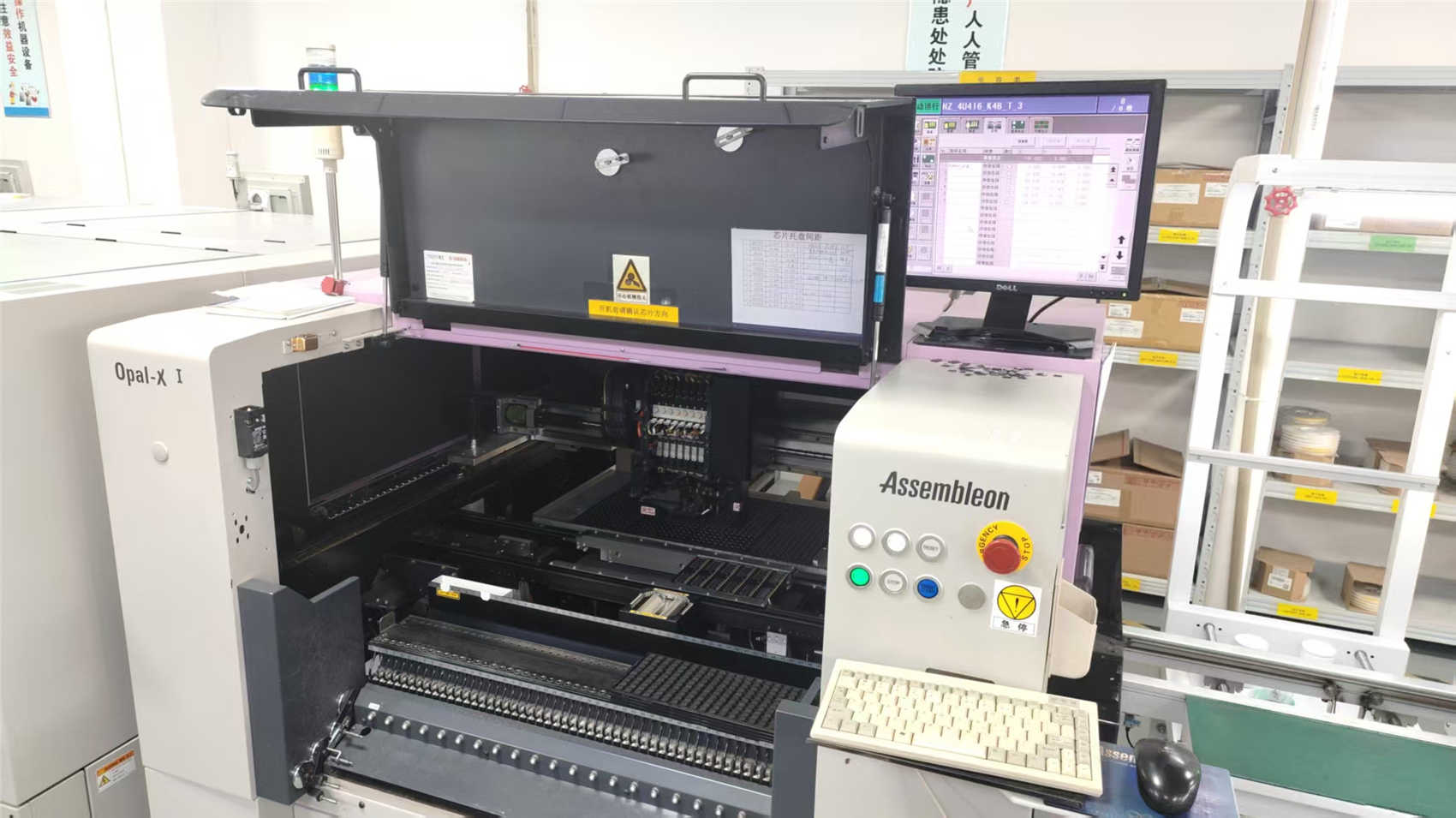
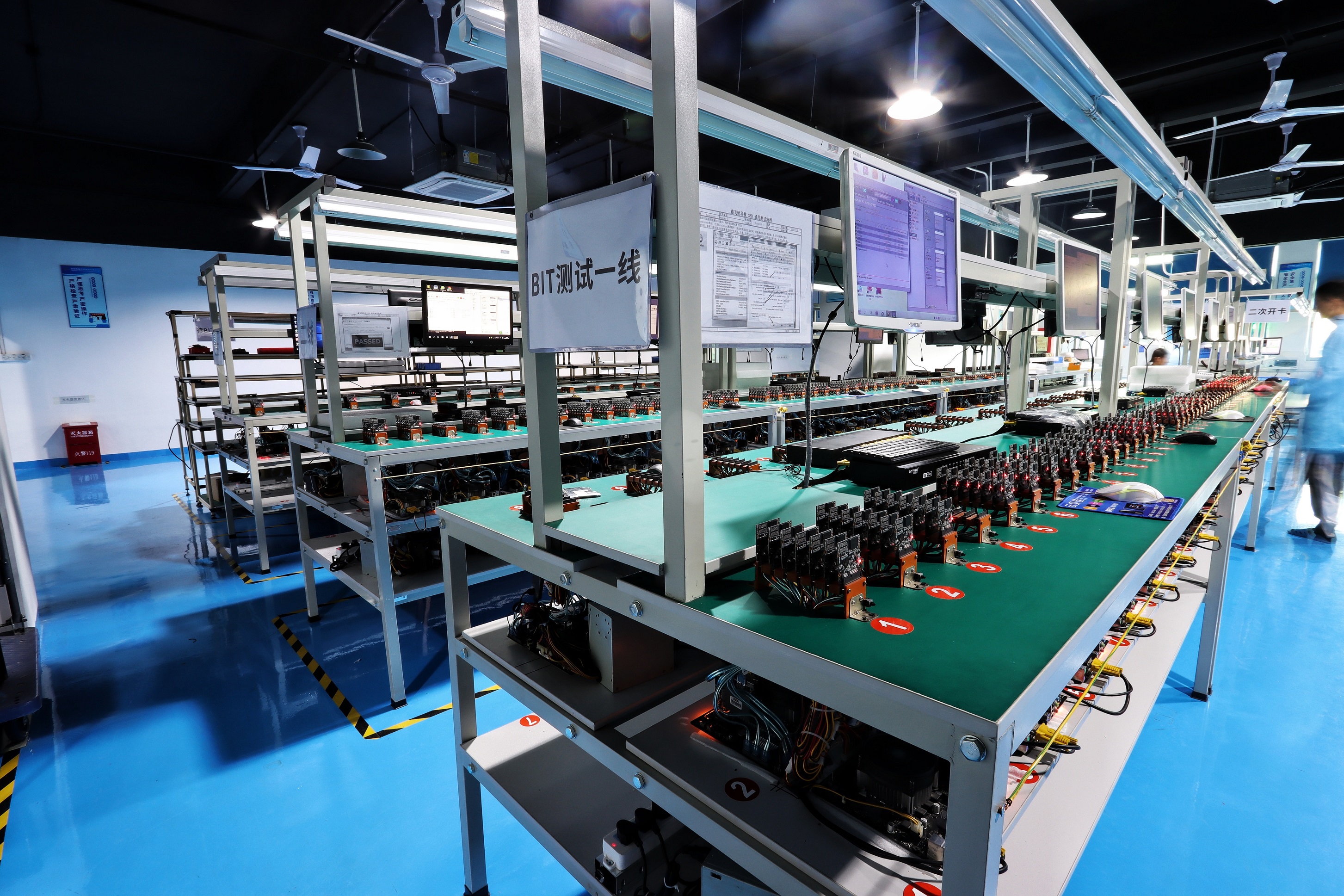
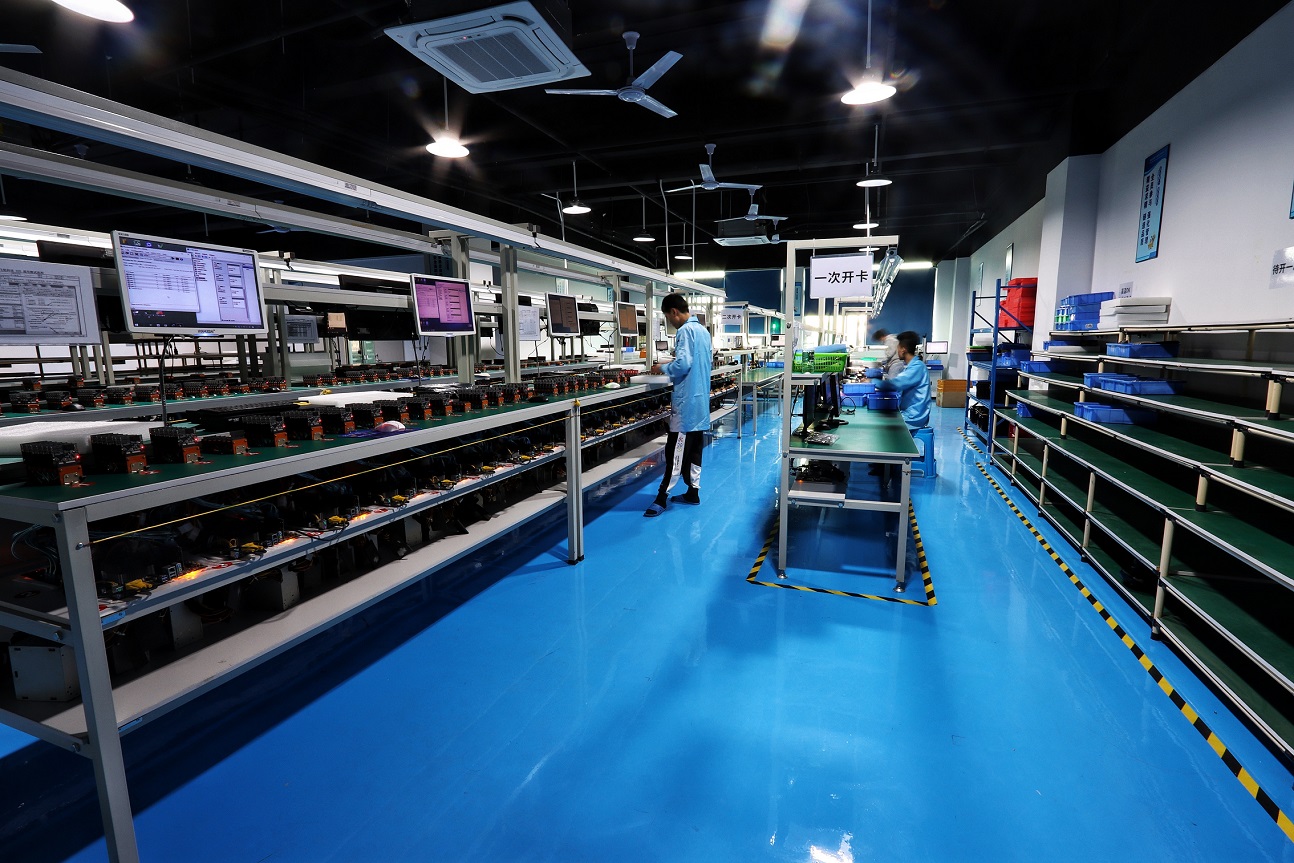
Reliability is guaranteed via dynamic testing environments. Our production pipelines deploy continuous Automated Optical Inspection (AOI) and high-stress burn-in reliability testing. Orchestrated by 35 dedicated QC inspectors, we assure system builders that every component complies with strict enterprise failure rate standards (DPPM levels < 100), ensuring sustained overclocks and long-term operating stability.
Understanding the transition from DDR4 to DDR5 high-frequency modules and how sub-timings affect contemporary gaming ecosystems.
The progression of gaming workloads requires memory systems that offer high bandwidth and energy efficiency. DDR5 introduces a dual-channel sub-channel architecture per DIMM, reducing crosstalk and doubling the burst length from BL8 to BL16. Running up to 6000MHz and beyond, DDR5 shifts power management from the motherboard to the DIMM via a dedicated Power Management Integrated Circuit (PMIC), allowing for cleaner power delivery and decreased system noise.
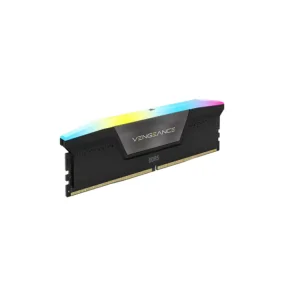
For PC setups running under high overclock settings, heat dissipation limits top-tier performance. Heat spreaders made of aluminum and copper composites help draw thermal energy away from the DRAM chips. Coupled with fine-tuned SPD configurations (Intel XMP 3.0 and AMD EXPO), modules maintain low latency (CL30 to CL40) even when pushed to extreme limits, avoiding thermal throttling and dropped frames during gaming.
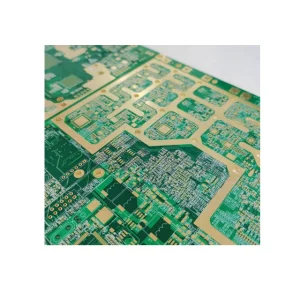
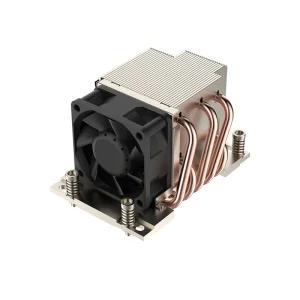
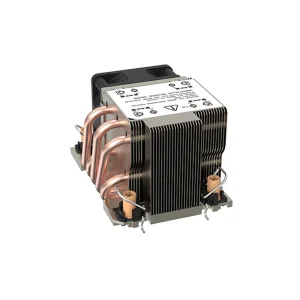
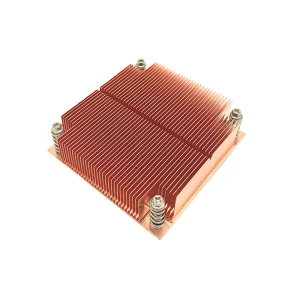
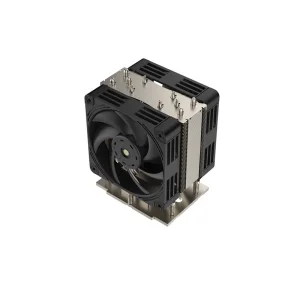
High-quality RAM modules require careful coordination of multiple components. From high-frequency PCBs using multi-layer Rogers and Shengyi FR4 materials to customized, low-profile CPU coolers (such as our 300W and 350W active coolers), each part must work together to maintain target temperatures, stable voltage levels, and clear signal integrity.
Leveraging logistics, strategic partnerships, and robust SMT manufacturing capabilities to build resilient supply chains.
By basing our production in mainland China's advanced electronics manufacturing centers, NexaRAM benefits from deep supply chain integration. We maintain relationships with over 850 strategic partners, which helps us secure priority allocations of high-grade DRAM chips (Samsung, SK Hynix, and Micron ICs) even during global silicon shortages.
During regional raw material shortages, our procurement network adapted quickly. Our engineering team designed alternative PCB layouts with multi-source compatibility, while our factory maintained output by running 24/7 testing cycles. As a result, global clients experienced zero shipment delays, protecting their market distribution channels.
Over the past year, our team introduced 120 new product variations, showing our capacity to adapt memory designs to meet shifting client demands and new chipset standards.
From trace routing to custom thermal solutions, our engineering team tailors modules to meet specific frequency, latency, and aesthetic requirements.
Developing customized DRAM timing profiles (SPD programming) to ensure stable plug-and-play performance at speeds up to 6000MHz+ across multiple motherboard platforms.
Employing high-density routing, controlled impedance designs, and multi-layer stack-ups (using Rogers and FR4 materials) to keep signal attenuation to a minimum.
Creating custom heat spreaders using high-grade aluminum and copper composites, designed to keep memory modules running cool under heavy processing loads.
Offering flexible options for customer branding, including laser-etched heat spreaders, custom RGB lighting layouts, and retail-ready packaging design.
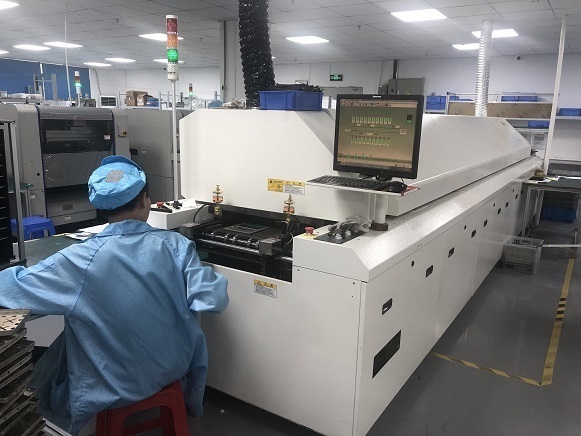
Every stage of production—from the SMT line to final QA inspection—is monitored to maintain consistent quality and output standards.
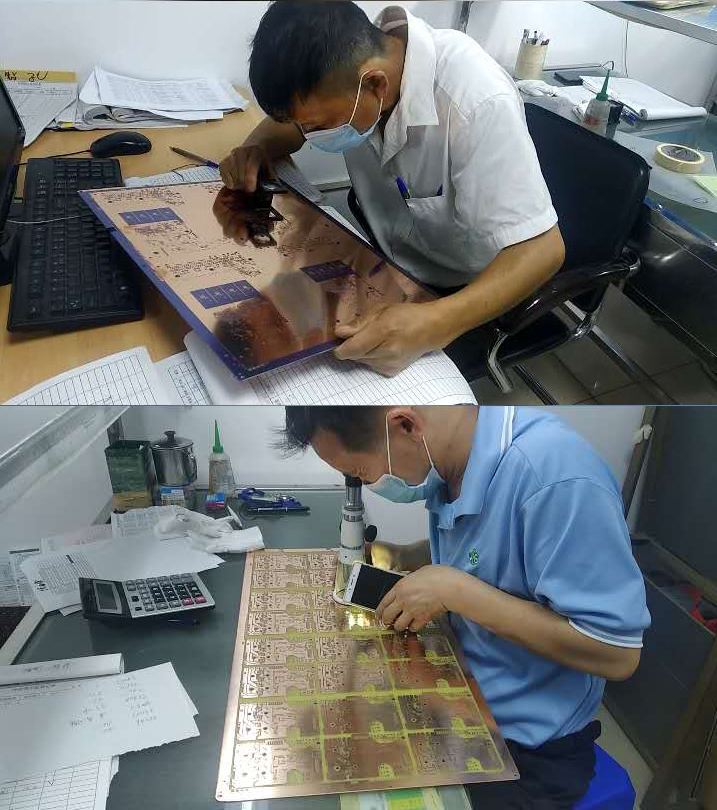
Ensuring our products comply with local regulatory frameworks and performance standards for smooth market integration.
Our memory modules carry global certifications, including RoHS, CE, FCC, and WEEE. We also manage specific local requirements, such as KC certification for South Korea and VCCI for Japan, helping our clients navigate regulatory barriers with confidence.
We configure memory profiles to match regional hardware standards. This includes setting specific JEDEC timings for enterprise servers in Germany or optimizing XMP parameters for high-refresh-rate systems used in cyber cafes in Southeast Asia.
We use halogen-free PCBs and low-power ICs that comply with EU energy policies, helping system integrators meet green procurement requirements for corporate and government tenders.
From edge computing to gaming systems, our memory modules are configured for reliable performance across a variety of setups.
Deploying high-capacity ECC DDR4 and DDR5 modules (such as our 32GB 3200MHz ECC kits) in high-density rack servers. Optimized thermal characteristics help maintain stable temperatures under continuous virtualization workloads.
Providing customized, high-frequency DDR5 memory (like our 32GB 6000MHz dual-channel kits) with optimized heat spreaders. This ensures reliable system performance in high-ambient-temperature environments like PC bangs and gaming lounges.
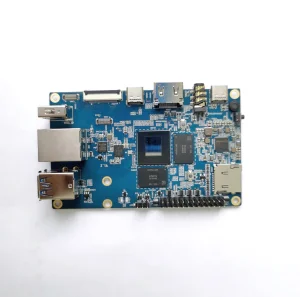
Integrating compact, low-voltage memory layouts for Rockchip RK3588S SBCs and industrial motherboards. These configurations are designed for edge AI inference and automated industrial processes.
Detailed answers to common technical, commercial, and logistical questions from global buyers and hardware engineers.
We offer comprehensive hardware and software customization. This includes custom PCB layout design (multi-layer impedance matching), select IC binning (for specific overclocking capabilities), SPD customization (for custom XMP/EXPO timings), custom aluminum/copper alloy heat spreaders, and personalized RGB lighting profiles. Additionally, we provide custom packaging design to deliver retail-ready products.
Our QA process is divided into three main stages. First, we use automated optical inspection (AOI) post-SMT to check placement accuracy. Second, all modules undergo thermal burn-in testing to identify early component failures. Finally, our team of 35 QC inspectors performs functional validation on high-frequency motherboards to confirm stable performance under real-world workloads.
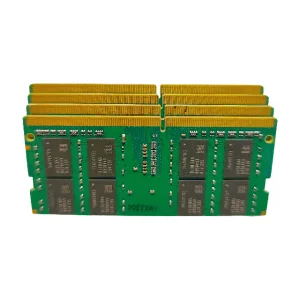
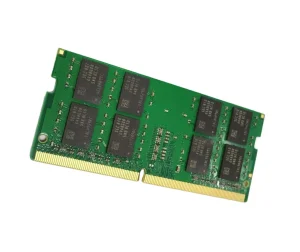
Yes. We manufacture a broad range of memory modules, including standard non-ECC desktop RAM, SO-DIMM laptop memory, and buffered/unbuffered ECC server modules (such as our 32GB 2666MHz/3200MHz ECC series). This helps you consolidate your procurement process by sourcing both consumer-grade and enterprise-grade hardware from a single supplier.
Lead times vary depending on the level of customization required. For standard configurations with custom branding, delivery typically takes 10 to 15 working days. For full ODM projects involving custom PCB layouts and tooling for heat spreaders, the process generally takes 30 to 45 days. This timeline includes prototyping, safety testing, and final approval stages.
Yes. All our products comply with RoHS, CE, FCC, and WEEE standards. We ensure that all materials used in production are lead-free and halogen-free, supporting our clients' environmental compliance initiatives in markets like the EU and North America.
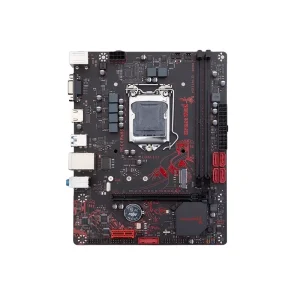
Discover our full line of compatible motherboards, cooling components, and high-frequency memory modules.