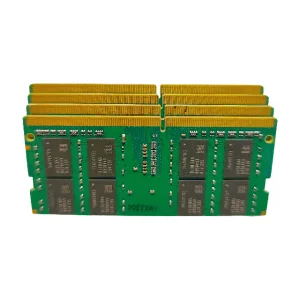
NexaRAM
NexaRAM
NexaRAM
In an era dominated by hyper-converged infrastructures, high-definition streaming, and distributed edge computing, the demands on data transport layers are undergoing unprecedented evolution. As a premier OEM/ODM network switch factory and exporter, we recognize that modern network hardware is no longer just a physical junction box but the strategic foundation of network automation, virtualization, and operational continuity.
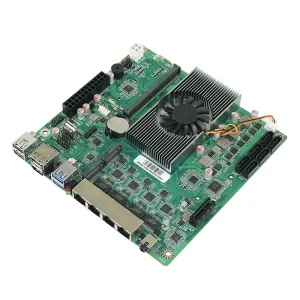
Enterprise operations spanning financial technology complexes, smart logistics networks, automated assembly plants, and cloud service facilities mandate distinct physical parameters for data packet transit. Our technology is built around deterministic silicon, addressing latency overhead, jitter mitigation, and strict bandwidth allocation requirements. By leveraging high-density ASIC integrations and optimized PCB topologies, our hardware delivers reliable wirespeed switching capabilities across all physical ports simultaneously.
Non-blocking multi-gigabit fabrics engineered with dynamic buffer allocation to handle heavy East-West traffic demands in modern containerized workloads.
IP40-rated chassis, wide temperature endurance (-40°C to +75°C), and surge resilience designed for harsh industrial applications and factory floors.
Smart PoE/PoE+/PoE++ (IEEE 802.3af/at/bt) controllers delivering up to 90W per port for PTZ cameras, Wi-Fi 6/7 access points, and remote IoT nodes.
Our network switch platforms integrate directly with legacy hardware configurations while providing a straightforward path to upgrade to software-defined networking (SDN) models. Supported by native API exposure, OpenFlow compliance, and customizable Linux-based network operating systems (ONIE compatible), our OEM designs allow operators to decouple hardware execution layers from logical control layers, simplifying configuration cycles and accelerating time-to-market.
We offer comprehensive product development lifecycle support, translating customer specifications into validated physical products. Our customization spectrum spans both mechanical design and deep electrical engineering, ensuring compatibility with your thermal envelopes, power distribution networks, and industrial configurations.
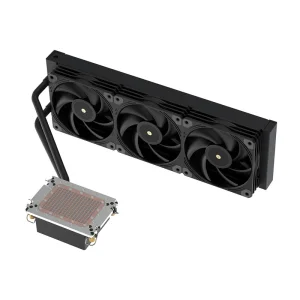
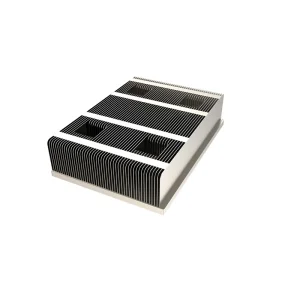
Managing heat is critical to maintaining MTBF (Mean Time Between Failures) standards in 24/7 networks. We utilize advanced thermal simulation models to customize copper-alloy and aluminum heatsinks, passive convection tunnels, and redundant hot-swappable cooling fan assemblies. By coordinating the mechanical structure with optimal air flow dynamics, we eliminate internal thermal hot spots even during peak switching and high PoE loads.
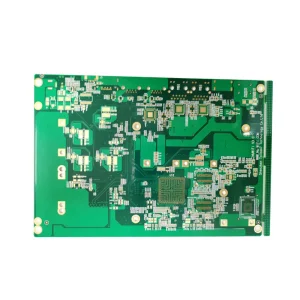
Drawing on our deep expertise in high-frequency multilayer PCB manufacturing, we design signal traces with controlled impedance to minimize electromagnetic interference (EMI) and crosstalk. Utilizing high-TG FR4 and ceramic-filled substrates, our engineers optimize layer stackups—ranging from 4-layer boards for entry-level managed switches to 12+ layers for complex Layer 3 multi-gigabit core switches—ensuring high signal integrity for high-frequency signal lines.
Our ODM software integration options include bootloader branding, custom web GUIs (HTTP/HTTPS), SNMP MIB development, command-line interface (CLI) styling, and customized API configurations. Whether you need a simple Layer 2 configuration interface or a complex Layer 3 routing stack (OSPF, BGP, VRRP), our software team will customize the interface and functionality to align with your brand's software strategy.
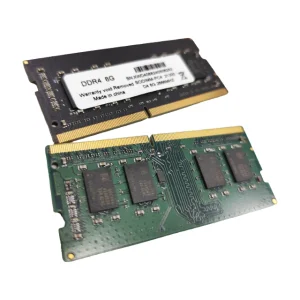
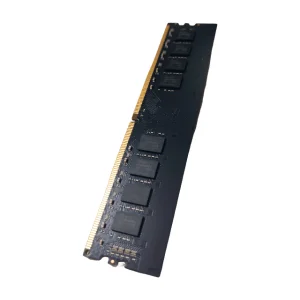
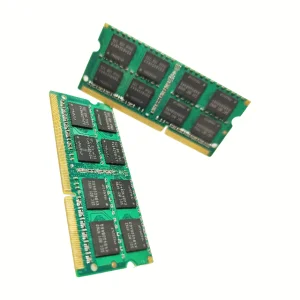
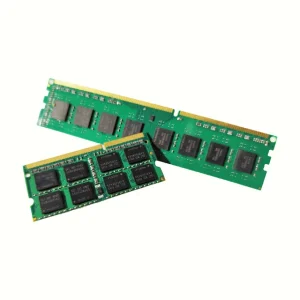
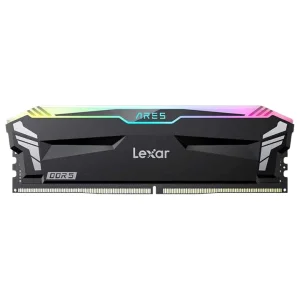
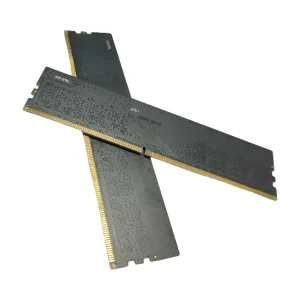
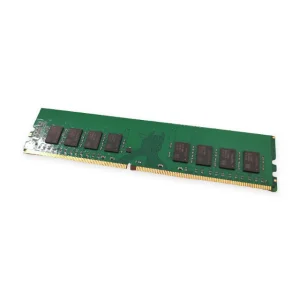
NexaRAM Storage Technology Co., Ltd. is a professional DDR5 memory manufacturer specializing in high-performance RAM solutions for global OEMs, data centers, and enterprise computing applications. Established in 2016, the company has rapidly developed into a reliable supplier in the advanced DRAM industry.
The company operates a modern production facility with a total building area of approximately 320㎡, equipped with advanced manufacturing and testing equipment to ensure stable and efficient production capacity. NexaRAM has an annual export revenue of approximately USD 12 million, with 6 years of export experience and 12 years of industry experience in memory and semiconductor-related fields.
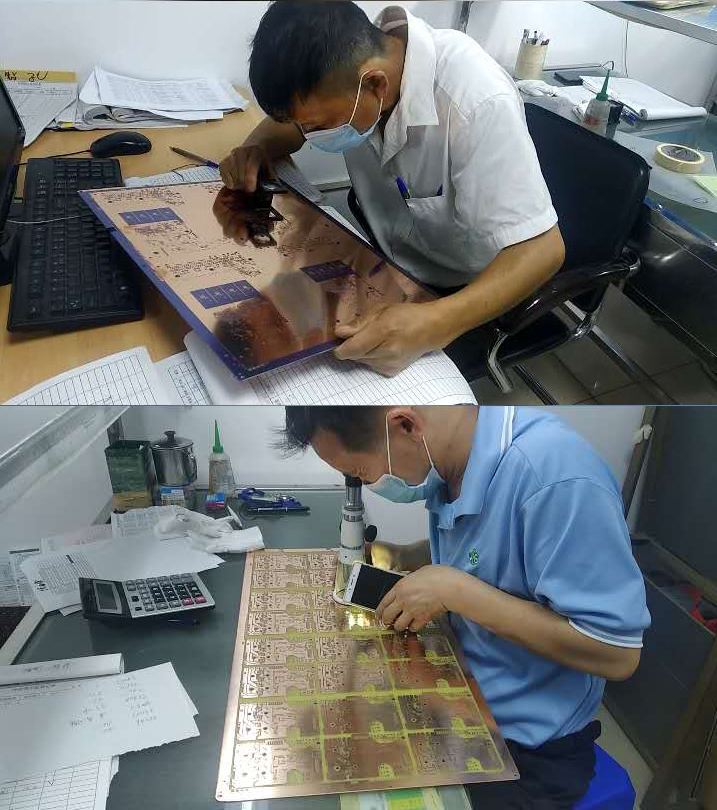
Quality is strictly controlled through a combination of automated optical inspection (AOI) and burn-in reliability testing, supported by a professional QC team of 35 inspectors. The company follows international trade compliance standards and operates under a strong global trading background, serving markets across North America, Europe, Southeast Asia, and the Middle East.
NexaRAM maintains a highly developed supply chain ecosystem with over 850 strategic supply chain partners, enabling stable sourcing of high-grade semiconductor materials and components. Its primary customer base includes OEM manufacturers, system integrators, server solution providers, and gaming PC brands.
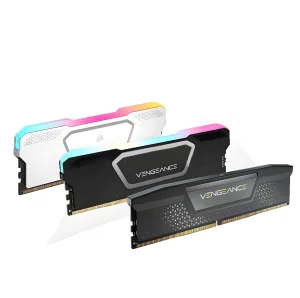
The company demonstrates strong R&D capabilities, offering custom DDR5 module design, PCB layout optimization, frequency tuning, and thermal solution development. Flexible customization options include frequency, latency, capacity, heat spreader design, and branding services.
In the past year, NexaRAM launched 120 new product variants, supported by a dedicated R&D team of 180 engineers, continuously driving innovation in high-speed memory solutions for next-generation computing systems.
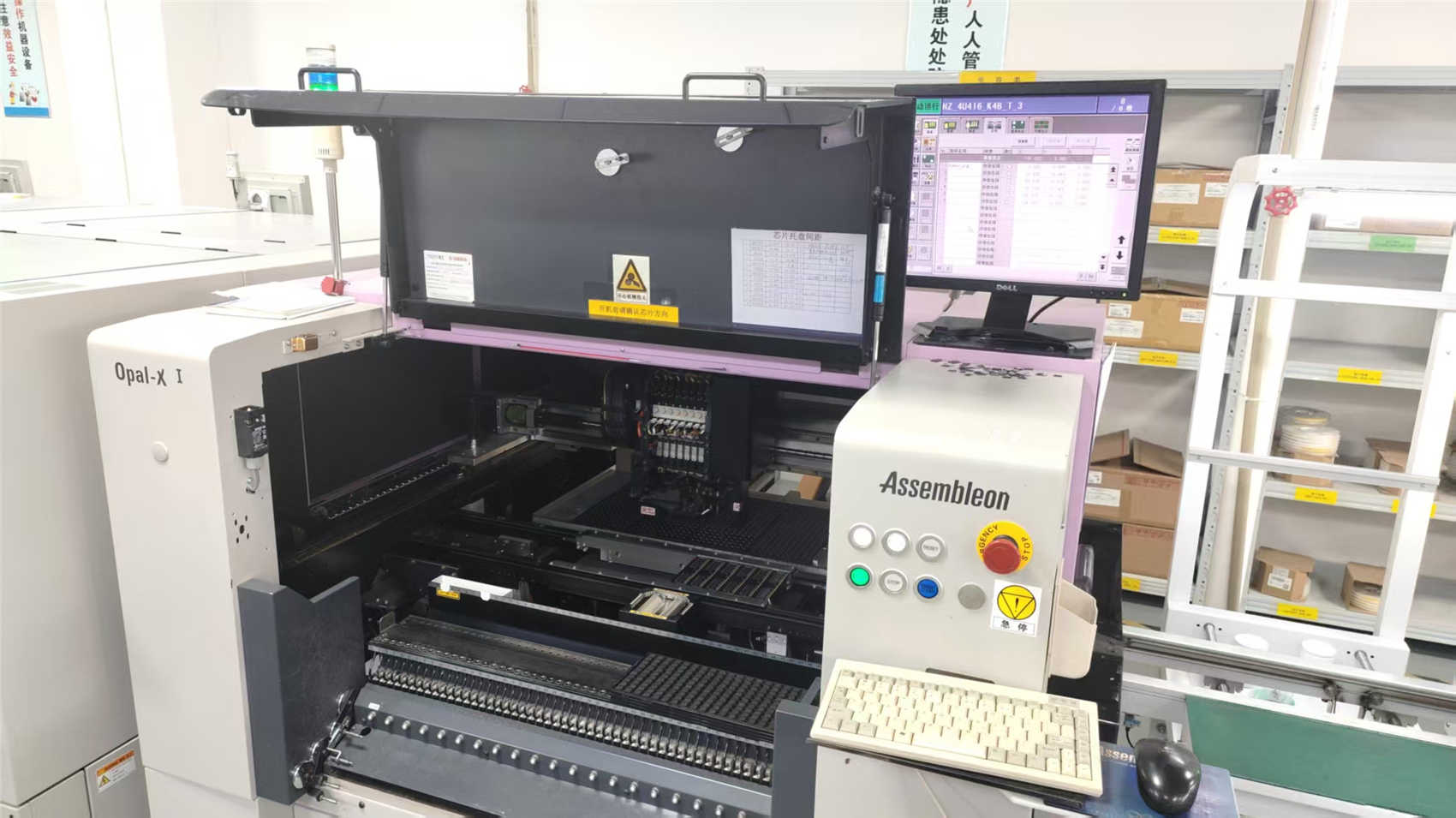
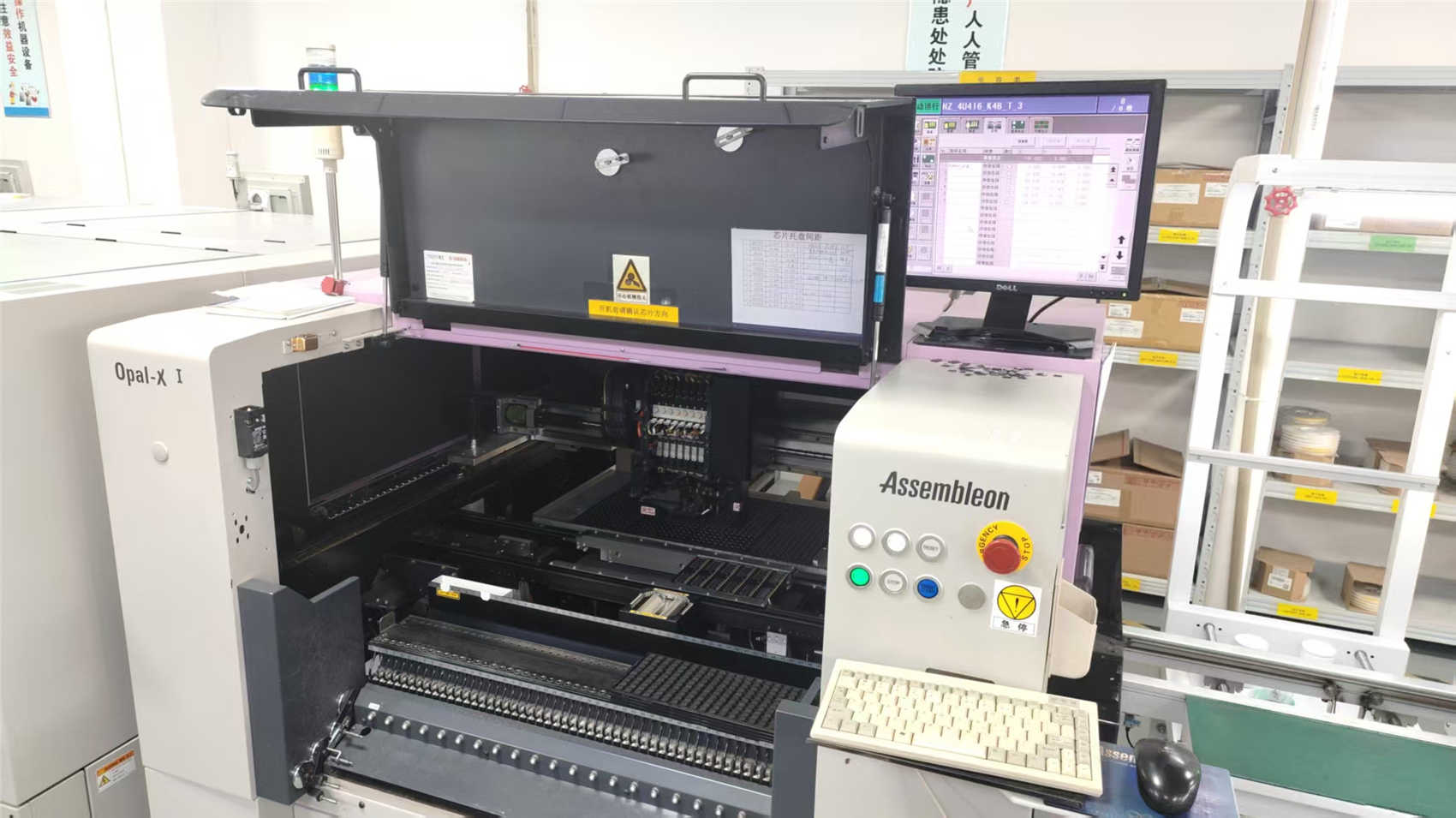
Every piece of network and memory hardware that leaves our production floor undergoes rigorous, multi-stage verification to ensure absolute operational stability in high-density enterprise environments. We maintain a zero-tolerance policy for micro-cracks, solder bridge defects, and signal attenuation issues. Below is a closer look at our testing, inspection, and verification workflow.
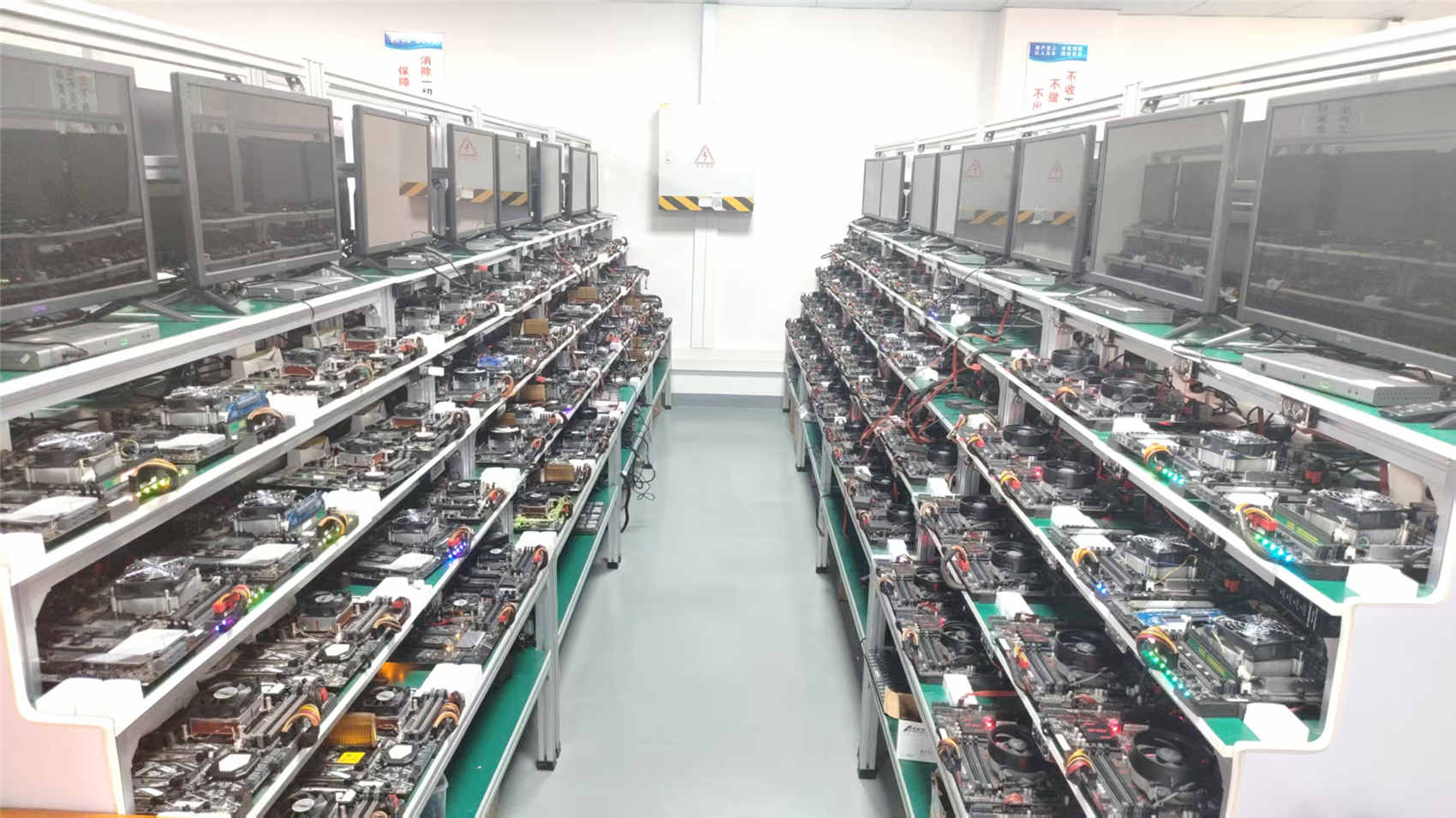
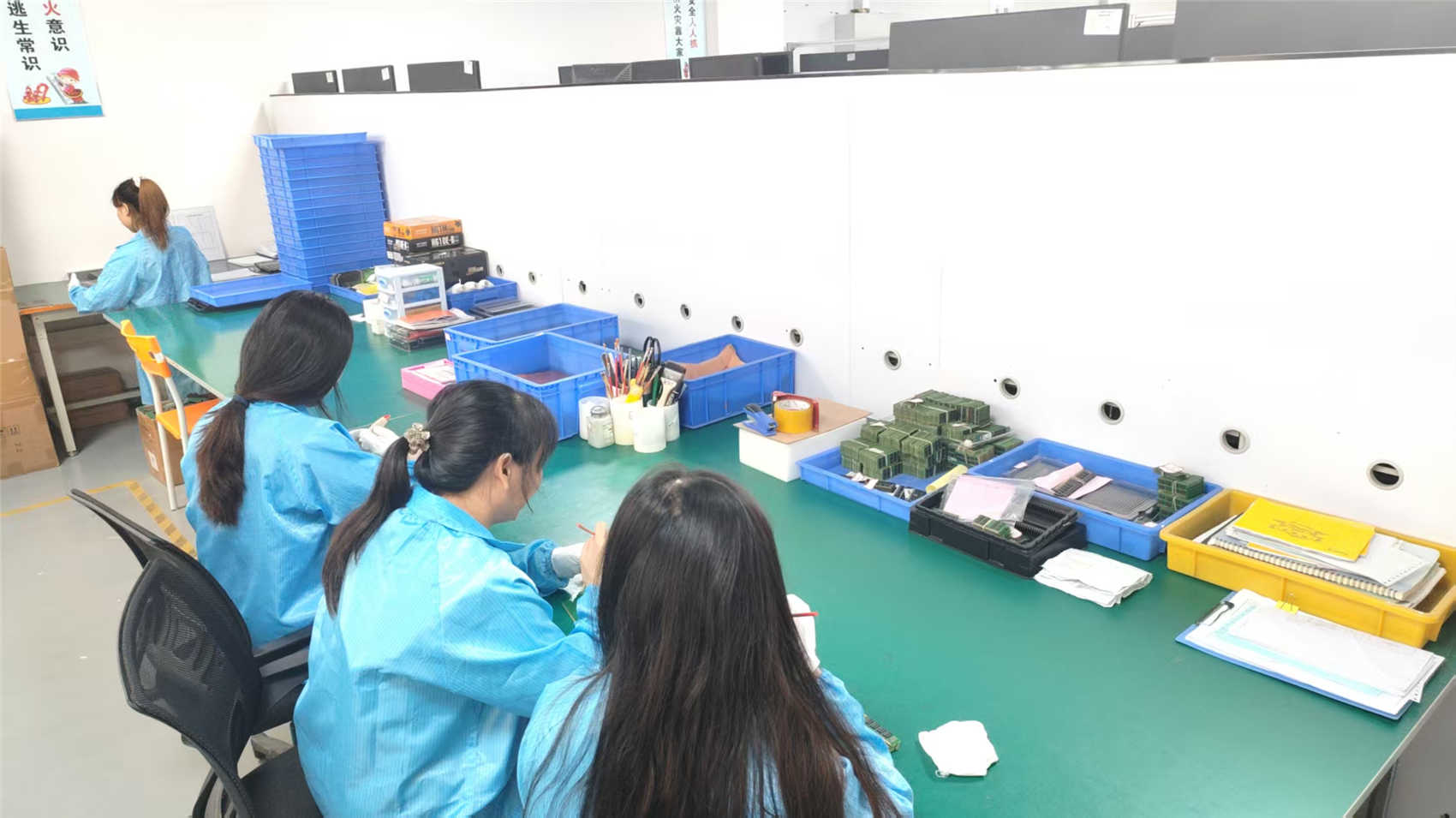
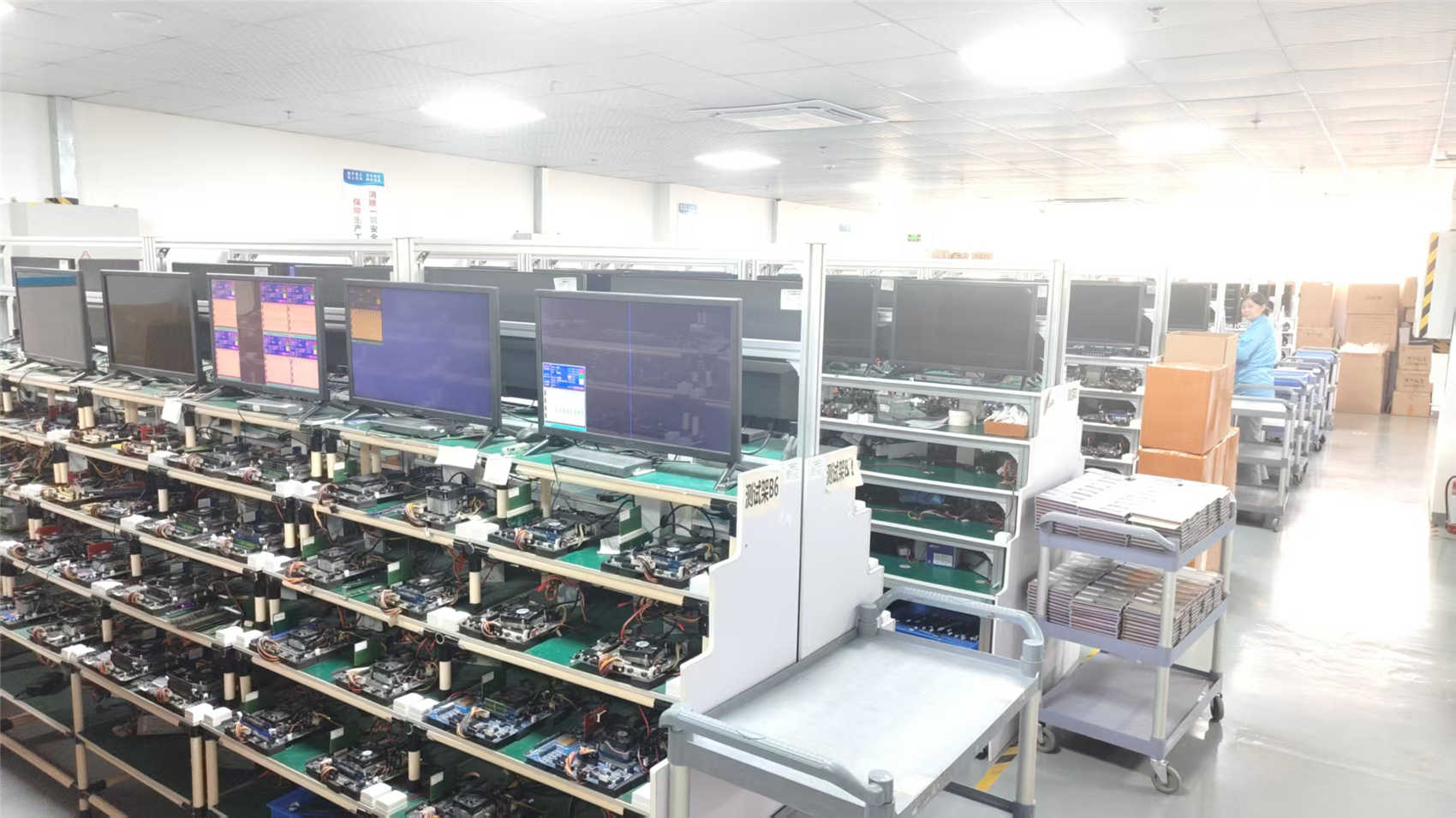
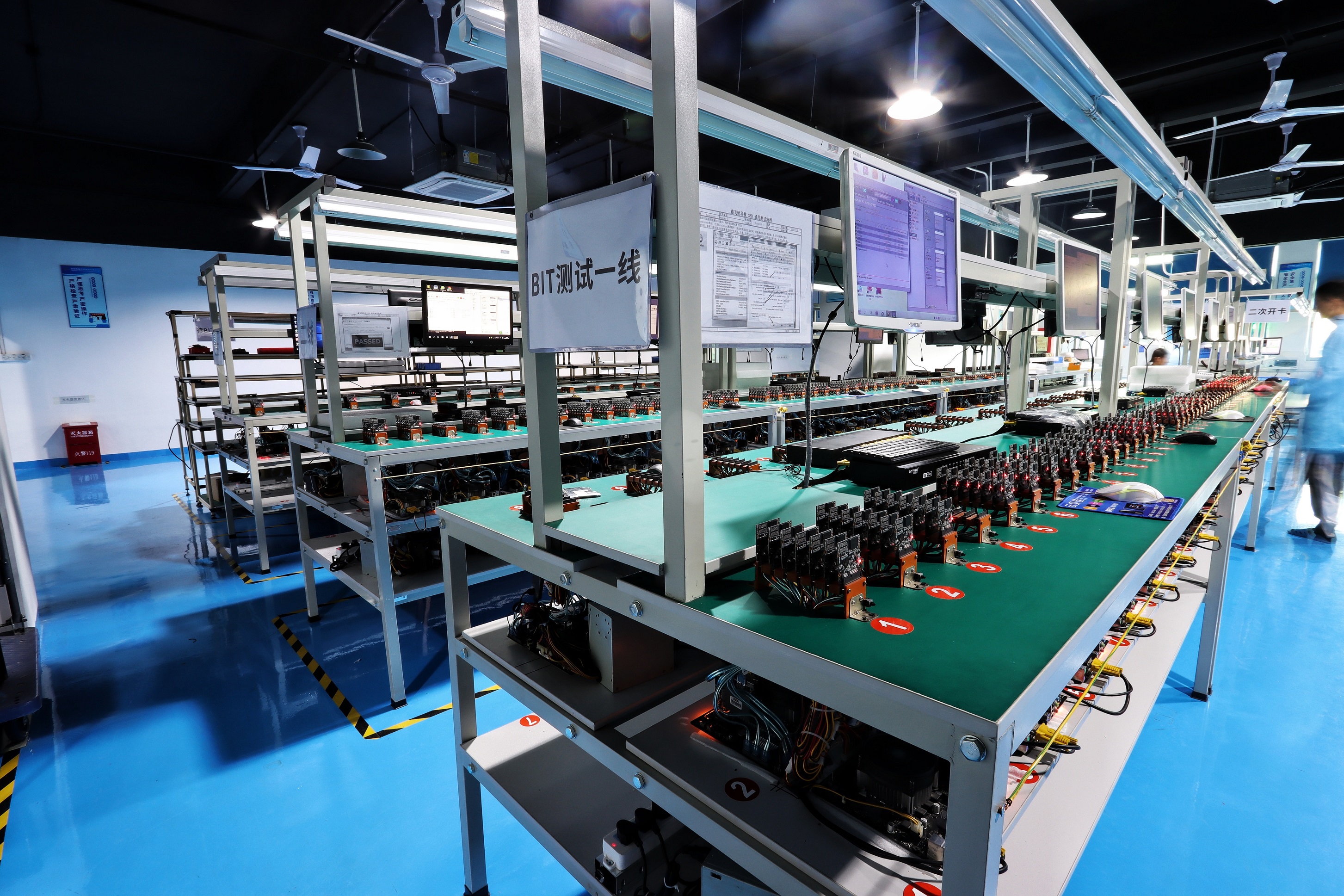
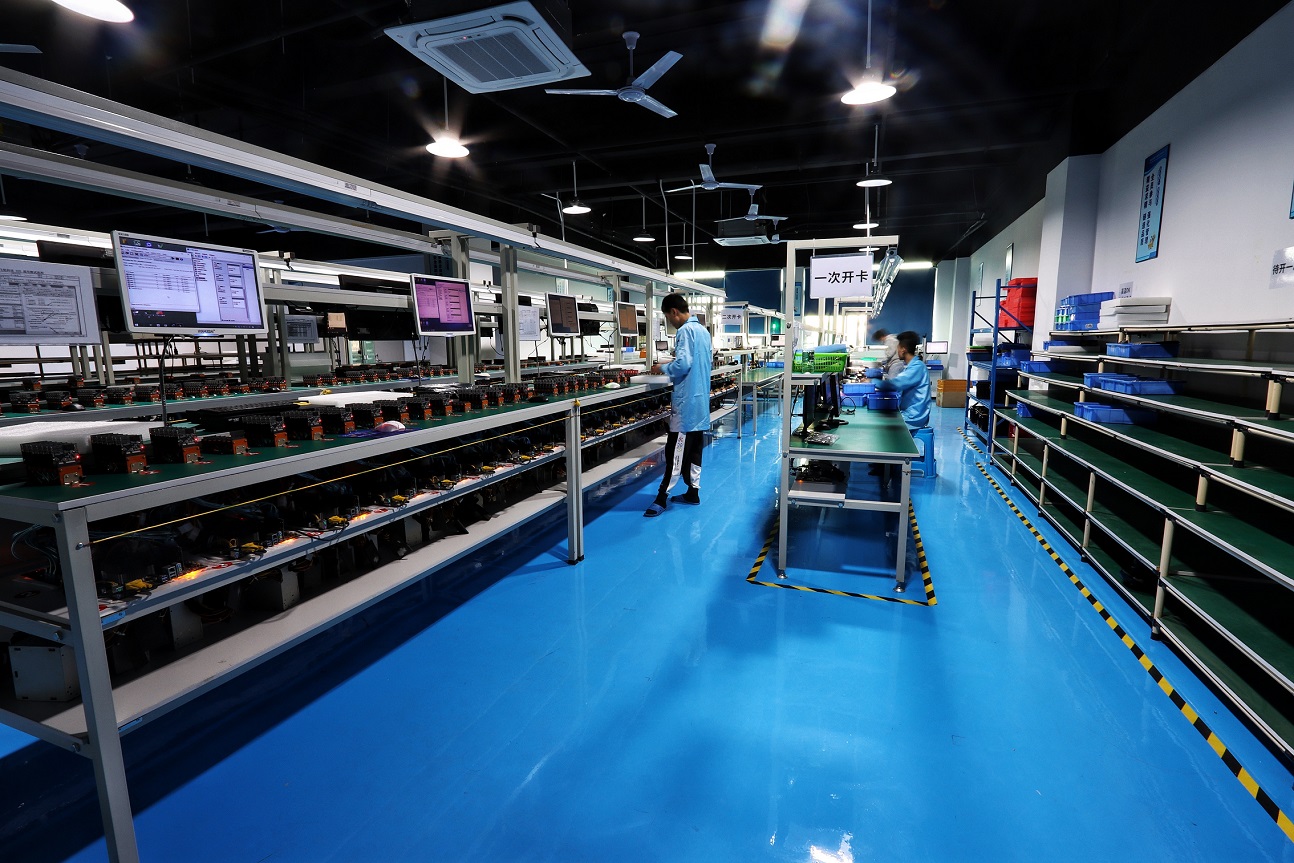
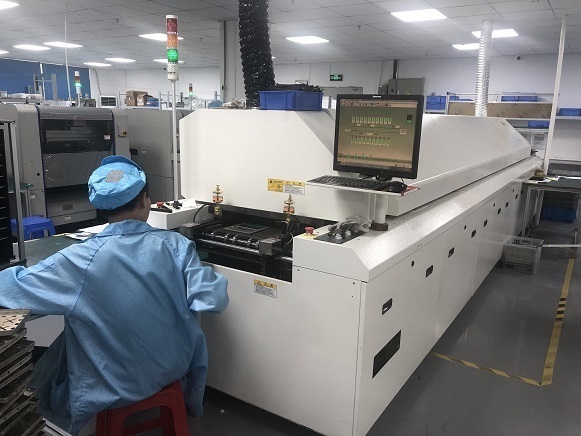
Our quality management system is based on advanced automated inspection tools. We perform Automated Optical Inspection (AOI) post-SMT to check component presence, polarity, alignment, and solder quality. In addition, our burn-in testing chambers subject every network switch and memory device to high temperatures under full workloads for continuous periods, identifying and eliminating premature components before shipment.
Serving major markets across North America, Europe, Southeast Asia, and the Middle East requires strict compliance with international electronic standards. Our facilities and products conform to major global frameworks, minimizing regulatory friction for import and distribution partners.
We provide full documentation for certifications, including CE, FCC, RoHS, and UL approvals. Whether your target deployment is class-A corporate office parks or ruggedized class-B industrial environments, our switches feature the necessary shielding against electromagnetic interference (EMI) and ESD protective circuits, preventing field failures during lightning surges or voltage spikes.
With over 850 strategic partners, our supply chain ensures consistent component sourcing, even during periods of semiconductor market volatility. We source primary components from reliable global semiconductor brands, ensuring consistent performance and avoiding unauthorized components.
As network bandwidth requirements shift from Gigabit to Multi-Gigabit and 100G/400G infrastructures, our R&D roadmap focuses on enabling cost-effective, high-bandwidth equipment. Our engineering team is currently focused on several key developments:
By maintaining high-frequency design standards, optimized thermal management, and reliable software integration, we deliver network switches that support your long-term network roadmap.