NexaRAM
NexaRAM
NexaRAM
As next-generation computing architectures advance into high-frequency DDR5 systems, specialized AI workloads, and dense cloud infrastructures, the demand for precision-engineered passive components, thermal management hardware, and multi-layer PCBs has reached critical status. The interaction between active processors and passive elements governs signal integrity, thermal thresholds, and operational longevity.
NexaRAM Storage Technology Co., Ltd. delivers institutional-grade solutions to global system integrators, server architects, and consumer electronics brands. Positioned at the intersection of material science and electronics packaging, our specialized division designs, prototypes, and manufactures highly customized passive architectures, heatsinks, and flexible interconnects (FPC) that sustain the peak requirements of high-performance computing.
Leveraging over 12 years of industry experience, NexaRAM coordinates an active network of 850+ strategic supply chain partners to source high-grade, compliant semiconductor materials. We solve complex electromagnetic interference (EMI) issues, eliminate heat bottlenecks, and maximize signal transfer speeds to bridge the gap between architectural concept and deployment-ready hardware.
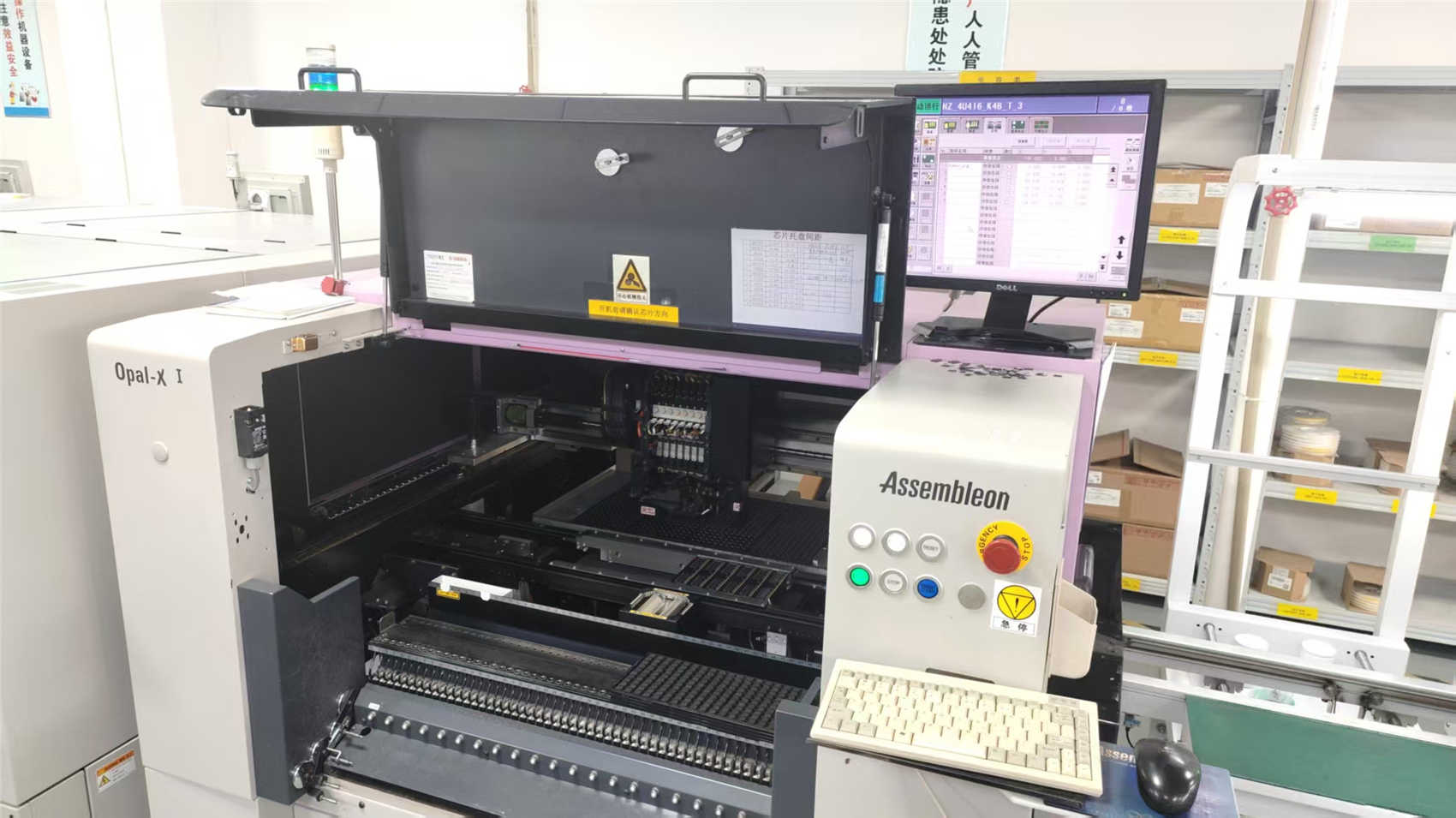
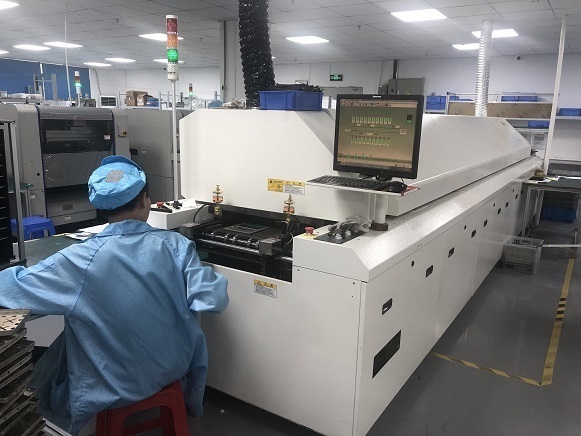
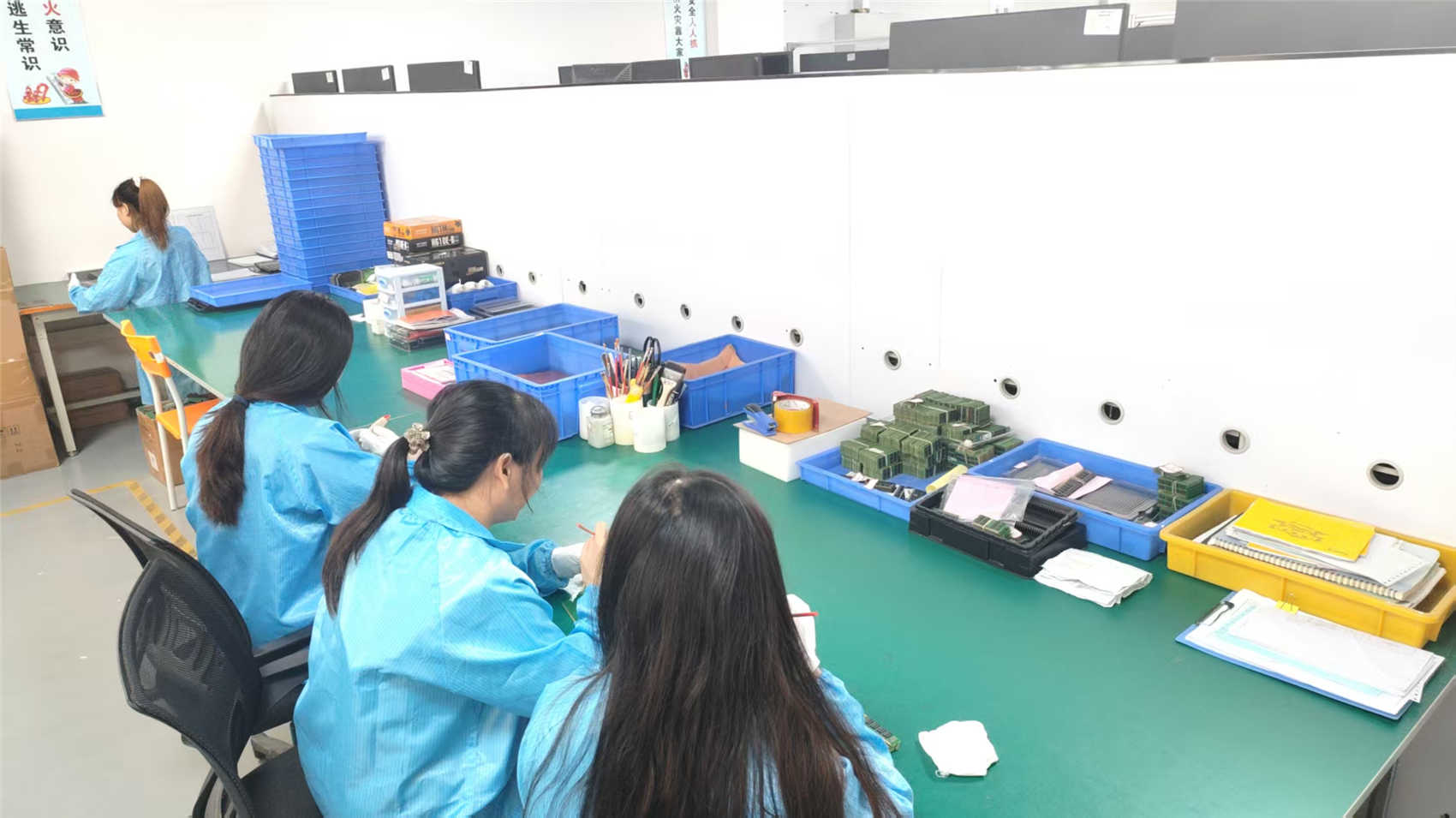
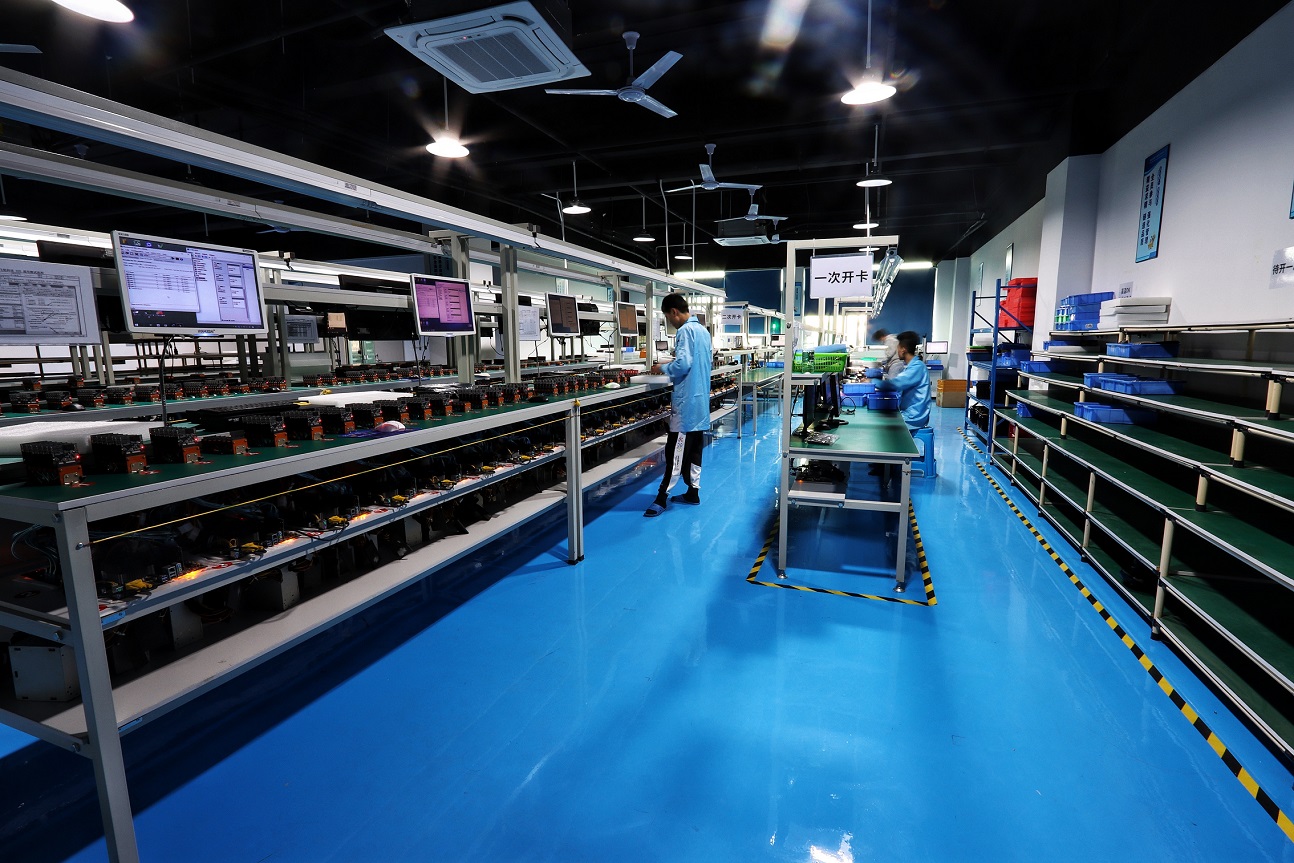
Figure 1: NexaRAM's automated SMT and passive module assembly cleanroom.
As electronics transition to sub-millimeter scales, multilayer ceramic capacitors (MLCCs) and micro-inductors must sustain higher dielectric constants and lower Equivalent Series Resistance (ESR) in highly restricted spaces.
Modern chipsets running intense generative model calculations demand targeted cooling. Innovations include composite vapor chambers, sintered copper powder heat pipes, and high-performance baseplates.
The structural shift of power management from the motherboard directly onto the memory module (PMIC in DDR5) necessitates highly stable local inductors and low-profile bypass capacitors.
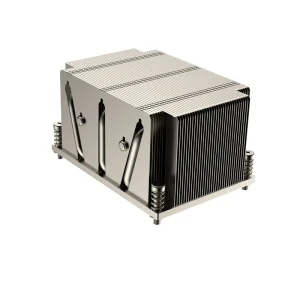
The modern semiconductor landscape demands high component integration. In high-frequency systems, trace inductance and thermal bottlenecks can significantly degrade performance. When deploying hardware configurations like the Processor Heatsink LGA4926 300W Server Heatsink, structural heat pipes must balance pressure gradients and fluid capillary limits to keep CPU core temperatures within safe operational margins. Sourcing these devices from an OEM/ODM supplier equipped with verified thermal simulation platforms (such as ANSYS Icepak or FloTHERM) is essential for avoiding system throttles.
Global component buyers, procurement officers, and engineering directors face mounting supply chain and quality challenges. When selecting an OEM/ODM partner for custom memory components, high-frequency PCBA prototypes, or customized cooling structures, five main criteria guide their decision-making:
Evaluating standard catalog components versus custom OEM/ODM solutions shows clear trade-offs in modern hardware design:
| Parameters | Off-the-Shelf Catalog | NexaRAM OEM/ODM Service |
|---|---|---|
| Thermal Efficiency | Standard (Fixed TDP) | Engineered (Up to 300W+ custom copper) |
| PCB Layout Design | Static Geometry | Dynamic (Custom layers, FPC Polyimide) |
| Frequency Tuning | Fixed Profile | Custom frequency, timing, and latency profiles |
| Traceability | Variable by Batch | Full batch-level component traceability |
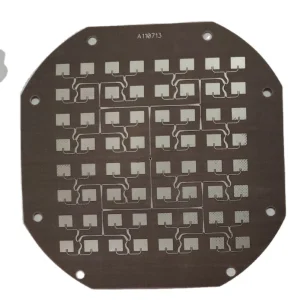
In high-speed data transmission systems, standard FR-4 laminates often suffer from high dielectric loss (Df) and signal attenuation. For specialized applications like high-frequency RF communication and dense server storage, substrates such as Taconic TLY-5 (0.254mm thickness) are utilized. These specialized PTFE-based substrates exhibit a low, stable dielectric constant (Dk) and low dissipation factor, maintaining signal integrity at high frequencies. NexaRAM works with these advanced materials to ensure that both active and passive components maintain clean signal profiles with minimal return loss.
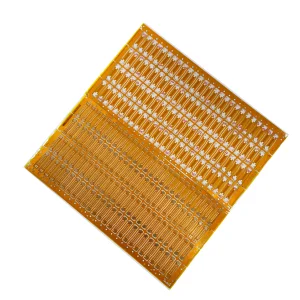
For modern smart devices, wearable tech, and space-constrained keyboard mechanisms, rigid PCBs are often too bulky. Standard FPC Flexible PCB Modules (1-2 layers) constructed with high-grade polyimide substrates provide the necessary flexibility. These flexible circuits support dynamic, repeatable bending without cracking copper traces. By optimizing polyimide thickness, copper weight, and coverlay materials, our engineers deliver highly reliable interconnect solutions for consumer, industrial, and medical systems.
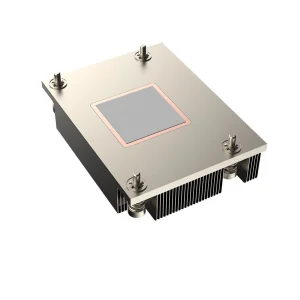
In high-density server configurations (such as 1U or 2U enclosures), active fan failure is a constant risk. Consequently, passive cooling mechanisms like the Computer Copper Based 1U Passive CPU Heatsink are designed to maximize natural and chassis-forced airflow. By combining high-purity copper bases (which offer superior localized heat absorption) with stacked aluminum fins (which provide high surface-area-to-weight ratios), these passive cooling assemblies efficiently draw heat away from the CPU die. The integration of vapor chambers and vacuum-sealed heat pipes further speeds heat transfer across the cooling array.
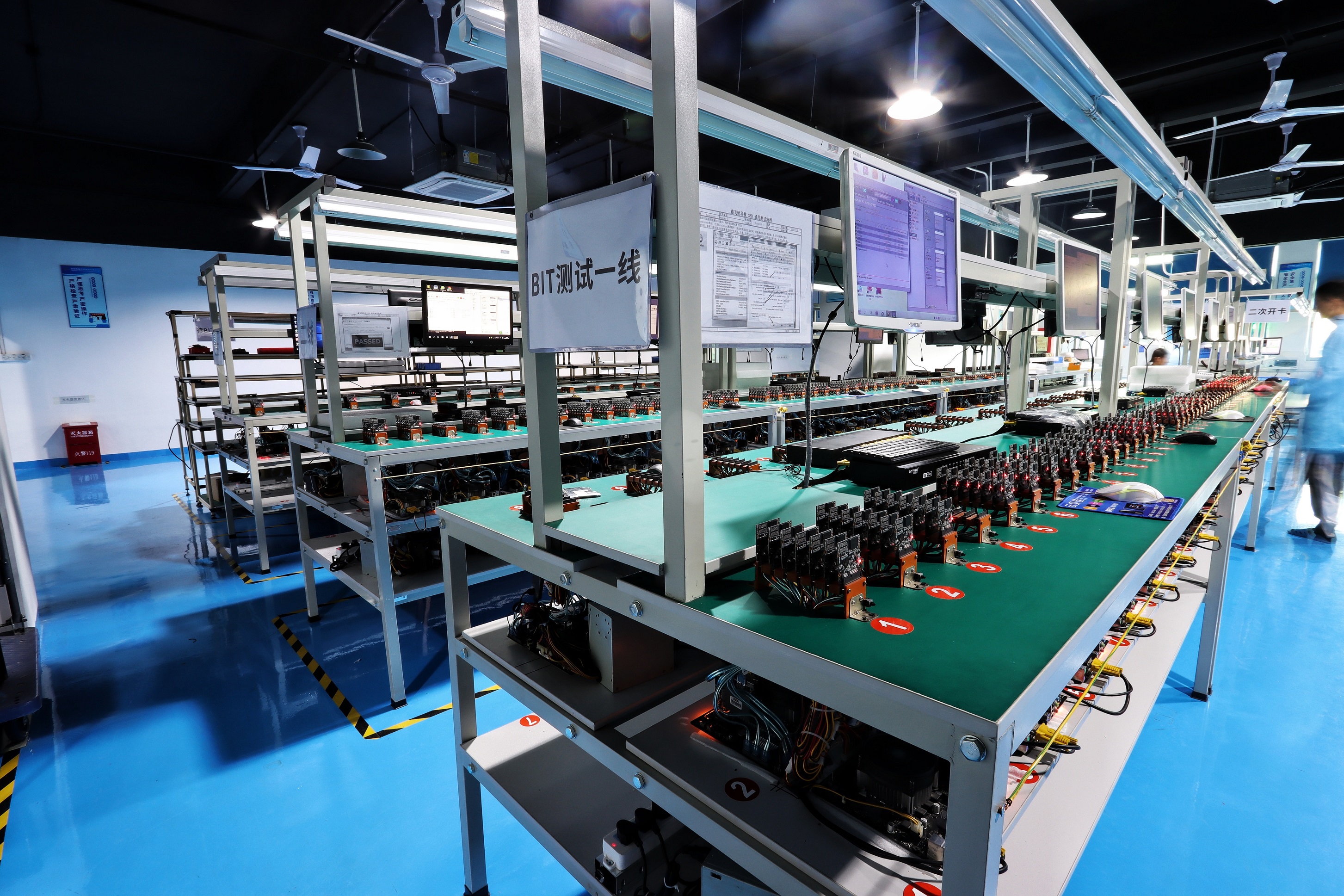
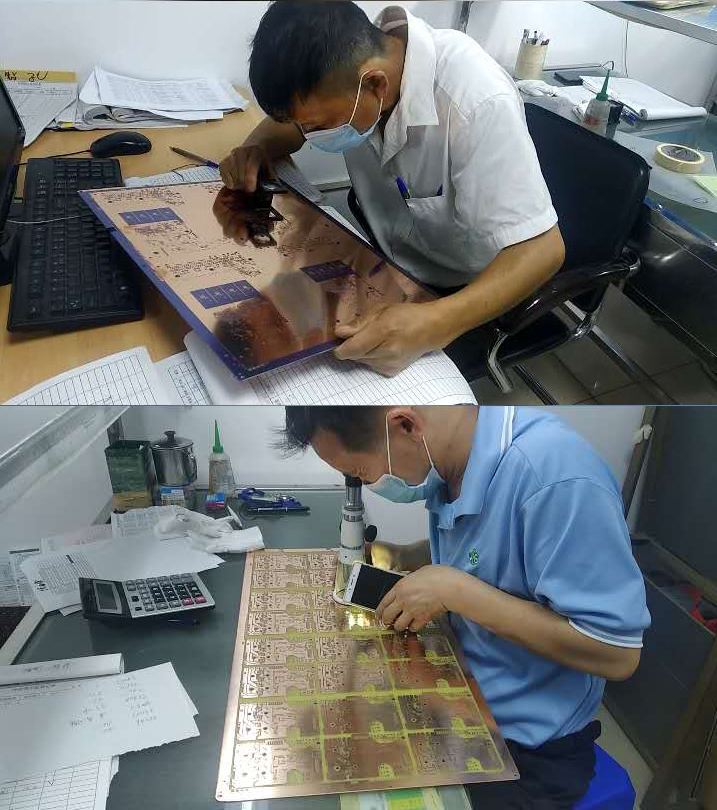
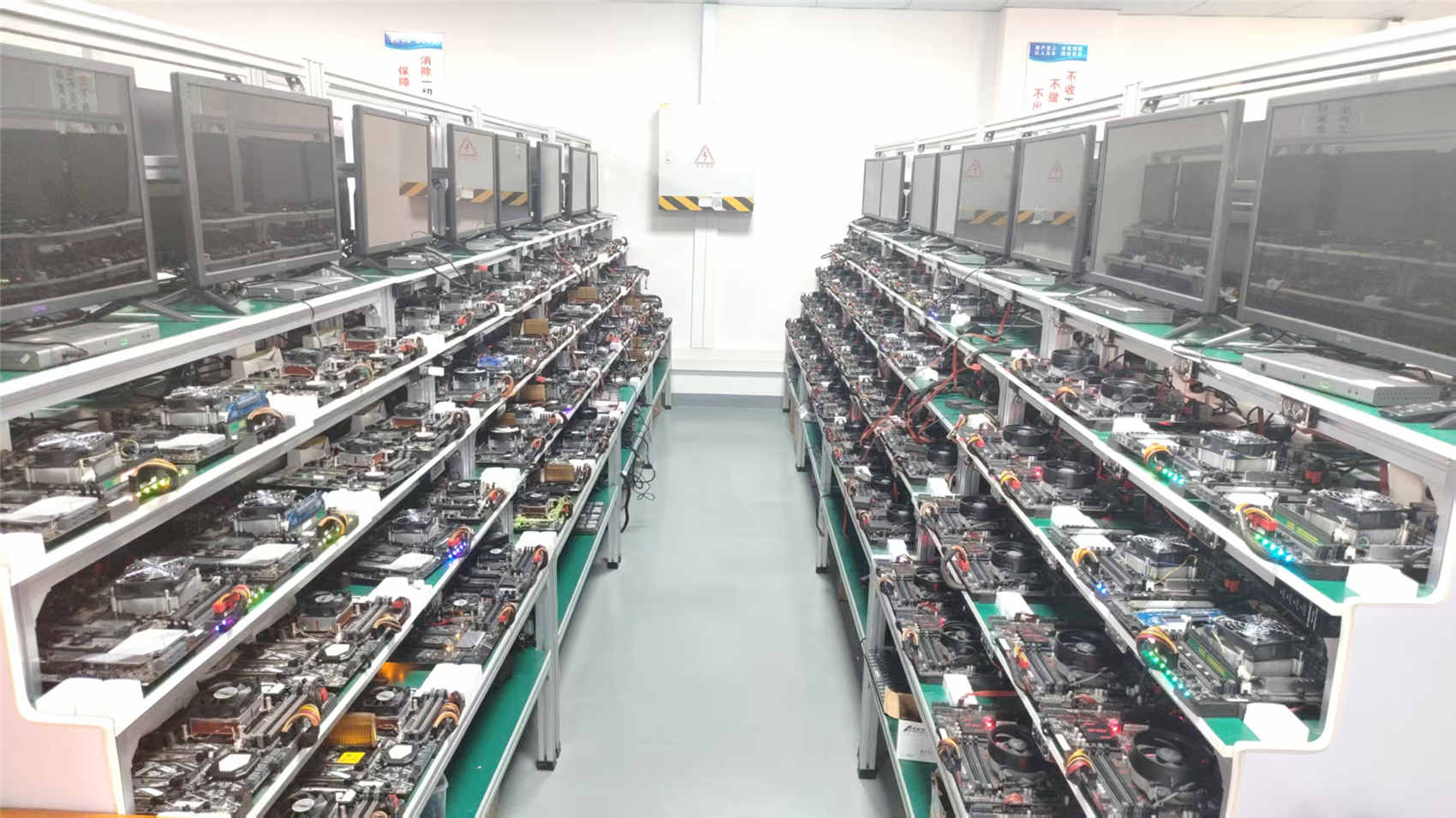
NexaRAM maintains a quality-first approach to production. Operating under certified ISO 9001 and ISO 14001 frameworks, the company enforces strict inspection protocols at every stage of the manufacturing cycle, from incoming raw materials to final packaging. Our Quality Control department features 35 dedicated inspectors who utilize automated testing equipment to verify dimensional accuracy, electrical performance, and physical integrity.
Our quality verification process relies on two core testing methodologies:
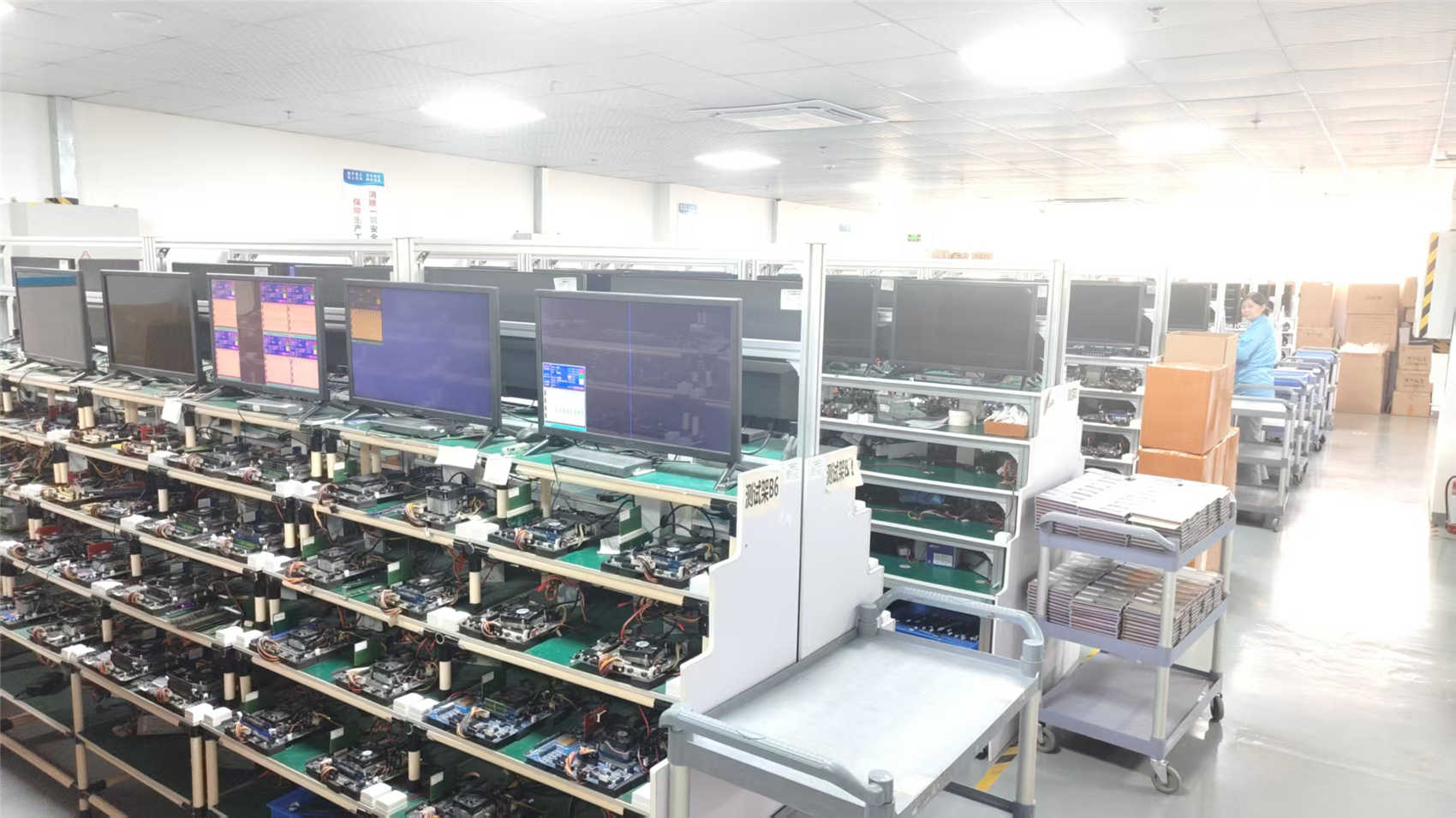
Figure 2: Quality assurance inspection station running real-time AOI diagnostic software.
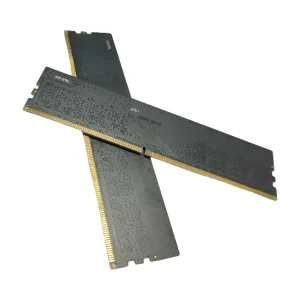
The transition from DDR4 memory architectures to high-performance DDR5 and emerging DDR6 standards requires continuous component innovation. DDR5 modules operate at higher signaling rates and lower base voltages (1.1V vs. DDR4's 1.2V), making them more sensitive to voltage ripples and high-frequency noise. This sensitivity places higher demands on passive filtering networks, such as decoupling capacitors, power inductors, and specialized PMIC setups.
To support this transition, NexaRAM's R&D division (comprising 180 engineers) is actively developing next-generation hardware designs. Over the past year, we have introduced 120 new product variants designed to integrate seamlessly with the latest chipset architectures. Our research focuses on three primary areas:
Increasing the layer count within multilayer ceramic capacitors (MLCCs) to maximize capacitance per unit volume, providing cleaner voltage regulation directly next to the DRAM controller.
Developing complex, multi-axis heat pipe arrays to efficiently cool high-TDP processors (exceeding 350W) within space-constrained 1U/2U server chassis.
Refining manufacturing capabilities for Taconic, Rogers, and other PTFE-based high-frequency PCBs to meet the strict signal integrity requirements of PCIe Gen 5 and Gen 6 interfaces.
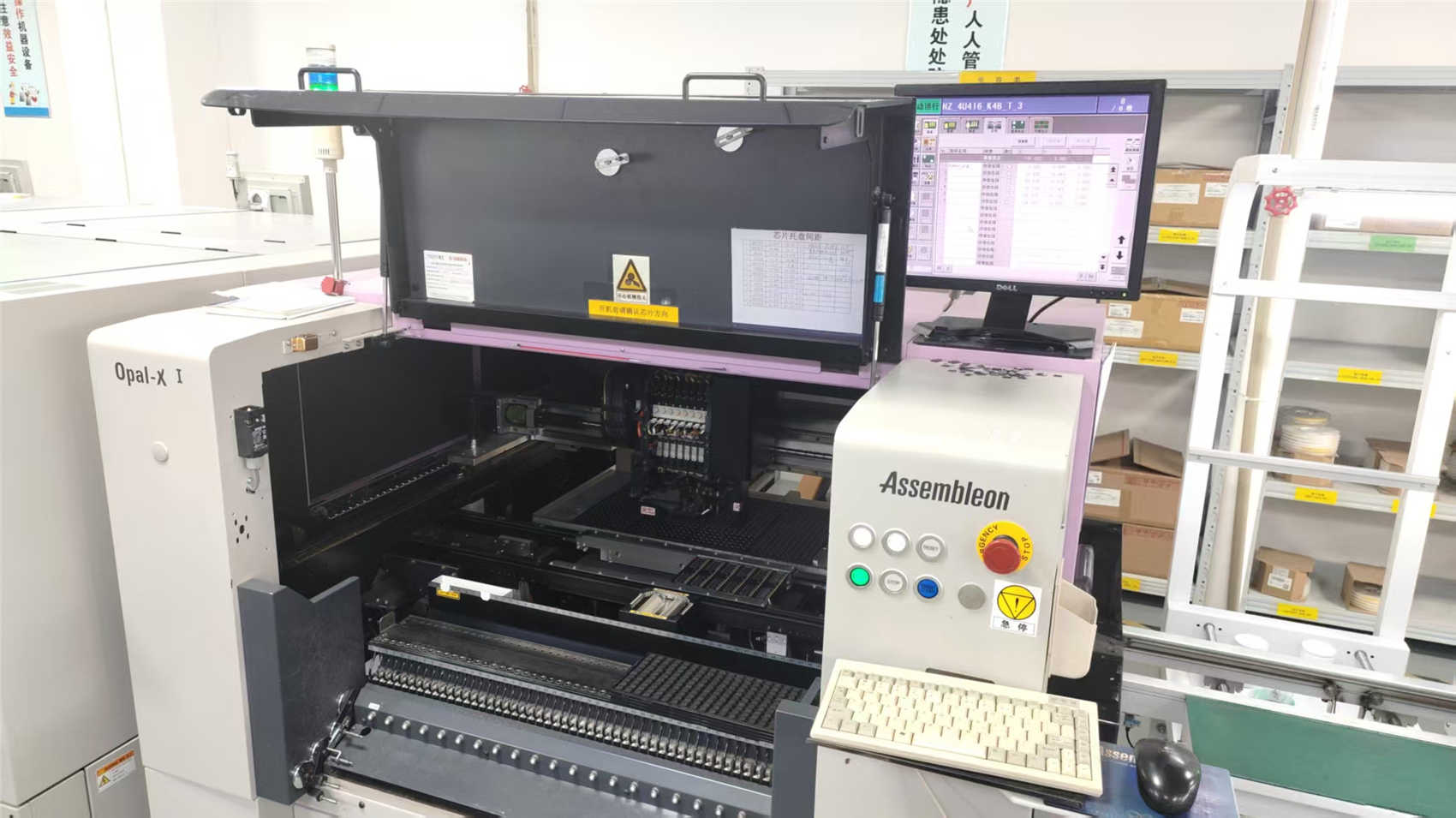
Figure 3: NexaRAM's automated assembly line, optimized for manufacturing DDR4/DDR5 modules and passive assemblies.