NexaRAM
NexaRAM
NexaRAM
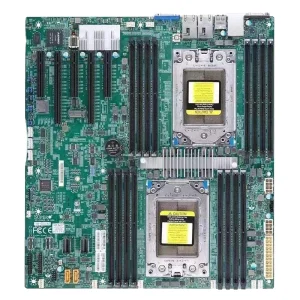
Explore our high-performance computing components, cooling solutions, and circuit boards utilized in global edge systems.
Understanding the massive scale, supply constraints, and hardware layers of the modern wireless landscape.
In the modern era of industrial digitization, the demand for high-performance Bluetooth Low Energy (BLE) and Classic Bluetooth modules has reached an unprecedented scale. Global enterprises are deploying IoT technologies in applications ranging from automotive diagnostics to real-time location systems (RTLS) in logistics warehouses. The integration of Bluetooth modules into industrial equipment, consumer electronics, and healthcare devices is driven by the mandate to connect, monitor, and optimize physical systems in real-time.
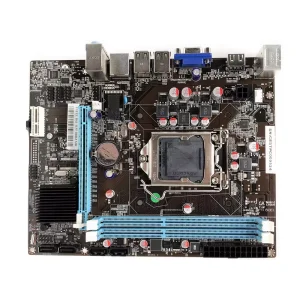
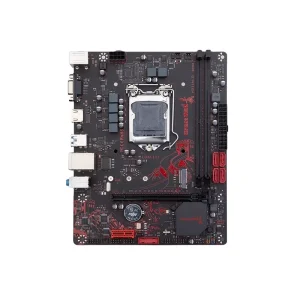
However, the implementation of a scalable Bluetooth network involves more than just selecting a transceiver chipset. It requires a robust, high-performance physical infrastructure. High-frequency RF communication relies heavily on low-loss, multi-layer printed circuit board (PCB) designs, as well as high-speed memory architectures to support edge computing and signal processing. To successfully build and scale these systems, enterprise procurement managers need to partner with suppliers that not only deliver certified RF modules but also provide the underlying computing hardware (such as custom DDR4/DDR5 memory, high-density PCBs, and robust server cooling components) necessary to support the corresponding edge gateway servers and localized data processors.
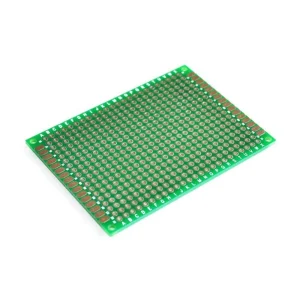
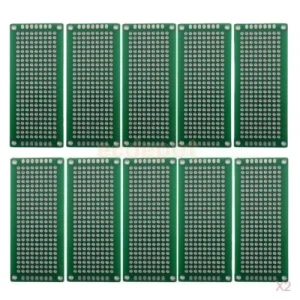
High-frequency RF modules require specialized FR4 substrates and precision multi-layer layouts to minimize impedance mismatch, electromagnetic interference (EMI), and signal attenuation across BLE bands.
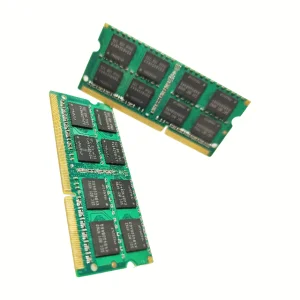
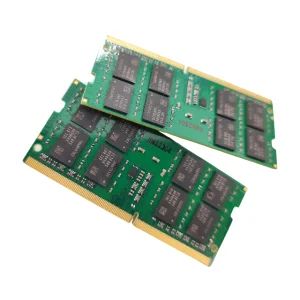
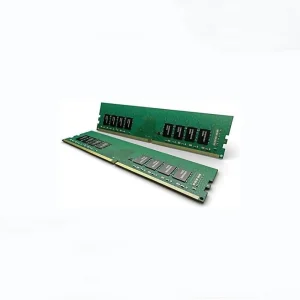
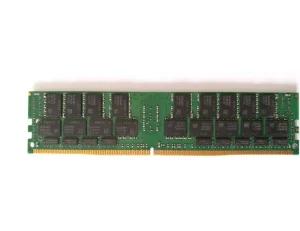
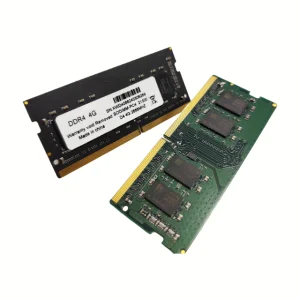
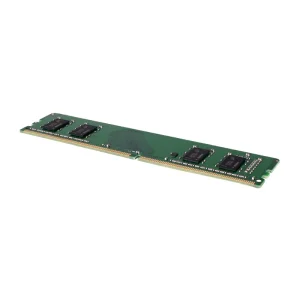
Smart IoT gateways processing hundreds of localized Bluetooth beacon signals require high-performance, low-latency DDR4/DDR5 RAM to manage high-throughput message buffers without packet loss.
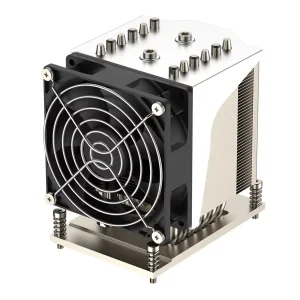
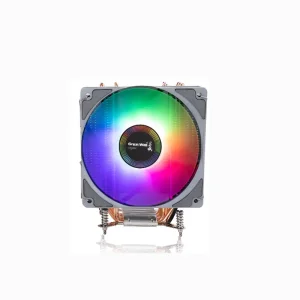
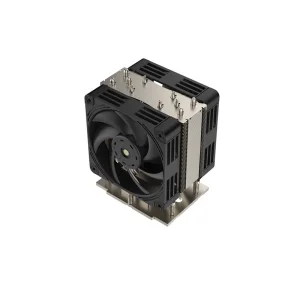
Continuously operating industrial edge-servers and gateway hardware require advanced, industrial-grade cooling systems and copper heat sinks to maintain stable operation under harsh factory conditions.
An objective, technical evaluation of the world's leading manufacturers of wireless module hardware and IoT network enablers.
| Supplier Name | Primary Chipset Compatibility | Key Strengths & Specialty | Certifications & Global Compliance |
|---|---|---|---|
| 1. Nordic Semiconductor | nRF52840, nRF5340, nRF54 Series | Ultra-low power optimization, industry standard for BLE, dual-core ARM processors | FCC, CE, TELEC, WEEE, Bluetooth SIG |
| 2. Silicon Labs | EFR32BG22, EFR32BG24 | Secure Vault™ technology, high receiver sensitivity, excellent mesh networking support | FCC, CE, ISED, KC, MIC, RoHS |
| 3. Texas Instruments (TI) | CC2642R, CC2652R | Dual-band support, automotive-qualified models (Q100), extensive software SDKs | FCC, CE, RoHS, ISO/TS 16949 |
| 4. Murata Manufacturing | Cypress/Infineon, NXP base chips | Micro-sized packaging, high integration (SiP technology), industrial durability | FCC, CE, IC, Japan MIC |
| 5. u-blox | NORA, ANNA, JODY families | Automotive grade, multi-radio integration (Wi-Fi + BT), positioning capabilities | FCC, RED, ISED, MIC, Giteki |
| 6. Laird Connectivity | BL654, Lyra Series | External antenna flexibility, smartBASIC programming options, ruggedized packaging | FCC, CE, IC, TELEC, UKCA |
| 7. Quectel Wireless Solutions | Qualcomm, MediaTek based | Broad cellular IoT + BLE combo modules, massive scale export, global presence | CE, FCC, GCF, PTCRB, AT&T, Verizon |
| 8. Fanstel | Nordic nRF52/nRF53 based | Long-range BLE modules (up to 4500m), specialized RF PA/LNA integrations | FCC, IC, CE, Bluetooth SIG |
| 9. Feasycom | Realtek, CSR, Nordic | BLE + Classic SPP data modules, audio transceiver modules, end-to-end custom design | CE, FCC, RoHS, BQB |
| 10. NexaRAM Strategic Hardware Alliance | DRAM & High-Frequency PCB Substrates | OEM/ODM multi-layer FR4 boards, high-speed DRAM cache for gateway processing hubs | ISO9001, CE, RoHS, AOI & Burn-in Tested |
The choice of a Bluetooth module supplier is heavily influenced by the end application. While automotive manufacturers require components with wide temperature tolerances (-40°C to +105°C) and AEC-Q100 qualifications, consumer wearables manufacturers prioritize extremely small footprints (such as System-in-Package or SiP modules measuring less than 10x10mm).
Furthermore, high-volume production requires suppliers to maintain extensive component sourcing relationships to avoid bottlenecks. Strategic alliances between wireless module designers and advanced PCB/semiconductor packaging specialists like NexaRAM ensure that high-quality multi-layer FR4 PCBs, precise thermal management components, and high-density memory modules are steadily available to scale up gateway infrastructure alongside end devices.
How cross-industry applications utilize wireless networks connected to high-speed data processing frameworks.
Utilizing Bluetooth Mesh networks to coordinate thousands of lighting nodes, sensors, and actuators. These setups utilize local edge-computing boards to bridge Bluetooth signals with secure cloud servers, requiring stable, low-latency DRAM buffers to prevent device latency.
Implementing Angle of Arrival (AoA) and Angle of Departure (AoD) tracking in massive warehouse environments. Signal processing units compile complex phase-difference metrics, demanding dedicated, high-speed RAM processing to determine location coordinates in under 100ms.
BLE modules embedded in pacemakers, insulin pumps, and real-time patient monitors transmit sensitive telemetry. Data must be protected at all stages. The receiver terminals rely on secure-boot operating systems run on certified hardware layers to shield patient privacy.
From standard point-to-point connections to high-accuracy positioning and Ambient IoT ecosystems.
The Bluetooth standard is rapidly evolving to address new industrial requirements. The release of Bluetooth 5.4 introduced Bidirectional PAwR (Periodic Advertising with Response), which allows centralized networks to coordinate large fleets of electronic shelf labels (ESL) and sensor arrays.
Looking forward, the upcoming integration of Channel Sounding (formerly known as high-accuracy distance measurement) will allow sub-decimeter ranging accuracy. This capability will rival Ultra-Wideband (UWB) technology while retaining the lower cost and power signature of standard BLE modules.
These advancements place higher computational demands on IoT receiver gateways. These gateways must handle complex DSP mathematical calculations while routing packets over local networks. This shift drives the adoption of next-generation hardware architectures, including multi-core application processors, high-performance FR4 multi-layer PCBs, and advanced DDR5 memory modules. Together, these technologies enable edge nodes to process high-frequency signals locally rather than routing all raw data to the cloud.
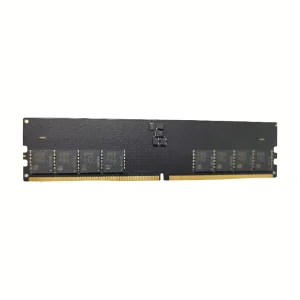
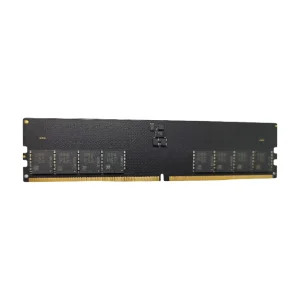
NexaRAM Storage Technology Co., Ltd. is a professional DDR5 memory manufacturer specializing in high-performance RAM solutions for global OEMs, data centers, and enterprise computing applications. Established in 2016, the company has rapidly developed into a reliable supplier in the advanced DRAM industry.
Our advanced production facilities, operating under strict quality assurance systems, manufacture memory and printed circuit boards that power high-speed routing engines, telecom switches, and IoT gateway processors. NexaRAM provides key hardware layers that support global wireless networks and edge storage systems.
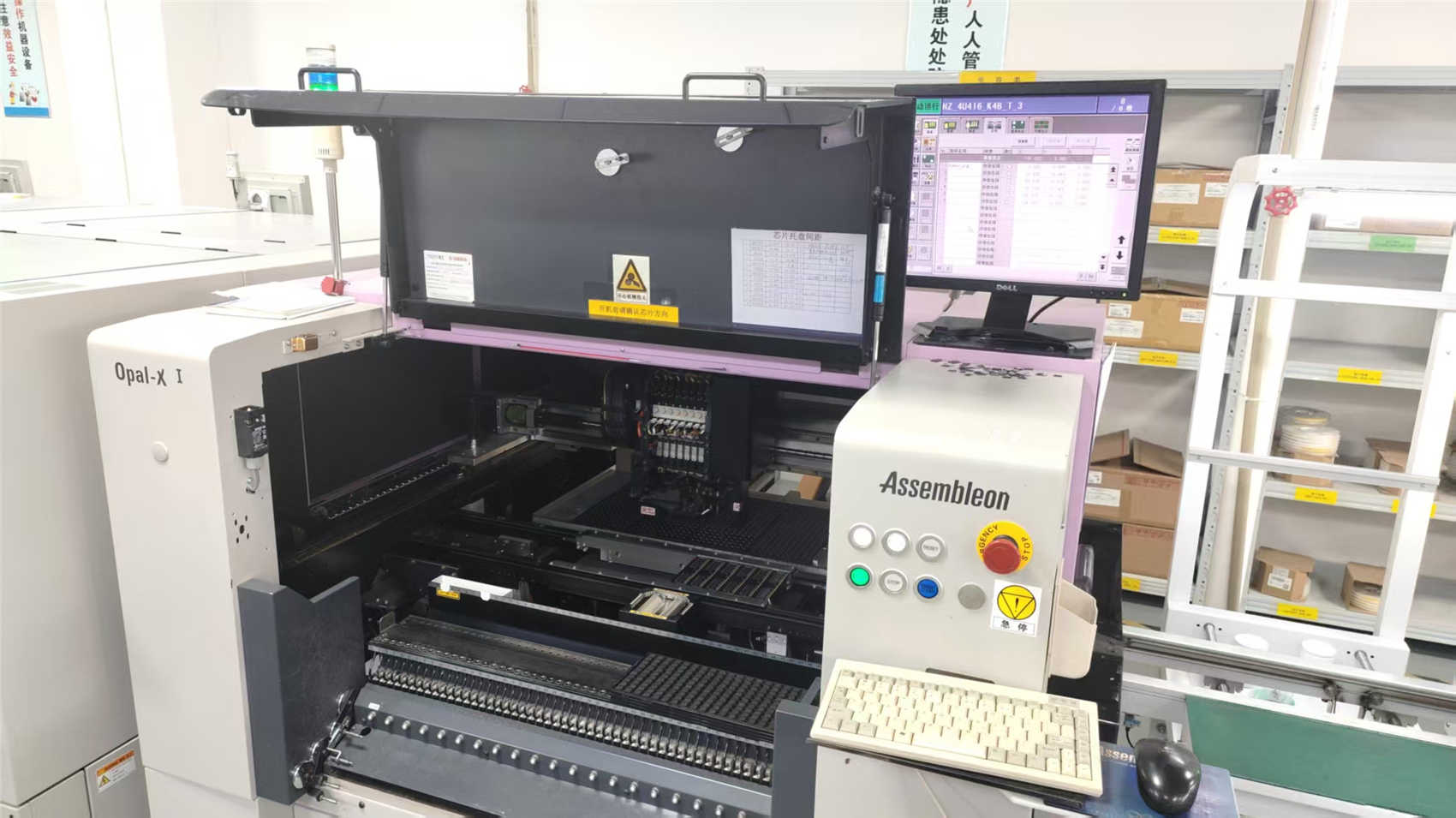
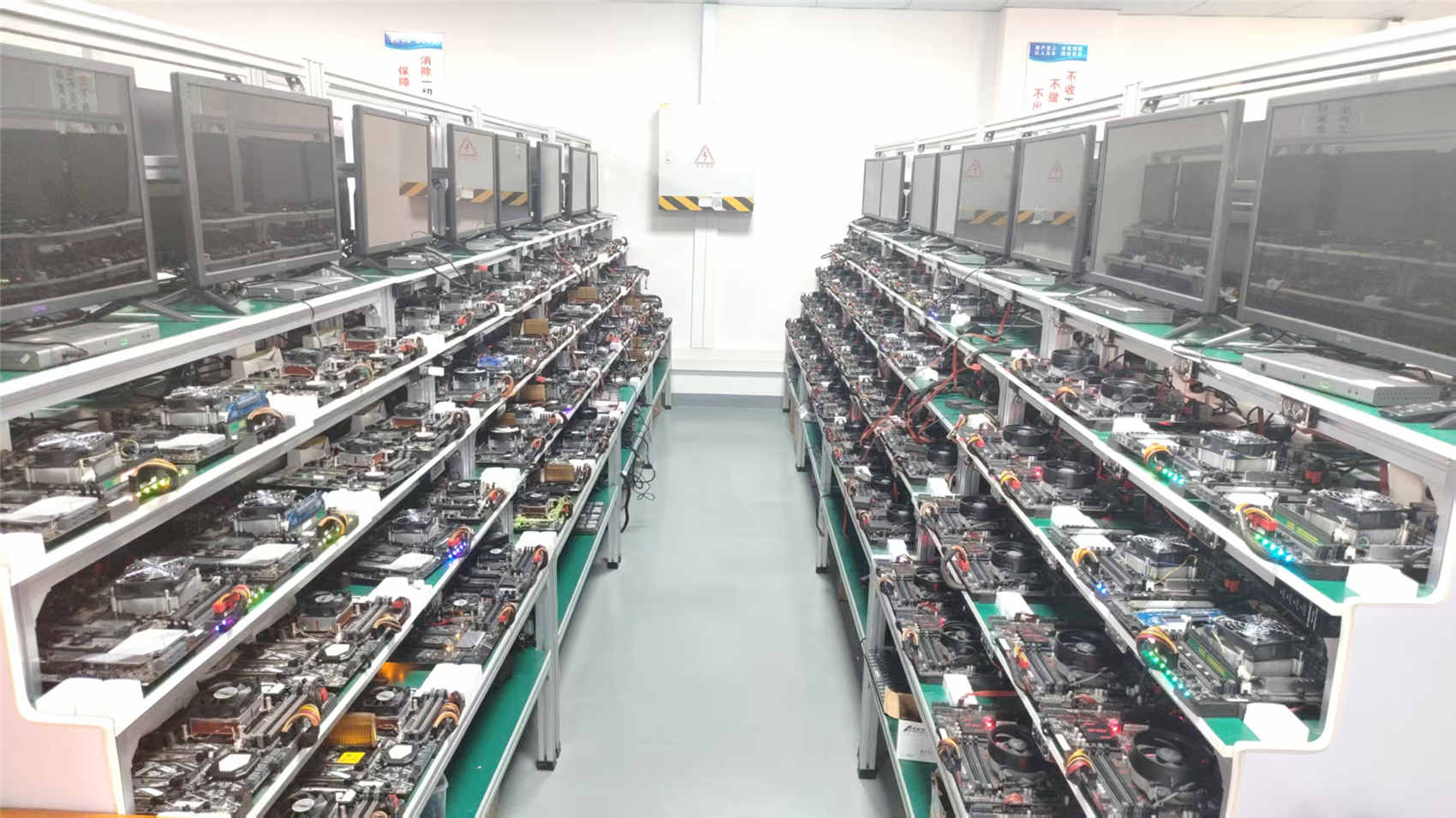
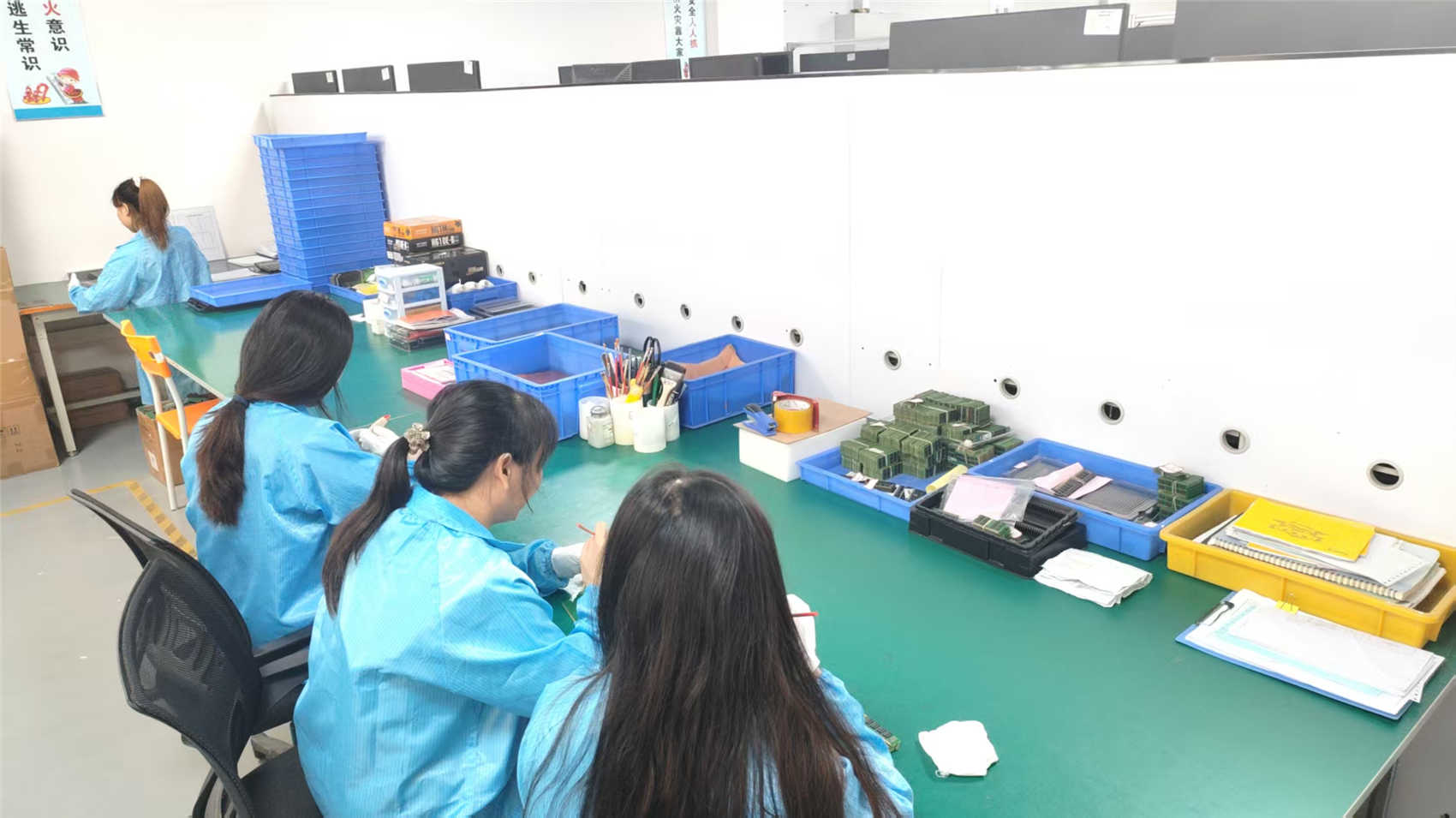
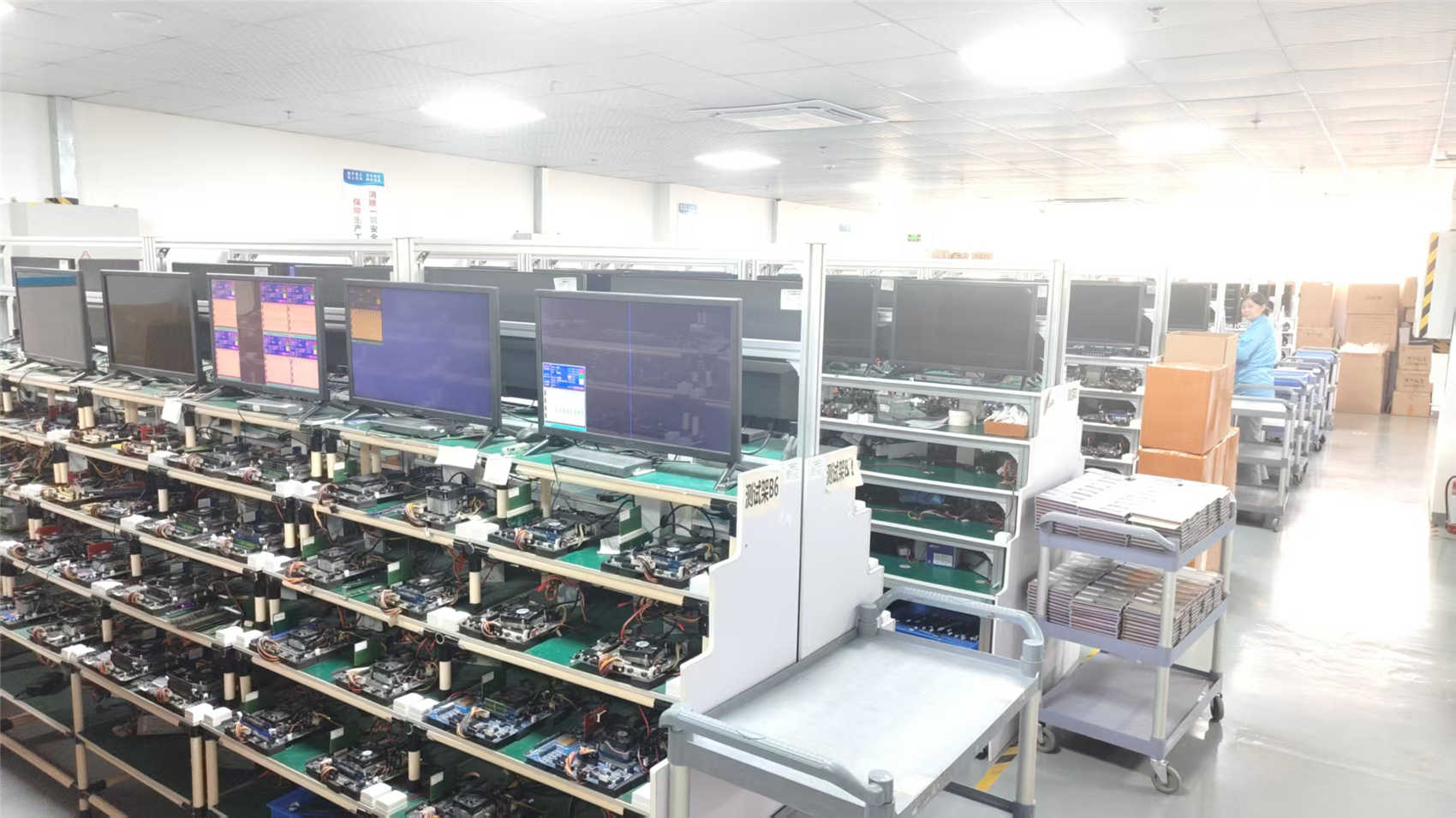
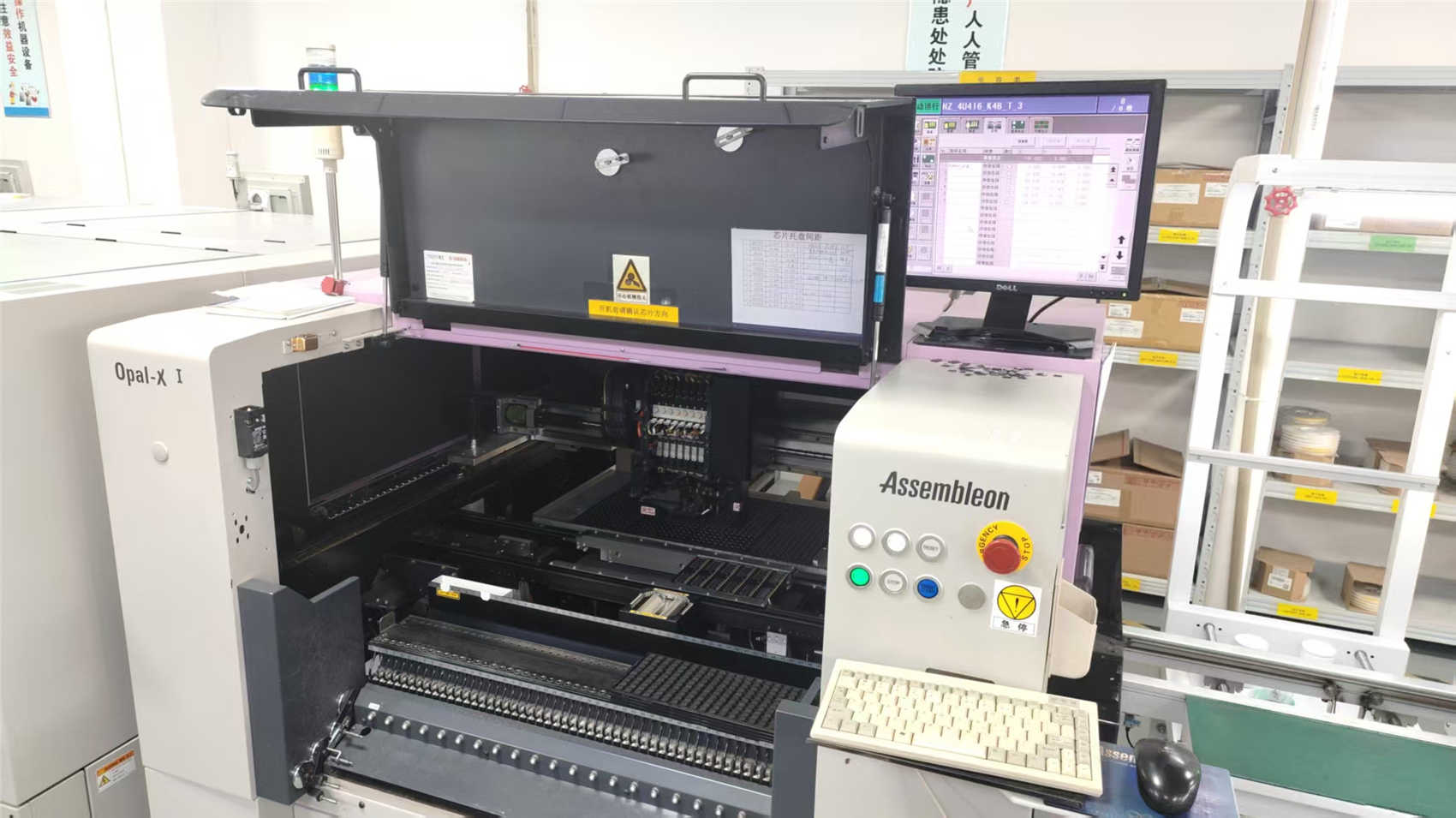
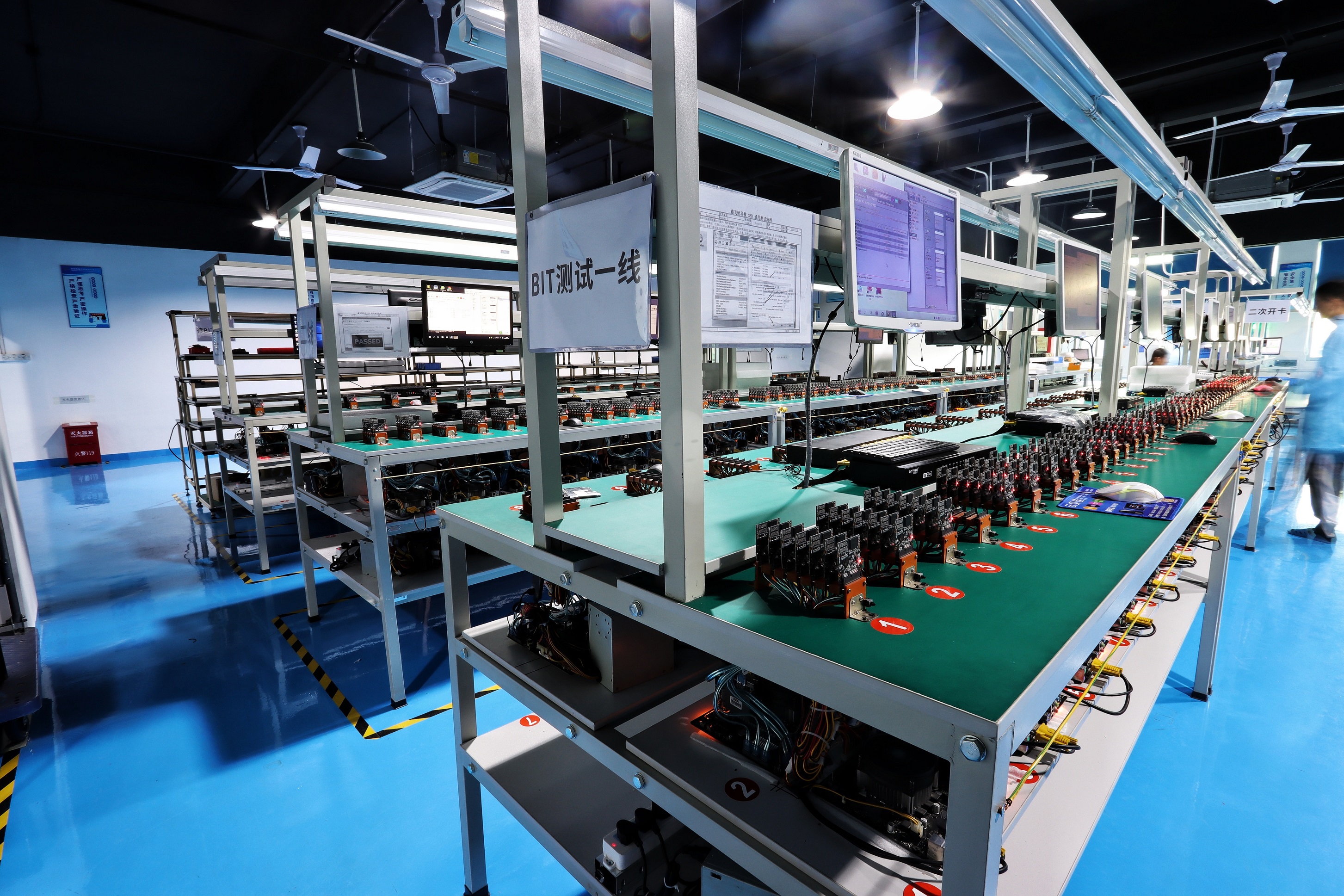
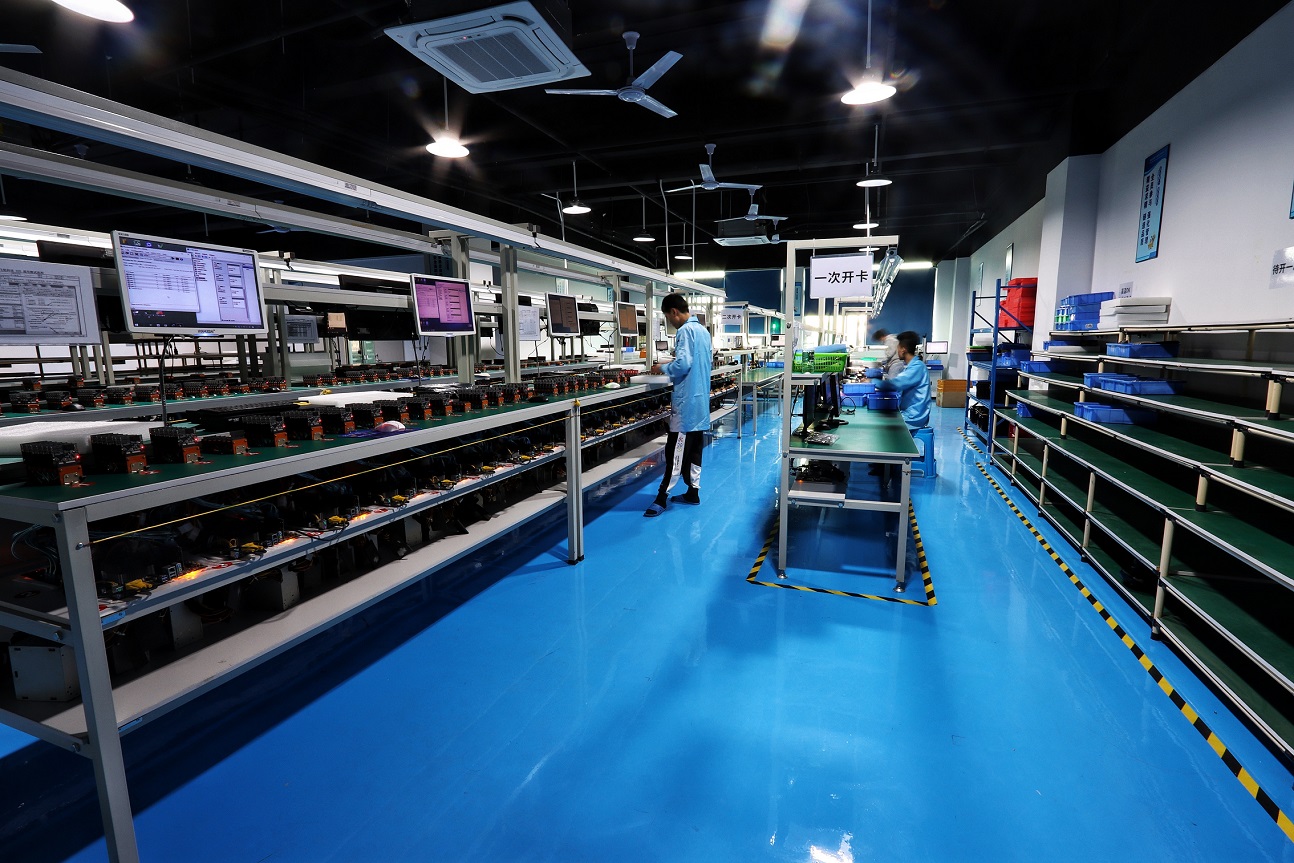
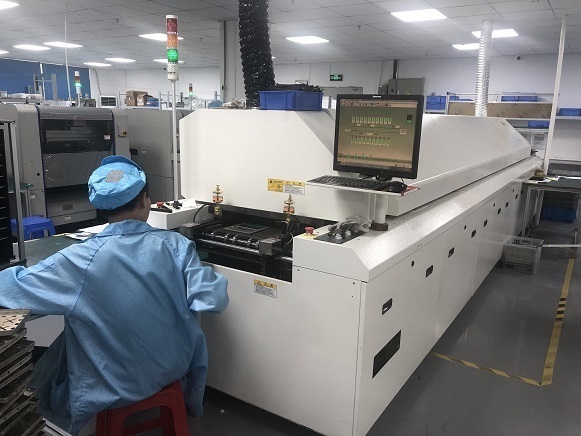
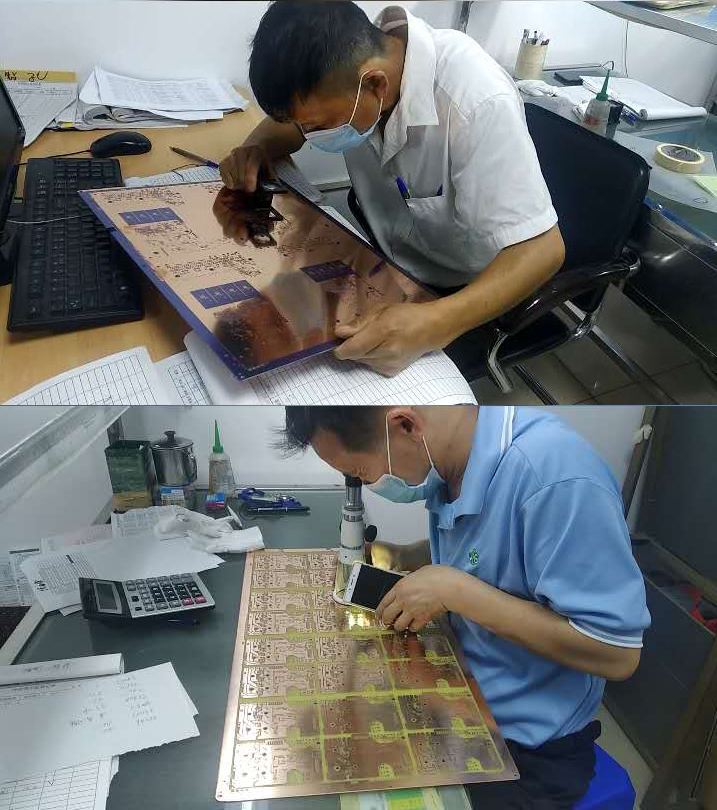
The company operates a modern production facility with a total building area of approximately 320㎡, equipped with advanced manufacturing and testing equipment to ensure stable and efficient production capacity. NexaRAM has an annual export revenue of approximately USD 12 million, with 6 years of export experience and 12 years of industry experience in memory and semiconductor-related fields.
Quality is strictly controlled through a combination of automated optical inspection (AOI) and burn-in reliability testing, supported by a professional QC team of 35 inspectors. The company follows international trade compliance standards and operates under a strong global trading background, serving markets across North America, Europe, Southeast Asia, and the Middle East.
NexaRAM maintains a highly developed supply chain ecosystem with over 850 strategic supply chain partners, enabling stable sourcing of high-grade semiconductor materials and components. Its primary customer base includes OEM manufacturers, system integrators, server solution providers, and gaming PC brands.
The company demonstrates strong R&D capabilities, offering custom DDR5 module design, PCB layout optimization, frequency tuning, and thermal solution development. Flexible customization options include frequency, latency, capacity, heat spreader design, and branding services. In the past year, NexaRAM launched 120 new product variants, supported by a dedicated R&D team of 180 engineers, continuously driving innovation in high-speed memory solutions for next-generation computing systems.
Ensuring hardware reliability, legal compliance, and long-term deployment viability.
Exporting electronic modules globally requires adherence to local radio regulations. Any wireless transmitter module must be certified by appropriate local authorities, such as the FCC (Federal Communications Commission) for the United States, CE (European Conformity) for the European Union, and MIC (Ministry of Internal Affairs and Communications) for Japan. Operating non-certified transmitters exposes enterprise operators to significant legal liabilities.
Additionally, industrial applications require high electrical and mechanical reliability. Production lines must implement strict testing protocols:
Ensures correct component alignment, solder fillet quality, and bridges detection on high-density PCBs prior to thermal reflow profiling, preventing failure under thermal cycles.
Subjecting completed modules to elevated ambient temperatures under electrical load to identify and eliminate early-life failure components, ensuring high field reliability.
Ensures the exclusion of restricted hazardous substances (such as lead, mercury, and cadmium) from assemblies, ensuring compliance with global environmental standards.
Technical answers to key questions about Bluetooth modules, memory architecture, and system integration.
Ensure stable backend infrastructure with enterprise-grade DRAM arrays and computing hardware.