NexaRAM
NexaRAM
NexaRAM
Industrial-Grade Memory Modules & Advanced Thermal Solutions for Core Systems
Analyzing Sourcing Architecture, Geopolitical Hubs, and Ecosystem Resilience
The global PCB Assembly (PCBA) and Electronic Manufacturing Services (EMS) industry sits at the absolute core of the modern digital economy. Valuation projections estimate the global PCBA market will surpass USD 115 billion by 2028, expanding at a CAGR of 6.2%. The explosion of high-performance computing (HPC), artificial intelligence hardware accelerators, high-frequency DDR5 memory matrices, next-generation IoT nodes, and automotive electrification has transformed the PCB layout from a simple interconnect board into a highly complex thermodynamic and signal integrity system.
Geopolitically, the export landscape of PCBA is experiencing structural diversification. While South China (specifically the Shenzhen-Dongguan corridor) remains the global powerhouse for SMT (Surface Mount Technology) component density and supply chain velocity, emerging hubs in Southeast Asia (Vietnam, Malaysia, Thailand) and nearshoring hubs in Mexico and Eastern Europe are gaining traction. This dual-track strategy ensures supply chain redundancy. For tier-1 purchasers, engineering procurement focuses heavily on partners capable of executing high-mix, low-volume (HMLV) configurations as well as high-volume, automated production runs without compromising structural yield.
Pioneering High-Frequency, HDI, and Intelligent Thermal Management Designs
Next-gen PCBA architectures mandate extreme trace routing precision. Impedance matching, crosstalk reduction, and micro-via layouts are configured to support DRAM data transfer rates scaling up to 8400 MT/s and beyond.
High-Density Interconnect (HDI) methods, utilizing laser micro-vias and stacked blind/buried vias, enable multi-layered circuit board designs that shrink the physical footprint of computing platforms while enhancing signal integrity.
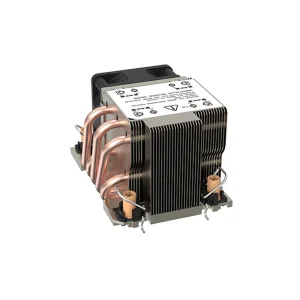
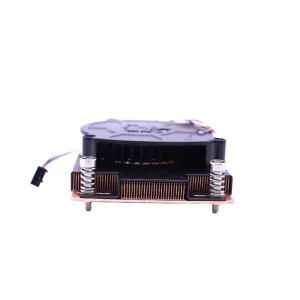
With processors exceeding 300W thermal design power (TDP), integrating metal core PCBs (MCPCB), heavy copper plating, and hybrid CPU heat sink arrays has become mandatory to prevent thermal throttling.
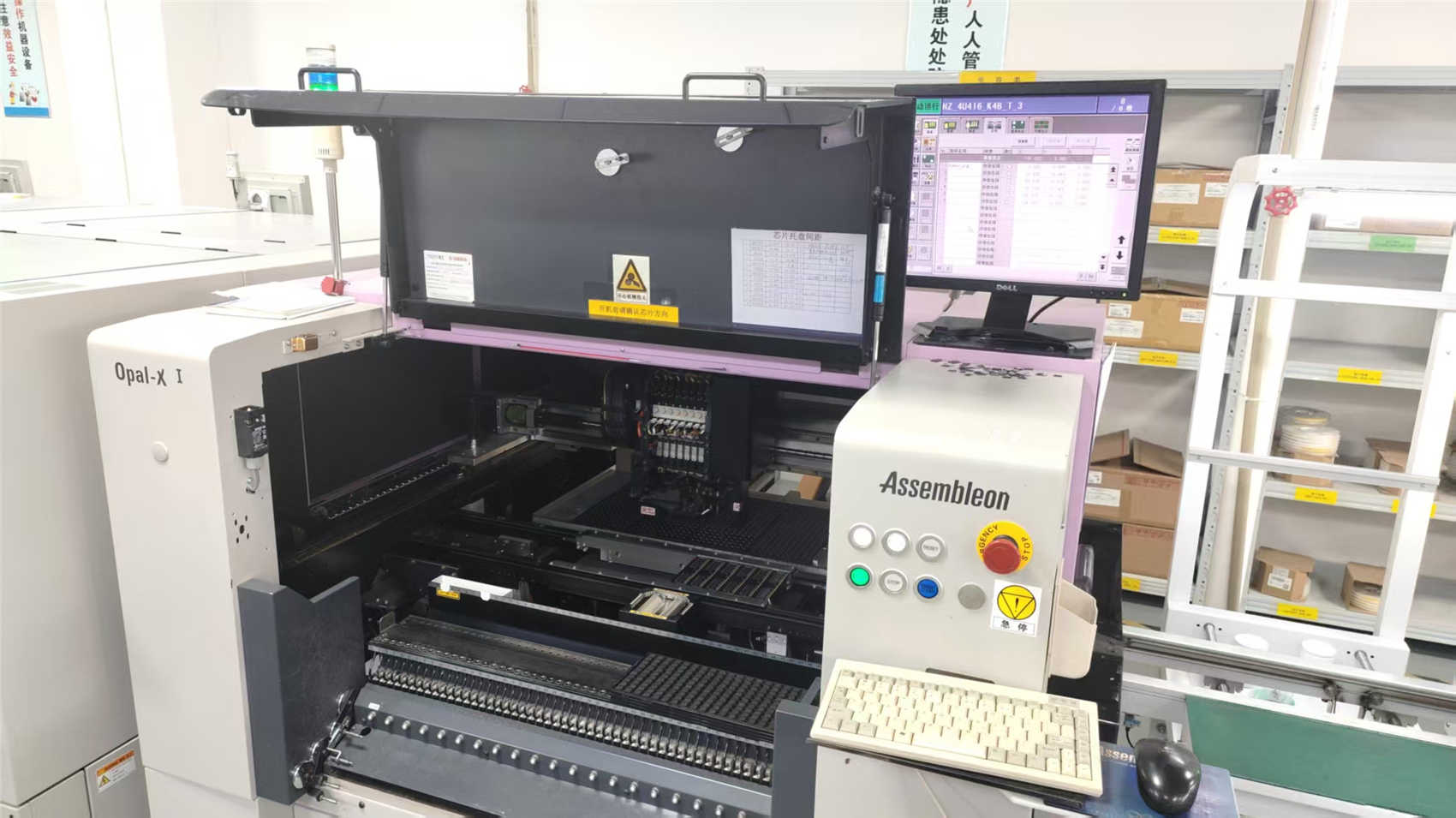
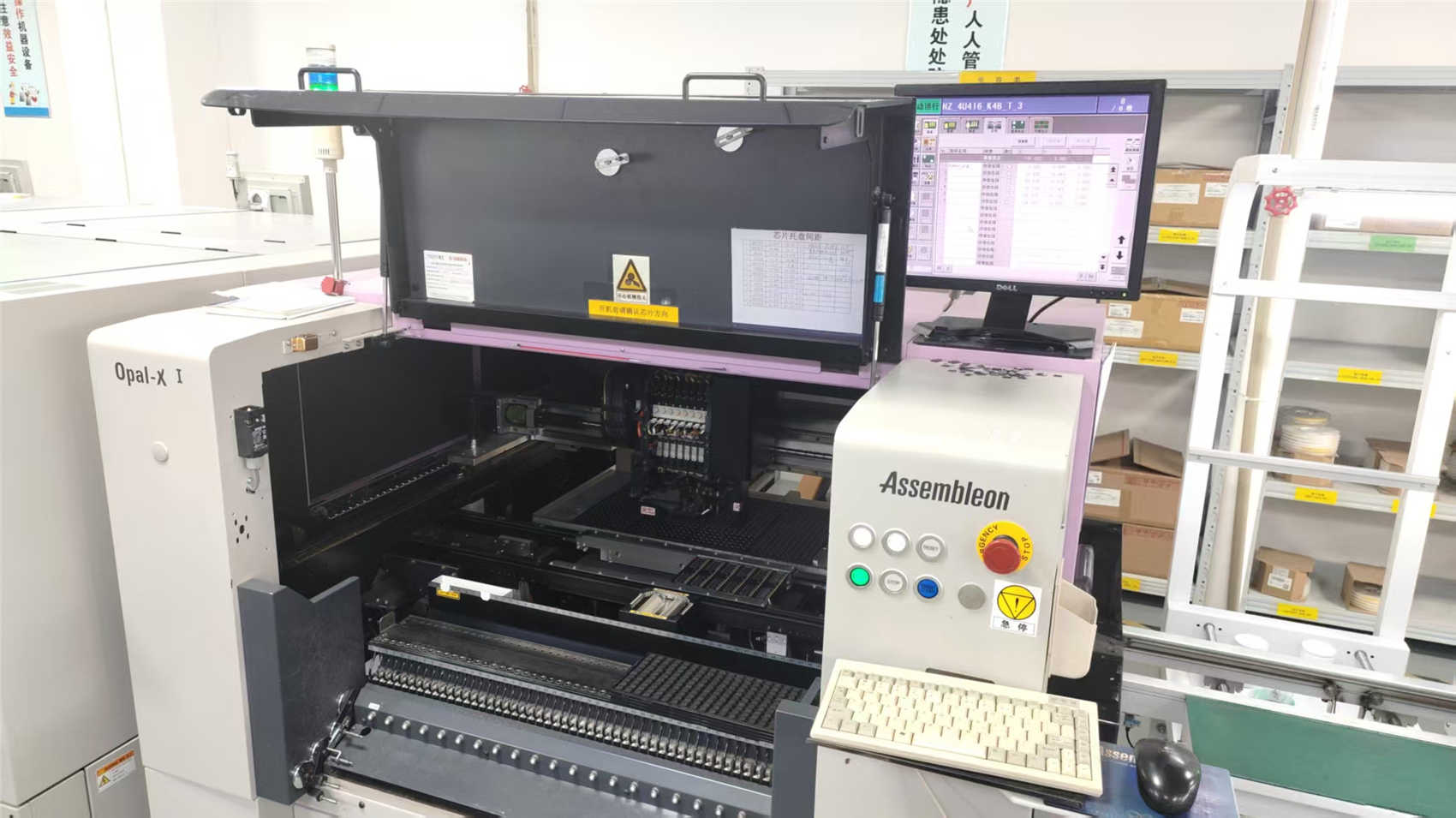
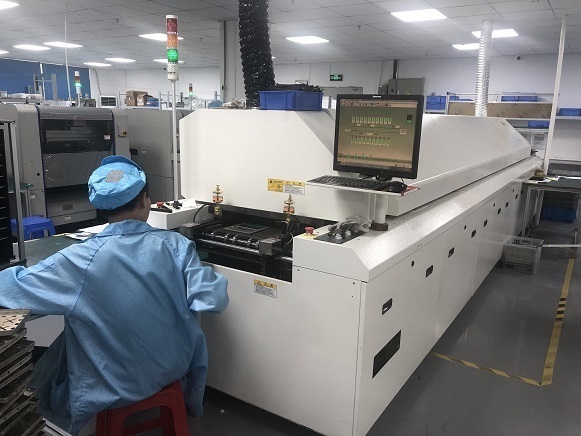
As microelectronics shift to sub-millimeter component spacings (0201 and 01005 passives), precision placement systems must match the accuracy of advanced solder paste printing. The industry is moving rapidly toward fully automated closed-loop production, where real-time 3D Solder Paste Inspection (SPI) communicates directly with the reflow oven and pick-and-place nodes. These systems dynamically auto-correct coordinates, eliminating defects before the board enters the reflow cycle.
A Benchmark of Precision-Guided DDR5 & High-Performance Computing EMS
To understand the rigorous quality standards required of elite PCBA exporters, we analyze the operational infrastructure of NexaRAM Storage Technology Co., Ltd., a specialized DDR5 memory manufacturer and advanced DRAM circuit assembly specialist. Established in 2016, NexaRAM represents the modern breed of agile, high-tech manufacturing exporters focusing on high-frequency, high-stability storage PCBs.
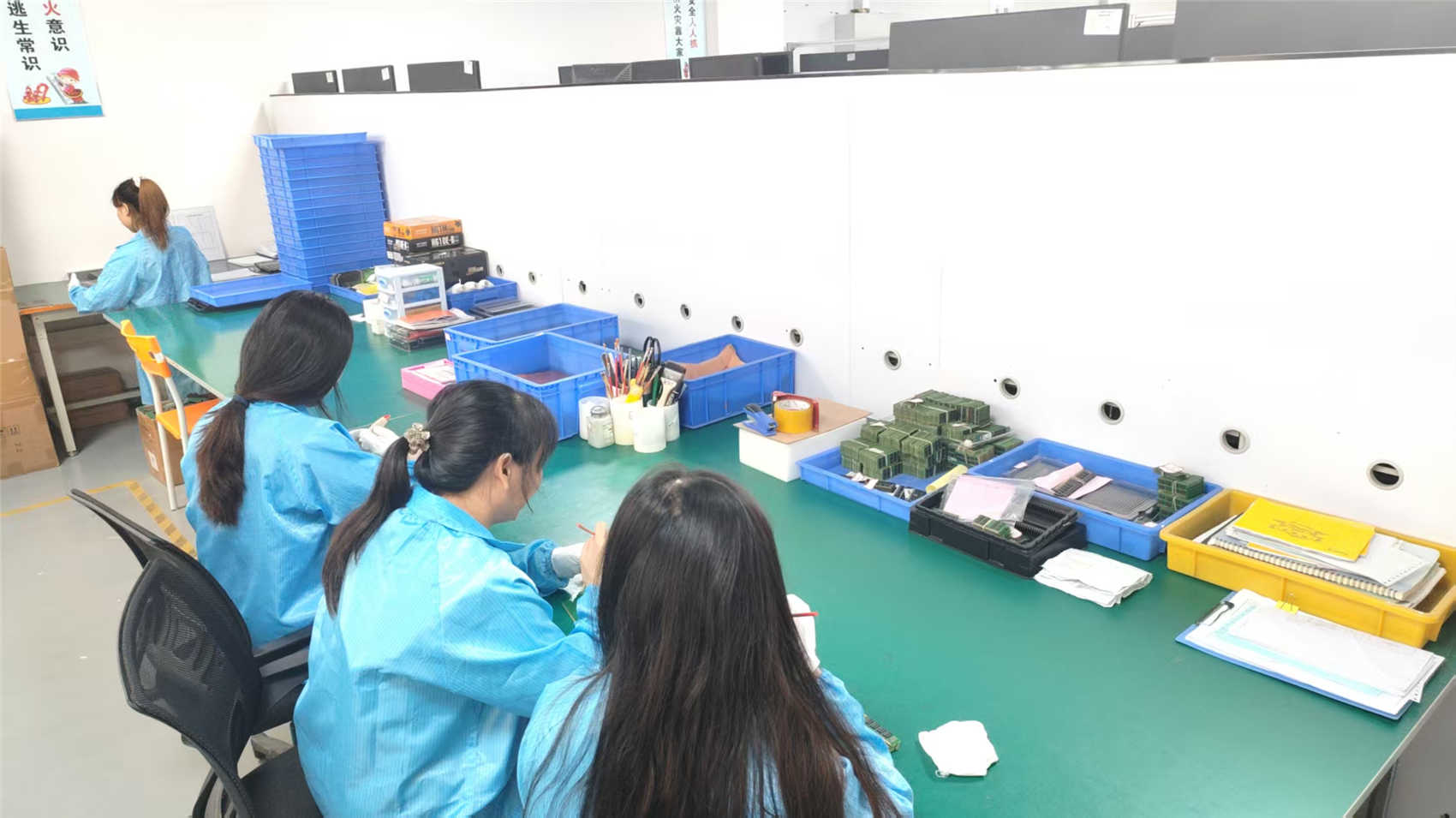
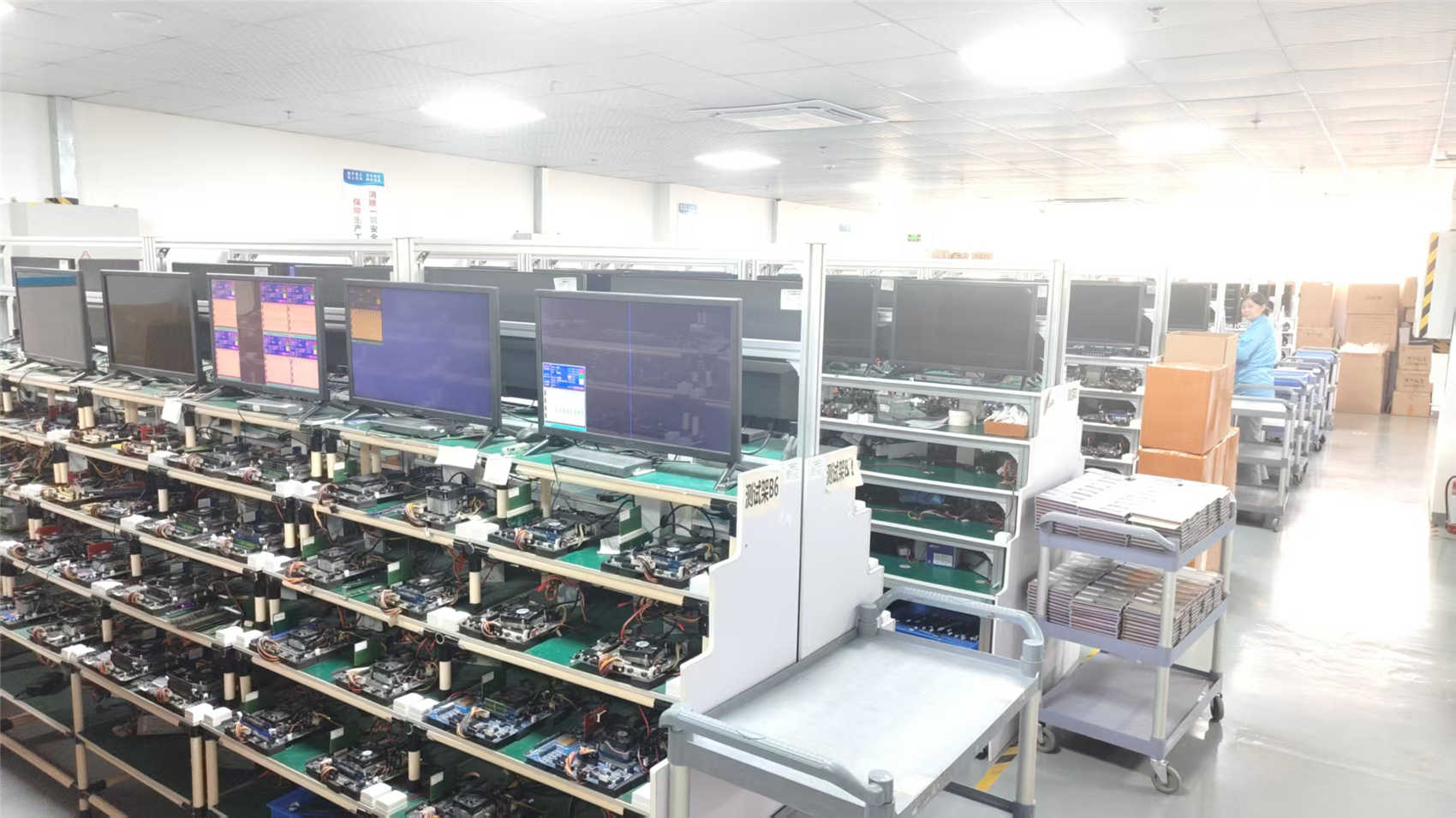
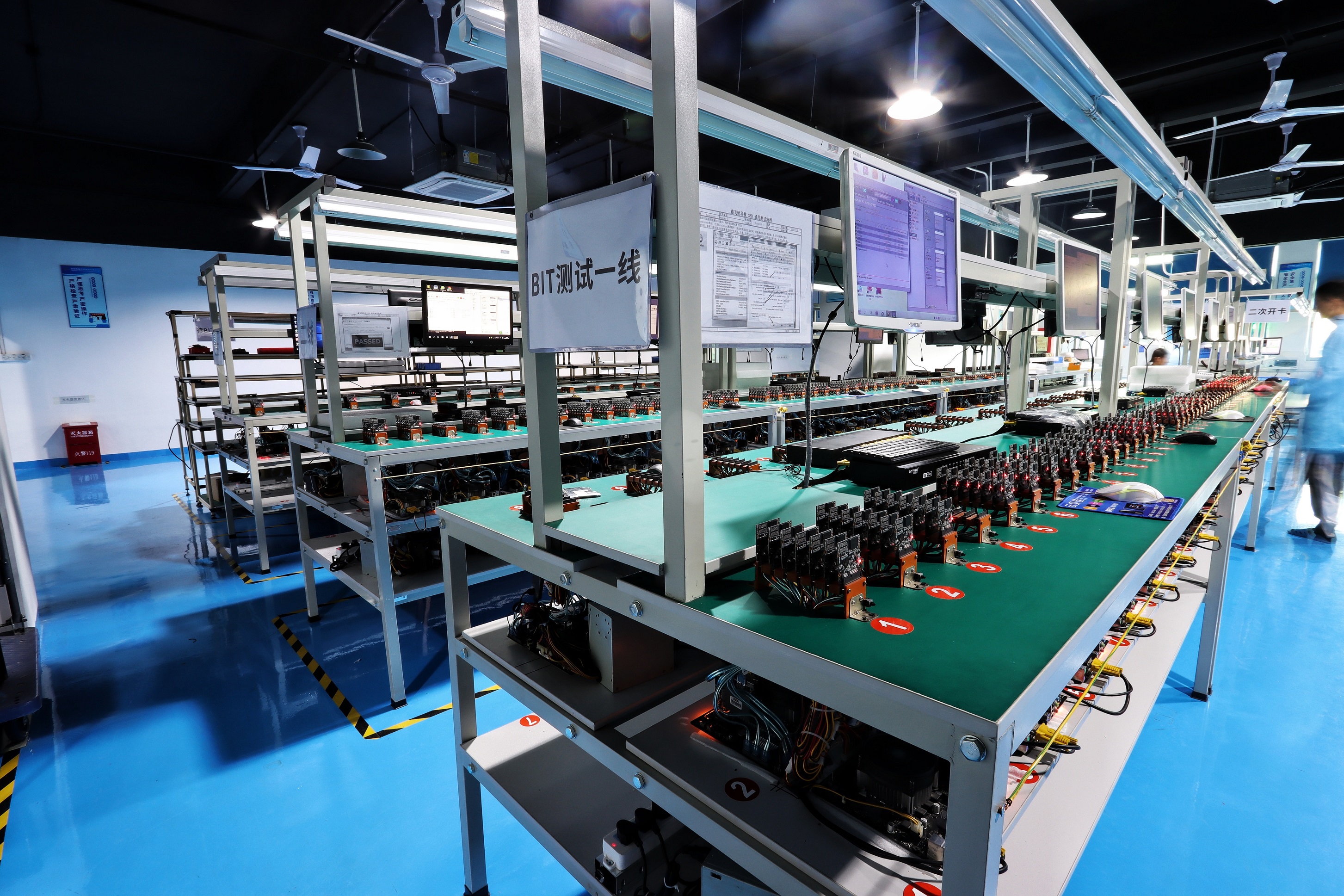
Operating a specialized high-precision SMT cleanroom and testing facility with a total footprint of approximately 320㎡, NexaRAM is engineered for absolute purity and electrostatic discharge (ESD) mitigation. The facility's focus is on complex DDR5/DDR4 routing, high-density ball grid array (BGA) placements, and thermal management assembly. Generating an annual export volume of USD 12 million, NexaRAM brings 6 years of export compliance and 12 years of industry experience in high-precision DRAM card systems.
NexaRAM’s operational model is built on robust vertical integration. It maintains a secure supply ecosystem containing over 850 strategic supply chain partners, guaranteeing access to high-grade DRAM dies, premium FR4 laminates, and reliable copper clads even during global component shortages. The company’s core customer base covers OEM manufacturers, cloud computing data centers, system integrators, and high-end gaming PC system brands. R&D innovation is driven by a specialized engineering team of 180 engineers, which enabled the commercial launch of 120 new product variants in the past calendar year alone.


Comparative Evaluation of Global EMS Leaders for Enterprise Sourcing
When engineering and procurement teams evaluate a global PCBA partner, they look for quality certifications, supply chain stability, and advanced SMT capabilities. Below are the world's leading PCB assembly manufacturers and exporters, selected for their operational excellence, yield rates, and international trade compliance.
Headquartered in Taiwan with massive production centers worldwide, Foxconn is the world's largest EMS provider. Their capabilities cover consumer electronics, server mainboards, communication devices, and automotive compute units. Their global footprint offers high-volume efficiency and deep vertical supply chain integration.
A US-based global EMS giant, Jabil operates massive facilities in North America, Europe, and Asia. Jabil specializes in high-mix, high-reliability applications including aerospace electronics, healthcare monitors, defense compute modules, and enterprise networking hardware. They excel in automation and intelligent material tracking.
Flex (formerly Flextronics) operates out of Singapore and the US, providing advanced PCBA solutions for the industrial, medical, and automotive sectors. Their design services focus heavily on DFX (Design for Manufacturing, Assembly, and Test), helping OEMs reduce cycle times and lower Bill of Materials (BOM) costs.
Sanmina is a leading tier-1 EMS provider specializing in highly complex system-build assemblies. Their PCBA services focus on high-frequency telecommunications, optical networking, complex military-grade equipment, and high-performance server architectures. Sanmina operates plants globally under strict AS9100 aerospace standards.
Headquartered in Canada, Celestica provides high-end electronic design, manufacturing, and supply chain solutions. The company is a key partner for leading enterprise storage, switching network hardware, and aerospace system providers, utilizing advanced testing facilities to ensure long-term field reliability.
A subsidiary of ASE Group, USI is a leader in miniaturized SiP (System-in-Package) modules and high-density PCB assembly. USI provides high-volume, precision manufacturing for wearable devices, smartphone modules, and automotive radar modules, leveraging automated manufacturing technologies.
Plexus focuses on high-mix, low-to-medium volume assemblies for critical sectors like defense, aerospace, healthcare, and industrial automation. Their product realization services help customers manage design, testing, supply chain planning, and aftermarket support.
Benchmark provides specialized engineering services and advanced SMT capabilities. They focus on complex, ruggedized assemblies designed for harsh environments, such as downhole oil equipment, medical instruments, and defense radar boards.
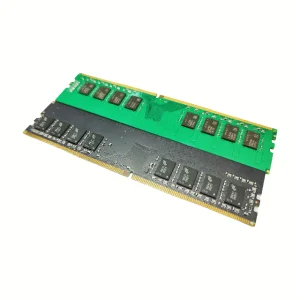
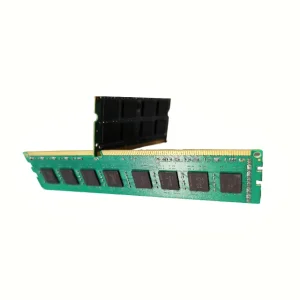
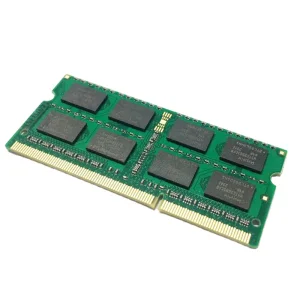
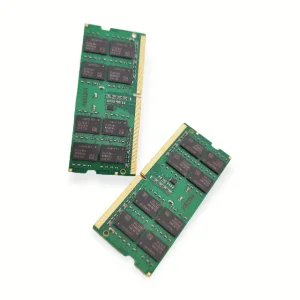
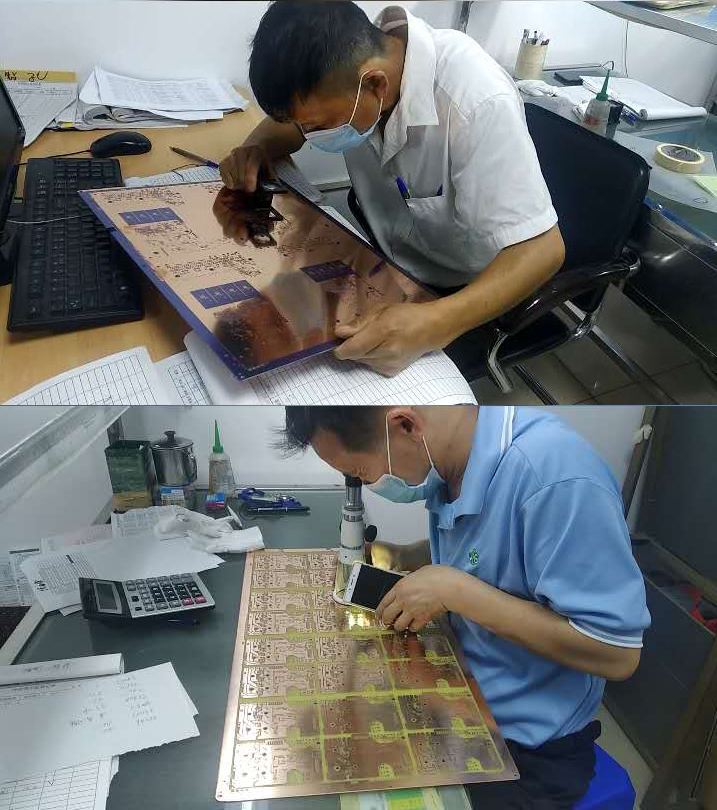
A specialized, high-reliability DRAM card and high-speed memory PCBA manufacturer. NexaRAM focuses on custom DDR5 designs, high-frequency PCB layouts, and thermal solutions. With 35 QC inspectors, automated optical inspection, and burn-in reliability testing, they serve as a key partner for data centers, gaming systems, and OEM server providers.
Singapore's leading EMS provider, Venture is known for its high-precision printing, medical devices, and analytical instruments PCBA. They offer strong engineering capabilities and build complex optoelectronic systems and high-end industrial controllers.
How Modern Factories Achieve Zero-Defect Assembly and Long-Term Field Reliability
An electronic design is only as good as its assembly execution. Quality starts during the incoming component inspection stage and continues through to final packaging. Modern SMT manufacturing lines utilize several automated steps to achieve high yields and ensure product longevity:
Answering Key Questions from Procurement Teams and Electrical Engineers
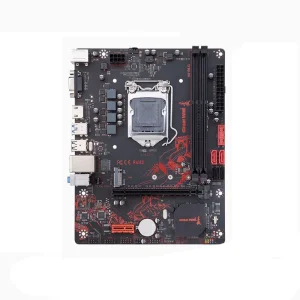
Enterprise Server Memory, High-Efficiency Heat Sinks & Core Computing Motherboards