NexaRAM
NexaRAM
NexaRAM
High-performance computational modules, motherboards, and heat sinks optimized for edge AI nodes and smart sensor integration.
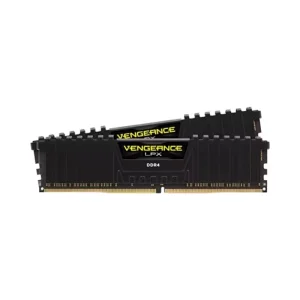
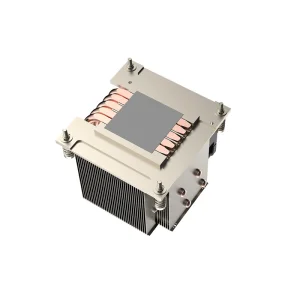
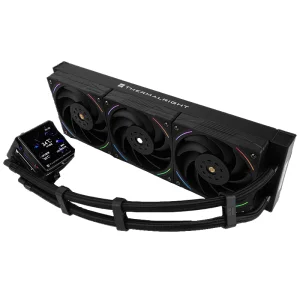
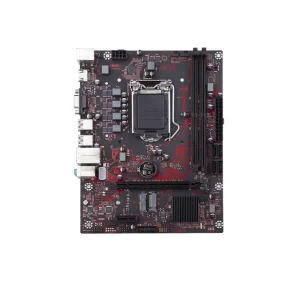
The integration of the Internet of Things (IoT) and Industrial 4.0 paradigms has transformed simple data accumulation into actionable intelligence. Modern smart sensors no longer act as passive detectors. Armed with integrated microprocessors, they perform analog-to-digital conversion, localized DSP (Digital Signal Processing), and edge compute execution. This minimizes communication bandwidth and latency, redirecting processed, filtered, and qualified payloads to host networks.
According to industrial surveys, the global smart sensor market size is projected to expand at a CAGR of 18.2% through 2032. Driving this market expansion is the rise in consumer electronics demand, automated driving technologies, smart manufacturing, and strict ESG compliance standards. But as smart sensors move closer to the processing nodes, they require high-capacity, high-frequency, and robust computing support systems—including high-frequency printed circuit boards (PCBs), enterprise-grade DDR5 memory modules, and specialized thermal units. Without these core platforms, smart sensors cannot reliably process local data at the edge.
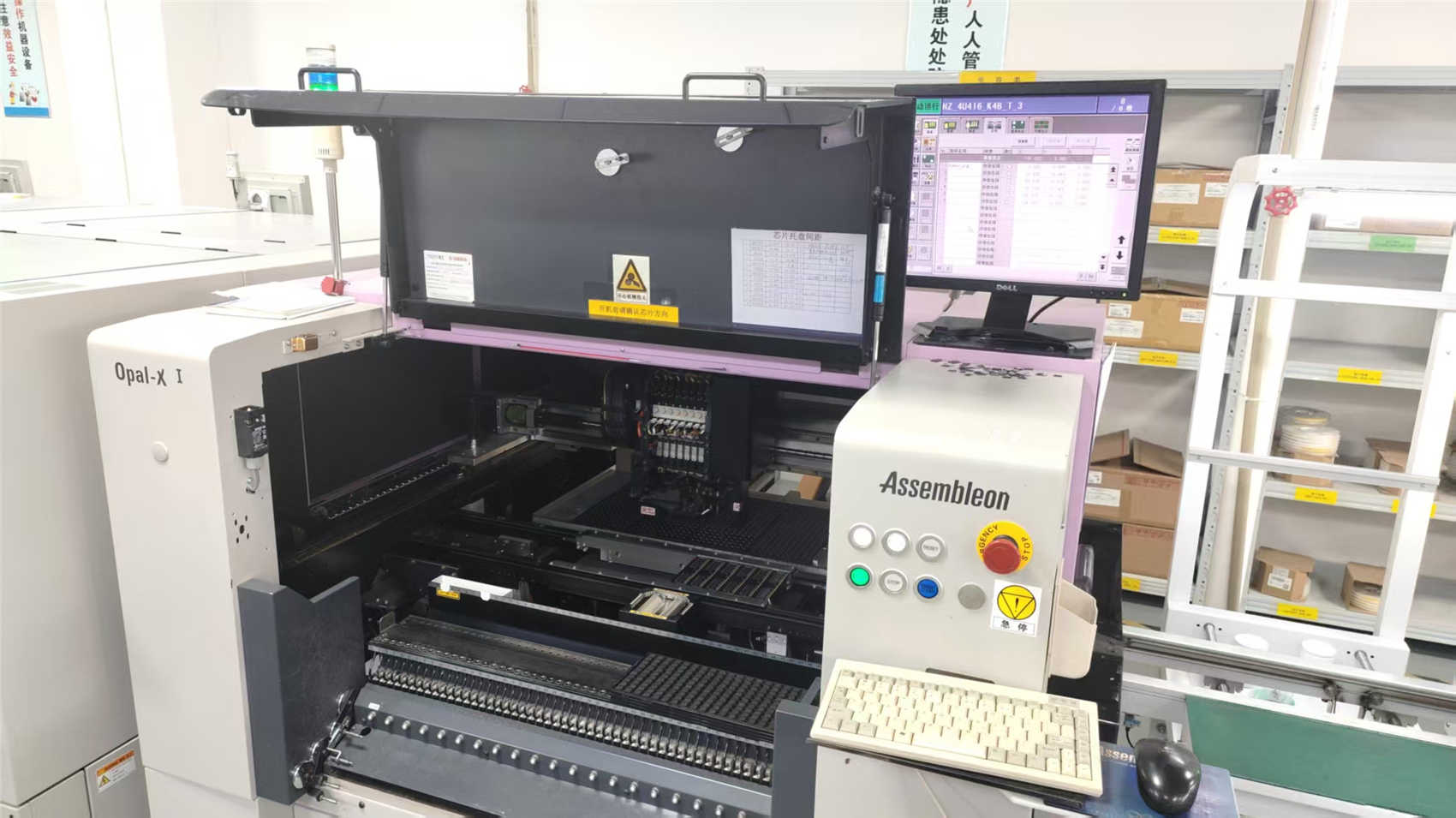
How leading global exporters are evaluated across the technology stack, showing where engineering mastery intersects with manufacturing capability.
Top factories build specialized micro-electro-mechanical systems (MEMS) and application-specific integrated circuits (ASICs) to ensure low footprint, low energy use, and high computing speeds.
Automated, multi-axis laser calibration systems verify that environmental sensors, IMUs, and optical chips maintain low drift over years of industrial deployment.
Corrosion-resistant housings (IP67/IP68/IP69K ratings), custom hermetic sealing, and thermal protection guarantee reliable function in extreme conditions.
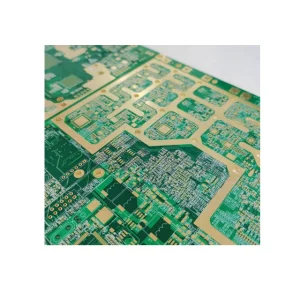
Using high-grade Rogers/FR4 mixed pressure high-frequency substrate layers prevents signal loss and guarantees fast data transmission to edge compute systems.
Integrating automated optical inspection (AOI), X-ray testing of ball grid arrays (BGA), and extensive burn-in testing to keep failure rates near zero.
Smart sensor arrays must adapt to their deployment environment. Depending on geography, infrastructure density, and regional regulations, sensors are customized to meet local demands:
Across the United States and Canada, utility operators deploy high-voltage smart current sensors on grid infrastructure. These sensors monitor real-time thermal profiles, detect arc flash events, and manage load shifting. They require highly durable enclosures and high-speed data RAM at localized cellular substations for immediate diagnostic processing.
Under strict EU energy efficiency directives, European factories use smart vibration and acoustic emission sensors on robotic arms and rotating machinery. These sensors analyze vibration frequencies in real-time, warning technicians of mechanical wear before failure occurs. This local FFT (Fast Fourier Transform) calculation requires high-speed, reliable memory boards.
In densely populated cities like Tokyo, Singapore, and Shenzhen, optical and LiDAR-based smart sensors are integrated into traffic lights and highways. These systems track traffic flows, identify vehicles, and adjust lane priorities in real-time. Processing these massive video data streams requires high-performance cooling systems and robust industrial memory modules.
Enabling next-generation smart sensor edge gateways and computing platforms through hardware excellence.
The next generation of smart sensors will rely heavily on the integration of TinyML—deploying machine learning models directly onto microcontrollers. This allows sensor modules to make complex decisions, such as detecting anomaly patterns, without communicating with a cloud server.
This trend shapes our technical roadmap in three key areas:
China remains the global hub for sensor and microelectronics manufacturing because of its highly integrated industrial ecosystems. Leading smart sensor exporters in China leverage a dense network of raw material suppliers, SMT assembly plants, high-precision molding services, and testing facilities located in close geographical proximity.
This high supply chain integration translates directly to client benefits:
1. Rapid Prototyping: SMT component sourcing and custom PCB manufacturing can be completed in days rather than weeks, accelerating the R&D cycle for custom products.
2. Scale and Quality Control: High-precision automated assembly lines minimize human error. Through technologies like Automated Optical Inspection (AOI), X-ray diagnostic checking, and dynamic temperature burn-in chambers, Chinese factories deliver consistently high-quality batches at scale.
3. Logistics and Delivery: Close connections to deepwater ports and international air cargo networks ensure that manufactured smart sensors and matching memory boards reach global buyers quickly and reliably.
Your trusted high-reliability memory module and edge compute manufacturing partner.
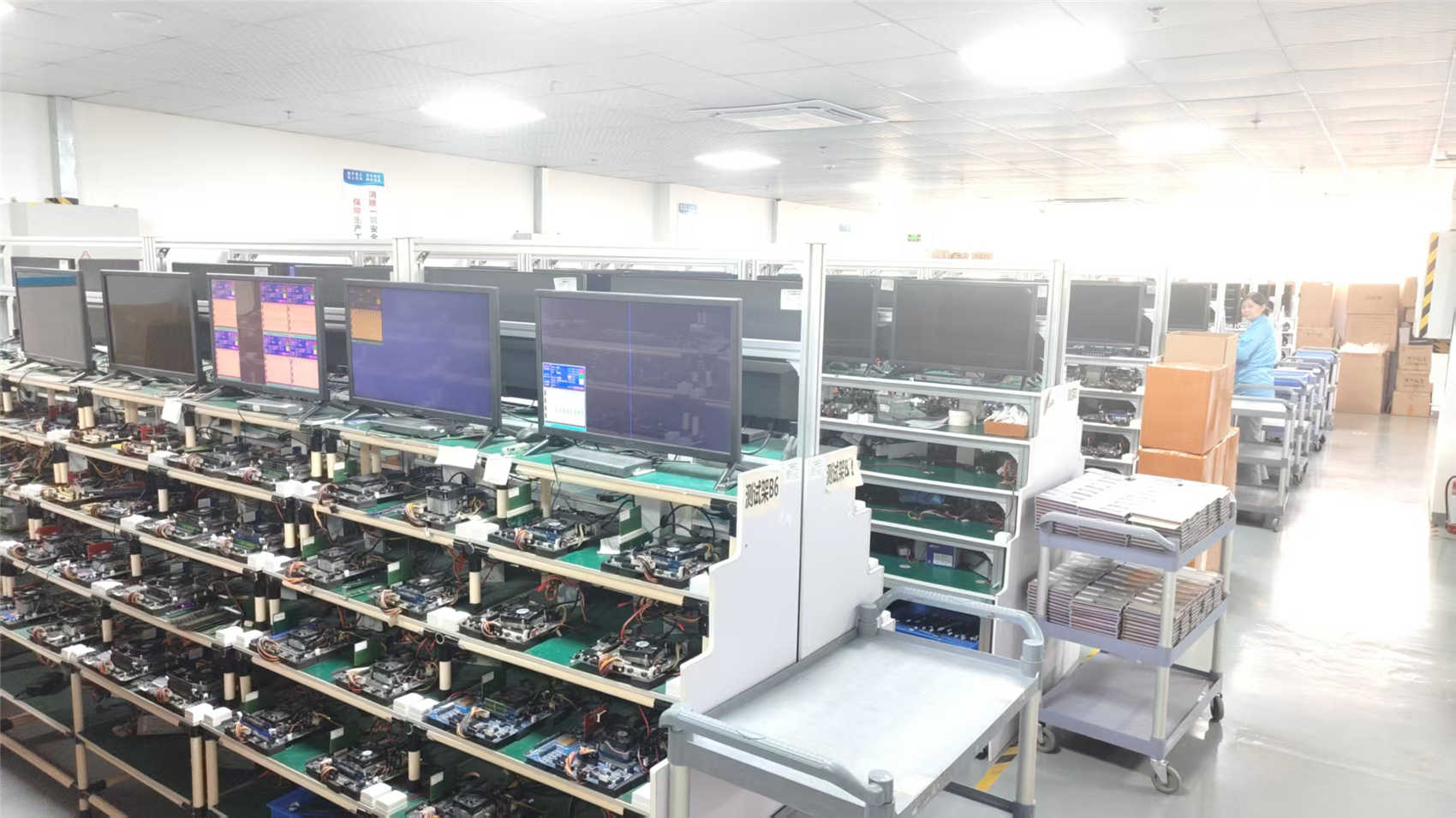
NexaRAM Storage Technology Co., Ltd. is a professional manufacturer specializing in high-performance memory modules and advanced SMT solutions for global OEMs, industrial automation systems, and edge computing nodes. Founded in 2016, the company has established itself as an innovative and reliable partner in the semiconductor packaging and memory industry.
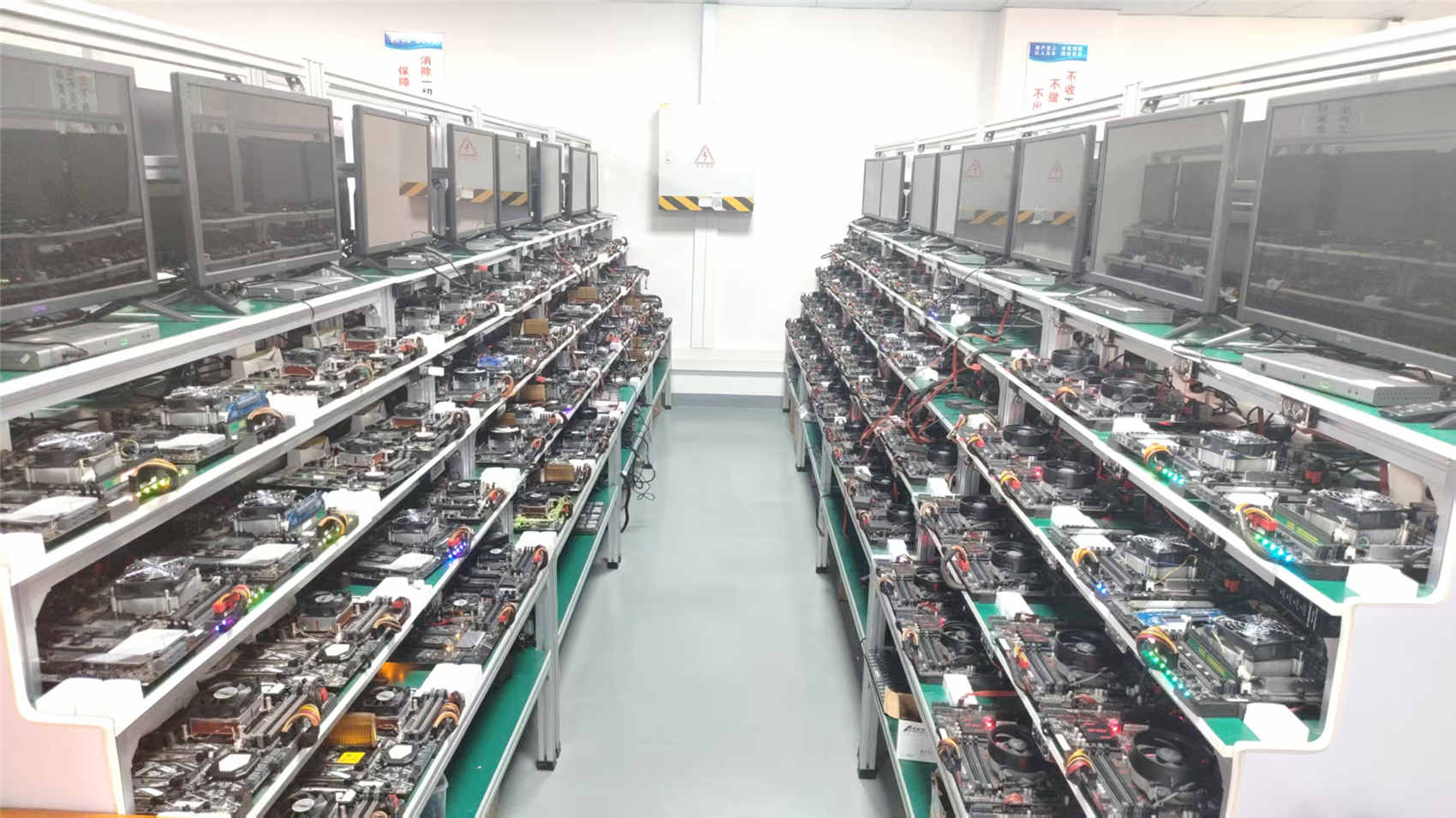
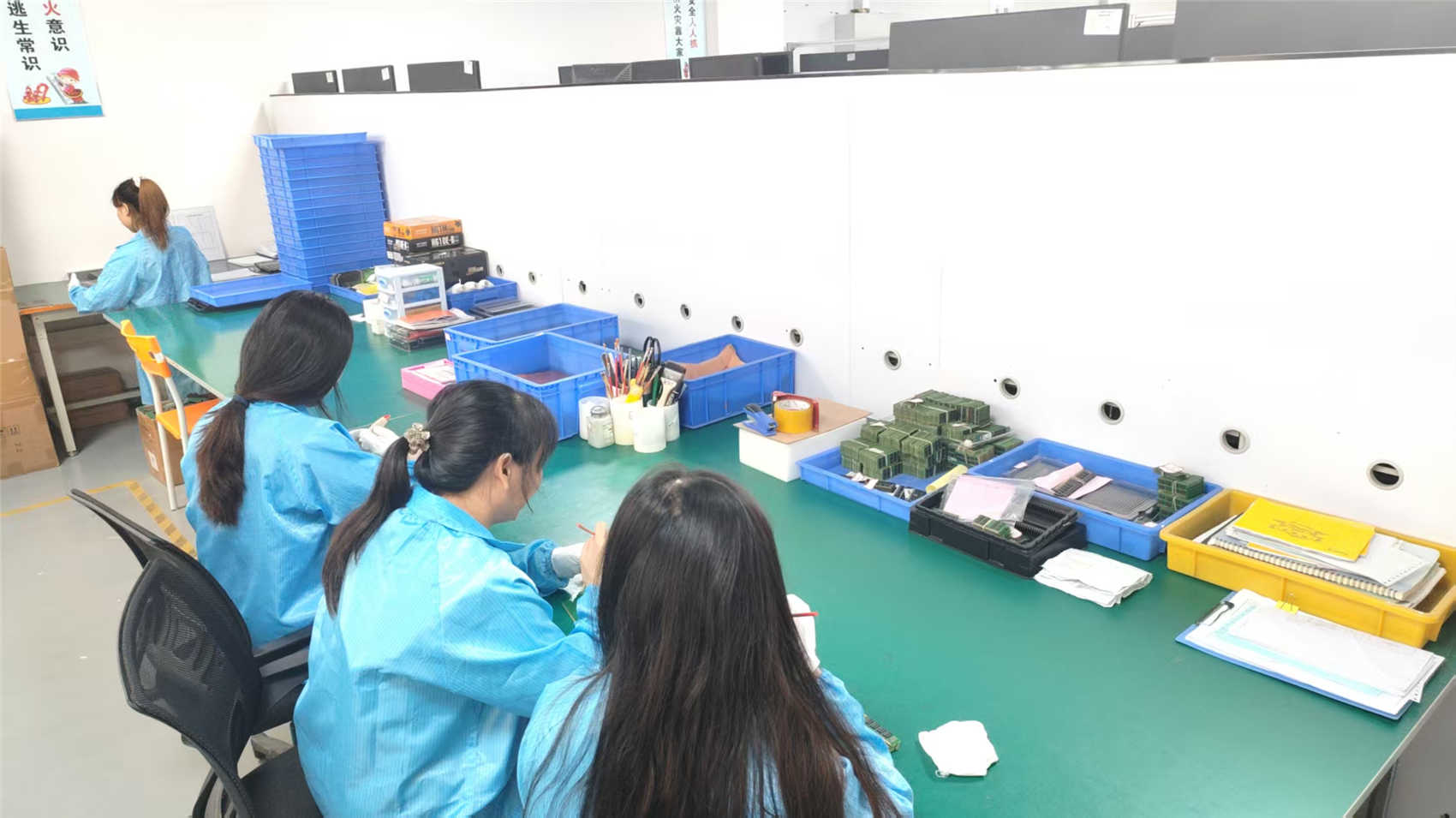
Operating a specialized, high-density production and testing cleanroom facility (approx. 320㎡) with advanced assembly machinery, NexaRAM ensures precision and reliability for every module. Supported by 12 years of industry experience and 6 years of export experience, NexaRAM generates an annual export revenue of approximately USD 12 million, serving leading markets in North America, Europe, Southeast Asia, and the Middle East.
NexaRAM maintains a highly resilient supply chain network with over 850 strategic partners, securing high-quality semiconductor wafers, high-frequency substrates, and mechanical components. With a dedicated engineering team of 180 R&D professionals, the company has introduced over 120 new product variants in the past year alone, demonstrating strong capabilities in custom PCB layout optimization, frequency tuning, and advanced thermal design.
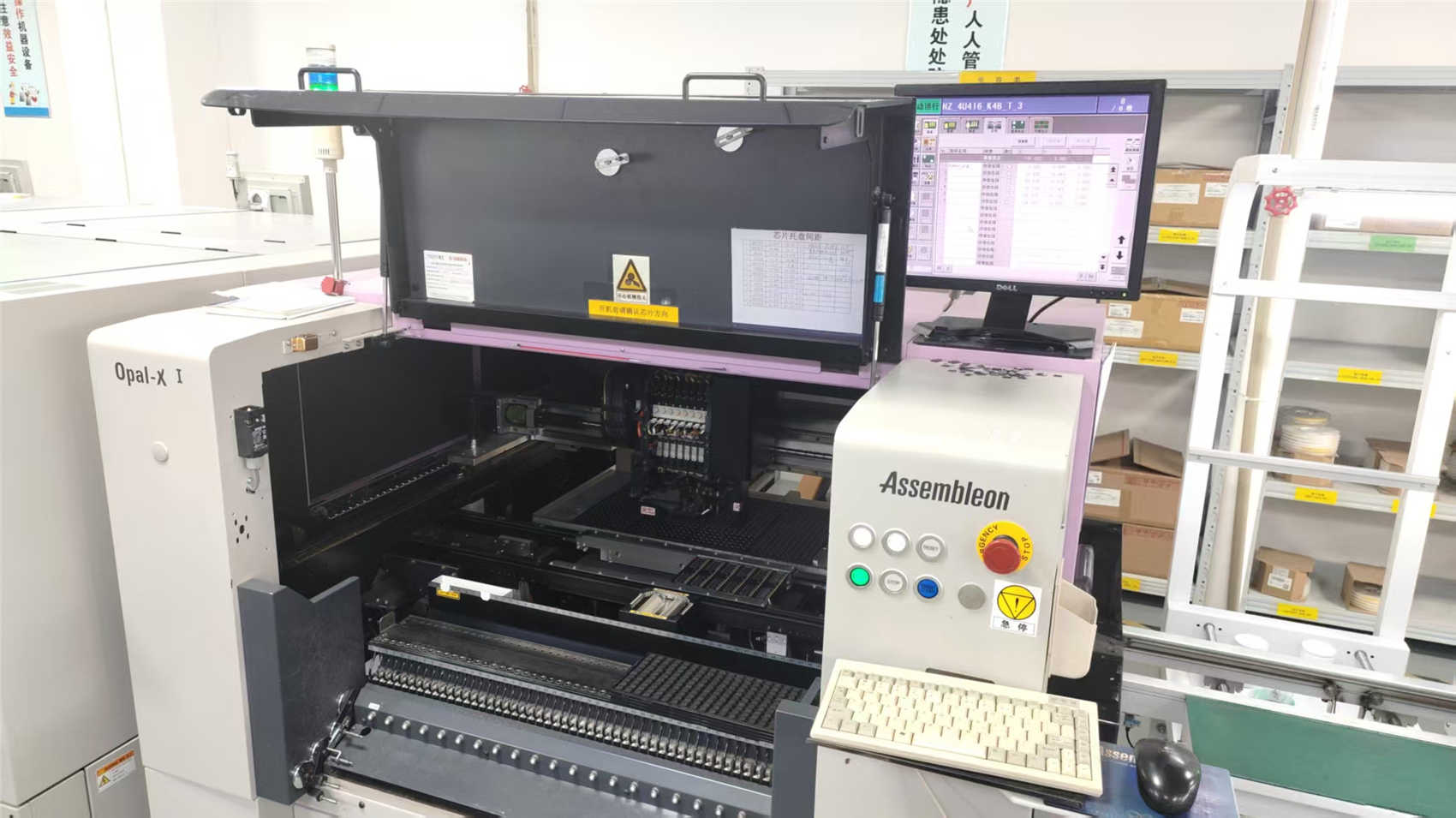
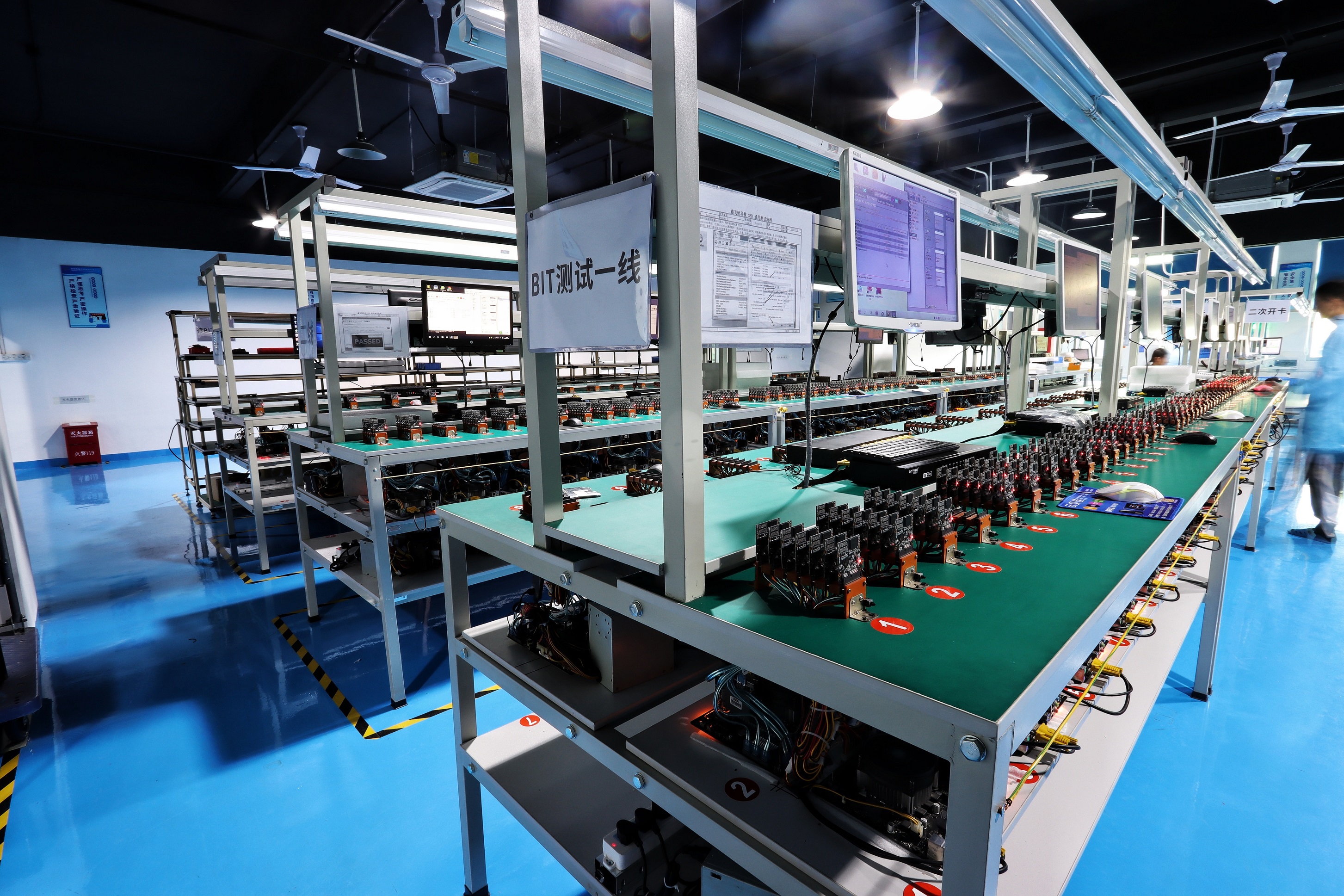
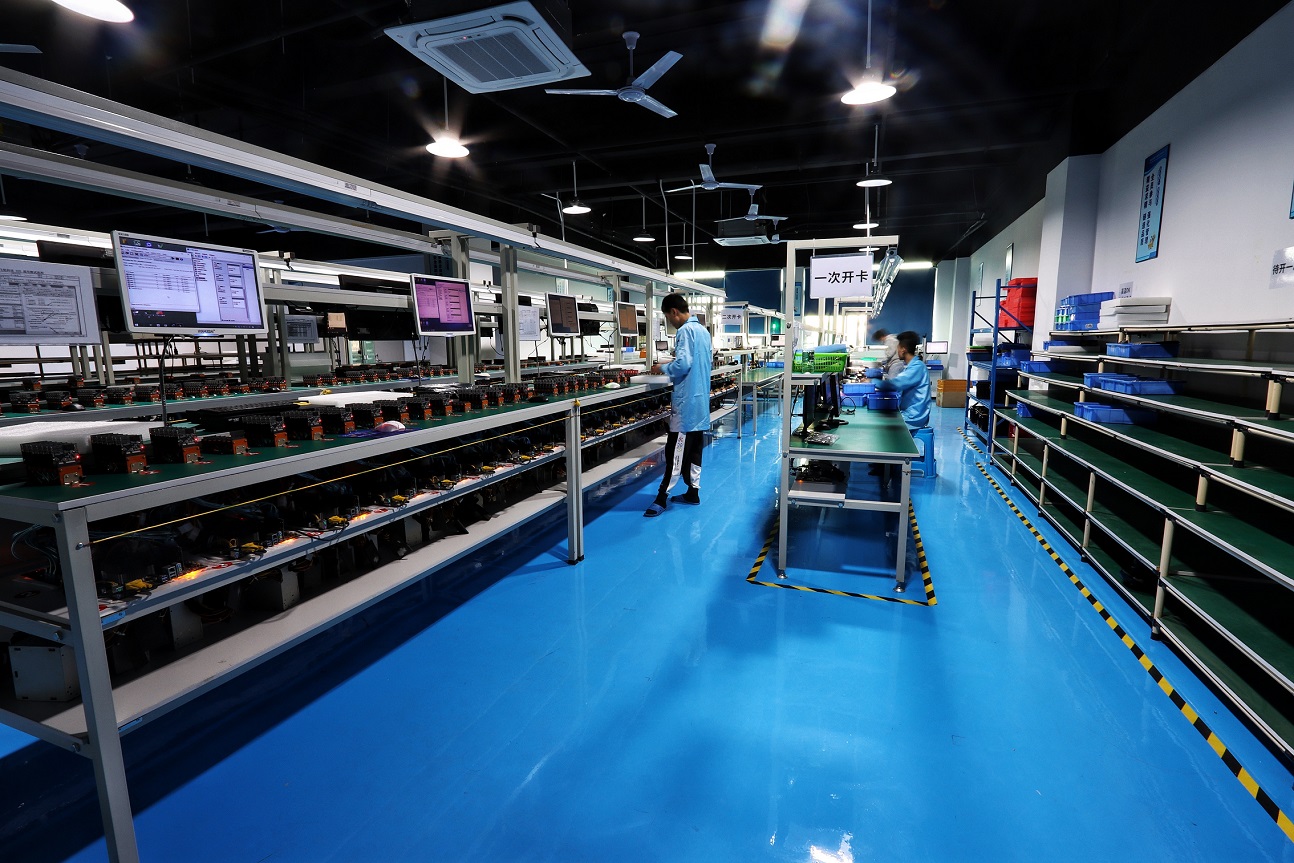
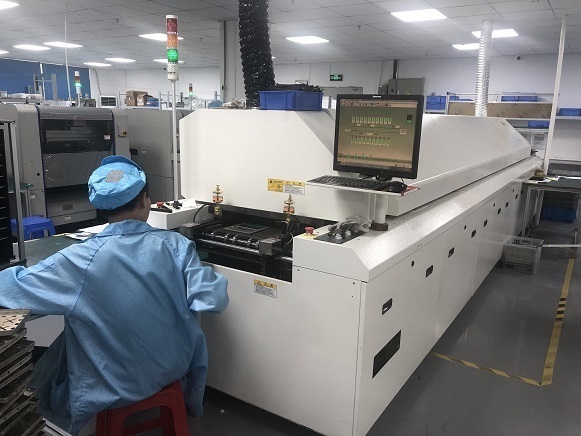
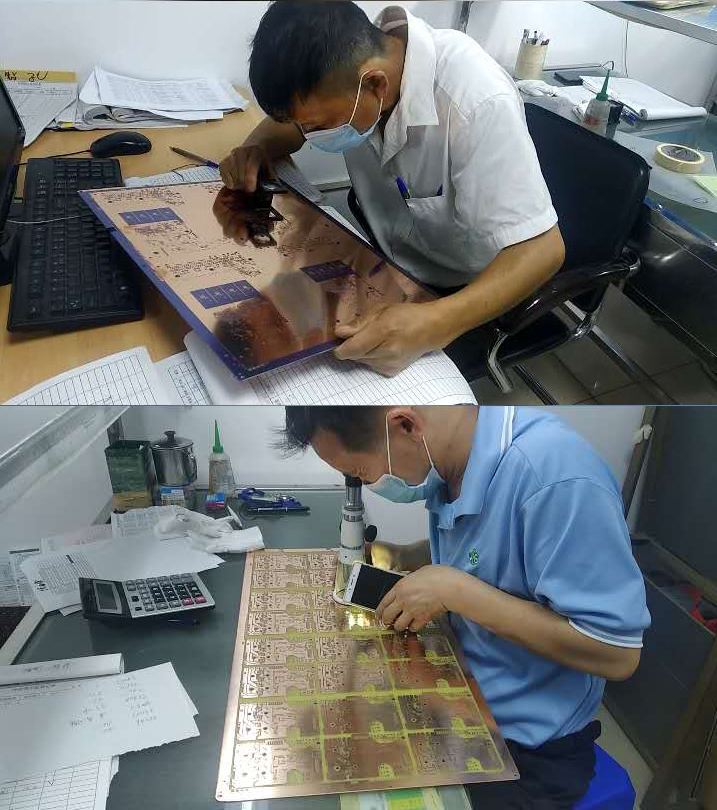
A visual overview of our manufacturing processes, including automated testing jigs, SMT production lines, and quality verification steps.
Expert answers regarding smart sensor platforms, supply chain operations, and hardware compatibility.
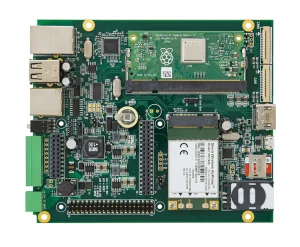
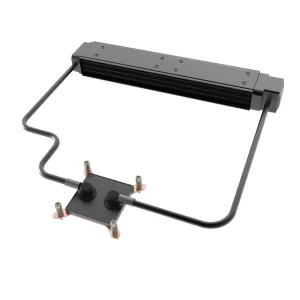
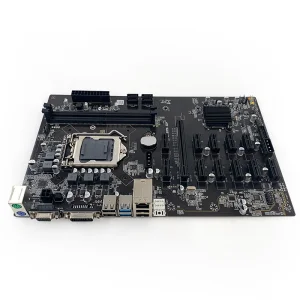
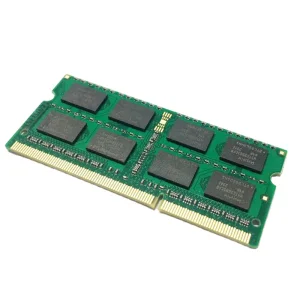
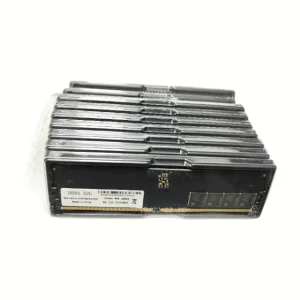
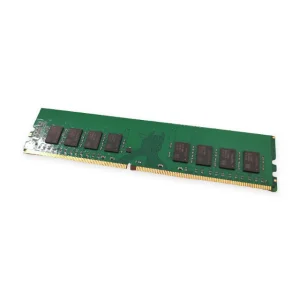
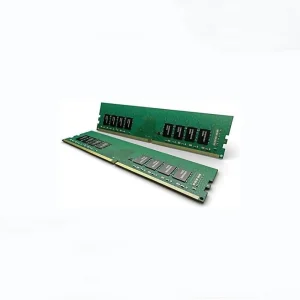
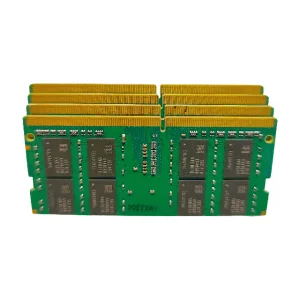
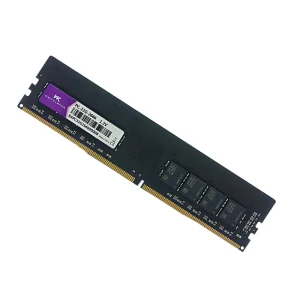
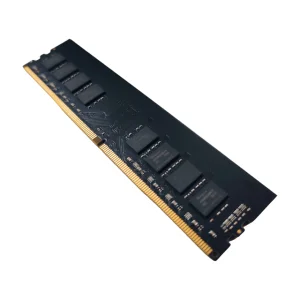
Discover our comprehensive range of high-performance memory sticks, custom industrial PCBAs, and advanced CPU liquid cooling radiators.