NexaRAM
NexaRAM
NexaRAM
Empowering Global High-Performance Hardware Solutions Since 2016
The global transition from mobile-first computing to spatial interfaces marks one of the most critical structural shifts in hardware engineering. High-performance Augmented Reality (AR), Virtual Reality (VR), and Mixed Reality (MR) glasses require severe compute density packaged within extremely constrained physical dimensions. In contrast to standard workstations, an AR headset must process simultaneous localization and mapping (SLAM), eye tracking, depth sensing, and real-time high-fidelity graphic displays concurrently. This workload generates a profound requirement for high-bandwidth, low-latency DRAM, high-density multilayer PCBs, and efficient thermal dissipation units.
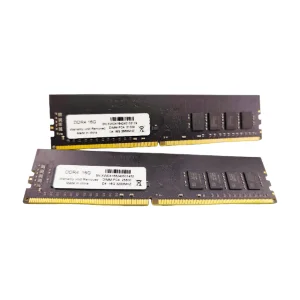
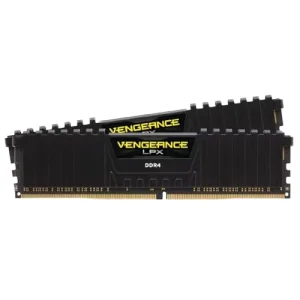
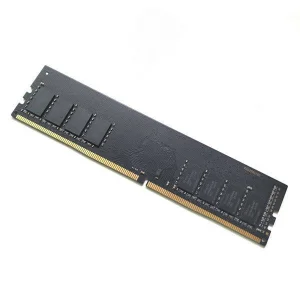
As a leading name in solid-state semiconductor applications, NexaRAM Storage Technology Co., Ltd. addresses the foundational layer of this hardware revolution. Our specialized DDR5 memory systems, sub-millimeter FR4 multilayer printed circuit boards, and custom heatsinks enable AR/VR device designers to scale up computing capacity while keeping HMD devices light, energy-efficient, and thermally safe for the end-user.
Understanding the engineering demands of spatial computing hardware buyers
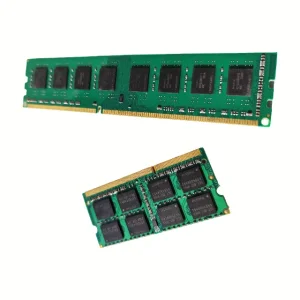
For AR processing, latency must remain under 20ms to prevent user disorientation. We design high-frequency memory modules, optimizing data latency profiles with high-speed DDR5 frequencies (5600MHz - 6000MHz) and dense profiles, providing stable bandwidth to handle intensive real-time frame buffering and 3D environment rendering.
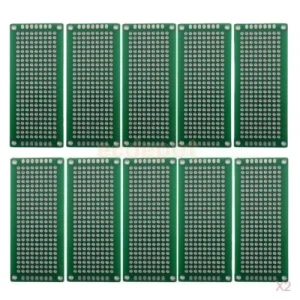
Integrating processors, sensors, and wireless components inside an AR frame requires advanced printed circuit design. NexaRAM designs and manufactures high-density multilayer FR4 circuits, including the 4-layer KB6160 double-sided standard, offering signal path integrity and minimizing electromagnetic interference (EMI).
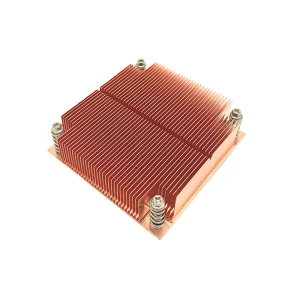
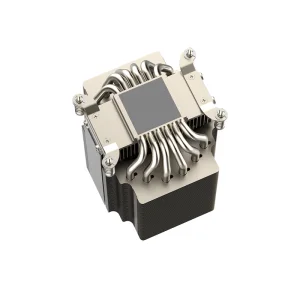
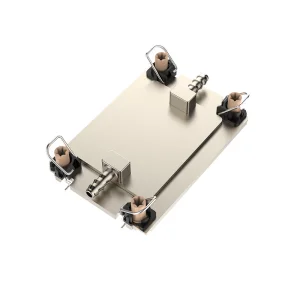
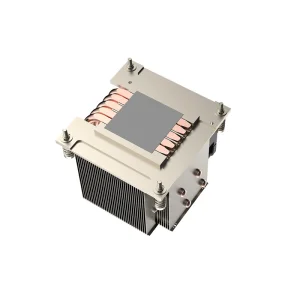
Operating a high-speed GPU/CPU module right next to a user's temples generates heat that must be directed away safely. Our cooling inventory features custom air-cooled heatsinks, specialized copper radiators (LGA socket compatible), and water-cooling blocks designed for spatial processing computing nodes.
In cloud-rendered AR and VR architectures, latency directly correlates to system immersion. When processing high-frequency data, standard desktop RAM cannot offer the localized latency profiles required by advanced AI co-processors. Standard memory modules run at elevated latency profiles which cause micro-stuttering. By using NexaRAM's custom tuned latency controls and performance-optimized DDR5 components, hardware engineers achieve consistent frame rates and lower latency, directly addressing spatial synchronization bottlenecks.
Our commitment to E-E-A-T and robust manufacturing methodologies
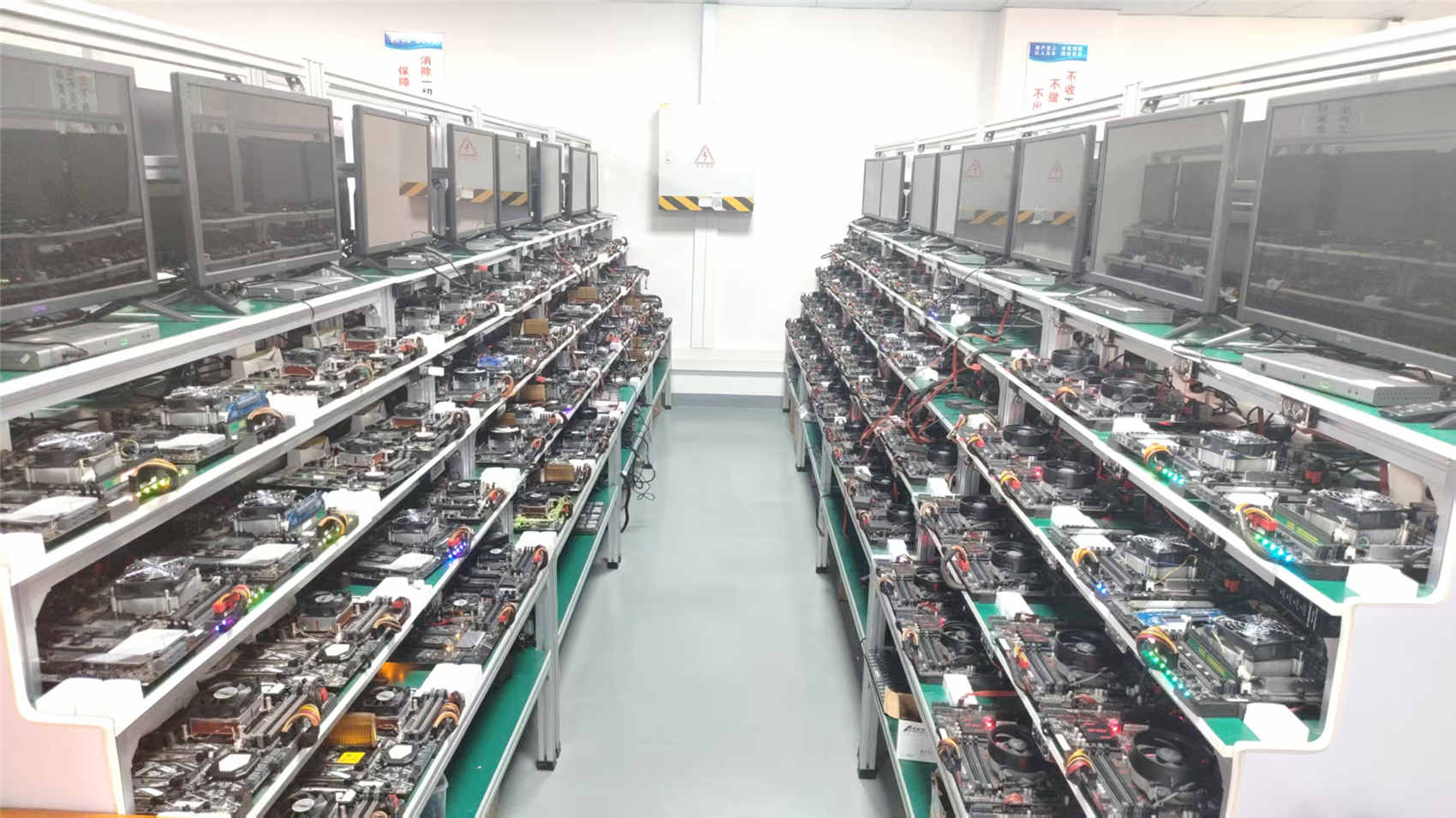
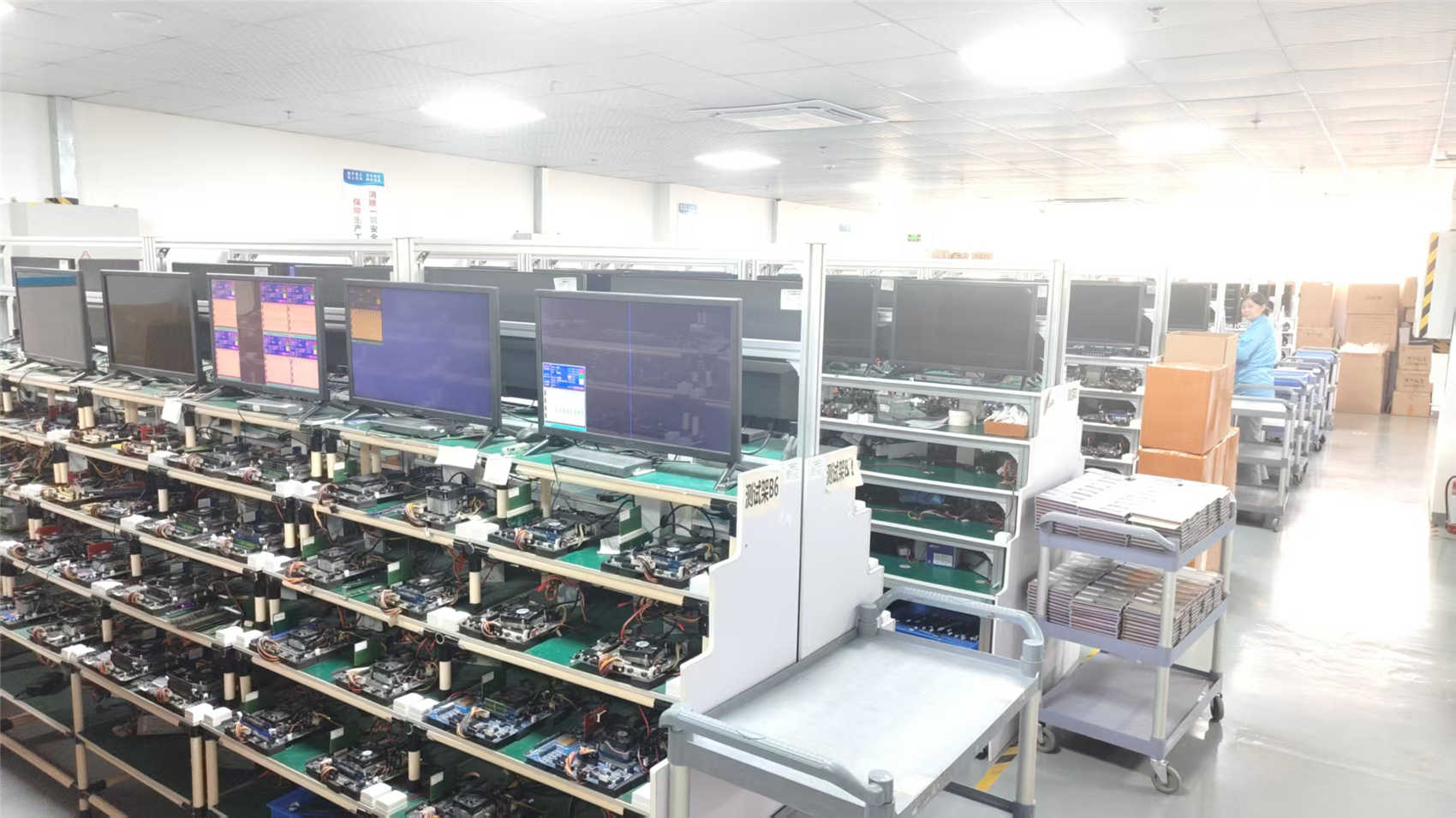
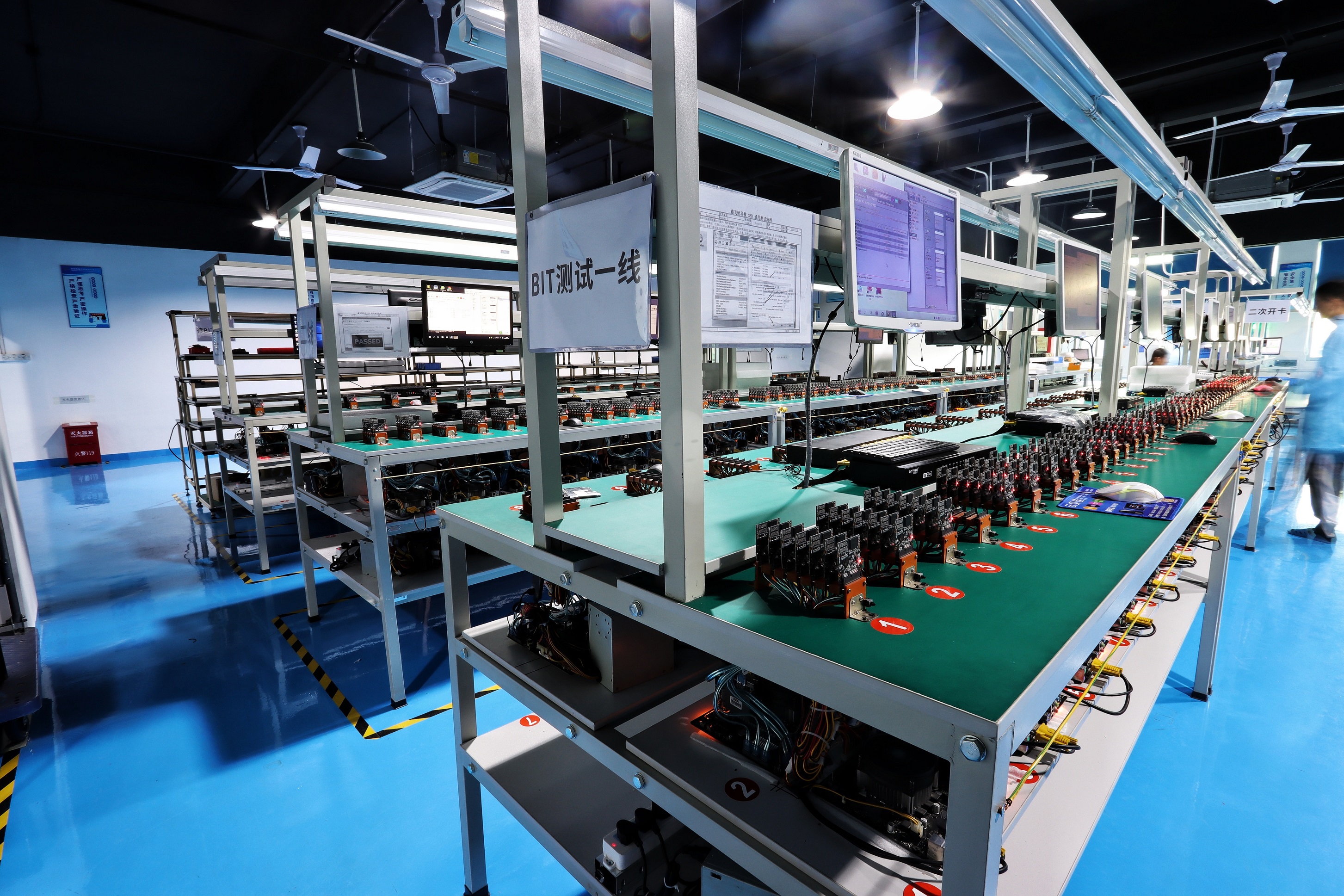
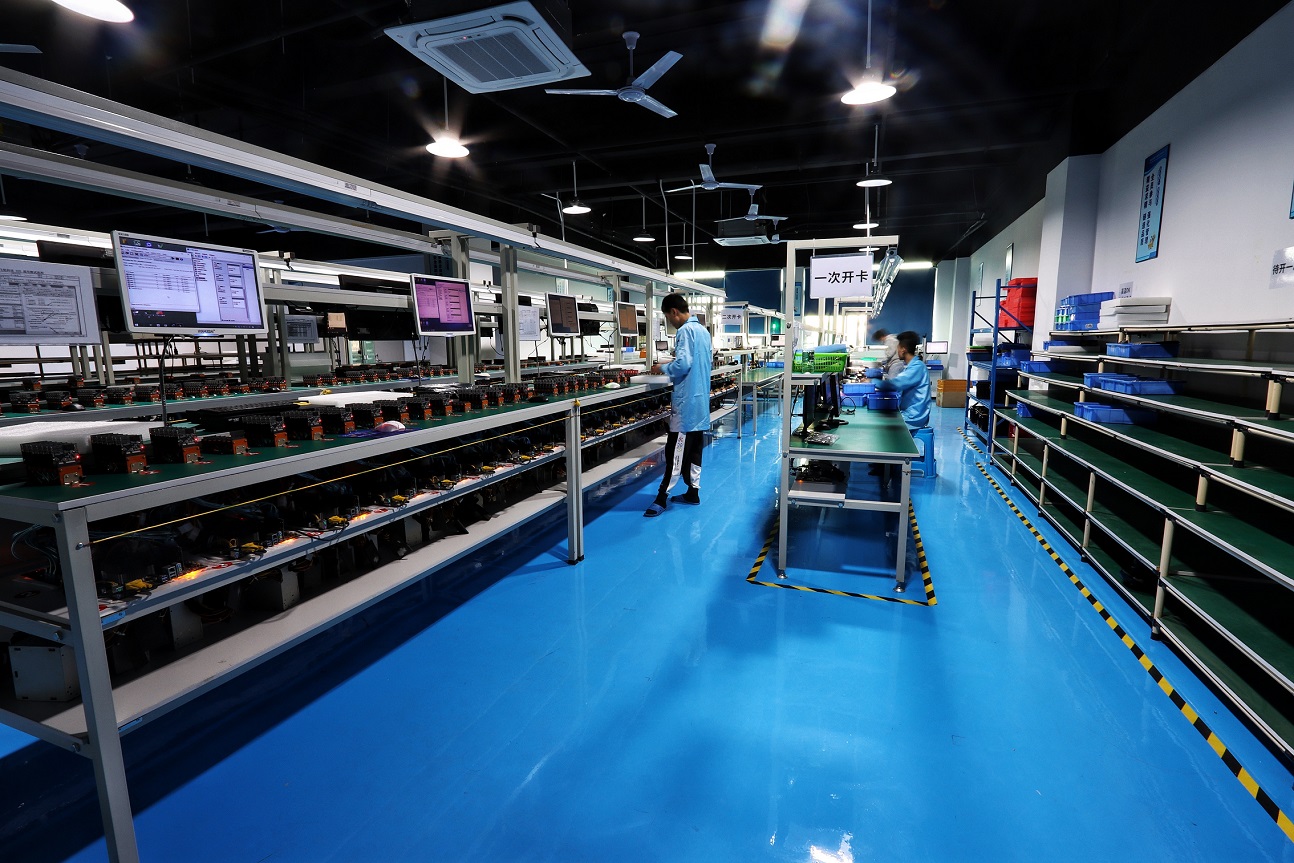
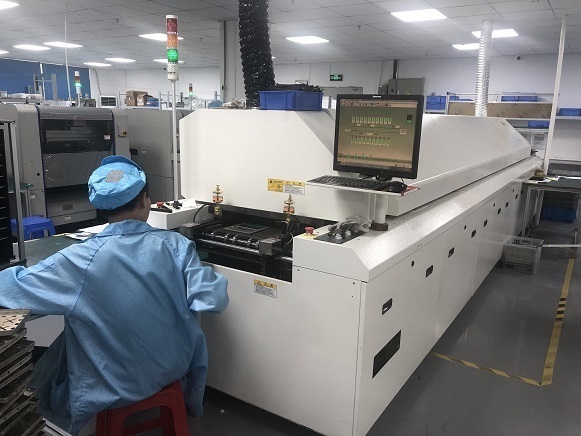
NexaRAM operates a modern facility integrated with precise manufacturing systems. To cater to global electronics OEMs and server system integrators, quality control is strictly monitored at every node of our production line. We run dual validation programs: Automated Optical Inspection (AOI) to verify surface-mount device placement accuracy at the micron level, and rigorous burn-in reliability testing under load and thermal cycles to preempt memory module failure.
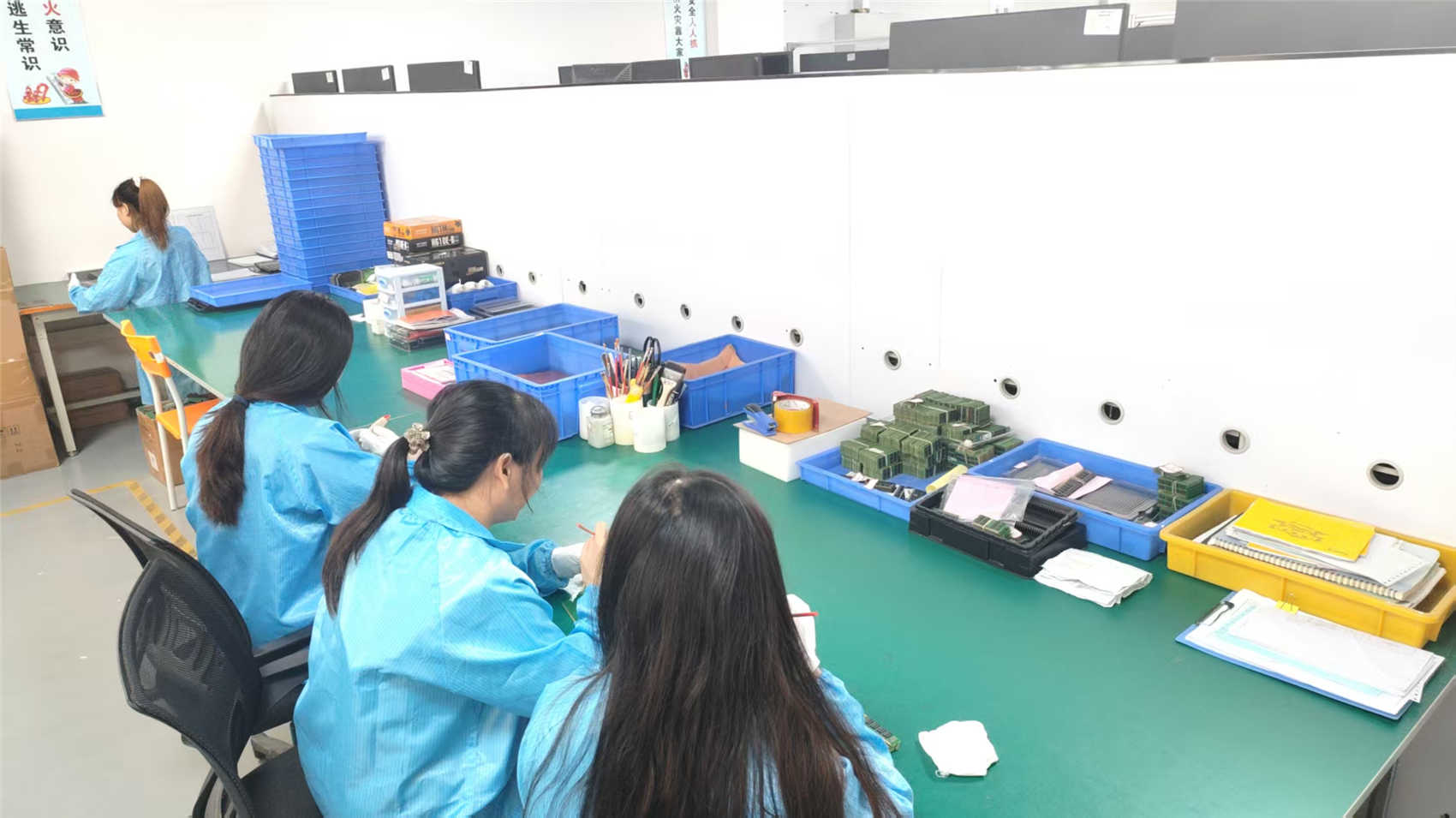
With an experienced QC team of 35 dedicated inspectors, NexaRAM ensures that every memory unit, high-density multilayer PCB, and copper heatsink conforms to IPC-A-610 standards. Furthermore, our collaboration with over 850 strategic partners globally allows us to source high-grade DRAM wafer dies and premium FR4 laminate sheets directly, insulating our production schedules from global supply disruptions.
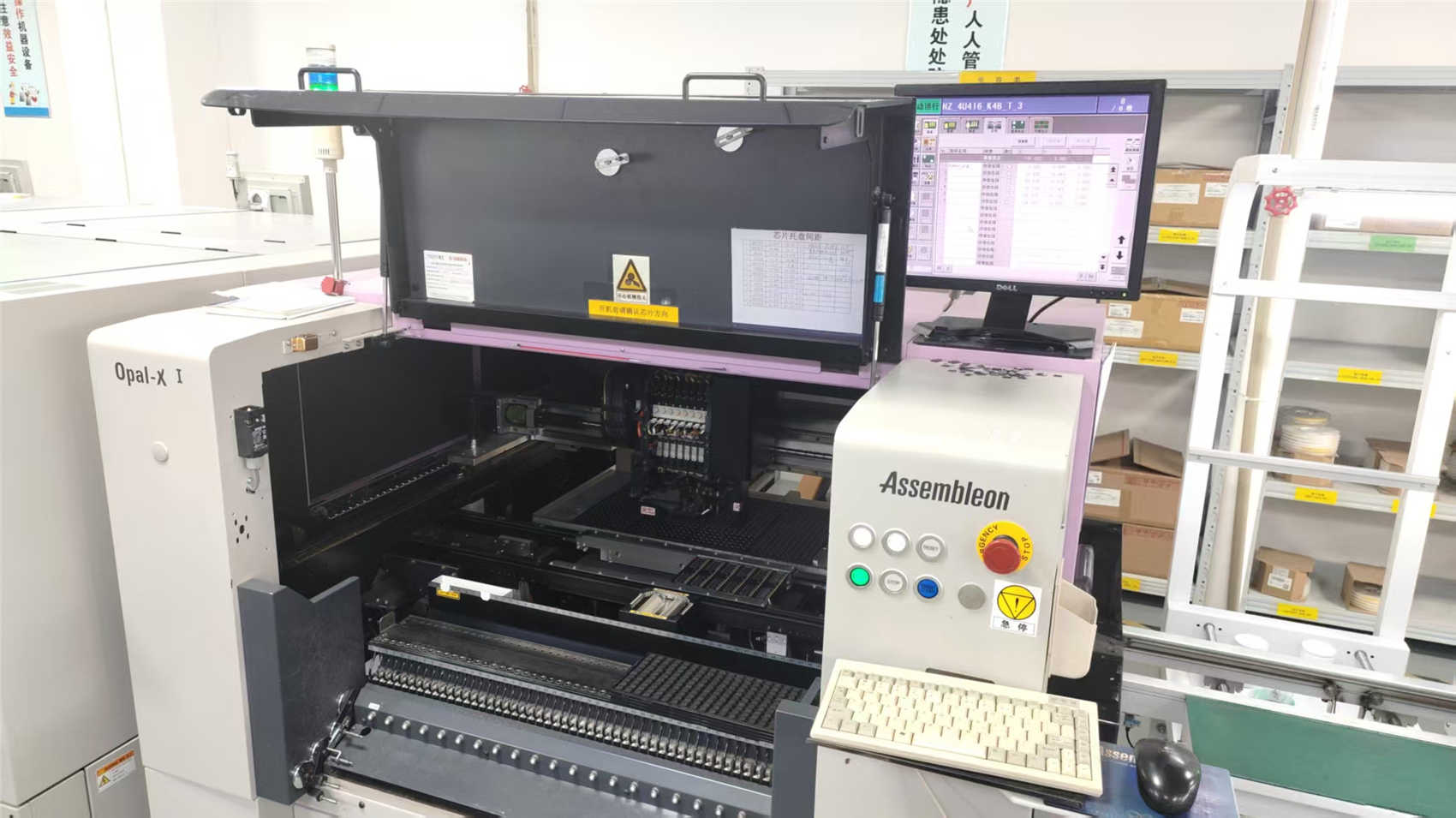
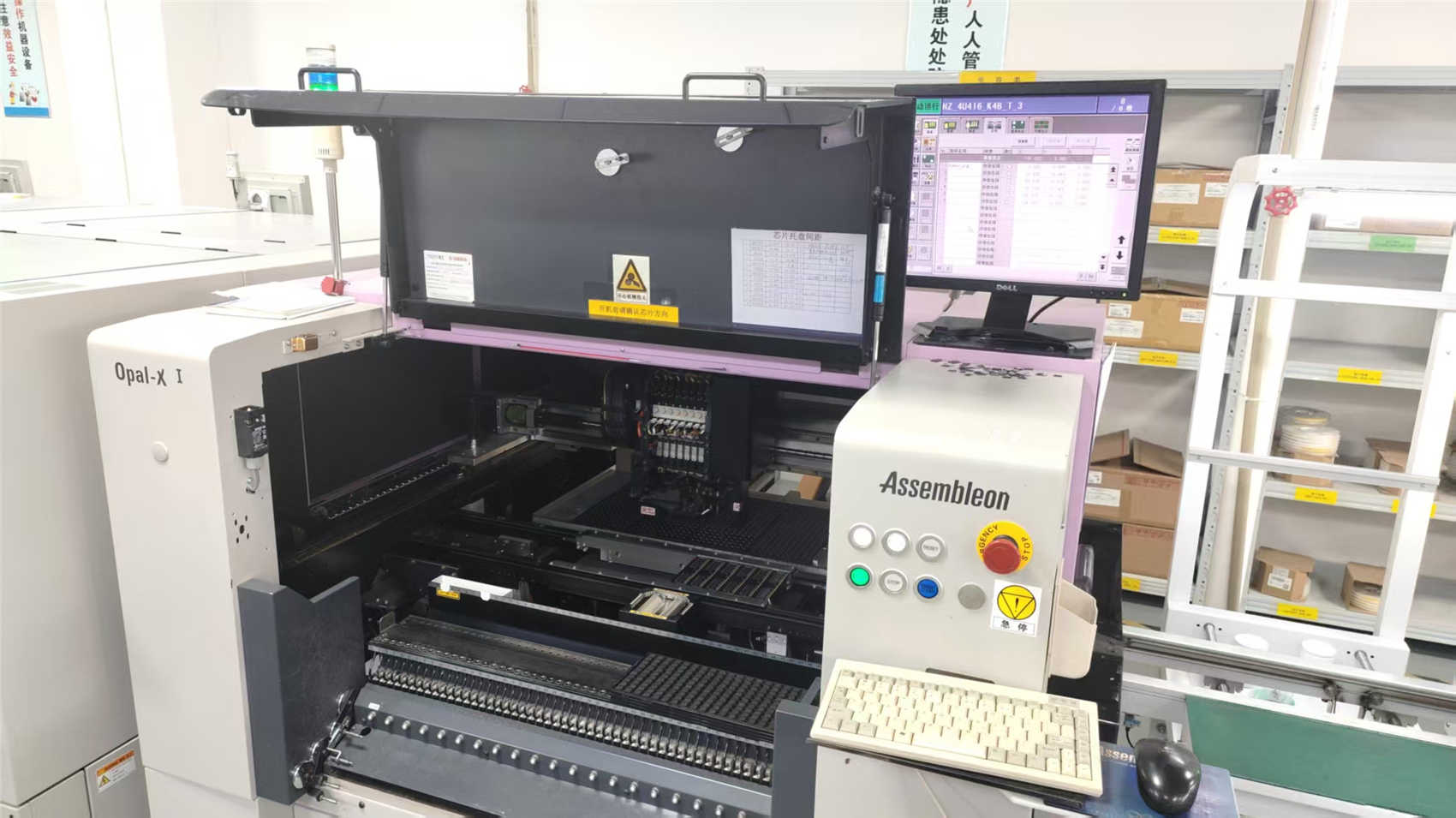
SMT Automated Production System Control Panel
From remote medical diagnostics to automated warehouse systems
High-resolution medical imaging HUDs demand immediate access to localized data caches. By embedding NexaRAM low-latency DDR5 modules into localized wearable processing kits, surgical navigation tools can render 3D patient anatomy overlays with sub-millimeter precision. Furthermore, the inclusion of multi-layer PCBs prevents electromagnetic interference with adjacent high-sensitivity cardiac monitors.
Maintenance staff in chemical plants and off-shore rigs utilize ATEX-certified AR headgear to visualize schematics. These environments present demanding thermal conditions. Standard cooling fans are unusable due to spark risks and moisture exposure. NexaRAM designs fanless micro-thermal solutions utilizing high-conductivity copper blocks to direct heat to outer metallic frames, enabling continuous system uptime.
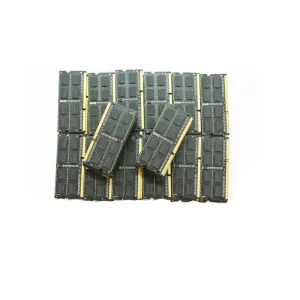
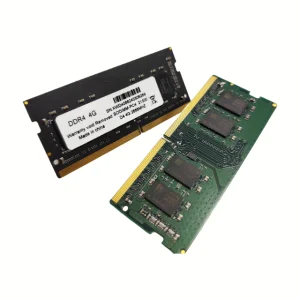
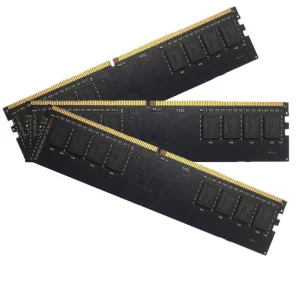
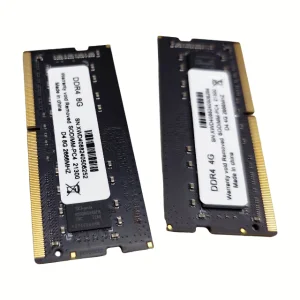
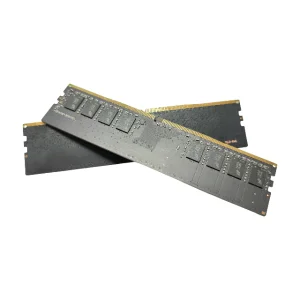
Due to form-factor constraints, heavy graphics rendering is often offloaded to localized edge servers. These edge compute units depend on high-density DDR4/DDR5 ECC server RAM and high-capacity processors. NexaRAM provides high-density memory modules and specialized server cooling assemblies (such as the SP5 2U and LGA4189 series water/air coolers) to support continuous server operations under demanding multi-user loads.
Logistics picking operations utilize smart glasses to overlay tracking barcodes and spatial routing lines. These units operate on long shifts and require low power consumption to preserve battery life. NexaRAM develops customized, low-power DRAM layouts that minimize energy draws during standby states, maximizing overall hardware runtime.
Detailed technical insights for product procurement managers and hardware architects
Augmented Reality HMDs rely on real-time sensory input streams to track positioning (SLAM). The sensor data must be processed immediately by CPU/GPU units to update the display frame. High-frequency memory, such as our DDR5 series (running at up to 6000MHz), provides a wider data bus, allowing the system to process high-resolution frames without queueing. This reduces motion-to-photon latency, preventing motion sickness and improving system responsiveness.
Wearable spatial devices have very small enclosures. Standard double-sided PCBs cannot accommodate the trace routing density required for modern SOCs, sensors, and power management units. Using 4-layer and higher HDI designs (like the KB6160 standard) allows engineers to dedicate inner layers to power and ground planes. This setup shields high-frequency signals, controls impedance, and minimizes electromagnetic interference (EMI) within dense environments.
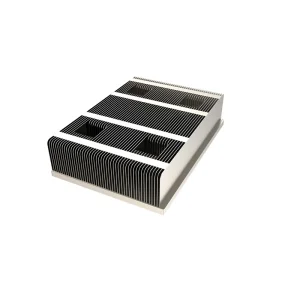
To support high-capacity workloads, we supply a variety of thermal management devices. For localized edge servers, we offer high-performance air-cooled heatsinks (like the LGA2011 Rectangular and LGA1700-T67 copper radiator setups) alongside integrated water coolers (such as our SP5 2U server-integrated water cooling kits). For custom mobile configurations, we design low-profile copper fin heat sinks to keep processing components within safe temperature ranges.
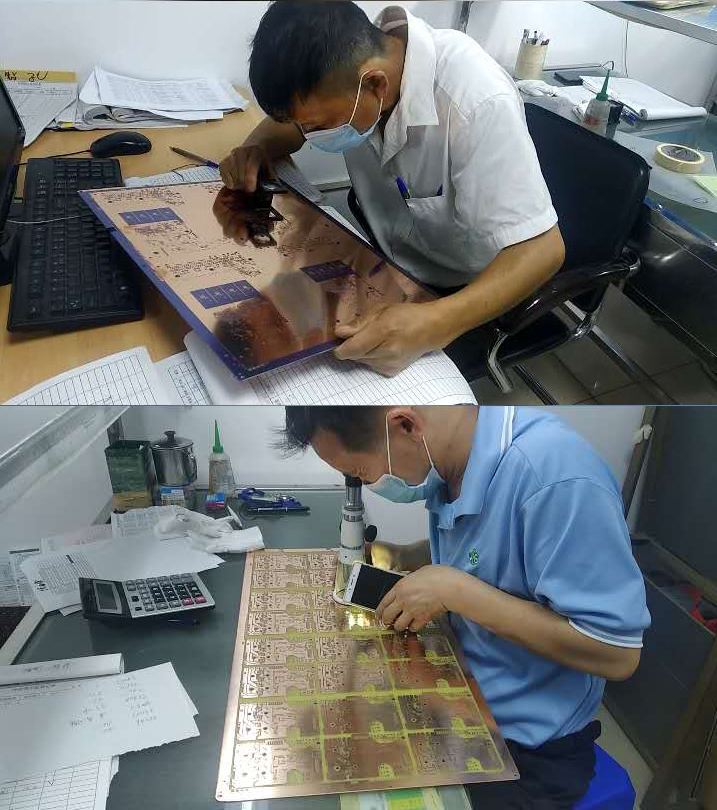
Every batch of DRAM modules undergoes a strict double-validation process. First, we use Automated Optical Inspection (AOI) to check for placement and soldering defects. Second, the modules undergo burn-in stress testing in high-temperature chambers to simulate extended operational cycles. This process allows us to identify and filter out components prone to early failure, ensuring high reliability for industrial applications.
Yes. Supported by our team of 180 R&D engineers, we provide OEM/ODM customization services. We can adjust PCB sizing, memory capacity, latency profiles, and layout patterns to fit your custom physical enclosures. We also help develop customized micro-thermal solutions to manage heat profiles in specialized hardware designs.