NexaRAM
NexaRAM
NexaRAM
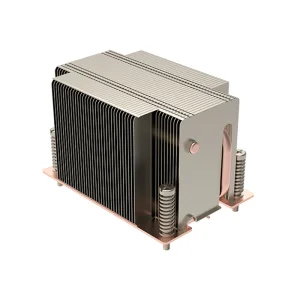
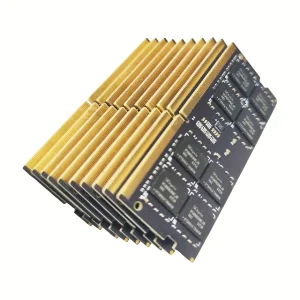
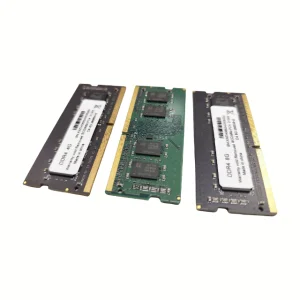
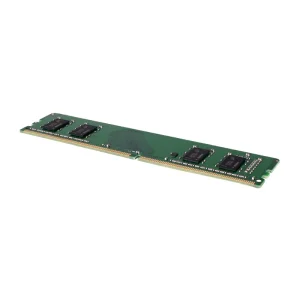
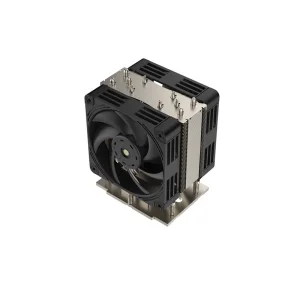
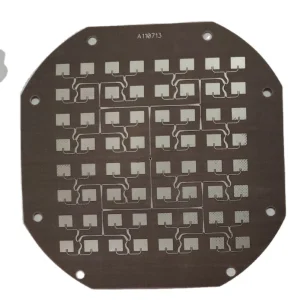
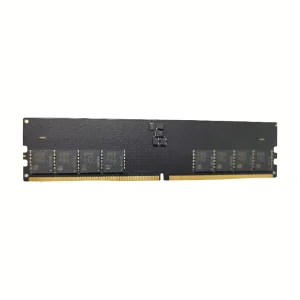
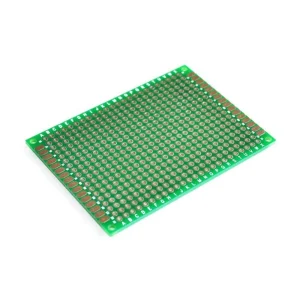
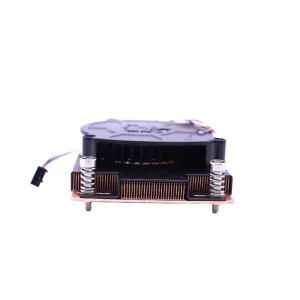
Premium server hardware, custom printed circuit boards, high-speed RAM units, and custom heat sinks built for heavy-duty environments.
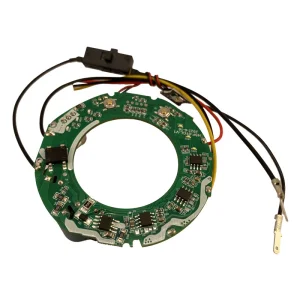
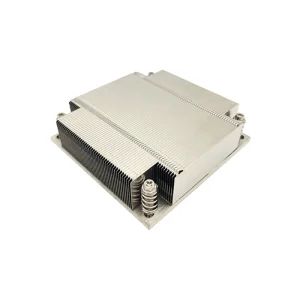
The electronics industry faces constant threats from environmental contaminants like humidity, dust, salt spray, and chemicals. Traditional conformal coatings (such as acrylics or silicones) are thick and heavy, which can cause heat buildup on delicate components. At NexaRAM Storage Technology Co., Ltd., we use advanced nano-coating technology to protect high-frequency memory modules, detailed PCB assemblies (PCBAs), and high-performance server heat sinks without adding weight or trapping heat.
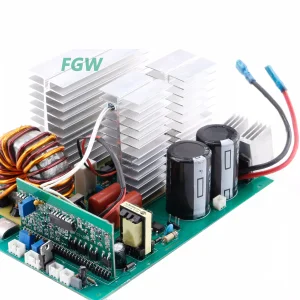
Our nano coatings create an ultra-thin protective layer (typically under 100 nanometers) using hydrophobic and oleophobic polymers. This micro-layer keeps moisture and contaminants away from sensitive metal tracks, prevents dendrite growth, and helps avoid short circuits on components like welding machine motherboards and DDR5 server modules. This keeps your hardware running reliably, even in challenging industrial and outdoor settings.
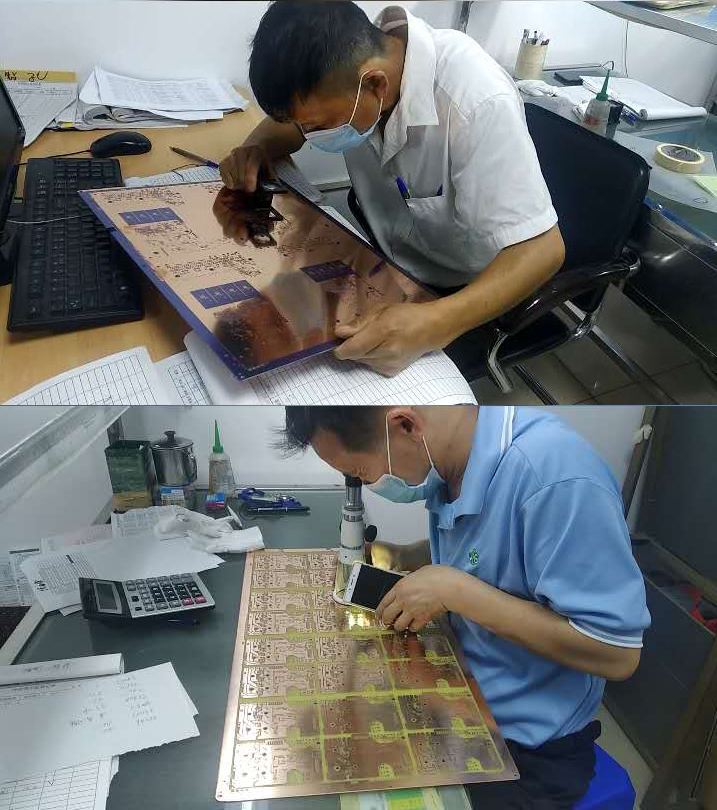
Established in 2016, NexaRAM Storage Technology Co., Ltd. is a dedicated manufacturer of high-performance RAM solutions and advanced PCB systems. We serve global OEMs, industrial control businesses, and enterprise data centers. With 12 years of industry experience in DRAM and semiconductor packaging, and 6 years of export experience, we ensure quality and reliability for demanding global applications.
A technical comparison shows why advanced nano-polymer coatings outperform traditional conformal treatments for electronic assemblies.
| Characteristic | Traditional Acrylic/Silicon Conformal Coating | Advanced Nano-Polymer Coatings (NexaRAM Standard) |
|---|---|---|
| Layer Thickness | 25 to 125 microns (Causes bulkiness) | 10 to 100 nanometers (Virtually weightless) |
| Thermal Dissipation Penalty | High thermal resistance; acts as an insulating blanket | Near zero; maintains original thermal path of components |
| Application Method | Spray, brush, or selective dip coating | Plasma Chemical Vapor Deposition (PECVD) / Liquid misting |
| Reworkability & Repair | Requires chemical solvents or scraping | Easily soldered through; simplifies component replacement |
| Water/Moisture Protection | Shields surface; water can pool underneath if cracked | Molecular bonding; highly hydrophobic surface repels moisture |
| Pin-hole Defects | Prone to bubbles and uneven coverage | Uniform deposition covers sharp edges and complex geometry |
Combining reliable sourcing, raw material access, and advanced assembly technologies to deliver value worldwide.
NexaRAM operates in China's key electronics manufacturing hubs, working with over 850 strategic partners. This lets us source high-grade DRAM chips, premium PCB substrates (like Taconic high-frequency laminates), and pure copper blocks for server coolers quickly and cost-effectively, keeping lead times short even during high demand.
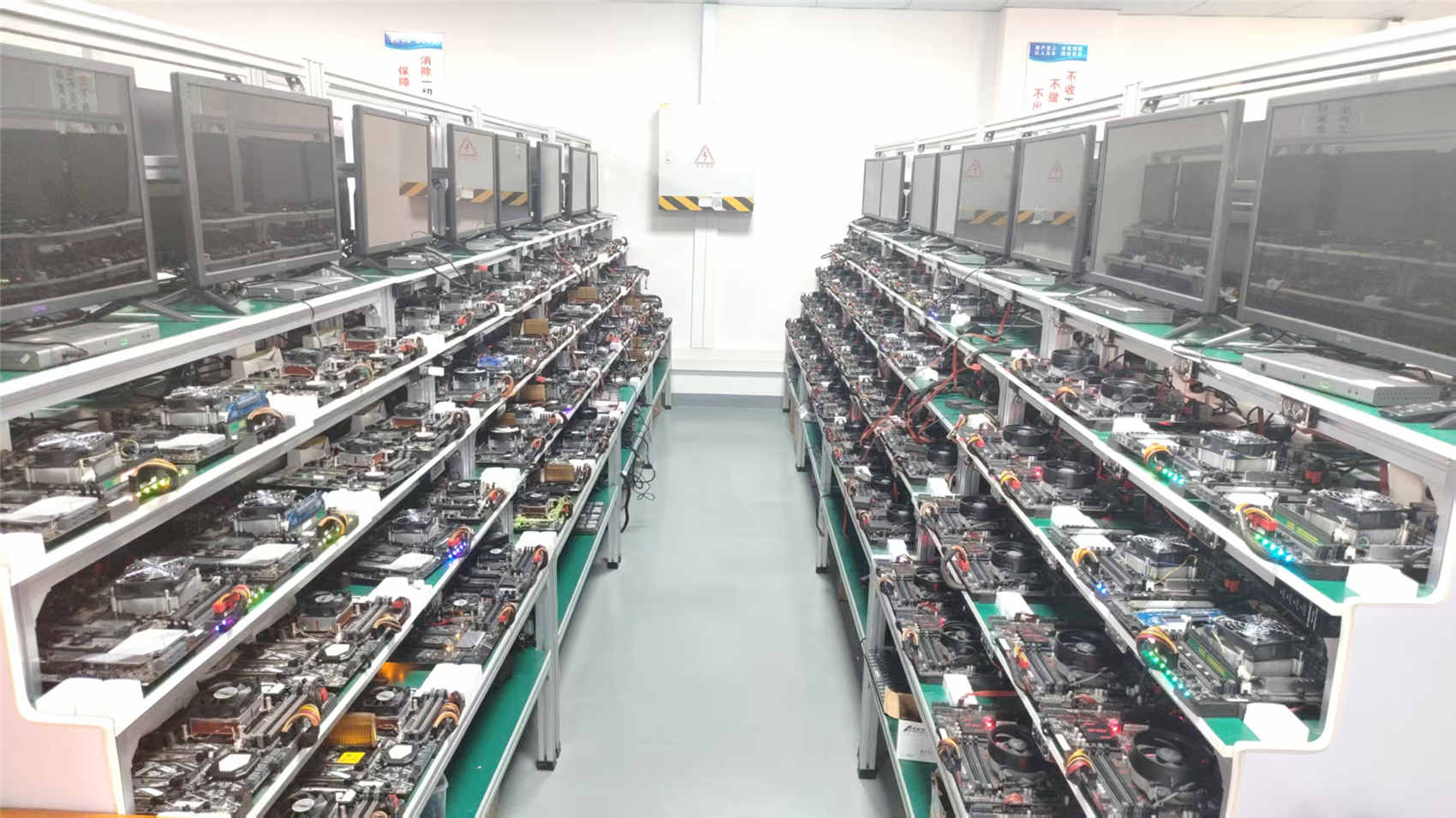
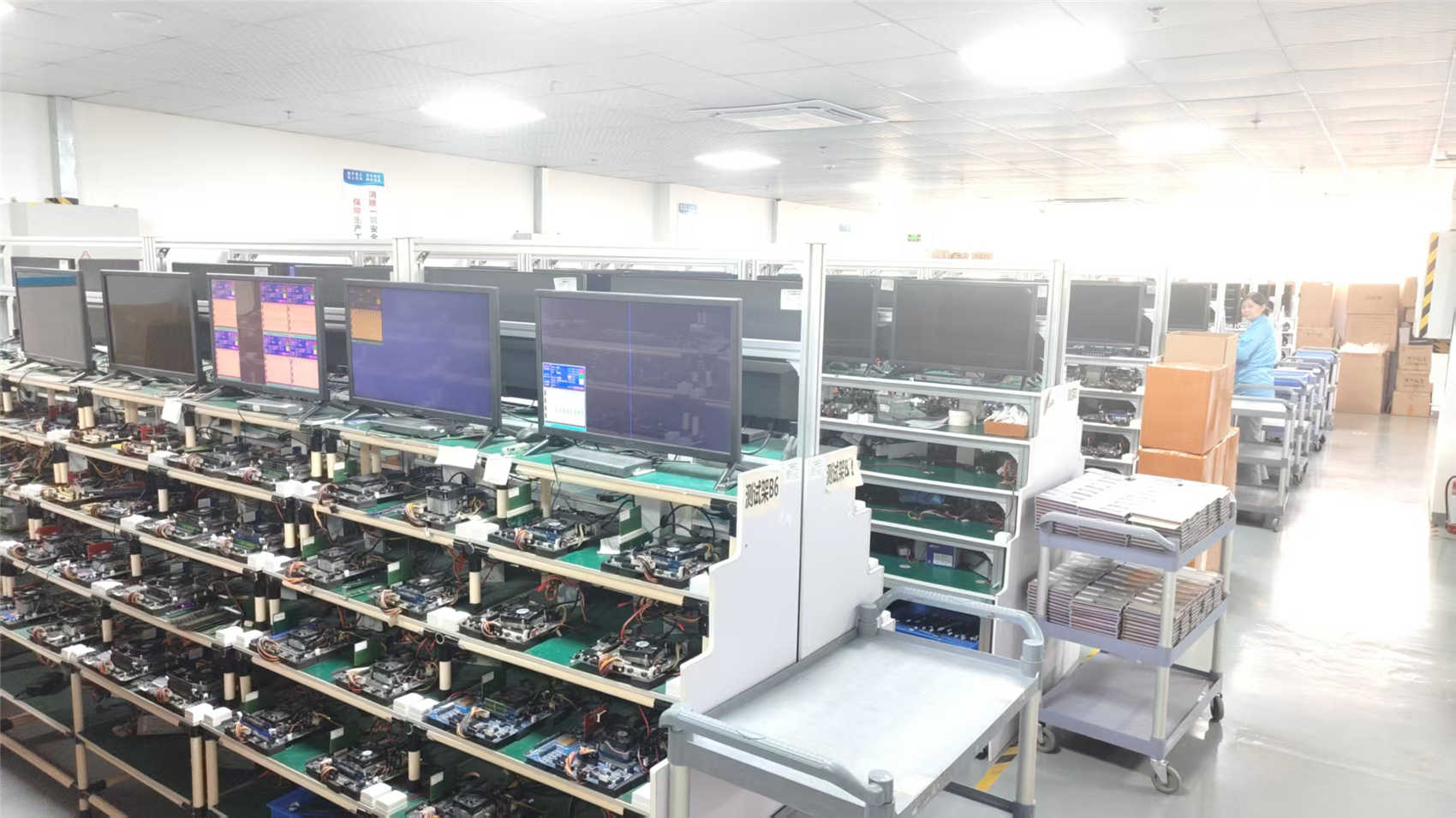
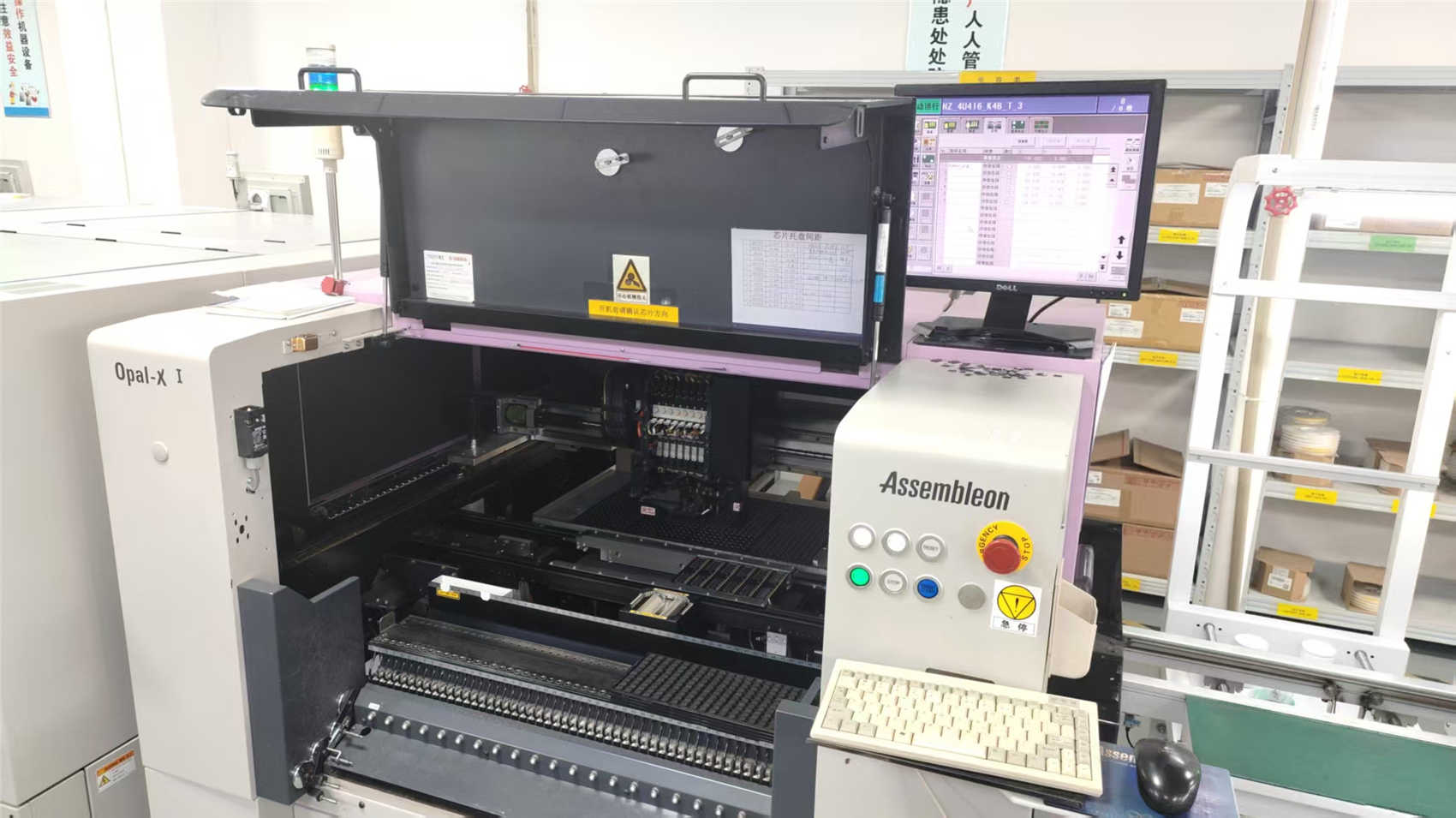
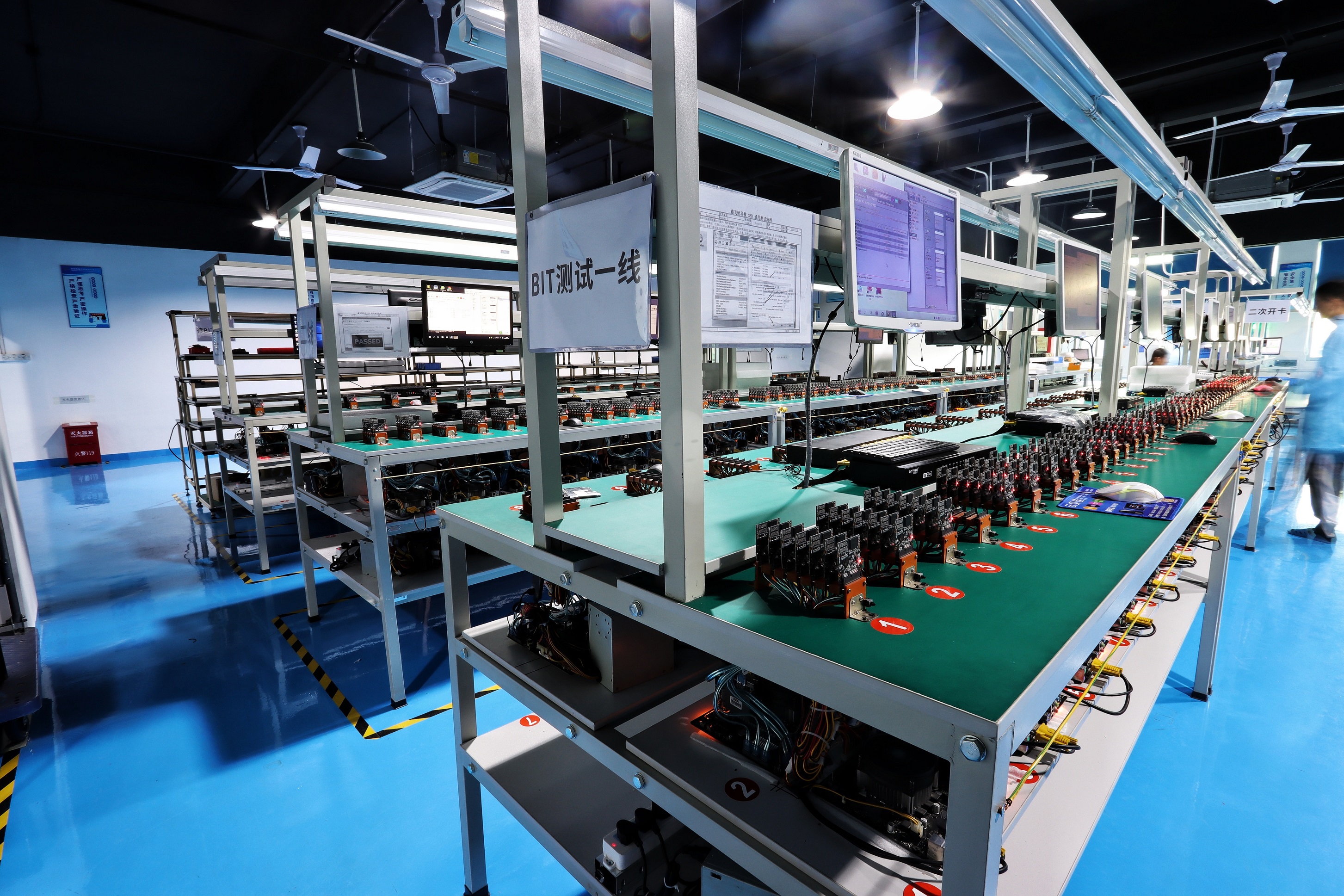
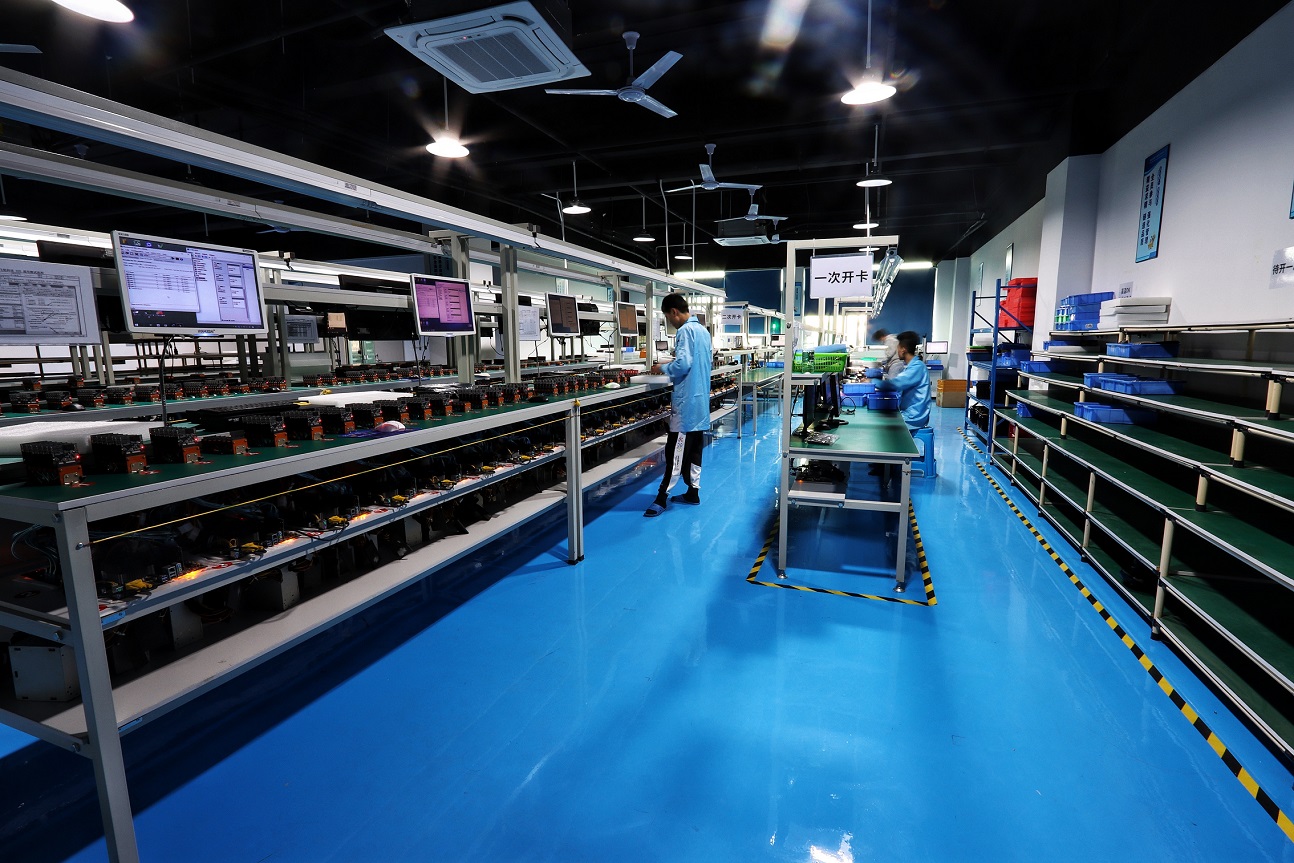
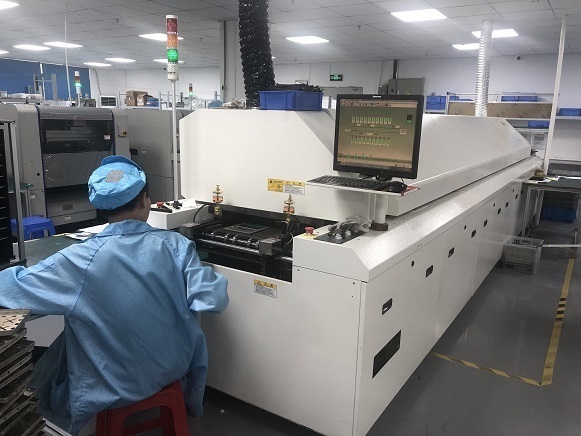
Our quality process uses Automated Optical Inspection (AOI) alongside real-time burn-in testing. Supported by 35 QC inspectors, we verify that every coated PCBA, RAM module, and copper cooler meets international standards before shipment. This step reduces the risk of field failures for system integrators and server brands.
With an R&D team of 180 engineers, we design customized PCB layouts, adjust module frequencies, develop thermal systems, and optimize nanocoating formulas. This deep engineering capability allows us to support custom specifications and prototype new designs quickly, helping clients bring products to market faster.
Ensuring compliance, environmental safety, and smooth import/export processes for corporate buyers.
We make sure all of our raw materials, printed circuit board substrates, memory chips, and coating chemicals comply with global regulations, including RoHS (Restriction of Hazardous Substances) and REACH (Registration, Evaluation, Authorization and Restriction of Chemicals). Our nano-coatings are free of hazardous solvents, helping you meet environmental standards without sacrificing protection.
With 6 years of export experience, NexaRAM ships to clients across North America, Europe, Southeast Asia, and the Middle East. Our teams handle custom declarations, export licensing, and international shipping requirements, making procurement straightforward and keeping projects on schedule.
How nano-coated components perform in actual demanding field installations.
Edge computers and telecom installations face constant exposure to humidity and shifting temperatures. Standard PCBAs can fail from condensation. Using our nano-conformal coatings on Taconic high-frequency PCBs and high-speed memory modules helps protect the circuits from moisture without trapping heat or affecting high-frequency signals.
Industrial machinery—such as 220V welding machine motherboards—often works in dusty environments filled with metallic particles. This particulate matter can settle on components and cause short circuits. Our ultra-thin nano coatings seal the circuit board surface, preventing dust and particles from bridging metal contacts and causing failures.
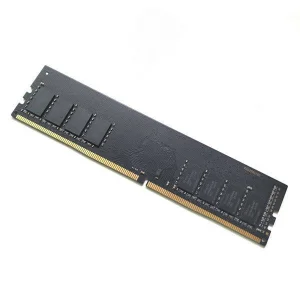
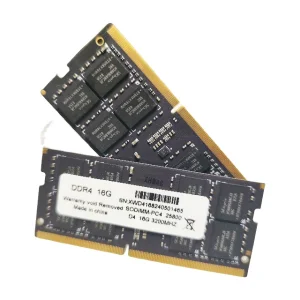
Enterprise data centers run 24/7, making cooling and component life critical. Chemical pollutants in the air can corrode copper traces on DDR4 and DDR5 memory modules. Applying nano coatings shields the gold fingers and copper tracks from corrosion without affecting data transfer rates or thermal performance.
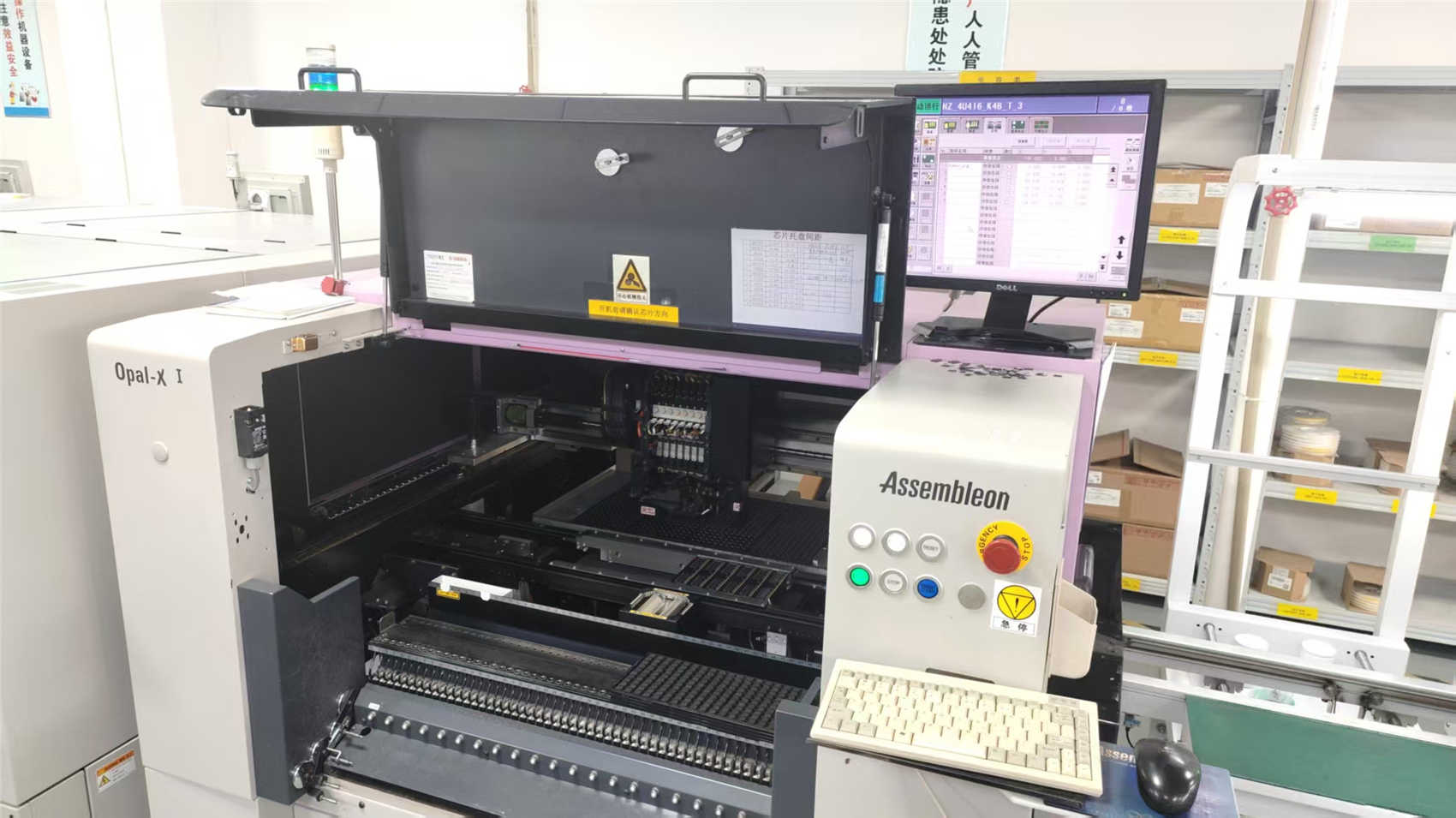
Reviewing our testing stages, quality checks, and production environment through actual factory images.

Answers to common technical questions about nano-coating applications and hardware compatibility.
Traditional conformal coatings are thick and trap heat. Our nano-coatings are extremely thin (typically under 100 nm), allowing heat to pass through without resistance. This helps server heat sinks and high-frequency memory modules maintain their original cooling performance while staying protected from moisture and dust.
Yes. Traditional coatings require chemicals or scraping to remove before repair. Our ultra-thin nano coatings can be soldered directly through. The heat of the soldering iron vaporizes the coating locally, allowing you to replace components easily without damaging the surrounding protection.
Yes. Because the coating is so thin, it does not alter the electrical properties, impedance, or signal timing of high-frequency components. This makes it safe for high-frequency PCBs and DDR4/DDR5 RAM, preventing signal distortion or latency issues.
We use a multi-step quality process, including Automated Optical Inspection (AOI) to check component alignment, followed by burn-in tests under thermal load to detect early failures. Our team of 35 QC inspectors monitors each step to ensure outgoing products meet industry requirements.
Our nano-coatings are typically fluoropolymer-based and applied using PECVD or misting methods to a thickness of 20 to 80 nanometers. This provides hydrophobic (water-repelling) and oleophobic (oil-repelling) protection across the surface of the components.
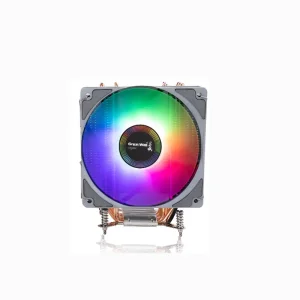
Explore our additional inventory of server coolers, specialized high-frequency PCBs, custom blower boards, and server RAM modules.