NexaRAM
NexaRAM
NexaRAM
Danish wind turbine installations (both offshore and onshore in areas like Esbjerg) rely on embedded controllers configured with reliable industrial-grade DDR3 modules. These systems undergo heavy vibrations and thermal shifts, requiring memory with low failure rates and extended life cycles.
Navigational instruments, communication hardware, and automated cargo handling computers aboard container fleets operating out of Odense and Copenhagen use specialized DDR3 memory. Standardizing legacy platforms avoids the immense costs of re-certifying new hardware configurations.
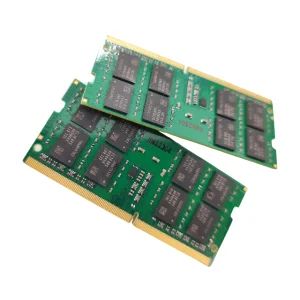
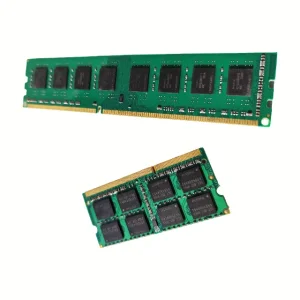
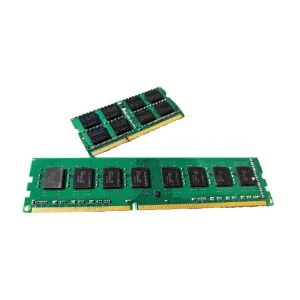
From Denmark's pharmaceutical packaging plants (e.g., in Bagsværd) to dairy processing units, SCADA nodes and industrial PCs rely on DDR3 ECC SO-DIMM layouts. This guarantees real-time computing precision without data corruption, even in corrosive and humid environments.
Modern system design focuses heavily on memory bus speeds and DDR5 density. However, for industrial hardware running in Danish ports, smart grids, and automated logistics networks, high performance means continuous operational stability over 10- to 15-year spans. NexaRAM Storage Technology bridges this gap. We supply specialized industrial-grade DDR3 components that offer protection against dust, humidity, and chemical contaminants through conformal coating, while providing high reliability under fluctuating voltages.
As main semiconductor foundries shift their production lines to DDR5 and next-generation designs, the global production of DDR3 wafers continues to drop. This poses a major supply chain threat to systems integrators and engineering firms in Europe, particularly in Denmark where strict operational regulations mandate regular component updates.
NexaRAM operates a resilient supply model to prevent component shortages. By collaborating with leading original DRAM die manufacturers and maintaining a large stock of high-reliability components, we ensure that our partners in Copenhagen, Aarhus, Aalborg, and Odense have access to consistent, long-term supply agreements. This prevents premature system retirement and stabilizes maintenance costs.
Our solutions are designed to address the specific challenges of maintaining legacy architectures:
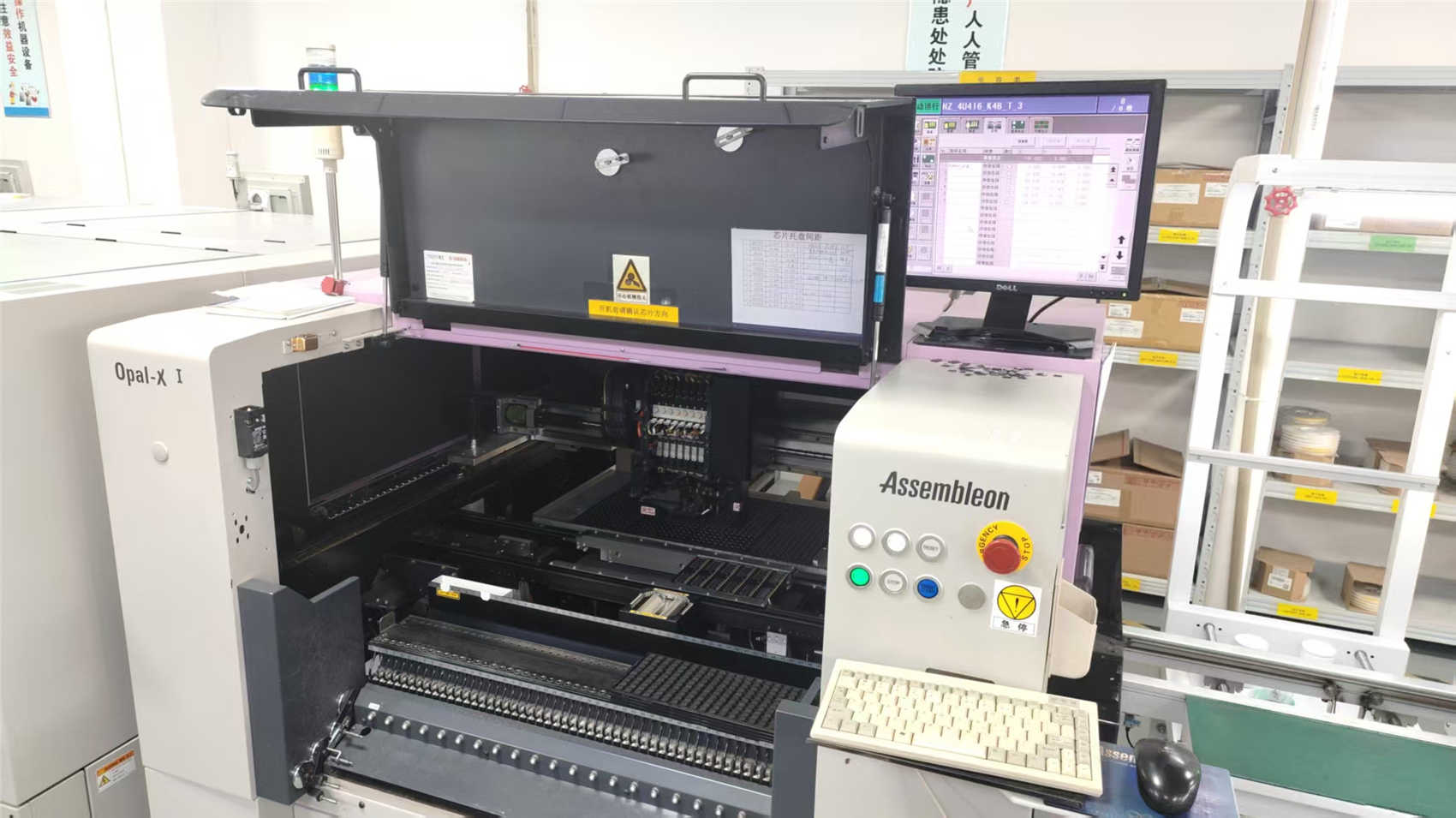
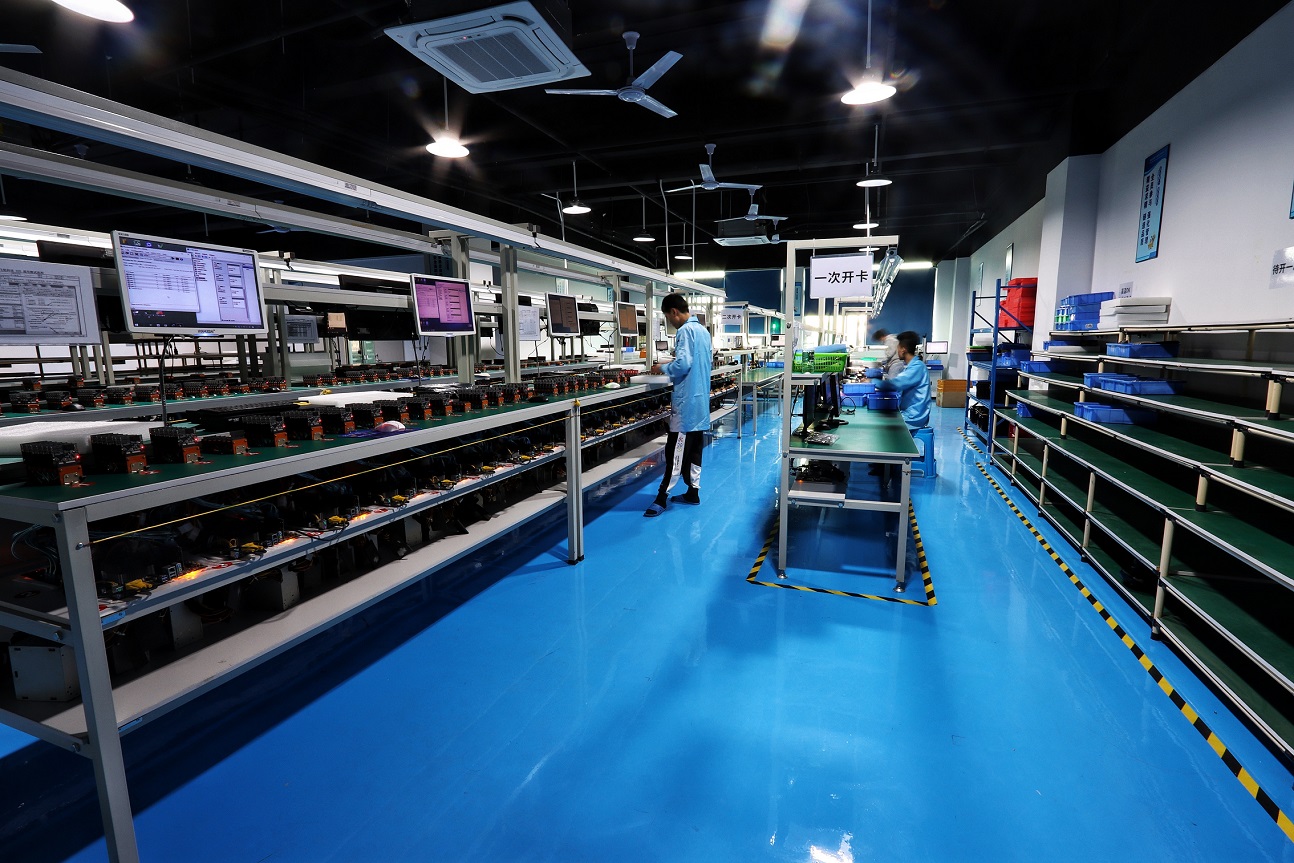
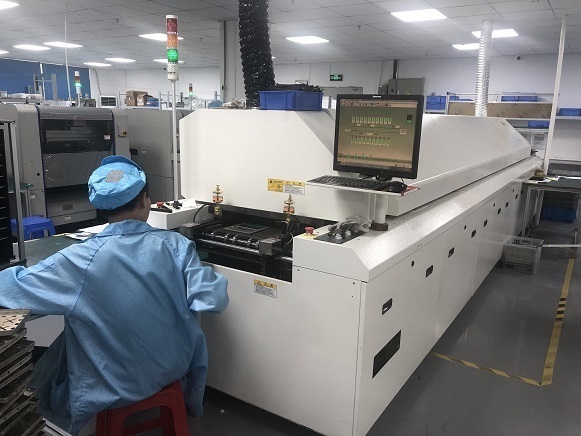
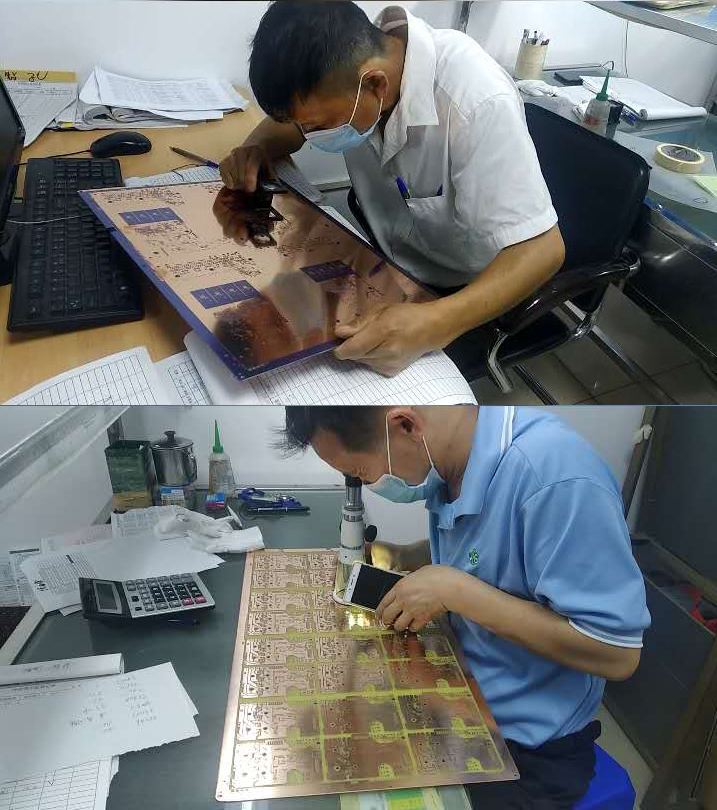
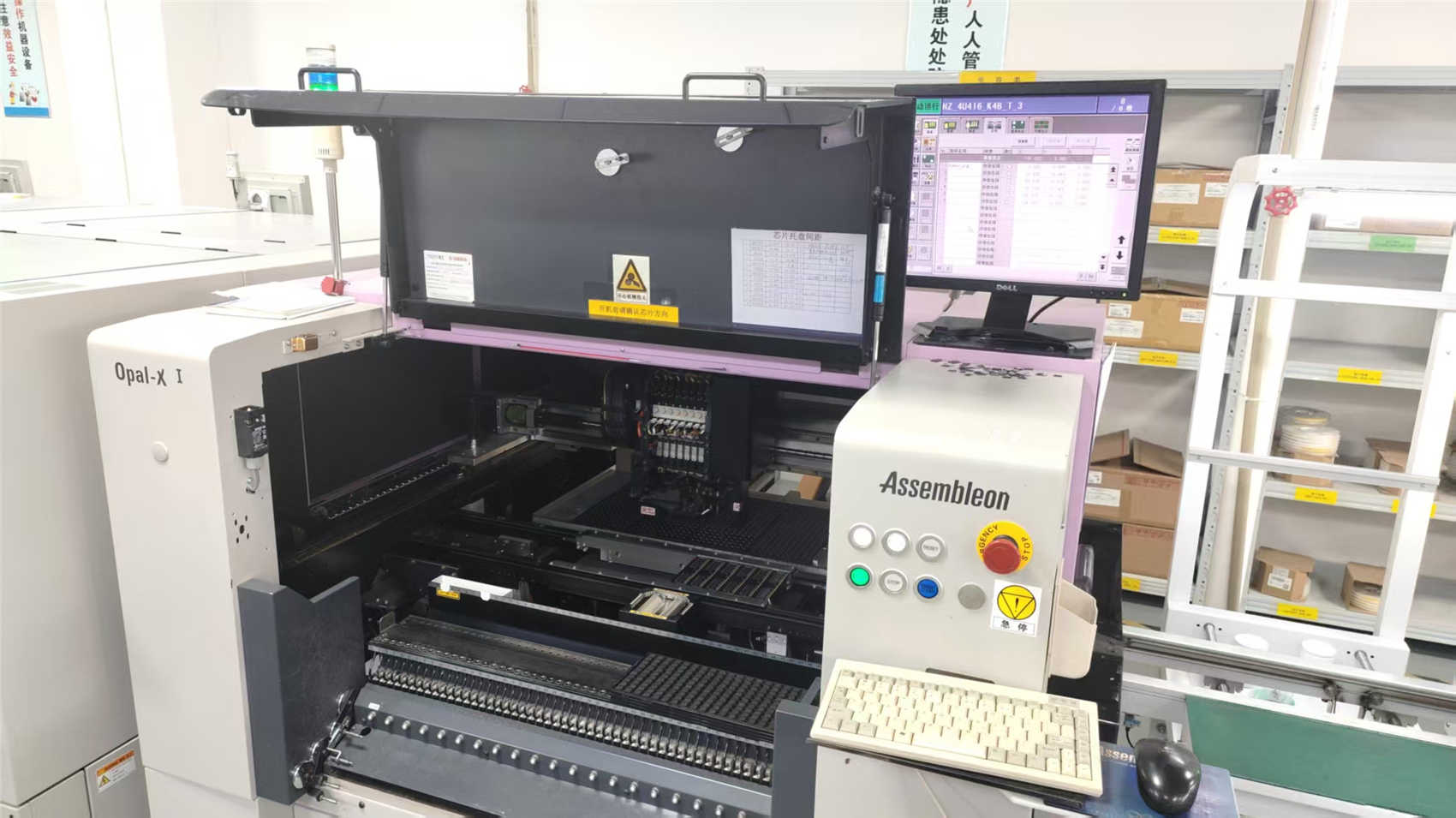
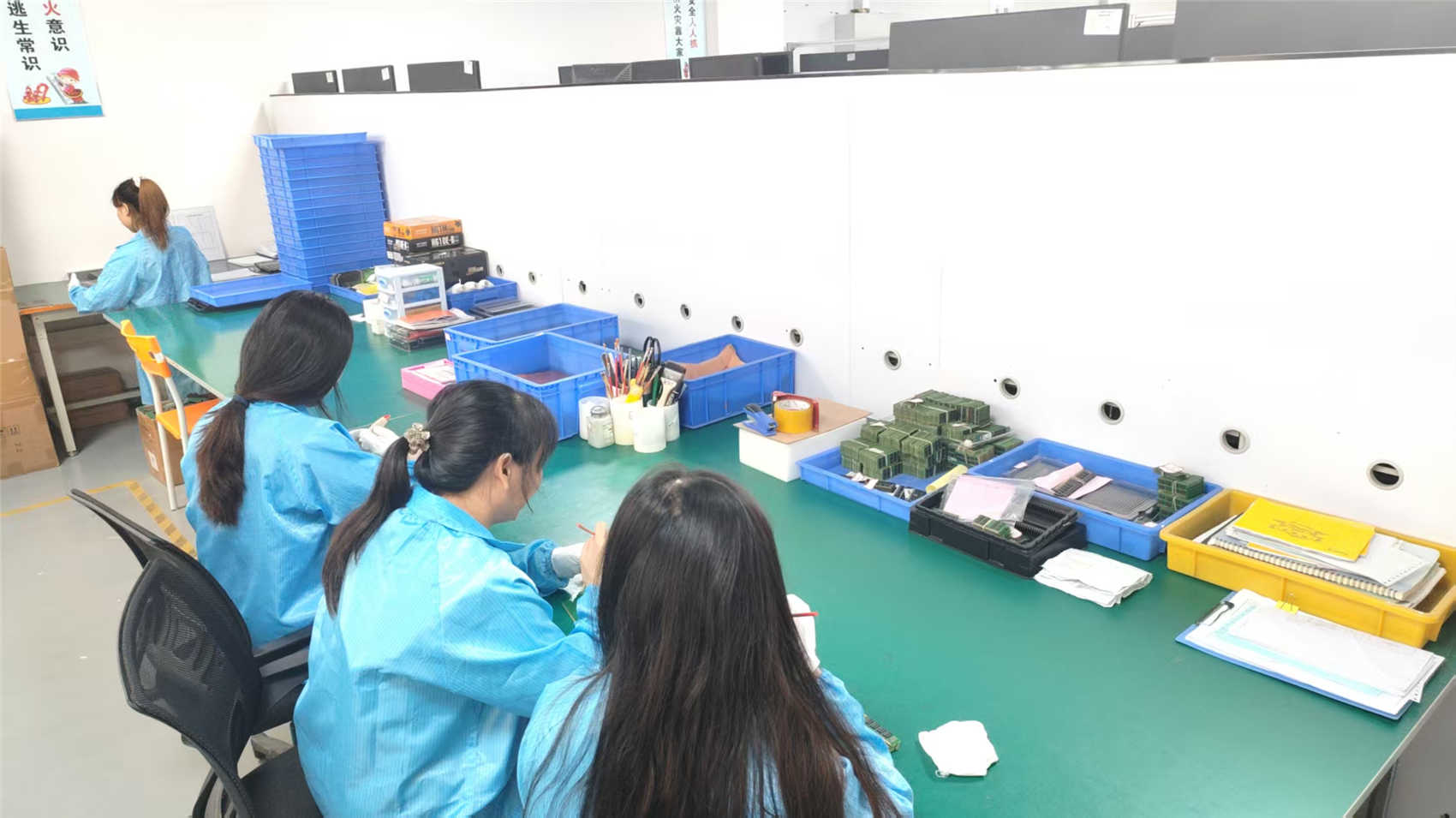
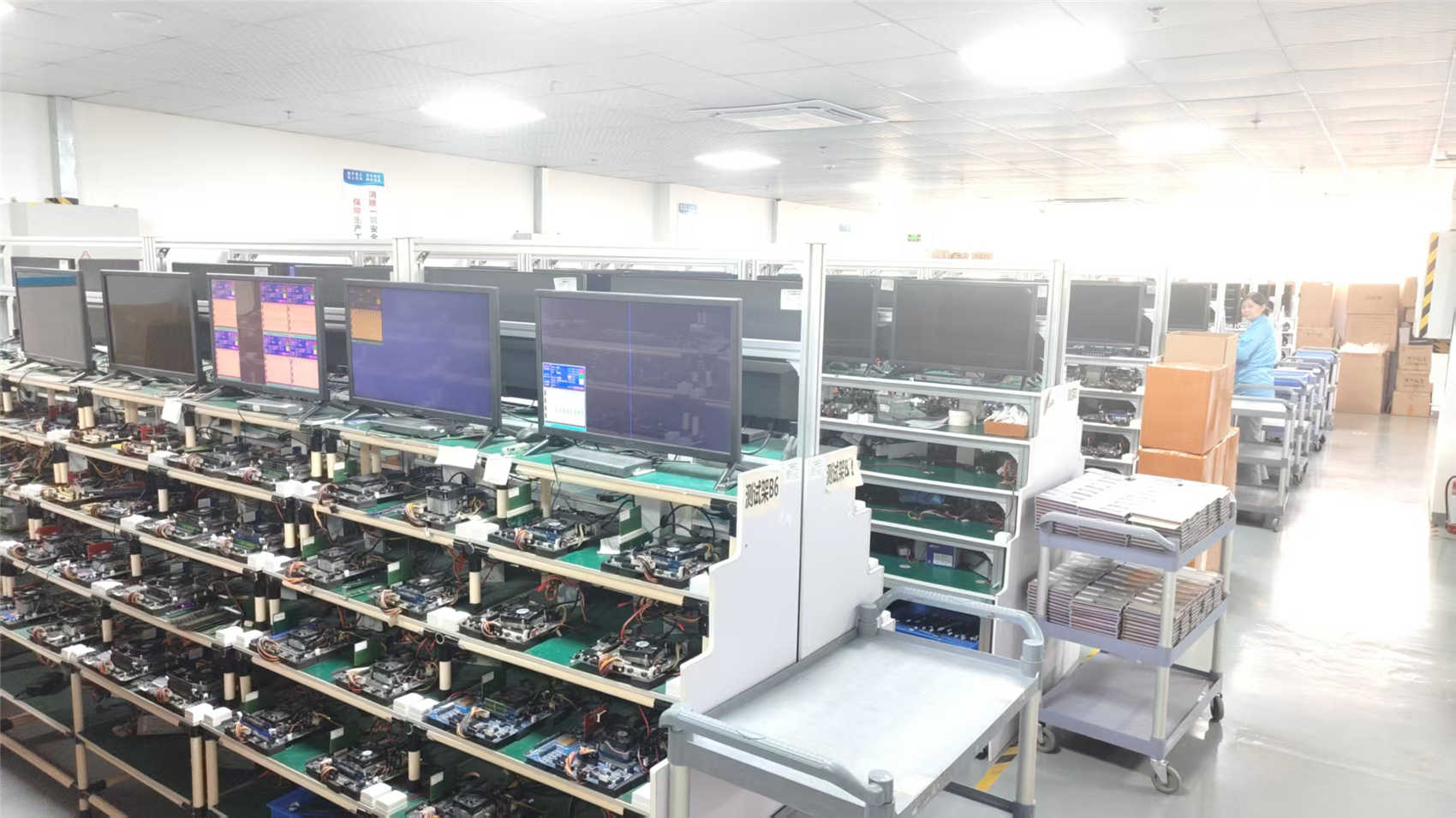
Operating a modern cleanroom production facility equipped with high-speed Surface Mount Technology (SMT) lines, NexaRAM ensures precision in every trace. Quality is monitored through a multi-stage process involving Automated Optical Inspection (AOI), X-ray diagnostic checking, and intensive dynamic thermal testing. Our team of 35 dedicated quality inspectors ensures that every memory module meets or exceeds IPC industrial assembly standards before export.
Selecting legacy memory modules requires a clear understanding of voltage constraints, frequency limits, and error handling methods. The table below outlines key technical considerations for engineers managing hardware infrastructure:
Standard DDR3 operates at 1.50V, while DDR3L (Low Voltage) runs at 1.35V. NexaRAM DDR3L modules are dual-voltage compatible, meaning they can function in both 1.35V and 1.50V configurations, preventing voltage incompatibilities.
For operations that handle high transaction volumes or critical data, our ECC modules use an extra 8-bit chip to detect and correct single-bit errors. This prevents system crashes and memory-related errors.
Industrial components must work reliably in hot server racks and uncooled edge boxes. NexaRAM’s industrial-grade RAM modules are rated for temperatures ranging from -40°C to +85°C, providing stability under demanding conditions.
By using premium multi-layer PCBs, NexaRAM ensures clean signal routing and low electromagnetic interference (EMI). This design approach is helpful for industrial testing facilities and automation systems in Denmark that require low electrical noise.
Denmark is known for its strict environmental policies, enforced by the Danish Environmental Protection Agency (Miljøstyrelsen). Sourcing electronic hardware requires adherence to European Union directives. NexaRAM ensures full compliance across all our memory lines:
Through partnerships with international air cargo and express courier services, we support standard delivery terms (DDP/DAP) directly to Danish business hubs like Copenhagen, Aarhus, Odense, and Esbjerg. Our export team handles customs documentation, certificate verification, and shipping tracking to minimize import delays.
While maintaining DDR3 systems remains a priority for many organizations, planning for future hardware upgrades is essential. Developing a migration strategy helps prevent compatibility challenges when transitioning to newer platforms.
NexaRAM provides support for these technology transitions. Our engineering division works with customers to coordinate transition phases, ensuring older machines can run alongside newer ones. We assist in selecting compatible components and offer consulting services on updating controller hardware to support DDR4 and DDR5 memory modules.
We maintain long-term agreements with major DRAM die suppliers and hold reserve buffer stock of essential wafers. This allows us to supply standard and specialized DDR3 layouts even after major component suppliers have discontinued their lines.
Yes. Our DDR3L modules are dual-voltage compatible. They are designed to operate at 1.35V in newer legacy systems and can scale up to 1.50V when installed in older systems that run on higher voltages.
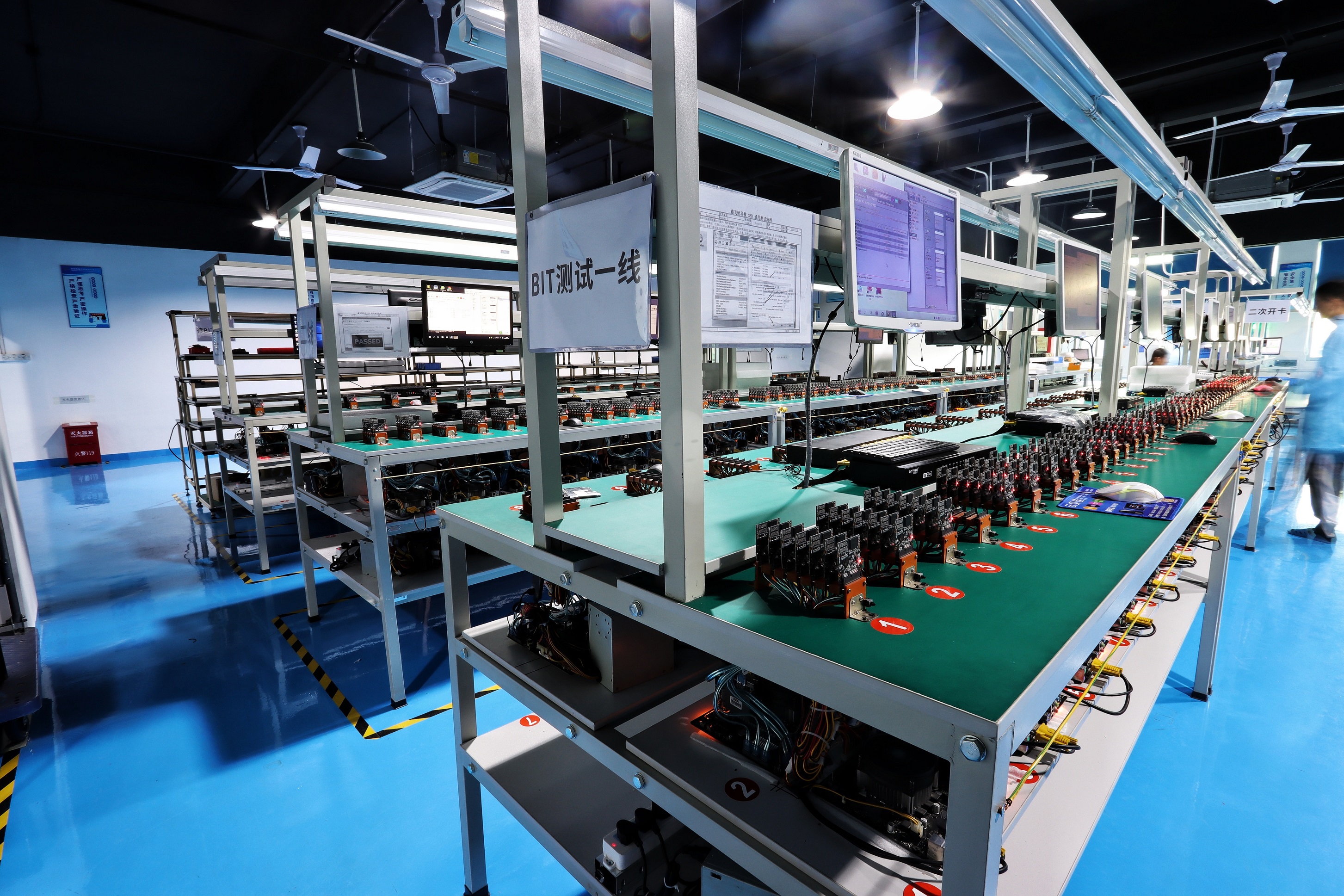
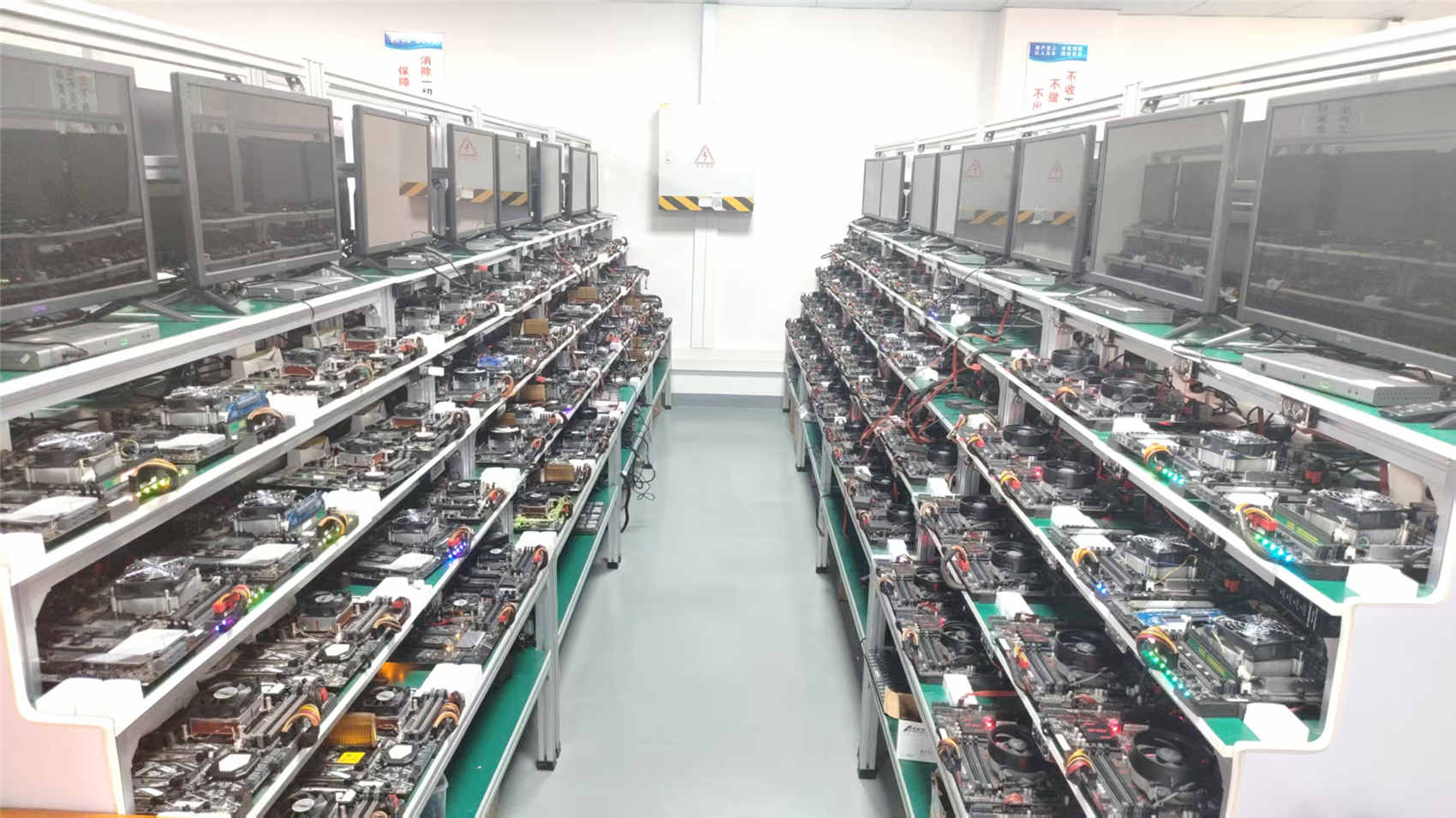
All modules pass through initial SMT line inspection, automated optical testing (AOI), high-temperature burn-in tests, and full motherboard compatibility verification to ensure operational stability.
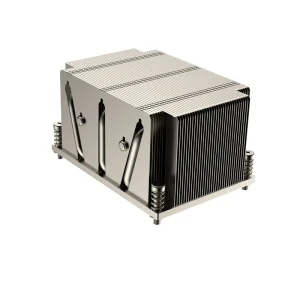
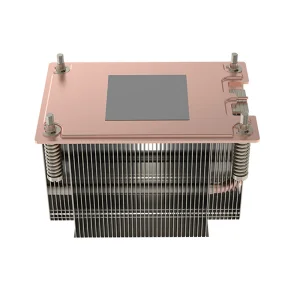
Yes, we provide flexible customization options for memory module frequencies, custom capacities, thermal heat sinks, and PCB layouts. Our R&D team can develop custom layouts tailored to specific hardware architectures.
Standard in-stock orders are processed and shipped within 3 to 7 business days. Custom configurations or high-volume orders vary depending on manufacturing schedules, but we prioritize express shipping lines to minimize transit time.
Yes, all of our products conform to EU RoHS and REACH regulations. We use lead-free manufacturing processes and ensure safe material compositions across our entire product line.
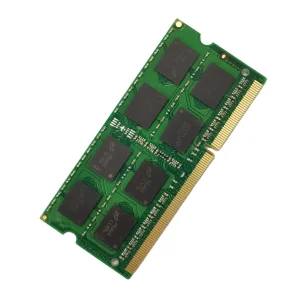
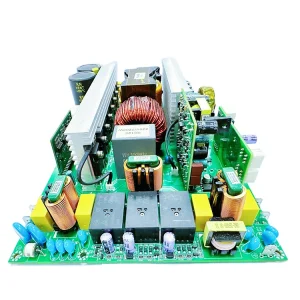
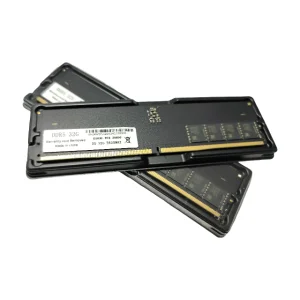
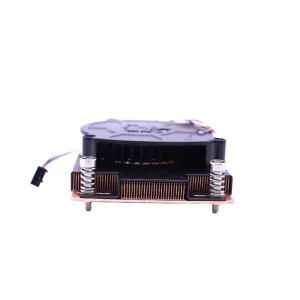
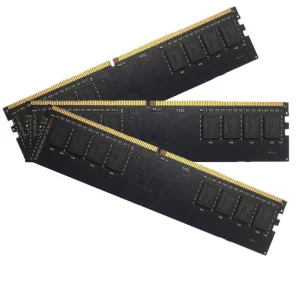
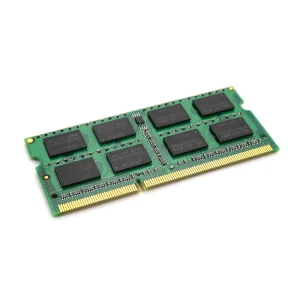
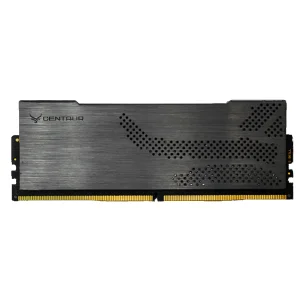
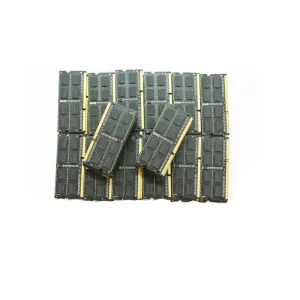
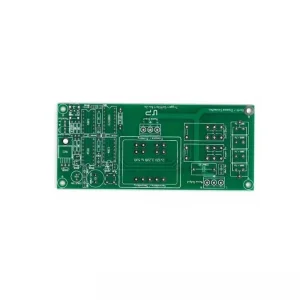
We manage complete quality control workflows, combining automated manufacturing processes with specialized manual testing jigs to support our memory modules.
Avoid component supply shortages in your embedded platforms and industrial computers. Contact our regional sales engineering team for technical specifications, product pricing, and custom delivery options.