NexaRAM
NexaRAM
NexaRAM
Advanced circuit systems engineered to power digital infrastructure, exploration equipment, and energy-management technologies.
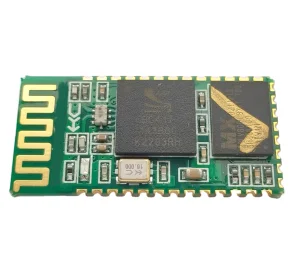
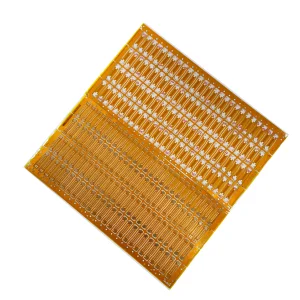
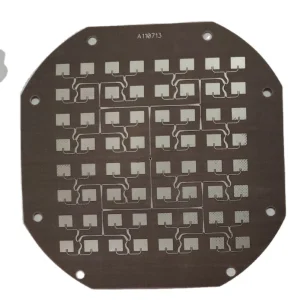
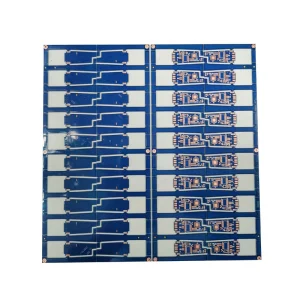
The East African tech sector, spearheaded by Kenya’s dynamic "Silicon Savannah," is experiencing an unprecedented hardware renaissance. While software ecosystems like M-Pesa have historically led the digital wave, the next frontier relies heavily on robust, physical hardware. Printed Circuit Boards (PCBs) act as the central nervous system for this transformation. As the demand for localized hardware prototyping and production rises, understanding the core architectures of Single-Sided and Double-Sided PCBs is critical for local manufacturers, utility providers, and hardware startups.
Kenya is strategically positioned as the economic gateway to East Africa. Under Kenya Vision 2030, digital infrastructure and manufacturing are designated as critical pillars of national development. The electronic manufacturing services (EMS) landscape in Nairobi, Mombasa, and Kisumu is pivoting from basic repairs to structural IoT assembly and domestic electronic device manufacturing. Key drivers of PCB demand include:
Devices deployed in coastal Kenya (e.g., Mombasa) suffer from high humidity and salt spray, while those in northern regions face high temperatures. High-quality double-sided PCBs with appropriate solder masks and conformal coatings prevent traces from oxidizing and short-circuiting over extended lifespans.
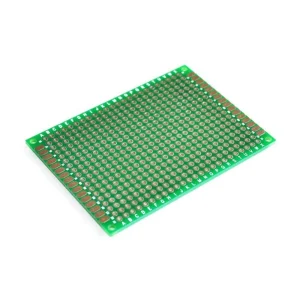
Choosing the correct PCB design dictates the thermal performance, electrical characteristics, and cost footprint of the final device. Below is a structural analysis of Single-Sided and Double-Sided PCBs:
| Parameters | Single-Sided PCBs | Double-Sided PCBs |
|---|---|---|
| Layer Configuration | Single substrate layer, copper traces on one side only. | Substrate layer sandwiched between two copper trace layers. | Routing Density | Low. No trace crossovers allowed unless jumpers are used. | Medium-High. Uses plated through-holes (Vias) to interconnect top and bottom. |
| Typical Substrate Material | FR-4, CEM-1, FR-1, Aluminum Base. | FR-4, Taconic High-Frequency, Polyimide. |
| Typical Applications in Kenya | Solar lamps, simple LED drivers, power distribution lines. | Microcontrollers, IoT transceivers, server power modules. |
| Cost Metric | Extremely cost-effective for mass production. | Moderate cost, superior component-to-area ratio. |
For Kenyan hardware developers and enterprise buyers, sourcing components globally requires a balance of quality, reliability, and logistics. China's manufacturing ecosystem provides unrivaled advantages that help Kenyan businesses scale rapidly:
By using modern materials like Polyimide (FPC) and high-frequency Taconic substrates, modern PCB designs achieve performance levels previously impossible in rugged industrial environments:
DDR5 Memory Manufacturer & Advanced Hardware Specialist
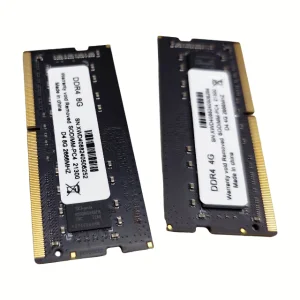
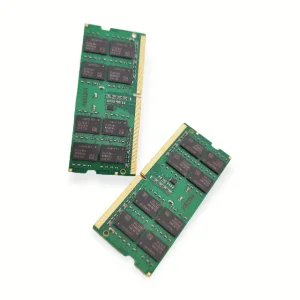
NexaRAM is a professional DDR5 memory and high-performance semiconductor manufacturer specializing in custom layouts for enterprise applications. Established in 2016, we deliver robust computing and memory board designs to global clients.
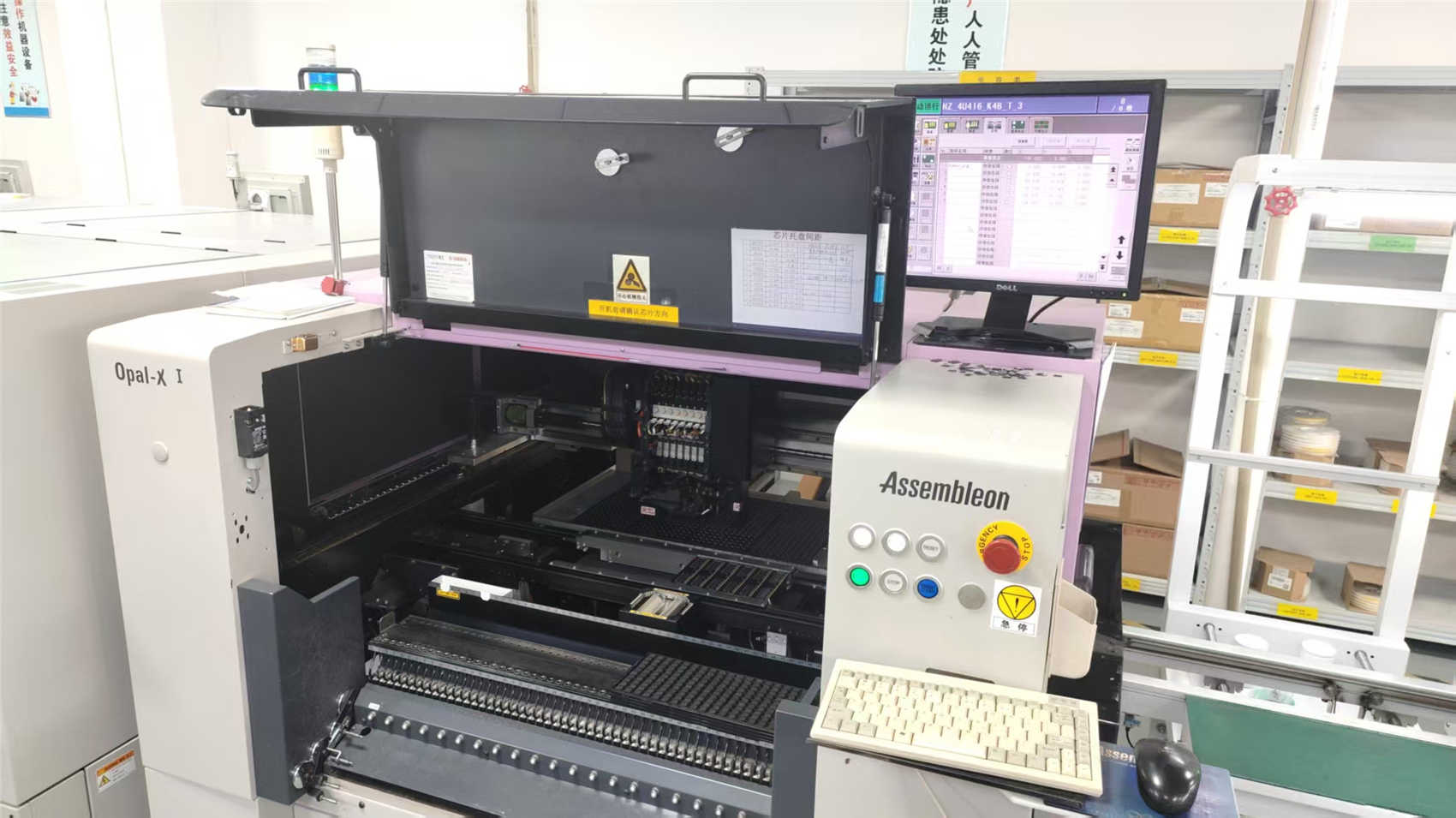
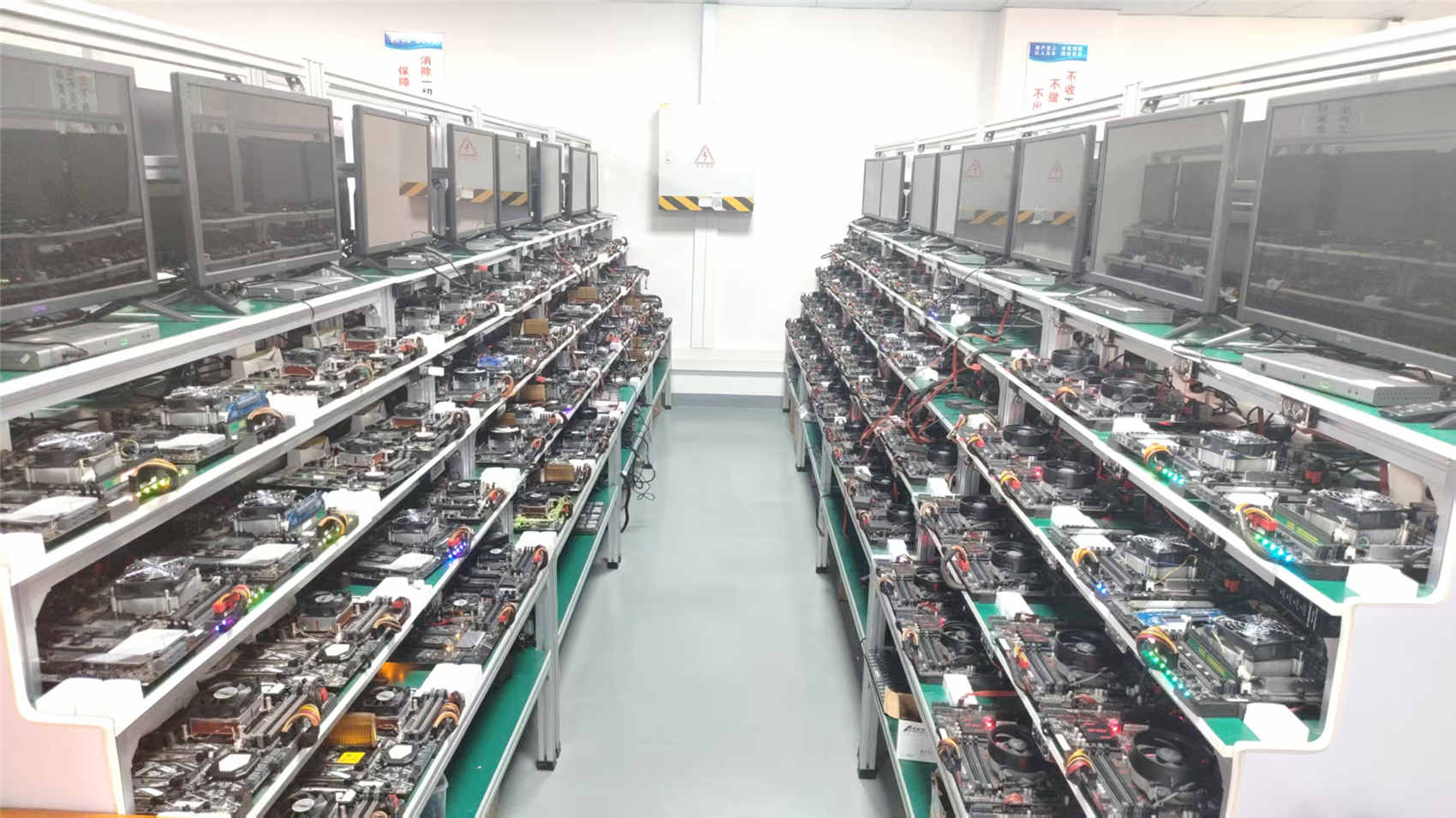
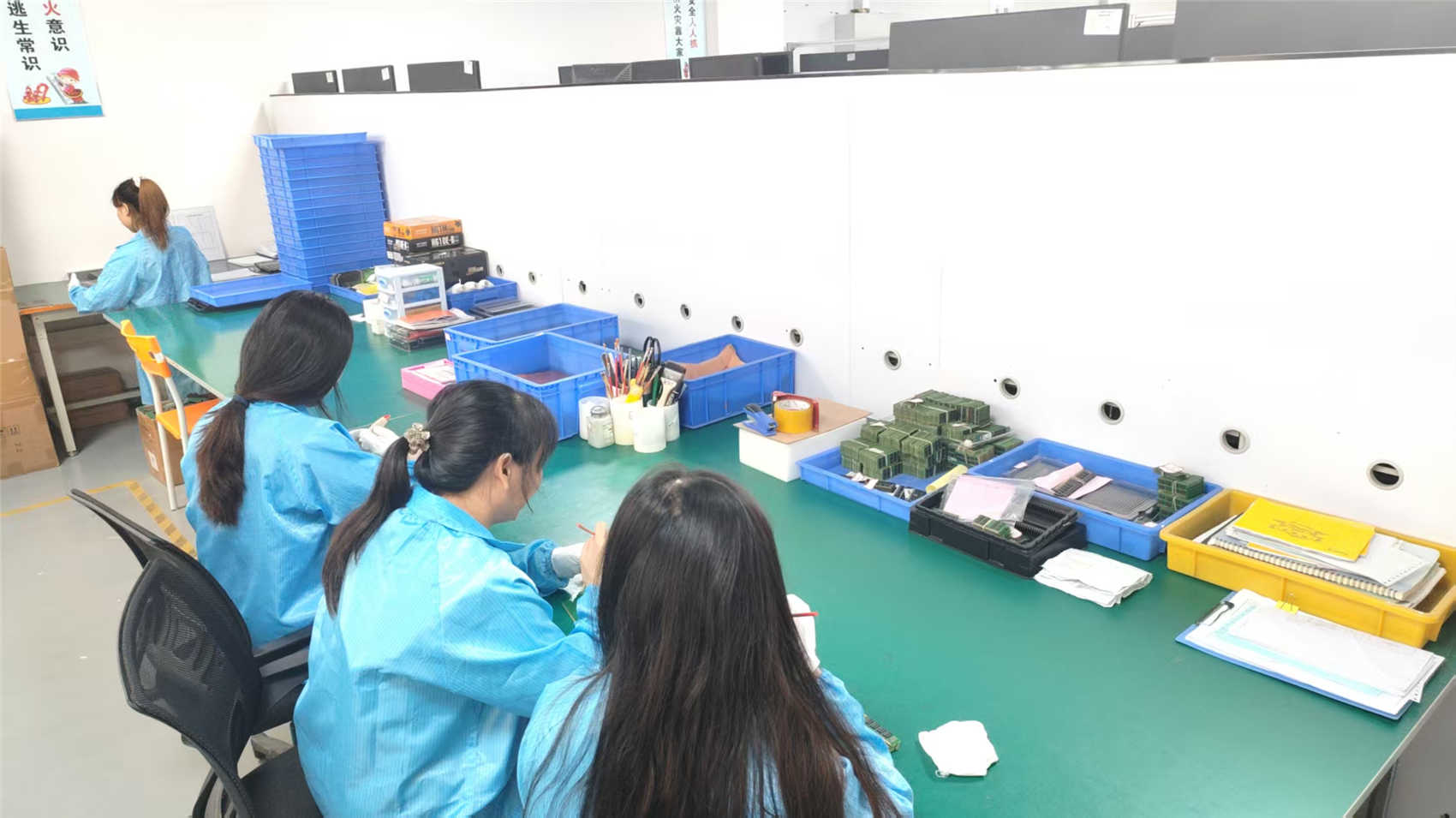
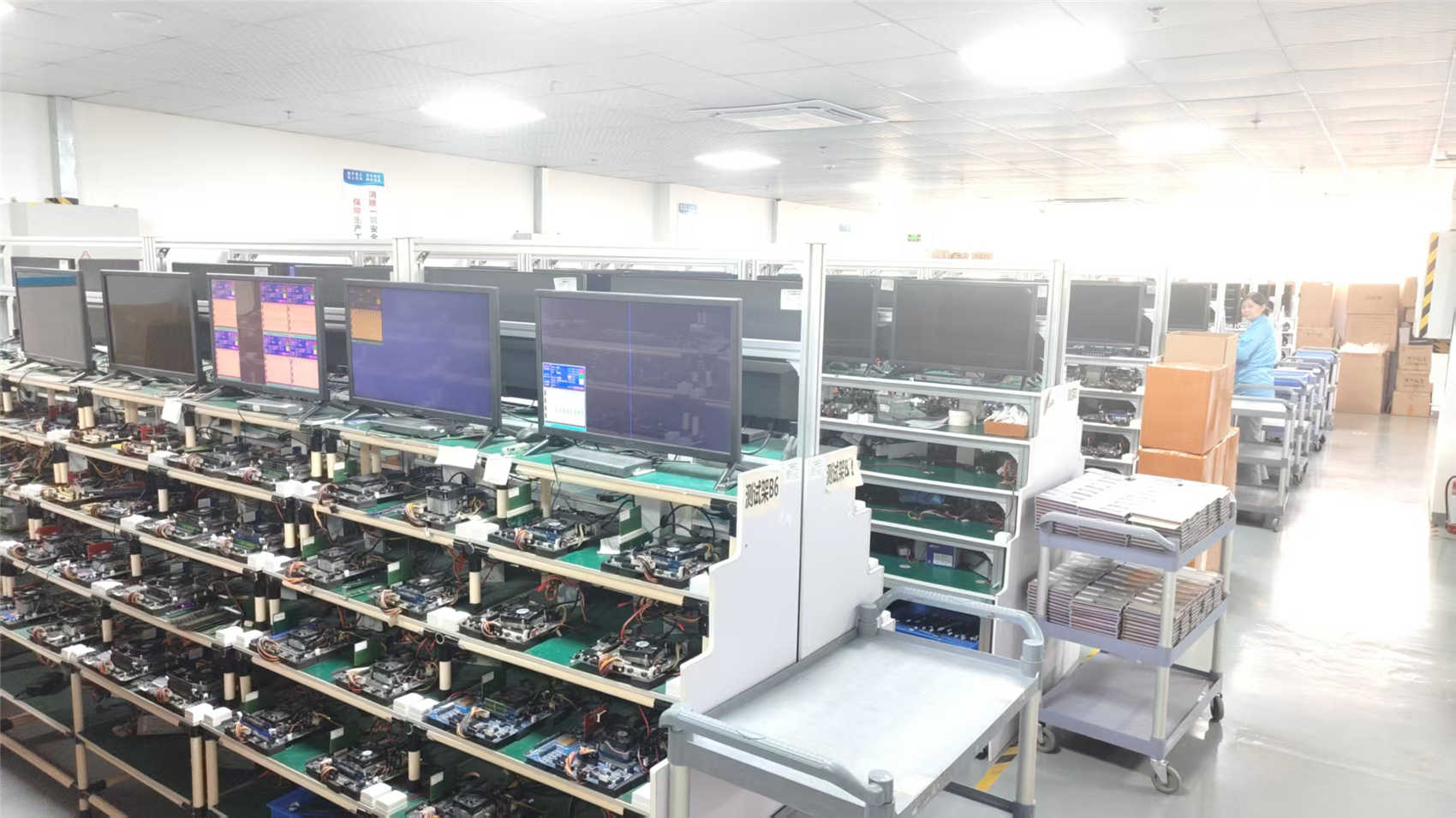
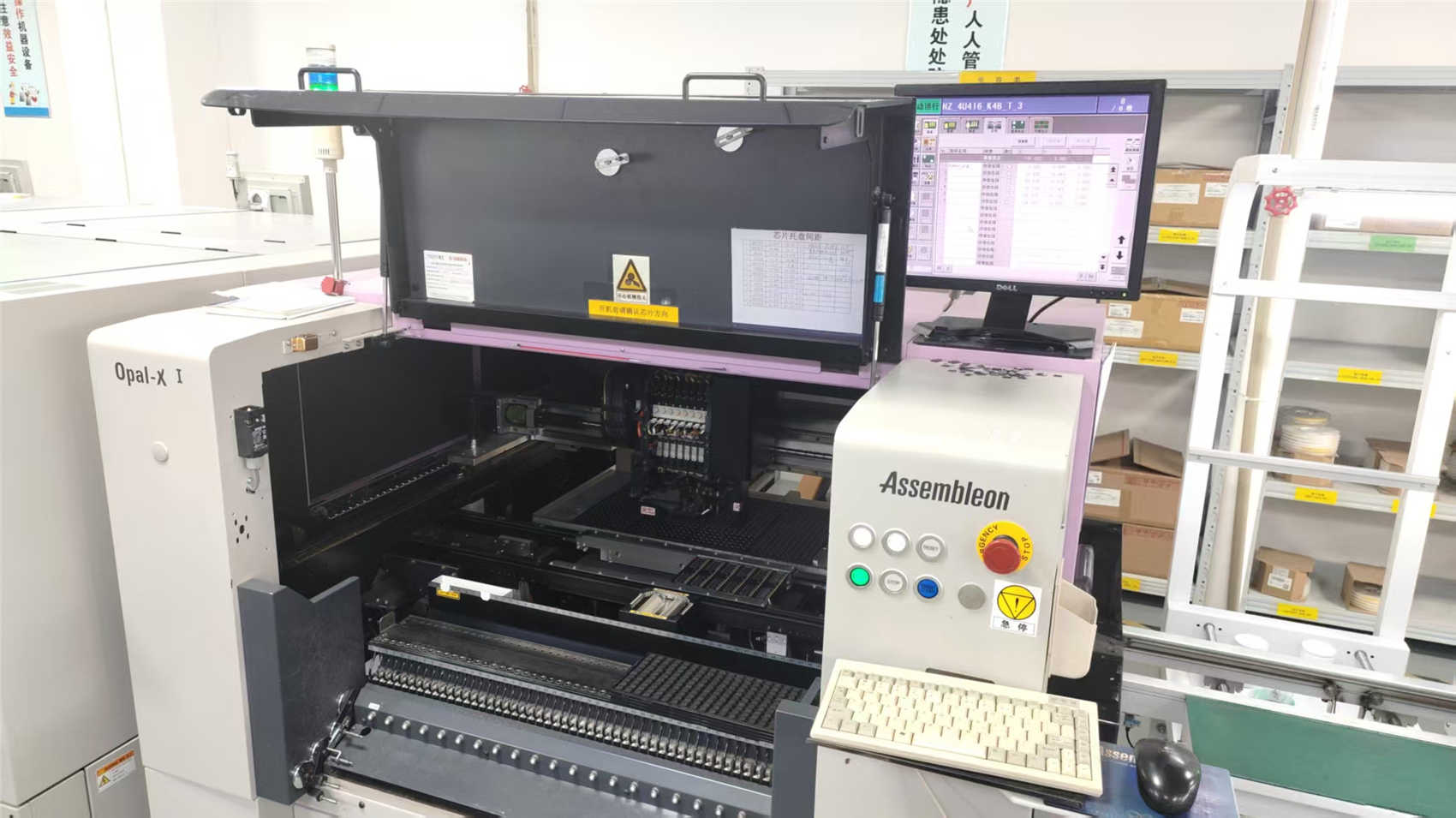
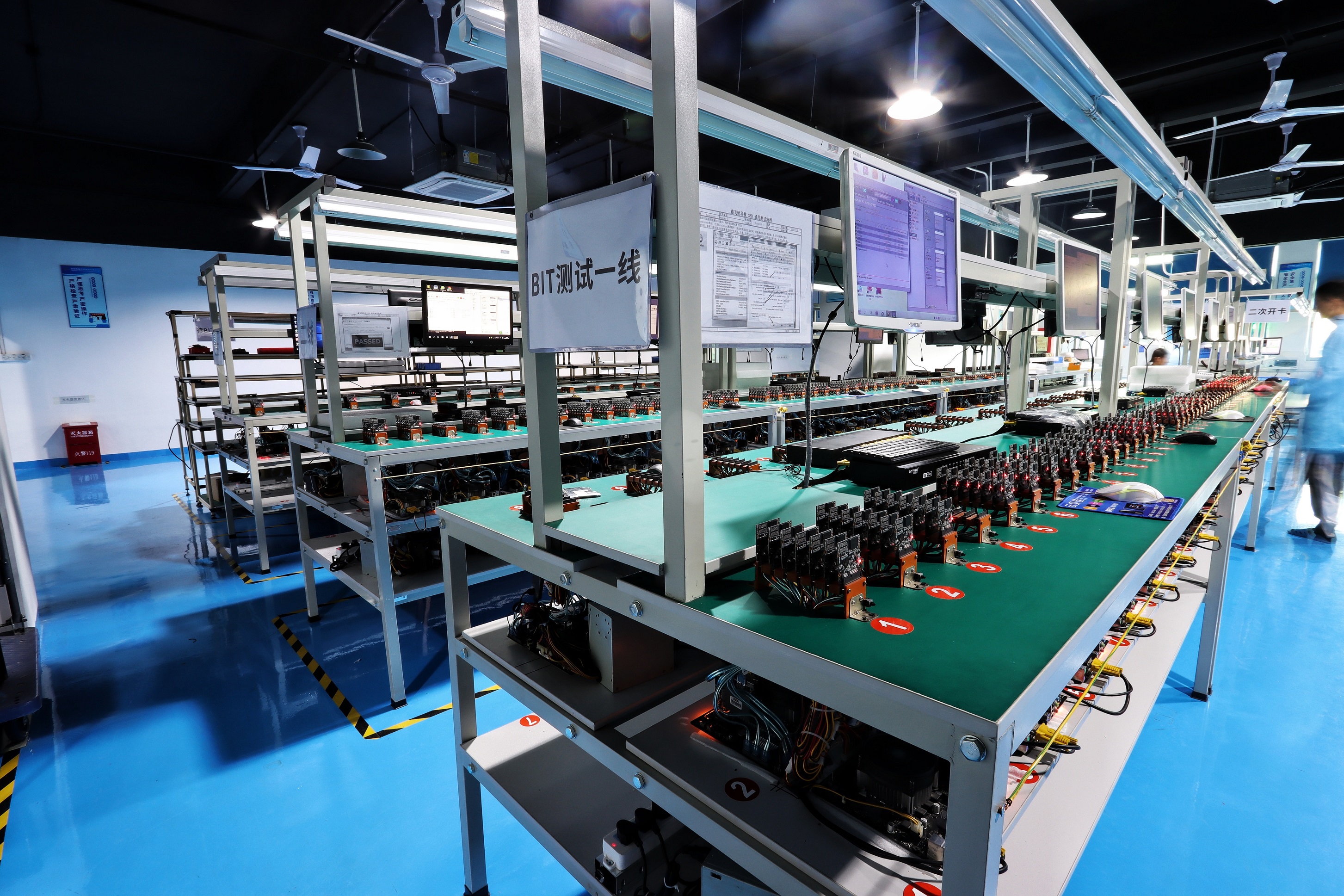
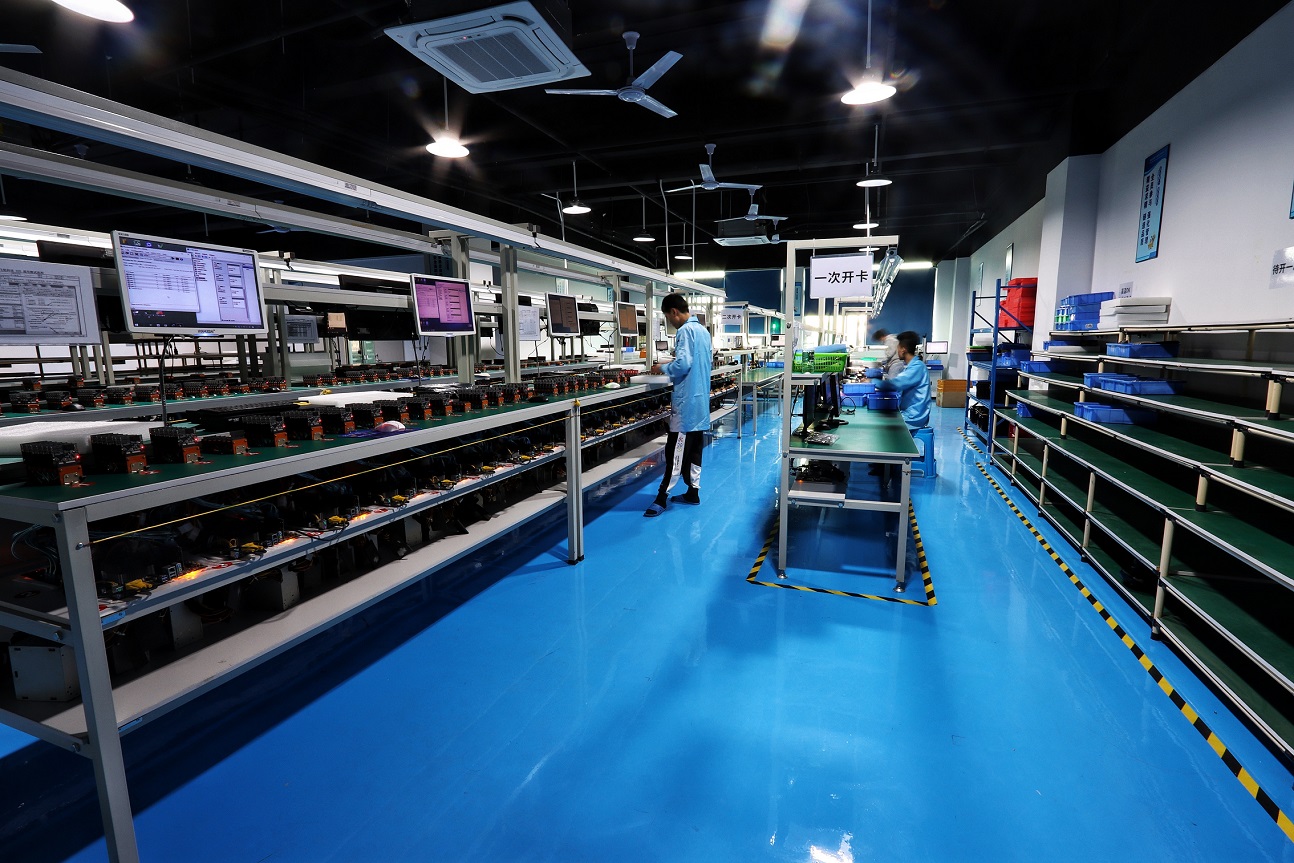
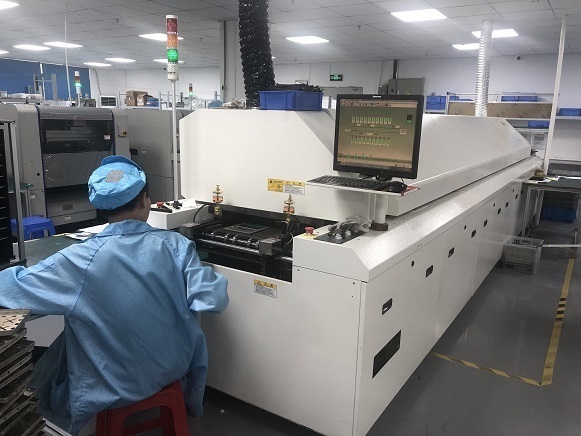
Factory Capabilities:
By applying high-speed memory and server board design standards to our single and double-sided PCB production lines, we ensure every board exported to East Africa exceeds industrial reliability standards.
Our infrastructure delivers stable supplies to enterprise partners in North America, Europe, and the East African Community.
Providing clear insights into tariffs, lead times, and engineering specifications for Kenyan and international buyers.
For urgent PCB prototype orders, air freight (via DHL, FedEx, or Kenya Airways Cargo) delivers to Nairobi (JKIA) or Mombasa in 4 to 7 business days. For bulk industrial orders, sea freight to Mombasa Port usually takes between 25 and 35 days, offering the lowest transportation cost per unit.
Yes, we specialize in high-efficiency power management PCBs. Our design capabilities include thick copper traces (up to 3oz or more) to handle high-current charging cycles, together with optimized thermal management to prevent overheating in solar systems.
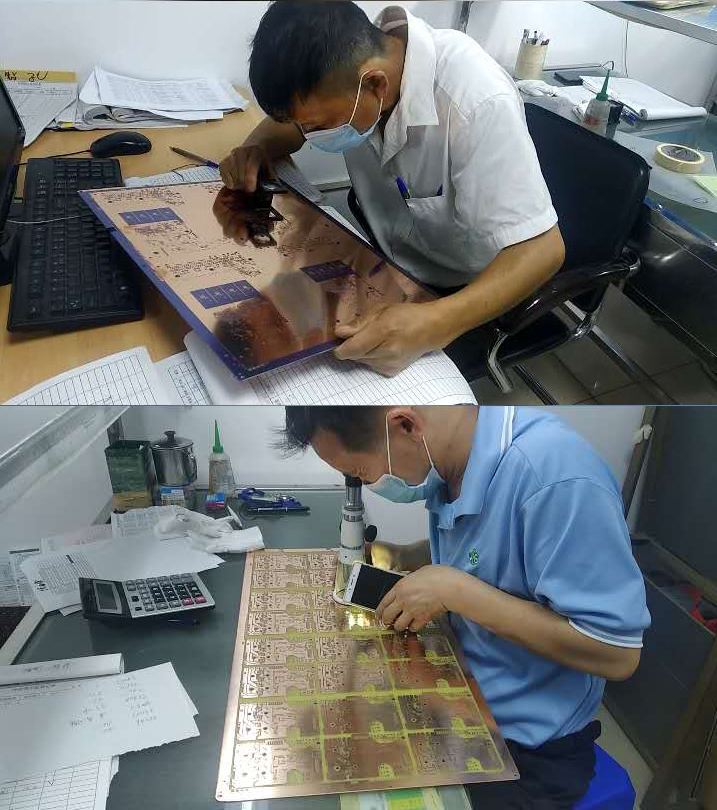
We use state-of-the-art automated optical inspection (AOI) systems alongside physical test jigs and burn-in reliability testing chambers. This multi-phase quality assurance pipeline ensures that electrical connectivity, impedances, and thermal capacities comply with strict international standards.
Yes. All our PCBs (both single and double-sided options) can be manufactured using halogen-free materials and RoHS-compliant surface finishes, such as Lead-Free HASL, ENIG, or OSP. This compliance is essential for export to European and North American markets.
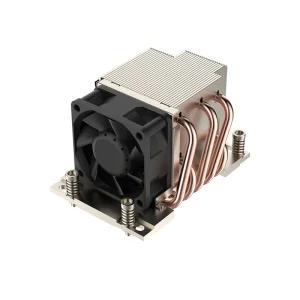
Complete selection of memory modules, prototype boards, cooling setups, and high-density components for servers and enterprise infrastructure in Kenya.