NexaRAM
NexaRAM
NexaRAM
Engineered high-frequency, high-performance, and high-temperature laminates tailored for the Route 128 Technology Belt and Cambridge R&D Laboratories.
An authoritative analysis of glass transition temperature limits, material selection metrics, and global logistics optimization for advanced hardware developers.
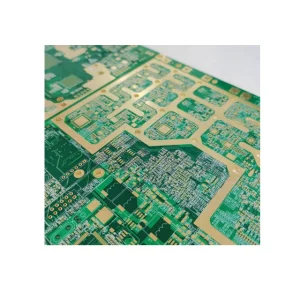
In modern electronic design, the Glass Transition Temperature (TG) is a fundamental material property determining the temperature threshold at which the base organic polymer changes from a hard, glassy state to a flexible, rubbery state. Standard FR-4 materials exhibit a TG of 130°C to 140°C. However, for applications facing continuous thermal stress, high-density component packing, or heavy current loads, standard boards will suffer from excessive dimensional change, copper delamination, and mechanical failure.
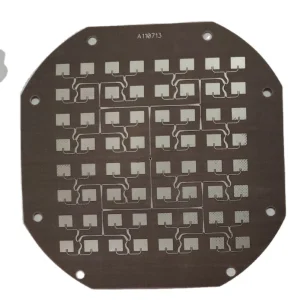
High-TG PCBs—typically defined as having a TG of 170°C, 180°C, or higher—employ specialized resin formulations that exhibit lower Coefficient of Thermal Expansion (CTE), particularly along the Z-axis. For Boston's advanced engineering systems, adopting a High-TG material (such as Shengyi S1000-2M or Isola 370HR) ensures that plated through-holes (PTH) and multi-layer interconnects remain structurally sound during lead-free soldering cycles, where temperatures regularly peak at 260°C.
The Boston metropolitan area, encompassing Cambridge, Quincy, Waltham, and Route 128, represents a world-class cluster of biotechnology, high-end robotics, autonomous defense systems, and Ivy League academic engineering. The unique operational conditions of these sectors dictate absolute reliance on High-TG substrates:
Requires ultra-stable multi-layer boards to ensure consistent data acquisition in diagnostic scanning devices.
Must withstand severe atmospheric temperature swings without substrate delamination or barrel cracks.
High thermal dissipation capacity is necessary to handle multi-watt processing units on micro-footprints.
Global electronic procurement departments face a triad of challenges: lead time volatility, quality non-conformance, and escalating material costs. Because High-TG printed circuit boards utilize specialized glass weave patterns and custom epoxy resin chemistry, sourcing them requires dealing with manufacturers that have direct access to raw material giants like Shengyi Technology, Kingboard, Rogers Corporation, and Taconic.
Strategic buyers in Boston and the wider New England area are increasingly shifting away from localized low-volume shops for their scaling production run, instead opting for highly optimized Chinese factories that can provide both prototyping flexibility and massive manufacturing throughput.
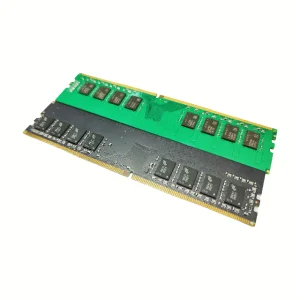
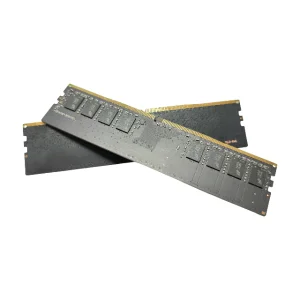
Integrating state-of-the-art DRAM module assembly and high-reliability PCB fabrication processes for global markets.
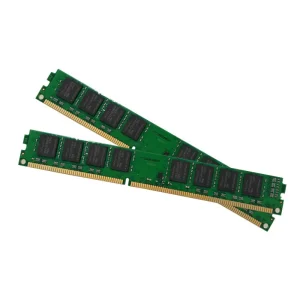
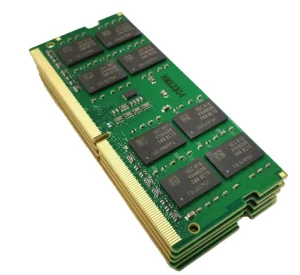
Established in 2016, NexaRAM Storage Technology Co., Ltd. has developed into a leading supplier in the advanced DRAM and high-speed PCB assembly industry. With 12 years of industry experience in memory and semiconductor-related fields and 6 years of export experience, the company specializes in high-performance RAM solutions and custom PCB assemblies for global OEMs, data centers, and enterprise computing systems.
Operating out of a modern, optimized facility with a building area of 320㎡, NexaRAM ensures precise and efficient output. Quality control is managed by a professional QC team of 35 inspectors who execute 100% Automated Optical Inspection (AOI) and comprehensive burn-in reliability testing.
Backed by a strategic supply chain ecosystem of over 850 partners, NexaRAM secures high-grade laminate materials (such as High-TG FR4, Rogers, and Taconic) and top-tier DRAM silicon. This enables the company to design, optimize, and manufacture robust electronics suitable for the most challenging operating environments, serving markets across North America, Europe, Southeast Asia, and the Middle East.
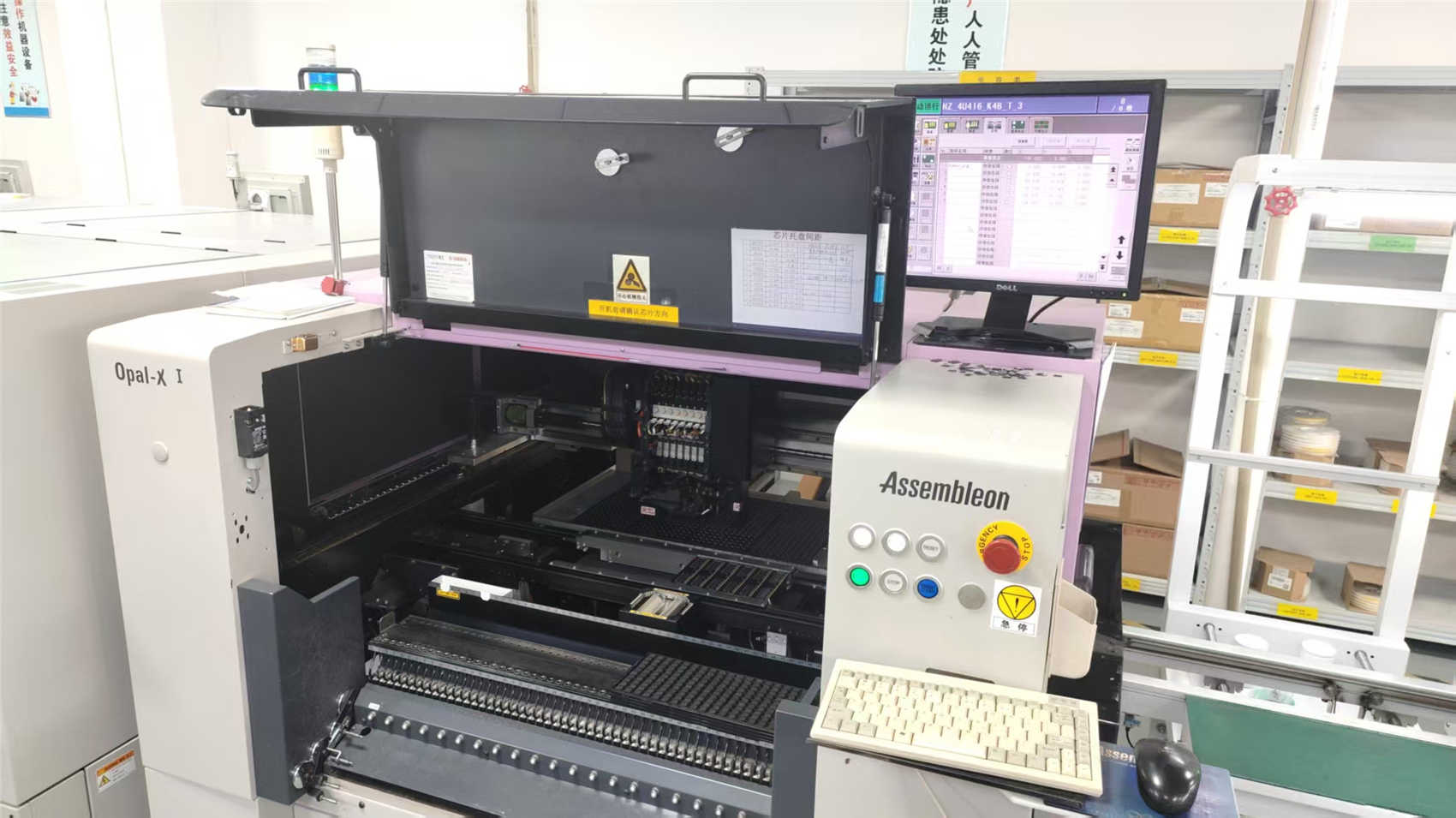
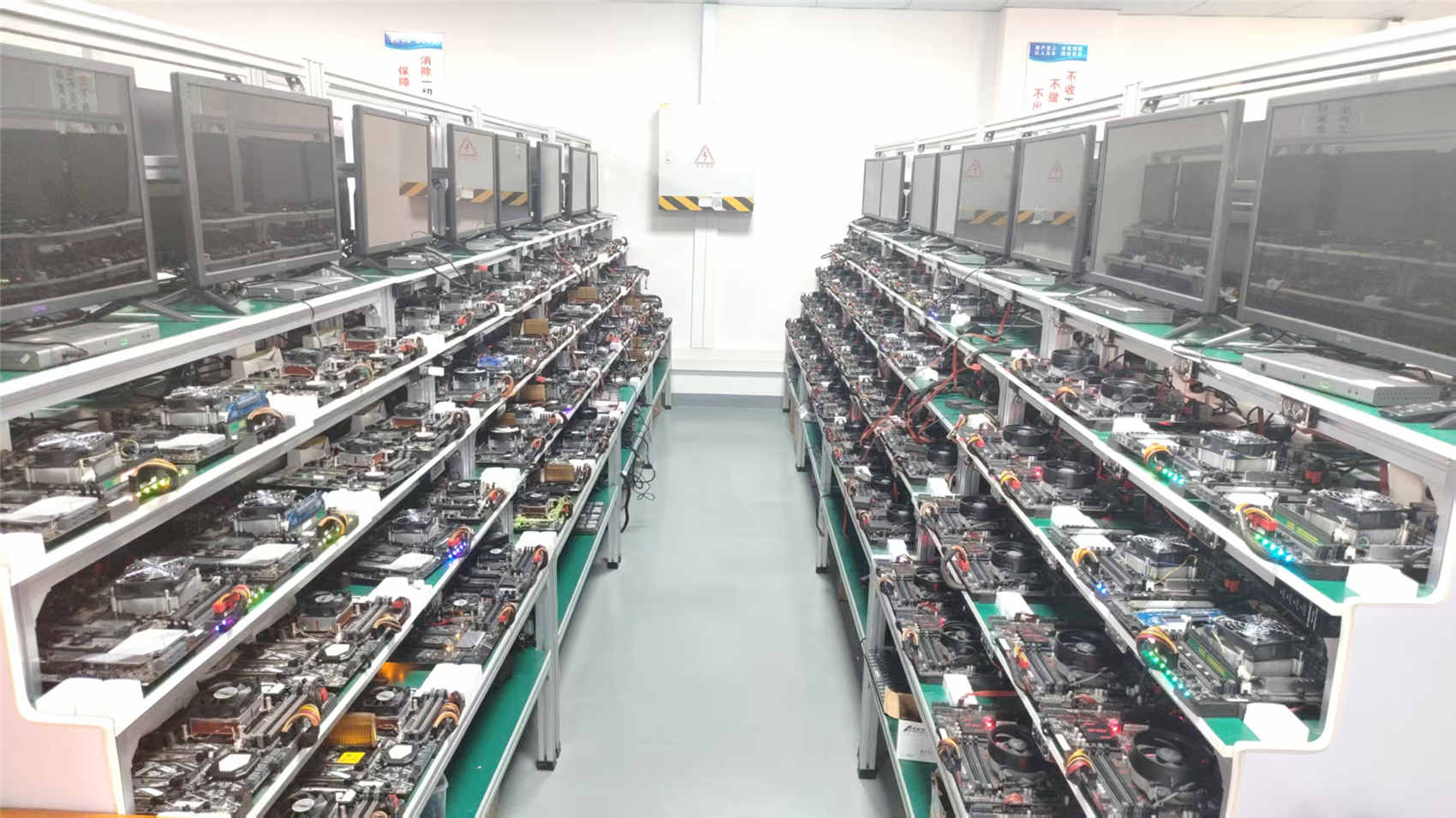
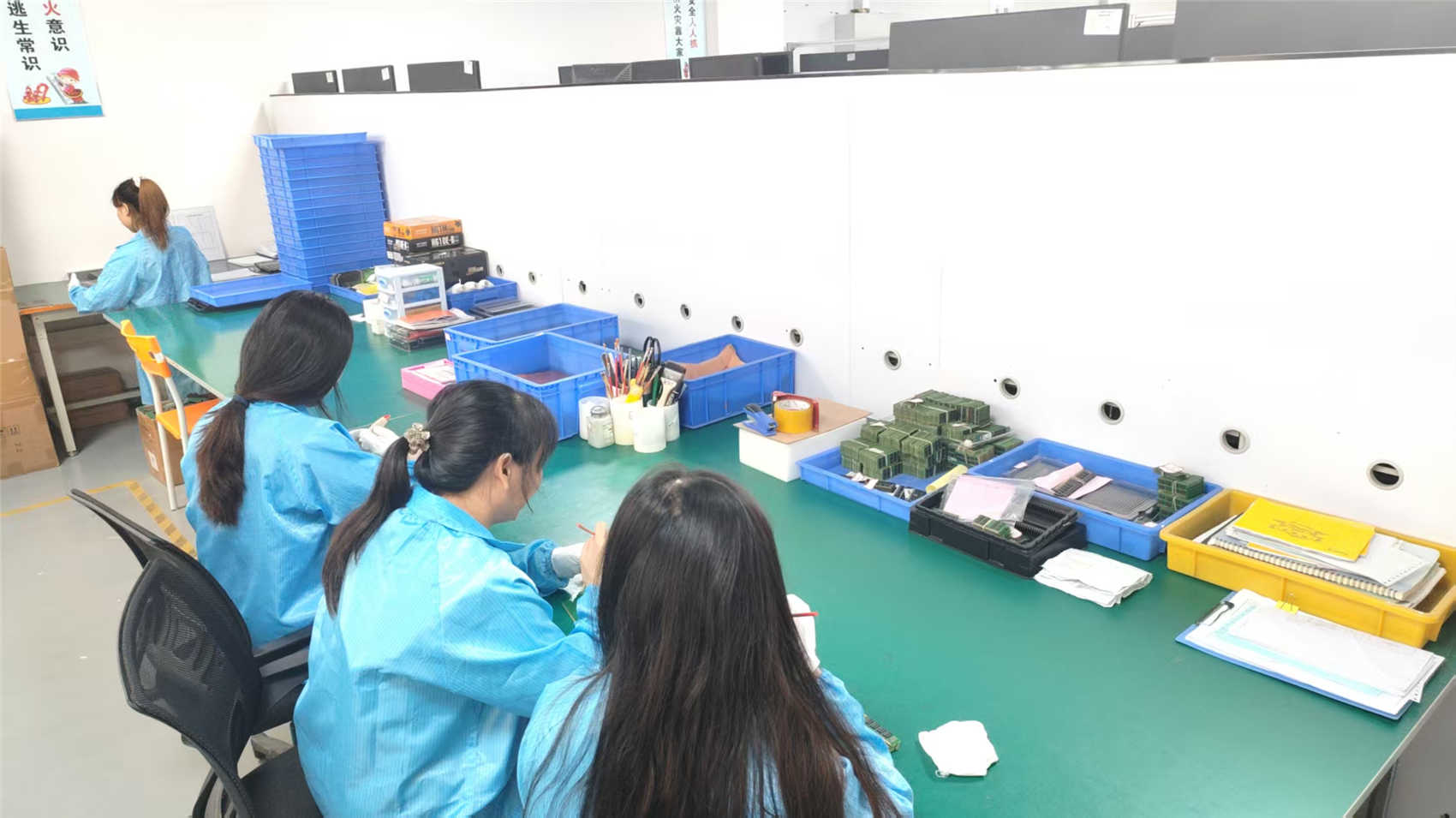
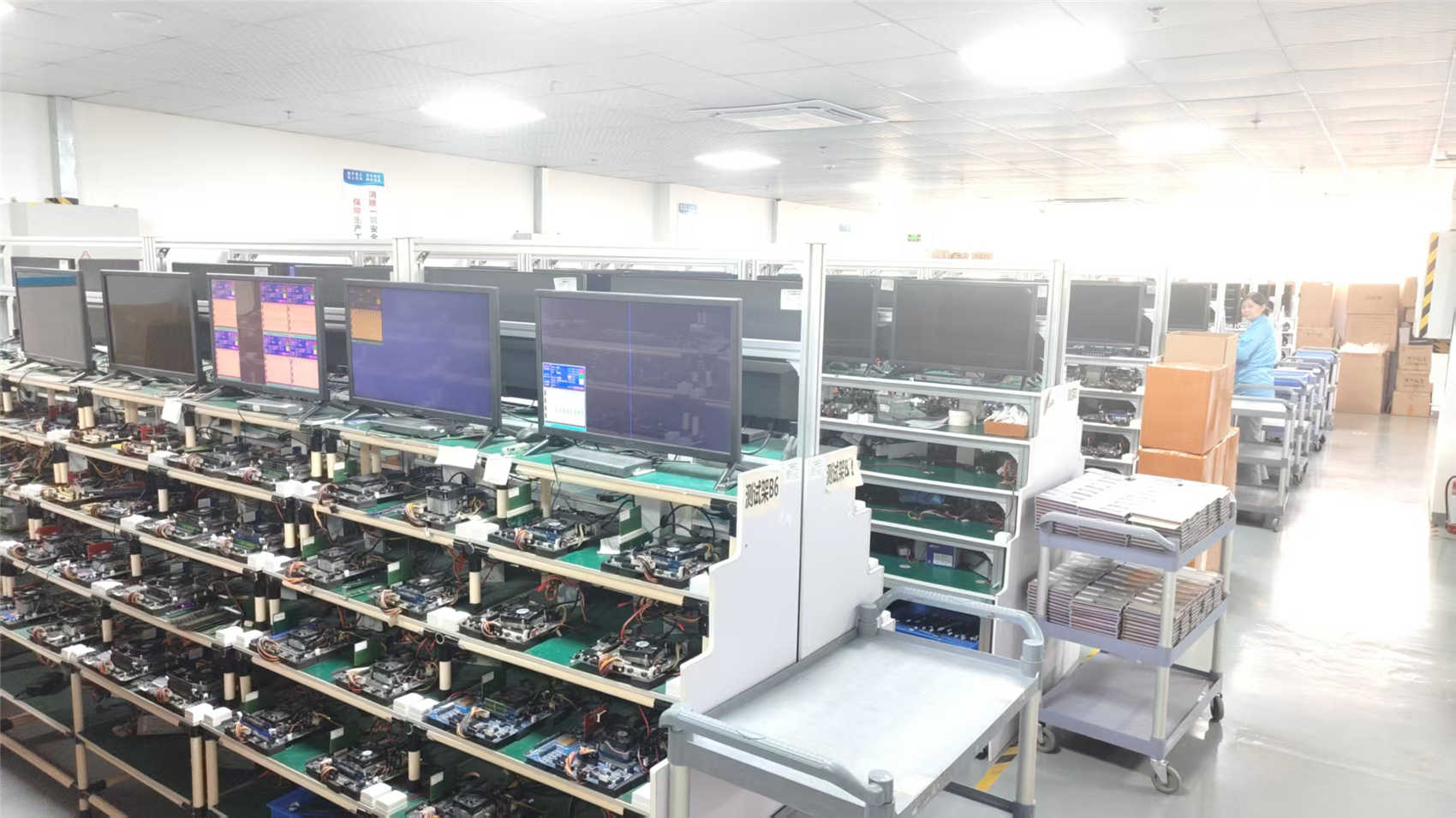
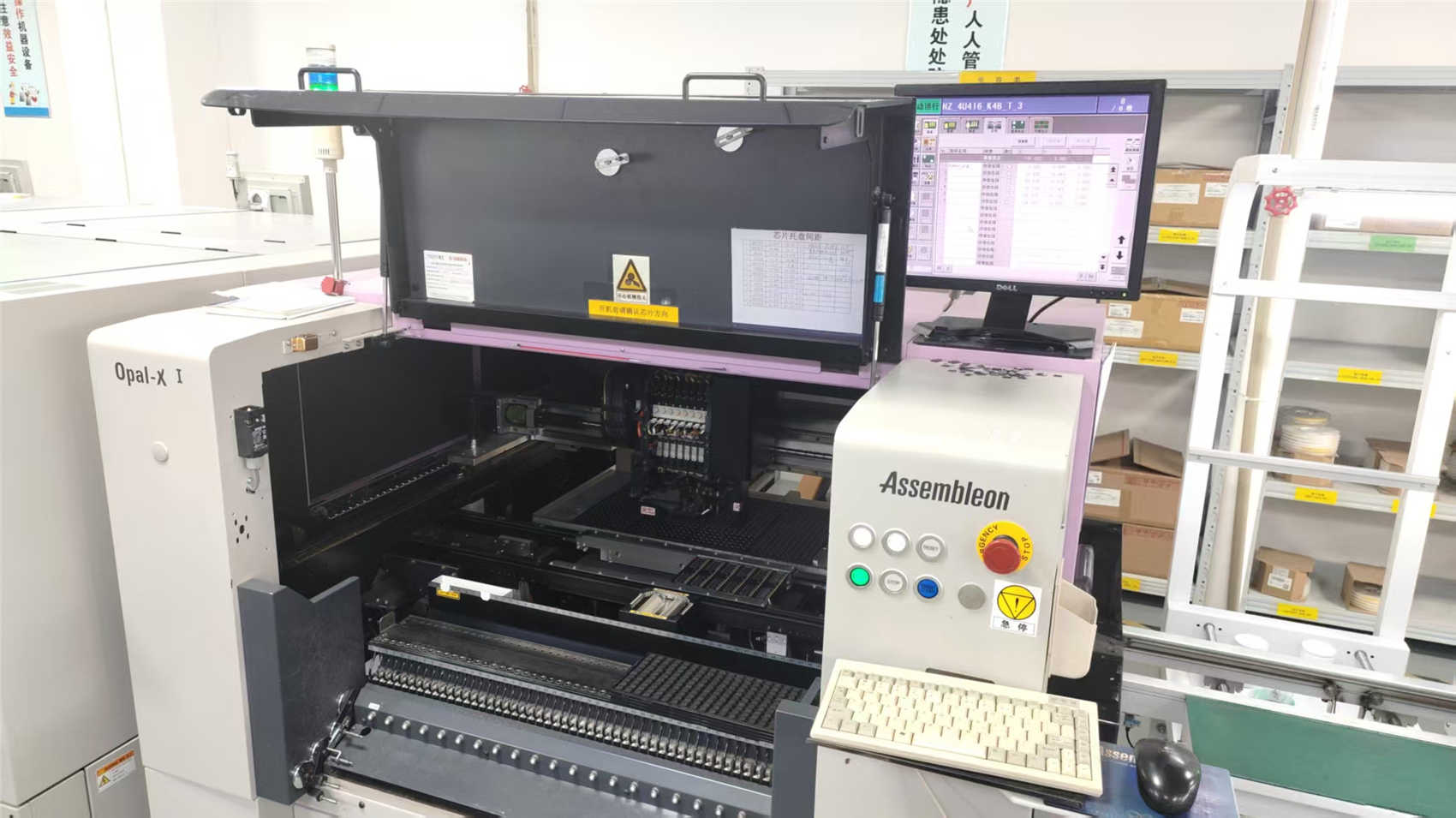
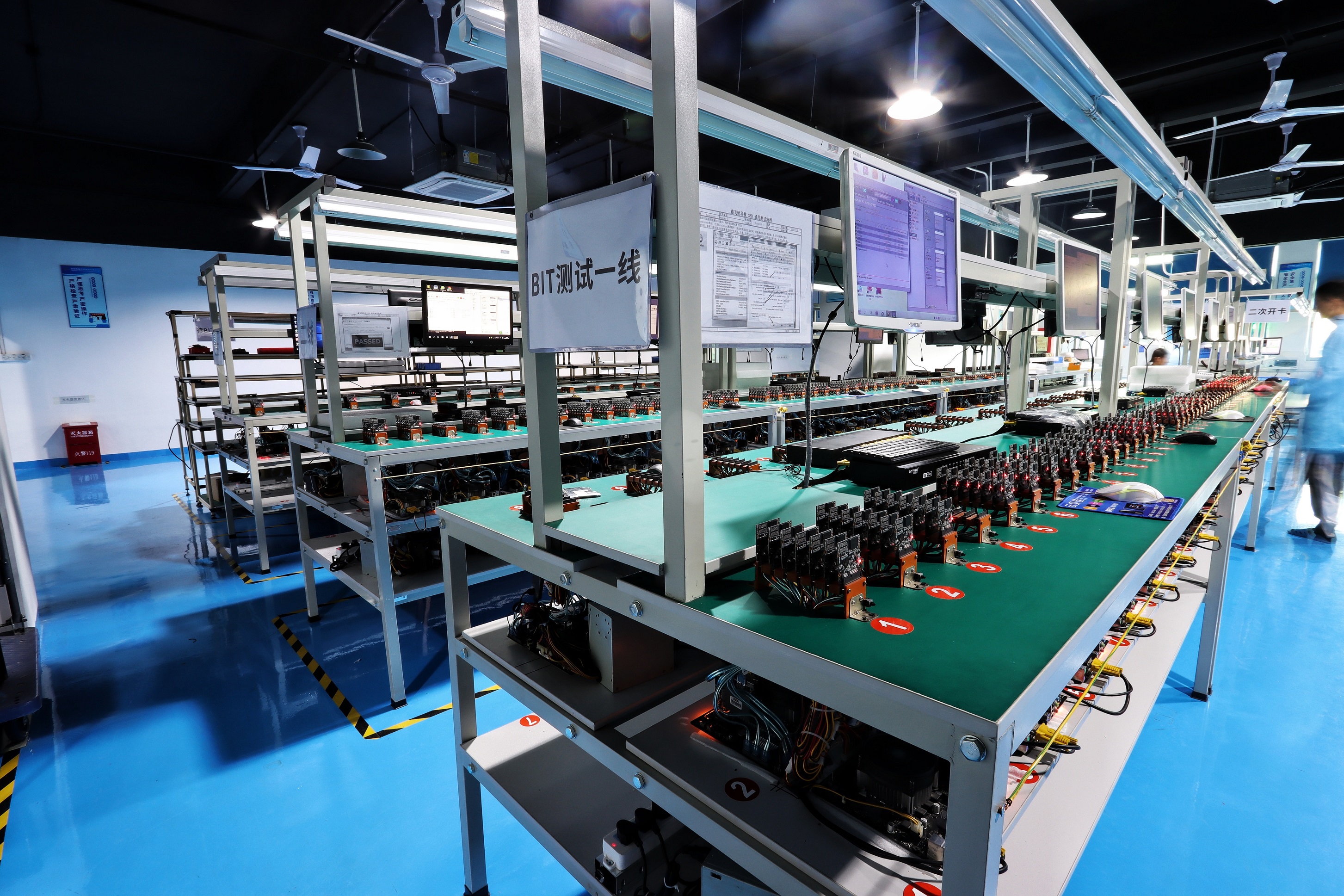
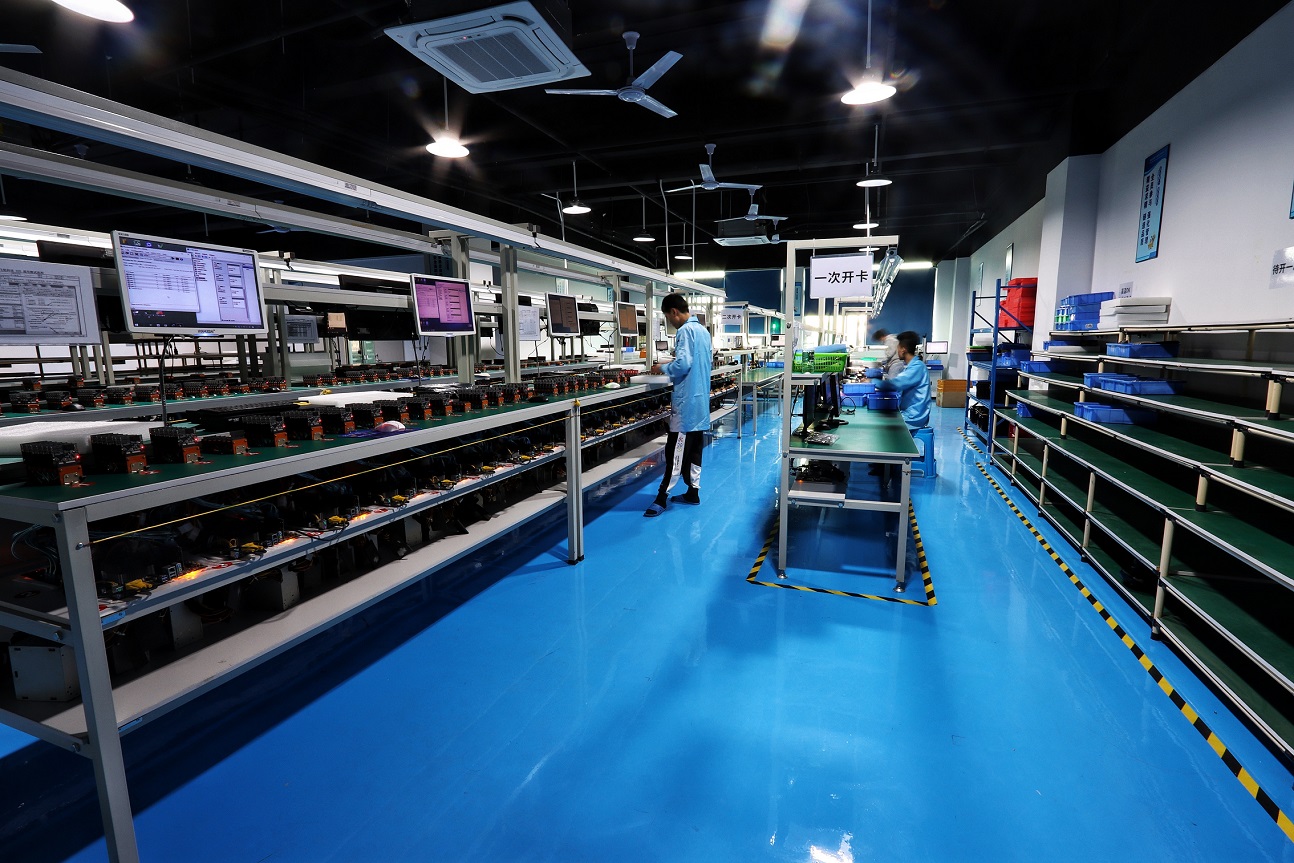
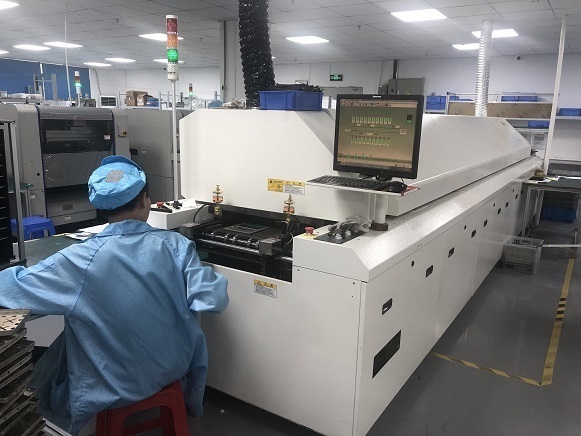
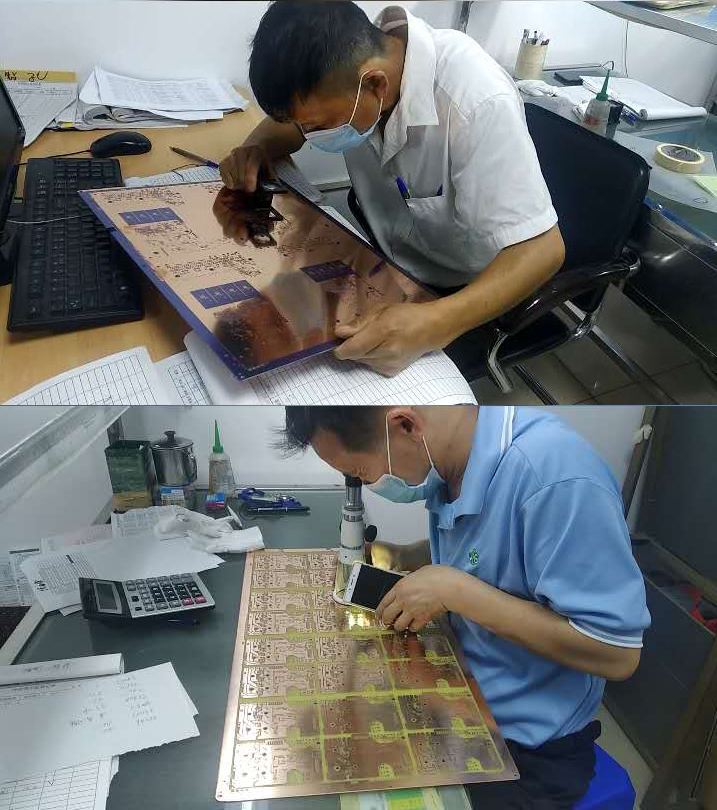
How local Boston innovators bypass manufacturing bottlenecks through highly synchronized global logistics.
The manufacturing landscape for complex multilayer boards and high-speed memory systems is characterized by high material costs and strict regulatory standards. High-TG designs demand strict controls during the thermal lamination process. For instance, the heating and cooling curves must be precisely monitored to prevent localized stress buildup, which can cause substrate warpage or barrel cracking in high-frequency multi-layer designs.
Chinese PCB fabrication facilities lead the industry by combining raw material supply networks with advanced automation. By grouping chemical manufacturers, copper-clad laminate (CCL) producers, and high-precision CNC drillers within unified industrial zones, Chinese manufacturers achieve production cycles that are 3 to 4 times faster than traditional regional fabricators.
Furthermore, this geographic integration allows for the continuous operation of high-mix, low-volume (HMLV) lines. For a startup in Kendall Square developing surgical robotics, this translates to obtaining a multi-layer hybrid Rogers/High-TG FR-4 prototype in under 7 business days, complete with complete flying probe testing, impedance coupons, and cross-section analysis reports.
Designing a High-TG stackup requires a detailed understanding of the mechanical and dielectric behavior of core and prepreg layers. Below are the key engineering metrics optimized by our production facility:
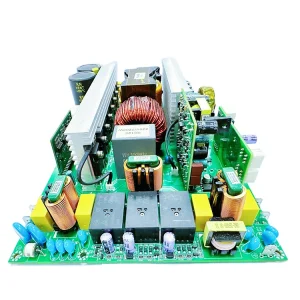
Explore our complete range of high-reliability memory modules, motherboard systems, and power conversion boards.
Comprehensive, technical answers address common inquiries from system integrators, circuit layout designers, and procurement managers.