NexaRAM
NexaRAM
NexaRAM
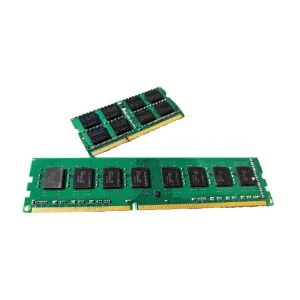
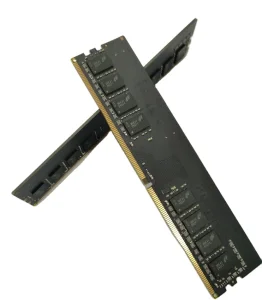
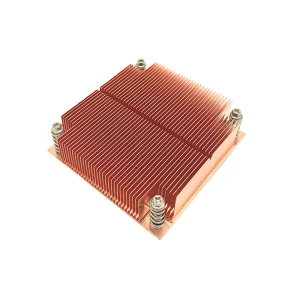
Discover our primary high-frequency boards, system memory modules, and processing cooling solutions optimized for enterprise systems across Kuwait. These modules are built on high-reliability substrates to meet strict signal integrity criteria under persistent deployment schedules.
As Kuwait advances its digital modernization under Kuwait Vision 2035, the demand for high-reliability, high-frequency printed circuit boards has expanded exponentially. Sectors such as oil and gas telemetry, military communication systems, regional telecommunication towers, and desalination plant automation networks rely heavily on consistent RF signal routing. Traditional FR-4 laminates fail to deliver the signal integrity and thermal performance needed in these harsh conditions. Rogers PCBs, developed on thermoset and ceramic-filled hydrocarbon architectures, provide the low dielectric loss and high structural resilience required to sustain long-term operations in Kuwait's challenging desert climate.
Rogers laminates, such as the RO4000 and RT/duroid series, present highly predictable Dielectric Constants (Dk) and incredibly low Dissipation Factors (Df). At high frequencies (from 5 GHz up to 77 GHz and above), standard FR-4 materials dissipate a substantial portion of the high-frequency signal as heat, causing severe signal degradation.
Rogers materials maintain a stable Dk across a broad temperature spectrum, preventing impedance mismatches in RF transceivers. Furthermore, their low moisture absorption coefficient (often under 0.06%) guarantees that external humidity fluctuations do not alter their electrical performance.
| Material Series | Dielectric Constant (Dk @10GHz) | Dissipation Factor (Df @10GHz) | Thermal Conductivity (W/m/K) | Primary Industrial Applications in Kuwait |
|---|---|---|---|---|
| Rogers RO4003C | 3.38 ± 0.05 | 0.0027 | 0.71 | 5G Base station antennas, LNBs, radar sensors |
| Rogers RO4350B | 3.48 ± 0.05 | 0.0037 | 0.62 | Power amplifiers, RF industrial controllers |
| Rogers RT/duroid 5880 | 2.20 ± 0.02 | 0.0009 | 0.20 | Military aerospace avionics, high-frequency radar |
| Rogers RT/duroid 6002 | 2.94 ± 0.04 | 0.0012 | 0.60 | Complex multilayer RF routing, collision avoidance systems |
Supported by NexaRAM Storage Technology's 12 years of industry experience, our partner manufacturing facilities leverage high-precision routing, premium lamination press control, and advanced testing setups to supply performance-critical hardware globally, including the specialized requirements of Kuwait's industrial markets.
Kuwait represents one of the most demanding operational environments in the world. During summer peaks, ambient outdoor temperatures regularly exceed 50°C (122°F). Within enclosed metallic cabinets, such as those housing telecom base stations or remote oil pipeline sensors, internal temperatures can spike beyond 85°C.
Traditional substrates suffer from thermal expansion mismatch in these environments. Standard FR-4 exhibits a high Coefficient of Thermal Expansion (CTE) along the Z-axis, which stresses plated through-holes (PTH) and leads to mechanical failure. In contrast, Rogers RO4000 series materials present a Z-axis CTE of ~46 ppm/°C, closely matching copper's CTE (~17 ppm/°C). This matching prevents solder joint fatigue and interlayer delamination, guaranteeing decadal reliability for Kuwaiti infrastructure projects.
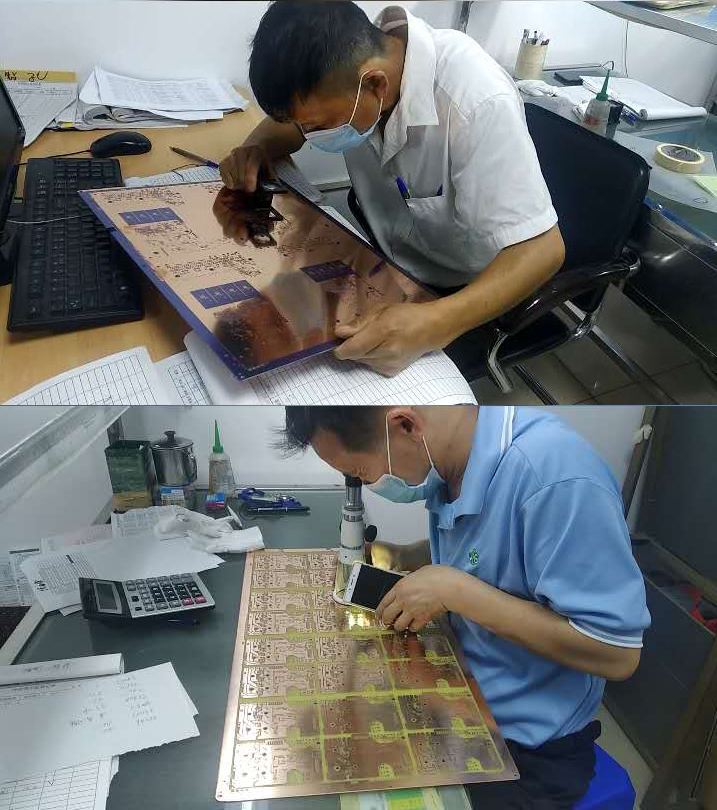
Every production batch undergoes meticulous verification. Advanced Automated Optical Inspection (AOI) checks copper trace profiles against CAD designs, while high-temperature burn-in cycles isolate infant mortality defects in multilayer boards.
Our 35-inspector quality management team is trained to verify impedance limits using Time-Domain Reflectometry (TDR) testing to guarantee our PCBs meet strict RF specs before dispatch.
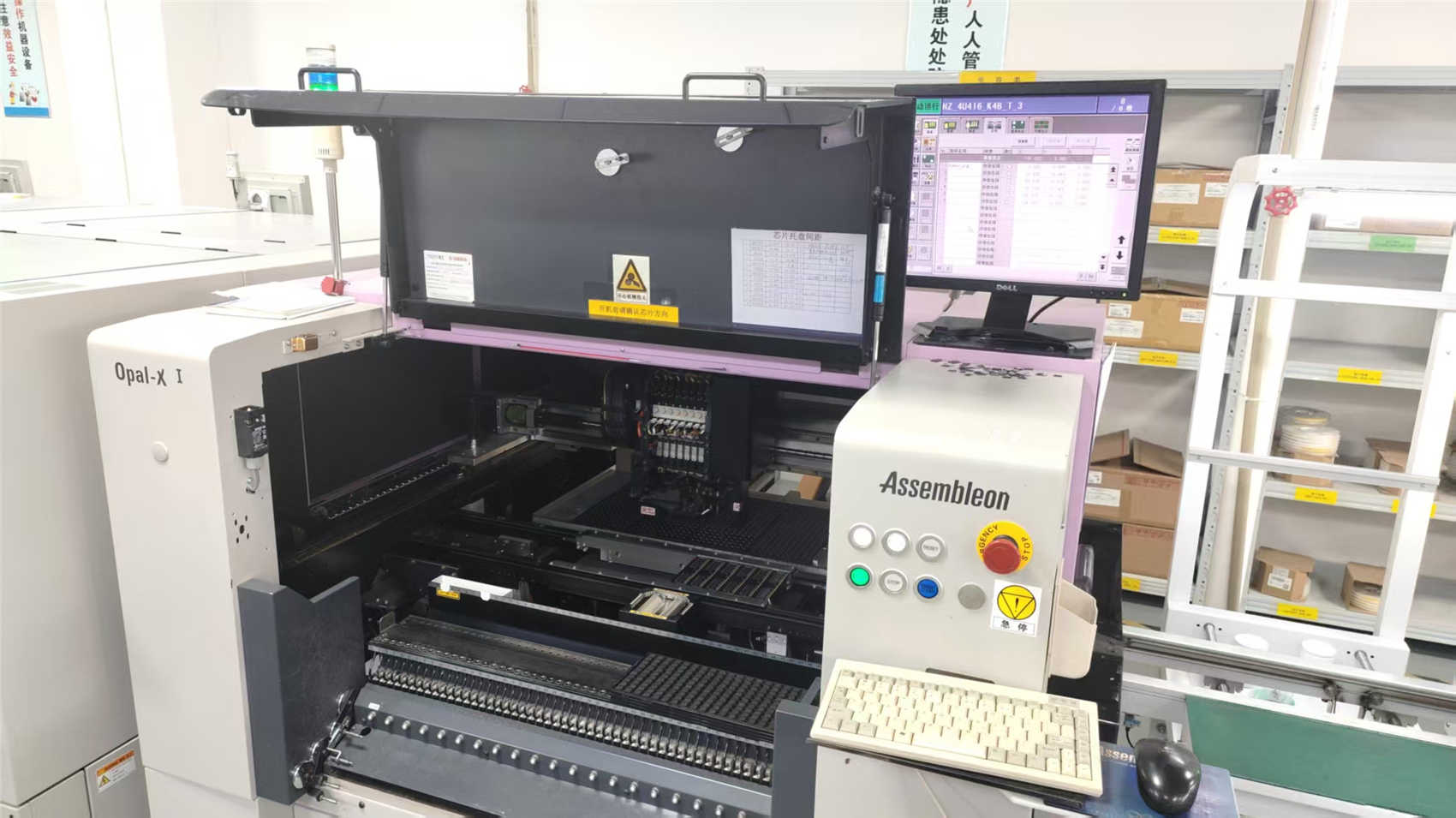
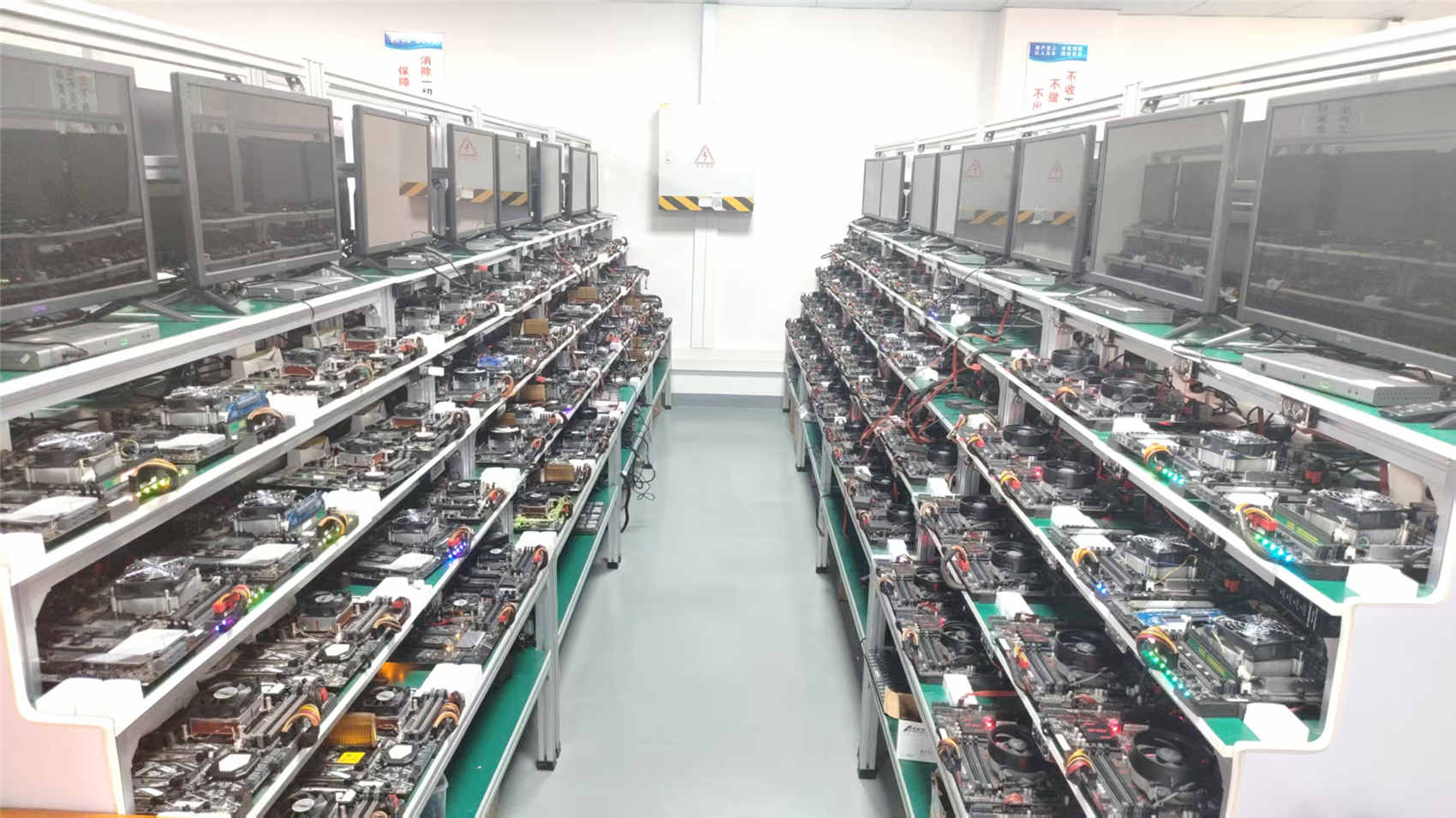
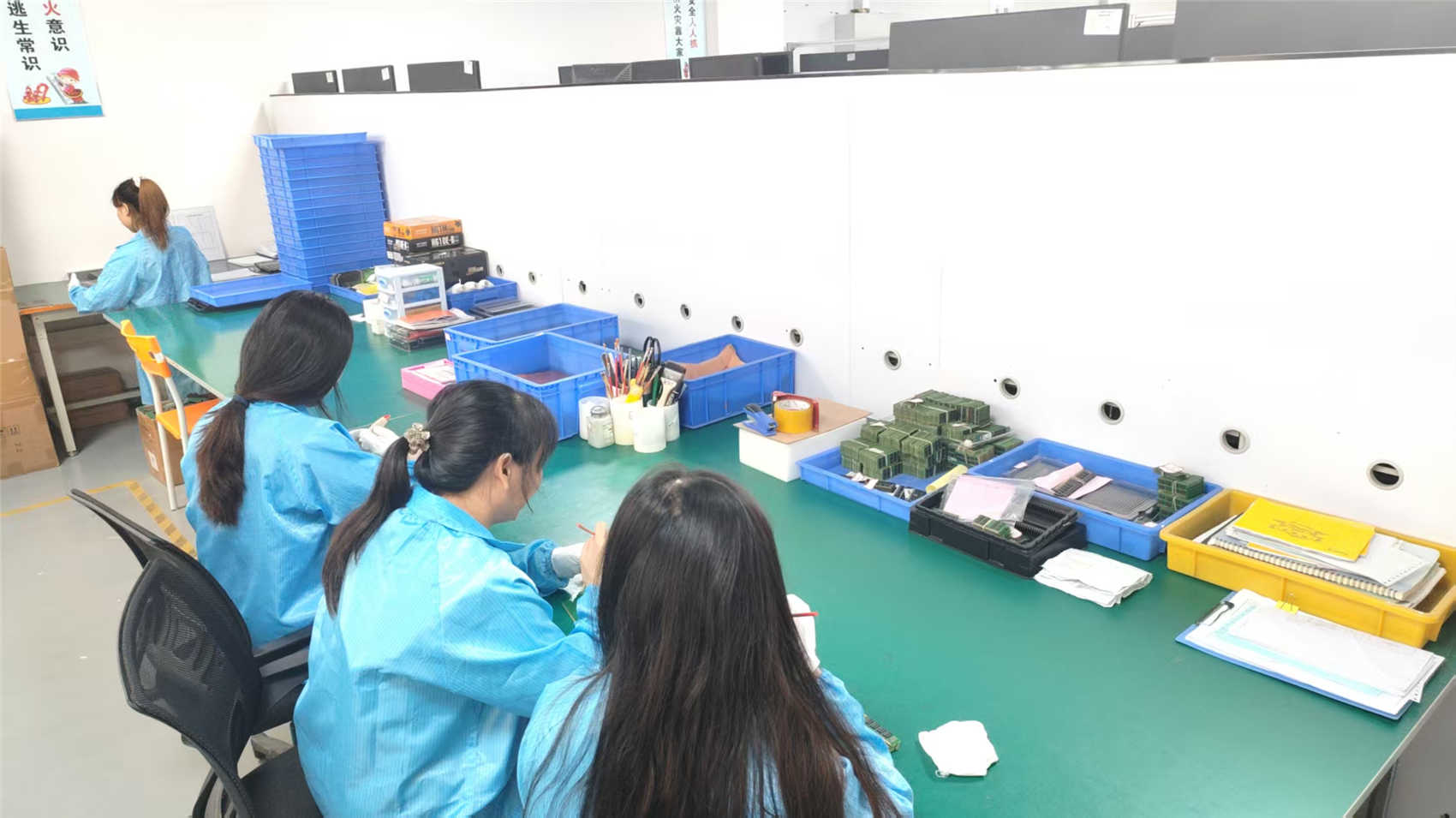
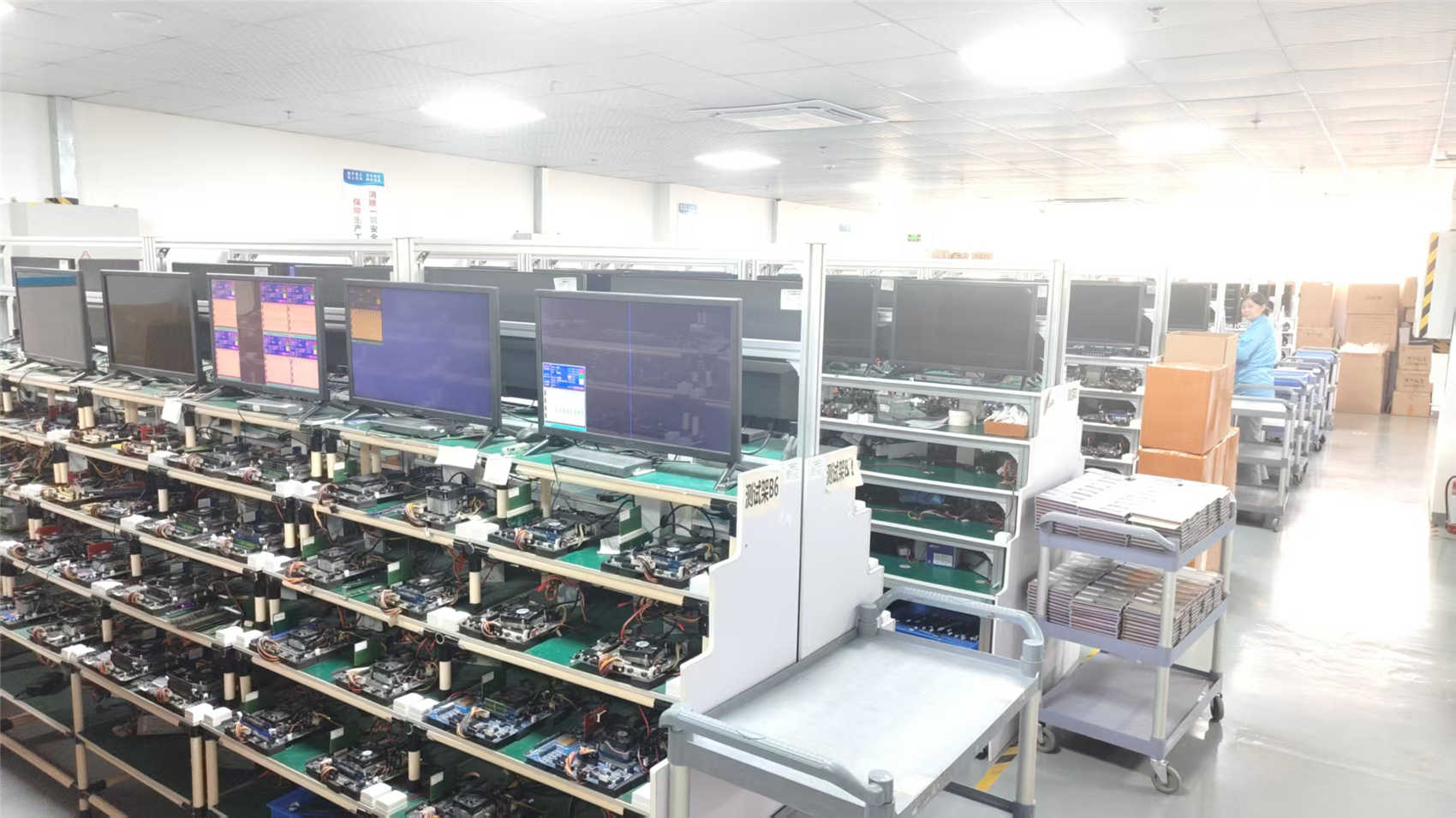
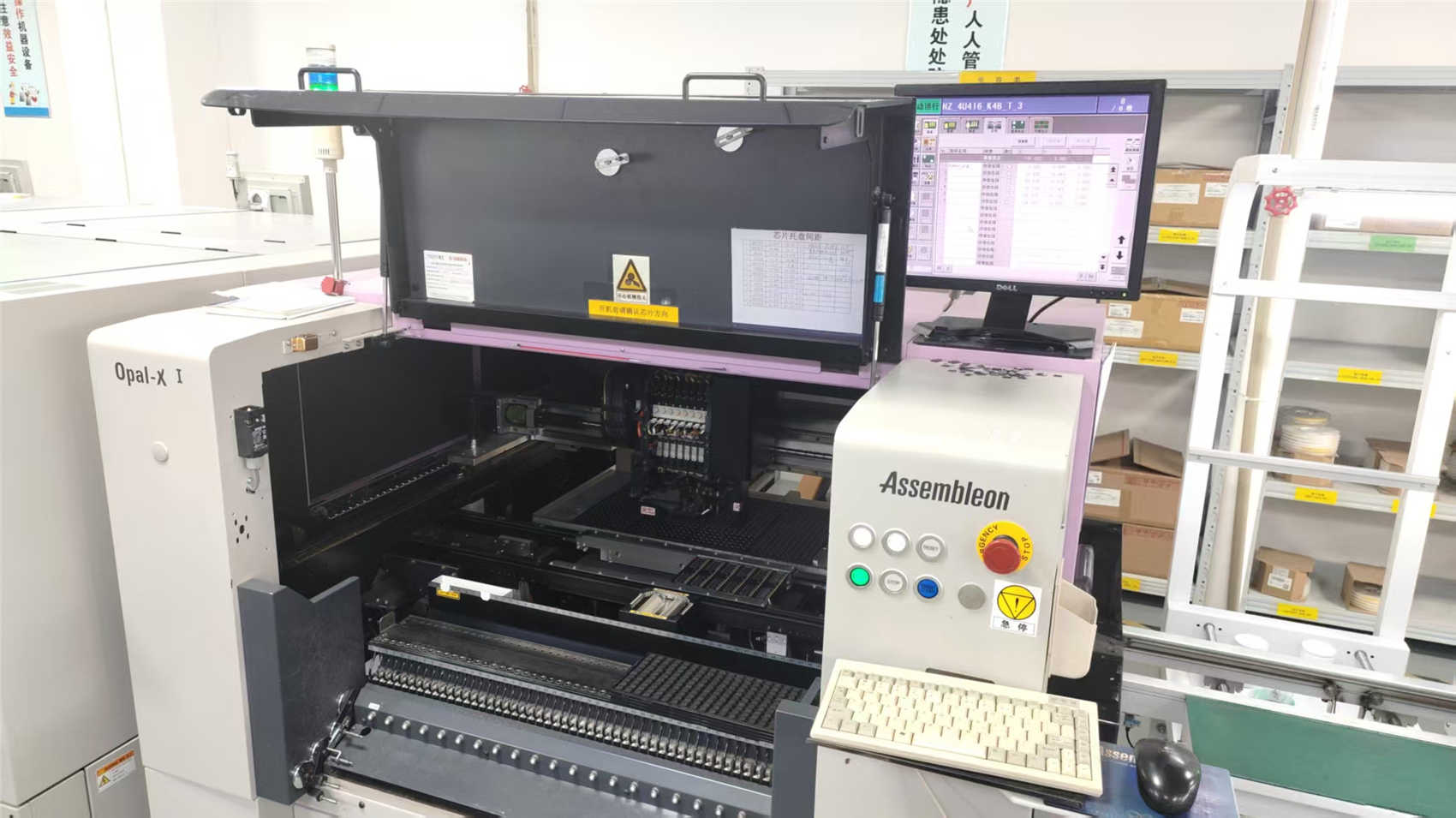
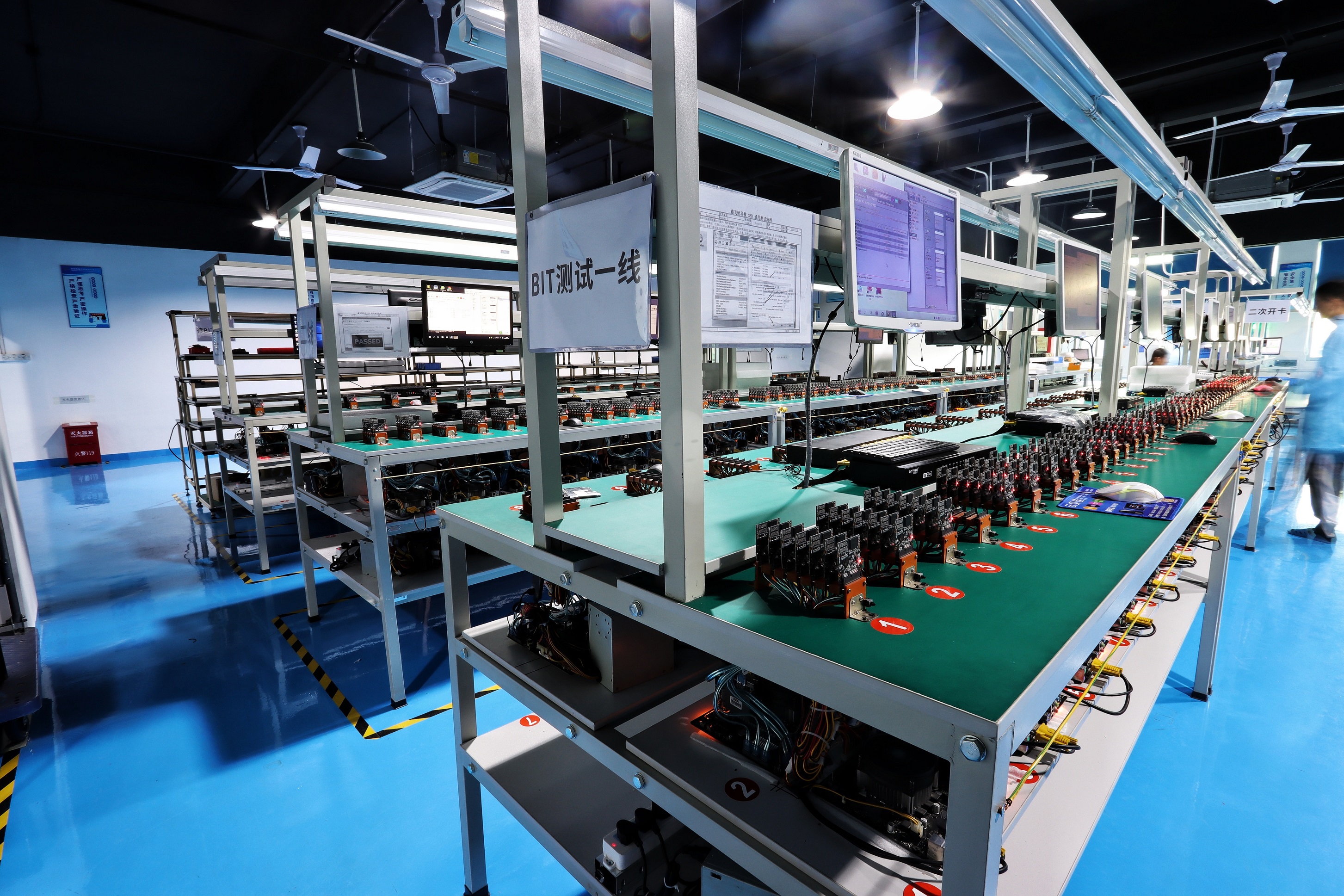
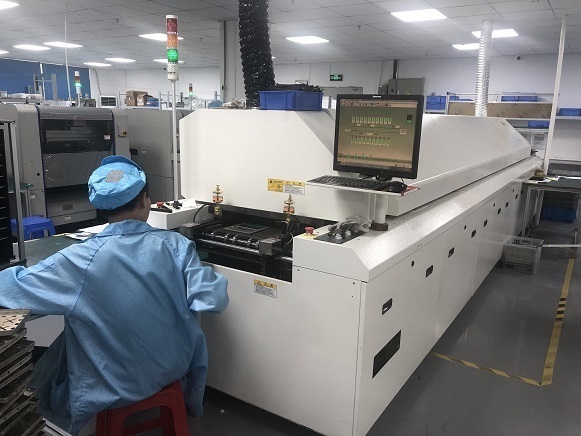
Reliability is not just a spec; it is a meticulous habit. Explore our cleanroom production environment, testing rigs, and precision testing jigs used to qualify high-frequency PCBs and high-capacity system memory modules.

The rollout of 5G Advanced (5.5G) and the groundwork for 6G technologies require substrates that operate efficiently in millimeter-wave bands (30 GHz to 300 GHz). At these high bands, conductor surface roughness significantly affects insertion loss.
Our upcoming technical route integrates Rogers ultra-low-profile (VLP) copper foils. By reducing the copper-to-dielectric interface roughness to sub-micron levels, we minimize skin effect losses. Combined with high-grade thermal dissipation materials, these designs ensure optimal signal strength and thermal safety for Kuwait's future communications and industrial automation.
At high frequencies, electrical currents flow mainly near the outer surface of a conductor. Microscopic surface roughness on standard laminates acts as a convoluted pathway, increasing resistance and loss. Utilizing Rogers RT/duroid and RO4450T laminates with smooth, low-profile copper foils minimizes this resistance, ensuring maximum signal throughput in critical communication links.
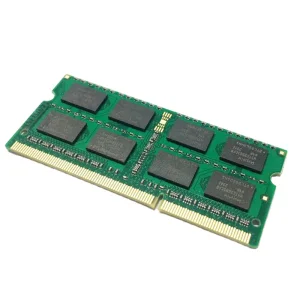
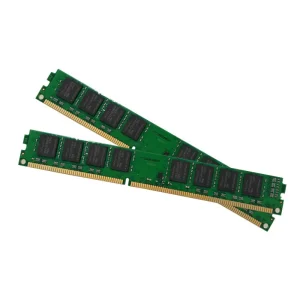
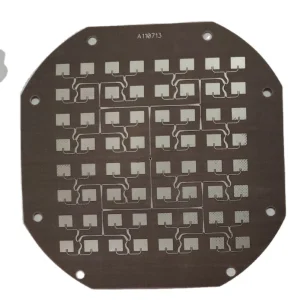
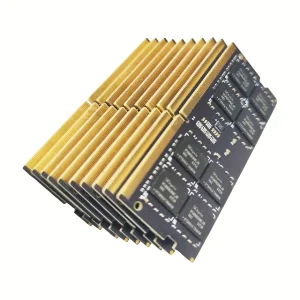
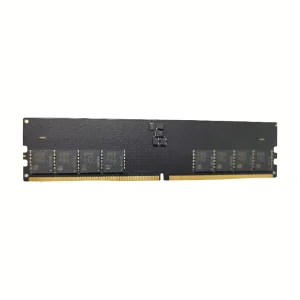
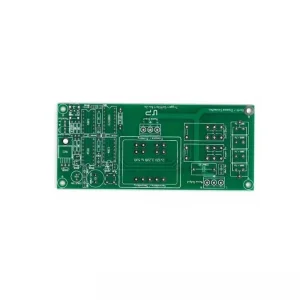
Our product line includes high-frequency PCB assemblies, aluminum-backed cooling plates, server motherboard solutions, and high-frequency memory modules.
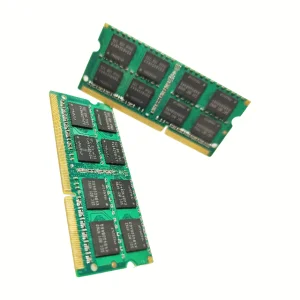
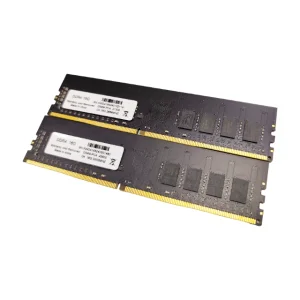
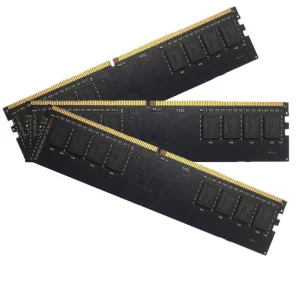
Whether you require complex hybrid stackups, fast-turn prototyping for 5G testbeds, or high-volume deliveries, our engineers are ready to support your project.
Send Inquiry Now